
You found a long Russian rifle with Cyrillic markings at an estate sale, and the seller says it's a "Berdan something." Before you assume it's another common Mosin, take a closer look. What you might be holding is a Model 1870 Berdan II; Russia's first successful breech-loading military rifle, designed by an American Civil War sharpshooter and manufactured by the millions.
The Berdan II represents one of those fascinating intersections where American innovation met Russian mass production. Hiram Berdan, famous for his Civil War sharpshooter units, designed this single-shot bolt-action rifle that would serve the Russian Empire for decades. Unlike the later Mosin-Nagant that collectors know well, the Berdan II fires the massive 10.75x58mmR cartridge and predates smokeless powder by twenty years.
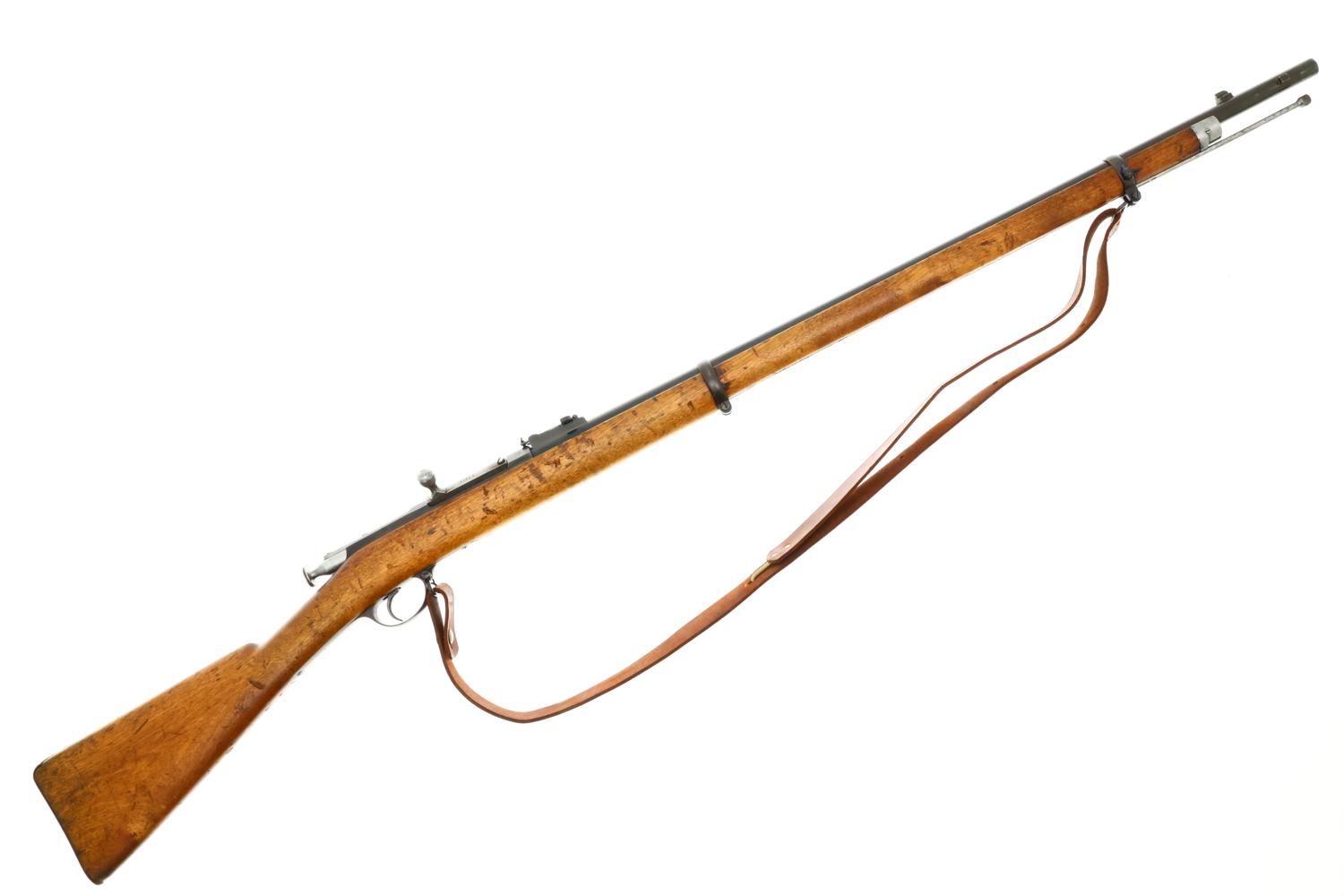
Here's what makes these rifles interesting to collectors: they're genuinely antique (pre-1899), they represent a major technological leap for their era, and many examples show the kind of honest wear that tells the story of Imperial Russian military service. The problem is telling a good example from a parts gun or identifying the various models and modifications that span nearly three decades of production.
From Civil War innovation to Russian adoption
Hiram Berdan didn't just design rifles; he was a crack shot who organized elite sharpshooter units during the Civil War. After the war, he turned his attention to rifle design, creating a simple but effective breech-loading system that caught Russian attention. The Russians had been burned by their experience with muzzle-loading rifles during the Crimean War and desperately needed modern breech-loaders.
The first Berdan model, adopted in 1868, used a trapdoor mechanism similar to the Springfield. But it was the Model 1870 Berdan II that really succeeded. This rifle featured a bolt-action mechanism that was simpler and more reliable than contemporary designs. The bolt rotated to unlock, pulled straight back to extract the spent case, and the whole system was robust enough for Russian manufacturing capabilities and field conditions.
What made the Berdan II special for its time was the combination of simplicity and effectiveness. The action uses a straight-pull bolt with a rotating bolt head; you lift the bolt handle, pull straight back, push forward, and rotate down to lock. No complex cam surfaces or precise tolerances that would cause problems in mass production. The extractor is a simple spring-loaded claw that grabs the rim of the massive 10.75x58mmR cartridge.
The cartridge itself deserves mention. The 10.75x58mmR was a beast; a .42-caliber black powder round that pushed a 370-grain bullet at about 1,400 feet per second. This gave the Berdan II serious hitting power at the ranges where 19th-century infantry fought. The rim diameter is massive compared to modern cartridges, which makes extraction positive even with dirty chambers.
Production variants and identification points
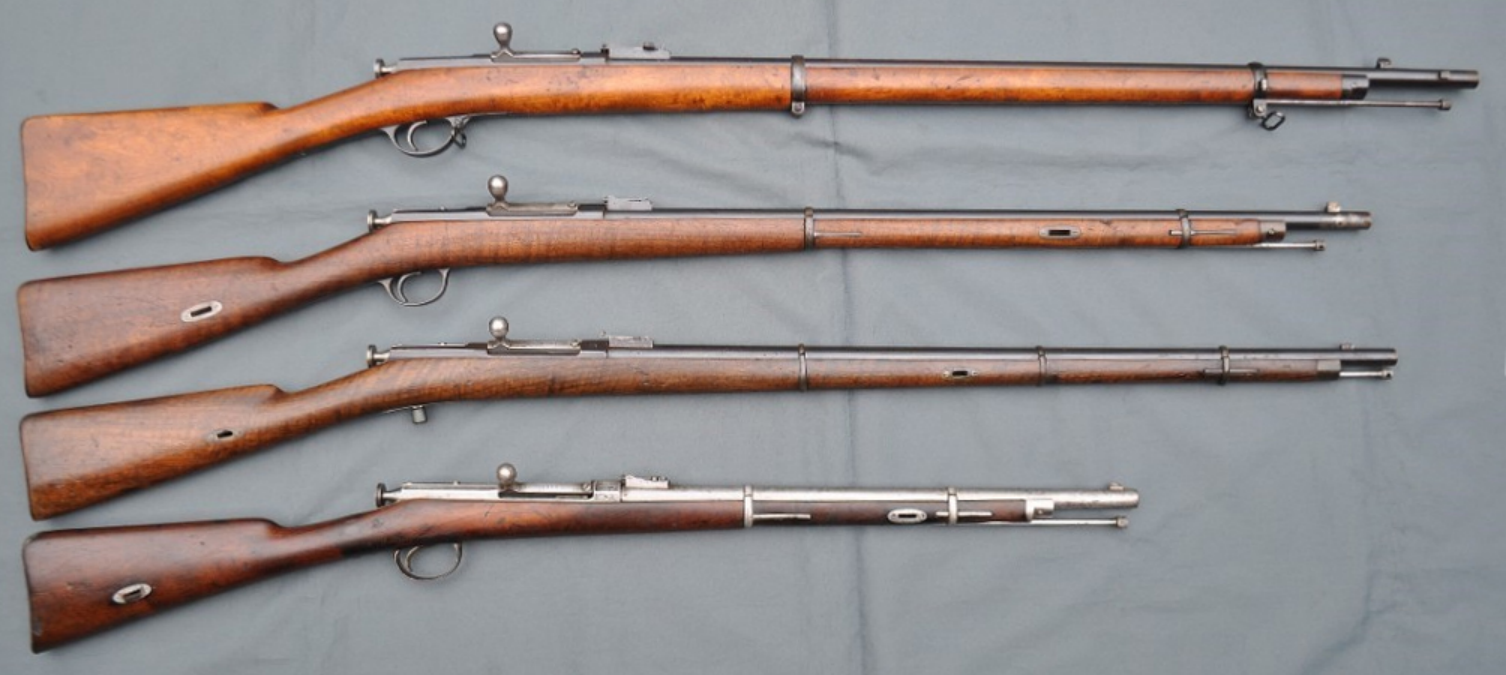
Russian Berdan II production spanned from 1870 to the late 1890s, with several distinct variants that collectors need to recognize. The basic infantry rifle was the most common, but dragoon carbines, Cossack rifles, and various specialty versions also exist.
The standard infantry rifle measures about 52 inches overall with a 32.5-inch barrel. The stock extends nearly to the muzzle with three barrel bands holding everything together. Early production rifles have a distinctive cleaning rod stored under the barrel in a channel cut into the stock. The bolt handle is straight and positioned for right-handed operation.
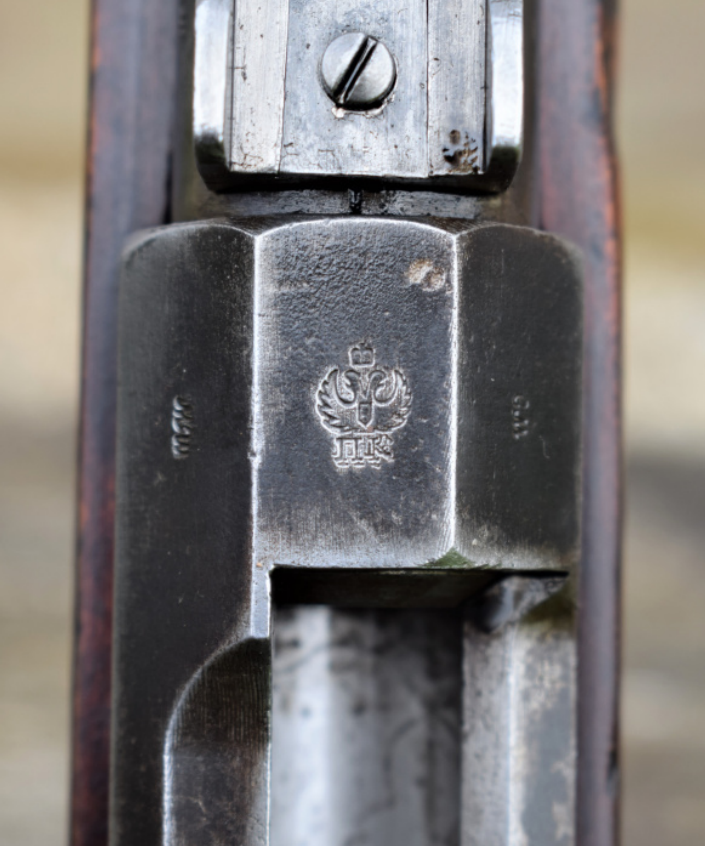
Look for the date markings on the receiver ring and barrel shank. Most rifles are dated between 1870 and 1895, with the majority falling in the 1880s when production peaked. The Cyrillic markings include the Tula arsenal mark (a crossed hammer and anchor) or other arsenal indicators. Serial numbers are typically found on the bolt, receiver, and barrel, though matching numbers aren't as critical for value as with later military rifles.
The dragoon carbine is noticeably shorter at about 48 inches overall, designed for mounted troops who needed a more manageable weapon. These are less common than infantry rifles and generally command higher collector interest. The Cossack version is even shorter and was made in smaller numbers for irregular cavalry units.
One variant that confuses collectors is the "converted" Berdan II. Some rifles were modified in Russian arsenals to accept different cartridges or had their actions updated. These conversions are historically interesting but generally worth less than original-configuration rifles. You'll sometimes see rifles that have been rechambered for 7.62x54mmR or other cartridges; these are curiosities rather than serious collector pieces.
What to look for when inspecting a Berdan II
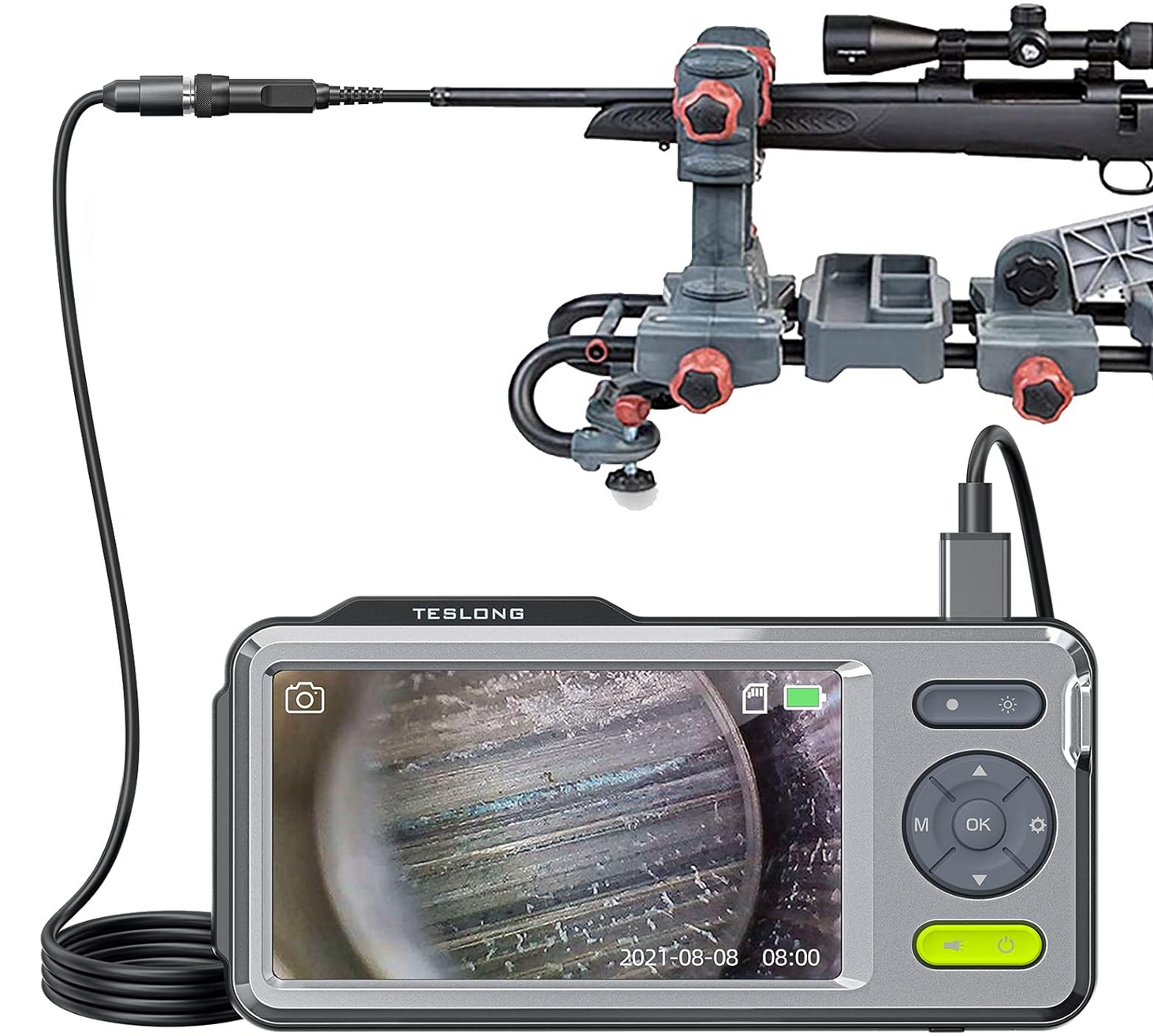
The bore condition matters more on these rifles than on many military surplus guns because the black powder cartridge and corrosive primers took a heavy toll. Look down the barrel with a good light source. You want to see sharp rifling with minimal pitting or erosion. Some darkening is normal after 130+ years, but deep pitting or a completely smooth bore kills the value.
Check the bolt operation carefully. The bolt should rotate smoothly and lock up tight when closed. Excessive play in the bolt head or difficulty operating the bolt usually indicates wear in the locking lugs or bolt face. The extractor should have good spring tension; a weak extractor makes the rifle difficult to shoot with original ammunition.
Examine the stock for cracks, repairs, or modifications. These rifles saw hard service, and many stocks show honest wear including dings, scratches, and minor cracks. What you don't want to see are major splits through the wrist, amateur repairs with modern screws or glue, or stocks that have been cut down or sporterized. The original military finish was typically a simple oil finish that's darkened with age.
The metalwork should show the kind of wear you'd expect from military service; holster wear on the barrel bands, handling marks on the receiver, and honest patina throughout. Be suspicious of rifles that look too good or show signs of refinishing. Original Russian military finish was typically a simple blue or blue-black color that's often worn to gray or brown in high-wear areas.
Look for import marks if you're buying in the United States. Most Berdan IIs imported after 1968 will have required markings, but since these are antique firearms (pre-1899), import requirements are different. Some rifles came in through military surplus channels decades ago and may lack modern import marks.
Common fakes, conversions, and problems
The good news is that Berdan II rifles aren't valuable enough to justify sophisticated fakes. The bad news is that you'll encounter plenty of rifles that have been modified, "improved," or cobbled together from parts over the decades.
Watch out for sporterized examples that someone tried to convert back to military configuration. These usually have obvious signs like shortened stocks that have been extended, replacement barrel bands that don't fit quite right, or modern screws mixed in with original hardware. A rifle that's been sporterized and then "restored" is worth less than an honest sporterized rifle.
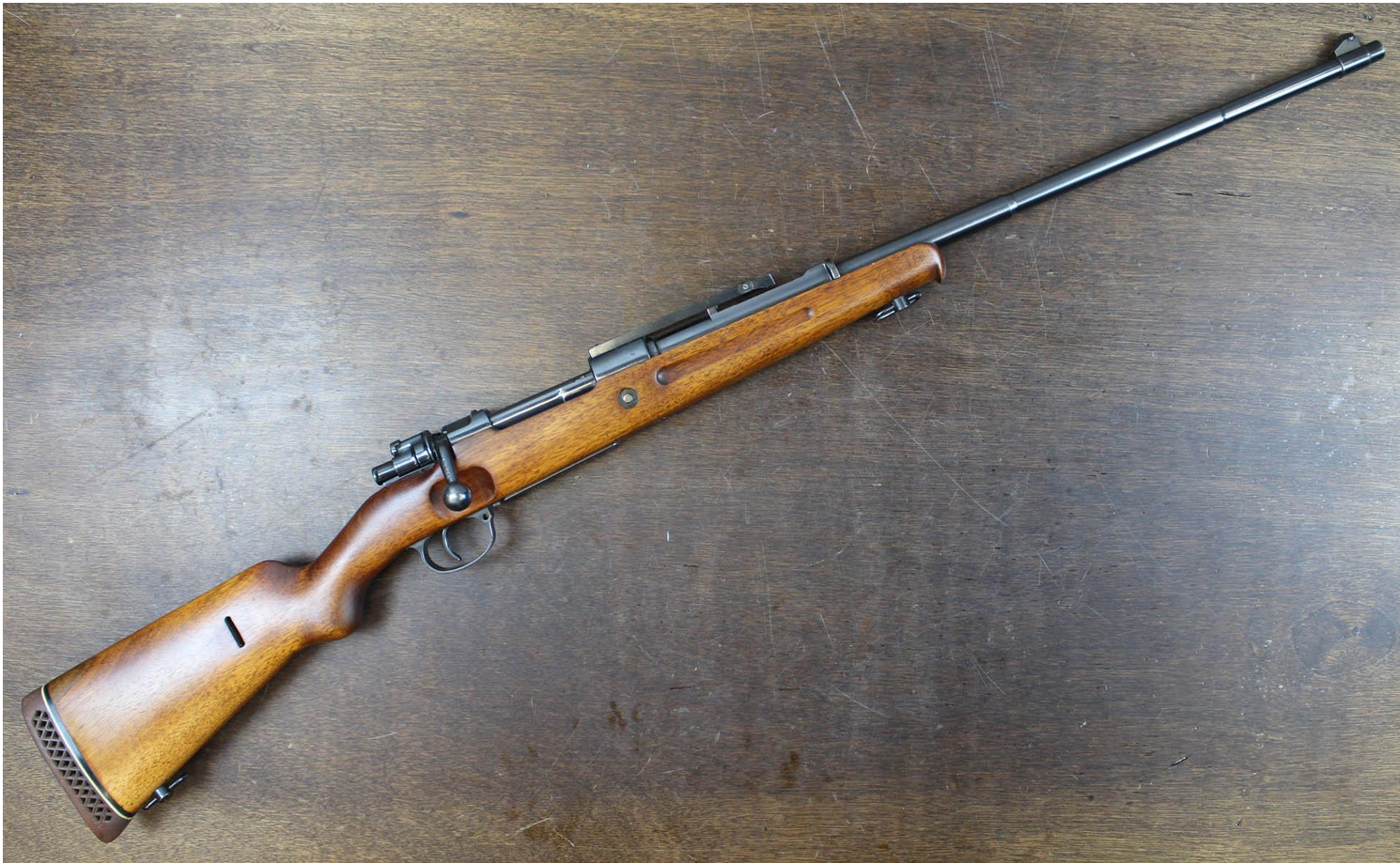
Parts guns are another concern. With millions of Berdan IIs produced and many rifles cannibalized for parts over the years, you'll see rifles assembled from mixed components. Non-matching serial numbers aren't necessarily a problem, but be suspicious if the parts don't seem to fit together properly or show different wear patterns.
Some rifles have been converted to fire modern cartridges, particularly 7.62x54mmR. These conversions typically involve rechambering the barrel and sometimes modifying the bolt face. While these might make interesting shooters, they're not collectible in the same way as original rifles. The conversion work is usually obvious if you know what to look for; modern chamber dimensions, modified bolt faces, or replacement parts that don't match the original specifications.
Be careful with rifles that have been "restored" or refinished. I've seen Berdan IIs that someone tried to make look new again with modern bluing, refinished stocks, and replacement parts. These rifles often look wrong to experienced eyes; too shiny, wrong color, or with parts that don't match the original manufacturing techniques.
The most common problem with Berdan IIs is simply condition. These rifles are old, they saw hard use, and many have been stored in less-than-ideal conditions for decades. Rust, pitting, cracked stocks, and worn actions are the norm rather than the exception. A rifle in genuinely excellent condition is rare and commands a premium.
Ammunition and shooting considerations
The 10.75x58mmR cartridge is what makes shooting a Berdan II challenging today. Original military ammunition is essentially nonexistent, and commercial ammunition is expensive when you can find it. Most shooters who want to fire these rifles end up handloading, which requires specific brass and bullets.
The cartridge uses a .429-inch diameter bullet, which is close to but not identical to .44 caliber pistol bullets. Proper bullets for the Berdan II should weigh 370-400 grains and have a round-nose profile similar to the original military load. The brass is based on a unique case design that's difficult to form from other cartridges.
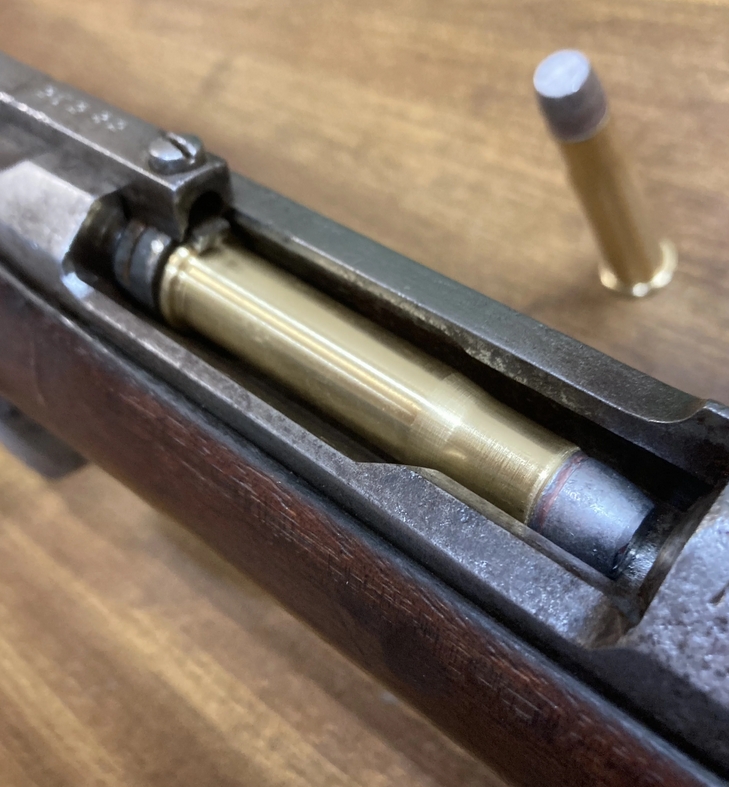
Black powder loads are historically correct and generally safe in good-condition rifles, but you need to understand black powder loading techniques and safety procedures. Smokeless powder loads are possible but require careful load development since the rifle was designed for the lower pressures of black powder cartridges.
Before shooting any Berdan II, have the rifle inspected by someone familiar with these rifles. The bolt locking system needs to be tight, the barrel should be in good condition, and the overall rifle should be structurally sound. These rifles are over 130 years old, and not all of them are safe to shoot even if they look good externally.
Many collectors treat Berdan IIs as display pieces rather than shooters. The combination of expensive ammunition, the rifle's age, and the historical significance makes shooting optional rather than essential for most collectors.
Collector interest and market position
The Berdan II occupies an interesting niche in military rifle collecting. It's genuinely antique, historically significant, and represents an important technological development. But it's also overshadowed by more famous rifles like the Mosin-Nagant, Mauser, and Springfield.
Collector interest tends to focus on rifles in good original condition, unusual variants like the dragoon carbine, and rifles with clear arsenal markings and dates. Condition is critical; a rifle in excellent condition with good bore and original finish commands significantly more interest than a worn example.
The historical significance appeals to collectors interested in the development of military rifles, Russian military history, or American firearms designers working abroad. The Berdan II represents the transition from muzzle-loading rifles to modern breech-loaders, and Hiram Berdan's role adds an American connection to Russian military history.
Rarity varies significantly by variant. Standard infantry rifles were made by the millions and are relatively common in the surplus market. Dragoon carbines are less common, and specialized variants like Cossack rifles or target rifles are genuinely scarce. Condition and completeness matter more than absolute rarity for most variants.
The ammunition situation affects collector interest. Unlike rifles that fire common cartridges, the Berdan II's 10.75x58mmR chambering means most collectors will never shoot their rifles. This pushes collector interest toward historical significance and display quality rather than shooting performance.
Regional variations and arsenal marks
Russian Berdan II production involved multiple arsenals, and understanding the different markings helps with identification and dating. The Tula arsenal produced the majority of rifles and used distinctive markings including the crossed hammer and anchor symbol along with Cyrillic date markings.
Izhevsk also produced Berdan IIs, typically marked with different Cyrillic characters and sometimes different dating systems. Some rifles show mixed arsenal markings, indicating refurbishment or parts replacement during their service life. Understanding these markings requires familiarity with Cyrillic characters and Russian dating conventions.

Contract production also occurred, with some rifles manufactured by private firms under Russian government contracts. These rifles typically show different markings but follow the same basic specifications as arsenal-produced rifles. Quality can vary between different manufacturers, with some contract rifles showing cruder workmanship than arsenal production.
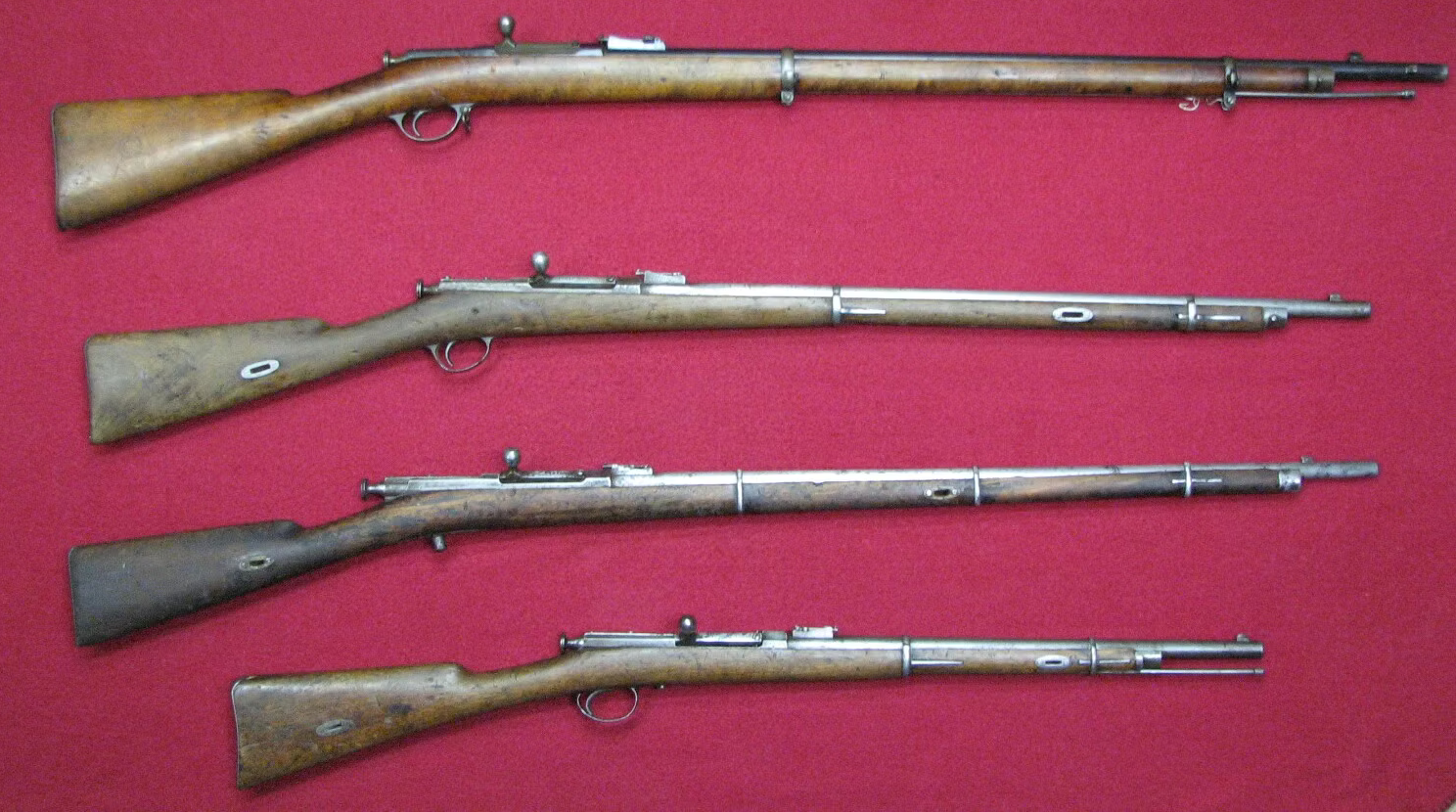
Export versions exist for countries that purchased Berdan IIs from Russia. These rifles sometimes show different markings, modified sights, or other changes to meet the purchasing country's requirements. Turkish, Bulgarian, and other Balkan countries used Berdan IIs, and these rifles occasionally appear in the American surplus market.
The markings on a Berdan II can tell you when and where it was made, which arsenal handled it, and sometimes what unit it was issued to. Learning to read these markings adds significantly to the rifle's historical interest and helps with proper identification.
Before you buy that Berdan II
Start with a thorough inspection of the bore using a good flashlight or bore light. The rifling should be sharp and clear with minimal pitting. Some darkening is acceptable, but avoid rifles with severely pitted or eroded bores unless you're buying for parts or display only.
Check the bolt operation carefully. The bolt should rotate smoothly, extract spent cases reliably, and lock up tight when closed. Excessive play in the bolt head or binding during operation usually indicates significant wear or damage that's expensive to repair.
Examine the stock for structural integrity. Minor dings and scratches add character, but avoid rifles with major cracks through the wrist, amateur repairs, or stocks that have been modified. Original military stocks have a specific profile and finish that's difficult to replicate correctly.
Ask about the rifle's history if you're buying from a dealer or collector. Knowing whether a rifle has been imported recently, stored properly, or modified can help you make an informed decision. Documentation or provenance adds interest and value.
Research current market conditions before making an offer. Berdan II prices vary significantly based on condition, variant, and completeness. A good-condition infantry rifle commands different money than a dragoon carbine or a parts gun.
Consider your collecting goals. If you want a shooter, factor in the ammunition situation and the rifle's age. If you're buying for historical interest, focus on originality and documentation. If you're looking for an investment, understand that Berdan IIs are a specialized market with limited liquidity compared to more common military rifles.
The Berdan II represents a fascinating chapter in firearms development; an American design that armed the Russian Empire and bridged the gap between muzzle-loaders and modern military rifles. With careful inspection and realistic expectations, a good Berdan II makes an interesting addition to any military rifle collection. Just remember that you're buying a 130-year-old rifle that was designed for black powder cartridges and built for military service, not modern shooting sports.