You've been shooting matches for a few months now. Your gear's dialed in, you know the rules, and you're not DQ'ing anymore. But you're stuck in the middle of the pack, watching the same shooters clean up every month while you wonder what they know that you don't.
Here's the thing: those top shooters aren't just practicing more; they're practicing smarter. They're using tools to analyze their performance, learning from proven sources, and tracking data that most shooters ignore. The difference between shooting and training is measurement, and the resources that help you measure are what separate the serious competitors from the weekend warriors.
This isn't about buying your way to the top. It's about finding the books, channels, apps, and tools that actually help you identify weaknesses and track improvement. Most of this stuff costs less than a case of match ammo, but it'll do more for your scores than any new gun.
Training manuals that actually work
The competition shooting world is full of books that sound impressive but don't help you shoot better. Skip the philosophical treatises and tactical fantasies. These manuals give you drills, standards, and measurable ways to improve.
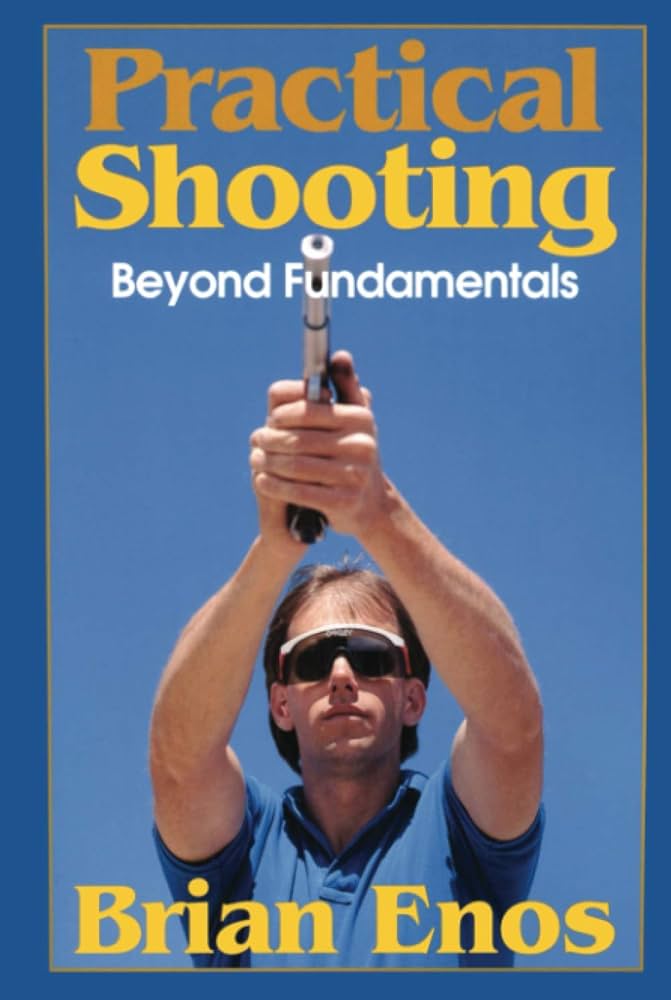
Practical Shooting, Beyond Fundamentals by Brian Enos remains the gold standard. Enos breaks down the mental game in ways that make sense on the range. His concept of "calling your shots" isn't just about knowing where you hit; it's about developing the awareness to know what went wrong before you even see the target. The book's strength is connecting the mental side to physical performance through specific exercises.
With Winning in Mind by Lanny Bassham approaches competition from the mental training angle. Bassham's background in Olympic shooting gives him credibility, but the concepts work for action sports too. The performance journal system alone is worth the price. Most shooters track scores but not the conditions that created those scores. Bassham shows you how to identify patterns in your performance.
Steve Anderson's books, particularly "Refinement & Repetition", focus on structured practice. Anderson's approach to dry fire progression makes sense: start with perfect fundamentals, add speed gradually, and measure everything. His dot torture variations give you specific benchmarks to chase instead of just "shooting better."
The key with any manual is applying it systematically. Don't just read about calling shots; spend two weeks focusing only on that skill. Track your progress. Most training books fail because shooters try to implement everything at once instead of mastering one concept at a time.
YouTube channels worth your time
YouTube is full of shooting content, but most of it won't make you faster or more accurate. The channels that help are the ones that show you specific techniques, not just gear reviews or match footage.
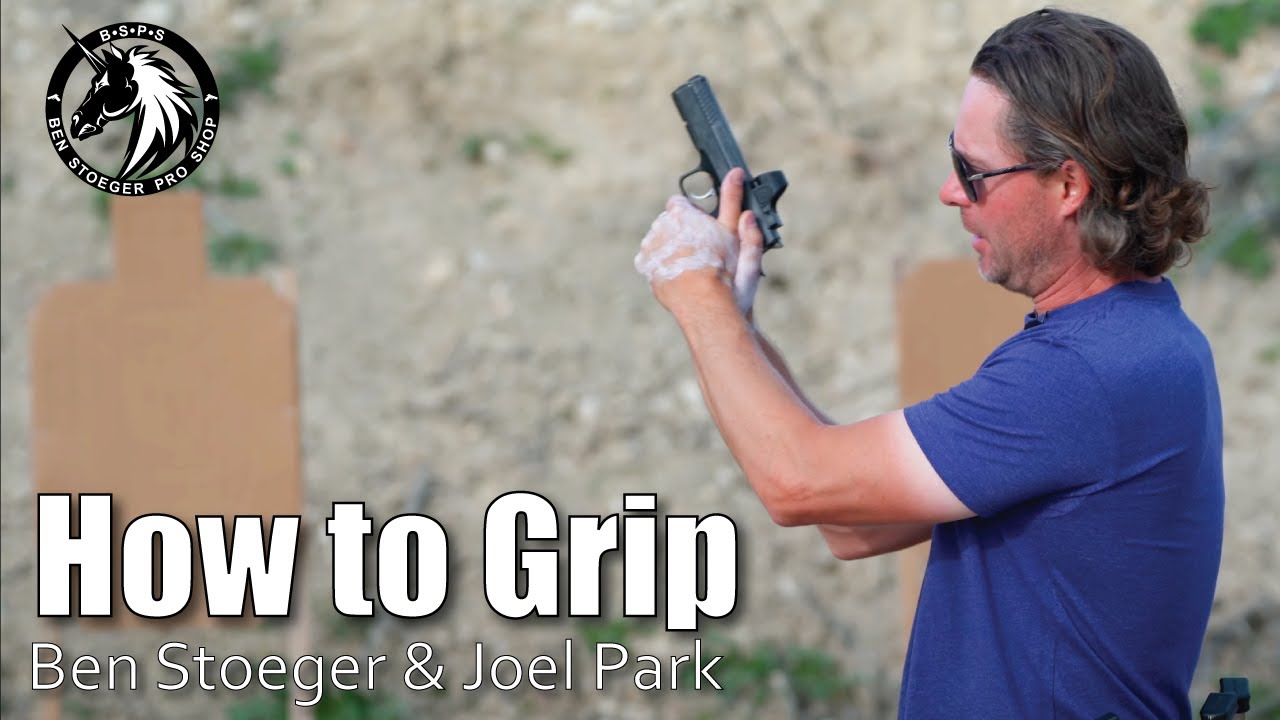
Ben Stoeger's channel delivers practical instruction without fluff. His draw stroke breakdowns are detailed enough to spot your own mistakes. The grip videos alone will fix most accuracy problems. Stoeger's strength is showing you what good technique looks like at normal speed, then breaking it down frame by frame so you can see the details.
Steve Anderson's Dry Fire Training Cards channel focuses on structured practice. Anderson shows you how to set up drills, what standards to chase, and how to progress. His approach to par time training makes sense, start slow enough to get perfect hits, then gradually reduce the time. Most shooters do this backwards.
Lucas Botkin's T.REX ARMS channel has solid fundamentals content mixed with gear reviews. The draw stroke and reloading videos are technically sound. Skip the tactical stuff and focus on the competition-relevant skills. Botkin's reload technique is clean and repeatable.
Hwansik Kim's channel shows high-level technique in action. Kim doesn't explain much, but watching his stage breakdowns teaches you how top shooters think about stage planning. His movement patterns and shooting positions are worth studying even if you're not at his level yet.
The best channels show you technique, not just results. Match footage is entertaining but doesn't teach you much unless it's broken down with analysis. Look for channels that explain the why behind the technique, not just the what.
Shot tracking and analysis apps
This is where most shooters leave performance on the table. You can't improve what you don't measure, but most shooters only track their final scores. The apps that help are the ones that capture data during practice, not just match results.
MantisX is the most useful training tool most shooters aren't using. The system tracks your gun movement during the trigger press and shows you exactly what you're doing wrong. The X3 model works for dry fire and live fire, giving you consistent feedback on trigger control. The app breaks down your shots by error type, are you jerking the trigger, or is your grip inconsistent?
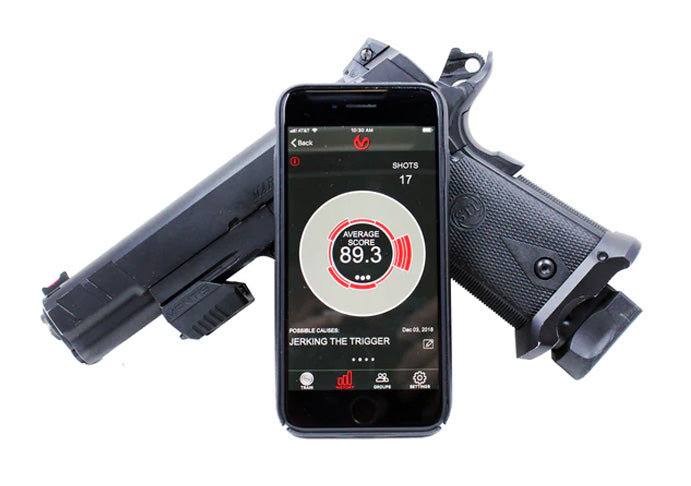
What makes MantisX valuable is the immediate feedback. You can see your trigger press pattern shot by shot, not just the final group. The training programs are structured progressions that actually work. Start with the basic trigger control exercises and work up to the competition modules.
Ballistic calculators matter more for precision rifle, but action shooters benefit from understanding trajectory at longer ranges. Strelok Pro is comprehensive without being overwhelming. The app handles multiple rifles and loads, and the interface makes sense. For most pistol competition, you're not dealing with significant bullet drop, but understanding your ammunition's performance helps with stage planning.
Shot timer apps work for basic practice, but dedicated timers are more reliable. The PACT Club Timer III remains the standard for a reason, it picks up shots consistently and the display is easy to read. Some shooters use timer apps for dry fire practice, but the sensitivity isn't consistent enough for live fire.
The key with any tracking system is consistency. Use the same app or device for every practice session so your data is comparable. Most shooters try different systems and never build a useful database of their performance.
Range notes: what to track during practice
Your practice sessions generate data, but most shooters don't capture it systematically. Here's what actually matters:
Track your par times for standard drills. The Bill Drill at seven yards should be under 2.5 seconds with all A-zone hits. The Blake Drill should be under 5 seconds. Having specific standards gives you something to chase instead of just "shooting better."
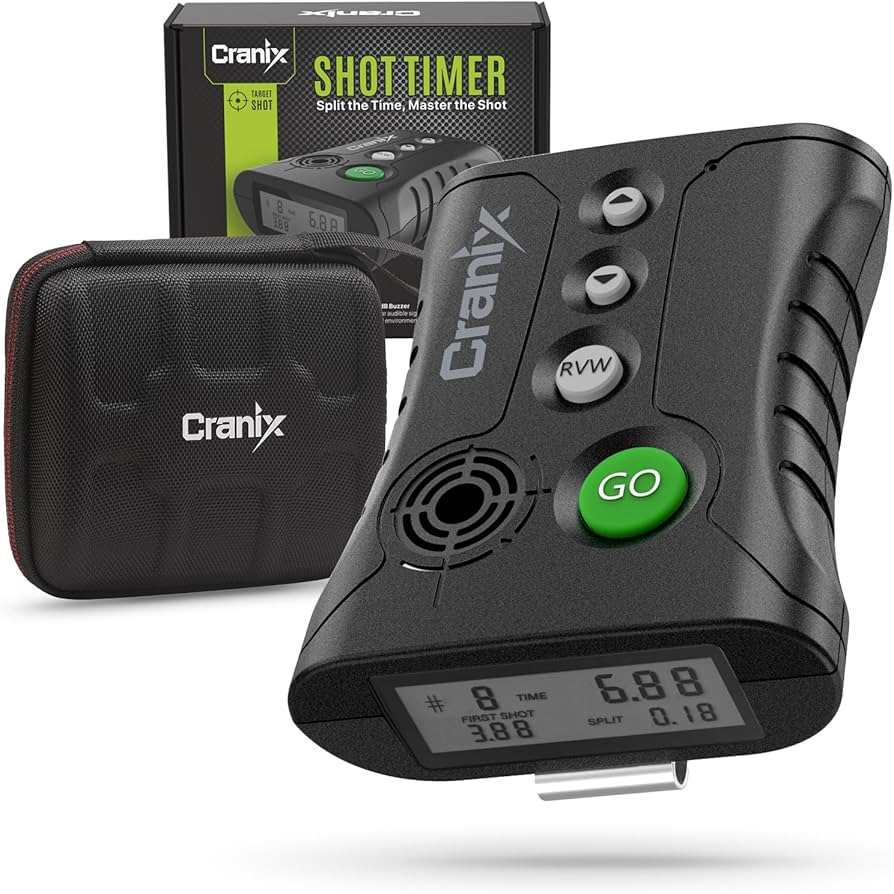
Record your draw times from concealment and from a competition holster. Sub-1.5 seconds to first shot is the baseline for serious competitors. Most shooters practice their draw but never time it consistently.
Note environmental conditions that affect performance. Temperature, wind, and lighting all matter. Your groups will open up in cold weather, and bright sun changes your sight picture. Tracking these patterns helps you adjust during matches.
Document ammunition performance with different loads. Your gun might prefer 147-grain bullets over 124-grain, or your groups might tighten up with a specific powder charge. This matters more for precision work, but action shooters benefit from understanding their ammunition's characteristics.
The goal isn't to become obsessed with data, it's to identify patterns. If your accuracy drops after 100 rounds, you know to take breaks during long practice sessions. If your draw times slow down when you're tired, you know to work on that specific weakness.
Ballistics tools for precision work
Action shooting doesn't require the ballistics precision that F-Class demands, but understanding your ammunition's performance helps with stage planning and longer shots.
Kestrel weather meters with ballistics calculators are overkill for most pistol competition, but they're essential for rifle matches. The Kestrel 5700 Elite with Applied Ballistics software handles complex calculations and environmental factors. For PRS or long-range precision work, this level of detail matters.
Burris Optics' ballistic tools provide good basic calculations without the complexity of military-grade systems. Their online calculator handles most hunting and competition scenarios. The interface is straightforward, and the results are accurate enough for practical shooting distances.
BallisticARC offers detailed trajectory modeling for serious precision work. The software accounts for Coriolis effect, spin drift, and other factors that don't matter for action shooting but are critical for extreme long-range work.
Most action shooters can skip the advanced ballistics tools. Understanding your ammunition's trajectory out to 100 yards is sufficient for USPSA and IDPA. Focus your tool budget on shot tracking and training aids that improve your fundamentals.
Common mistakes with training resources
Most shooters collect training resources but don't use them systematically. Here's what goes wrong:
Trying to implement everything at once. You read Enos's book and try to work on calling shots, trigger control, and stage visualization simultaneously. Pick one concept and focus on it for two weeks before adding something else.
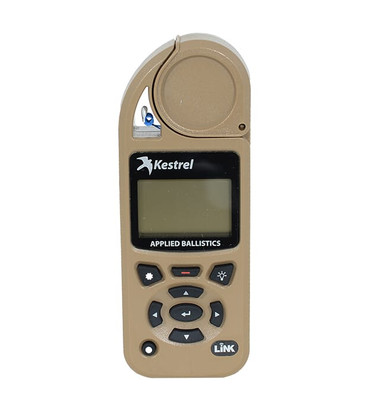
Kestrel 5700 Elite Deals
Prices may change. May contain affiliate links.
Not tracking progress consistently. You use MantisX for a few sessions, then switch to a different app, then go back to just shooting without any feedback. Consistency in measurement is more valuable than finding the perfect system.
Focusing on advanced techniques before mastering basics. You're watching videos about transition techniques when your draw stroke is still over 2 seconds. Advanced techniques don't help if your fundamentals are weak.
Collecting information without applying it. You subscribe to every training channel and buy every manual but don't actually drill the techniques they teach. Information without application doesn't improve performance.
Ignoring environmental factors. You practice indoors with perfect lighting and no wind, then wonder why your performance drops at outdoor matches. Train in the conditions you'll compete in.
The most common mistake is treating training resources as entertainment instead of instruction. Watching technique videos is fun, but it doesn't replace deliberate practice with feedback and measurement.
Building a systematic approach
The shooters who improve consistently use training resources as part of a system, not as random inputs. Here's how to build that system:
Start with measurement. Before you change anything, establish baselines for your current performance. Time your draw, measure your accuracy at different distances, and track your stage times. You can't improve what you don't measure.
Pick one primary resource for each skill area. Use Enos for mental training, Anderson for dry fire structure, and MantisX for trigger control feedback. Don't try to synthesize information from multiple sources until you've mastered the basics from one.
Schedule regular assessment sessions. Once a month, run the same set of drills and compare your results to previous sessions. Are your draw times improving? Is your accuracy more consistent? The trends matter more than individual sessions.
Apply lessons systematically. If you're working on calling shots, focus only on that skill for two weeks. Don't add other training goals until you've seen measurable improvement in shot calling.
Track what works for you. Your improvement pattern might be different from other shooters. Some people respond better to visualization techniques, others to physical repetition. The data will show you what methods work for your learning style.
The goal is continuous improvement, not perfection. Top shooters aren't using secret techniques, they're applying proven methods consistently and measuring their progress. The resources are available to everyone, but the discipline to use them systematically separates competitors from casual shooters.
Your scores will improve when you treat training as a measurable process instead of just range time. The books, videos, and apps are tools, but your systematic application of them is what creates results. Most shooters have access to the same information, the difference is in how consistently and deliberately they apply it.