You've got your first suppressor approved and now you're staring at the mounting options thinking "how hard can this be?" Turns out, pretty hard. The mounting system you choose affects accuracy, repeatability, ease of use, and whether your can stays attached during rapid fire. Pick wrong and you'll either be constantly adjusting zero or dealing with a suppressor that backs off after twenty rounds.
Here's what three years and seven stamps taught me: mounting systems aren't just about convenience. They're about the fundamental physics of how your suppressor interfaces with your barrel. Direct thread is simple but has quirks. Quick detach systems solve some problems while creating others. Taper mounts promise the best of both worlds but demand precision machining.
The practical reality is that most shooters end up with multiple mounting systems across different rifles. Your precision bolt gun might run direct thread while your carbine gets a QD system. Understanding why requires digging into the engineering, the real-world performance differences, and which barrels actually work with which mounts.
Direct thread mounting systems
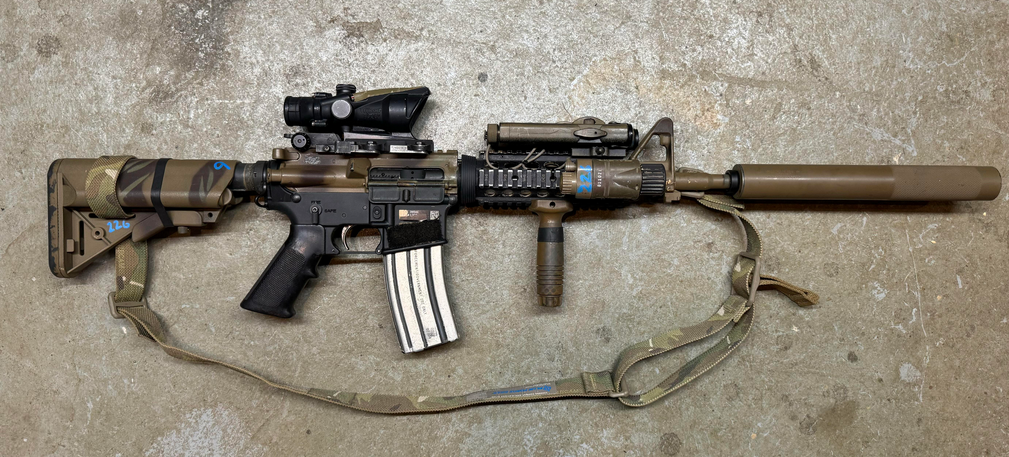
Direct thread suppressors screw directly onto your barrel's muzzle threads. No muzzle device, no adapter, no complexity. The suppressor's rear threads match your barrel's threads, typically 1/2x28 for .223/5.56 or 5/8x24 for .308, and you thread it on like a muzzle brake.
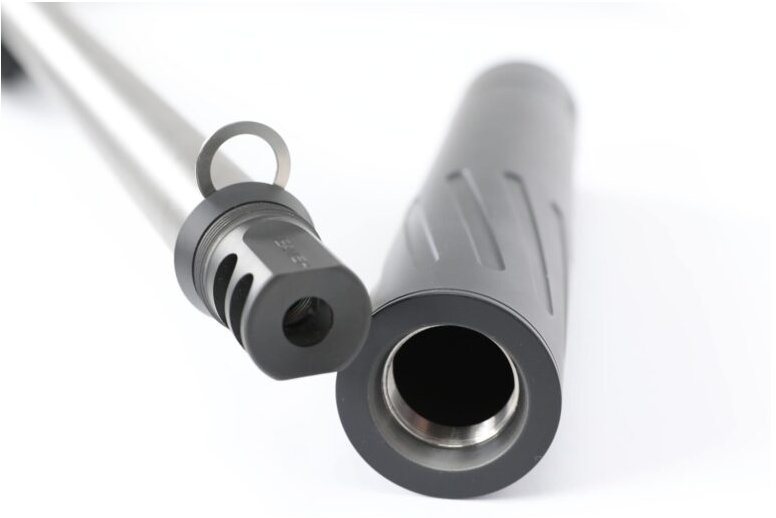
This sounds foolproof until you realize that threading a heavy suppressor onto a thin barrel creates stress points that affect accuracy. The suppressor's weight pulls the barrel down slightly, shifting your point of impact. More problematically, the threads themselves introduce a potential weak point where carbon buildup can make removal difficult.
Thread engagement matters more than most people realize. You need at least three full threads of engagement for a secure mount, but more isn't always better. Over-threading can stress the barrel threads, especially on lightweight barrels where the thread shoulder might not be perfectly square. I've seen shooters crank down direct thread cans so tight they needed a strap wrench to remove them after a range session.
The accuracy question with direct thread comes down to consistency. If you thread the suppressor to the exact same position every time, same number of turns, same shoulder contact, your zero should repeat. But "should" and "does" are different things. Barrel harmonics change with the added weight, and slight variations in how tight you thread the can will shift your point of impact.
Carbon fouling is the hidden enemy of direct thread systems. After a few hundred rounds, carbon deposits build up in the threads, making the suppressor harder to remove. Some shooters use anti-seize compound, but that can attract more carbon. Others clean the threads religiously. The practical solution is understanding that direct thread cans need more maintenance attention than QD systems.
Thread timing becomes critical with direct thread suppressors that have specific orientation requirements. If your can has a logo or specific port alignment, you might not be able to achieve both proper thread engagement and correct timing. This is where thread timing shims or crush washers come into play, adding another variable to the mounting equation.
Quick detach mounting systems
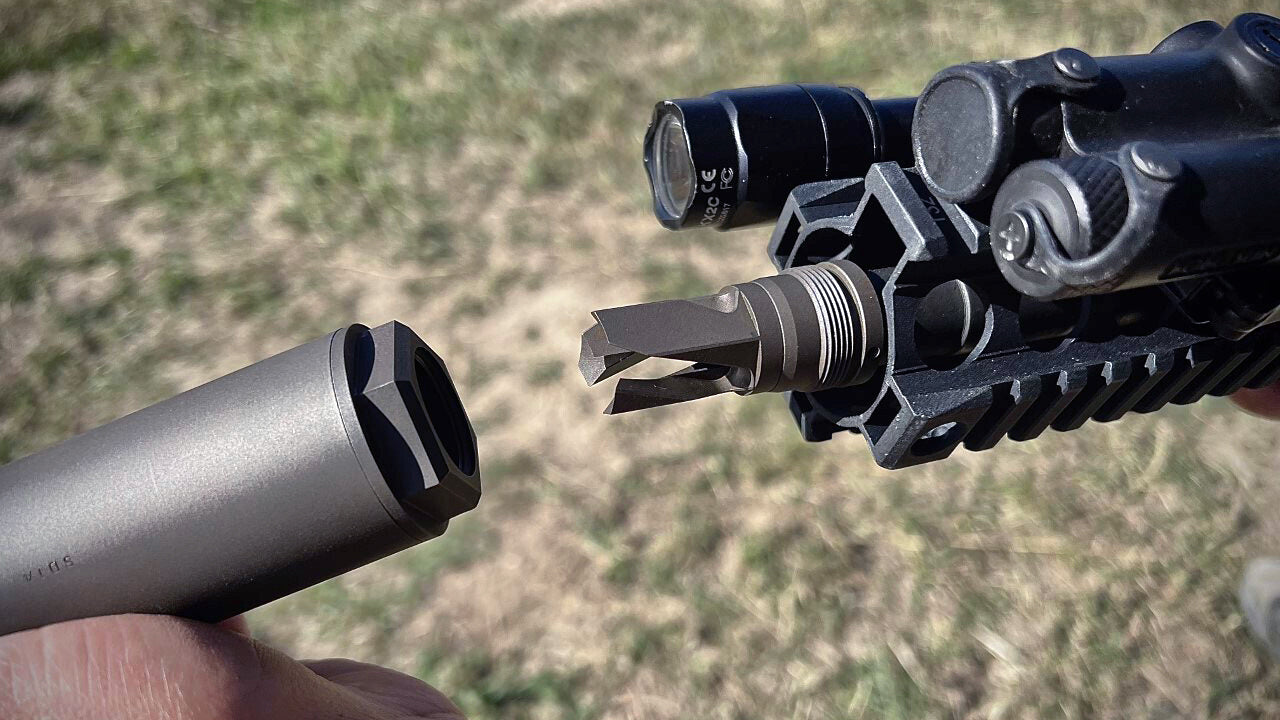
Quick detach systems use a muzzle device permanently attached to your barrel, with the suppressor mounting to that device via a cam-lock, twist-lock, or lever mechanism. The theory is simple: install the muzzle device once, time it correctly, and then attach or remove the suppressor in seconds without tools.
The reality is more complex. QD systems introduce another interface between your barrel and suppressor, creating additional opportunities for play, misalignment, or failure. Every interface adds tolerance stack-up. Your barrel threads to the muzzle device with some tolerance. The suppressor mounts to the muzzle device with additional tolerance. These small variations can compound into accuracy problems.
SilencerCo's ASR (Advanced Suppressor Ready) system exemplifies the mainstream QD approach. The ASR muzzle brake or flash hider threads onto your barrel normally. The suppressor slides over the muzzle device and locks via a cam mechanism. It's fast, it's repeatable, and it works across multiple barrel lengths and calibers.
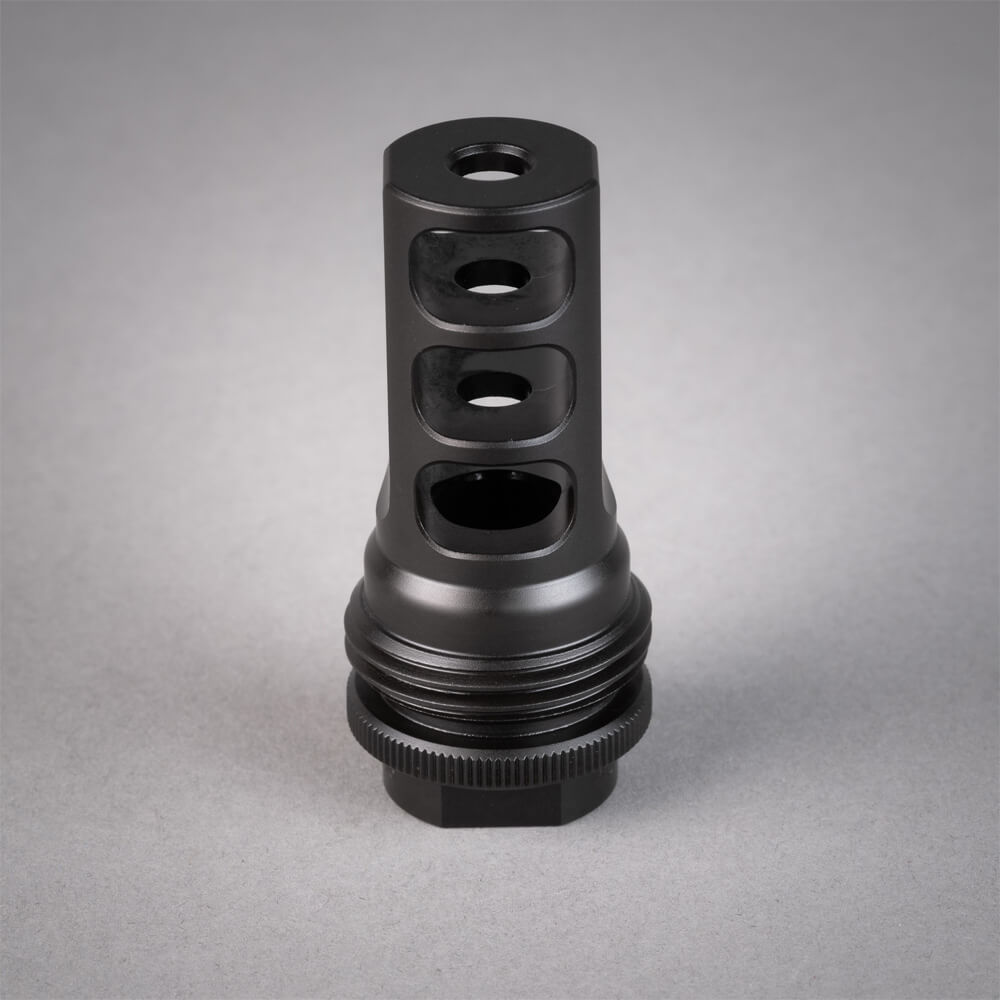
But ASR has quirks. The cam lock mechanism can loosen under recoil if not properly maintained. The muzzle device's ports create blast deflection that some shooters find objectionable. And the system adds about an inch to your overall length compared to direct thread.
Dead Air's KeyMo system takes a different approach with their Keymo muzzle devices and compatible suppressors. The mounting interface uses a different cam design that many consider more secure than ASR. KeyMo devices are available in various configurations, flash hiders, muzzle brakes, and even linear compensators for specific applications.
Griffin Armament's taper mount system (which we'll cover separately) represents another QD philosophy entirely. Instead of cam locks or twist mechanisms, Griffin uses a tapered interface that self-centers and locks via mechanical advantage.
The practical advantage of QD systems becomes obvious when you're running multiple rifles. Install compatible muzzle devices on each rifle, and you can move one suppressor between them quickly. This matters for practical shooting where you might transition between rifles during a stage, or for hunters who want suppressor capability across multiple rifles without buying multiple cans.
QD systems also solve the carbon fouling problem that plagues direct thread. Since the suppressor doesn't thread directly to the barrel, carbon buildup doesn't prevent removal. The muzzle device stays on the rifle and can be cleaned separately.
Taper mount systems
Taper mount systems use precision-machined tapered interfaces that self-center and lock mechanically without cam levers or twist mechanisms. Griffin Armament pioneered this approach in the civilian market with their Plan A taper mount system, though the concept has military origins.
The engineering is elegant. A precisely machined taper on the muzzle device matches an internal taper in the suppressor. As you push the suppressor onto the muzzle device, the tapers engage and create an interference fit that locks the suppressor in place. Removal requires pulling the suppressor forward while rotating slightly to break the taper lock.
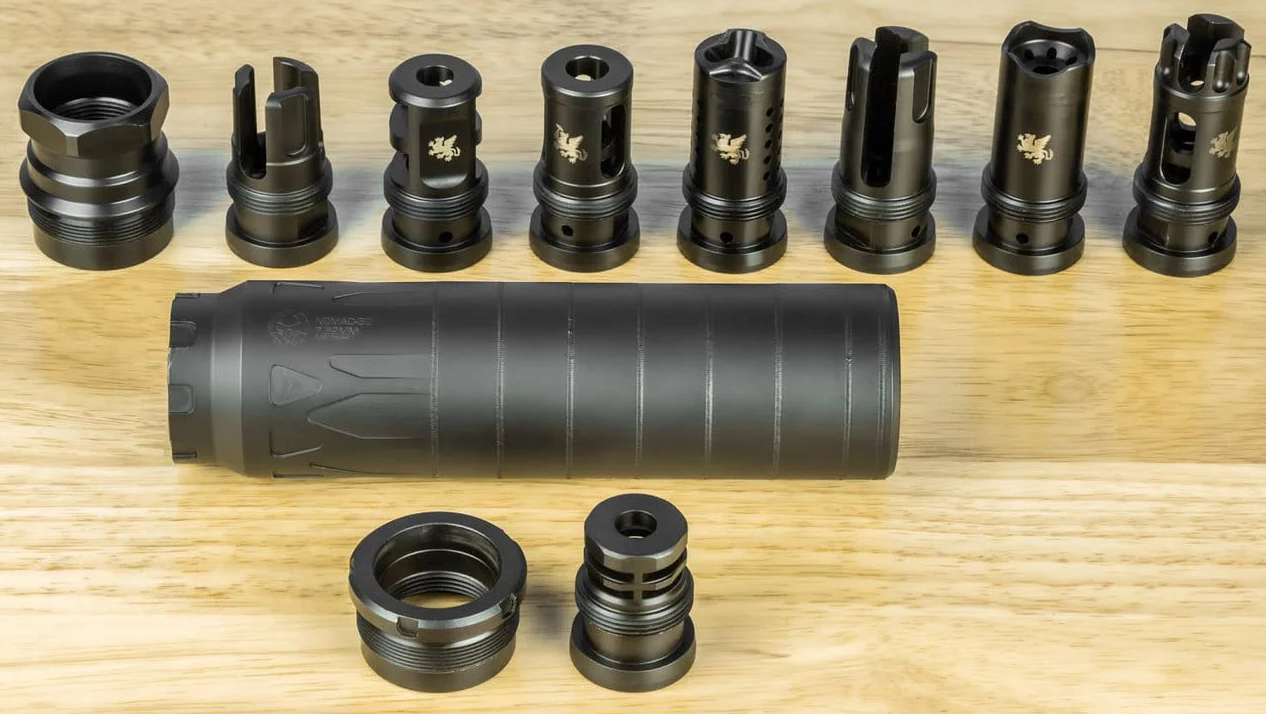
Taper mounts promise superior accuracy because the tapered interface self-centers the suppressor on the bore axis. Unlike threaded connections that can have slight runout, or cam-lock systems with mechanical play, a properly machined taper mount should provide perfect concentricity every time.
Griffin's Plan A system uses a 1.375"x24 taper that's become something of an industry standard. The muzzle devices are available in various configurations, A2 flash hiders, compensators, and plain taper mounts for precision applications. The suppressor slides over the muzzle device and locks via the taper interference.
The practical advantages are significant. Taper mounts typically show better accuracy than other QD systems because of the precise centering. They're also incredibly secure, I've never seen a properly installed taper mount suppressor come loose during firing. The lack of moving parts means fewer failure points and less maintenance.
But taper mounts demand precision manufacturing. The tapers must be machined to tight tolerances or the system won't work properly. This makes taper mount components more expensive than simpler QD systems. It also means you can't mix and match components from different manufacturers without careful measurement.
Installation technique matters with taper mounts. You need to push the suppressor fully onto the taper until it seats completely. Partial engagement can result in the suppressor backing off or, worse, a baffle strike if the suppressor isn't properly aligned. Some taper mount systems include witness marks or other indicators to confirm full engagement.
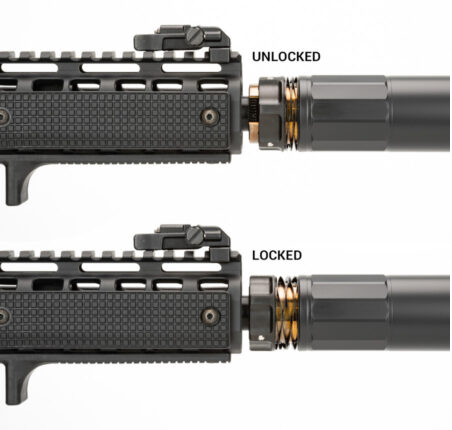
The Q Plan B system represents an evolution of the taper mount concept. Plan B uses a different taper angle and incorporates features designed to work with Q's specific suppressors. It's not compatible with Griffin's Plan A system, highlighting how taper mounts can create ecosystem lock-in.
HuxWrx (formerly OSS) uses their own taper mount system with their flow-through suppressors. Their system is optimized for their specific suppressor design and isn't intended for cross-compatibility with other manufacturers.
Barrel compatibility considerations
Your barrel's thread pitch, shoulder configuration, and overall quality determine which mounting systems will work properly. This isn't just about matching thread specifications, it's about understanding how different barrel manufacturing approaches affect suppressor mounting.
Standard thread pitches are 1/2x28 for .223/5.56 rifles and 5/8x24 for .308 rifles, but variations exist. Some .223 barrels use 5/8x24 threads for compatibility with .308 muzzle devices. European rifles might use metric threads. Always verify your specific barrel's threading before ordering mounting components.
Thread shoulder squareness affects every mounting system but especially direct thread suppressors. A barrel with an improperly cut shoulder won't provide consistent suppressor alignment. This shows up as accuracy problems or, in extreme cases, baffle strikes. Quality barrel manufacturers machine their thread shoulders perpendicular to the bore, but budget barrels might cut corners here.
Barrel profile matters for weight distribution and harmonics. Heavy barrels handle suppressor weight better than lightweight profiles. A pencil barrel with a heavy suppressor might show significant point of impact shift as the barrel heats up and the suppressor weight affects barrel whip. This doesn't make lightweight barrels incompatible with suppressors, but it does mean you need to understand the accuracy implications.
Thread length determines which mounting systems you can use. Direct thread suppressors need sufficient thread engagement, typically at least three full threads. QD systems need enough thread length to properly install and time the muzzle device. Barrels with very short threads might limit your options.
Some barrel manufacturers include specific mounting recommendations. Daniel Defense barrels often come with information about which suppressor mounts work best with their specific threading and shoulder configuration. Noveske provides similar guidance for their precision barrels.
Accuracy and repeatability comparison
The accuracy question drives most mounting system decisions, but the answer isn't straightforward. Different mounting systems affect accuracy through different mechanisms, weight distribution, barrel harmonics, mechanical precision, and repeatability of installation.
Direct thread systems can provide excellent accuracy when properly installed, but consistency depends on threading the suppressor to exactly the same position every time. This is harder than it sounds. Thread wear, carbon buildup, and variations in how tight you install the suppressor all affect point of impact.
I've tested this extensively with a Tikka T3x in 6.5 Creedmoor using a direct thread suppressor. With careful installation technique, same number of turns, consistent torque, the suppressor would return to within 0.3 MOA of the previous zero. But casual installation could shift point of impact by over 1 MOA.
QD systems trade some ultimate accuracy potential for repeatability. A well-designed QD system might not achieve the absolute precision of a perfectly installed direct thread suppressor, but it will return to the same point of impact more consistently. This matters more for practical shooting than precision benchrest work.
Taper mount systems promise the best of both worlds, the repeatability of QD with accuracy approaching direct thread. My experience with Griffin's Plan A system supports this claim. Point of impact shift between installations is typically under 0.2 MOA, and the system returns to zero consistently.
The suppressor itself affects accuracy regardless of mounting system. Some suppressors are simply more accurate than others due to internal design, baffle alignment, and manufacturing quality. A poorly made suppressor will shoot poorly regardless of how it's mounted.
Barrel harmonics change with any suppressor installation. The added weight and length alter how the barrel vibrates during firing. This affects accuracy in ways that aren't always predictable. Some rifles shoot better with suppressors, others shoot worse, and the mounting system is only part of the equation.
Installation and timing procedures
Proper installation technique varies significantly between mounting systems, and getting it wrong can affect accuracy, reliability, or safety. Each system has specific procedures that must be followed for optimal performance.
Direct thread installation seems simple but has critical details. Start by ensuring both the barrel threads and suppressor threads are clean and free of carbon buildup. Thread the suppressor on by hand until it's finger-tight, then use a strap wrench or suppressor wrench to tighten it snugly. Don't over-torque, you want it secure but removable.
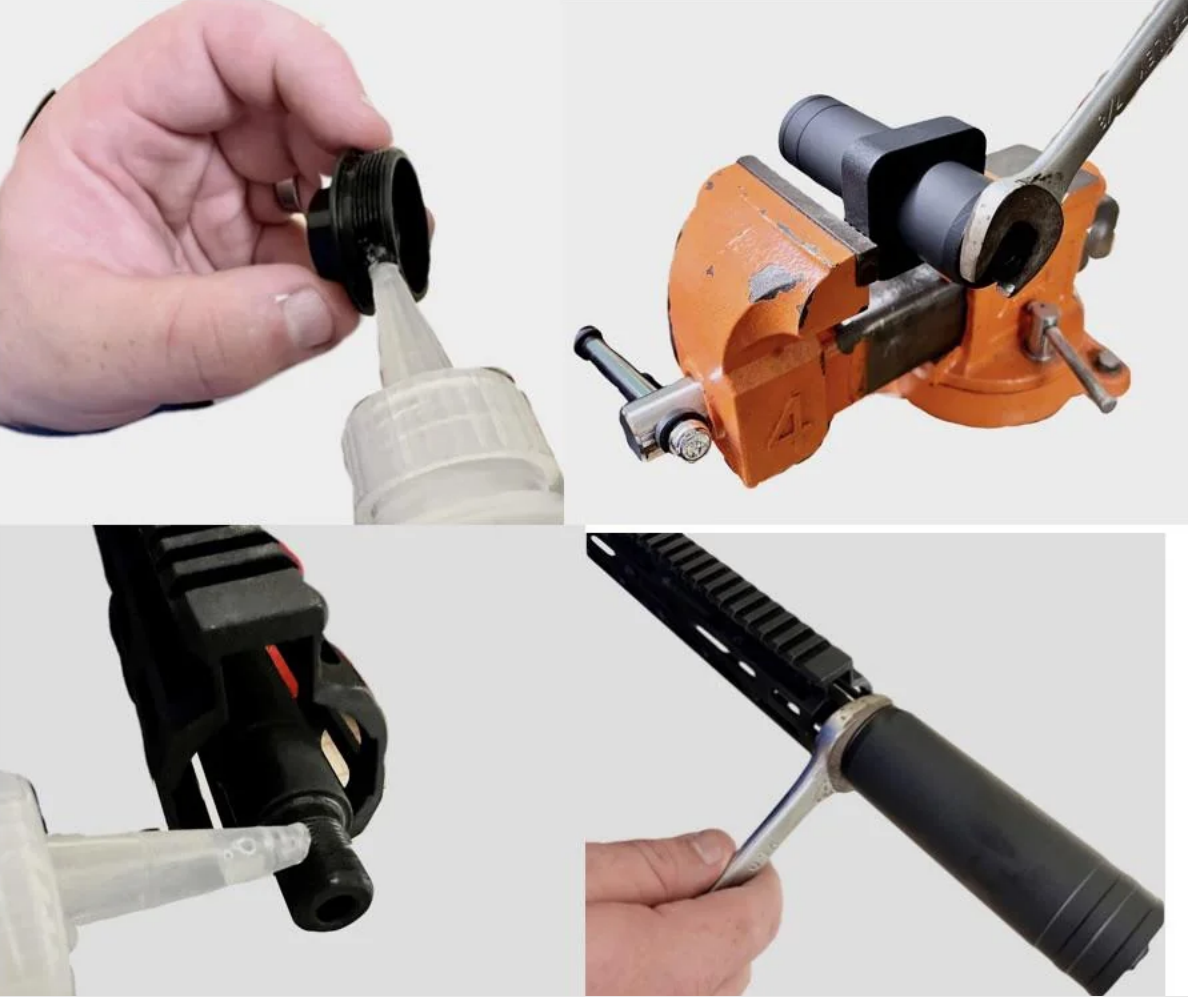
Thread timing with direct thread suppressors that have orientation requirements requires shims or crush washers. Install the suppressor finger-tight, check the orientation, then add timing shims as needed to achieve both proper thread engagement and correct orientation. This process might require several attempts to get right.
QD system installation starts with properly installing and timing the muzzle device. Thread the muzzle device onto the barrel, time it for correct orientation (usually with the ports or slots positioned as specified), then torque it to specification using a torque wrench. Most muzzle devices require 20-30 ft-lbs of torque, but check the manufacturer's specifications.
ASR system installation requires aligning the suppressor's cam mechanism with the muzzle device's locking surfaces, sliding the suppressor forward until it contacts the shoulder, then rotating the cam lever to lock. The lever should close with moderate force, if it's too easy or too hard, something isn't aligned properly.
KeyMo installation follows a similar process but uses a different cam mechanism. The suppressor slides over the muzzle device until the KeyMo interface engages, then the cam lever locks it in place. Dead Air provides specific torque specifications for their muzzle devices and installation procedures for their suppressors.
Taper mount installation requires pushing the suppressor fully onto the tapered muzzle device until it seats completely. This might require significant force, especially with new components. The suppressor should slide smoothly onto the taper until it reaches the interference fit zone, then require firm pressure to seat fully.
Removal procedures are equally important. Direct thread suppressors should be removed while still warm but not hot, this prevents carbon from locking the threads while avoiding burns. Use a strap wrench and unthread slowly to avoid cross-threading.
QD systems typically remove by operating the cam lever or twist mechanism while pulling the suppressor forward. Don't force it, if the suppressor won't come off easily, check that you've fully disengaged the locking mechanism.
Taper mounts require pulling the suppressor forward while rotating slightly to break the taper lock. This can require significant force, especially after extended firing. Some shooters use suppressor removal tools to get better leverage.
Maintenance and longevity factors
Different mounting systems have vastly different maintenance requirements, and understanding these differences helps predict long-term costs and reliability. Some systems need constant attention while others run for thousands of rounds with minimal care.
Direct thread systems require the most maintenance attention. Carbon buildup in the threads is inevitable, and it makes removal increasingly difficult. Clean the barrel threads and suppressor threads regularly using a bronze brush and solvent. Some shooters apply a thin coat of anti-seize compound, but this can attract more carbon over time.
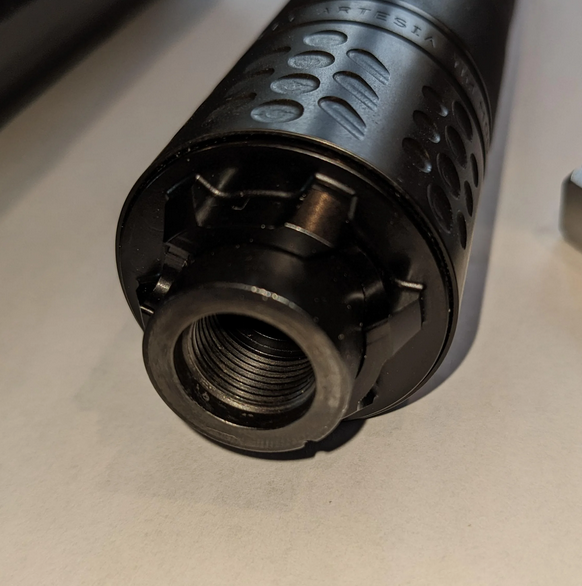
Thread wear is a real concern with direct thread systems. Repeatedly threading and unthreading a heavy suppressor gradually wears both the barrel threads and suppressor threads. This is especially problematic with aluminum suppressors on steel barrels, where the softer aluminum threads wear faster.
QD systems shift the maintenance burden to the muzzle device and suppressor interface. The muzzle device stays on the rifle and accumulates carbon, but it's easier to clean than direct threads. The suppressor's QD mechanism needs periodic cleaning and lubrication according to the manufacturer's specifications.
ASR systems require cleaning the cam mechanism and muzzle device threads. Carbon buildup can prevent proper engagement or make the cam lever hard to operate. SilencerCo recommends specific cleaning procedures and lubricants for their ASR system.
Rugged Obsidian Series Deals
Prices may change. May contain affiliate links.
KeyMo systems need similar attention to the cam mechanism and muzzle device interface. Dead Air provides detailed maintenance instructions including recommended cleaning intervals based on round count.
Taper mount systems require the least maintenance but demand the most precision. The tapered surfaces must remain clean and undamaged for proper function. Any nicks or dings in the taper surfaces can prevent proper engagement or cause accuracy problems.
Component replacement varies by system. Direct thread suppressors might need thread repair if the threads become damaged. QD systems might need muzzle device replacement if the locking surfaces wear out. Taper mount systems rarely need component replacement but might require professional refinishing if the tapered surfaces become damaged.
| Mounting System | Maintenance Frequency | Common Issues | Replacement Parts Needed | | --- | --- | --- | | Direct Thread | Every 200-500 rounds | Carbon buildup, thread wear | Thread repair, new suppressor | | ASR QD | Every 500-1000 rounds | Cam mechanism wear, carbon | Muzzle devices, cam springs | | KeyMo QD | Every 500-1000 rounds | Cam lever issues, carbon | Muzzle devices, internal parts | | Taper Mount | Every 1000+ rounds | Taper surface damage | Muzzle devices, refinishing |
Cost analysis across systems
The total cost of ownership varies dramatically between mounting systems, and the initial purchase price is only part of the equation. Factor in muzzle devices, installation tools, maintenance supplies, and potential component replacement over the suppressor's lifetime.
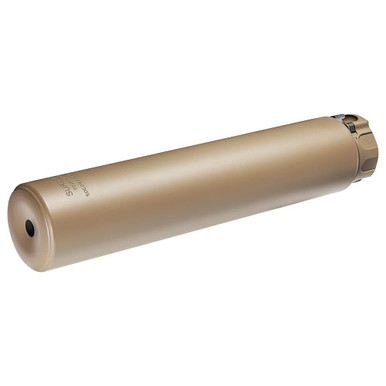
Surefire RC2 Deals
Prices may change. May contain affiliate links.
Direct thread systems have the lowest initial cost since you don't need muzzle devices or adapters. A direct thread suppressor costs whatever the suppressor costs, period. But this advantage disappears if you want to use the suppressor on multiple rifles, since you'd need multiple suppressors rather than multiple muzzle devices.
QD systems require purchasing muzzle devices for each rifle you want to use the suppressor on. ASR muzzle devices run $60-80 each. KeyMo devices cost $80-120 depending on the specific model. If you're running the suppressor on five rifles, that's $300-600 in muzzle devices alone.
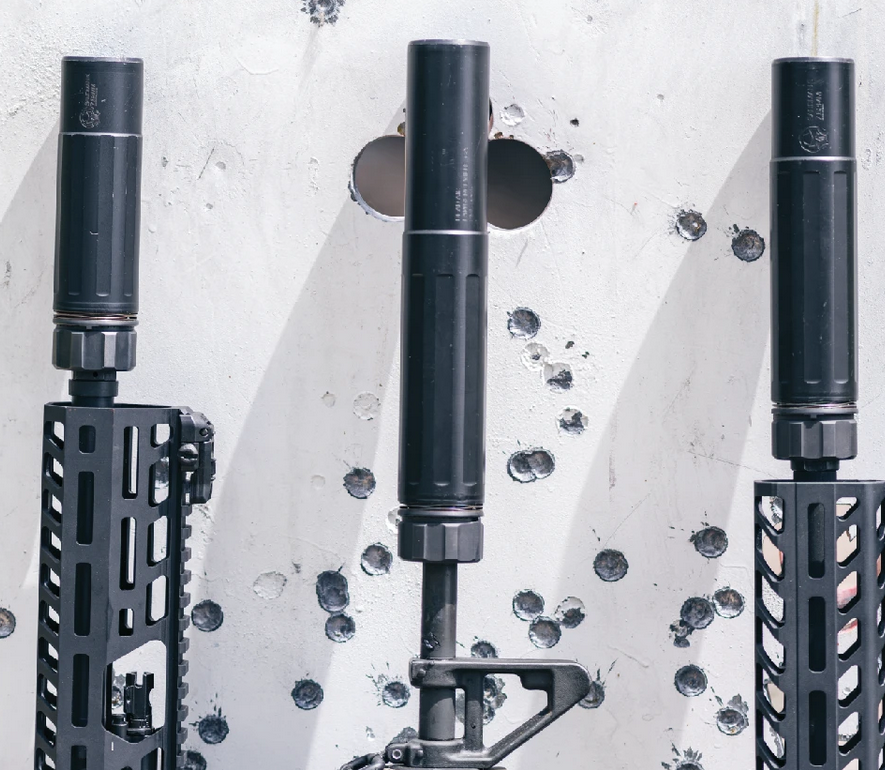
Taper mount systems typically cost more for both the suppressor and muzzle devices. Griffin Plan A muzzle devices run $100-150 each, and taper mount suppressors often carry a premium over direct thread versions. The precision manufacturing required for taper systems drives up costs across the board.
Installation costs vary if you're not doing the work yourself. Gunsmith installation of muzzle devices typically runs $25-50 per device. Thread timing for direct thread suppressors might cost similar amounts if you need professional installation.
Tool costs add up over time. Direct thread systems might need strap wrenches or specialized suppressor wrenches ($20-50). QD systems need torque wrenches for proper muzzle device installation ($50-150 for a quality torque wrench). Taper mount systems might need specialized removal tools.
Maintenance supplies represent ongoing costs. Thread cleaning supplies, anti-seize compounds, and specialized lubricants for QD mechanisms add $20-40 annually for active shooters. This might seem minor, but it compounds over years of ownership.
Long-term replacement costs can be significant. Worn direct thread suppressors might need thread repair or replacement ($200-500). QD muzzle devices wear out and need replacement ($60-150 each). Taper mount systems rarely need replacement but might require expensive refinishing if damaged.
The cost equation changes based on how many rifles you want to run suppressed. For a single rifle, direct thread is cheapest. For multiple rifles, QD systems become more economical despite the higher initial cost. For precision applications where accuracy matters most, taper mount systems might justify their premium cost.
Manufacturer-specific ecosystems
Each major suppressor manufacturer has developed their own mounting ecosystem, and understanding these ecosystems helps predict compatibility, availability, and long-term support. Some manufacturers play well with others, while some create walled gardens that lock you into their specific products.
SilencerCo's ASR ecosystem is probably the most widely adopted QD system. ASR muzzle devices are available from multiple manufacturers, and several suppressor companies make ASR-compatible suppressors. This broad adoption means ASR components are widely available and competitively priced.
The ASR system works across SilencerCo's entire rifle suppressor lineup, Omega 36M, Hybrid 46, Octane series, and others. Third-party manufacturers like Griffin Armament, Rugged Suppressors, and others make ASR-compatible suppressors or adapters.
Dead Air's KeyMo system is newer but gaining adoption rapidly. KeyMo muzzle devices are available in more configurations than ASR devices, including linear compensators and specialized precision models. The system is designed specifically for Dead Air suppressors and isn't as widely licensed as ASR.
Surefire's SOCOM system has military heritage and is built for extreme durability. SOCOM muzzle devices and suppressors are designed to withstand abuse that would destroy other systems. But SOCOM components are expensive and the ecosystem is more limited than ASR or KeyMo.
Griffin Armament's taper mount systems (Plan A and Cam-Lok) represent their own ecosystem. Griffin makes a wide range of taper mount muzzle devices and several taper mount suppressors. The system isn't widely licensed, so you're mostly limited to Griffin products.
YHM's QD system is budget-focused and works across their suppressor lineup. The components are less expensive than premium systems but also less refined. YHM muzzle devices work with YHM suppressors and some third-party options.
Q's Plan B system is designed specifically for Q suppressors and isn't intended for broad compatibility. Q makes their own muzzle devices and the system is optimized for their specific suppressor designs.
Hub threading has emerged as a partial solution to ecosystem lock-in. Many suppressors now include 1.375"x24 hub threading that accepts adapters for different mounting systems. This lets you convert a hub-threaded suppressor between ASR, KeyMo, Plan A, and other systems using appropriate adapters.
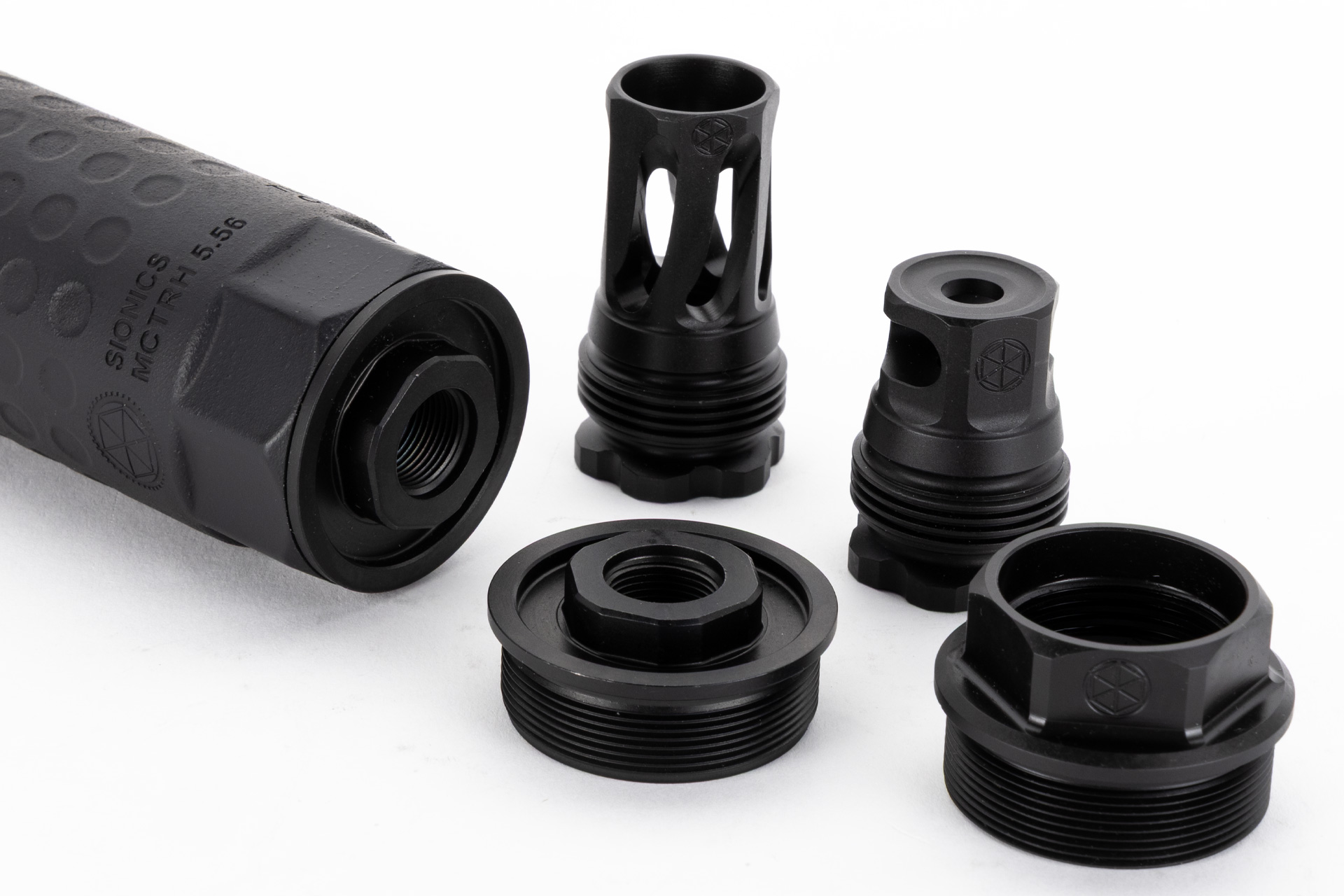

The hub approach adds flexibility but also complexity. You need to buy adapters for each mounting system you want to use, and adapters add length and weight to the suppressor. Some accuracy-focused shooters avoid adapters because they introduce additional interfaces.
Real-world performance scenarios
Different mounting systems excel in different applications, and understanding these scenarios helps choose the right system for your specific needs. What works for a precision rifle might be wrong for a patrol carbine, and what's perfect for hunting might fail in competition.
Precision rifle applications typically favor direct thread or high-end taper mount systems. Accuracy is paramount, and the shooter can tolerate slower attachment/removal in exchange for maximum precision. A bolt-action rifle used for long-range shooting might see the suppressor installed once and left on for hundreds of rounds.
In this scenario, direct thread makes sense if you're only running one rifle. The simplicity and light weight matter more than quick attachment. Taper mount systems work well if you need to remove the suppressor occasionally but want maximum accuracy when installed.
Patrol rifle applications need quick attachment/removal capability and absolute reliability. Police officers might need to install or remove suppressors quickly in the field, and the system must work reliably under stress. QD systems like ASR or KeyMo make sense here, with reliability favored over ultimate accuracy.
The patrol scenario also involves multiple rifles, patrol rifle, backup rifle, personal rifles. QD systems let one suppressor work across multiple rifles with appropriate muzzle devices. This flexibility justifies the complexity and cost of QD systems.
Competition shooting presents mixed requirements. Some disciplines allow suppressor removal between stages, favoring QD systems. Others require the suppressor to stay installed throughout the match, favoring direct thread or taper mount systems. The specific rules and format determine the optimal mounting system.
3-gun competition might favor lightweight QD systems that can be quickly removed if needed. Precision rifle competition might favor taper mount systems for maximum accuracy. The mounting system becomes part of the overall equipment strategy.
Hunting applications often favor lightweight systems that can handle temperature extremes and rough handling. A hunting rifle might see the suppressor installed at the beginning of the season and removed at the end. Direct thread systems work well here, especially for hunters who primarily use one rifle.
Multi-species hunting might involve multiple rifles in different calibers, favoring QD systems or multi-caliber suppressors with appropriate mounting systems. The ability to move one suppressor between a .223 varmint rifle and a .308 deer rifle adds significant value.
Training applications involve high round counts, frequent cleaning, and multiple shooters. QD systems excel here because they allow easy suppressor removal for cleaning and maintenance. The ability to quickly move suppressors between rifles during training exercises adds operational flexibility.
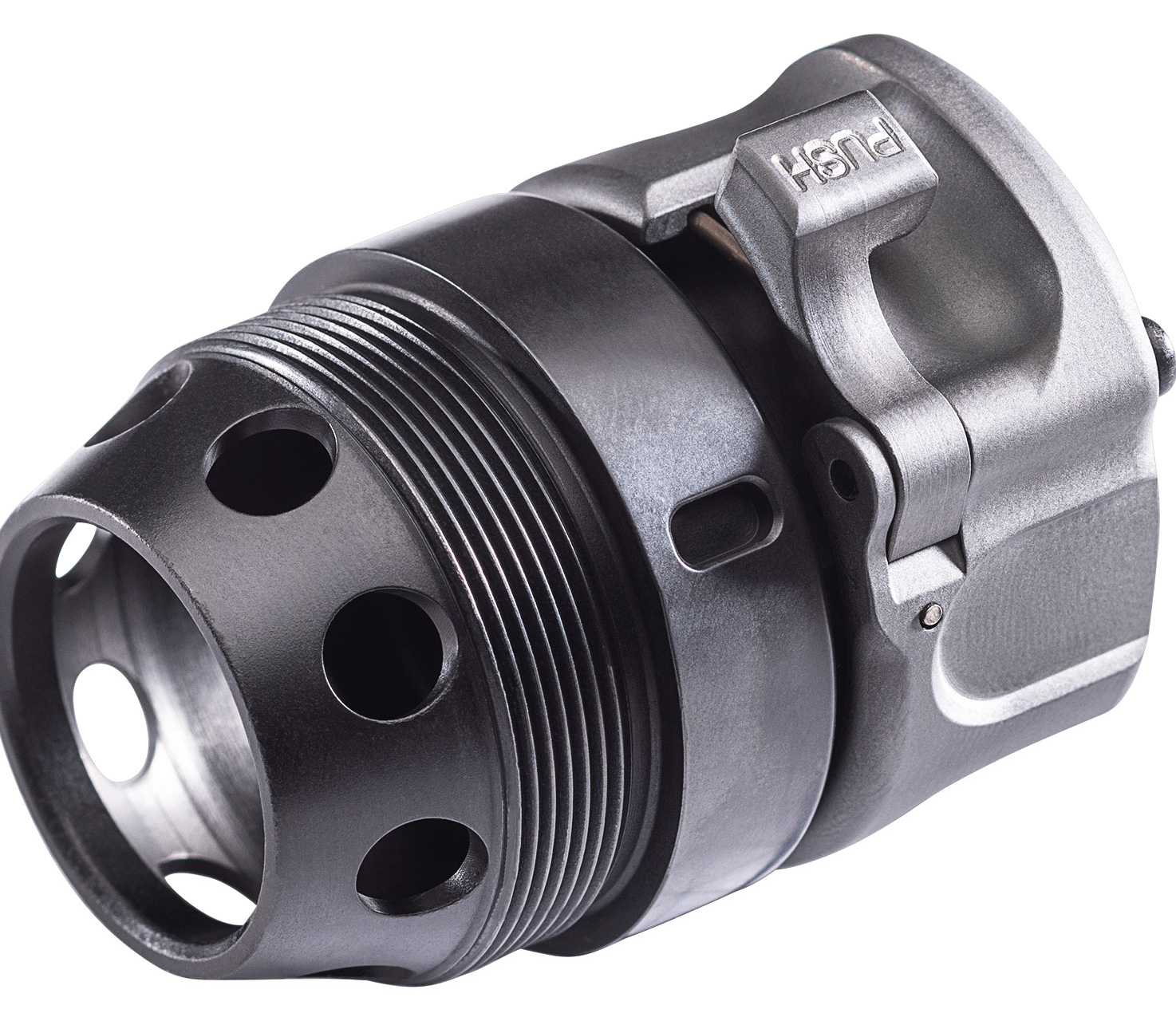
Military and law enforcement training often involves scenarios where suppressors must be installed or removed quickly under stress. QD systems are almost mandatory in these applications, with reliability and speed favored over ultimate accuracy.
Future developments and trends
The suppressor mounting landscape continues evolving as manufacturers address current system limitations and develop new approaches. Several trends are shaping the future of suppressor mounting systems.
Universal compatibility is driving hub threading adoption. More suppressors ship with 1.375"x24 hub threading that accepts adapters for different mounting systems. This lets shooters choose their preferred mounting system without being locked into a specific suppressor ecosystem.
The hub approach is expanding beyond simple adapters. Some manufacturers are developing modular suppressor systems where the suppressor body accepts different mounting modules optimized for specific applications. This could eventually lead to suppressors that can switch between direct thread, QD, and taper mount configurations.
Improved taper mount systems are addressing the precision manufacturing requirements that make current taper mounts expensive. New manufacturing techniques and materials might make precision taper mounts more affordable while maintaining their accuracy advantages.
Smart mounting systems are emerging that incorporate sensors or indicators to confirm proper installation. These systems might include visual indicators that show when the suppressor is properly seated, or even electronic systems that communicate mounting status to the rifle's electronics.
Lightweight mounting systems are responding to the military and civilian demand for weight reduction. New materials and designs are reducing the weight penalty of QD systems while maintaining their functionality. Carbon fiber and advanced alloys are appearing in mounting system components.
Integrated mounting systems are being developed where the suppressor mounting interface is built into the barrel rather than added via a muzzle device. This approach could eliminate the muzzle device entirely while providing QD functionality, reducing weight and complexity.
Modular suppressor designs are influencing mounting systems. As suppressors become more modular, with user-replaceable baffles, different length configurations, and caliber conversion capabilities, mounting systems must adapt to support this flexibility.
The regulatory environment might also drive mounting system development. If suppressor regulations change to allow easier ownership or transfer, mounting systems might evolve to support broader compatibility and easier user modification.
Choosing the right system for your needs
The mounting system decision comes down to prioritizing your specific requirements against the trade-offs each system presents. No single system is optimal for every application, and most serious suppressor users end up with multiple systems across different rifles.
Start by honestly assessing your primary use case. If you're building a precision rifle that will wear the suppressor 90% of the time, direct thread or taper mount systems make sense. If you need to move one suppressor between multiple rifles regularly, QD systems are almost mandatory.
Consider your accuracy requirements realistically. If you're shooting 1 MOA groups at 100 yards, the accuracy differences between mounting systems probably don't matter. If you're trying to shoot 0.25 MOA groups at 600 yards, mounting system choice becomes critical.
Factor in your maintenance preferences and capabilities. Direct thread systems need more frequent cleaning attention. QD systems have more complex mechanisms that can fail. Taper mount systems need precision handling to avoid damage. Choose a system that matches your willingness to perform maintenance.
Budget considerations extend beyond initial purchase price. Calculate the total cost including muzzle devices for all rifles you want to run suppressed, installation costs, tools, and long-term maintenance supplies. The cheapest initial option might not be the most economical long-term choice.
Think about your likely expansion path. If you might add more rifles or different calibers in the future, choose mounting systems that support this growth. Getting locked into a proprietary ecosystem early can be expensive to change later.
Consider the availability of components and support. Popular systems like ASR have wide parts availability and competitive pricing. Proprietary systems might offer better performance but could leave you stranded if the manufacturer discontinues support.
The practical answer for many shooters is a mixed approach. Run direct thread on precision rifles where accuracy matters most. Use QD systems on tactical rifles where speed and flexibility matter. Choose taper mount systems for applications where you need both accuracy and occasional removal capability.
Your first suppressor purchase establishes your mounting ecosystem, so choose carefully. But don't overthink it, any quality mounting system properly installed will work well for most applications. The differences between systems matter more to specialized users than general shooters.
The mounting system is ultimately a tool to help you use your suppressor effectively. Choose the system that best supports your shooting goals, fits your budget, and matches your maintenance preferences. The best mounting system is the one you'll actually use consistently and maintain properly.