
Your squad just drew M249s from the arms room and three of them are already showing signs of neglect from the last unit's field exercise. The feed tray's is grimy, the gas regulator looks like it hasn't been touched since the Clinton administration, and someone definitely didn't follow proper PMCS procedures before turn-in. Here's how to get these weapons mission-ready and keep them that way.

Fn M249 SAW Deals
Prices may change. May contain affiliate links.
The TM 9-1005-201-10 gives you the checklist, but after eight years of running SAW ranges and watching soldiers learn the hard way, I'll tell you what actually matters. PMCS on the M249 isn't just about checking boxes; it's about understanding how this weapon system degrades and where failures actually happen downrange.
Most people don't realize the M249 SAW has been in continuous production by FN America since 1982, with over 300,000 units delivered to U.S. forces. That's four decades of lessons learned about what breaks, what doesn't, and what maintenance actually prevents problems versus what just makes the paperwork look good.
Understanding M249 failure modes
The SAW fails predictably. Gas system fouling, feed mechanism wear, and barrel degradation account for roughly 80% of your operational issues. Everything else; bolt face wear, trigger group problems, stock assemblies; happens, but not nearly as often as soldiers think.
Here's what I tell soldiers: the M249 is a gas-operated, belt-fed machine gun that cycles at 750 rounds per minute sustained. That's 12.5 rounds every second when you're running cyclic. The weapon generates tremendous heat, pressure, and mechanical stress. Your PMCS procedures need to address the components that handle this stress, not just the parts that look dirty.
The gas system takes the biggest beating. Propellant gases at roughly 3,000 PSI drive the gas piston, which cycles the bolt carrier. Carbon fouling builds up in the gas tube, gas regulator, and piston chamber. Most soldiers focus on cleaning the bolt and chamber, which matters, but ignore the gas system until the weapon starts short-stroking.
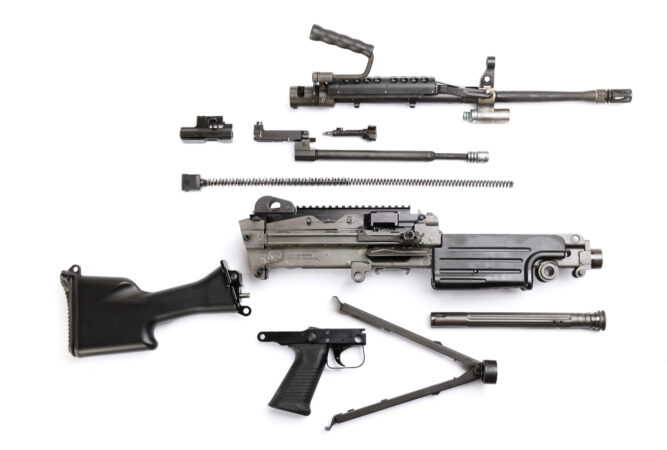
Feed mechanism wear happens gradually, then suddenly. The feed tray, feed slide, and cartridge guide take constant abuse from belt links and cartridge cases. Small burrs and wear patterns develop that you won't notice during immediate action drills, but will cause stoppages during sustained fire. PMCS catches this before it becomes a range problem.
Barrel degradation is different from barrel fouling. Fouling you can clean. Degradation, throat erosion, rifling wear, chamber expansion, happens over thousands of rounds and changes your weapon's accuracy and reliability. Most Guard and Reserve units don't shoot enough to wear out barrels, but active units absolutely do.
Before you start: tools and setup
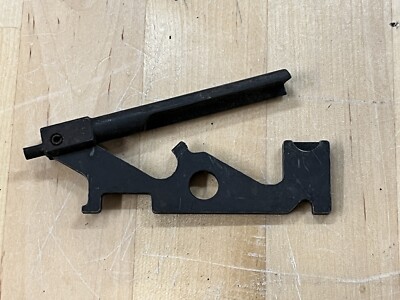
You need the right tools. The TM lists everything, but here's what actually matters: bore brush set, chamber brush, pipe cleaners, CLP, LSA, cotton swabs, dental picks, and a good light source. Skip the fancy cleaning kits. Get quality brushes that won't leave bristles in your weapon.
Set up your workspace properly. Clean, well-lit area with good ventilation. Lay out a poncho or tarp to catch small parts. Have your TM open to the exploded view diagrams. Sounds basic, but I've watched soldiers lose firing pins and gas rings because they tried to rush through disassembly in poor conditions.
Safety first, obviously. Clear the weapon, check the chamber, verify the bolt is forward. Remove the barrel, bolt carrier group, and trigger group before starting detailed cleaning. The M249 has several sharp edges and spring-loaded components that will bite you if you're not paying attention.
Daily PMCS procedures
Daily PMCS happens every day you handle the weapon, not just when the training schedule says "weapons maintenance." This is your chance to catch problems before they become failures.
Visual inspection of external components
Start with the barrel. Look for obvious damage, dents, or obstructions. Check the flash suppressor for cracks or loose mounting. Inspect the bipod legs and mounting points, bent bipod legs affect accuracy more than most soldiers realize. The bipod takes a beating during movement and needs attention.

Check the stock assembly and buttplate. Cracks in the stock can propagate and eventually cause complete failure. The buttplate screws work loose over time and need periodic tightening. A loose buttplate changes your weapon's balance and affects your shooting position.
Examine the feed tray and cover. Look for bent or damaged feed lips, cracks in the cover, and proper alignment of the feed mechanism. The feed tray guide should move smoothly without binding. Carbon buildup here causes feeding problems that look like ammunition issues but aren't.
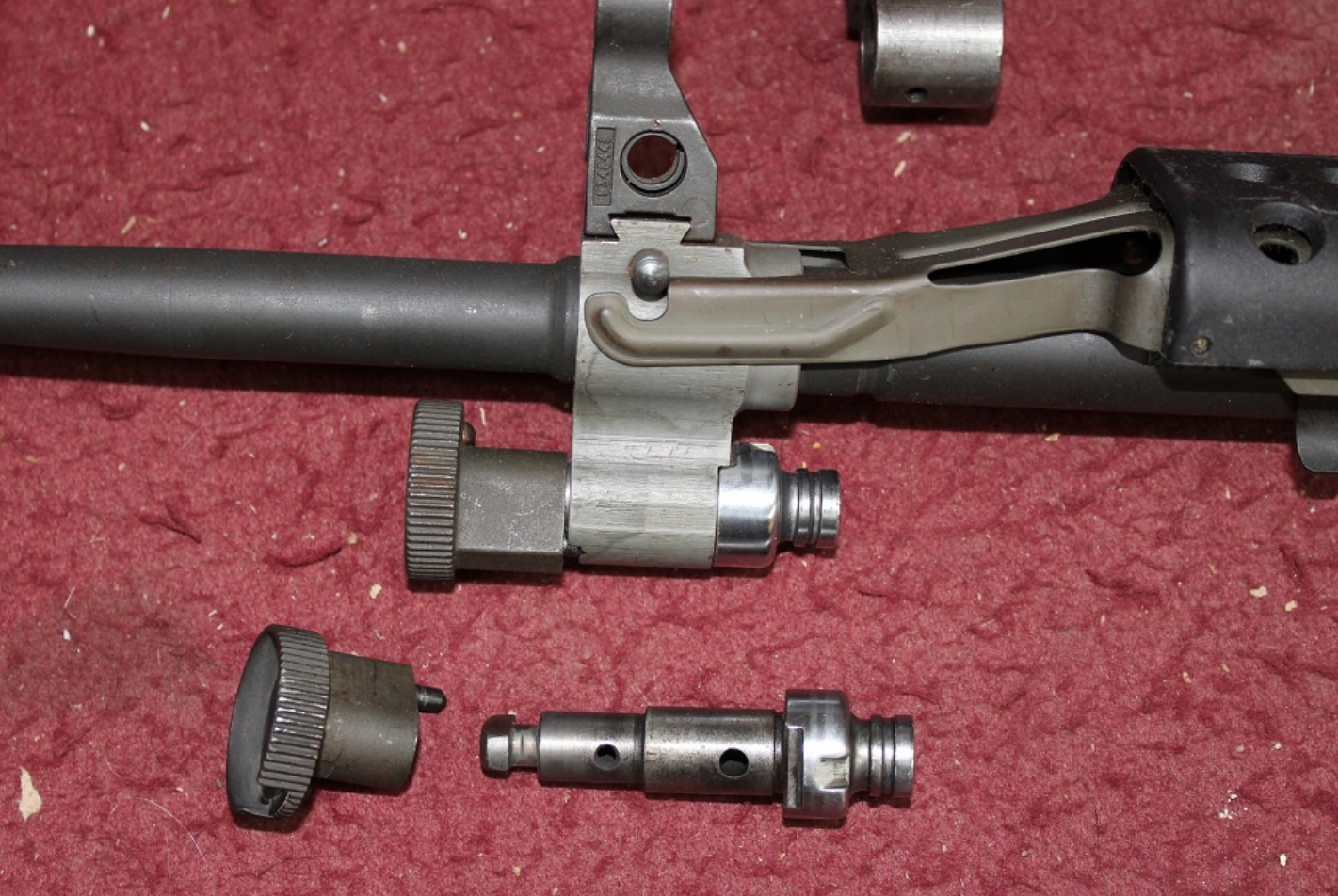
Inspect the gas regulator and gas tube. The regulator should turn smoothly between positions 1 and 2. Position 1 is normal operation, position 2 is adverse conditions. Most soldiers never touch the gas regulator, but understanding how it works helps you diagnose cycling problems.
Function checks
Perform function checks with an empty weapon. Check the safety mechanism, it should engage and disengage positively with audible clicks. Test the trigger pull in both semi and full-auto positions. The trigger should break cleanly without excessive travel or creep.
Cycle the charging handle through its full range of motion. It should move smoothly without binding or unusual resistance. Check that the bolt locks back when you pull the charging handle fully rearward, then releases cleanly when you press the bolt release.
Test the feed mechanism by manually cycling dummy rounds or empty cases through the action. The feed slide should strip rounds from the belt smoothly and position them for chambering. Watch for any hesitation or binding in the feed cycle.
Lubrication points
The M249 needs lubrication in specific places, not everywhere. Over-lubrication attracts dirt and carbon, creating more problems than it solves. Apply CLP sparingly to the bolt carrier rails, charging handle track, and feed mechanism pivot points.
The gas piston gets a light coat of CLP on the bearing surfaces. Don't lubricate the gas tube interior, that's where combustion gases flow and excess oil will carbonize. The trigger group gets minimal lubrication on pivot points only.
Most soldiers over-lubricate. The weapon should look clean, not wet. Excess oil drips onto the ground, attracts debris, and creates maintenance problems. Apply lubricant with cotton swabs or patches, not by squirting it directly onto components.
Weekly PMCS procedures
Weekly PMCS goes deeper than daily checks. This is where you catch developing problems and perform preventive maintenance that keeps the weapon running.
Detailed cleaning of bolt carrier group
Remove the bolt carrier group and disassemble it completely. Clean the bolt face, locking lugs, and extractor thoroughly. Carbon buildup on the bolt face affects headspace and can cause extraction problems. Use a chamber brush and CLP to remove stubborn deposits.
Inspect the gas rings on the bolt carrier. These rings seal the gas system and wear over time. They should fit snugly in their grooves without excessive play. Replace gas rings when they show signs of cracking or significant wear. Most units don't stock gas rings, so order them before you need them.
Clean the firing pin and firing pin extension. Carbon buildup here can cause light primer strikes or firing pin drag. The firing pin should move freely in its channel without binding. Check the firing pin tip for mushrooming or damage that could affect ignition reliability.
Gas system maintenance
Remove the gas regulator and clean the gas tube thoroughly. Use pipe cleaners and CLP to remove carbon deposits from the gas tube interior. The gas piston should slide freely in the gas cylinder without excessive play or binding.
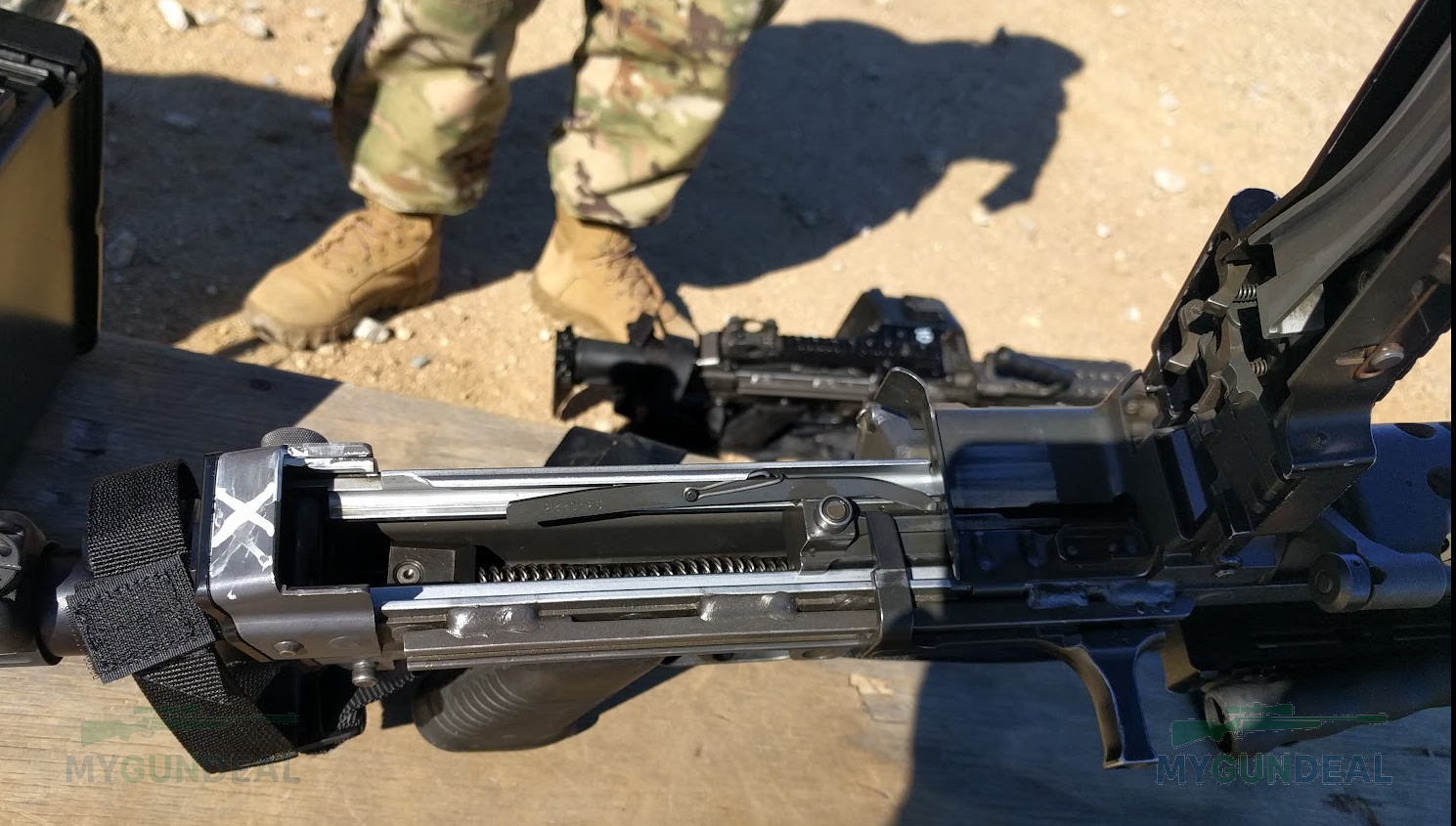
Inspect the gas regulator positions. Position 1 should align properly with the gas port for normal operation. Position 2 opens a larger gas port for adverse conditions, dirty weapon, weak ammunition, or extreme cold. Most soldiers never use position 2, but it's there for a reason.
Clean the gas cylinder and piston chamber. Carbon buildup here reduces gas pressure and causes short-stroking. Use a chamber brush and dental picks to remove stubborn deposits. The piston should have a light coat of CLP on bearing surfaces only.
Feed mechanism inspection
Disassemble the feed mechanism and inspect all components. The feed slide, cartridge guide, and feed tray take constant wear from belt links and cartridge cases. Look for burrs, cracks, or excessive wear that could cause feeding problems.
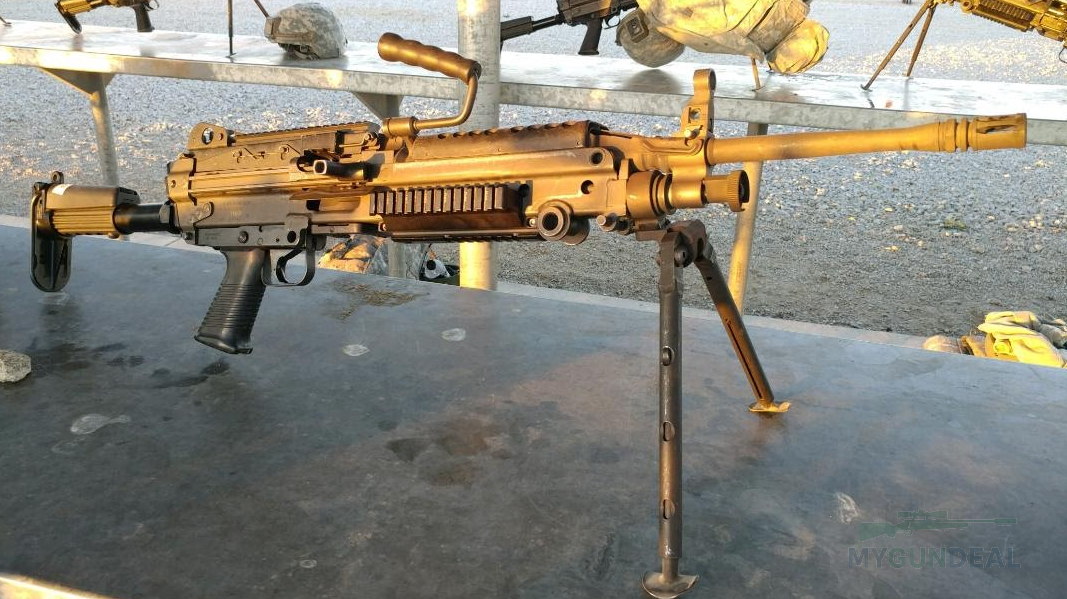
Clean the feed tray thoroughly, paying attention to the feed lips and guide surfaces. Bent or damaged feed lips cause misfeeds that look like ammunition problems. The feed tray should be straight and properly aligned with the chamber.
Lubricate the feed mechanism pivot points sparingly. Too much lubricant here attracts dirt and debris that interferes with feeding. The mechanism should operate smoothly without binding or hesitation.
Monthly PMCS procedures
Monthly PMCS addresses long-term wear and preventive maintenance. This is where you catch problems that develop over hundreds of rounds and perform maintenance that prevents major failures.
Barrel inspection and maintenance
Remove the barrel and inspect it thoroughly. Look for throat erosion, rifling wear, and chamber damage. A bright light and magnifying glass help identify problems that aren't obvious to the naked eye. Throat erosion appears as a smooth, enlarged area just forward of the chamber.
Check the barrel extension and locking lugs. These components handle enormous stress during firing and can develop cracks or wear patterns. The barrel extension should lock securely into the receiver without excessive play.
Measure headspace if you have the proper gauges. Headspace increases over time due to chamber wear and can cause dangerous pressure conditions. Most units don't have headspace gauges, but they're worth requesting if you're seeing signs of excessive chamber wear.
Clean the barrel thoroughly with appropriate bore brushes and patches. Copper fouling builds up over time and affects accuracy. Use copper solvent sparingly, it's aggressive stuff that can damage the bore if used incorrectly.
Trigger group maintenance
Remove the trigger group and disassemble it completely. Clean all components thoroughly, paying attention to the sear surfaces and trigger mechanism. Carbon and debris here can cause trigger problems or unsafe conditions.
Inspect the sear and hammer engagement surfaces. These should be smooth and properly shaped. Wear or damage here affects trigger pull and can create safety issues. The auto sear should engage positively in full-auto mode.
Lubricate the trigger group sparingly. Apply CLP to pivot points only, the sear surfaces should be clean and dry. Too much lubricant attracts debris that interferes with proper function.
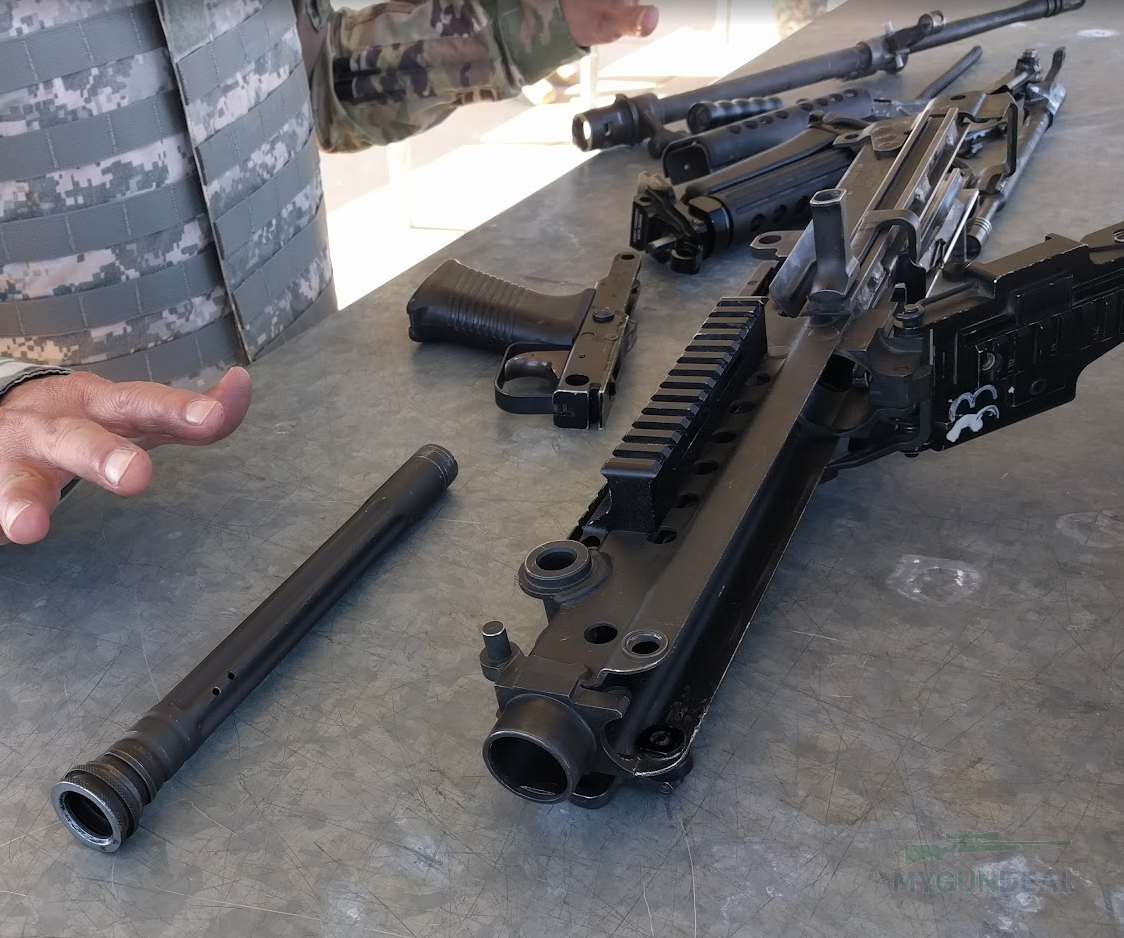
Test the safety mechanism thoroughly. It should block the trigger in the safe position and allow normal function in semi and full-auto. The safety should engage positively without excessive force or binding.
Stock and receiver inspection
Inspect the stock assembly for cracks or damage. The stock takes significant stress during firing and can develop hairline cracks that eventually cause complete failure. Pay attention to the area around the buffer tube and stock attachment points.
Check the receiver for cracks, particularly around the barrel extension and trigger group mounting areas. These are high-stress zones that can develop problems over time. Small cracks can propagate and cause catastrophic failure if not caught early.
Inspect all pins and fasteners. The trigger guard retaining pin, takedown pins, and stock mounting hardware should be tight and properly seated. Loose hardware causes accuracy problems and can lead to component loss.
From the arms room: real-world lessons
I've seen more M249 failures caused by poor PMCS than by combat damage. The weapon is robust, but it needs attention in specific areas. Here's what actually breaks and why.
Gas system problems account for most operational failures I've seen. Soldiers clean the obvious parts, bolt, chamber, barrel, but ignore the gas tube and regulator. Carbon buildup reduces gas pressure, causing short-stroking and failure to cycle. The weapon might fire single shots but won't sustain automatic fire.
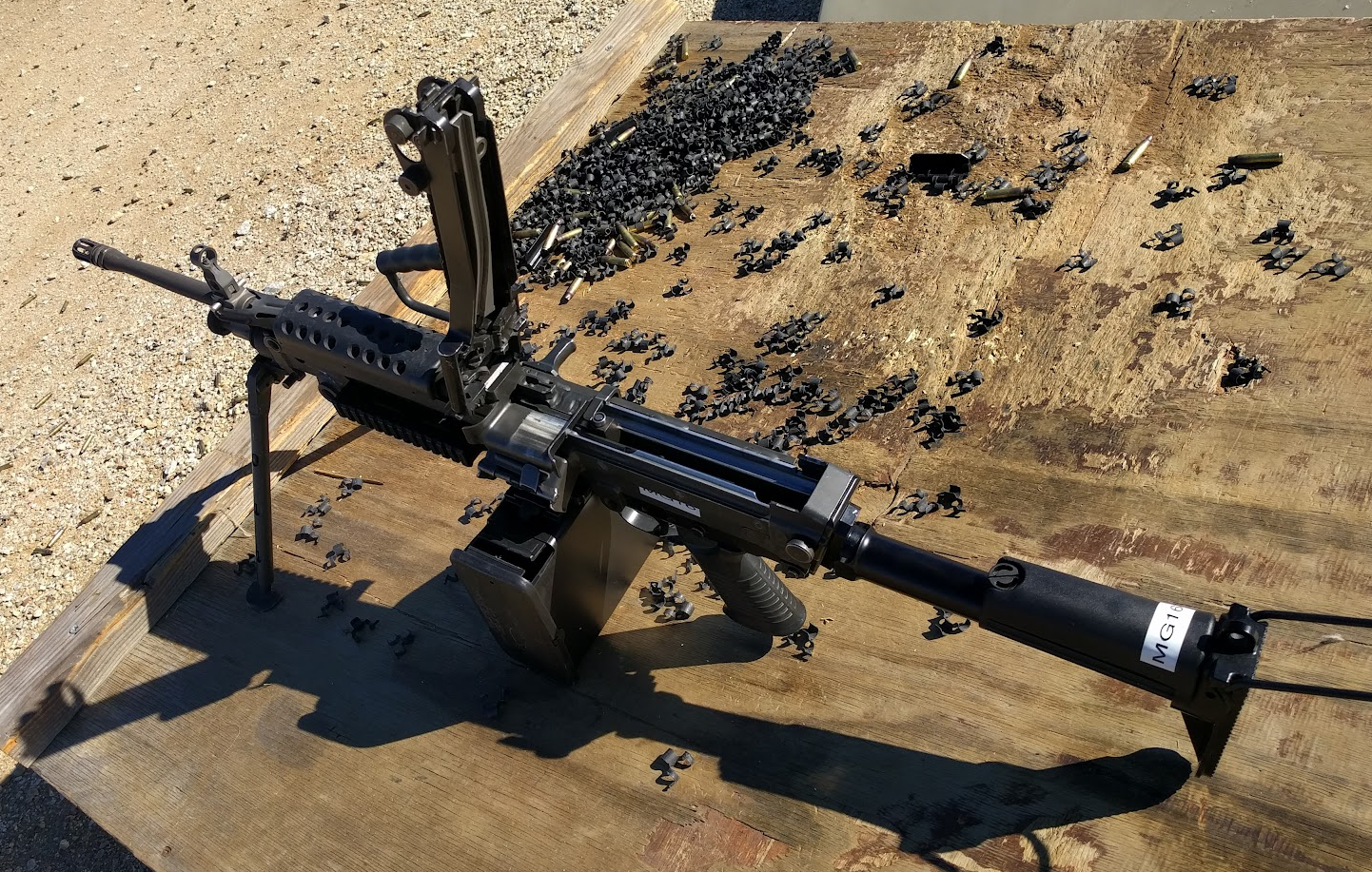
One deployment, we had a SAW that would fire three or four rounds, then stop. Immediate action drills didn't help. The problem was carbon buildup in the gas tube that restricted gas flow just enough to prevent reliable cycling. Thirty minutes with pipe cleaners and CLP fixed what looked like a major malfunction.
Feed mechanism wear is sneaky. The weapon feeds fine during immediate action drills and single-shot firing, but starts having problems during sustained fire when components heat up and tolerances change. Small burrs on the feed slide or cartridge guide cause intermittent problems that are hard to diagnose.
I watched a squad automatic weapon fail qualification because of a tiny burr on the feed tray that caused every tenth round to misfeed. The soldier thought it was bad ammunition. The armorer thought it was a timing problem. The actual issue was a sharp edge that took five minutes to file smooth.
Lubrication problems cause more issues than lack of lubrication. Over-lubricated weapons attract dirt and debris that interfere with function. The M249 needs lubrication in specific places, not everywhere. Clean and lightly lubricated works better than soaking wet.
Common PMCS mistakes and troubleshooting
Mistake: Ignoring the gas system during routine cleaning
Most soldiers focus on the bolt and chamber because that's where the obvious fouling appears. The gas system gets ignored until the weapon starts malfunctioning. Clean the gas tube, regulator, and piston chamber during every weekly PMCS.
Mistake: Over-lubricating components
More oil doesn't mean better function. Excess lubrication attracts dirt and carbon, creating maintenance problems. Apply CLP sparingly to bearing surfaces only. The weapon should look clean, not wet.
Mistake: Using the wrong cleaning materials
Steel wool, abrasive compounds, and aggressive solvents can damage weapon components. Use appropriate brushes, patches, and solvents specified in the TM. Dental picks work better than screwdrivers for removing stubborn carbon deposits.
Mistake: Rushing through function checks
Function checks catch problems before they become failures, but only if performed properly. Take time to cycle the action completely, test the safety mechanism, and verify proper feeding. Rushing through checks defeats the purpose.
Mistake: Ignoring small problems
Minor issues become major failures if ignored. A slightly bent feed lip, small crack in the stock, or loose mounting screw needs attention before it causes operational problems. Fix small problems during PMCS rather than waiting for them to get worse.
Troubleshooting short-stroking
Short-stroking, the bolt doesn't cycle fully rearward, usually indicates gas system problems. Check the gas regulator position first. Position 2 provides more gas pressure for adverse conditions. Clean the gas tube and piston chamber thoroughly. Verify the gas rings are properly seated and not damaged.
Troubleshooting feeding problems
Feeding problems can be ammunition, magazine, or weapon-related. Test with known good ammunition and magazines first. If the problem persists, inspect the feed mechanism for damage or excessive wear. Check that the feed tray is properly aligned and the feed lips aren't bent.
Troubleshooting accuracy problems
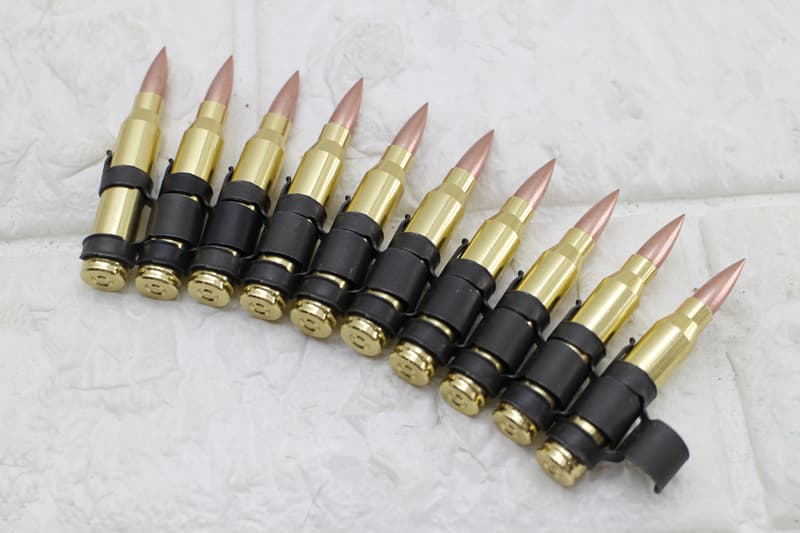
Accuracy problems have multiple causes. Loose barrel mounting, damaged crown, throat erosion, or fouling all affect precision. Check that the barrel locks securely into the receiver. Clean the bore thoroughly and inspect for damage. Verify the bipod is tight and properly adjusted.
Advanced maintenance considerations
Some maintenance tasks require armorer-level training and tools, but understanding these issues helps you identify problems that need professional attention.
Headspace and timing
Headspace is the distance between the bolt face and chamber when the bolt is locked. Excessive headspace causes dangerous pressure conditions and extraction problems. Timing controls when the firing pin strikes the primer relative to bolt lock-up. Both require specialized gauges and training to check properly.
Signs of headspace problems include difficult extraction, case head separation, or primers flowing back into the firing pin hole. Signs of timing problems include light primer strikes, misfires, or inconsistent ignition. These issues require armorer attention.
Barrel replacement
Barrels wear out over time, typically after 15,000-20,000 rounds of normal use. Signs include decreased accuracy, throat erosion visible with a bore scope, or keyholing at normal ranges. Barrel replacement requires proper tools and training to maintain headspace and timing.
Parts replacement scheduling
Certain components wear predictably and should be replaced on schedule rather than waiting for failure. Gas rings, extractors, and firing pins have known service lives. Establish replacement schedules based on round count and inspection results.
PMCS documentation and record keeping
Proper documentation helps track weapon condition over time and identifies developing problems. The DA Form 2404 is your official maintenance record, but informal notes help too.
Record round counts, maintenance performed, and problems identified. Note trends like increasing extraction problems, feeding issues, or accuracy degradation. This information helps predict when components need replacement and identifies chronic problems.
Track parts replacement and major maintenance. Know when the barrel was last replaced, when gas rings were changed, and when the weapon last had armorer-level maintenance. This information is crucial for troubleshooting and maintenance planning.
Document unusual problems and solutions. If you find a unique problem or effective fix, record it for future reference. This institutional knowledge prevents repeating diagnostic work and helps train new personnel.
Range day preparation
Your PMCS procedures should prepare the weapon for actual use, not just inspection. Here's how to verify your M249 is ready for live fire.
Pre-range inspection
Perform complete PMCS the day before range training. This gives you time to fix problems without delaying the training schedule. Verify all components are clean, properly lubricated, and functioning correctly.
Test the weapon with dummy ammunition or empty cases. Cycle the action manually to verify feeding, extraction, and ejection. Check that the bolt locks back on an empty belt and releases properly when the charging handle is operated.
Verify you have the correct barrel for your intended use. Standard barrels work for most training, but some ranges require specific barrel configurations. Check that the barrel is properly headspaced and timed if it's been recently installed.
Ammunition considerations
The M249 fires 5.56mm NATO ammunition from belts or M16 magazines. Different ammunition types have different performance characteristics that affect weapon function. Match your PMCS procedures to your expected ammunition.
Linked ammunition requires proper feed mechanism function. Clean and inspect the feed tray, cartridge guide, and feed slide thoroughly. Test feeding with dummy rounds or empty cases to verify smooth operation.
Magazine feeding uses the magazine well adapter. This system is less reliable than belt feeding and requires different maintenance attention. Clean the magazine well and adapter thoroughly. Verify the adapter locks securely and doesn't interfere with bolt travel.
Environmental considerations
PMCS procedures change based on operating environment. Desert, jungle, arctic, and maritime conditions each present unique challenges that affect maintenance requirements.
Desert operations
Sand and dust infiltrate everything. Increase cleaning frequency and pay attention to moving parts that can bind with debris. Use minimal lubrication, excess oil attracts sand and creates abrasive paste that accelerates wear.
Cover the weapon when not in use. Sand infiltration happens constantly, not just during sandstorms. Clean the gas system frequently, sand in the gas tube causes cycling problems that look like ammunition issues.
Cold weather operations
Cold temperatures thicken lubricants and can cause sluggish operation. Use appropriate cold-weather lubricants and reduce application amounts. Test function in cold conditions before relying on the weapon.
Condensation causes corrosion problems when moving between temperature extremes. Allow weapons to acclimate gradually when possible. Increase inspection frequency for signs of moisture and corrosion.
Maritime operations
Salt water is extremely corrosive and requires immediate attention. Rinse exposed weapons with fresh water as soon as possible after salt exposure. Increase lubrication frequency to displace moisture and prevent corrosion.
Inspect for corrosion daily in maritime environments. Small rust spots spread quickly in salt air. Address corrosion immediately with appropriate cleaning and protective measures.
Training your soldiers
PMCS is a perishable skill that requires regular practice and supervision. Here's how to build competent maintainers in your unit.
Hands-on training
Classroom instruction only goes so far. Soldiers need hands-on practice with actual weapons to develop competence. Use training weapons or deadlined equipment for practice sessions.
Demonstrate proper techniques first, then supervise while soldiers practice. Correct mistakes immediately, bad habits are hard to break once established. Focus on the most critical tasks first, then add complexity.
Common mistakes to watch for
New soldiers often rush through procedures or skip steps they consider unimportant. Emphasize that PMCS is a system, every step has a purpose and skipping steps defeats the process.
Watch for improper tool use. Soldiers will use whatever's handy rather than the correct tool. This damages components and creates safety hazards. Insist on proper tools and techniques.
Building institutional knowledge
Experienced soldiers should mentor new personnel during PMCS training. This transfers practical knowledge that doesn't appear in technical manuals. Encourage questions and discussion during training.
Document lessons learned and effective techniques. Create unit-specific guidance that supplements official publications. This institutional knowledge improves over time and prevents repeating past mistakes.
The M249 SAW is a proven weapon system that will serve reliably with proper maintenance. Your PMCS procedures are the foundation of that reliability. Focus on the components that actually fail, use the right techniques and materials, and train your soldiers properly. The weapon will do its job when you need it to.
Most importantly, understand that PMCS is about preventing problems, not just finding them. A properly maintained M249 rarely fails during critical moments. The time you invest in maintenance pays dividends when lives depend on your weapon functioning perfectly.