You're glassing a buck at 275 yards across a Wyoming draw, and your buddy's already setting up his shooting sticks. The wind's gusting 15 mph, the antelope's nervous, and you've got maybe 30 seconds before he bounds away. Your factory rifle needs to put that bullet exactly where you're aiming; not close, exactly. Here's how to make that happen.
Most hunters think they need a custom rifle to consistently hit antelope at 300 yards. They don't. What they need is the right factory rifle, the right cartridge, and enough range time to know their actual capabilities. I've watched too many hunters miss chip shots because they trusted their gear without proving it, or because they picked the wrong setup for pronghorn hunting in the first place.
Why antelope hunting demands precision
Antelope aren't particularly tough animals; a well-placed shot from almost any centerfire cartridge will drop one cleanly. The challenge is making that well-placed shot across the open country where they live. You're dealing with longer shots than most whitetail hunting, wind that never stops, and an animal that can cover 200 yards in the time it takes you to work your bolt.
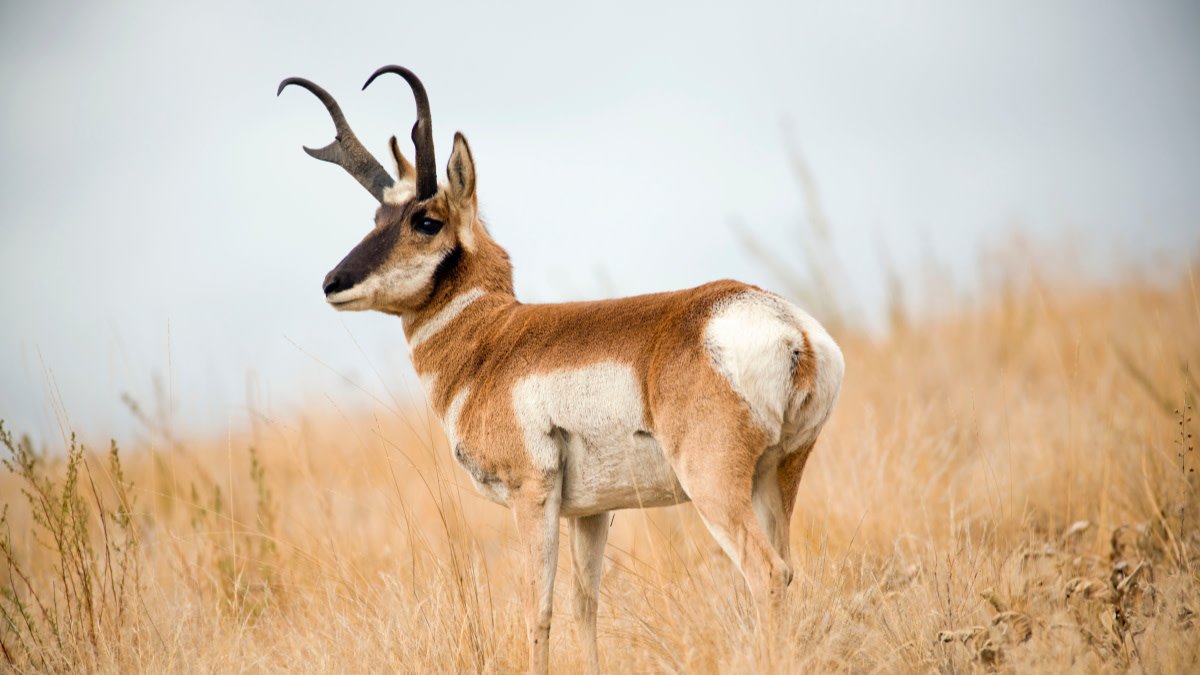
The vital zone on a mature buck antelope is roughly 8 inches. At 300 yards, that's about 2.5 MOA. Sounds generous until you factor in wind drift, shooting position, and the adrenaline of the moment. A rifle that shoots 1.5 MOA groups from the bench might open up to 3 MOA when you're shooting from field positions in a crosswind.
This is why sub-MOA accuracy from your factory rifle isn't just nice to have; it's the baseline for ethical antelope hunting. You need that precision cushion because the field will eat up every bit of accuracy your rifle can deliver.
Cartridge selection for pronghorn precision
The best antelope cartridge is flat-shooting, wind-bucking, and available in accurate factory loads. Forget the magnums unless you're planning shots past 400 yards. What matters is a cartridge that stays supersonic well past your maximum shooting distance and pushes a sleek bullet fast enough to minimize wind drift.
6.5 Creedmoor has become the default choice, and for good reason. Factory loads like Hornady ELD-X and Federal Premium Berger Hybrid push 140-grain bullets at 2700 fps with excellent consistency. The 6.5mm bore diameter delivers outstanding ballistic coefficients, and the moderate recoil lets you spot your shots through the scope. Most factory rifles shoot 6.5 Creedmoor into MOA or better with minimal load development.
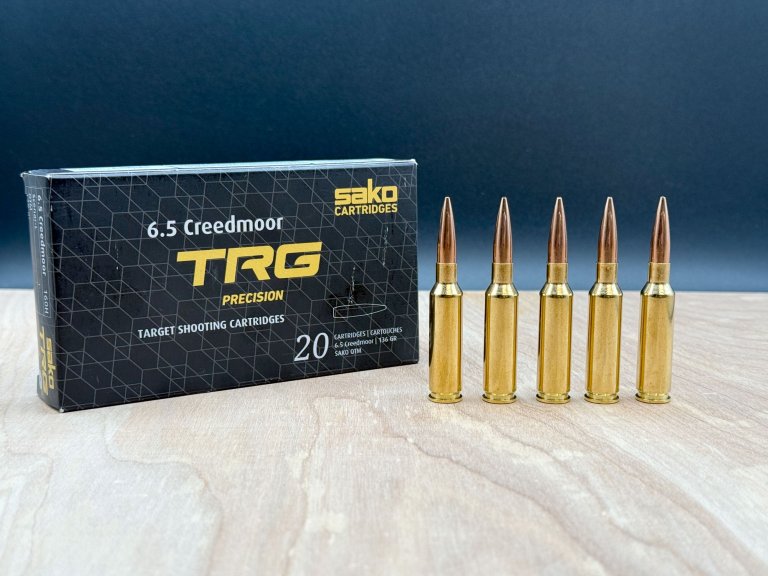
6.5 PRC steps up the velocity without the recoil penalty of traditional magnums. You're looking at 2950 fps with 143-grain ELD-X bullets, which translates to about 4 inches less drop and 2 inches less wind drift at 300 yards compared to 6.5 Creedmoor. The trade-off is more expensive ammo and slightly more recoil, but it's still manageable for most shooters.
.257 Weatherby Magnum deserves consideration if you handload or don't mind paying premium prices for factory ammo. The 100-grain Barnes TTSX at 3400 fps shoots remarkably flat and hits antelope like lightning. Wind drift is minimal, and the explosive terminal performance drops pronghorns in their tracks. The downside is limited factory load selection and significant recoil that can affect accuracy for some shooters.
7mm-08 Remington works exceptionally well for hunters who prefer traditional cartridges. Federal Premium loads with 140-grain AccuBond bullets deliver 2800 fps and excellent accuracy in most rifles. It's not as flat as the 6.5s, but it's proven reliable and available everywhere.
The cartridge you choose matters less than finding factory loads that shoot accurately in your specific rifle. I've seen .270 Winchester rifles that wouldn't group better than 2 MOA with premium ammo, and budget .243 rifles that consistently shot under MOA with the right load.
Factory rifles that deliver sub-MOA performance
The accuracy revolution in factory rifles means you don't need to spend custom rifle money to get precision performance. Several manufacturers consistently deliver rifles that shoot MOA or better with factory ammunition, but some platforms have proven more reliable than others.
Tikka T3x rifles have earned their reputation for out-of-the-box accuracy. The action is smooth, the trigger breaks cleanly at 2-3 pounds, and the barrel quality is consistently excellent. I've tested multiple T3x rifles in various cartridges, and most shoot their preferred factory load into 0.75 MOA or better. The synthetic stock is functional but not particularly rigid; consider upgrading if you're chasing the smallest groups.
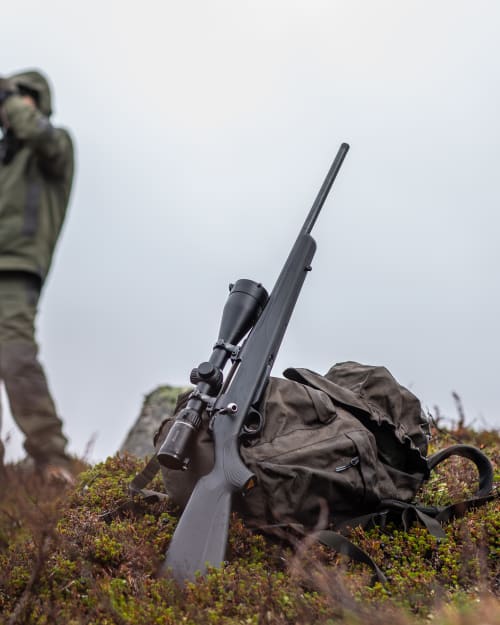
Bergara B-14 series rifles use Bergara's barrel-making expertise to deliver exceptional accuracy at a reasonable price. The HMR (Hunting and Match Rifle) variant features a heavy barrel profile that's ideal for precision work, while the Hunter model saves weight for backcountry hunting. Both typically shoot well under MOA with quality ammunition. The adjustable trigger and solid stock design contribute to consistent performance.
Weatherby Vanguard rifles offer excellent value for accuracy-focused hunters. The action is based on the proven Howa 1500 design, and Weatherby's guarantee of sub-MOA accuracy with specified ammunition gives you recourse if your rifle doesn't perform. The synthetic stock versions are particularly good values, and the trigger is adjustable down to a crisp 3 pounds.

Tikka T3x Deals
Prices may change. May contain affiliate links.
Ruger American Rifle proves that accuracy doesn't require a premium price tag. The bedding system and barrel mounting create a surprisingly rigid platform, and most examples shoot well under 1.5 MOA with factory loads. While not as refined as more expensive options, it delivers the accuracy needed for ethical antelope hunting at a fraction of the cost.
Savage 110 rifles benefit from the AccuTrigger system and Savage's reputation for accuracy. The newer models with the AccuFit stock system allow you to adjust length of pull and comb height for better shooting position consistency. Most shoot MOA or better with their preferred loads, though barrel quality can be variable between individual rifles.
Field notes: Testing your rifle's accuracy potential
Don't assume your rifle shoots MOA just because the manufacturer claims it does. I test every hunting rifle with at least three different factory loads, shooting five-shot groups at 100 yards from a solid rest. The goal is finding the load that consistently produces the smallest groups, not cherry-picking one good group.
Pay attention to velocity consistency as well as group size. A chronograph will reveal whether your rifle produces consistent velocities with different loads. High velocity spreads often correlate with larger groups and unpredictable performance at longer ranges.
Temperature affects accuracy more than most hunters realize. Test your chosen load in conditions similar to your hunting environment. A load that shoots 0.75 MOA in 70-degree weather might open up to 1.5 MOA when it's 20 degrees and windy.

Optics that enable precision shots
Your scope is as critical as your rifle for consistent long-range performance. Antelope hunting demands optics that track reliably, return to zero after dialing, and provide enough magnification to precisely place shots at extended ranges.
Variable power scopes in the 3-9x or 4-12x range work well for most antelope hunting situations. You need enough magnification to clearly define your aiming point at 300+ yards, but not so much that you can't quickly acquire targets at closer ranges. A 4-12x scope set at 8-10x provides excellent precision for most shots while maintaining reasonable field of view.
Leupold VX-3HD scopes offer proven reliability and excellent optical quality. The 4.5-14x40 model provides enough magnification for precise shot placement while maintaining the compact profile that Leupold is known for. The CDS dial system allows custom turrets matched to your specific load's ballistics.
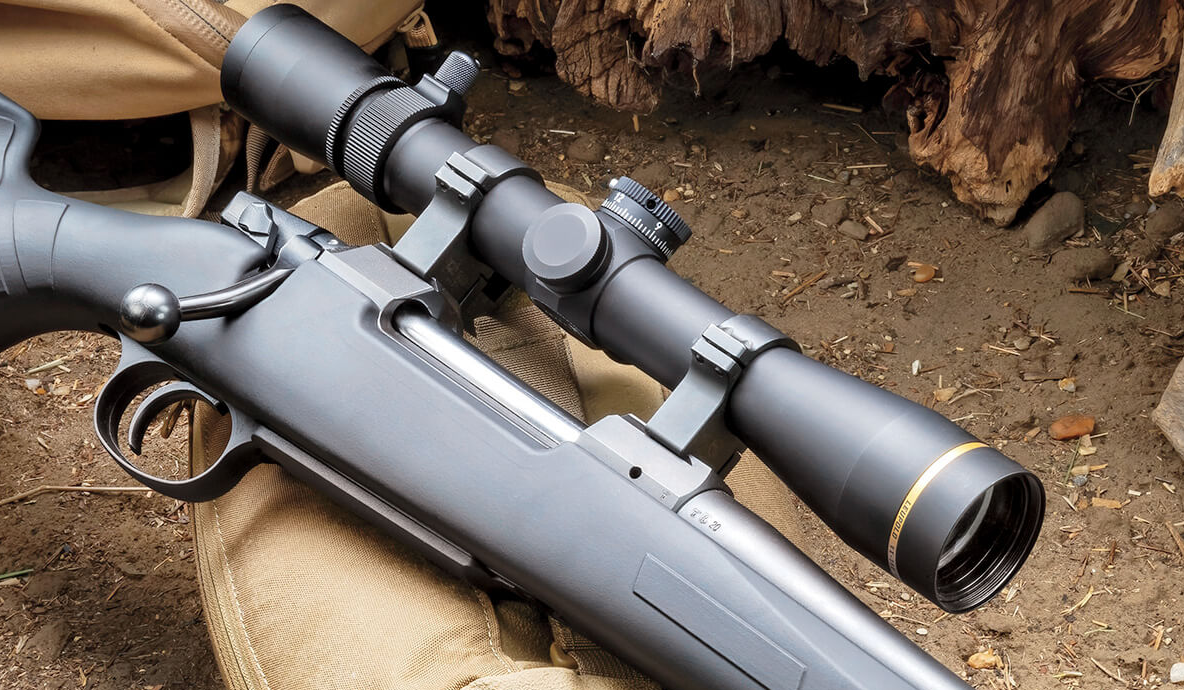
Vortex Viper HS-T scopes deliver excellent performance at a moderate price point. The 4-16x44 model provides ample magnification range, and the Dead-Hold BDC reticle offers holdover references for extended range shots. Vortex's warranty service is outstanding, which matters when you're hunting in rough country.
Nightforce SHV scopes bring tactical-grade reliability to hunting applications. The 4-14x50 model tracks precisely and returns to zero consistently, even after significant dialing. The glass quality is excellent, and the robust construction handles the abuse of backcountry hunting.
For hunters on tighter budgets, the Primary Arms GLx 4-16x50 offers impressive performance at a fraction of premium scope prices. The glass is clear, tracking is reliable, and the ACSS reticle provides both precision aiming points and range estimation capabilities.
Zeroing and ballistic preparation
A 200-yard zero works well for most antelope hunting scenarios. This puts you roughly 2 inches high at 100 yards and 6-8 inches low at 300 yards, depending on your cartridge. You can hold center mass on antelope out to about 250 yards and still make clean kills.
However, knowing your exact trajectory is more important than any specific zero distance. Shoot your rifle at 100, 200, and 300 yards with your hunting ammunition to verify actual drop. Ballistic calculators are useful starting points, but your rifle's actual performance might vary from predicted values.
Wind is the bigger challenge than drop for antelope hunting. A 10 mph crosswind will push a 6.5 Creedmoor bullet about 4 inches at 300 yards; half the width of an antelope's vital zone. Learn to read wind conditions and practice shooting in various wind speeds before your hunt.
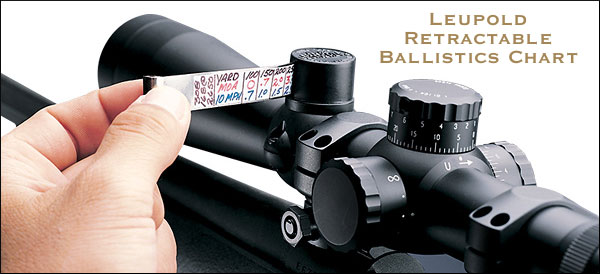
Create a simple drop chart for your rifle and load, and tape it to your stock or keep it in your pocket. Include wind drift values for 5, 10, and 15 mph crosswinds. This field reference is more reliable than trying to remember ballistic data when you're focused on making a shot.
Common mistakes that cost accuracy
Inconsistent shooting positions kill more accuracy than poor rifles or ammunition. Most hunters practice from a bench rest but hunt from field positions that provide less stability. Practice shooting from sitting, kneeling, and prone positions with shooting sticks or bipods. Your field accuracy will always be worse than your bench accuracy; plan accordingly.
Trigger control deteriorates under hunting pressure. The smooth, straight-back trigger press you use at the range becomes a jerky, sideways pull when there's an antelope in your crosshairs. Dry fire practice at home builds muscle memory that carries over to hunting situations.
Scope mounting problems plague many factory rifles. Rings that aren't properly torqued, bases that shift under recoil, or scopes mounted with excessive cant all degrade accuracy. Have a competent gunsmith mount your scope, or invest in quality tools and learn to do it correctly yourself.
Ammunition storage affects performance more than most hunters realize. Temperature swings, humidity, and rough handling can change how ammunition performs. Store hunting ammunition in a cool, dry place and handle it carefully. Carry backup ammunition in case your primary supply gets damaged.
Barrel fouling accumulates faster in some rifles than others. A rifle that shoots MOA for the first five shots might open up to 2 MOA after 20 rounds without cleaning. Learn your rifle's fouling characteristics and clean appropriately before hunting.
Load selection and testing methodology
Factory ammunition quality has improved dramatically in recent years, but not all loads perform equally in all rifles. The key is systematic testing to identify your rifle's preferred ammunition.
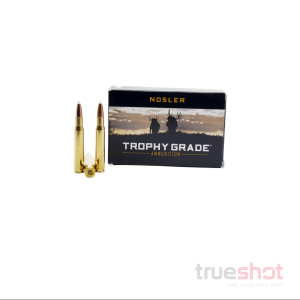
Start with premium hunting loads from major manufacturers. Hornady Precision Hunter, Federal Premium Terminal Ascent, and Nosler AccuBond loads typically deliver excellent accuracy and terminal performance. These loads use high-quality bullets with consistent ballistic coefficients and proven terminal performance on game.
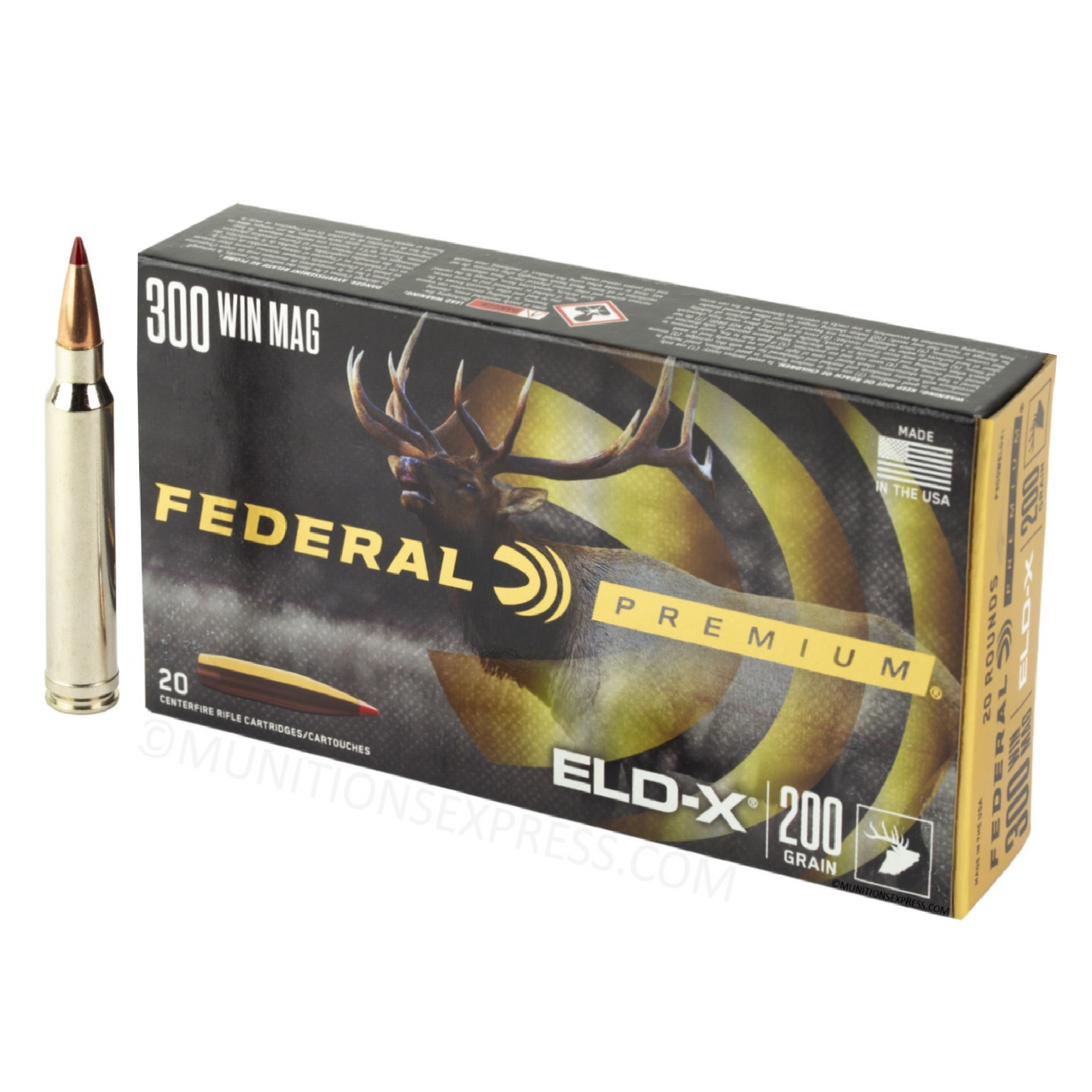
Test each load with five-shot groups at 100 yards. Shoot slowly to avoid barrel heating, and let the barrel cool between groups. Record group size, point of impact, and any unusual characteristics like fliers or vertical stringing.
Don't dismiss a load based on one poor group. Ammunition can be affected by temperature, humidity, and even the specific lot you're testing. If a load shows promise but produces one large group, test it again before moving on.
Velocity testing with a chronograph reveals important performance characteristics that group size alone doesn't show. Look for loads that produce low standard deviations (under 20 fps) and consistent velocities across different temperature ranges.
Rifle modifications that improve field accuracy
Most factory rifles benefit from minor modifications that improve accuracy and handling without requiring custom work. These changes typically cost less than $200 and can significantly improve field performance.
Trigger upgrades provide the most noticeable improvement for most rifles. A crisp, consistent trigger break makes precise shot placement much easier. Timney, TriggerTech, and Rifle Basix all make excellent aftermarket triggers for popular hunting rifles. Target weight should be 2-4 pounds for hunting applications.
Stock bedding eliminates stress points that can affect accuracy as temperatures change. Free-floating the barrel and properly bedding the action creates a consistent platform that shoots the same in various conditions. Many gunsmiths can perform this work for $100-150.
Muzzle brakes reduce recoil and muzzle jump, allowing you to spot shots through the scope and make faster follow-up shots if necessary. The downside is increased noise and blast, which can be problematic when hunting with others. Consider a brake with a removable cap for versatility.
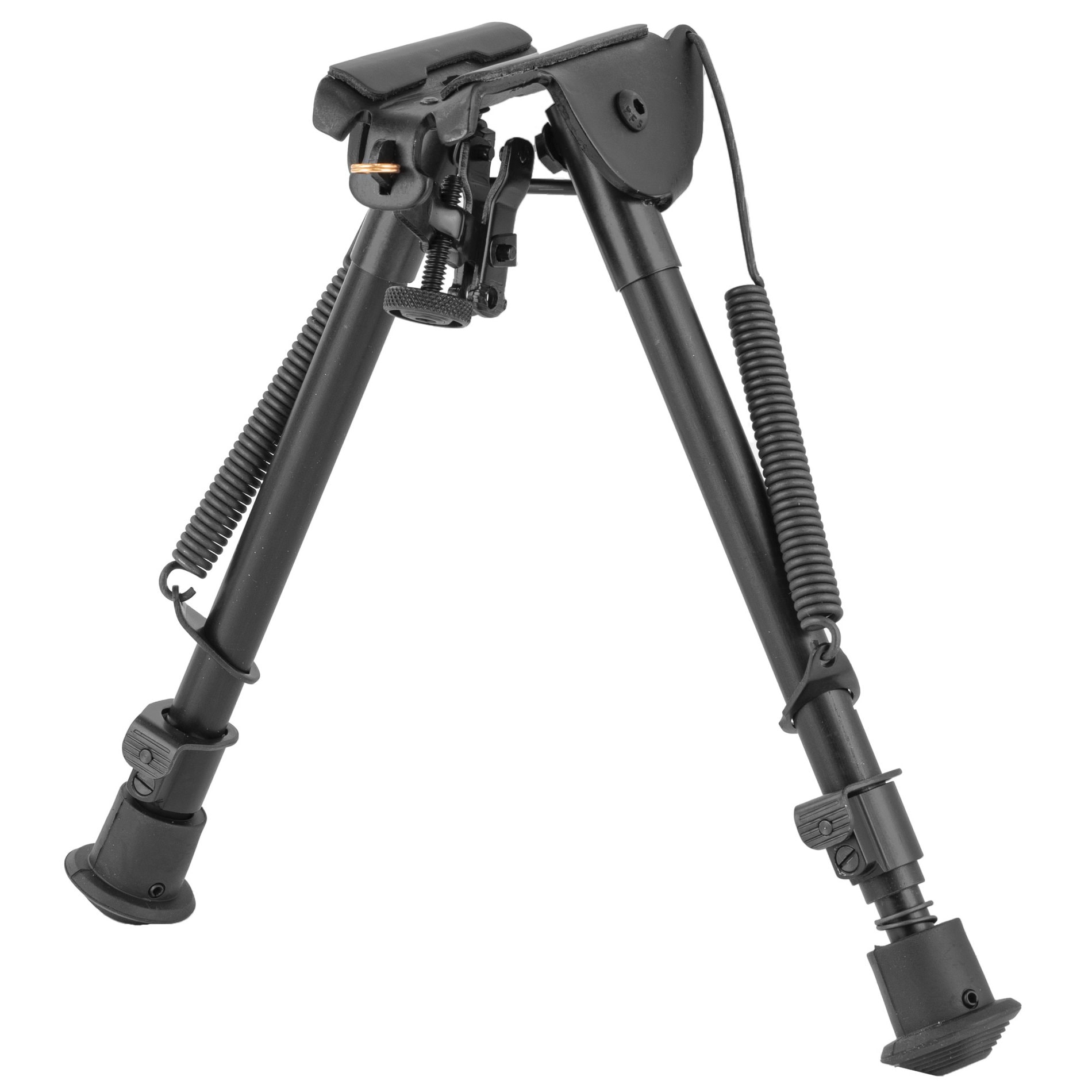
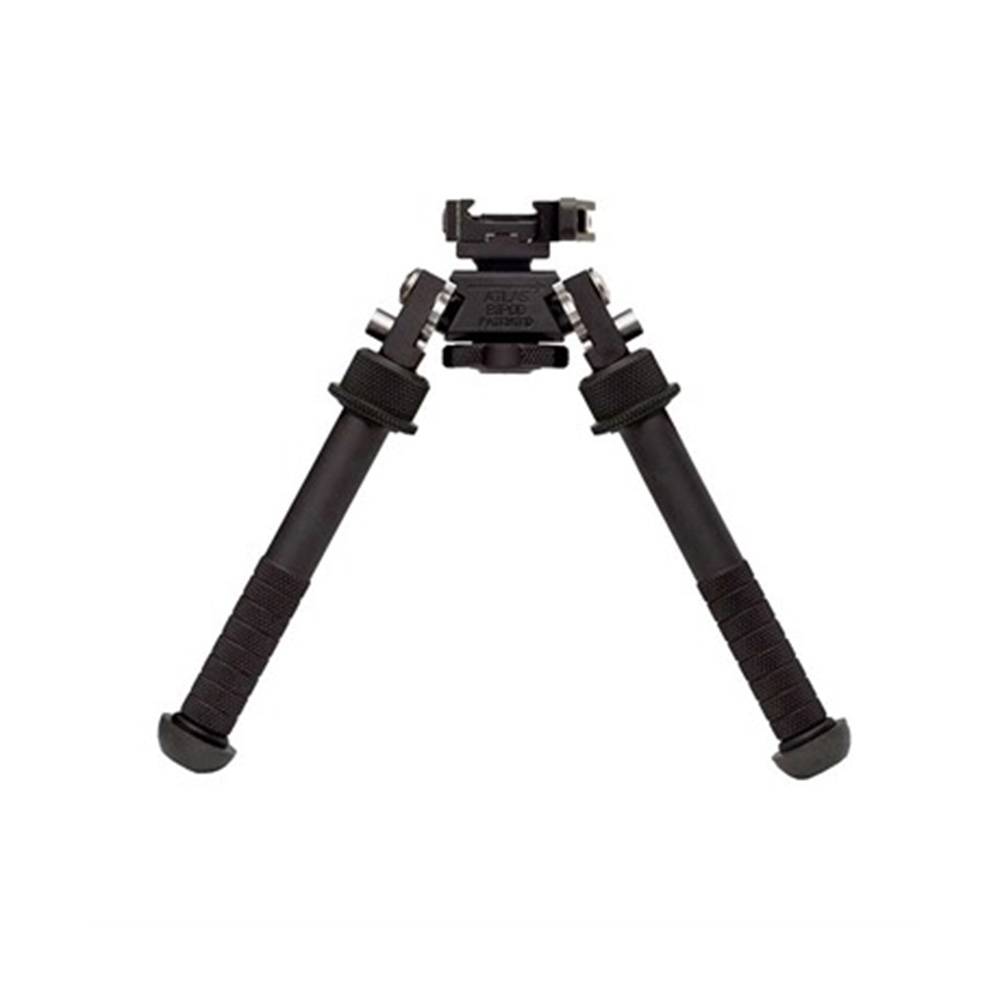
Bipods provide stable shooting positions in the field where shooting sticks aren't practical. Harris bipods are the standard, but newer designs from companies like Atlas offer improved adjustability and stability. Practice shooting from bipods before hunting; the technique is different from shooting sticks or bags.
Shooting positions and field stability
Bench rest accuracy means nothing if you can't replicate stable shooting positions in the field. Antelope hunting often requires shots from awkward positions across uneven terrain, and your ability to create stability determines your effective range.
Prone position offers the most stability but isn't always practical in antelope country. Tall grass, uneven ground, and poor angles often make prone shooting impossible. When you can use it, a bipod or pack for front support and proper body position behind the rifle create a rock-solid platform.
Sitting position with shooting sticks provides good stability and works in most terrain. Cross your ankles and lean slightly forward to create a stable base. The key is getting the shooting sticks at the right height so you're not fighting the rifle to maintain sight alignment.
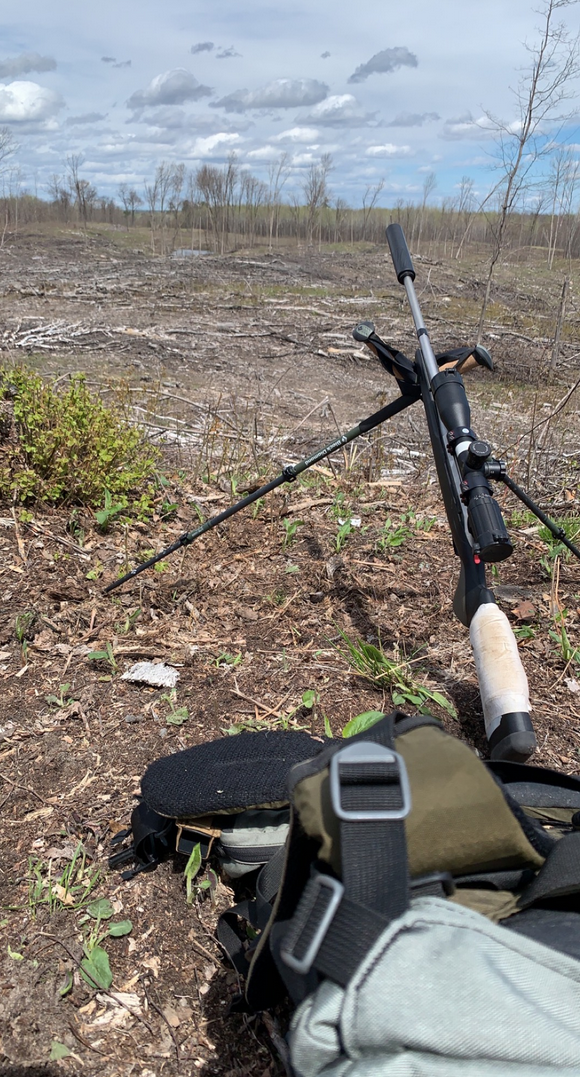
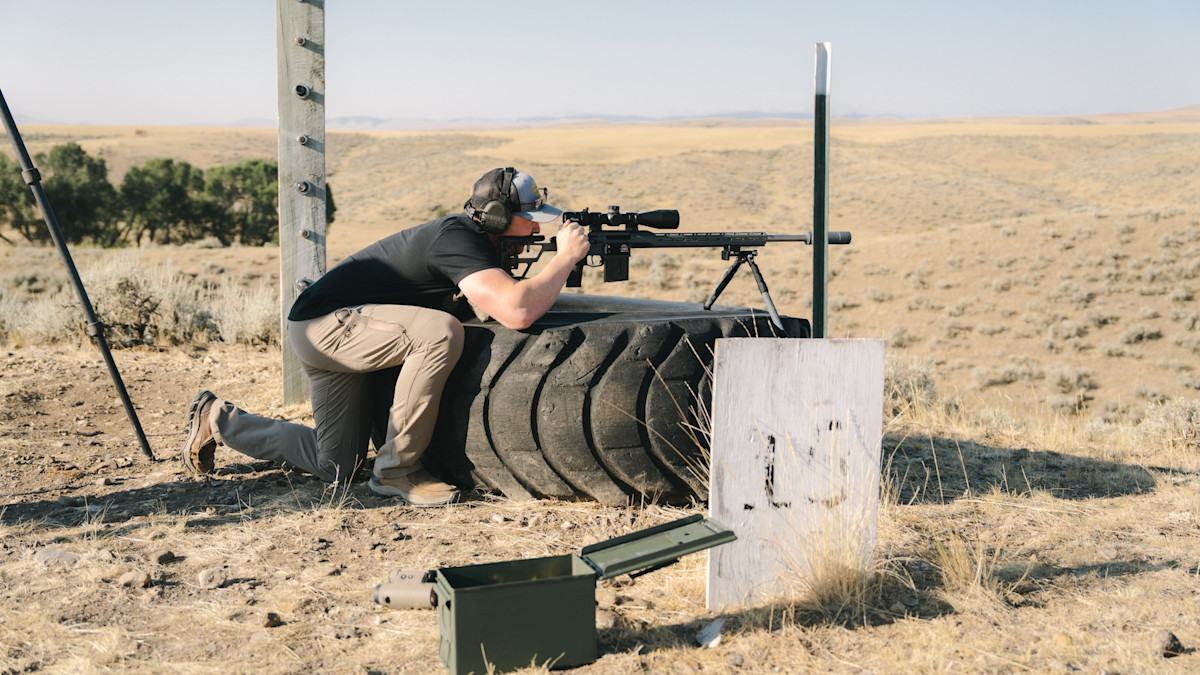
Kneeling position works when sitting isn't low enough to clear vegetation. Use your weak-side knee as a support for your elbow, and maintain consistent pressure against the rifle. This position is less stable than sitting but often necessary in the field.
Standing position with shooting sticks should be your last resort for precision shots. Even with perfect technique, standing accuracy is significantly worse than other positions. Limit standing shots to 200 yards or less unless the situation is exceptional.
Practice these positions regularly, not just before hunting season. Muscle memory and consistent form are critical for field accuracy, and they deteriorate quickly without regular practice.
Environmental factors affecting accuracy
Antelope hunting exposes you to environmental conditions that can significantly affect accuracy. Understanding and compensating for these factors is essential for consistent long-range performance.
Wind is the primary challenge for antelope hunters. Open country means constant wind, often from changing directions. Learn to read wind indicators like grass movement, dust, and mirage. A 10 mph wind can push bullets several inches off target at 300 yards, and antelope country often sees winds much stronger than that.
Harris Bipod Deals
Prices may change. May contain affiliate links.

Temperature affects both ammunition performance and scope tracking. Cold temperatures typically reduce velocity, while hot temperatures increase it. Extreme temperature changes can also affect scope zero as different materials expand and contract at different rates.
Altitude changes affect bullet trajectory and scope adjustments. Higher altitudes mean thinner air and less bullet drop, but the effect varies with different cartridges and bullets. If you're hunting significantly higher than where you zeroed your rifle, verify your trajectory at extended ranges.
Mirage can make precise aiming difficult in hot conditions. The heat shimmer that rises from sun-heated ground distorts your sight picture and makes target definition difficult. Early morning and late evening hunting often provides clearer conditions for long-range shots.
Practical accuracy standards for ethical hunting
Sub-MOA accuracy sounds impressive, but what does it mean for ethical antelope hunting? A rifle that shoots 1 MOA groups from the bench might shoot 1.5-2 MOA groups from field positions under hunting conditions. This is still adequate accuracy for clean kills at reasonable ranges.
Atlas Bipod Deals
Prices may change. May contain affiliate links.
Your practical maximum range should be based on your worst-case field accuracy, not your best bench groups. If your rifle shoots 1 MOA from the bench but 2 MOA from field positions, limit shots to ranges where 2 MOA accuracy ensures vital zone hits. For most hunters, this means 250-300 yards maximum.
Wind reading ability matters more than rifle accuracy for many missed shots. A rifle that shoots 0.5 MOA groups won't help if you misjudge a 15 mph crosswind by half. Practice shooting in various wind conditions and learn to make accurate wind calls before extending your range.
Shot placement trumps cartridge selection and rifle accuracy. A well-placed shot from a 2 MOA rifle will kill cleanly, while a poorly placed shot from a 0.5 MOA rifle will wound. Focus on making good shots within your capabilities rather than pushing the limits of your equipment.
Pre-season preparation and practice
Your rifle's accuracy potential means nothing if you can't execute under hunting conditions. Effective practice goes beyond shooting groups at the range; it prepares you for the specific challenges of antelope hunting.
Position practice should dominate your pre-season training. Shoot from sitting, kneeling, and prone positions using the same equipment you'll carry hunting. Practice setting up quickly and getting stable before the shot. Time yourself setting up from different positions to build efficiency.
Wind reading practice requires shooting in various conditions, not just calm days at the range. Learn to judge wind speed and direction from natural indicators. Practice making wind calls and adjusting your hold accordingly. Keep a shooting log that records wind conditions and their effects on your shots.
Cold bore accuracy testing reveals how your rifle performs on the first shot of the day; often the only shot you'll get at an antelope. Let your rifle sit overnight, then shoot one shot at 100 yards before the barrel warms up. Repeat this process several times to establish your cold bore zero.
Equipment familiarity prevents fumbling under pressure. Practice with your hunting gear until every action becomes automatic. Know exactly how your scope adjustments work, how to quickly deploy your shooting support, and how to work your rifle's safety and bolt smoothly.
Stress inoculation helps maintain accuracy under hunting pressure. Set up challenging shooting scenarios with time pressure, awkward positions, or physical exertion before shooting. The goal is maintaining good shooting fundamentals when your heart rate is elevated and adrenaline is flowing.
Before opening day, confirm your zero at 200 yards and verify trajectory at 300 yards with your hunting ammunition. Clean your rifle and check that all scope mounts are tight. Test your equipment in conditions similar to what you expect while hunting; cold mornings, wind, and varied lighting conditions.
Your factory rifle can deliver the accuracy needed for ethical antelope hunting at reasonable ranges. The key is choosing the right combination of rifle, cartridge, and optics, then practicing enough to execute consistently under field conditions. Sub-MOA accuracy from the bench is achievable with modern factory rifles, but your field performance determines success in antelope country.