Your precision rifle deserves better than that aluminum rod that came with your cleaning kit. You know the one; it's probably bent, the threads are stripped, and you've watched it flex like a pool noodle every time you push a patch through. Here's the thing: a good cleaning rod isn't just about convenience. It's about protecting the throat and crown of a barrel you probably spent serious money on.
The problem with cheap rods isn't just that they're flimsy. They're made from materials that can actually damage your bore. Aluminum rods pick up grit and turn into abrasive files. Steel rods are harder than your barrel steel and will wear the rifling. Even stainless steel can cause problems if it's not properly finished. What you need is either a coated steel rod or a carbon fiber rod that's stiffer than your barrel but won't scratch it.
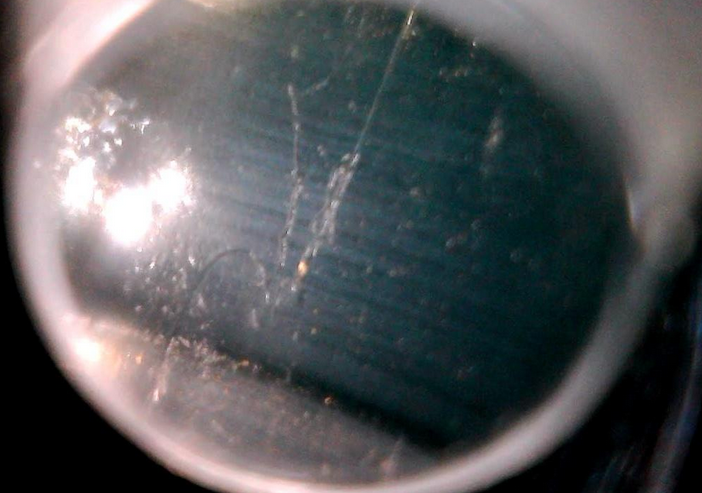
I learned this the hard way after putting microscopic scratches in the throat of a custom barrel with a cheap aluminum rod. The accuracy didn't suffer immediately, but over time those scratches collected fouling and made cleaning harder. Now I use proper rods, and honestly, cleaning became faster and more effective once I stopped fighting bent, flexing equipment.
Why your current rod probably sucks
Most factory cleaning rods fail in predictable ways. The biggest issue is material choice. Aluminum rods are soft enough that they pick up particles of dirt, carbon, and metal fouling, then drag those abrasives through your bore. It's like using sandpaper instead of a cleaning rod. Steel rods solve the flexibility problem but create a hardness problem; they're often harder than your barrel steel, especially at the crown where accuracy lives or dies.
The second issue is construction. Multi-piece rods have joints that can come loose mid-cleaning, leaving you fishing for rod sections in your barrel. The threads at these joints also create stress points where the rod can bind or break. Three-piece rods are the worst offenders here. You'll spend more time assembling and disassembling the rod than actually cleaning.
Length matters more than most people realize. A 26-inch rod might work for your AR, but it's going to flex like crazy when you're pushing through a 28-inch precision rifle barrel. You need enough rod length that you're not maxing out the flex characteristics of the material. Carbon fiber helps here because it has a much better stiffness-to-weight ratio than any metal.
Handle design is where a lot of manufacturers cheap out. You want a handle that spins freely on quality bearings, not one that binds up and forces you to torque the rod. A binding handle will twist your cleaning patches and jags, making them less effective and more likely to get stuck.
Carbon fiber: the precision shooter's choice
Carbon fiber cleaning rods solve most of the problems with traditional materials. They're stiffer than aluminum but softer than your barrel steel. They don't pick up and embed abrasive particles the way aluminum does. They're also significantly lighter, which reduces fatigue during long cleaning sessions and makes the rod easier to control.
The Tipton Deluxe Carbon Fiber rod is probably the most popular choice in this category, and for good reason. It's a one-piece design available in lengths from 26 to 44 inches, so you can match it to your specific rifle. The carbon fiber construction gives you the stiffness you need without the weight penalty of steel. The handle uses quality bearings that actually spin freely, and the tip threading is 8-32, which fits most jags and brushes.
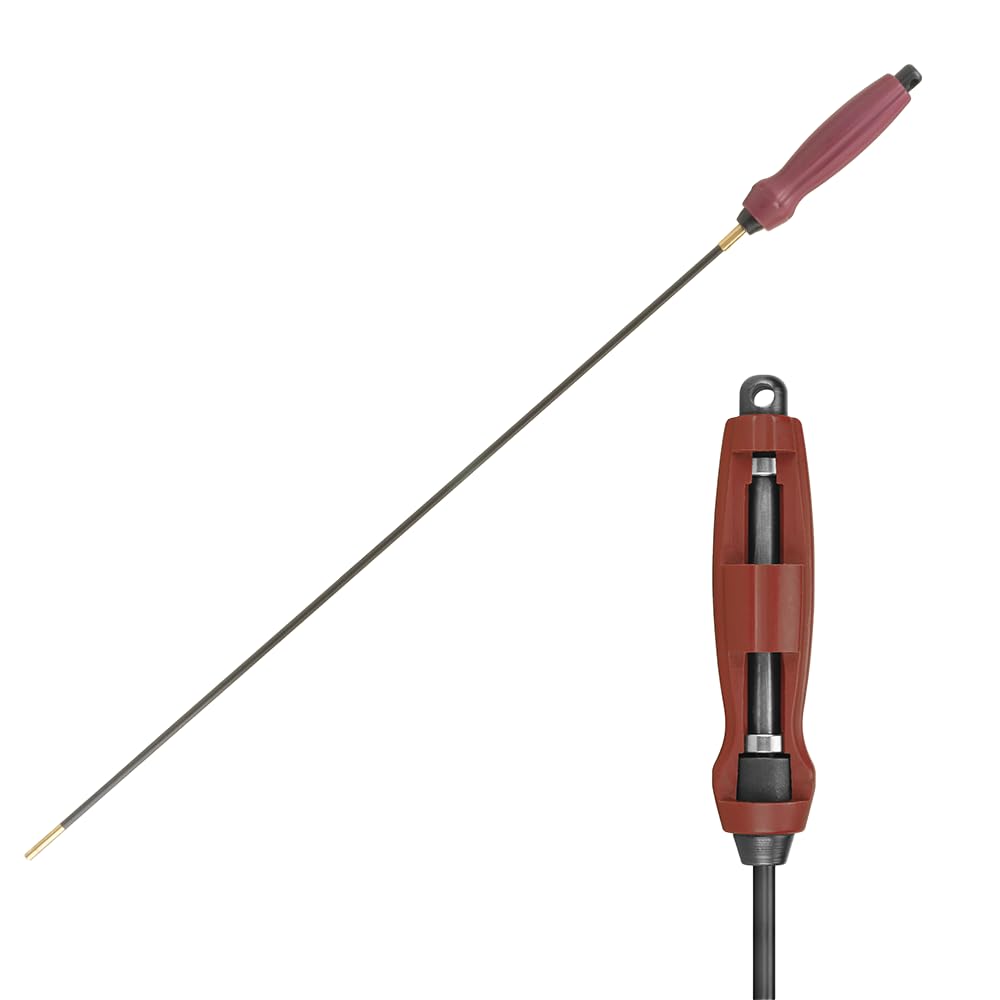
What makes the Tipton work well is the attention to details. The carbon fiber shaft has a smooth finish that won't grab patches or collect fouling. The handle is sized right for extended use, not so small that it cramps your hand, not so large that it's awkward to control. The rod comes with a protective sleeve that's actually useful, unlike the flimsy plastic tubes that come with cheaper rods.
BoreTech's Proof-Positive rods are another solid carbon fiber option. They use a slightly different carbon fiber weave that some shooters prefer, and their handles have a different bearing design. The main advantage of the BoreTech rods is their tip design; they use a proprietary connection system that's supposed to prevent jags from coming loose. In practice, standard 8-32 threading works fine if you don't over-tighten, but some people like the extra security.
Coated steel rods that actually work
If you prefer the feel and control of a steel rod, there are good options that won't damage your bore. The key is finding rods with proper coatings that are harder than fouling but softer than barrel steel. Pro-Shot makes several coated steel rods that hit this sweet spot.
The Pro-Shot Premium series uses a proprietary coating over stainless steel. The coating is designed to be self-lubricating and non-abrasive. These rods have excellent stiffness characteristics; they don't flex at all when pushing through long barrels. The handles use quality bearings, and the overall construction is robust enough for heavy use.
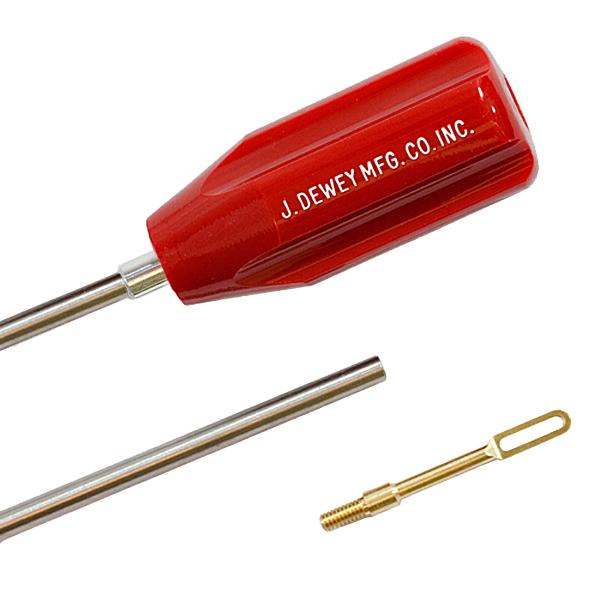
J. Dewey stainless steel rods are popular with benchrest shooters who want maximum stiffness and control. These aren't coated, but they use a specific grade of stainless steel that's been micro-polished to reduce the risk of scratching. The polishing process is what sets Dewey rods apart from generic stainless rods. They're not cheap, but they're built to last decades of heavy use.
The downside of steel rods is weight. A 36-inch steel rod gets heavy during extended cleaning sessions, and the extra weight makes it harder to maintain consistent pressure and feel. You also need to be more careful about keeping steel rods clean; any particles that stick to the surface can cause problems.
Length and caliber considerations
Rod length needs to match your specific rifle setup. For most precision rifles with 24-26 inch barrels, a 36-inch rod gives you enough working length without excessive flex. If you're running a 28-inch or longer barrel, step up to a 44-inch rod. The extra length costs you some portability but gives you much better control and reduces flex.
Caliber-specific rods make a difference for precision work. A .22 caliber rod in a .308 bore has too much clearance and can contact the rifling if you're not perfectly centered. A .30 caliber rod in a .22 bore obviously won't fit. Most manufacturers offer rods in .22-.26 caliber and .27-.45 caliber ranges. Match your rod to your most commonly cleaned caliber, or buy multiple rods if you shoot a wide range.
The threading on the tip matters more than you might think. Most quality rods use 8-32 threading, which fits the majority of jags, brushes, and accessories. Some European manufacturers use metric threading, which limits your accessory options. Stick with 8-32 unless you have a specific reason to go metric.
Handles and bearings that matter
A good handle makes cleaning faster and less frustrating. You want a handle that spins freely on quality bearings, not one that binds up and forces you to twist the rod. Ball bearings are better than bushings, and sealed bearings are better than open ones that can collect dirt and fouling.
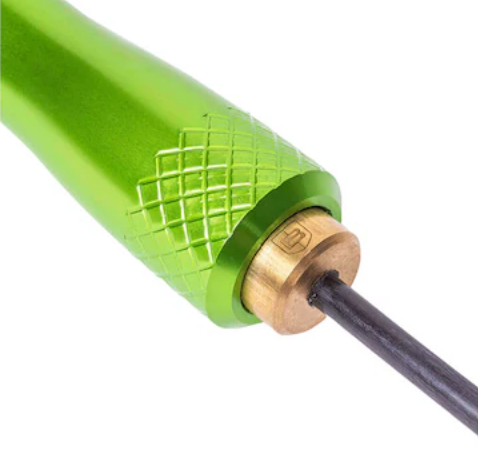
Handle size affects comfort and control. Too small, and your hand cramps during long cleaning sessions. Too large, and you lose fine motor control when threading patches through tight spots. Most quality rods get this balance right, but it's worth considering if you have particularly large or small hands.
The connection between the handle and rod shaft is a common failure point. Look for handles that are permanently attached or use robust mechanical connections. Threaded connections can work loose over time, especially if you're applying significant force during cleaning.
What you'll actually spend
Quality cleaning rods in this category typically run $40-80. The Tipton carbon fiber rods are usually around $50-60, which puts them in the sweet spot for most precision shooters. BoreTech rods run slightly higher, typically $60-75. Pro-Shot coated steel rods are often the most affordable option at $40-50.
J. Dewey rods are at the top of this price range, usually $70-80, but they're built to last decades. If you're cleaning multiple rifles regularly, the extra cost is justified. For occasional use, the mid-range options work fine.
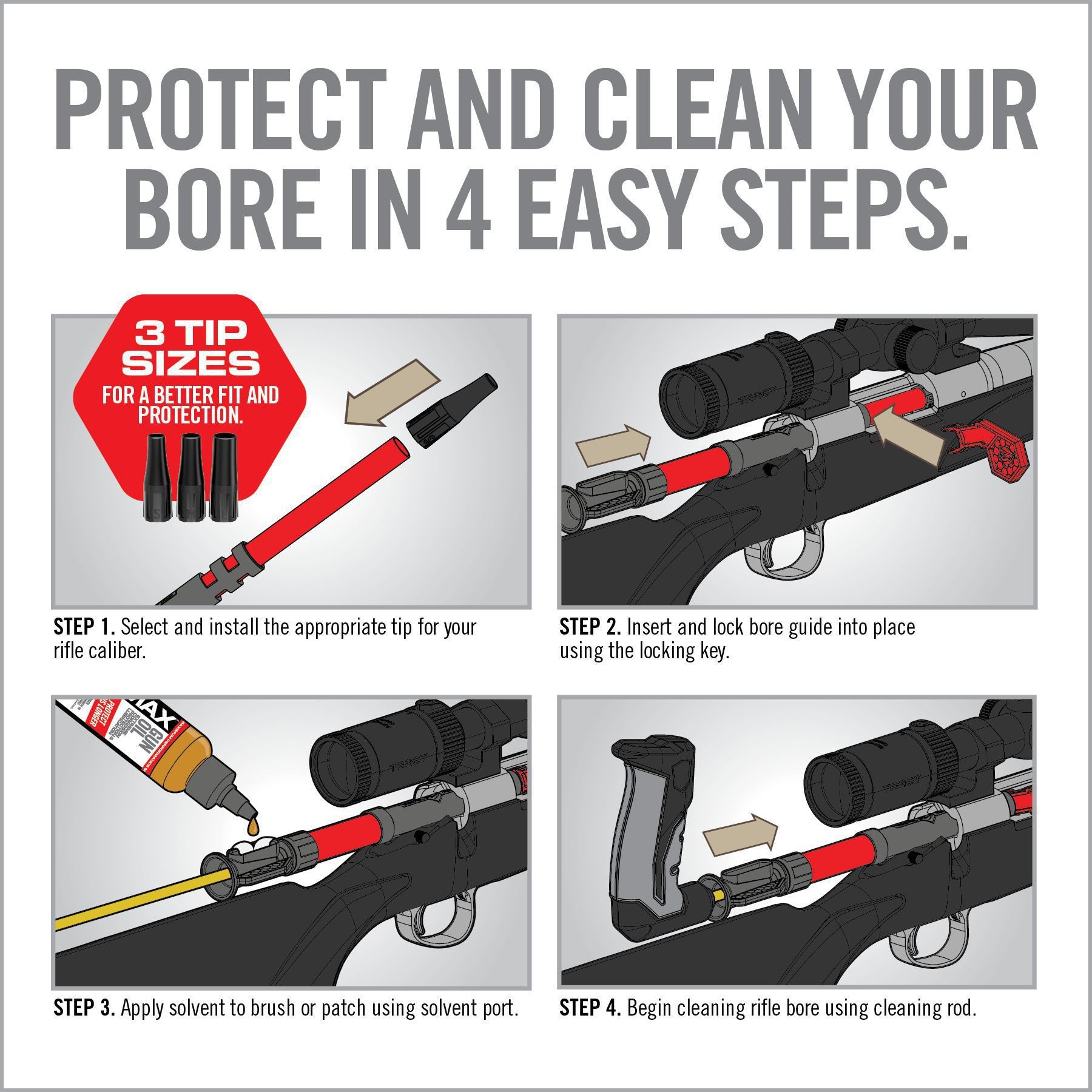
Don't forget to budget for a bore guide. A good rod with a poor bore guide is still going to cause problems. Plan to spend another $20-30 on a quality bore guide that matches your rifle's action type.
Bench notes: what you'll feel with a good rod
The difference between a quality rod and a cheap one is immediately obvious once you start pushing patches. A good rod tracks straight through the bore without wandering or binding. You can feel the difference in fouling levels through the rod; heavy fouling creates more resistance, clean sections feel smooth.
With carbon fiber rods, you'll notice how much easier it is to maintain consistent pressure. The lighter weight reduces fatigue, and the stiffness gives you better feedback about what's happening in the bore. You can actually feel when a patch is fully saturated or when you've pushed all the fouling out of a particular section.
Steel rods give you more direct feedback but require more careful handling. You can feel every bit of resistance, which is useful for gauging cleaning progress, but you need to be more conscious of not over-pressuring the rod against the rifling.
Common mistakes that damage rods and bores
The biggest mistake is using too much force. If a patch or brush is stuck, backing off and trying a different approach is better than muscling through. I've seen people bend carbon fiber rods by trying to force oversized patches through tight bores. The rod will usually win that fight, but you'll damage the bore in the process.
Not using a bore guide is another common error. Even the best cleaning rod will eventually contact the rifling if you're not guiding it properly. Bore guides aren't optional equipment for precision rifles; they're essential for protecting the throat and crown.
Using the wrong jag or brush size causes problems. An oversized jag will bind in the bore and can damage both the rod and the rifling. An undersized jag won't clean effectively and wastes your time. Match your accessories to your caliber, and when in doubt, go slightly smaller rather than larger.
Storing rods improperly leads to bent shafts and damaged tips. Carbon fiber rods are particularly susceptible to damage from impacts and compression. Use the protective sleeves that come with quality rods, and store them where they won't get knocked around.
Not cleaning the rod itself is a mistake that compounds over time. Fouling and solvent residue build up on the rod surface and can scratch your bore on subsequent cleanings. Wipe down your rod with a clean cloth after each use, and periodically clean it with solvent to remove accumulated residue.
Tools and accessories you'll need
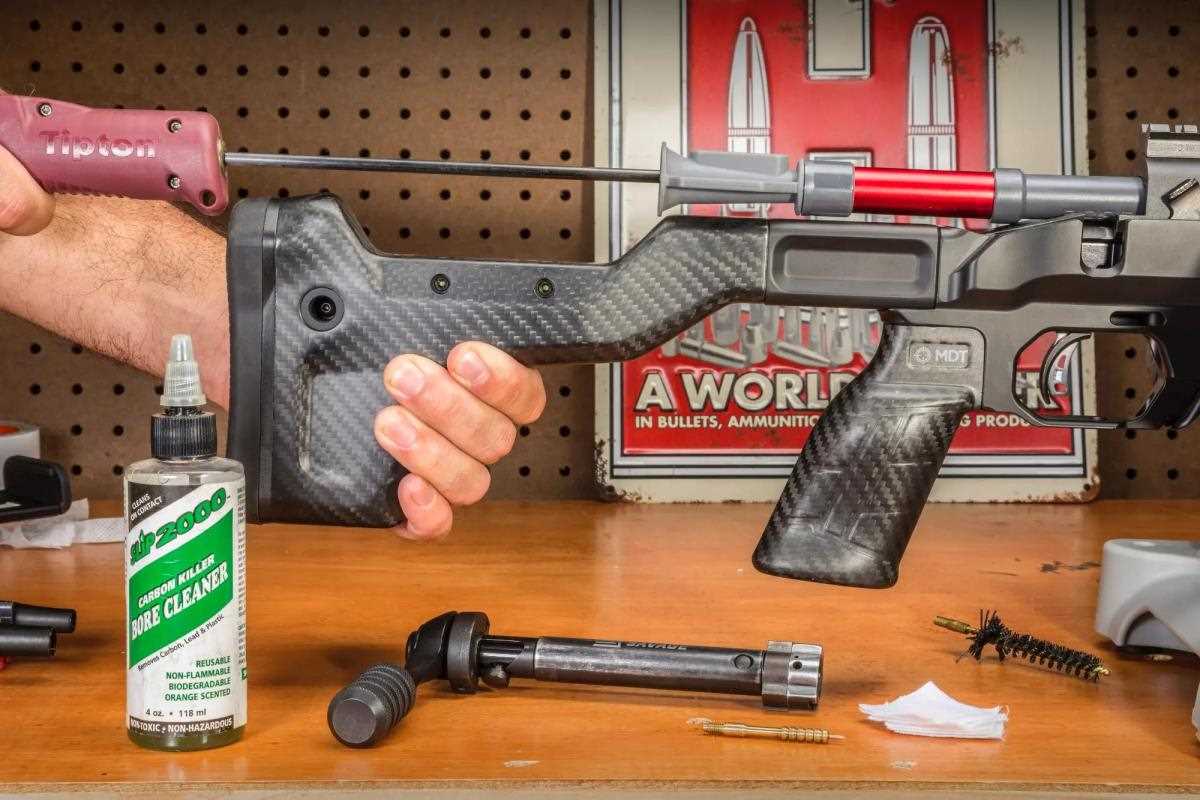
A quality bore guide is essential. Generic bore guides don't fit properly and can actually cause more problems than they solve. Get a bore guide specifically designed for your action type; Remington 700, Savage, AR-15, etc. Sinclair International and Possum Hollow make excellent bore guides for most common actions.
You'll need proper jags and brushes sized for your caliber. Jags should fit snugly with patches but not bind in the bore. Bronze brushes are standard for most cleaning, but nylon brushes work better with some modern solvents. Buy quality accessories from companies like Pro-Shot, Sinclair, or BoreTech.
A good cleaning solvent makes a huge difference in how well your rod and accessories work. Modern copper solvents like BoreTech Cu+2 or Shooter's Choice Copper Remover are much more effective than traditional solvents. They also work faster, which means less time pushing the rod through your barrel.
Patches matter more than most people realize. Cotton patches work for basic cleaning, but synthetic patches like those from Pro-Shot don't leave fibers in the bore. Match your patch size to your caliber and jag combination. Patches that are too large will bind and potentially damage your rod.
When to upgrade vs when you're fine
If you're currently using a multi-piece aluminum rod, upgrading to any of these options will be a significant improvement. The difference in cleaning effectiveness and barrel protection is worth the investment for any precision rifle.
If you have a decent one-piece steel rod that's not bent or damaged, you might not need to upgrade immediately. Steel rods can work fine with proper technique and care. The main advantages of upgrading would be reduced weight and better corrosion resistance.
Competitive shooters and people who clean rifles frequently should invest in the higher-end options. The time savings and reduced fatigue add up over multiple cleaning sessions. If you only clean your rifle a few times per year, a mid-range option like the Tipton carbon fiber rod is probably sufficient.
Function check and first use
Before using any new cleaning rod, check the tip threading and handle operation. The tip should thread smoothly onto jags and brushes without binding or cross-threading. The handle should spin freely without wobble or binding. If either feels rough, contact the manufacturer before using the rod.
Run a few dry patches through your bore with the new rod to get a feel for how it tracks and handles. Pay attention to how much force is required and whether the rod wants to bind at any point. A properly sized rod with a good bore guide should slide through smoothly with minimal resistance.
Your first real cleaning session will tell you if you made the right choice. The rod should make the job easier and more effective, not more difficult. If you find yourself fighting the equipment, something isn't right. Check your bore guide fit, jag size, and cleaning technique before assuming the rod is the problem.
Look for any signs of damage after your first few uses. Carbon fiber rods can develop stress fractures if overloaded. Steel rods can show scratches or coating wear. Catching problems early prevents damage to your rifle and saves money on replacements.
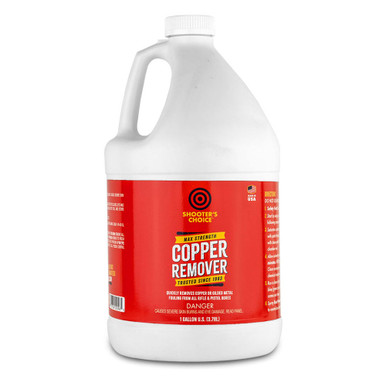
Shooter's Choice Copper Remover Deals
Prices may change. May contain affiliate links.
Honestly, a good cleaning rod is one of those upgrades that makes you wonder why you waited so long. The difference in cleaning effectiveness and ease of use is immediately obvious. Your rifle will be cleaner, and you'll spend less time fighting bent, flexing equipment. Just remember that the rod is only part of the equation; proper technique, good solvents, and quality accessories matter just as much.