
You bought a beautiful 1950s Smith & Wesson with 90% original blue. The seller warned you about some light surface rust starting on the barrel, and now you're wondering if you should touch it up with cold blue before it gets worse. Here's the thing: that bottle of Birchwood Casey might do more harm than good to your collector's value.
Original factory bluing on vintage firearms is irreplaceable once it's gone. I've watched too many collectors turn $800 guns into $300 guns with good intentions and a $12 bottle of cold blue. The key to preserving what you have isn't restoration; it's proper maintenance and knowing when to stop.
Understanding original bluing vs modern touch-ups
Factory hot bluing from the mid-20th century has a depth and richness that no cold blue solution can match. The original process involved heating steel to around 300 degrees and immersing it in a caustic salt solution. This created a magnetite layer that's actually part of the steel surface, not just sitting on top of it.
Look at an original Colt Python from the 1970s under good light. The blue has depth, you can almost see into it. The color shifts slightly as you move the gun, showing deep blues and purples. That's real hot bluing, and it's what collectors pay for.
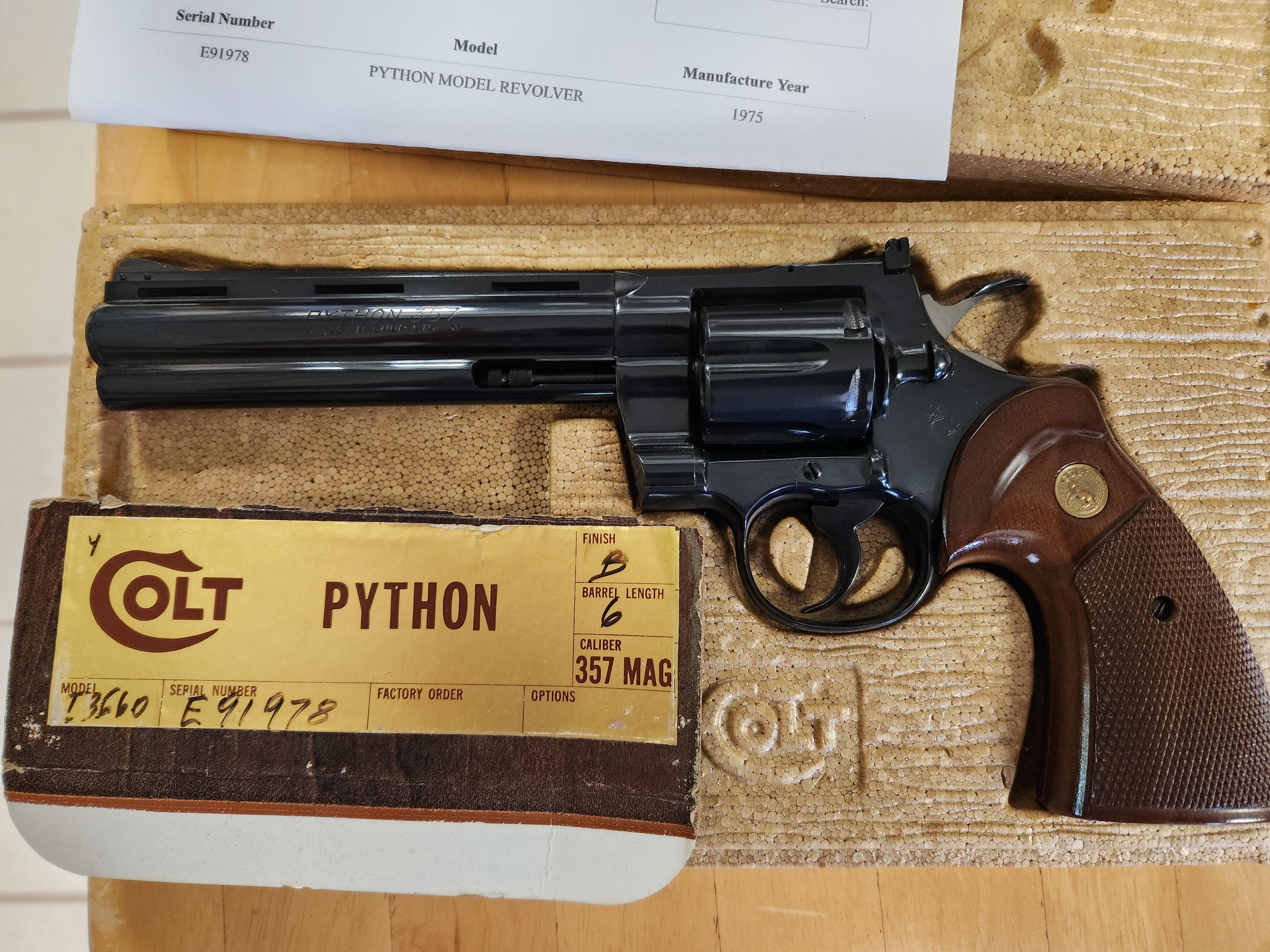
Cold blue solutions like Super Blue or Perma Blue create a surface coating that looks flat and lifeless by comparison. Under magnification, cold blue appears as a thin, uneven layer that doesn't match the surrounding original finish. Worse, the color is usually wrong, too dark, too purple, or too uniform.
The problem isn't just appearance. Cold blue doesn't protect steel the way hot bluing does. It's essentially a temporary cosmetic fix that can actually trap moisture against the metal, accelerating corrosion underneath.
What actually damages bluing
Most collectors worry about the wrong things when it comes to bluing preservation. Handling wear on high-contact areas like the muzzle and cylinder crane is normal and expected. What kills bluing is moisture, improper storage, and aggressive cleaning.
Humidity is the silent destroyer. Bluing is porous, and in humid conditions it acts like a sponge for water vapor. That's why guns stored in basements or safes without dehumidifiers develop rust spots seemingly overnight. The rust forms under the bluing, lifting it off the steel in small flakes.
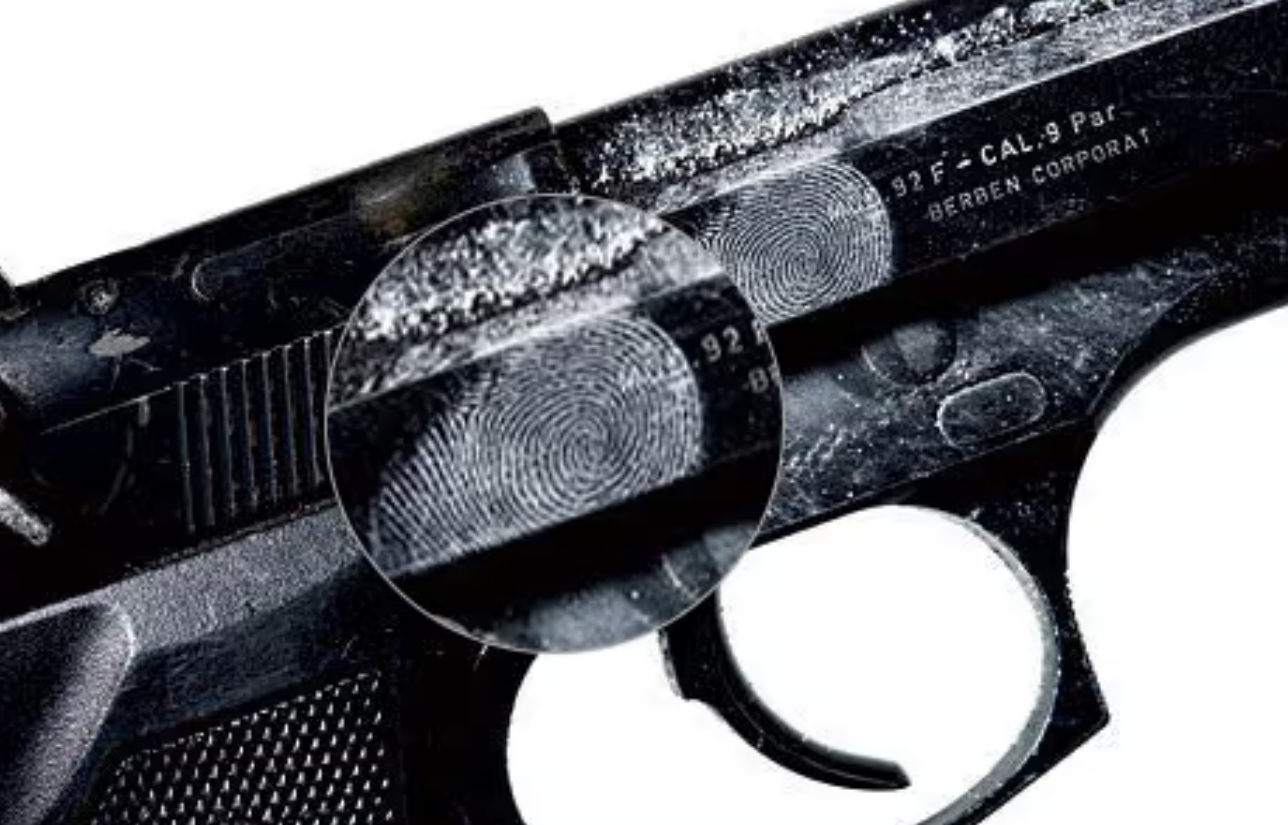
Fingerprints contain acids and salts that etch into bluing over time. I've seen Pythons where you can literally see handprints permanently etched into the finish. The oils in your skin aren't the problem, it's the salt and acids that do the damage.
Over-cleaning is another killer. Using abrasive cleaners or bronze brushes on blued surfaces removes tiny amounts of the finish each time. Solvents like acetone or brake cleaner can actually dissolve some types of bluing. Even seemingly harmless gun oils can cause problems if they're petroleum-based and left on the surface for months.
Proper cleaning without damage
The cardinal rule for cleaning vintage blued firearms is less is more. Start with the gentlest method that will do the job, and stop as soon as the gun is clean.
For routine maintenance, use a microfiber cloth slightly dampened with CLP (cleaner, lubricant, protectant) or a quality gun oil like Ballistol. Wipe gently in straight lines, not circles. Circular motions create swirl marks that show up under certain lighting conditions.
When you encounter light surface rust, resist the urge to scrub. Instead, try 0000 steel wool with a drop of oil. The steel wool should be finer than human hair, if it feels scratchy, it's too coarse. Work in straight lines with very light pressure. You're not trying to remove the rust completely; you're just stopping its progress.
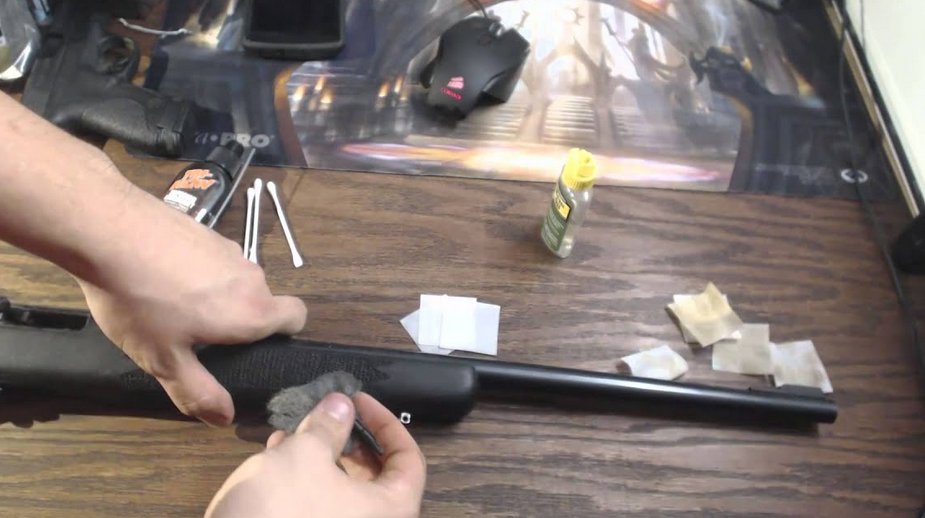
For stubborn deposits, bronze wool is safer than steel wool, but still risky on high-polish finishes. Test any abrasive method on an inconspicuous area first, like the inside of the trigger guard or under the grip panels.
Renaissance Wax is excellent for long-term protection on blued surfaces. It's a microcrystalline wax originally developed for museum artifacts. Apply a thin coat with a cotton swab, let it dry, then buff lightly with a soft cloth. It provides months of protection without the petroleum content that can cause problems with some finishes.
When cold blue makes sense (rarely)
There are exactly three situations where cold blue might be appropriate on a collector firearm, and they're all edge cases.
First, if the gun has already been refinished and has no collector value based on original finish. A reblued Smith & Wesson Model 19 from 1975 isn't worth less because you touched up a worn spot with cold blue. The collector value was already gone.
Second, on working guns that you actually shoot regularly. If you've got a 1960s Remington 870 that you use for duck hunting, touching up wear spots makes sense for corrosion protection. Just understand you're prioritizing function over collector value.
Third, on guns with such poor original finish that any improvement helps. I'm talking about firearms with less than 30% original blue remaining, extensive pitting, or previous amateur restoration attempts. At that point, you're not destroying collector value because there isn't much left to destroy.
Even in these cases, proper cold blue application is critical. The steel must be absolutely clean and degreased. Any oil, fingerprints, or residue will cause uneven color. Use denatured alcohol followed by acetone to clean the surface. Work in a well-ventilated area and wear nitrile gloves.
Apply cold blue sparingly with a cotton swab, working in small sections. Multiple thin coats look better than one heavy application. Between coats, neutralize with baking soda solution and rinse thoroughly. The final step is always a light coat of oil to prevent flash rusting.
Inspection checklist for bluing condition
Before you decide whether intervention is needed, assess what you're actually looking at. Not all discoloration is rust, and not all rust requires immediate action.
Surface evaluation points:
Original finish percentage (estimate in 10% increments)
Type of wear (handling marks vs corrosion damage)
Depth of any pitting (surface level vs penetrating)
Color consistency across the firearm
Presence of import marks or proof stamps
Light brown discoloration often isn't rust at all, it's patina from age and handling. This is especially common on older firearms that were stored in leather holsters. The patina actually provides some protection and shouldn't be removed unless it's actively flaking.
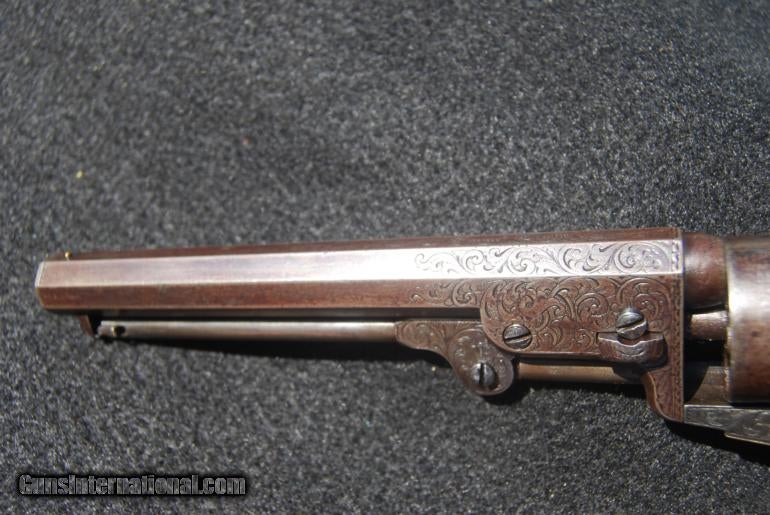
True rust appears as red-orange deposits that feel rough to the touch. Light surface rust can often be arrested without removing it completely. Deep rust that's pitting the steel requires more aggressive treatment, but consider whether the cure is worse than the disease on a collector piece.
Check for previous restoration attempts. Look for color mismatches, overspray on adjacent surfaces, or bluing in areas that should be in the white (like the inside of the frame). Previous cold blue work usually shows up as dark, flat spots that don't match the surrounding finish.
Common collector mistakes
The biggest mistake is assuming that better appearance equals better preservation. I've seen collectors strip and reblue beautiful original firearms because they had a few light rust spots. The "restored" guns looked newer but were worth half as much.
Another common error is using the wrong products. WD-40 isn't a preservative oil, it's a water displacement spray that evaporates over time. Similarly, 3-in-1 oil contains acids that can actually promote corrosion on some finishes. Stick to products specifically designed for firearms.
Over-oiling is surprisingly common. A thin film of oil on external surfaces is sufficient. Excess oil attracts dust and dirt, creating an abrasive paste that wears the finish. It also migrates into the action, where it can gum up moving parts or contaminate ammunition.
Many collectors also misunderstand storage requirements. Wrapping guns in cloth or placing them in foam-lined cases can trap moisture against the metal. Silicone-treated gun socks are better than nothing, but they're not a substitute for proper humidity control.
The "matching numbers" obsession leads to poor decisions too. Collectors will accept poor finish condition if the serial numbers match, then attempt restoration that destroys whatever collector value remained. Sometimes a mismatched part in excellent condition is better than an original part that's been butchered by amateur restoration.
Professional restoration vs DIY limits
Know your limits and the gun's value before attempting any restoration work. Professional hot bluing services exist, but they're expensive and not always appropriate for collector firearms.
Turnbull Restoration and similar shops can do museum-quality work, but their services cost $400-800 for a complete refinish. That makes sense for a rare Colt SAA or a custom target pistol, but not for a common Smith & Wesson Model 10.
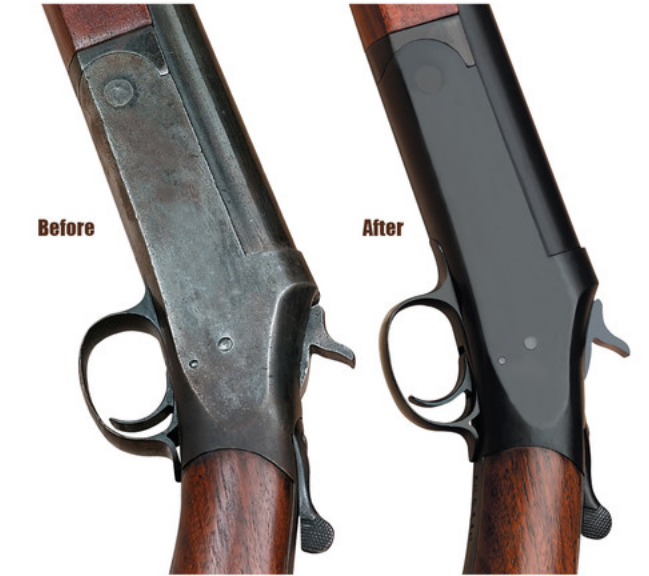
Professional cold blue application looks better than DIY work, but it's still cold blue. Some gunsmiths have techniques for blending cold blue with original finishes, but the results are never invisible under close inspection.
For most collector firearms, the best "restoration" is proper cleaning and preservation. Remove active corrosion, neutralize any remaining rust, and protect what's left. Accept that wear and patina are part of the gun's history and character.
If you're considering professional work, get multiple opinions and ask to see examples of similar firearms they've restored. A good restoration shop will tell you honestly whether the work is worth doing based on the gun's condition and value.
Storage and long-term preservation
Proper storage prevents more finish damage than any restoration technique can fix. The goal is stable, low humidity with good air circulation.
Gun safes need dehumidification in most climates. Electric dehumidifier rods work well for small safes, while larger installations might need whole-room dehumidifiers. Target humidity is 30-50%, low enough to prevent rust, high enough to prevent wood stocks from cracking.
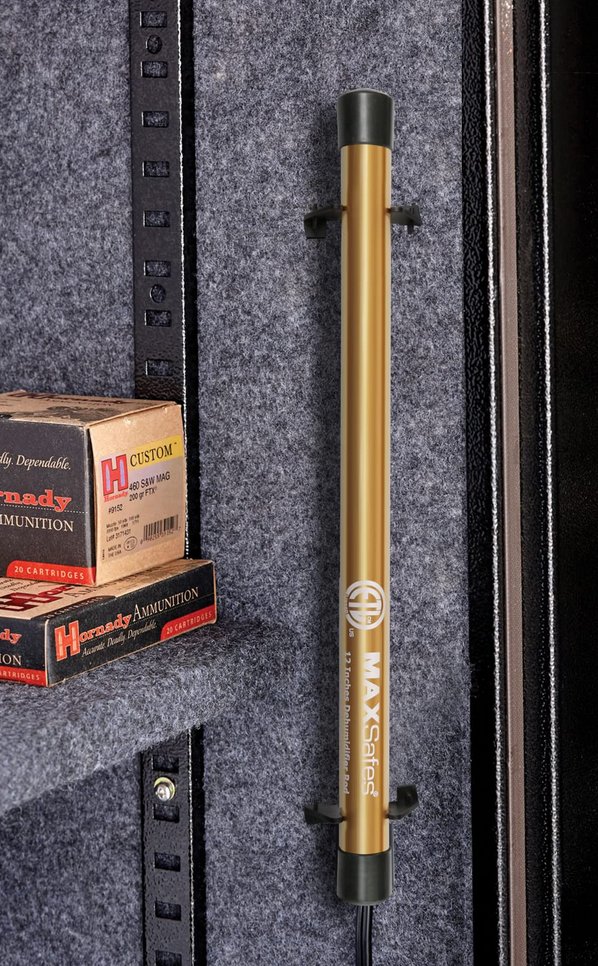
Avoid storing guns in cases for extended periods. Foam padding and fabric linings can trap moisture and create corrosion problems. If you must use cases, choose ones with desiccant compartments and check them regularly.
Temperature stability matters more than absolute temperature. A basement that stays 65 degrees year-round is better than an upstairs room that swings from 60 to 80 degrees seasonally. Temperature changes cause condensation as metal surfaces heat and cool.
For long-term storage, consider cosmoline or similar heavy preservatives on guns you won't handle for years. These petroleum-based products provide excellent corrosion protection but require complete removal before handling or shooting.
Value preservation vs functionality
The fundamental question for any collector is whether you're preserving a historical artifact or maintaining a functional tool. This decision should drive every maintenance choice you make.
If the gun has significant collector value due to rarity, historical significance, or exceptional condition, preservation trumps appearance. A Colt Python with 95% original blue is worth more than the same gun reblued to 100% modern finish.
For working guns or common models, functionality and appearance can take priority over originality. A Winchester Model 94 that you hunt with every season benefits from protective finishes and practical modifications.
The middle ground, guns with moderate collector interest but also practical use, requires careful judgment. Consider the gun's rarity, your intended use, and current market values before making irreversible changes.
Document everything with photographs before starting any work. Future buyers want to know what's original and what's been modified. Honest disclosure about restoration work often matters less than attempting to hide it.
Most importantly, remember that you're a temporary custodian of these firearms. The choices you make affect not just your enjoyment, but the gun's value and historical integrity for future generations. When in doubt, do less rather than more. Original finish that's 70% intact tells a story that perfect modern bluing never can.