
You're staring at a pile of Glock parts wondering what fits what, or maybe you found a deal on a Gen 3 slide but you've got a Gen 5 frame. Here's the reality: Glock compatibility isn't as straightforward as "they're all Glocks, they all work together." After building several Glocks and mixing generations, I'll break down exactly what works, what doesn't, and what you need to modify.
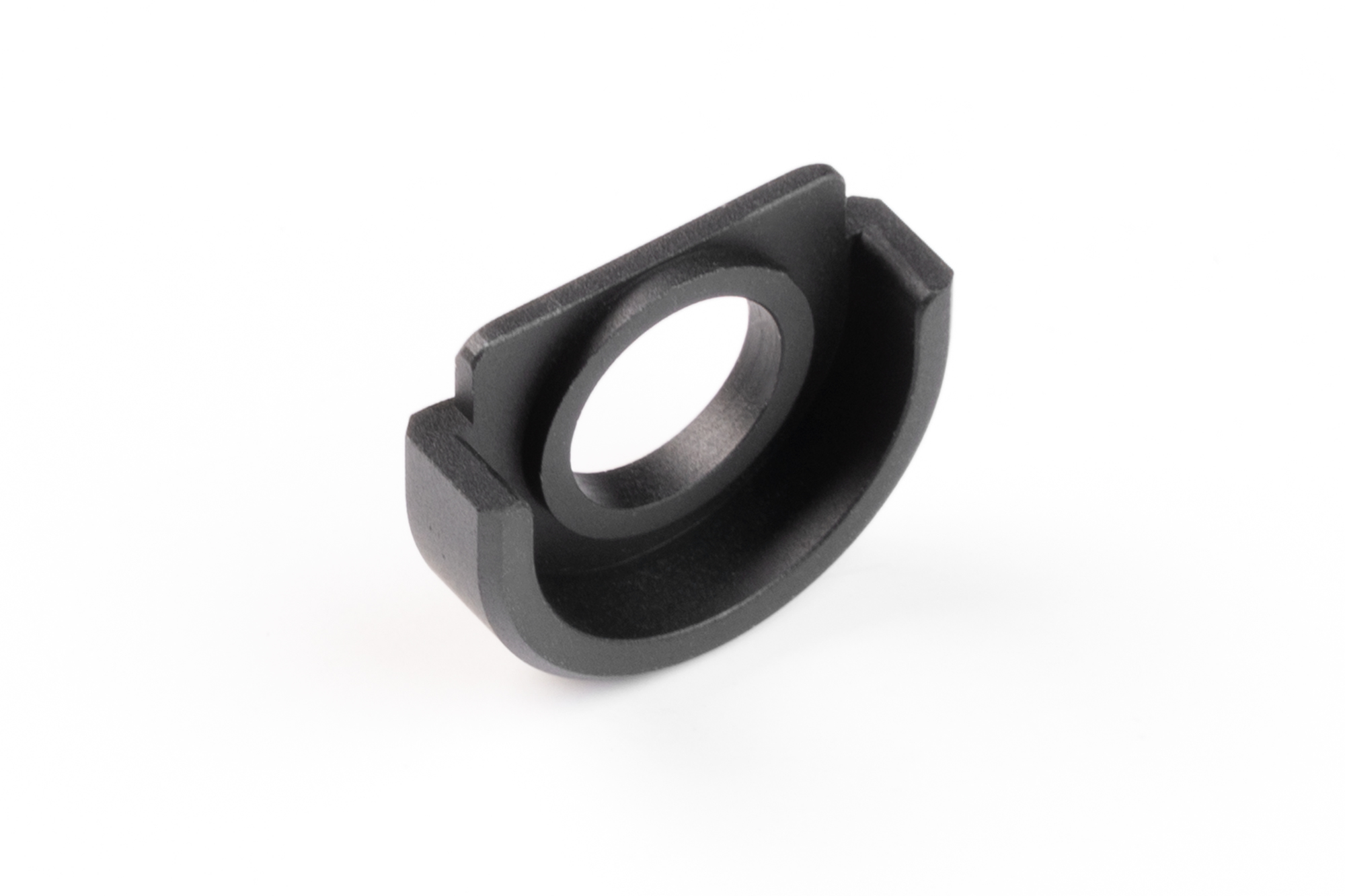
The short answer? Some combinations drop right in, others need minor tweaks, and a few flat-out won't work without major surgery. The devil's in the details, and those details matter when you're trying to build a reliable carry gun or competition rig.

Understanding Glock frame generations
Before we dive into compatibility, you need to understand what actually changed between generations. Each generation brought specific frame modifications that affect slide compatibility.

Glock 19 Gen 5 Deals
Prices may change. May contain affiliate links.
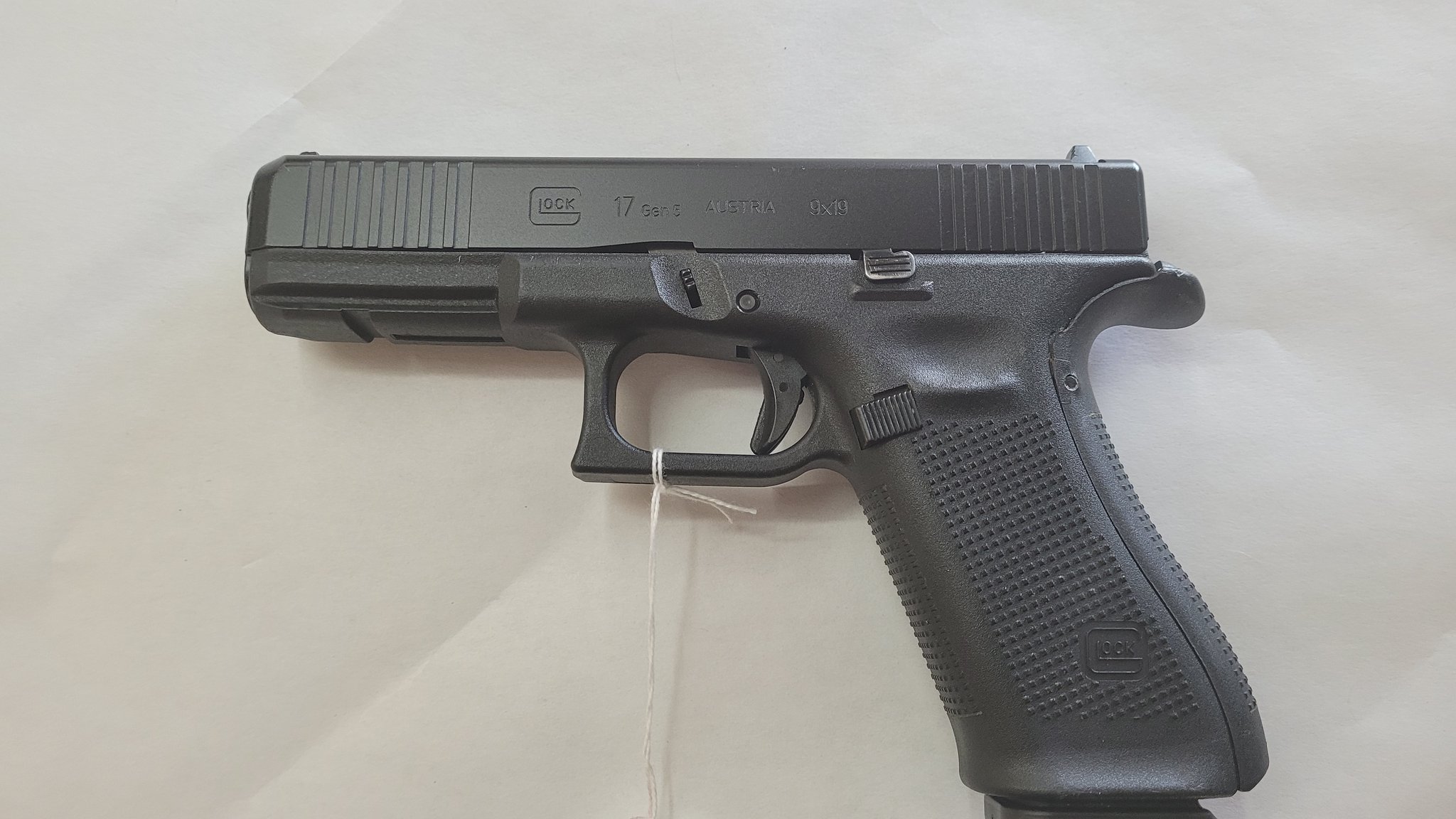
Glock 17 Gen 5 Deals
Prices may change. May contain affiliate links.

Glock 45 Gen 5 Deals
Prices may change. May contain affiliate links.
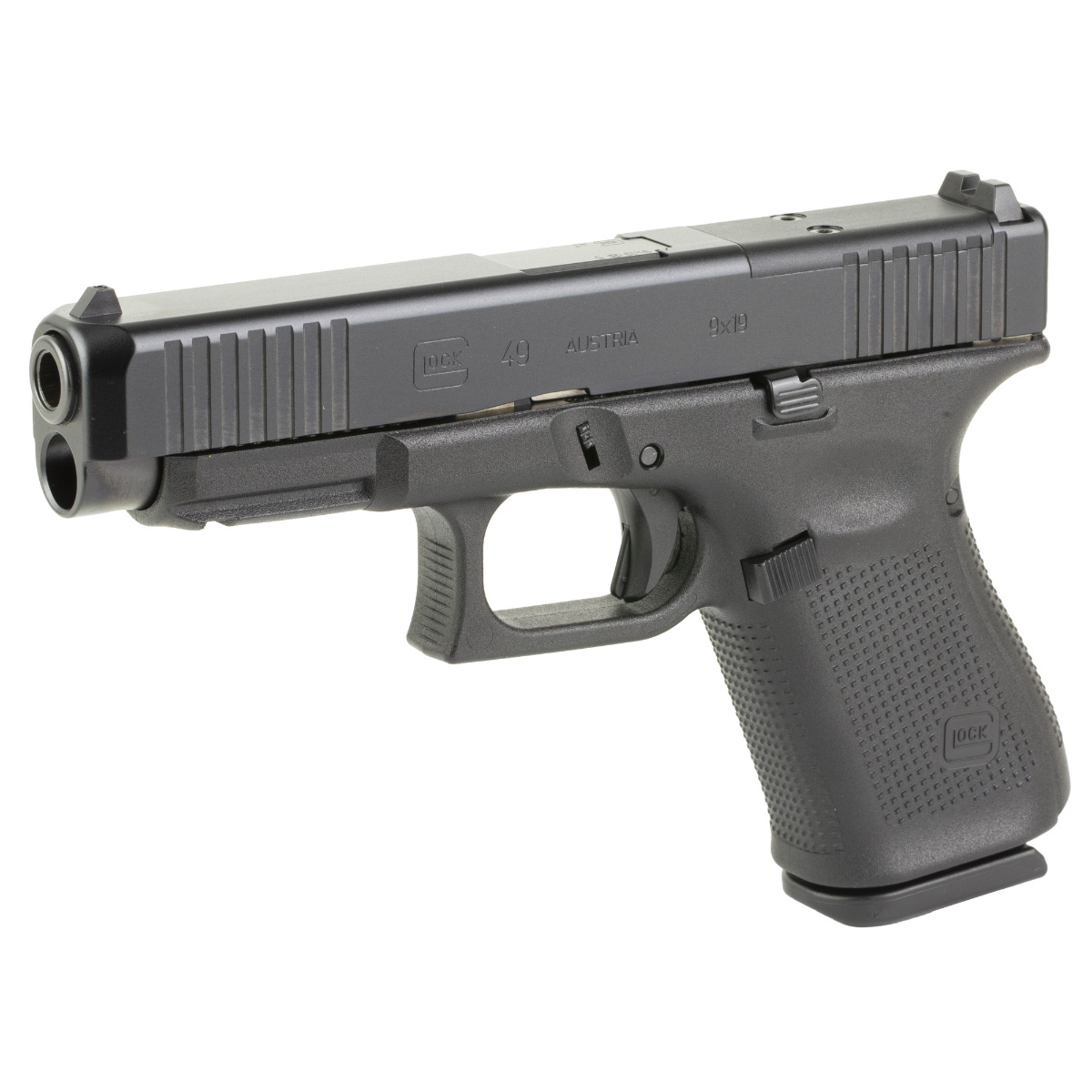
Glock 49 Gen 5 Deals
Prices may change. May contain affiliate links.
Glock 19 Gen 6 Deals
Prices may change. May contain affiliate links.
Glock 45 Gen 6 Deals
Prices may change. May contain affiliate links.

Glock 49 Gen 6 Deals
Prices may change. May contain affiliate links.

Glock 17 Gen 6 Deals
Prices may change. May contain affiliate links.
Glock Trigger Deals
Prices may change. May contain affiliate links.
Glock Magazine Release Deals
Prices may change. May contain affiliate links.
Glock Backstrap Deals
Prices may change. May contain affiliate links.
Glock MOS Mount Deals
Prices may change. May contain affiliate links.
Glock Optic Ready System (ORS) Deals
Prices may change. May contain affiliate links.
Glock Connector Deals
Prices may change. May contain affiliate links.
Gen 1 and Gen 2 frames are nearly identical for compatibility purposes. These early frames have smooth grip panels and basic ergonomics. The rail system is simple, and the trigger guard is rounded. Most importantly, the slide rails and locking block geometry remained consistent between these generations.

Gen 3 introduced finger grooves and an accessory rail, but the critical dimensions for slide compatibility stayed the same as Gen 1 and 2. This is why Gen 1-3 frames are often grouped together in compatibility discussions. The slide rails, locking block position, and trigger mechanism mounting points are identical.
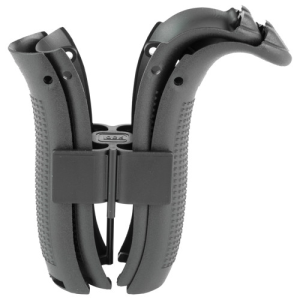
Gen 4 brought the modular backstrap system and a larger magazine release. Here's where things get interesting for compatibility. The frame dimensions changed slightly to accommodate the new backstrap system, but the slide rail geometry remained compatible with earlier generations. However, Glock introduced a dual recoil spring system that affects some compatibility.
Gen 5 made more significant changes. The finger grooves disappeared, the magazine release became ambidextrous, and most importantly for our purposes, the locking block was redesigned. This new locking block creates the main compatibility headache between Gen 5 frames and earlier slides.
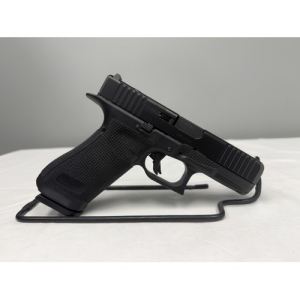
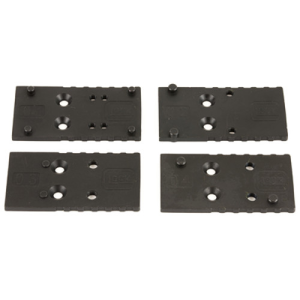
Gen 6 launched in December 2025 with the G17, G19, G45, and G49; all in 9mm. This generation introduced substantial changes: a flat-faced trigger as standard equipment, a new Optic Ready System (ORS) replacing the older MOS plate-based mounting, a return to a single captive recoil spring after Gen 4 and Gen 5 used dual spring assemblies, palm swell ergonomics, an enlarged frame-mounted beavertail, and the new RTF6 grip texture that combines elements of earlier texturing patterns across expanded coverage areas. Critically for compatibility, Gen 6 barrels use new geometry and chamfering that makes them incompatible with earlier generation slides. While several internal parts carry over from Gen 5; including the locking block, firing pin and spring, recoil spring assembly, trigger bar, connector, mag release, and magazines; many components are Gen 6-specific, including the barrel, extractor package, slide, and the new optic mounting system. Cross-generation slide swaps between Gen 5 and Gen 6 are possible in some configurations but are not a guaranteed drop-in. Expect to test and potentially modify parts like the back plate. Glock's own training division now separates armorer courses into Gen 5/6 and "Classic" Gen 1-4, which tells you something about how different the platform has become.
The locking block problem
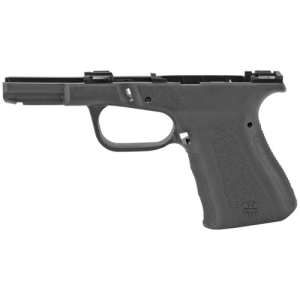
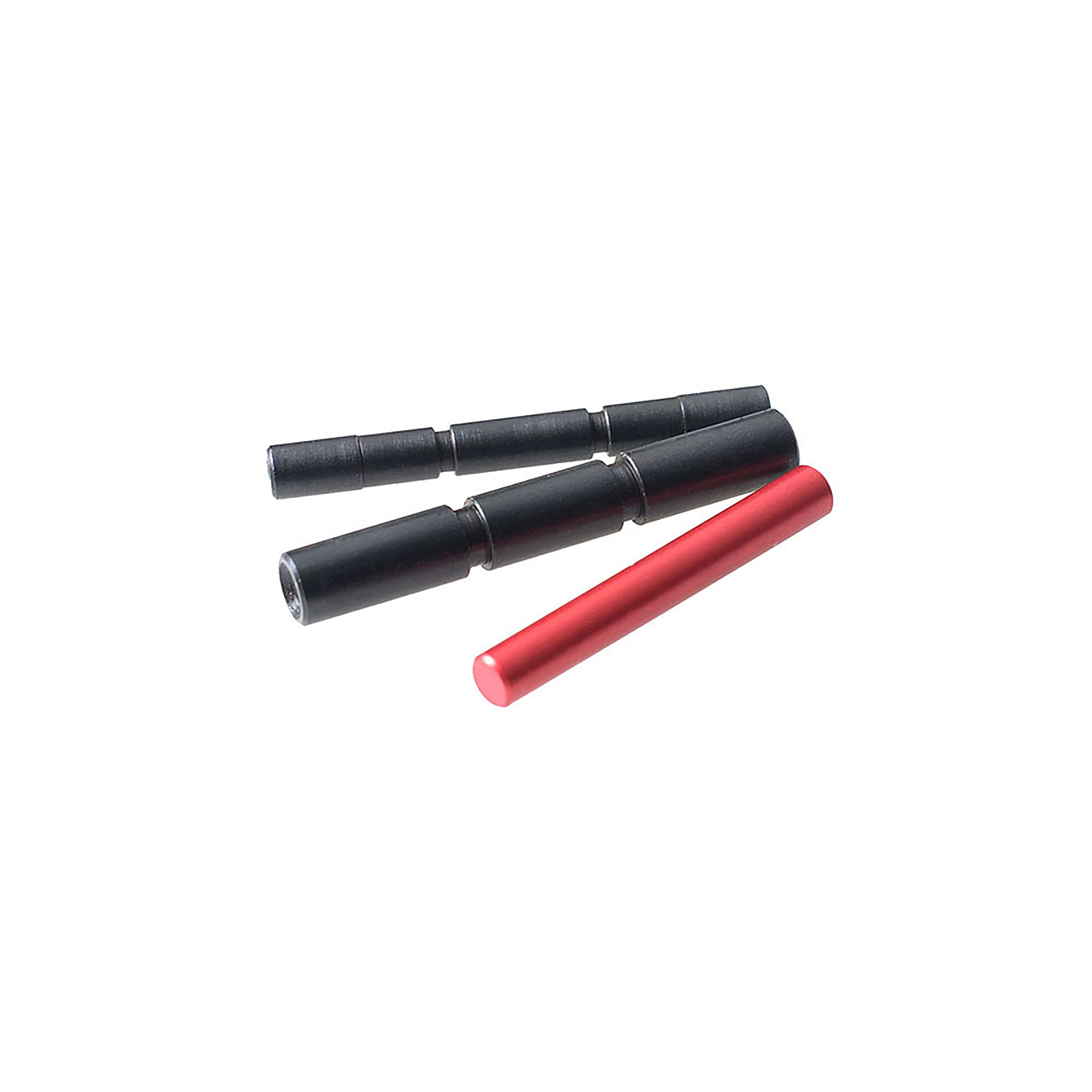
Here's the thing that trips up most builders: the locking block. This small part locks the slide to the frame when the gun is in battery. Gen 1-4 used one design, Gen 5-6 use another.
Glock Locking Block Deals
Prices may change. May contain affiliate links.

The Gen 5 locking block sits slightly higher in the frame than earlier generations. When you try to mount a Gen 1-4 slide on a Gen 5 frame, the slide sits too high. You'll see a gap between the slide and frame, and the gun won't function reliably. The slide doesn't fully close into battery, and you get feeding issues.
Going the other direction; Gen 5 slide on a Gen 1-4 frame; creates different problems. The Gen 5 slide expects that higher locking block position. On an older frame, it sits too low, affecting the barrel lockup and potentially causing accuracy issues.
This isn't just a cosmetic problem. I've seen builders ignore the gap thinking it'll work fine, then wonder why their gun has feeding problems or won't go fully into battery. The locking block position affects everything from slide velocity to ejection patterns.
That said, the situation isn't as absolute as some people make it. For G19-sized guns specifically, a Gen 3 slide can often be fitted onto a Gen 5 frame if you use a Gen 3 recoil spring assembly and a Gen 5 back plate to clear the taller Gen 5 trigger housing. You'll typically see a small cosmetic gap at the front dust cover, and reliability needs to be proven through testing. For G17-length models, it's more hit-or-miss and the locking block differences are more pronounced. None of this is factory-approved, so treat it as a builder's project and test extensively before trusting your life to it.
Same-generation compatibility within calibers
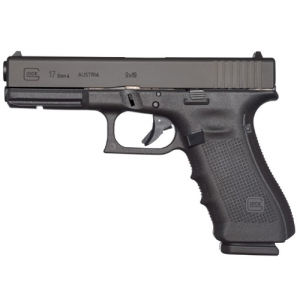
Within the same generation, compatibility is much cleaner. A Gen 3 Glock 17 slide will drop right onto a Gen 3 Glock 22 frame, assuming you stay within the same frame size family.
Glock 17 Deals
Prices may change. May contain affiliate links.

Glock 22 Deals
Prices may change. May contain affiliate links.

Glock 23 Deals
Prices may change. May contain affiliate links.
Glock 31 Deals
Prices may change. May contain affiliate links.
Glock 40 Deals
Prices may change. May contain affiliate links.
Glock 41 Deals
Prices may change. May contain affiliate links.
Glock 20 Deals
Prices may change. May contain affiliate links.
Glock 29 Deals
Prices may change. May contain affiliate links.
Glock 30 Deals
Prices may change. May contain affiliate links.

Glock 21 Deals
Prices may change. May contain affiliate links.
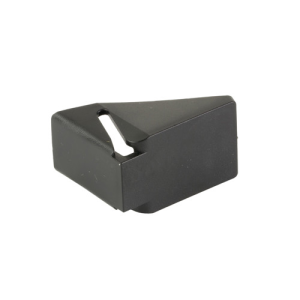
Glock Magazine Deals
Prices may change. May contain affiliate links.
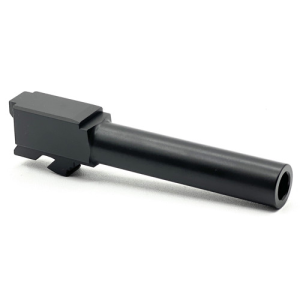
Glock Barrel Deals
Prices may change. May contain affiliate links.
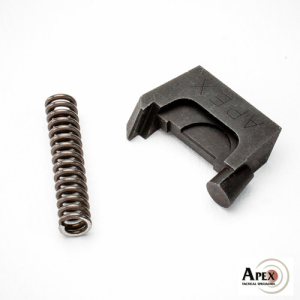
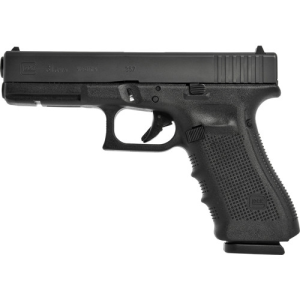
For 9mm, .40 S&W, .357 SIG, and .45 GAP compatibility, you're golden within generations. These cartridges all share the same standard frame width and slide dimensions. A Glock 17 slide (9mm) fits perfectly on a Glock 22 frame (.40 S&W), a Glock 31 frame (.357 SIG), or a Glock 37 frame (.45 GAP) as long as they're the same generation. You just need the appropriate barrel, magazine, and ideally the correct trigger housing with the caliber-matched ejector. The ejector controls how spent cases are kicked out of the gun, and running the wrong one can cause erratic ejection patterns. It's not always a dealbreaker at the range, but it's something to get right for a serious build.
Here's a practical example: say you've got a Glock 23 (.40 S&W) and want to run a complete Glock 19 slide (9mm barrel, extractor, and recoil spring already installed). The slide drops right onto the G23 frame; it's the same part. You grab 9mm magazines and head to the range. It runs, but your brass is flying everywhere instead of landing in a neat pile. That's because your G23's trigger housing has a .40 ejector, and it's not kicking the 9mm cases out at the right angle. Swap the trigger housing to the 9mm version; it's a cheap part that pops right in; and your ejection pattern cleans up. Barrel, magazine, ejector: those are your three items for any cross-caliber swap on the same frame.
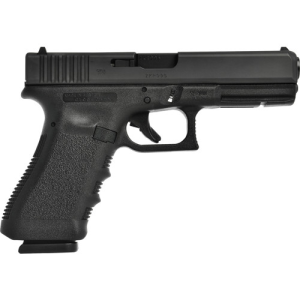
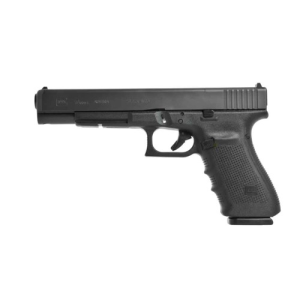
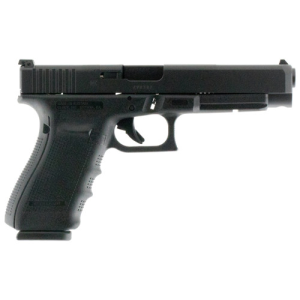
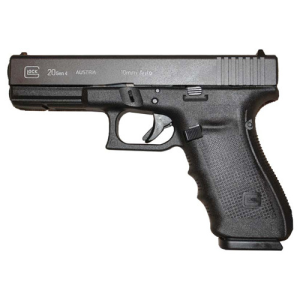
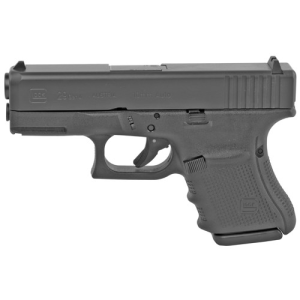
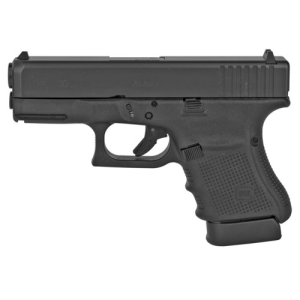
The .45 ACP guns (Glock 21, 30, 41) and 10mm guns (Glock 20, 29, 40) use wider large frames. You can't mix these large-frame slides with standard-frame 9mm/.40 guns or vice versa; the slide rails are spaced differently and the frames are wider to accommodate the larger cartridges.
However, here's something a lot of people miss: the 10mm and .45 ACP large frames are actually the same frame. A Glock 20 (10mm) slide will drop right onto a Glock 21 (.45 ACP) frame with the correct barrel and magazines, and vice versa. Same applies to the compacts; the G29 (10mm) and G30 (.45 ACP) share frames. This makes the large-frame Glocks some of the most versatile in the lineup. One frame can run both calibers with a complete upper swap.
Cross-generation compatibility rules
Gen 1-4 slides on Gen 1-4 frames: The slides themselves are fully compatible within caliber families; the slide rails, locking block geometry, and trigger mechanism mounting are identical across all four generations. The one thing to watch is the recoil spring assembly (RSA). Gen 1-3 use a single non-captive recoil spring, while Gen 4 introduced a larger dual captive recoil spring assembly. The RSA lives in the slide but seats against the frame's dust cover channel, and the Gen 4 dual spring is physically larger than the Gen 1-3 channel can accommodate. So if you're putting a Gen 4 slide on a Gen 1-3 frame, pull the Gen 4 RSA out and drop in a Gen 1-3 single spring; it takes five seconds and everything runs. Going the other direction (Gen 1-3 slide on a Gen 4 frame), the smaller Gen 3 RSA will work in the Gen 4 frame's larger channel, though you may see a small cosmetic gap at the dust cover where the narrower spring housing doesn't fill the wider channel. It's purely cosmetic and doesn't affect function. The key point: the slide itself swaps freely across Gen 1-4. Just match the recoil spring assembly to whichever frame you're using and you're good.
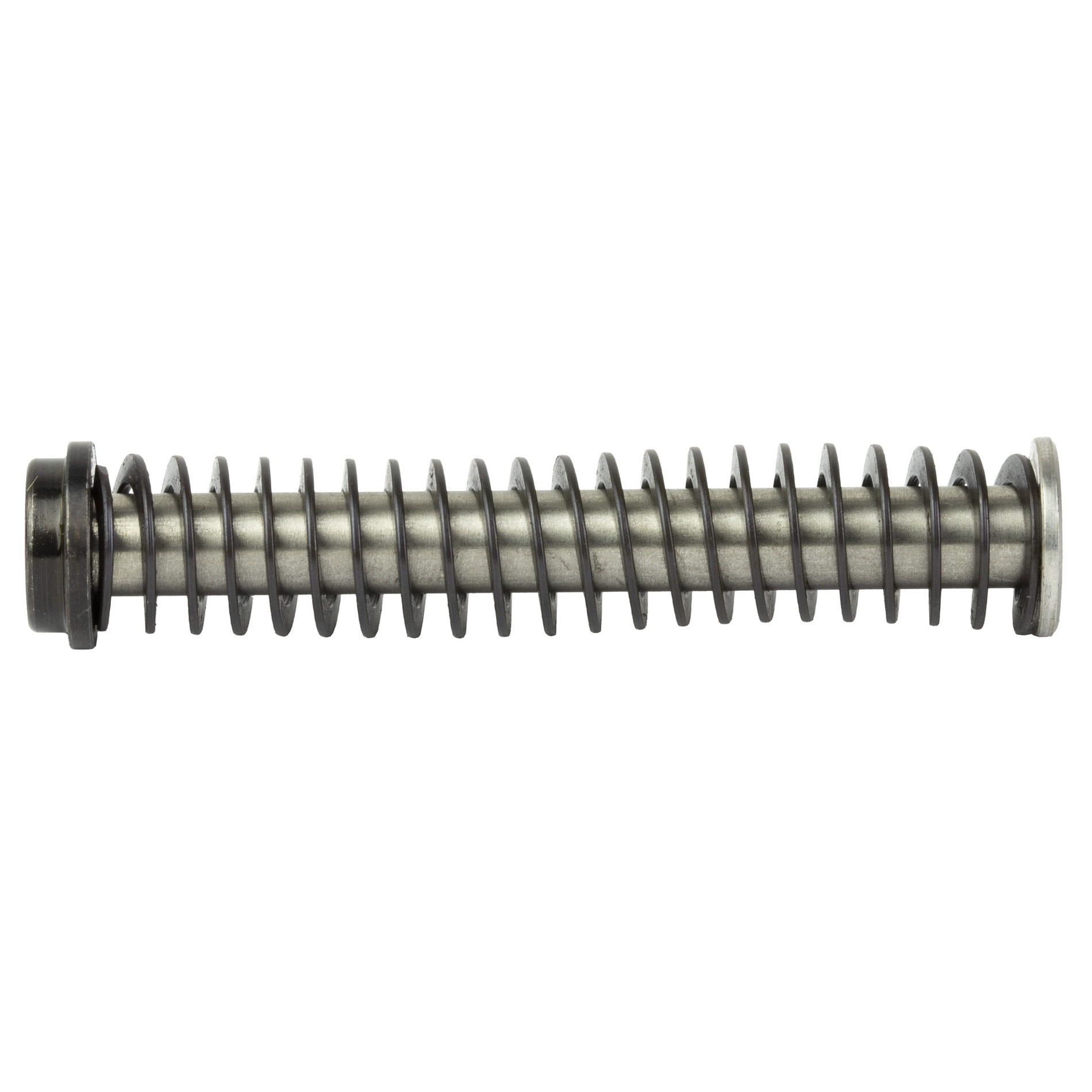

Gen 5-6 slides on Gen 5-6 frames: These newer generations maintain compatibility with each other, though Gen 6 introduced enough changes that some parts like the back plate may need attention when mixing Gen 5 slides onto Gen 6 frames. Gen 6 barrels specifically will not work in Gen 5 slides due to new chamber geometry.
Gen 1-4 slides on Gen 5-6 frames: This is where you hit problems. The slide will physically mount, but you'll typically have that gap I mentioned. Some builders make this work; particularly with G19-sized combinations using a Gen 3 recoil spring assembly and Gen 5 back plate; but it's not a guaranteed drop-in solution and requires testing.
Gen 5-6 slides on Gen 1-4 frames: Also problematic. The slide sits too low, affecting lockup and reliability. The Gen 5 recoil spring assembly is larger and generally won't seat properly in an older frame's dust cover. Modifications are possible but not recommended for carry guns.
Range notes: what you'll actually feel
I've shot plenty of mixed-generation builds to see how they perform. When the compatibility works (same generation or properly modified cross-generation), you won't notice any difference in how the gun shoots or handles.
The problems show up in reliability. Improperly matched slides and frames cause feeding issues, failure to go into battery, and inconsistent ejection. I had one Gen 3 slide on a Gen 5 frame that would randomly fail to feed the last round from the magazine. The locking block mismatch was causing just enough timing issues to create problems.
Accuracy can suffer too. When the barrel doesn't lock up consistently due to locking block issues, your groups open up. I tested one mixed build that shot 4-inch groups at 25 yards when the same slide on a proper frame shot 2-inch groups.
Specific model compatibility within generations
Let's get into the weeds on specific models. Within each generation, certain combinations work better than others.


Glock 26 Deals
Prices may change. May contain affiliate links.
Glock 35 Deals
Prices may change. May contain affiliate links.

Glock 48 Deals
Prices may change. May contain affiliate links.


Glock 36 Deals
Prices may change. May contain affiliate links.
Compact to full-size swaps are the most common. A Glock 19 slide on a Glock 17 frame works perfectly; you just get a longer grip. The opposite (G17 slide on G19 frame) also works, giving you a longer slide on a shorter grip. Both combinations are reliable and commonly used in competition.

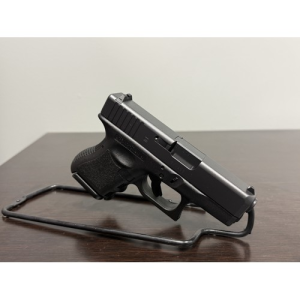
Subcompact compatibility gets trickier. The Glock 26 and 27 use shorter slides that will fit on compact and full-size frames of the same generation. However, going the other way doesn't work; you can't put a G19 slide on a G26 frame because the frame rails are too short.
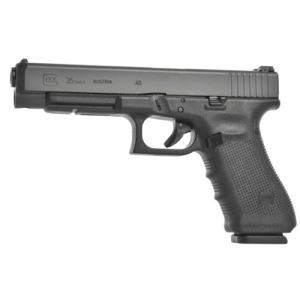
Competition models like the Glock 34 and 35 use longer slides but standard frame dimensions. These slides will fit on any same-generation frame in the appropriate caliber family. I've built several G34 slides on G17 frames for USPSA Limited division.
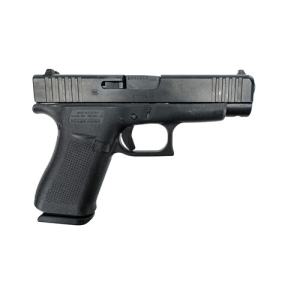
The Slimline models (Glock 43, 43X, and 48) deserve their own discussion. The G43X and G48 share the exact same frame; the only difference between those two guns is slide length. All three Slimline slides are interchangeable across all three frames: a G43 slide on a G48 frame is literally a G43X, and a G48 slide will function on a G43 frame (though it looks a bit goofy). The critical thing to know is that G43 magazines are NOT compatible with G43X/G48 frames and vice versa. The G43 uses 6-round single-stack mags, while the G43X/G48 use wider 10-round magazines. The frames themselves are different widths, so you can't force them to interchange. Slides swap freely, magazines don't.
Other single-stack models like the Glock 36 (.45 ACP single-stack) use completely different frame dimensions and aren't compatible with any other Glock models.
The .40 caliber advantage
Here's something worth knowing: .40 S&W frames are physically identical to 9mm frames in the Glock lineup. The G17 and G22 use the same frame. The G19 and G23 use the same frame. The G26 and G27 use the same frame. This means any standard-frame Glock can run 9mm, .40 S&W, .357 SIG, or .45 GAP with the correct slide assembly, barrel, magazines, and ejector.
The practical advantage of .40 frames isn't about strength or pressure handling; 9mm and .40 S&W actually operate at the same SAAMI max pressure of 35,000 psi, and the frames are identical parts. The advantage is about availability and price. Used .40 S&W Glocks, especially police trade-ins, are often cheaper and more available than their 9mm counterparts. Buying a G22 police trade-in and dropping a 9mm conversion barrel in it (or a complete 9mm upper) is a well-known budget move. You get the same frame, same fit, same reliability; just at a better price point.
I've built several 9mm competition guns on .40 trade-in frames for exactly this reason. The weight difference is zero because it's the same part, and you get a proven frame at a discount.
Common modification approaches
When you absolutely need to mix incompatible generations, there are workarounds. None of these are drop-in solutions, and all require some gunsmithing knowledge.
Locking block swaps are the most common fix. You can sometimes install a Gen 5 locking block in a Gen 1-4 frame to accept Gen 5 slides. This requires careful fitting and isn't guaranteed to work in all frame/slide combinations.
Recoil spring assembly swaps matter when crossing generations. The RSA lives in the slide but seats against the frame's dust cover, and different generations use different sized assemblies. Gen 1-3 use a single non-captive spring, Gen 4 introduced a larger dual captive spring, and Gen 5 continued with a dual spring (though sized differently than Gen 4). When mixing generations, use the RSA that matches the frame; not the slide. Putting a Gen 4 slide on a Gen 3 frame? Pull the Gen 4 dual spring out and drop in a Gen 3 single spring. Putting a Gen 3 slide on a Gen 5 frame? Use the Gen 3 RSA, not the Gen 5. It's a 5-second swap and the most common fix for cross-generation builds within the Gen 1-4 family.
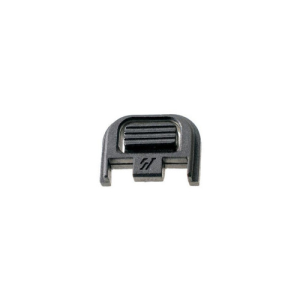
Back plate swaps are relevant for Gen 5/6 cross-compatibility. A Gen 5 back plate may be needed to clear the taller trigger housing when running older slides on newer frames.
Shimming involves adding material to adjust the slide height. Some builders use thin shims between the locking block and frame to fine-tune the fit. This is finicky work that requires testing to ensure reliability.
Frame modifications like relieving material from the locking block area can sometimes make incompatible combinations work. This is permanent modification that affects the frame's resale value and potentially its reliability.
Honestly, unless you're building a range toy or have specific requirements, it's easier to stick with compatible combinations. The headaches aren't worth the small savings from mixing generations.
Aftermarket compatibility considerations
Aftermarket slides and frames add another layer of complexity. Most aftermarket manufacturers specify which generations their products are compatible with, but quality varies.


Zaffiri Precision Glock-Compatible Slide Deals
Prices may change. May contain affiliate links.
Polymer80 frames generally follow Gen 3 compatibility rules. P80 compact frames work with Gen 1-4 compact and full-size slides in the appropriate calibers. However, some P80 frames require minor fitting even with compatible slides.

Aftermarket slides from companies like Brownells, Zaffiri Precision, and others typically specify generation compatibility. Most target Gen 3 compatibility since it's the most common, but Gen 5 options are becoming more available.
The key with aftermarket parts is to verify compatibility before ordering. Don't assume a "Glock-compatible" slide will work with your specific frame generation. Check the manufacturer's specifications and compatibility charts.
Competition and carry considerations
For competition guns, mixing compatible generations can give you advantages. A Gen 4 frame with modular backstraps paired with a Gen 3 slide gives you ergonomic adjustability with proven slide reliability. Many USPSA shooters run these combinations.
For carry guns, I recommend staying within the same generation. The reliability stakes are higher, and you don't want to discover compatibility issues when your life depends on the gun. Stick with proven, drop-in combinations.
The exception is well-tested mixed builds with thousands of rounds through them. If you've thoroughly tested a cross-generation combination and it runs 100% reliably, it can work for carry. But don't assume compatibility without extensive testing.
Troubleshooting compatibility issues
When a slide and frame combination doesn't work properly, the symptoms are usually obvious. Here's what to look for and how to diagnose problems.
Slide doesn't fully close: This usually indicates a locking block height mismatch. The slide appears to be in battery but sits slightly high on the frame. You'll see a gap between the slide and frame, and the gun may not fire reliably.

Feeding problems: Improperly matched slides and frames can cause the slide to cycle at the wrong speed or position, leading to feeding issues. The magazine may not align properly with the chamber, causing jams.
Ejection issues: When the slide doesn't cycle in the proper arc due to compatibility problems, spent cases may not eject cleanly. You'll see stovepipes or cases that barely clear the ejection port. Also check whether your ejector matches the caliber you're running; a mismatched ejector is one of the most common causes of erratic ejection in cross-caliber builds.
Accuracy problems: Inconsistent barrel lockup from locking block mismatches shows up as poor accuracy. The barrel doesn't return to the same position shot after shot, opening up groups.
Trigger feel changes: The trigger mechanism is mounted to the frame, but slide compatibility issues can affect how the trigger feels. You might notice a mushier break or different reset if the slide isn't sitting properly.
The 80% lower factor
If you're building from 80% lowers, compatibility becomes even more critical. These frames require precise machining, and small errors can compound compatibility problems.
Most 80% Glock frames follow Gen 3 specifications, making them compatible with Gen 1-4 slides. However, the quality of your machining affects how well everything fits together. A poorly finished 80% frame might not work reliably even with a compatible slide.
The advantage of 80% builds is that you can machine the frame to optimize compatibility with your specific slide. If you're planning a mixed-generation build, you can adjust the locking block area during machining to accommodate the slide you want to use.
Magazine compatibility across builds
Don't forget about magazine compatibility when mixing frames and slides. While slides and frames get most of the attention, magazines need to work with your specific combination too.
Gen 1-4 magazines work in all Gen 1-4 frames regardless of slide generation. Gen 5 magazines have a slightly different follower and spring but are generally backward compatible with older frames. Gen 6 maintains backward compatibility with Gen 3, Gen 4, and Gen 5 double-stack 9mm magazines.

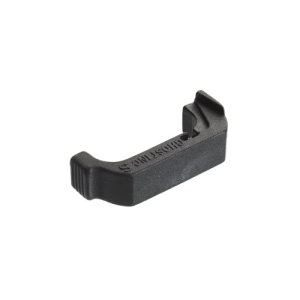
The magazine release is frame-dependent, not slide-dependent. Gen 4 frames with their larger magazine release work with all Glock magazines. Gen 5 frames with ambidextrous releases also accept all magazine generations. One note: if you swap the Gen 5/6 mag release to the left side for left-handed use, you'll need ambi-cut magazines.
For mixed builds, test magazine compatibility thoroughly. I've seen combinations where the slide and frame work perfectly, but certain magazine generations cause feeding issues due to subtle timing differences.
For the Slimline models, remember that G43 magazines and G43X/G48 magazines are completely different and will not interchange between frame types.
Future-proofing your builds
With Gen 6 now available and more generations likely coming, think about future compatibility when building. Gen 5 and Gen 6 share enough DNA; particularly the locking block; that the newer platform looks like the foundation going forward.
If you're building multiple guns or planning future builds, standardizing on one generation simplifies parts inventory and maintenance. I keep most of my builds on Gen 3 compatibility because parts are widely available and affordable.
For new builders, I'd recommend starting with Gen 5 or Gen 6. These newer generations offer the best ergonomics and features, and compatibility within the generation is excellent. Gen 6 in particular comes factory-equipped with features; flat-faced trigger, optics-ready slide, improved ergonomics; that would cost hundreds in aftermarket upgrades on older generations. You'll have access to the latest aftermarket support and factory parts.
What actually matters for reliability
After building and testing dozens of mixed-generation combinations, here's what actually affects reliability: proper locking block engagement, consistent barrel lockup, correct slide-to-frame fit, and a caliber-matched ejector.
Everything else is secondary. You can have slight cosmetic gaps or minor fitment issues without affecting function, as long as the critical dimensions are correct. The gun needs to go into battery completely, the barrel needs to lock up consistently, the slide needs to cycle through its full range of motion, and spent cases need to eject cleanly and consistently.
Don't get caught up in perfect cosmetic fit if the gun functions reliably. I've seen builders obsess over tiny gaps while ignoring feeding problems or inconsistent accuracy. Function trumps form every time.
Frame Generation Cross-Compatibility
Caliber family compatibility within generations
Note: Cross-caliber swaps require the correct barrel, magazine, and ideally the caliber-matched trigger housing/ejector for reliable ejection.
Model-specific compatibility (same generation)
Glock 32 Deals
Prices may change. May contain affiliate links.
Glock 33 Deals
Prices may change. May contain affiliate links.
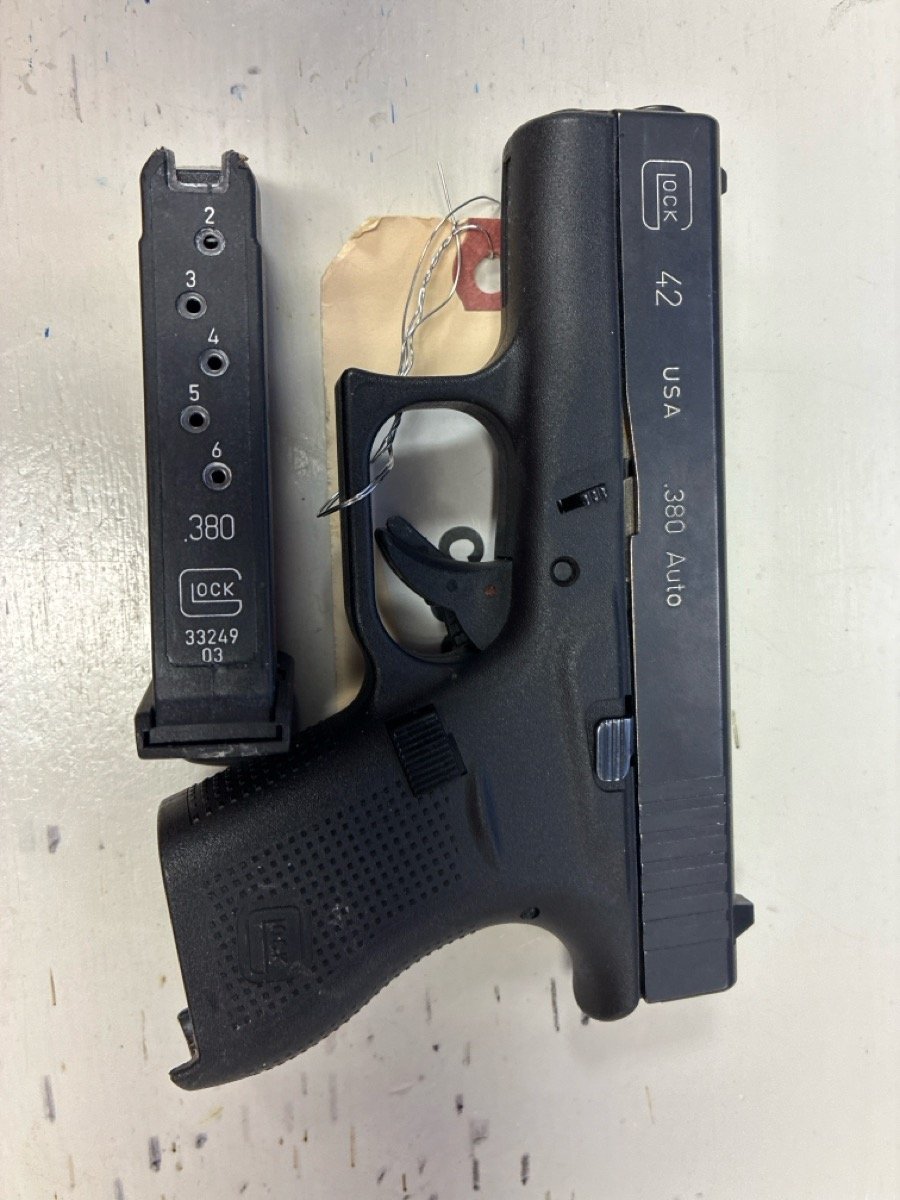
Glock 42 Deals
Prices may change. May contain affiliate links.
Cross-generation modification requirements
Aftermarket compatibility
Look, compatibility matters most when it affects function. A Gen 3 slide on a Gen 3 frame will always work better than trying to force incompatible generations together. Start with known-good combinations, test thoroughly, and don't compromise reliability for the sake of mixing parts you already own.
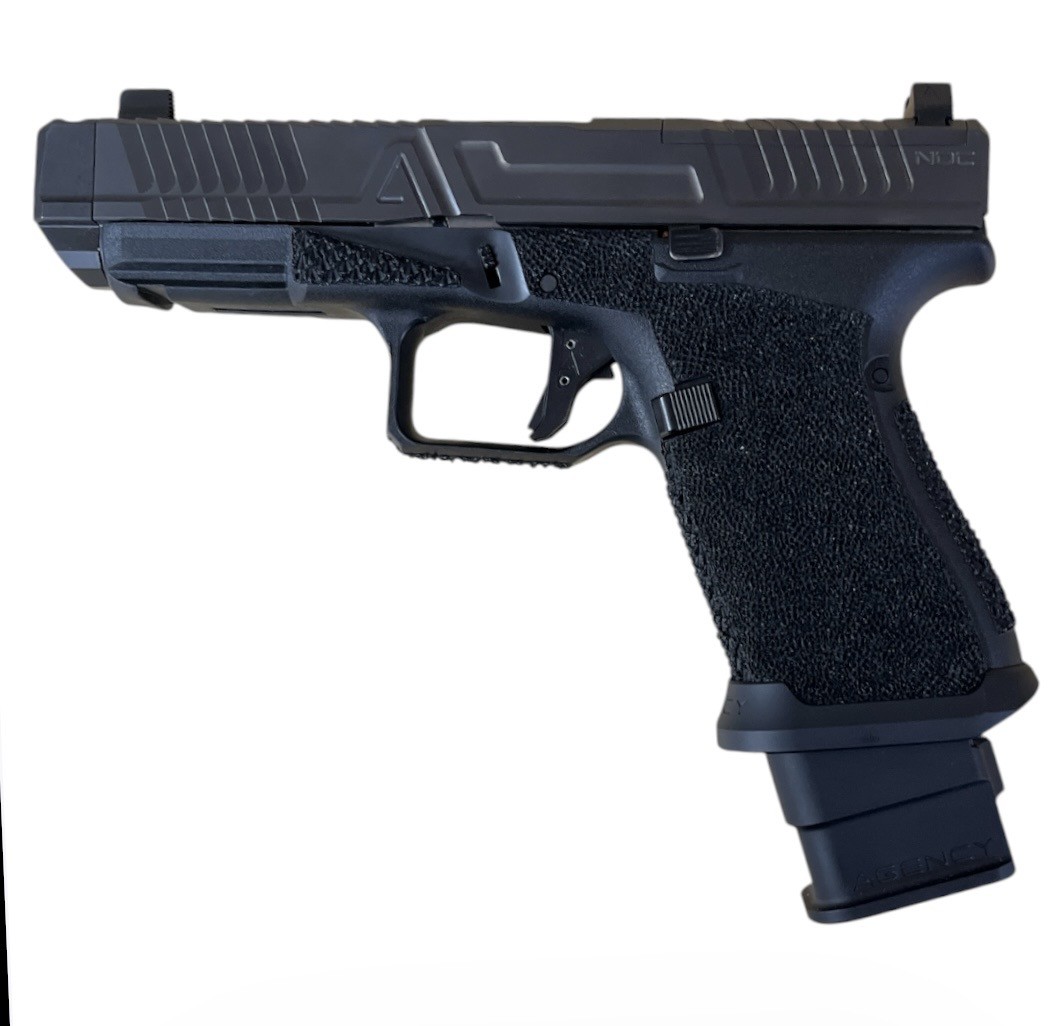
Agency Arms Glock-Compatible Slide Deals
Prices may change. May contain affiliate links.

If you're building your first Glock or need maximum reliability, stick within the same generation and caliber family. Once you've got experience with how these guns work, then you can experiment with mixed builds and modifications. But for carry guns and serious use, proven compatibility combinations are the way to go.