Most firearms websites talk about military weapons like museum pieces or Hollywood props. They'll tell you the M4A1 has a 14.5-inch barrel and a cyclic rate of 700-950 rounds per minute, then move on to the next shiny object. What they won't tell you is why your soldiers are struggling to qualify with it, or how to run a productive range day when you've got 30 Guardsmen and 200 rounds of 5.56.
That gap bothered me enough to do something about it. I've been running small arms instruction for the National Guard for years now, everything from M17 pistol training to Mk19 grenade machine gun courses. I've watched soldiers fight with weapons that should work perfectly, seen NCOs try to troubleshoot problems they've never encountered before, and sat through too many after-action reviews where the real lessons never made it into the official report.

Sig sauer M17 MHS Deals
Prices may change. May contain affiliate links.
The military category on MyGunDeal exists because there's a difference between knowing about military weapons and knowing how to use them effectively. Every month, I watch Guard and Reserve units struggle with the same training challenges, make the same mistakes, and miss the same opportunities to actually improve their readiness. This isn't about the weapons themselves; it's about the gap between what the technical manuals say and what actually happens downrange.
From collector to instructor
I bought my first handgun at 24, a basic 9mm that I thought made me tactically proficient. Like most young gun enthusiasts, I consumed every piece of military firearms content I could find. I read about the M16's direct impingement system, memorized the specifications of the M240B, and could tell you the effective range of an M2 .50 cal off the top of my head. I thought I understood military weapons.
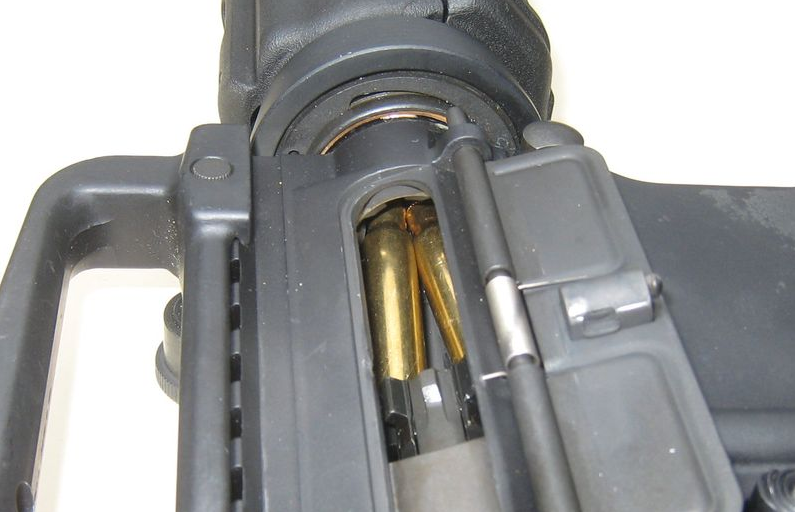
Then I actually started working with them professionally. The first time I had to teach a soldier to clear a double-feed on an M4A1 under time pressure, I realized how little all that theoretical knowledge actually mattered. The TM gives you the steps, but it doesn't tell you that most soldiers will try to force the charging handle instead of locking the bolt back first. It doesn't mention that you'll see the same malfunction patterns over and over, or that some units have been passing down bad habits for years.
Here's what I tell the soldiers that we train: there's book learning and there's range learning, and you need both. Most firearms content focuses on the first and ignores the second. The military category exists to bridge that gap.
My progression from enthusiast to instructor happened gradually. I started as that guy who knew all the specs but couldn't explain why a soldier's zero kept shifting. Over time, I learned that effective small arms instruction isn't about reciting technical data; it's about understanding how weapons actually perform in training environments, how soldiers actually learn, and how to troubleshoot the problems that show up repeatedly.
The National Guard gave me a laboratory for this. Unlike active duty units with dedicated ranges and unlimited training time, Guard units operate under constraints that force you to be efficient. You've got one weekend a month and two weeks a year to maintain proficiency on multiple weapon systems. Your soldiers might not have touched their assigned weapon for a year or longer. Your range time is limited, your ammunition allocation is fixed, and your training has to work the first time.
Those constraints taught me more about practical marksmanship instruction than any manual ever could.
The Guard reality
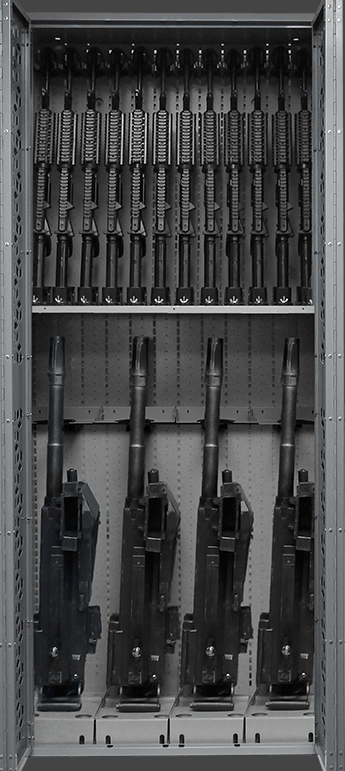
Most military firearms content assumes you're working with active duty conditions: dedicated armories, regular range access, consistent training schedules. The Guard reality is different. Your M4A1s might sit in the arms room for months between training events. Your soldiers show up to annual training having not fired their weapon since the previous year's qualification, or longer. Your unit might get handed a crate of M17s that nobody's familiar with and told to figure it out before the next deployment cycle.
I've run ranges where half the weapons had BZOs from different soldiers, different ranges, and different years. I've watched NCOs try to coach marksmanship fundamentals they learned on the M16A2 to soldiers firing the M4A1 for the first time. I've seen units struggle through qualification tables because nobody understood how the new optics actually worked.
The civilian firearms community doesn't see this side of military weapons training. They see the finished product, qualified soldiers, successful missions, impressive capabilities. They don't see the process: the troubleshooting, the remedial training, the constant adaptation to new equipment and changing standards.
Range notes from a typical Guard drill weekend: 200 soldiers, 200 M4A1s, 30 M17s, 8 SAWs, 11 hours of range time, and 80 rounds of XM855A1(5.56) per soldier for qualification. Half the soldiers haven't fired since last year's annual training, and some longer. Twelve of the weapons have optics that don't work. Two soldiers are left-handed and need coaching on brass deflection. One weapon has a malfunction that the armorer hasn't seen before. A soldier with corrected vision borrowed his friend's reading glasses to qualify.

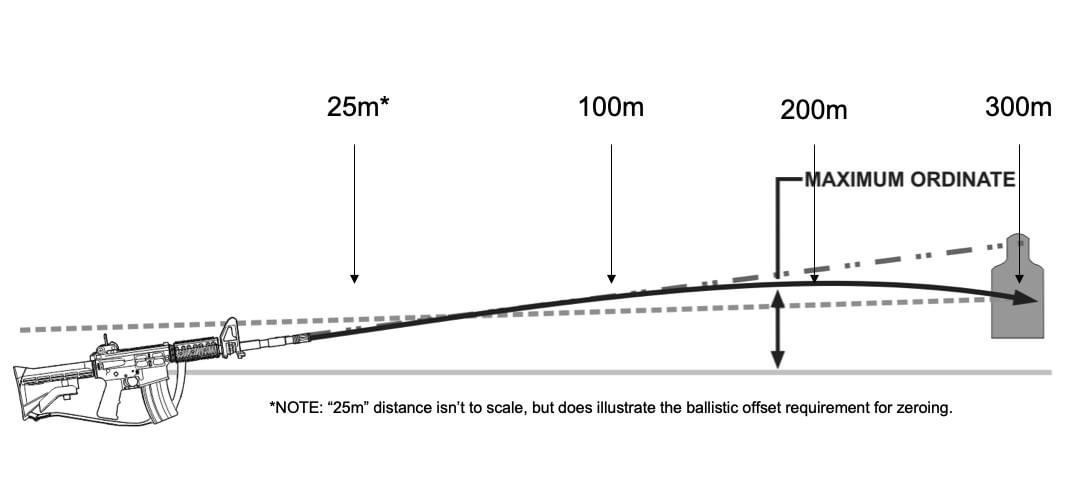
This is the environment where you actually learn small arms instruction. Not from reading TMs, but from solving problems in real time with limited resources and compressed schedules.
What's missing from military firearms content
Walk into any gun store and you'll find shelves of magazines about tactical gear, military weapons, and combat techniques. Most of it reads like marketing copy or wishful thinking. The authors might have military experience, but they're writing for civilian audiences who want to feel tactical, not for soldiers who need to actually perform.
Here's what's usually missing: practical troubleshooting information. Real qualification standards and how to meet them. Training techniques that work with limited time and ammunition. Equipment maintenance that goes beyond the basic TM procedures. The kind of information that helps an NCO run a better range day or helps a soldier understand why their groups keep opening up.
Most military firearms content falls into predictable categories. There's the history lesson approach, "The M4 carbine evolved from the CAR-15 program in the 1960s", which tells you nothing about how to use the weapon effectively. There's the specifications approach, barrel length, twist rate, muzzle velocity, which sounds authoritative but doesn't help with training. There's the tactical fantasy approach, which focuses on special operations applications that have nothing to do with conventional unit training.

Fn M249 SAW Deals
Prices may change. May contain affiliate links.
What's rare is content that addresses the actual challenges of military small arms training. How do you zero 200 rifles in a four-hour range window? What do you do when your unit transitions from M16A4s to M4A1s and nobody understands the difference? How do you maintain proficiency on multiple weapon systems with limited training opportunities?
These aren't sexy topics. They don't generate clicks from civilian readers who want to read about Navy SEAL weapons or Delta Force gear. But they're the problems that determine whether your soldiers can actually hit what they're aiming at when it matters.
Training challenges nobody talks about
The M17 MHS replaced the M9 pistol starting in 2017, but most Guard units didn't see them until years later. The transition created training challenges that nobody anticipated. Soldiers who'd qualified on the M9 for years suddenly had to learn a different trigger, different controls, different manual of arms, different qualification tables.
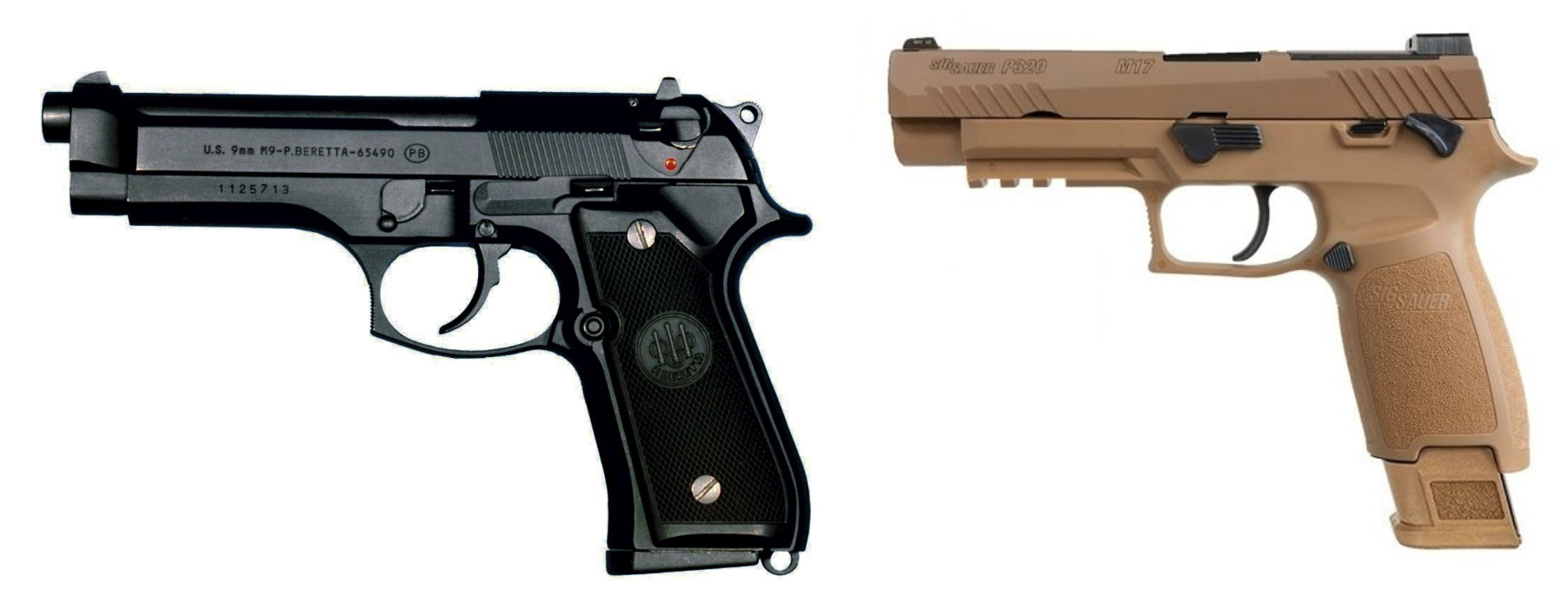
I watched units struggle with this transition because the training materials assumed familiarity that didn't exist. The TM covers the technical specifications and basic operation, but it doesn't address the practical differences that affect marksmanship. The M17's trigger has a different feel than the M9. The grip angle is different. The sight picture is different. Small changes, but they matter when you're trying to qualify soldiers who only get one chance per year.
Federal XM855A1 5.56 NATO Ammunition Deals
Prices may change. May contain affiliate links.
Here's what actually happens during a typical M17 qualification: soldiers who were comfortable with the M9 suddenly can't find the de-cocker. They're fighting the weapon instead of working with it. Their muscle memory is wrong. Their sight alignment is off. They're frustrated, their instructors are frustrated, and nobody has time to properly address the underlying issues.
The solution isn't more range time, though that would help, it's better understanding of how the weapons actually differ and how to coach soldiers through the transition. Most firearms content won't tell you this because most writers haven't had to qualify 30 soldiers on a new weapon system with a four-hour range window.
Similar problems show up with every equipment transition. The Army adopted the M4A1 to replace the M16A2 or the original M4 Carbine, but many Guard units skipped intermediate steps. Soldiers went from 20-inch barrels to 14.5-inch barrels, from fixed stocks to collapsible stocks, from iron sights to optics, all at once. Each change affects marksmanship in ways that aren't obvious until you're trying to coach someone through qualification.
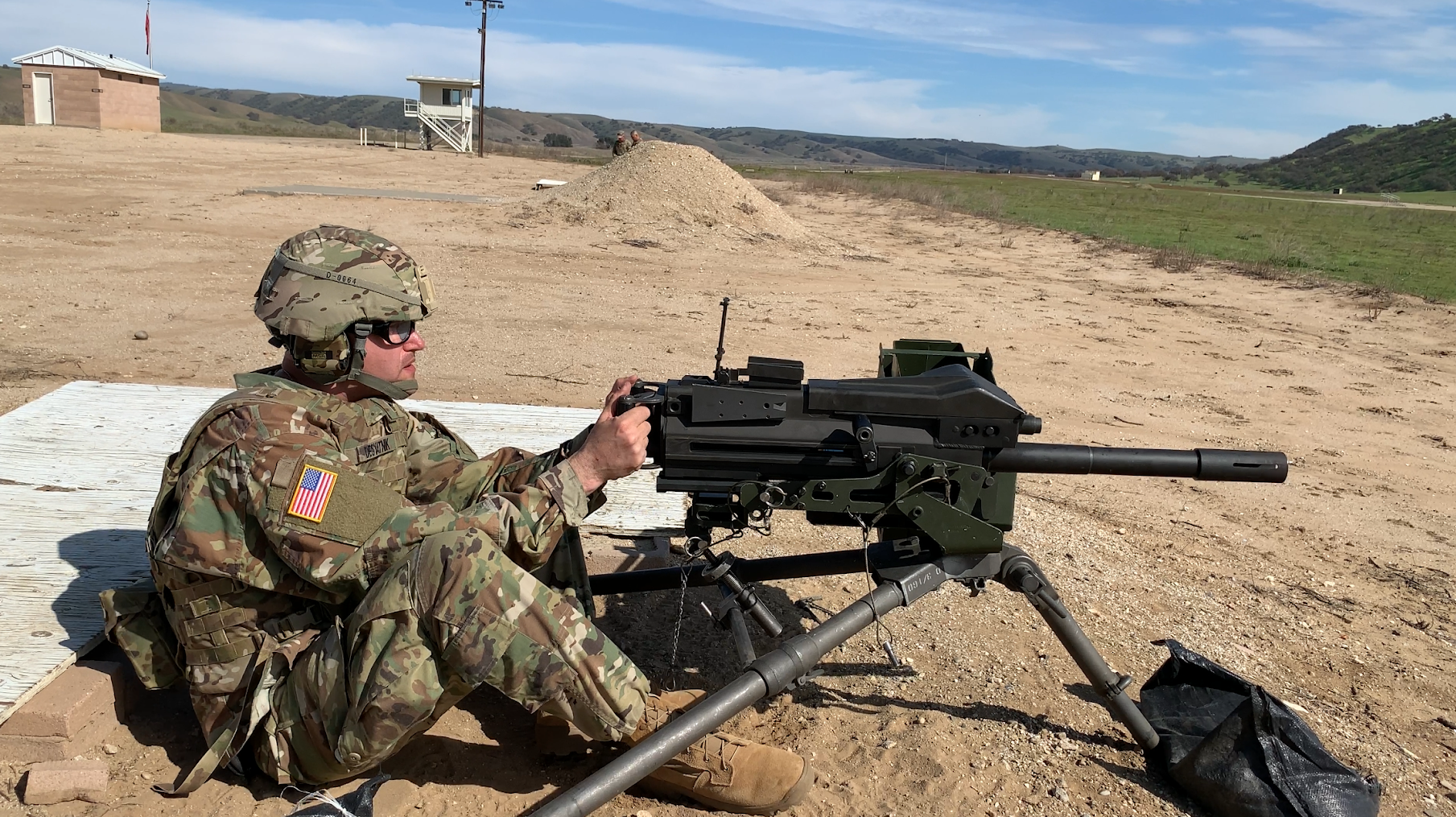
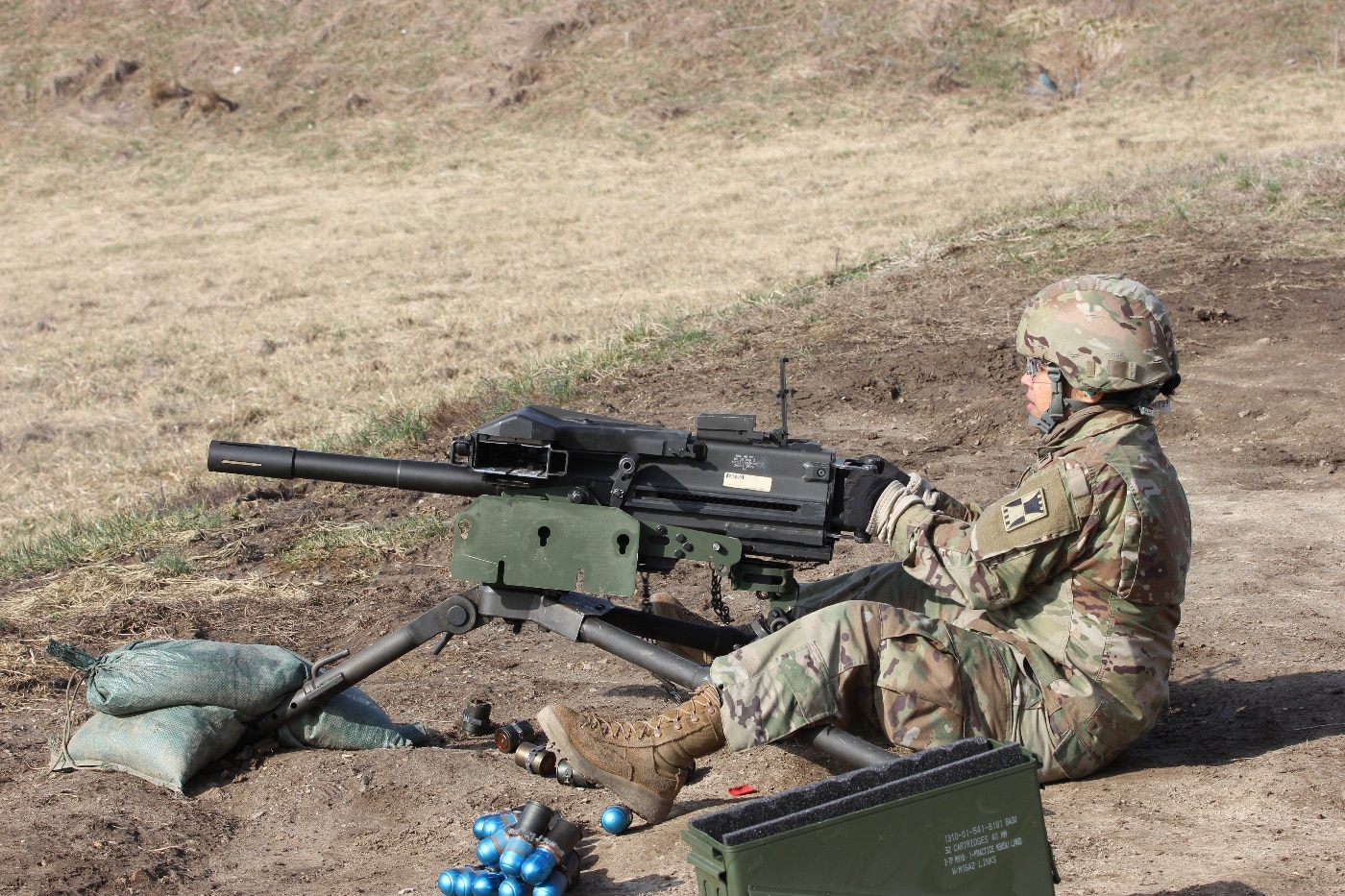
The Mk19 grenade machine gun presents different challenges. It's a crew-served weapon that most soldiers never get to train with. The manual covers operation and maintenance, but it doesn't address the practical problems you encounter when training new crews. How do you teach proper timing when you've got limited training rounds? How do you troubleshoot feeding problems when your soldiers have never seen the weapon cycle properly? How do you maintain proficiency when most crews only fire the weapon once or twice in their careers?
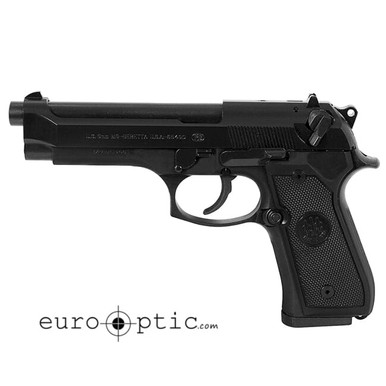
Beretta M9 Beretta Pistol Deals
Prices may change. May contain affiliate links.
These are the problems that keep weapons instructors up at night. They're also the problems that most military firearms content ignores completely.
The ammunition reality
Every discussion of military weapons training eventually comes back to ammunition. Active duty units train with whatever they need. Guard units train with what they're allocated. The difference matters more than most people realize.
A typical Guard unit might get 85 rounds per soldier for M4A1 qualification. That's barely enough for the actual zeroing and qualification table, with no margin for remedial training. Compare that to civilian shooters who can buy cases of ammunition whenever they want, or active duty units that can request additional rounds for training purposes.
This constraint forces different approaches to training. You can't waste rounds on feel-good exercises or extended practice sessions. Every round has to serve a purpose. Your zeroing procedure has to be efficient. Your coaching has to be precise. Your remedial training has to work quickly.
Most military firearms content assumes unlimited ammunition availability. Articles about advanced marksmanship techniques or extended training programs sound great in theory, but they're useless if you're working with 85 rounds per soldier and a four-hour range window.
The M17 qualification table requires 50 rounds: 20 rounds for grouping, 30 rounds for quals. Sounds simple until you realize that some soldiers will need remedial training, some weapons will need maintenance, and some rounds will be lost to malfunctions. Your actual allocation might be 35 rounds per soldier, which means you need to make every shot count.
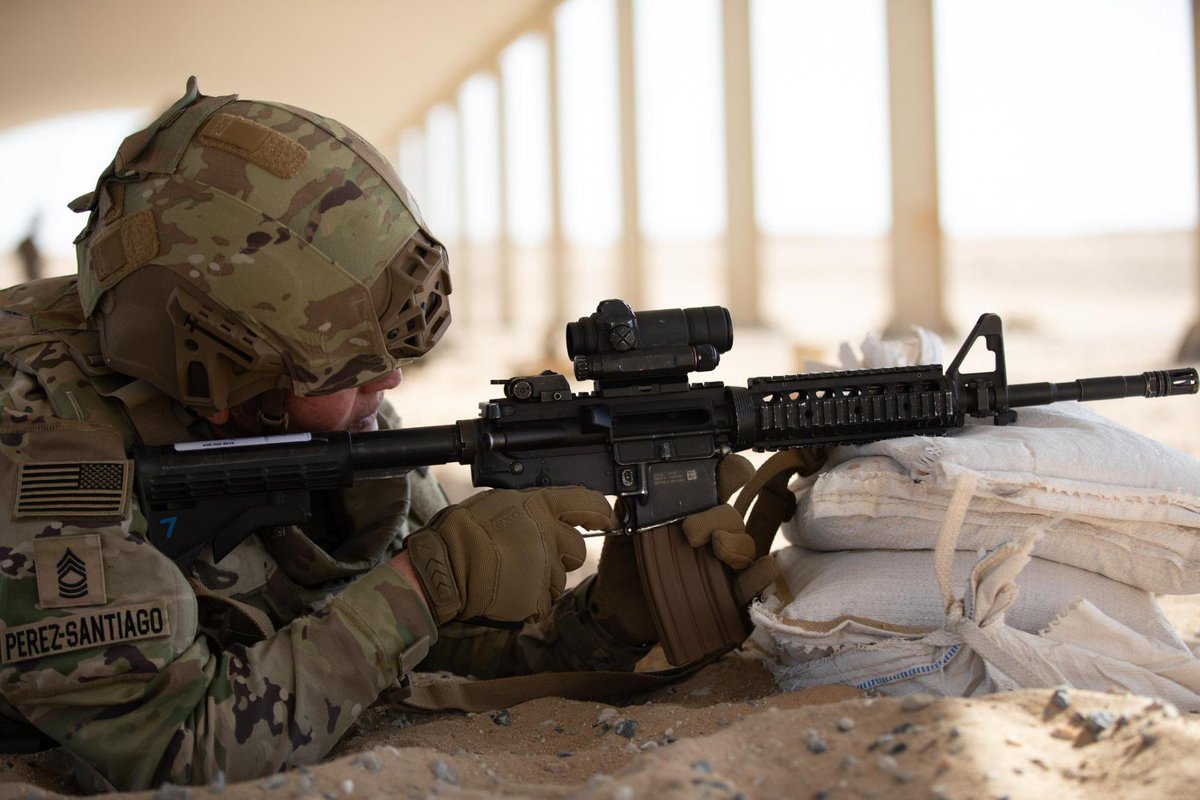
Here's what I tell my soldiers about ammunition management: treat every round like it matters, because it does. You don't get unlimited do-overs. You don't get extra practice time. You get what you're allocated, and you need to make it work.
This reality shapes everything about Guard training. Your instruction techniques, your equipment preparation, your range procedures, everything has to account for limited resources and compressed timelines. Most firearms content ignores these constraints completely, which makes it less useful for the people who actually need it.
Why civilians should care
The military category isn't just for soldiers. Civilian shooters can learn from military training methods, equipment choices, and performance standards. But they need to understand the context.
Military weapons aren't designed for civilian use cases. The M4A1 is optimized for combat effectiveness, not recreational shooting. The M17 is designed to meet military requirements, not civilian preferences. The Mk19 exists to provide area suppression, not precision engagement. Understanding these design priorities helps civilian shooters make better equipment choices.
Military training methods emphasize reliability over precision, effectiveness over comfort, mission accomplishment over individual preference. These priorities create training techniques that work under stress, with limited resources, and in adverse conditions. Civilian shooters who understand these techniques can apply them to their own training, even if their goals are different.
Most people don't realize that military qualification standards are minimums, not maximums. A soldier who barely qualifies on the M4A1 has demonstrated basic competency, not advanced marksmanship. The qualification table tests fundamental skills under controlled conditions, not combat effectiveness under stress.
This distinction matters for civilian shooters who want to understand their own capabilities. Military qualification standards provide useful benchmarks, but they're not the end goal, they're the starting point. A civilian shooter who can meet military qualification standards has achieved basic competency, not tactical proficiency.
The equipment insights are equally valuable. Military weapons undergo extensive testing and evaluation before adoption. The M17 wasn't chosen because it was the cheapest option or the most popular with soldiers; it was chosen because it met specific performance requirements under controlled test conditions. Understanding those requirements helps civilian shooters evaluate similar equipment for their own use.
Range lessons that stick
Real learning happens when things go wrong. The TM tells you how the M240B is supposed to function, but it doesn't prepare you for the moment when it starts short-stroking and you've got 30 soldiers watching you troubleshoot the problem in real time.
I've learned more from equipment failures than from successful range days. The time an M249 couldn't extract and I had to figure out why. The day half our M4A1s seized up and we discovered they were still packed with cosmoline from FN. The range session where our Mk19 timing was off and we had to adjust it with limited tools and no technical manual.
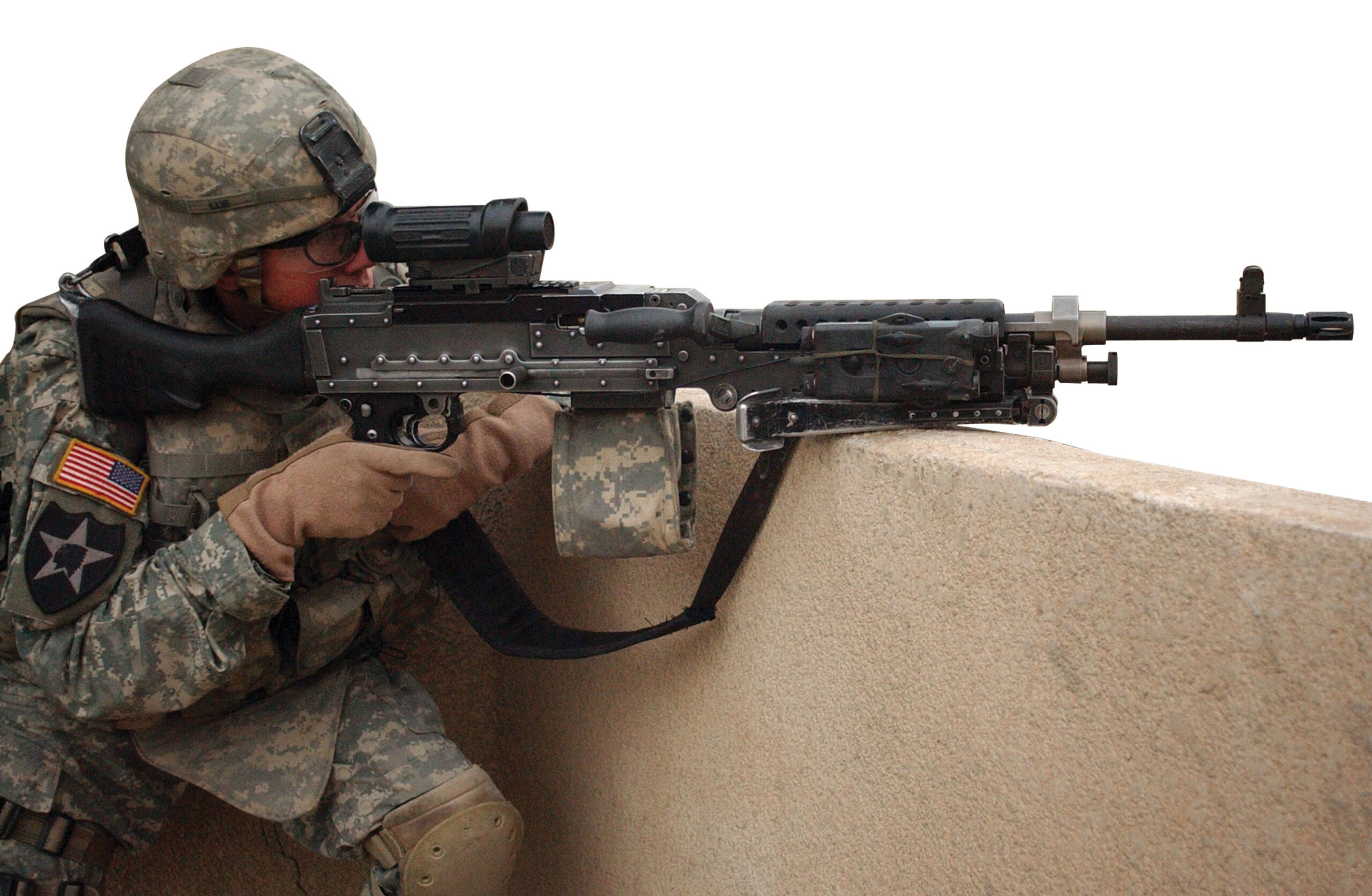
These experiences teach you things you can't learn from reading. How weapons actually fail. What malfunctions look like in practice. How to diagnose problems quickly and fix them with available resources. How to maintain training momentum when equipment doesn't cooperate.
Most military firearms content focuses on perfect conditions and ideal performance. Real training happens in imperfect conditions with imperfect equipment. Your weapons have been used by hundreds of soldiers. Your ammunition might be older than your newest recruit. Your range conditions might include wind, rain, heat, or cold that affects performance in ways the manual doesn't address.
From the arms room: I once had a soldier who couldn't hit anything with his assigned M4A1. Perfect fundamentals, good coaching, plenty of practice, nothing worked. Finally discovered that someone had installed a bent front sight post during maintenance. The weapon was mechanically accurate, but the sight alignment was completely wrong. Replaced the rifle, and the soldier qualified expert on the next iteration.
That's the kind of problem-solving that happens regularly in military training. Equipment issues that aren't covered in the manual. Human factors that affect performance in unexpected ways. Training challenges that require creative solutions with limited resources.
The instructor's perspective
Teaching marksmanship is different from practicing marksmanship. You can be an excellent shooter and a terrible instructor, or vice versa. The skills don't transfer automatically.
Good instruction requires understanding how people learn, not just how weapons work. You need to recognize common mistakes before they become habits. You need to communicate complex concepts in simple terms. You need to adapt your teaching style to different learning preferences and experience levels.
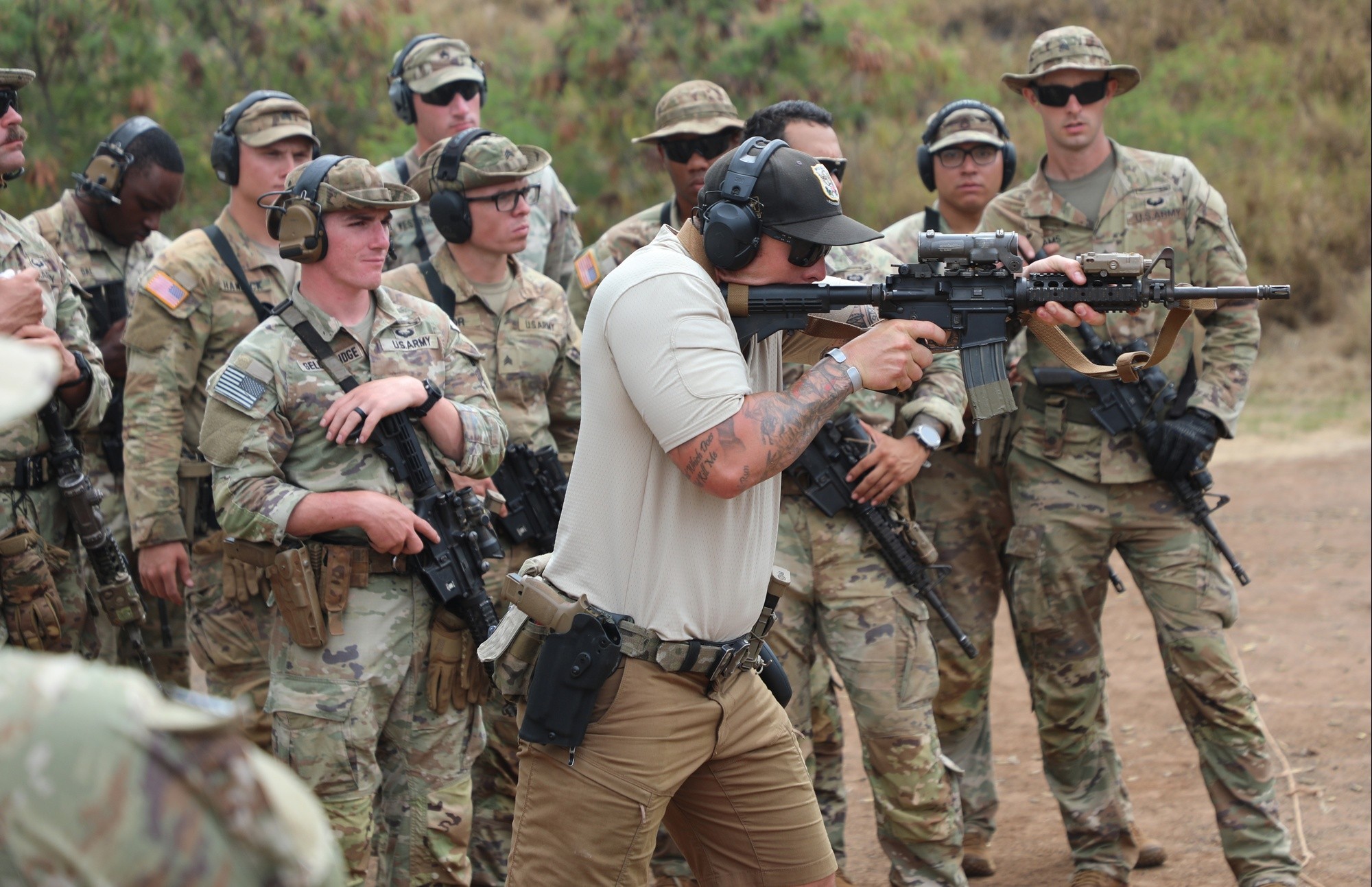
Most importantly, you need to understand the difference between what works for you and what works for your students. Your preferred grip might not work for someone with different hand size. Your sight picture might not work for someone with different vision. Your shooting stance might not work for someone with different physical capabilities.
Here's what I tell new instructors: watch your students, not your targets. The targets will tell you whether they're hitting, but your students will tell you why they're missing. Most marksmanship problems are visible before the shot breaks, if you know what to look for.
Common instructor mistakes include focusing too much on equipment and not enough on fundamentals, trying to fix too many problems at once, and assuming that what works for experienced shooters will work for beginners. The best instruction is systematic, progressive, and individually adapted.
The military environment adds complexity because you're often working with soldiers who don't want to be there, don't understand why the training matters, and would rather be doing something else. Your instruction has to be engaging enough to maintain attention, clear enough to be understood quickly, and practical enough to be applied immediately.
Equipment evolution and training adaptation
Military weapons don't exist in isolation. They're part of systems that include ammunition, optics, accessories, and support equipment. Changes to any component affect training requirements and performance characteristics.
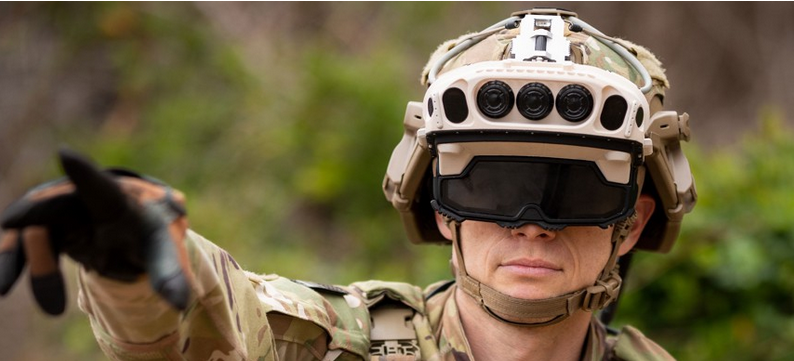
The transition from iron sights to optics changed fundamental marksmanship instruction. Sight alignment and sight picture concepts that worked for generations of soldiers changed significantly for optics. New concepts like eye relief, parallax, and reticle selection became important. Training programs had to adapt to address these changes.
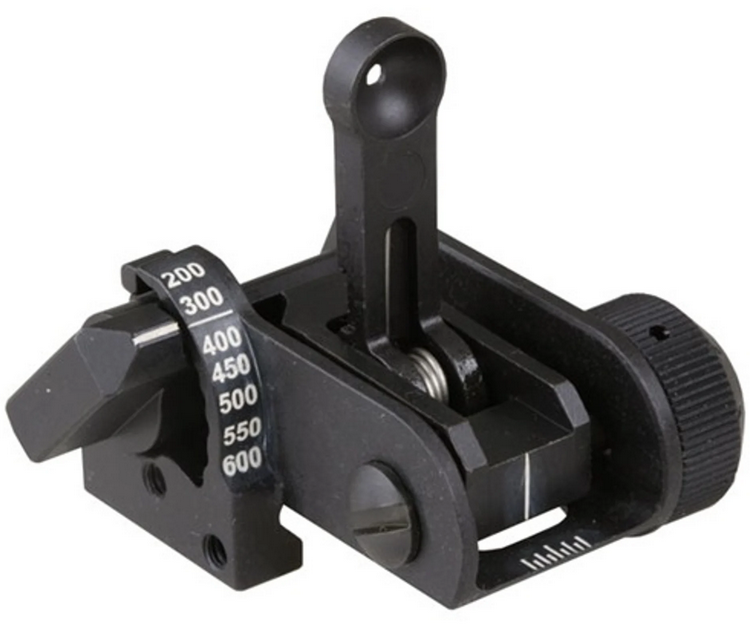
Similarly, the adoption of modular weapon systems like the M4A1 created new training requirements. Soldiers needed to understand how different configurations affected weapon performance. Instructors needed to account for variations in barrel length, stock position, and accessory selection that could affect accuracy and reliability.
The M17 MHS represents another evolution. The modular grip system allows customization for different hand sizes, but it also requires understanding of how grip changes affect point of impact. The striker-fired action eliminates some manual of arms requirements but introduces new safety considerations. The improved sights provide better visibility but require different grouping procedures.
Each equipment change creates training challenges that aren't immediately obvious. Soldiers trained on older systems bring habits and expectations that may not apply to newer equipment. Instructors need to understand both the technical differences and the practical implications for training and performance.
Most people don't realize how much equipment changes affect training requirements. A simple change like switching from brass to steel-cased ammunition can affect weapon function, accuracy, and maintenance requirements. Soldiers who trained exclusively with one type of ammunition might struggle when forced to use another type.
Building the military category
The military category on MyGunDeal exists to address these gaps. Every article focuses on practical information that helps soldiers, NCOs, and officers improve their small arms training and performance. The content is written for military audiences first, but structured to be valuable for civilian readers who want to understand military weapons and training methods.
The approach is different from typical firearms content. Instead of focusing on specifications and history, the articles address training challenges, equipment transitions, and performance optimization. Instead of assuming ideal conditions, they account for the constraints and limitations that characterize real military training.
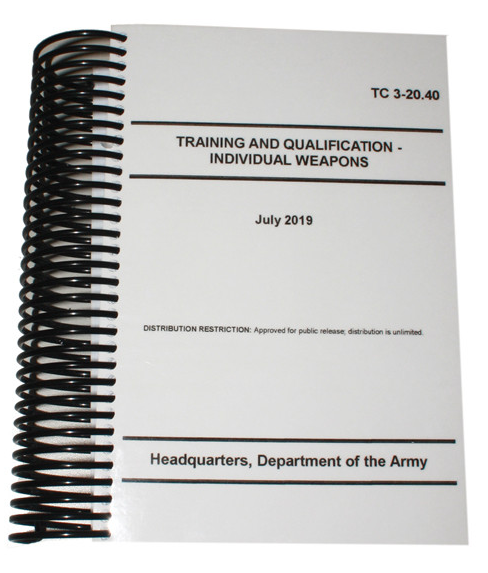
The goal isn't to replace official training materials or technical manuals. It's to supplement them with practical insights that come from years of hands-on instruction experience. The kind of information that helps an NCO run a better range day, helps a soldier understand why their performance is inconsistent, or helps a unit adapt to new equipment more effectively.
Each article includes specific details that matter for training: round counts, qualification standards, common problems and solutions, equipment recommendations based on actual use rather than marketing claims. The focus is always on information that can be applied immediately to improve training outcomes.
The civilian audience benefits from understanding military training methods and equipment choices, but they need context to apply this information effectively. Military weapons and training techniques are optimized for military requirements, which may not align with civilian goals and preferences.
Training beyond qualification
Military qualification tables establish minimum standards, not training goals. A soldier who barely qualifies has demonstrated basic competency, but that's not the same as combat effectiveness or advanced marksmanship capability.
Real proficiency requires training beyond the minimum standards. Understanding how weapons perform under different conditions. Developing skills that transfer across multiple weapon systems. Building confidence that comes from consistent performance rather than occasional success.
This extended training is where most Guard and Reserve units struggle. Limited time, limited ammunition, and limited range access make it difficult to develop advanced skills or maintain peak performance. The focus becomes meeting minimum standards rather than developing maximum capability.
The military category addresses this challenge by providing information that helps units make the most of limited training opportunities. Techniques for efficient skill development. Methods for maintaining proficiency between formal training events. Approaches that work with constrained resources and compressed timelines.
For civilian readers, this information provides insight into military training priorities and methods. Understanding why military training emphasizes certain skills over others, why certain techniques are preferred, and why certain equipment choices are made helps civilian shooters make better decisions about their own training and equipment.
The path forward
The military category will continue to evolve based on feedback from military and civilian readers. The goal is to provide the most useful, practical information available anywhere about military small arms training and performance.
Future articles will address specific weapon systems, training techniques, equipment transitions, and performance optimization methods. Each article will focus on practical information that can be applied immediately to improve training outcomes and individual performance.
The approach will remain consistent: military audiences first, but valuable for civilian readers who want to understand military weapons and training methods. Practical information over theoretical knowledge. Real-world solutions over textbook answers.
This isn't about promoting military weapons to civilian buyers or encouraging tactical cosplay. It's about sharing knowledge that helps people understand how military weapons actually work, how military training actually functions, and how to apply these insights effectively.
The military firearms community, active duty, Guard, Reserve, veterans, and serious civilian enthusiasts, deserves better information than what's currently available. The military category exists to provide that information, one article at a time.
Whether you're an NCO trying to improve your unit's qualification scores, a soldier struggling with a new weapon system, or a civilian shooter who wants to understand military training methods, the goal is the same: practical information that actually helps you perform better.
That's why the military category exists, and that's what it will continue to provide.