
You're armed, trained, and ready to protect yourself and others. But what happens when the threat walks in wearing body armor and carrying a rifle? The Tree of Life synagogue shooting in Pittsburgh forced a hard look at the realities of active threat response; the answers aren't comfortable.
On October 27, 2018, a gunman entered the Tree of Life synagogue during Shabbat services. He wore tactical gear, carried multiple firearms, and came prepared for a sustained fight. By the time police arrived and engaged, eleven people were dead and six wounded, including four responding officers. The attacker had body armor. The congregants had prayer books.
Here's what that day taught us about the gap between our training assumptions and the reality of prepared attackers.
The armor problem
Most of our defensive training assumes an unarmored threat. We practice center mass shots because that's what stops fights fastest against typical attackers. But the Pittsburgh shooter wore a ballistic vest, and that changes everything.
Body armor isn't some military-only gear anymore. Level IIIA soft armor that stops most handgun rounds costs under $400. Level IV plates that defeat rifle rounds run $200-600 per plate. It's available online, no background check required. The uncomfortable truth is that any motivated attacker can armor up for less than the cost of a decent pistol.
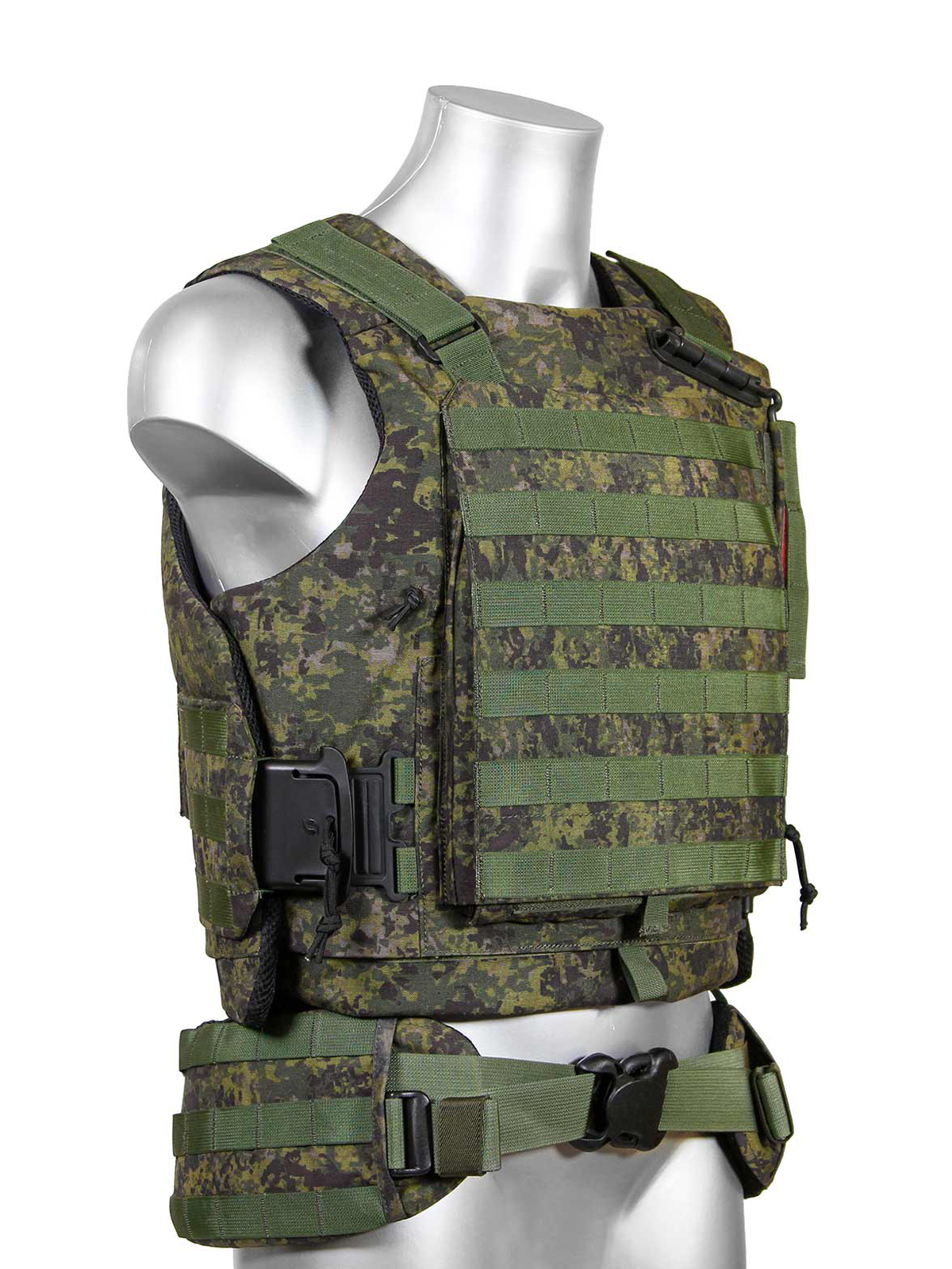
When police engaged the Pittsburgh shooter, their initial handgun rounds hit the vest. He kept fighting. It wasn't until SWAT arrived with rifles and precise shot placement that the threat was neutralized. That's a problem for armed citizens carrying concealed handguns.
Your 9mm hollow points that work perfectly against an unarmored attacker become much less effective against even basic soft armor. The FBI's ballistic standards exist because criminals started wearing vests in the 1980s. We're seeing that trend return, and it's not just mass shooters. Drug dealers, gang members, and domestic terrorists are increasingly armored.
Shot placement under stress
The standard answer to armored threats is "shoot the head or pelvis." That's easier said than done when you're fighting for your life.
Head shots require precision most shooters can't deliver under stress. The target zone is roughly 6 inches wide and moves constantly. Miss high and you hit nothing. Miss low and you hit the vest again. Even trained police officers struggle with head shots in gunfights; the NYPD hit rate on head shots is under 15% in actual shootings.
Pelvic shots offer a larger target but create different problems. You're aiming for the hip girdle to break mobility, but that's still precision shooting under stress. A gut shot might eventually stop the fight, but not before the attacker empties his magazine into your congregation.
The reality is that most defensive shooters haven't trained for armored threats. We practice on standard silhouettes with center mass scoring rings. When's the last time you ran drills specifically targeting the head or pelvis under time pressure?
Range notes: Armor-defeating drills
Set up a target with the center mass covered by cardboard to simulate body armor. Only hits to the head (above the eyebrows) or pelvis (hip bones down) count. Start at 7 yards.
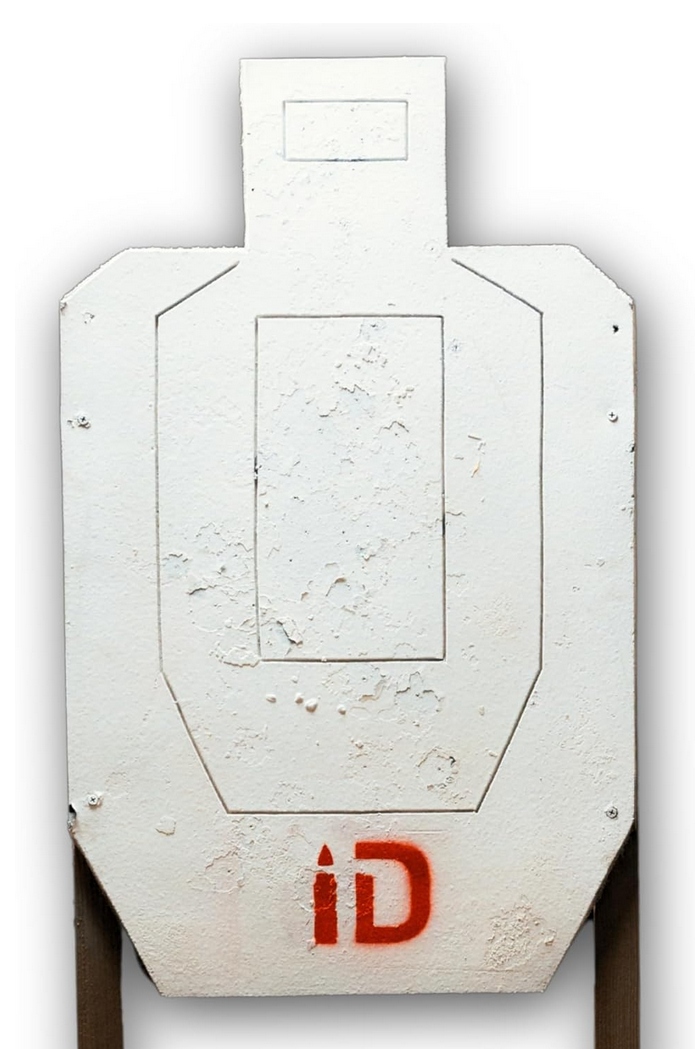
Run your standard draw-to-first-shot drill, but only scoring hits count. Most shooters see their times increase by 30-50% when forced to make precision shots instead of center mass hits. That's the reality of fighting an armored attacker.
Progress to multiple targets; one armored, one not. Practice target discrimination under time pressure. The armored threat gets precision shots, the unarmored gets center mass. This builds the mental flexibility you need when threats don't match your training assumptions.
The rifle advantage
The Pittsburgh shooting highlighted another uncomfortable reality: handguns are severely outgunned by rifles. The attacker carried an AR-15 variant with multiple magazines. Congregants and initial responders had handguns at best.
A rifle gives the attacker several advantages beyond just firepower. First is effective range; most defensive handgun training happens inside 7 yards, but rifles remain lethal at 100+ yards. Second is barrier penetration; rifle rounds punch through cover that stops handgun bullets. Third is psychological impact; the sound and muzzle flash of a rifle in an enclosed space is devastating to untrained people.
The responding officers understood this. Initial patrol units with handguns took defensive positions and waited for SWAT with rifles. That's tactically sound but creates a time gap where the attacker operates unopposed.
For armed citizens, this creates a difficult calculation. Do you engage an armored, rifle-armed attacker with your concealed handgun? The answer depends on geometry, distance, and whether you can achieve surprise. A handgun can absolutely defeat a rifle if you get close enough and the shooter doesn't see you coming. But it's not a fair fight.
Congregation-specific vulnerabilities
Houses of worship present unique security challenges that the Pittsburgh shooting exposed. Most religious services involve predictable gathering times when large numbers of people are concentrated in known locations. Attackers can plan around service schedules and building layouts.
The Tree of Life had multiple congregations meeting simultaneously in different parts of the building. This created confusion during the response; police had to clear multiple areas while distinguishing between victims and threats. The building's layout also provided the attacker with multiple escape routes and defensive positions.
Many religious buildings were designed for openness and welcome, not security. Large windows, multiple entrances, and minimal sight lines between areas all favor an attacker. The same architectural features that create a welcoming worship environment become tactical disadvantages during an attack.
Congregations also tend to resist security measures that feel militaristic or unwelcoming. The balance between maintaining an open, peaceful environment and preparing for violence is genuinely difficult. But the Pittsburgh shooting showed that good intentions don't stop bullets.
What actually works: Layered response
The most effective congregation security isn't a single armed volunteer; it's layered systems that buy time and create options. The Pittsburgh response worked because multiple systems activated simultaneously.
Early warning came from congregants who heard gunshots and called 911 immediately. The building's layout slowed the attacker's movement between areas. Some congregants barricaded doors while others evacuated through alternate exits. Police arrived within minutes and established a perimeter that prevented escape.
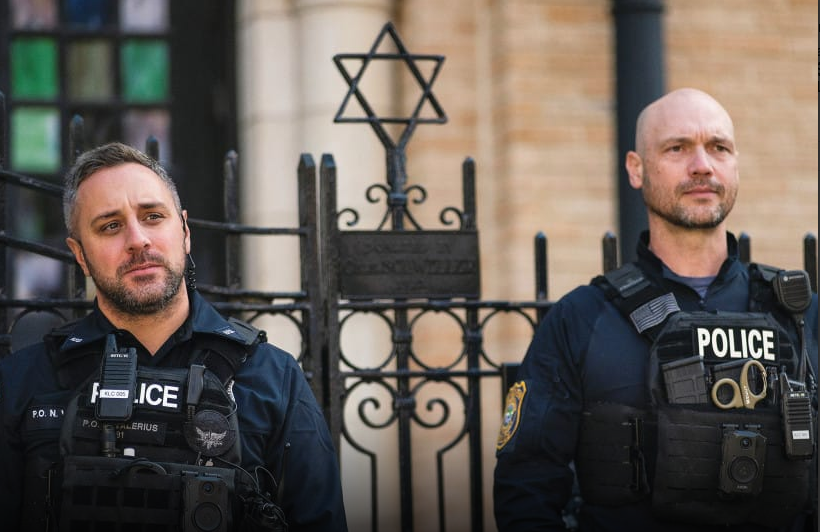
None of these individual elements would have stopped the attack alone. Together, they limited casualties and created the conditions for police to end the threat. That's how defensive systems actually work; not through heroic individual action, but through coordinated response.
Armed congregants can be part of this system, but they're not the whole solution. Their job is to buy time for evacuation and professional response, not to single-handedly defeat a prepared attacker. Understanding this limitation is crucial for realistic planning.
Training for reality
Most civilian active shooter training focuses on "run, hide, fight"; and stops there. But the Pittsburgh shooting showed that effective response requires specific skills and advance planning.
Evacuation isn't just "run away." It requires knowing multiple exit routes, understanding how to move groups of people under stress, and having rally points where families can reunite safely. Many congregants that day became separated during evacuation and spent hours not knowing if their loved ones survived.
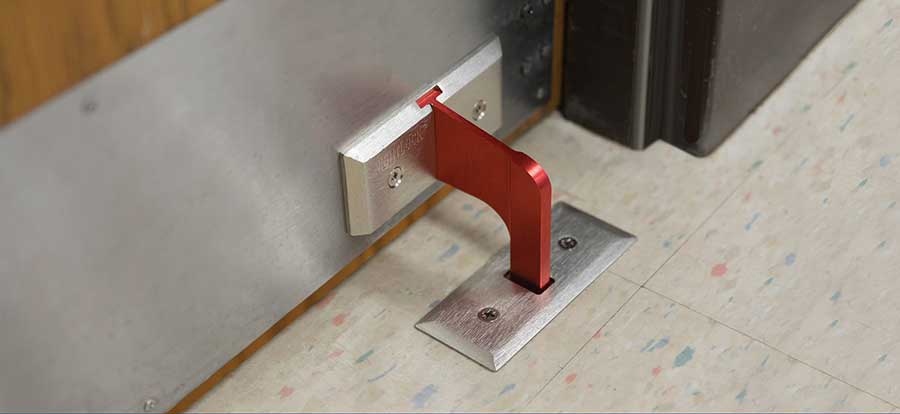
Barricading isn't just "lock the door." It requires understanding which doors actually provide security, having tools to reinforce them, and knowing how to position people away from fatal funnels. Some Tree of Life congregants successfully barricaded themselves in offices and closets, while others were trapped in areas with no secure options.
Communication during crisis goes beyond calling 911. Someone needs to coordinate with responding officers, account for missing people, and manage family notifications. The Pittsburgh response was complicated by multiple 911 calls with conflicting information about the attacker's location and the number of victims.
Common mistakes in congregation security
Most religious security planning makes the same fundamental errors. First is focusing on the wrong threats. Congregations spend time planning for property crime or disruptive individuals, not prepared attackers with military-style weapons and tactics.
Second is over-relying on armed volunteers without proper training. Carrying a concealed weapon for personal defense is different from responding to an active shooter in a crowded building. The skills don't transfer automatically, and good intentions can create additional casualties.
Third is ignoring the legal and liability issues around armed security. Many states have specific laws about weapons in religious buildings. Insurance policies may exclude coverage for incidents involving volunteer security. Congregations need legal guidance, not just tactical advice.
Fourth is failing to coordinate with local law enforcement. Police need to know about your security plans, armed volunteers, and building layout before an incident occurs. The Pittsburgh response was complicated by officers who didn't know the building's configuration or whether there were armed congregants inside.
Fifth is treating security as a one-time planning exercise instead of ongoing training. Skills degrade without practice. Plans become outdated as buildings change and congregations evolve. Security requires the same ongoing commitment as any other ministry.
The individual response calculation
If you're armed and present during an attack like Pittsburgh, your decision matrix is complex. The attacker has superior firepower, body armor, and the initiative. You have a concealed handgun and the element of surprise if you're lucky.
Distance matters enormously. Beyond 25 yards, your handgun is severely disadvantaged against a rifle. You need to close distance or create better geometry. That might mean moving to a flanking position, waiting for the attacker to pass your location, or using the building's layout to your advantage.
Timing matters just as much. Engaging during the initial attack when the shooter is focused on victims gives you better odds than trying to fight your way through a prepared position. But it also means making split-second decisions with incomplete information.
Your responsibility to others affects the calculation. If you're with family members who can't fight or flee, your priority is their protection, not engaging the threat. If you're alone and positioned to stop the attack, the moral calculus changes.
The legal aftermath matters too. Even a completely justified shooting will result in investigation, potential prosecution, and civil liability. That's not a reason to avoid action when lives are at stake, but it's a reality to understand beforehand.
Dry fire notes: Decision-making under pressure
Practice the mental side of threat response with scenario-based dry fire. Set up your home with various "threat" positions marked by targets or photos. Walk through the space and make engagement decisions based on distance, cover, and simulated bystander positions.
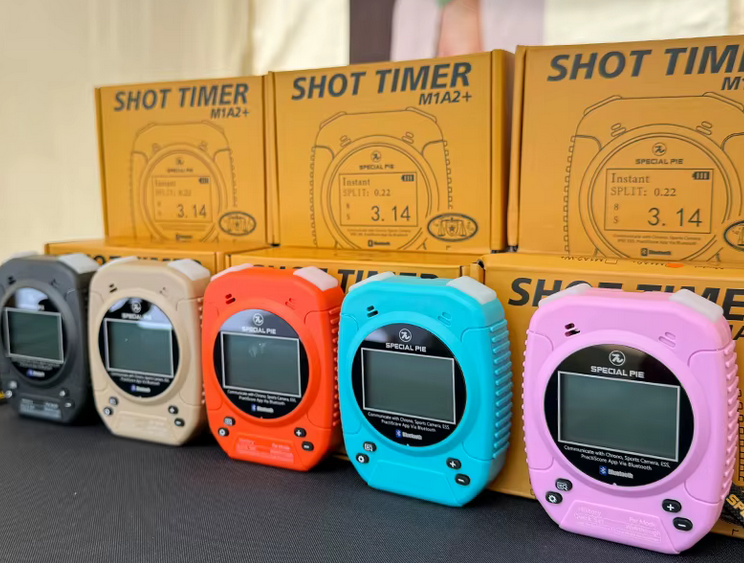
Use a shot timer to add stress. Give yourself 3 seconds to assess each scenario and decide: engage, evade, or barricade. Most people discover they need much more time than they think to make good decisions under pressure.
Practice the verbal challenges too. "Drop the weapon!" needs to be automatic, not something you think about mid-fight. The same with "I'm armed!" when police arrive. These verbal skills prevent friendly fire incidents and establish your legal position.
Equipment realities
The Pittsburgh shooting sparked discussions about civilian body armor, but the reality is more complex than "just buy plates." Armor that stops rifle rounds is heavy, bulky, and expensive. Level IV plates weigh 7-8 pounds each and cost $300-500 per plate.
More importantly, armor changes your mobility and concealment. You can't wear rifle plates under normal clothing, and the weight affects your movement and endurance. For most civilian scenarios, armor creates more problems than it solves.
Soft armor that stops handgun rounds is more practical but offers limited protection against rifle threats. Level IIIA vests are concealable and lightweight but won't stop the rifle rounds most active shooters carry. You're preparing for the wrong threat.
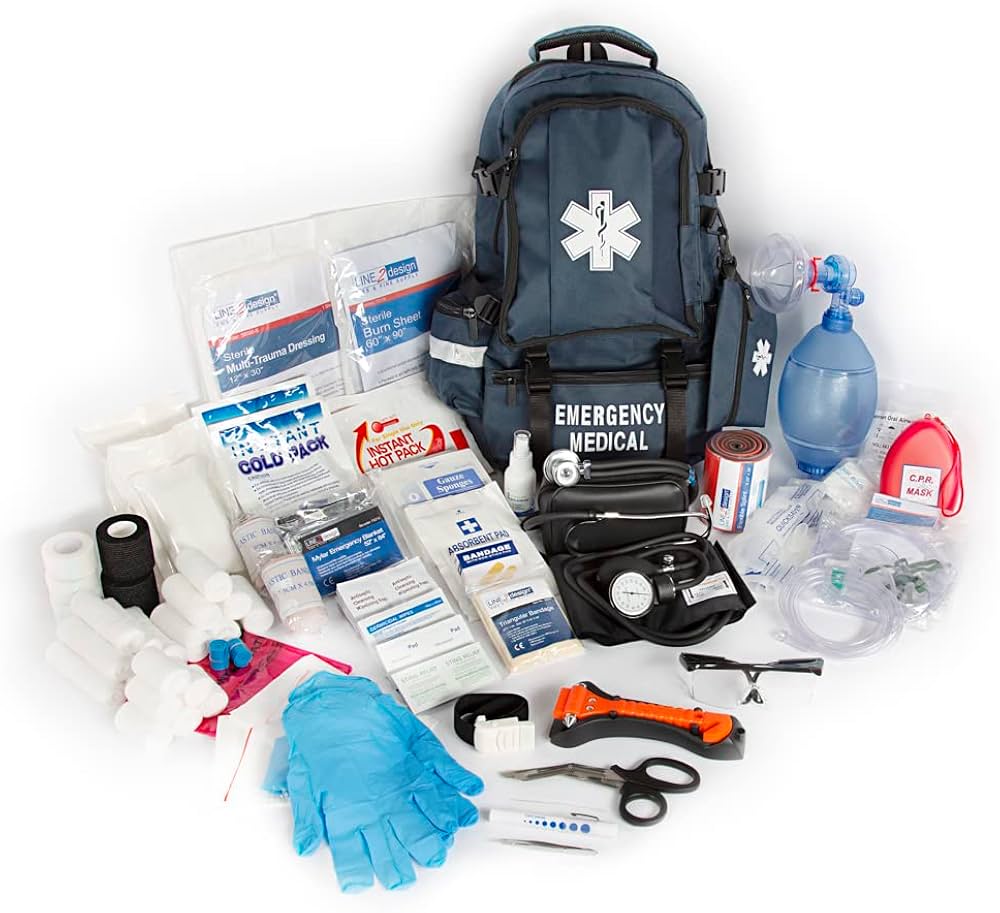
The better equipment investment is communication and medical gear. A quality trauma kit costs $150 and can save lives after the shooting stops. A radio system that works with local emergency services costs less than body armor and provides more tactical advantage.
Training equipment matters more than protective equipment. A shot timer, training targets, and regular range time will improve your response capability more than any gear purchase. Skills beat equipment every time.
Coordination with law enforcement
The Pittsburgh response highlighted the importance of pre-incident coordination between congregations and police. Responding officers didn't know the building layout, the number of potential victims, or whether there were armed congregants inside.
Many departments now offer security assessments for religious buildings. They'll walk through your facility, identify vulnerabilities, and help develop response plans that coordinate with their tactics. This isn't just helpful; it's essential for preventing friendly fire incidents.
Police need to know about your armed security volunteers before an incident. Names, photos, and contact information should be on file with dispatch. During the Pittsburgh response, officers had to assume that any armed person might be a threat until proven otherwise.
Communication protocols matter enormously. Who calls 911? What information do they provide? How do you identify yourselves to responding officers? These details need to be planned and practiced, not figured out during an emergency.
Some departments offer joint training exercises where congregation security volunteers train alongside police. This builds relationships, improves coordination, and helps both sides understand each other's capabilities and limitations.
Medical response integration
The Pittsburgh shooting produced eleven fatalities and six wounded, including four police officers. The medical response was complicated by the active threat, multiple casualties, and the building's layout. Many congregations focus on stopping threats but ignore treating casualties.
Trauma care in the first few minutes determines survival rates. Professional medical response to the Tree of Life took over an hour due to the ongoing threat. Congregants with basic trauma training could have made the difference between life and death for some victims.
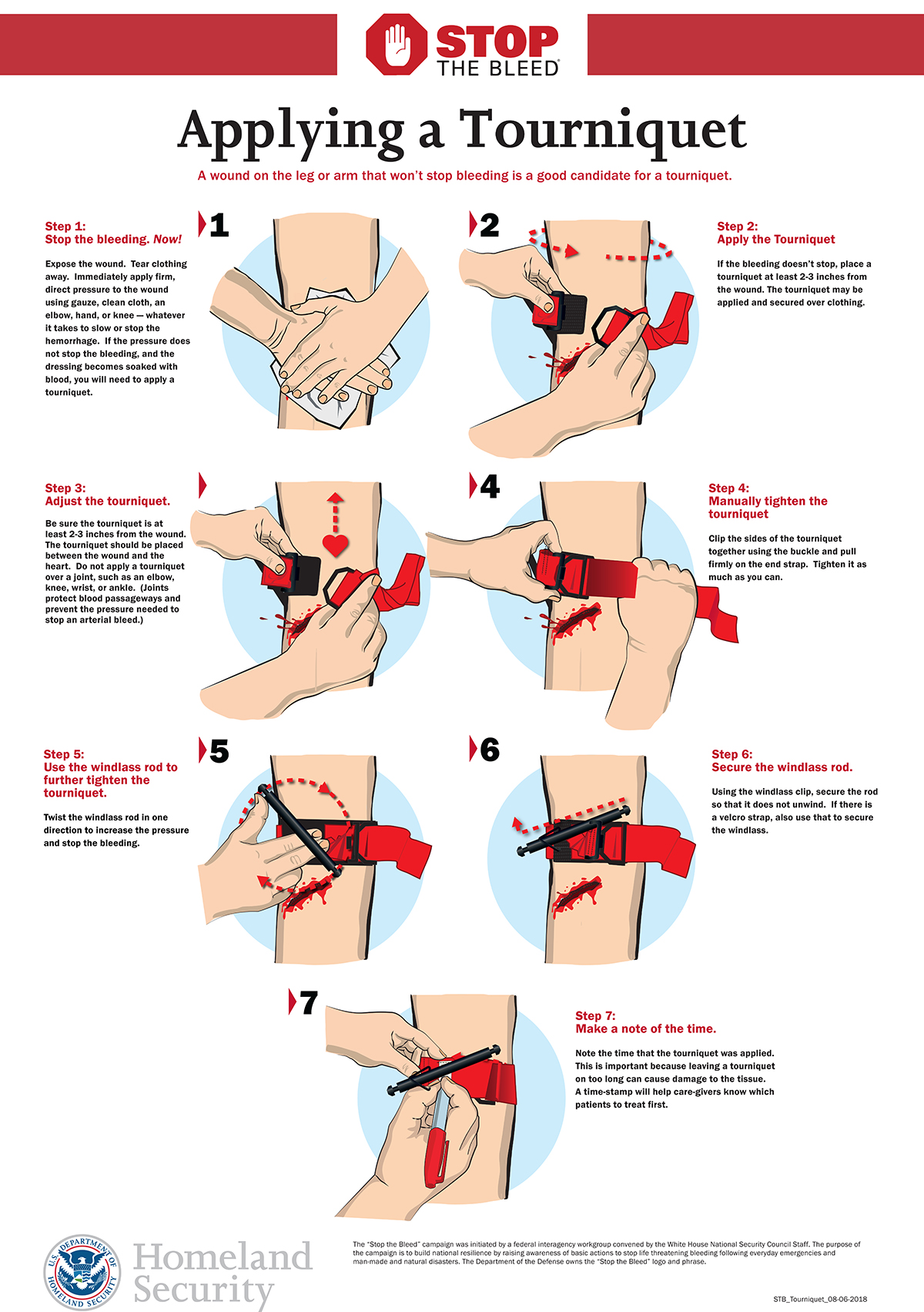
Stop the Bleed training teaches basic hemorrhage control that any adult can learn in two hours. Tourniquets, pressure dressings, and wound packing aren't complex skills, but they require training and practice. Most people freeze when confronted with serious bleeding.
Medical supplies need to be positioned throughout the building, not just in a first aid kit in the office. Trauma kits should be accessible during lockdown situations and clearly marked for emergency use. Someone needs to know where they are and how to use them.
Evacuation of wounded requires planning too. How do you move an injured person who can't walk? Which exits provide access for ambulances? How do you communicate casualty information to incoming medical personnel? These aren't tactical questions, but they're life-and-death decisions.
The training gap
Most civilian active shooter training is designed for office buildings or schools, not religious settings. The dynamics are different. Religious services involve predictable schedules, mixed age groups, and emotional environments that don't translate well from corporate training scenarios.
Congregations need training that addresses their specific vulnerabilities. How do you evacuate elderly congregants who use mobility aids? What about families with small children? How do you maintain security during events with multiple entrances in use?
The training also needs to address the psychological realities of violence in sacred spaces. Many religious people struggle with the concept of using force in a house of worship. That's a theological discussion each congregation needs to have before the crisis occurs.
Regular drills are essential but need to be age-appropriate and trauma-informed. Children don't need graphic descriptions of active shooters, but they do need to understand basic safety procedures. Adults need realistic training that prepares them for actual violence, not sanitized scenarios.
Professional instruction makes a difference. Local police, military veterans, and security professionals can provide training that goes beyond online courses or YouTube videos. But make sure instructors understand religious environments and community dynamics.
Long-term implications
The Pittsburgh shooting changed how many religious communities think about security. Some congregations installed metal detectors, hired armed guards, or implemented fortress-like security measures. Others rejected visible security as incompatible with their mission.
The middle path involves security measures that enhance safety without destroying the welcoming nature of religious worship. Trained volunteers, improved communication systems, and better coordination with law enforcement can provide security without creating an armed camp atmosphere.
But there's no perfect solution. Any security measure involves trade-offs between safety and accessibility. Locked doors that keep out attackers also prevent people from seeking sanctuary. Armed volunteers who can respond to threats also create liability and training requirements.
The Pittsburgh community's response showed both the challenges and possibilities. Congregations came together to support victims, share security resources, and coordinate with law enforcement. That community resilience proved more valuable than any individual security measure.
Building realistic capability
Look, most congregations aren't going to become tactical teams, and they shouldn't try. But they can build realistic defensive capability through training, planning, and community coordination.
Start with threat assessment. What are the actual risks in your area? Is it domestic terrorism, property crime, or disruptive individuals? Different threats require different responses. Don't plan for Hollywood scenarios while ignoring real local problems.
Focus on systems, not heroes. Individual armed volunteers are part of a larger security system that includes early warning, communication, evacuation, medical response, and law enforcement coordination. No single element works alone.
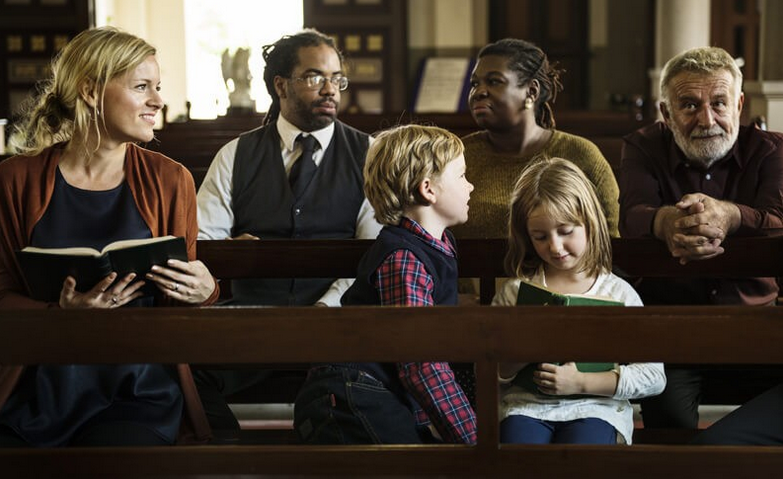
Train regularly but realistically. Monthly security meetings and quarterly drills keep skills current without creating paranoia. Include families in age-appropriate training so everyone understands basic procedures.
Document everything. Security plans, training records, and incident reports create legal protection and help improve procedures over time. Insurance companies and law enforcement agencies need this documentation to provide proper support.
The Pittsburgh shooting was a tragedy that exposed serious vulnerabilities in how religious communities prepare for violence. But it also showed that coordinated response, community support, and professional law enforcement can limit casualties and help communities recover.
Your congregation's security doesn't need to be perfect. It needs to be better than doing nothing. That starts with honest assessment of threats and capabilities, continues with realistic training and planning, and requires ongoing commitment from leadership and volunteers.
The goal isn't to create a fortress. It's to build resilience that protects your community while preserving the values that make religious worship meaningful. That's harder than buying guns or installing cameras, but it's the work that actually saves lives.