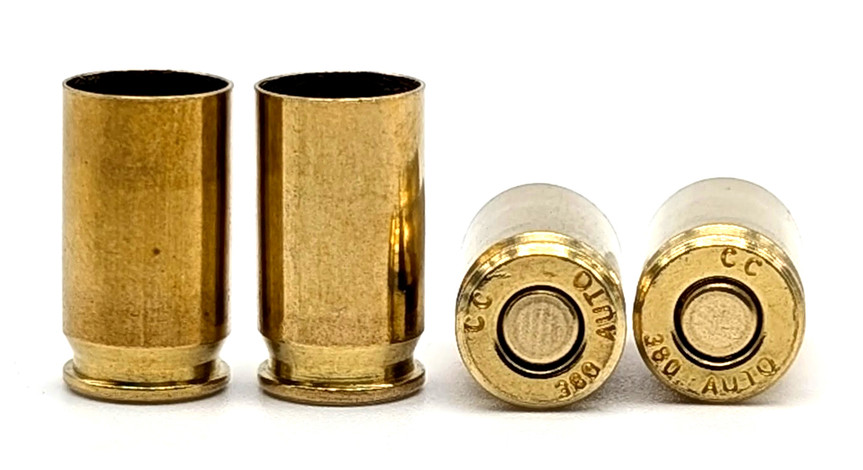
You're looking at .380 ACP brass and wondering if it's worth setting up for. Factory ammo runs 30-40 cents per round for decent stuff, sometimes less on sale. Your buddy with the Dillon keeps telling you to start reloading, but honestly, .380 might be the worst caliber to cut your teeth on from a pure economics standpoint.
Here's the thing: .380 ACP sits in this weird middle ground where the savings aren't obvious like they are with .300 Blackout or .45 ACP. The cases are small, the powder charges are tiny, and you're not shooting enough volume to justify a progressive setup unless you're running a training academy. But there are still reasons to reload .380, and the press choice matters more than you'd think.
The real question isn't whether to reload .380; it's whether your shooting habits and accuracy goals make the time investment worth it, and which press setup actually makes sense for the volume you'll realistically produce.
The economics don't lie (but they're not the whole story)
Let's start with the numbers because that's where most people get hung up. Quality factory .380 ACP runs about 35 cents per round when you're not panic-buying. Cheap range ammo can drop to 25 cents if you catch sales and buy in bulk. Your reloading cost breaks down to roughly 18-22 cents per round, depending on components.
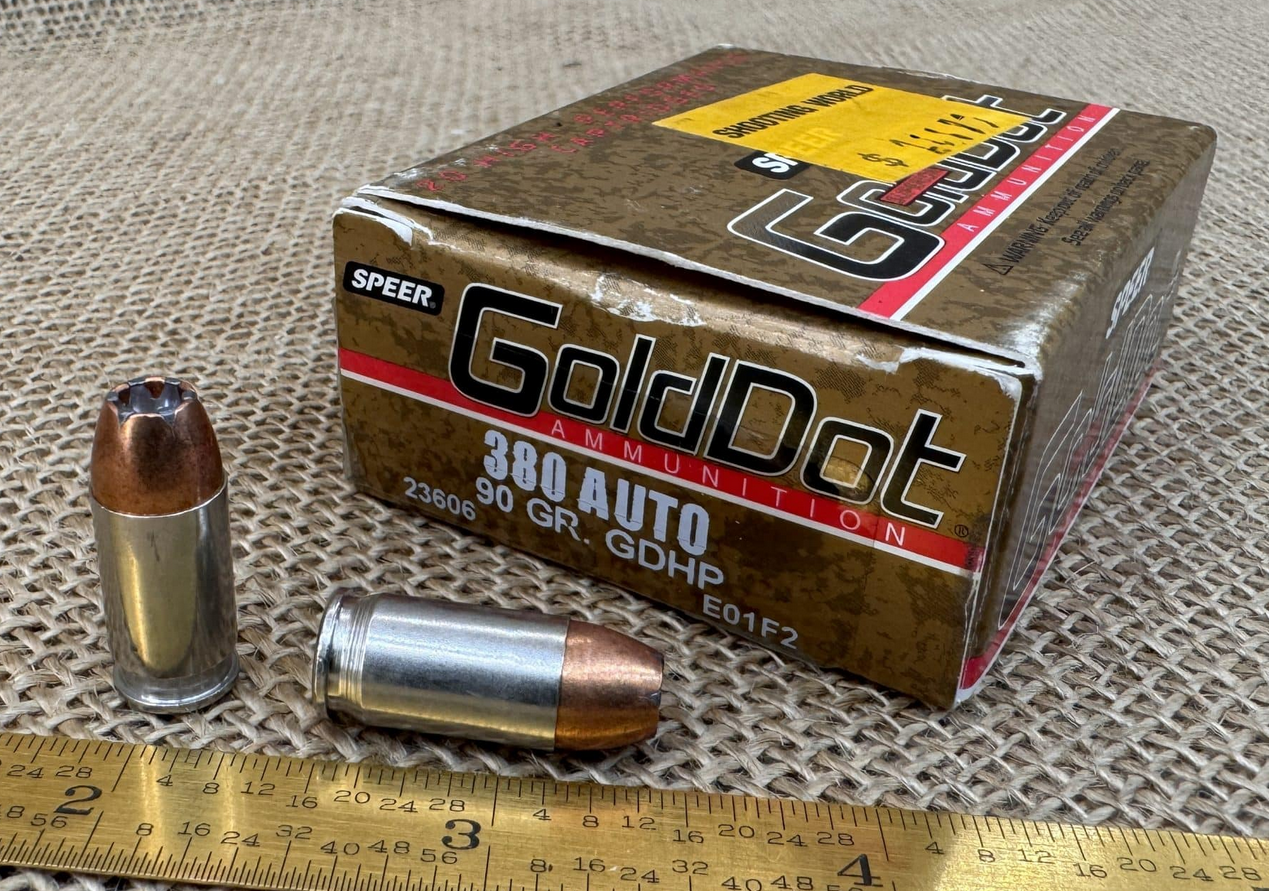
That's a savings of 10-15 cents per round. Sounds decent until you factor in your time. If you're cranking out 100 rounds on a single-stage press, you're looking at 2-3 hours including case prep. That's $10-15 in savings for 3 hours of work. The math gets worse when you consider the upfront equipment cost.
But here's what the spreadsheet warriors miss: most people who reload .380 aren't doing it purely for cost savings. They're chasing specific performance goals that factory ammo can't deliver, or they're dealing with supply issues in their area. Maybe they've got a vintage Colt Mustang that's picky about bullet profiles, or they're running suppressed and need subsonic loads that don't exist on store shelves.
The volume question changes everything too. If you're shooting 50 rounds a month, reloading .380 makes zero financial sense. If you're burning through 500 rounds monthly for competition or training, the math shifts dramatically. At that volume, you're saving $50-75 per month, which starts to justify equipment costs within a year.
Single-stage reality check
Most reloaders start with single-stage presses, and .380 ACP actually works well for this approach. The small cases are easy to handle, and the light powder charges mean you're not fighting heavy spring tension or dealing with case extraction issues that plague some bottleneck rifle cartridges.
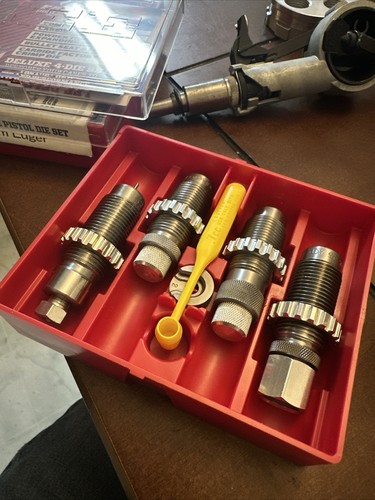
A basic single-stage setup for .380 runs about $200-300 total: RCBS Rock Chucker or Lee Classic Cast press ($120-150), Lee or RCBS carbide die set ($40-60), scale ($50-80), and basic hand tools. The carbide dies are non-negotiable for .380, the cases are too small and numerous to mess around with case lube every time.
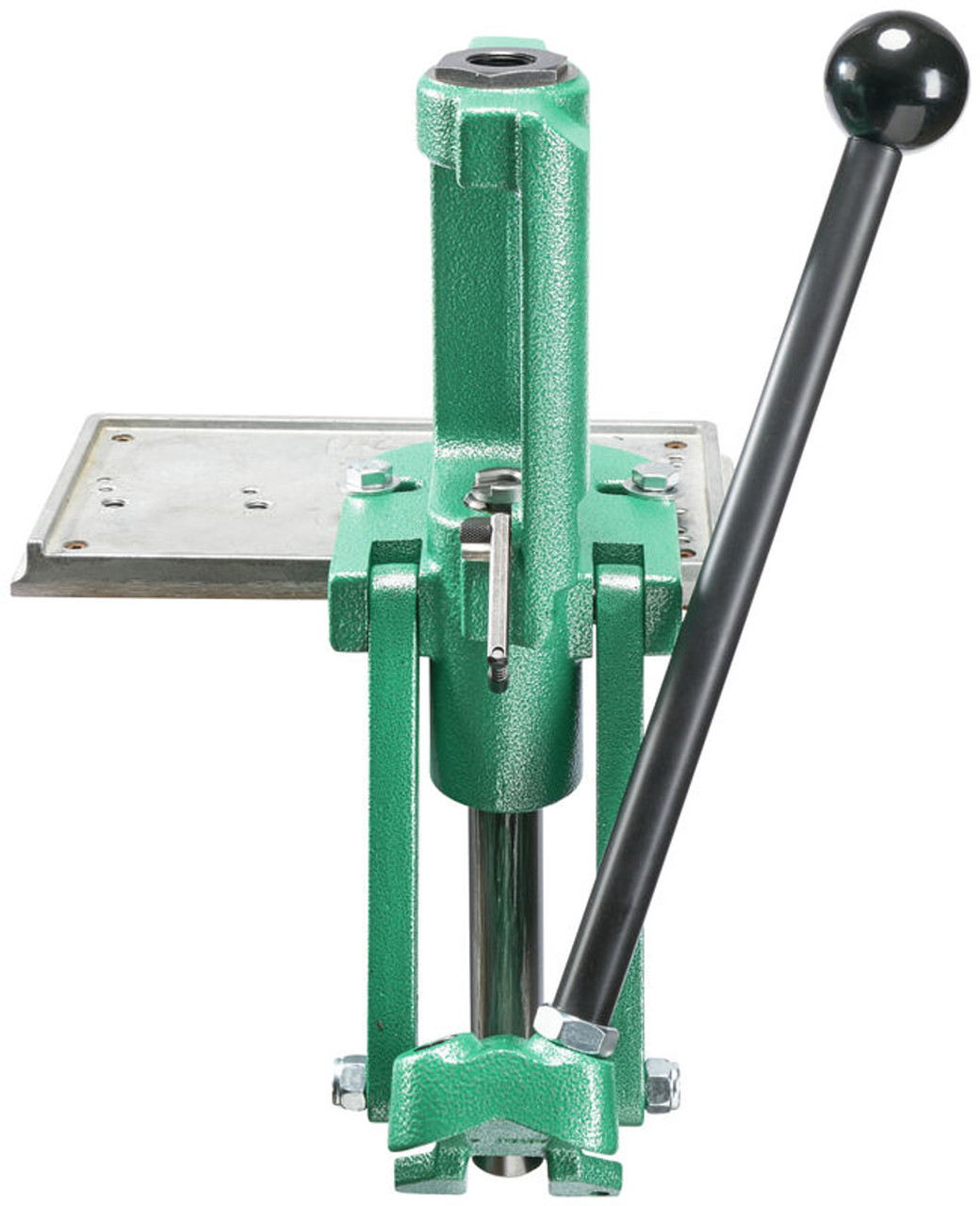
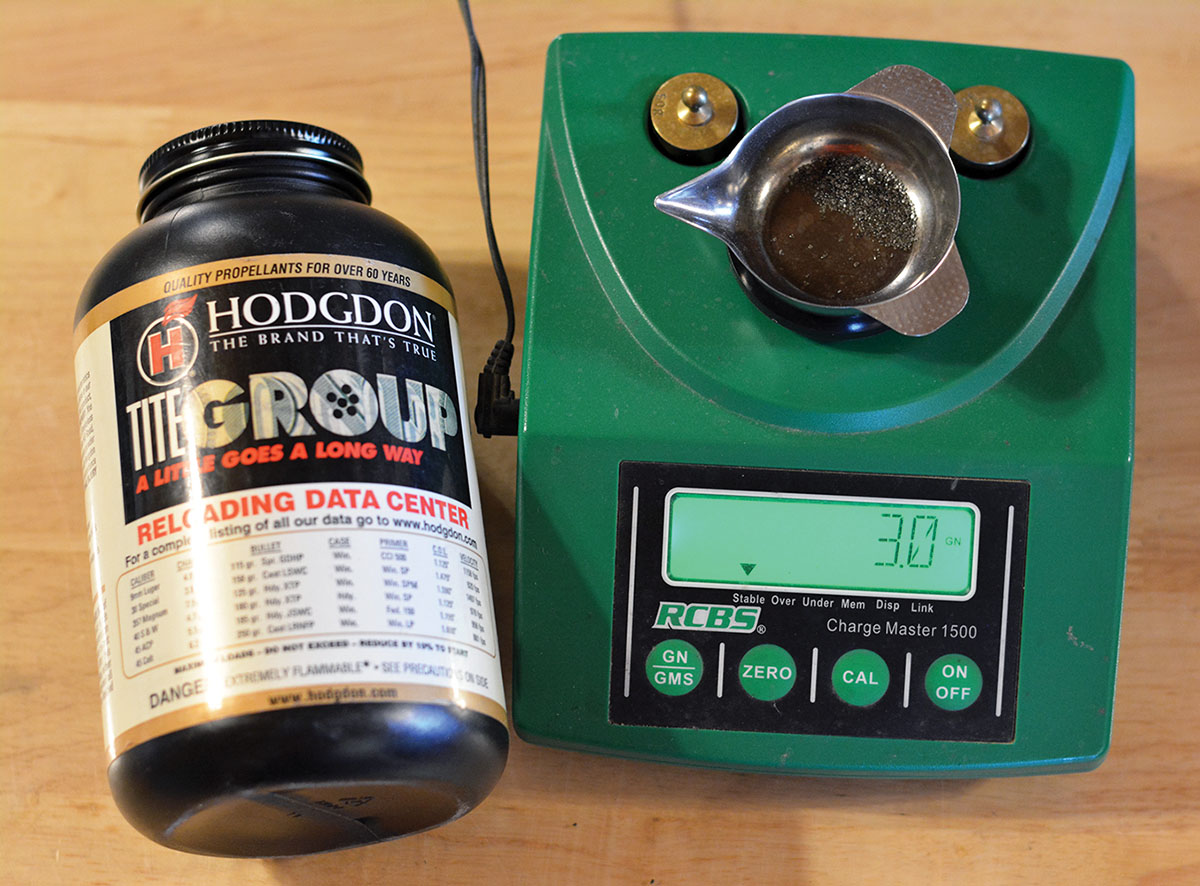
Production rates on a single-stage press typically run 40-60 rounds per hour once you're in a rhythm. That includes case inspection, charging, seating, and crimping. The limiting factor isn't the press mechanics, it's the powder charging step. .380 ACP uses 3.0-4.5 grains of powder depending on bullet weight and powder choice. Those tiny charges require careful attention to avoid double-charges or light loads.
What actually works: batch processing. Size and deprime all your cases in one session. Prime them in another session. Charge and seat bullets in a third session. This approach minimizes setup time and reduces the chance of mixing up steps. You'll get consistent results and maintain better focus on each operation.
The single-stage approach makes sense if you're loading 200 rounds or fewer per month, want maximum control over each step, or you're loading multiple calibers and don't want to invest in caliber-specific progressive tooling for each one.
Progressive press considerations
Progressive presses for .380 ACP solve the volume problem but create new challenges. The Dillon RL550C, Hornady Lock-N-Load AP, and Lee Pro 4000 all handle .380 ACP, but the small case size creates issues that don't exist with larger pistol cartridges.
Case feeding becomes finicky with .380 cases. They're light enough that vibration can cause feeding problems, and the short overall length means they don't always orient properly in case feeders. You'll spend more time babysitting the press compared to loading 9mm or .45 ACP.
Powder charging requires extra attention too. The small charges mean your powder measure needs to be properly adjusted for consistent throws. A charge that varies by 0.2 grains isn't a big deal in .45 ACP, but it's a 5-6% variation in .380 ACP. That translates to noticeable velocity spreads and accuracy issues.
The Dillon RL550C handles .380 ACP well once properly set up. The manual indexing gives you control over each station, and the case-activated powder measure helps with consistency. Shell plate #11 fits .380 ACP, and the conversion kit runs about $60-80. Total setup cost hits $600-700 including dies and accessories.
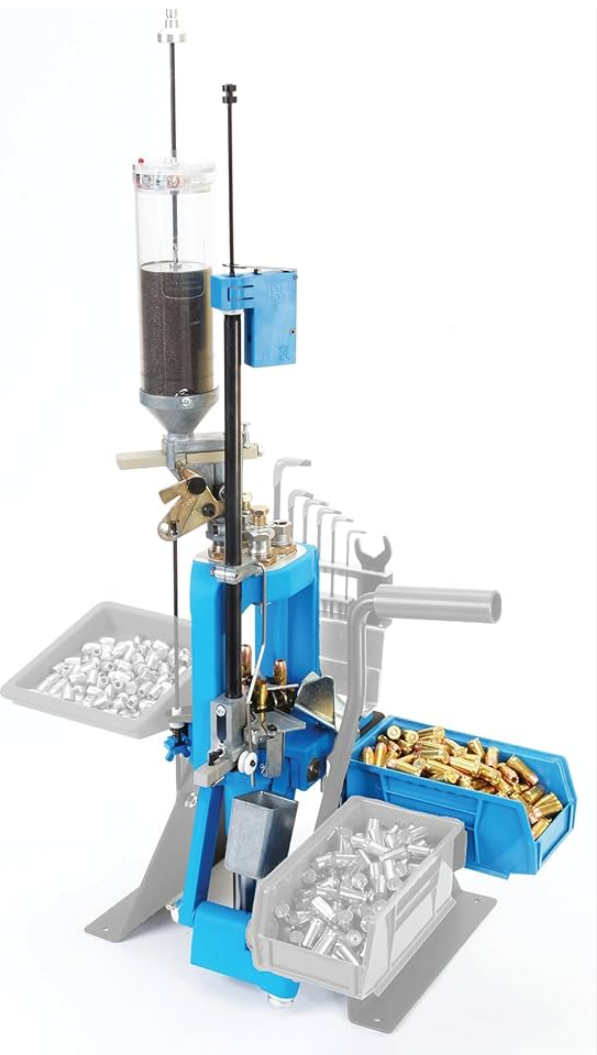
Hornady's Lock-N-Load AP uses shell plate #2 for .380 ACP and includes the case-activated powder measure. The quick-change bushing system makes caliber swaps faster than the Dillon, but initial setup takes more attention to get powder throws consistent. Expect $500-600 total investment.
Lee's Pro 4000 represents the budget progressive option at $300-400 total cost. It'll handle .380 ACP, but you'll work harder for consistent results. The case feeding isn't as smooth, and the powder measure requires more frequent adjustment.
Bench notes: what you'll actually encounter
Loading .380 ACP on either press type teaches you things that don't show up in manuals. The cases are small enough that primer pocket cleaning becomes critical, debris that wouldn't matter in larger cases will cause seating problems. A good primer pocket cleaner (RCBS or Lyman) saves time and prevents crushed primers.
Case length trimming rarely comes up with .380 ACP. The cases don't stretch much during firing, and most loads run well under maximum case length. Check a few cases from each batch, but don't expect to trim every loading cycle like you would with rifle cartridges.
Bullet seating depth matters more than most people realize. .380 ACP operates at relatively low pressures, so small changes in seating depth create noticeable velocity and accuracy differences. Start with bullets seated to crimp groove or manufacturer's recommended overall length, then adjust based on your gun's preferences.
The crimp step requires attention regardless of press type. .380 ACP headspaces on the case mouth, so you need enough crimp to remove case mouth flare without crushing the case. Too little crimp causes feeding problems; too much crimp affects accuracy and can create pressure spikes.
Common mistakes that cost time and brass
Most .380 ACP reloading problems stem from treating it like a scaled-down 9mm. The smaller case dimensions and lighter bullet weights create different challenges that catch experienced reloaders off-guard.
Over-crimping ranks as the biggest mistake. .380 cases are thin-walled compared to 9mm, and excessive crimp pressure can buckle the case or create inconsistent neck tension. Use just enough crimp to remove the case mouth flare, you should be able to feel the case mouth with your fingernail, but it shouldn't cut you.
Powder selection becomes more critical with .380 ACP than larger pistol cartridges. Fast-burning powders like Bullseye, W231, or Unique work well, but charge weights are small enough that measuring errors get magnified. Stick with established load data and work up slowly. The pressure curve is steep enough that small overcharges create big problems.
Mixed brass causes more issues in .380 than other calibers. Case capacity variations between manufacturers (Winchester, Starline, Federal) affect pressure and velocity more noticeably when you're working with 3-4 grain powder charges. Sort by headstamp if accuracy matters, or at least avoid mixing brass within the same loading session.
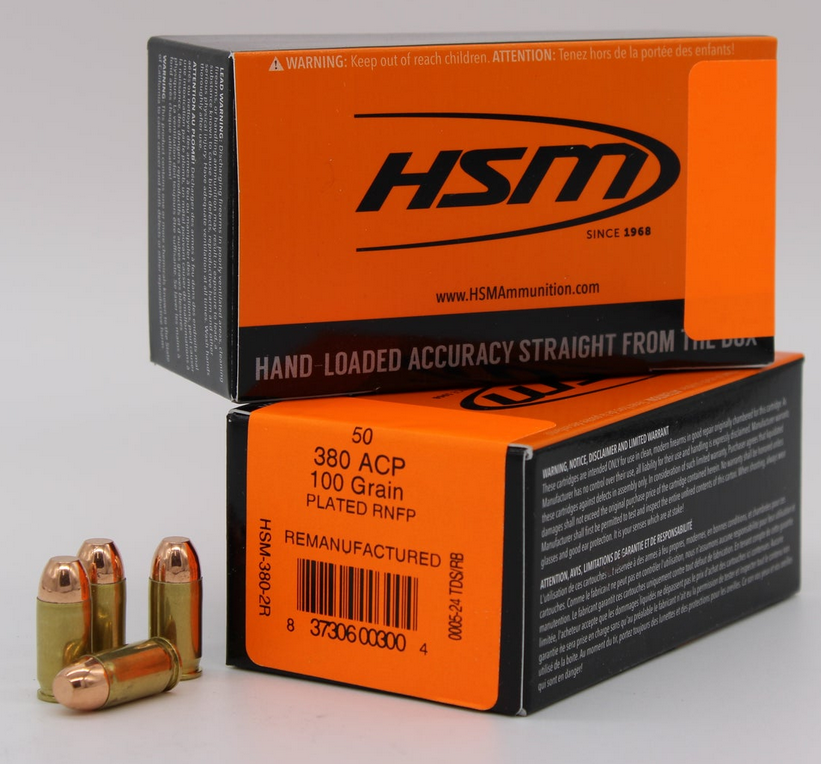
Bullet selection gets overlooked because .380 ACP options seem limited. Most reloaders default to 90-95 grain FMJ bullets, but 100-grain options often shoot better in many guns. Hollow point bullets require different seating depths and crimp settings than FMJ bullets. Test different bullet weights and styles, the performance differences are more pronounced than you'd expect.
Case preparation shortcuts create problems down the line. .380 cases are small enough that primer pocket debris, case mouth burrs, or sizing die adjustment issues cause immediate problems. Spend time on initial case prep, and your subsequent loading sessions will run smoother.
Equipment comparison: what actually matters
Press choice for .380 ACP depends more on your volume and patience level than pure capability. Any quality single-stage or progressive press will produce accurate .380 ACP ammunition if properly set up.
Single-stage options: The RCBS Rock Chucker Supreme handles .380 ACP without drama. The heavy frame eliminates flex during sizing, and the compound leverage makes case sizing effortless. At $150-170, it's the standard against which other single-stage presses get measured.
Lee's Classic Cast press offers similar performance for $120-140. The cast iron frame provides rigidity, and the safety primer system works well with small pistol primers. The included shell holder and primer arm make it a complete package.
Hornady's Lock-N-Load Classic runs $130-150 and includes the bushing system for quick die changes. If you're loading multiple calibers, the convenience factor justifies the slight price premium.
Progressive options: The Dillon RL550C represents the gold standard for progressive pistol loading. The manual indexing prevents timing issues, and the case-activated powder measure delivers consistent charges. Dillon's customer service and lifetime warranty justify the $400-450 base price.
Hornady's Lock-N-Load AP offers similar performance with automatic indexing and the quick-change bushing system. The case-activated powder measure works well with .380 ACP, and caliber changes take less time than the Dillon. Base price runs $350-400.
Lee's Pro 4000 provides progressive functionality at $250-300, but requires more operator attention. The case feeding system works adequately with .380 ACP, but expect to manually feed cases occasionally. The powder measure needs frequent adjustment for consistent throws.
Dies and accessories: Carbide dies are mandatory for .380 ACP regardless of press choice. Lee's carbide die set runs $40-50 and includes a factory crimp die that works well for .380 ACP. RCBS and Hornady sets cost $50-60 but offer slightly better case mouth treatment.
Shell holders vary by manufacturer but perform identically. RCBS #10, Lee #2, and Hornady #2 all fit .380 ACP cases. Buy the shell holder that matches your press manufacturer for best fit.
Case gauges help ensure proper sizing and overall length. The Lyman case gauge for .380 ACP costs $15-20 and catches sizing problems before they become feeding issues in your gun.
Volume calculations and break-even analysis
The financial break-even point for .380 ACP reloading depends on your component costs, time valuation, and shooting volume. Using realistic numbers, here's how the math works out:
Single-stage setup costs:
Press: $150
Dies: $50
Scale: $70
Hand tools: $40
Total: $310
Progressive setup costs:
Press (Dillon RL550C): $450
Dies: $50
Conversion kit: $70
Accessories: $80
Total: $650
Per-round costs:
Factory ammo: $0.30-0.35
Reloaded ammo: $0.18-0.22
Savings: $0.10-0.15 per round
At 100 rounds per month, single-stage reloading breaks even after 24-31 months. Progressive reloading takes 52-65 months to break even at that volume. The math only works if you value your reloading time at zero.
At 300 rounds per month, single-stage breaks even in 8-10 months, while progressive breaks even in 17-22 months. This volume level makes reloading financially sensible, especially if you enjoy the process.
At 500+ rounds per month, both approaches break even within 12 months, and the progressive press starts making sense from a time-efficiency standpoint. You'll produce 500 rounds in 8-10 hours on a progressive versus 15-20 hours on a single-stage.
When .380 ACP reloading makes sense
The decision to reload .380 ACP rarely comes down to pure economics. Most reloaders who stick with .380 ACP have specific reasons that justify the time investment.
Accuracy optimization: Factory .380 ACP ammo is loaded to function in everything from pocket pistols to full-size guns. That means conservative powder charges and bullet choices that may not optimize accuracy in your specific firearm. Handloading lets you tune bullet weight, powder charge, and seating depth for your gun's preferences.
Suppressor use: Subsonic .380 ACP loads aren't common on store shelves, but they're easy to develop with slower powders and heavier bullets. A 100-grain bullet over 2.8 grains of Trail Boss produces 850-900 fps from most barrels while cycling reliably.
Vintage firearms: Older .380 ACP pistols sometimes prefer specific bullet profiles or lighter loads than modern factory ammunition provides. Handloading lets you match ammunition to your firearm's design parameters.
Supply reliability: .380 ACP availability varies significantly by region and market conditions. Reloading provides ammunition independence when local supplies dry up or prices spike.
Component availability: .380 ACP brass, bullets, and powder remain available when loaded ammunition disappears from shelves. Having reloading capability provides insurance against supply disruptions.
The press choice depends on your volume and patience level. Single-stage presses work well for accuracy development, load testing, and moderate volume shooting. Progressive presses make sense when you're shooting 300+ rounds monthly or want to minimize loading time.
Load development and testing approach
.380 ACP responds well to systematic load development, but the small powder charges require careful attention to detail. Start with published load data from powder manufacturers, Hodgdon, Alliant, and Accurate publish extensive .380 ACP data that covers most bullet weights and powder combinations.
Begin load development with mid-range charges and work up in 0.1-grain increments. The small case capacity means pressure rises quickly, and signs of excessive pressure (flattened primers, difficult extraction) appear suddenly. Most .380 ACP loads run best at 85-95% of maximum published charges.
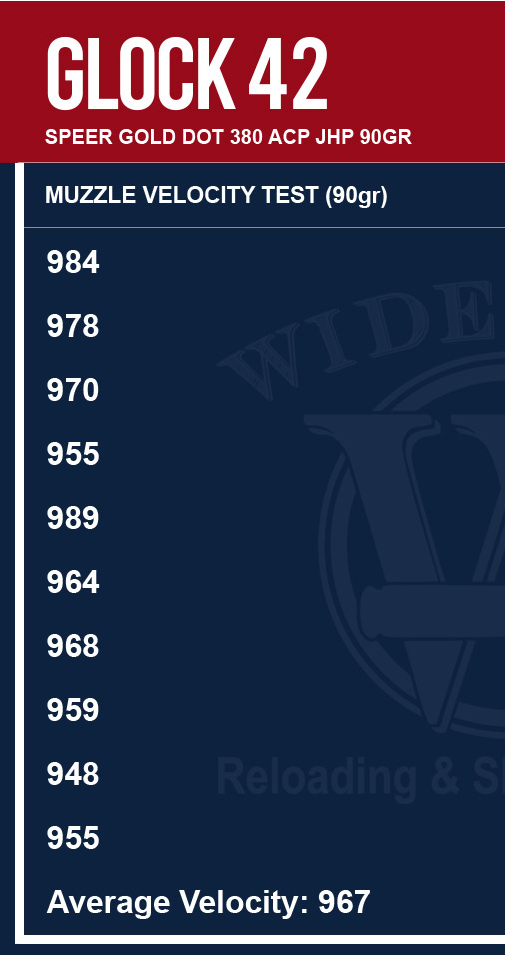
Chronograph testing reveals more about .380 ACP loads than target shooting alone. Velocity consistency matters for accuracy, and the small powder charges make .380 ACP sensitive to charge weight variations. Look for standard deviations under 20 fps and extreme spreads under 50 fps for good accuracy potential.
Seating depth testing pays dividends with .380 ACP. Start with bullets seated to the crimp groove or manufacturer's recommended overall length, then test 0.010" increments longer and shorter. Most guns show a clear preference within 0.030" of the starting point.
Test loads in your actual carry or competition gun rather than a test barrel. .380 ACP performance varies significantly between different barrel lengths and chamber dimensions. A load that shoots well in a 3.5" barrel may not perform identically in a 2.75" pocket pistol.
Document everything during load development. The small charge weights and subtle performance differences make it easy to forget which combinations worked best. Record powder type, charge weight, bullet weight and manufacturer, overall length, primer type, and brass headstamp for every test batch.
Making the decision
Choose single-stage reloading for .380 ACP if you shoot fewer than 200 rounds monthly, want maximum control over each cartridge, or you're developing specialized loads for accuracy or suppressor use. The lower equipment cost and flexibility for multiple calibers make single-stage the practical choice for most recreational shooters.
Progressive reloading makes sense when you're shooting 300+ rounds monthly, time efficiency matters more than per-cartridge control, or you're committed to .380 ACP as your primary pistol cartridge. The higher equipment cost pays off through time savings at higher volumes.
Consider your actual shooting habits rather than optimistic projections. Most shooters overestimate their monthly round count by 2-3x when justifying equipment purchases. Track your current factory ammunition consumption for 3-6 months before committing to reloading equipment.
Factor in the learning curve regardless of press choice. .380 ACP reloading teaches valuable skills, but expect 3-6 months to develop efficient techniques and consistent results. The small case size and light powder charges require more attention to detail than larger pistol cartridges.
Start with a single-stage press if you're new to reloading. The skills transfer directly to progressive presses, but the reverse isn't always true. You'll develop better troubleshooting abilities and component knowledge with single-stage loading that serves you well regardless of future equipment choices.
The bottom line: .380 ACP reloading works best when you have specific performance goals that factory ammunition can't meet, or when you're shooting enough volume to justify the time investment. Choose your press based on realistic volume projections and your tolerance for setup complexity. Either approach will produce accurate ammunition if you pay attention to the details that matter.