You're lined up on a 600-yard target, perfect zero at 100, solid DOPE from last week's range session. The crosshairs settle, you break the shot clean, and watch your trace sail two MOA right of center. No wind flags moving. Your ballistic app says dead-on. What happened?
Look through your scope again. See that shimmer dancing between you and the target? That wavy distortion that makes the target edges wiggle? That's mirage, and it just told you exactly what the wind was doing while you were focused on your sight picture.
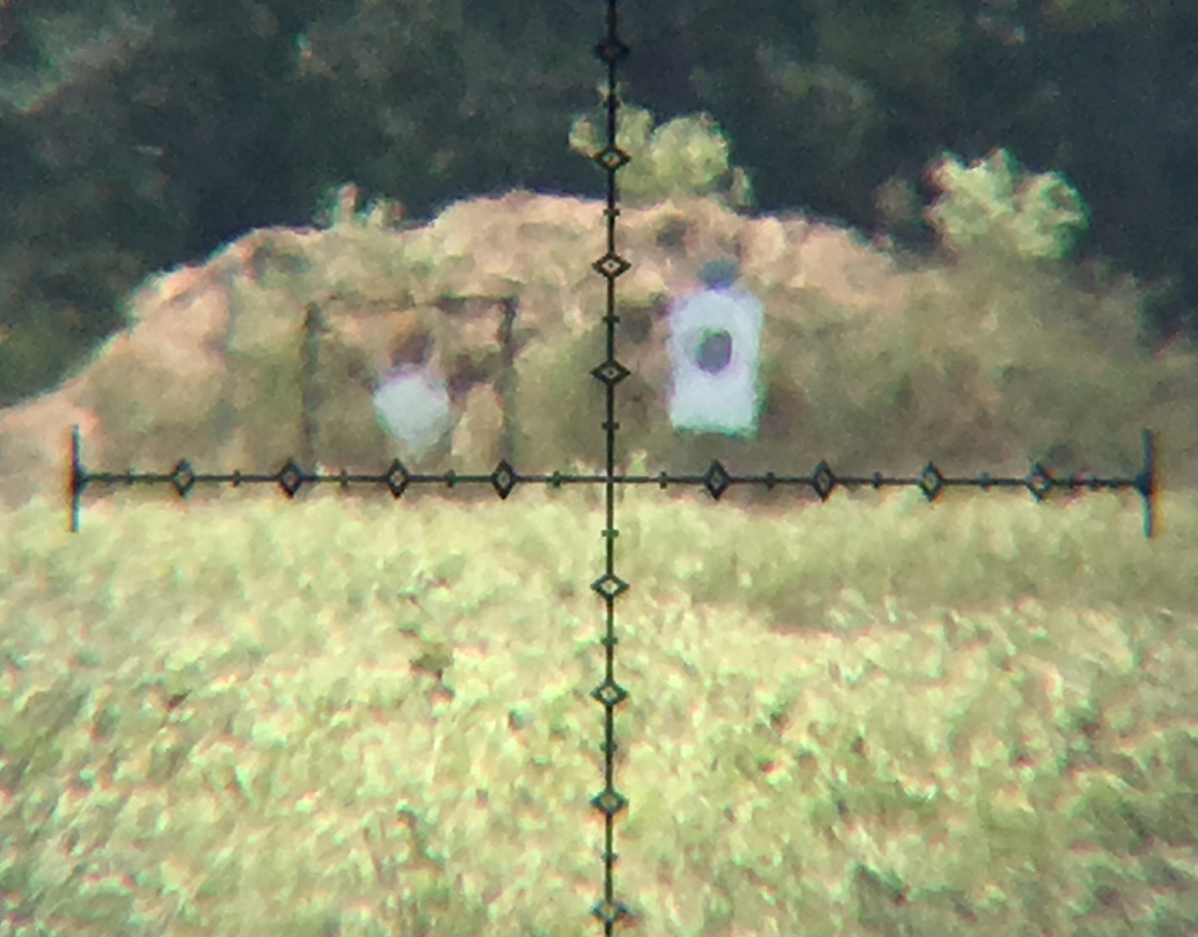
Most shooters treat mirage like visual noise, something that makes targets harder to see clearly. Here's what I've learned after thousands of rounds at distance: mirage is one of the most reliable wind indicators you have. It shows you wind speed and direction in real time, right in your scope. The problem is, most of us never learned to read what it's telling us.
What mirage actually shows you
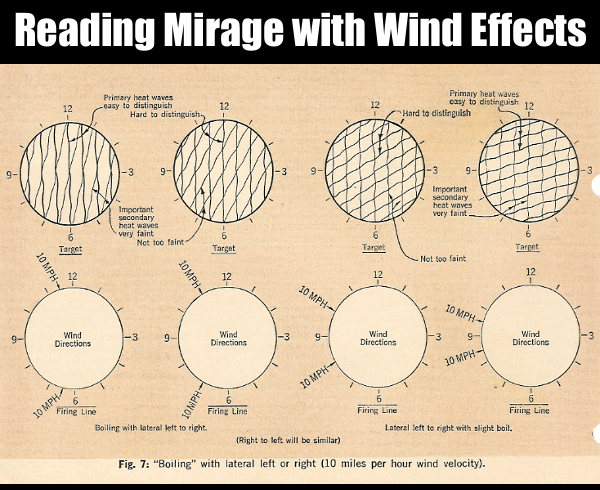
Mirage forms when light bends through layers of air at different temperatures. Hot air rises from sun-baked ground, creating vertical columns of varying density. When light passes through these columns, it refracts differently, creating that characteristic shimmer. The key insight: wind pushes these heat columns sideways, and the angle tells you wind speed.
Think of mirage as thousands of tiny wind vanes between you and your target. Each heat column wants to rise straight up, but wind pushes it over. The more wind, the more the mirage leans. No wind means vertical mirage that boils straight up. Light wind creates a slight lean. Strong wind pushes the mirage nearly horizontal.
The Marine Corps scout sniper manual breaks mirage angles into practical categories. Vertical mirage indicates 0-3 mph wind. Mirage angled at about 45 degrees shows 3-5 mph. When mirage runs nearly horizontal, you're looking at 8-12 mph or more. These aren't precise measurements, but they're consistent enough to make better wind calls than guessing.
Here's what makes mirage particularly useful: it shows you what's happening along your entire bullet path, not just at your position or the target. Wind flags only tell you conditions at specific points. Mirage gives you a continuous read from muzzle to target.
Reading mirage patterns through your scope
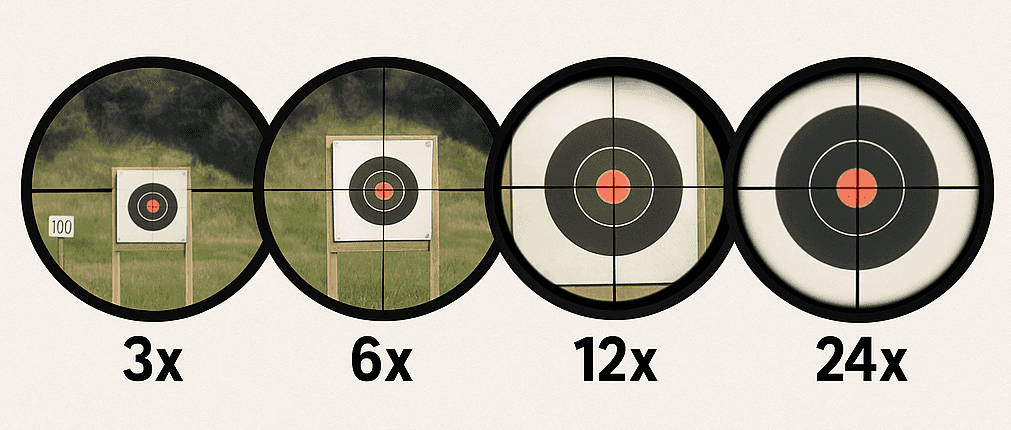
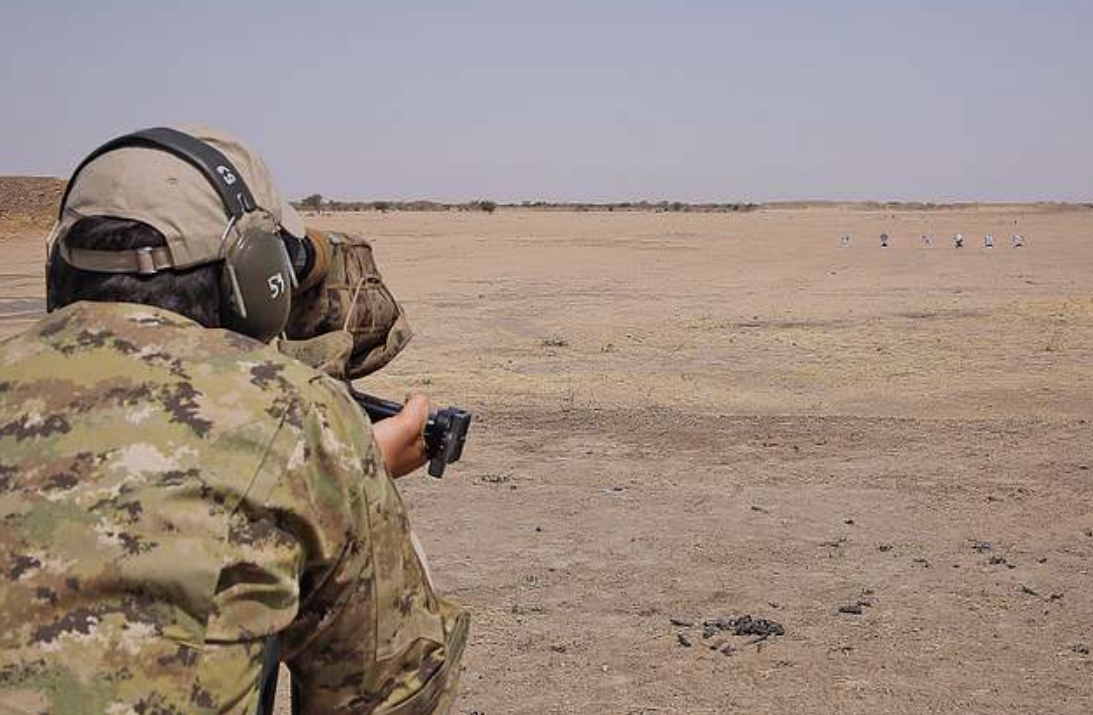
The best mirage reading happens through your rifle scope, not a spotting scope. You're already behind the rifle, and you need to see conditions along your exact line of sight. Set your scope to about 12-15x magnification, enough to see mirage clearly without so much power that atmospheric distortion becomes overwhelming.
Look for mirage about one-third of the way to your target. This gives you the clearest view of heat columns without getting lost in target-area turbulence. On a 600-yard shot, focus your attention around 200 yards out. The mirage will be strong enough to read clearly but not so distant that atmospheric effects muddy the picture.
Watch the mirage for 10-15 seconds before taking your shot. Mirage changes as wind conditions shift, and you want to time your shot for consistent conditions. I've seen mirage go from vertical to 45-degree lean in under a minute as thermal currents change.
Pay attention to mirage consistency across your field of view. Uniform mirage angle means steady wind conditions, good for shooting. Patchy mirage with different angles in different areas means shifting winds. Wait for more consistent conditions or adjust your wind call for the most recent pattern.
Temperature gradients and mirage intensity
Mirage strength depends on temperature differences between ground and air. The bigger the temperature gap, the stronger the mirage. This is why you see intense mirage on hot, sunny days when the ground heats up significantly above air temperature. Overcast days produce weaker mirage because ground heating is reduced.
Morning and evening shooting often provide the clearest mirage reading. Early morning, when cool air sits over ground that's still warm from the previous day, creates excellent mirage conditions. Late afternoon, as the ground reaches peak heating, also produces strong, readable mirage.
Cold weather shooting presents different challenges. Snow-covered ground actually creates reverse mirage, cold air near the surface with warmer air above. This can create mirage that appears to flow downward rather than up. The wind-reading principles still apply, but the visual reference changes.
Altitude affects mirage intensity too. Higher elevations with thinner air produce weaker mirage for the same temperature differential. At 8,000 feet, you might need stronger temperature gradients to get the same mirage visibility you'd see at sea level.
Range notes: Mirage vs. wind flags
I spent a season at our local 600-yard range comparing mirage calls to wind flag readings. The range has flags every 100 yards, so it's perfect for checking mirage accuracy. What I found: mirage consistently showed wind changes 15-30 seconds before the flags responded.
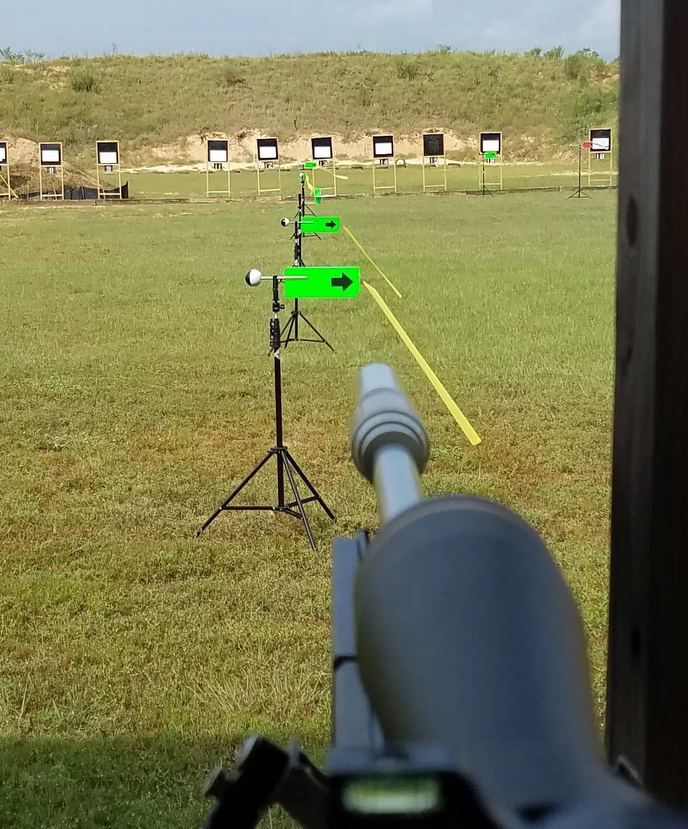
The reason makes sense when you think about it. Mirage shows you air movement throughout the entire atmospheric column. Wind flags only move when surface wind reaches them. Upper-level wind changes affect mirage first, then work their way down to flag level.
This early warning system proved incredibly valuable for timing shots. When I saw mirage angle change, I'd wait to see if the flags followed. If they did, I'd adjust my wind call. If the flags stayed steady, I'd stick with my original call, knowing the upper-level change might not affect my bullet path significantly.
The most dramatic example happened during a summer afternoon session. Mirage went from vertical to 30-degree lean over about 45 seconds. The flags didn't move for another two minutes. When they finally responded, they showed a 6 mph wind shift that would have cost me 1.5 MOA at 600 yards.
Common mirage reading mistakes
Ignoring mirage direction. Mirage angle tells you wind speed, but mirage direction tells you wind direction. If mirage leans right, wind is coming from the left, pushing your bullet right. This sounds obvious, but I've watched shooters correctly read mirage speed and completely miss the direction component.
Reading mirage too close to the rifle. Mirage within 50 yards of your position often shows local thermal effects rather than true wind conditions. Concrete shooting benches, hot rifle barrels, and even your body heat create localized mirage that doesn't represent downrange conditions.
Focusing on target-area mirage. Mirage right around the target can be influenced by target stands, berms, and other range infrastructure. These create turbulence that doesn't reflect the wind your bullet experiences during most of its flight path.
Confusing mirage with scope focus issues. Beginning mirage readers sometimes mistake scope parallax or focus problems for mirage effects. True mirage moves and shifts. Focus issues create consistent distortion that doesn't change over time.
Reading mirage in the wrong light conditions. Mirage reading works best with the sun at your back or to the side. Shooting directly into the sun washes out mirage visibility. Backlighting makes mirage nearly impossible to read accurately.
Mirage in different shooting environments
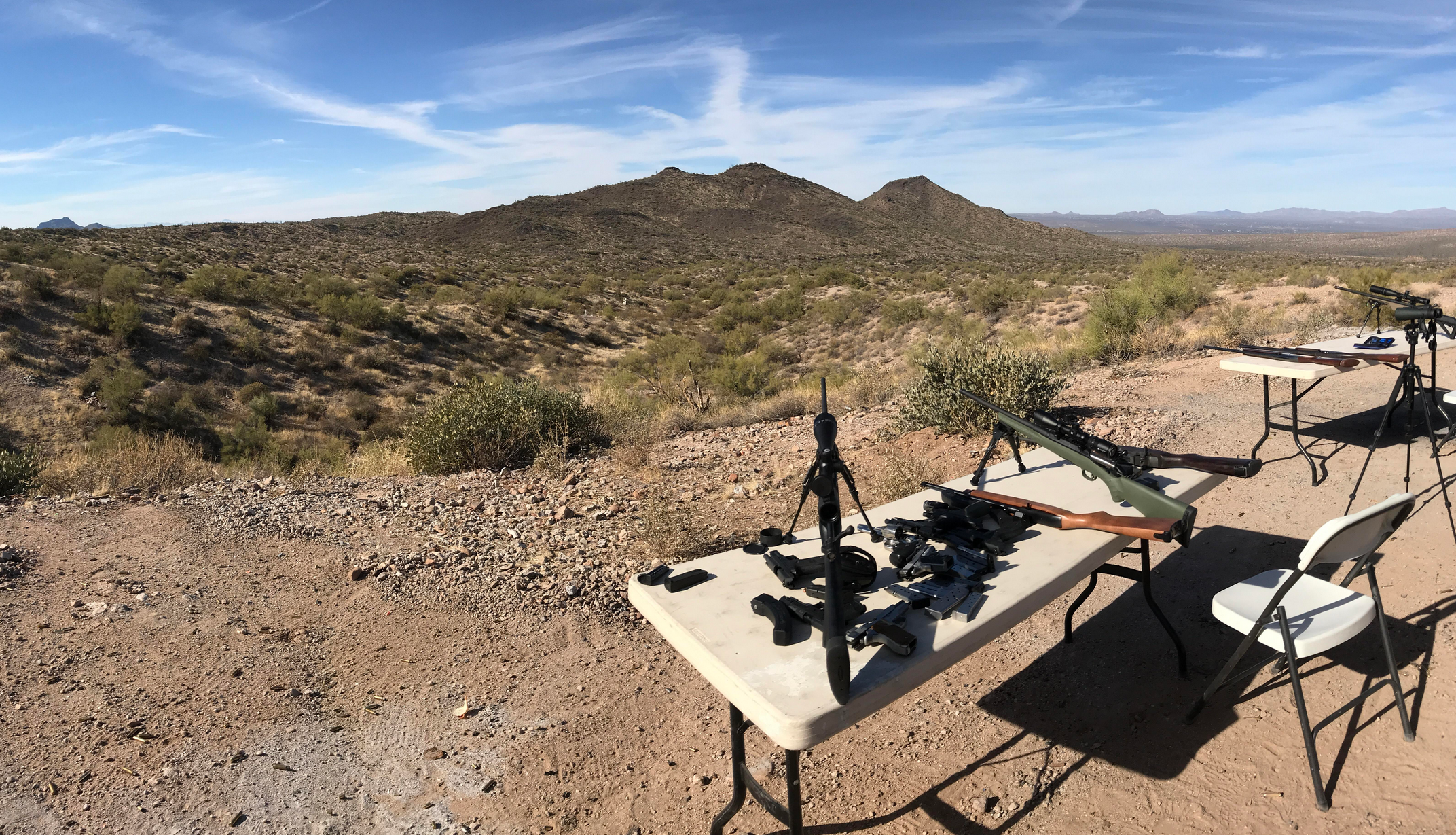
Desert shooting amplifies mirage effects. Sand and rock create intense ground heating, producing strong mirage even in moderate wind conditions. The upside: mirage is easy to see and read. The downside: extreme mirage can make precise target identification difficult at long range.
Forest shooting often provides the most challenging mirage conditions. Tree cover reduces ground heating, creating weak mirage. What mirage you can see gets broken up by vegetation, making consistent reading difficult. In these conditions, rely more heavily on other wind indicators like vegetation movement.
Prairie and open field shooting offers ideal mirage conditions. Consistent ground heating with minimal obstructions creates clear, readable mirage across your entire line of sight. These environments let you see wind patterns develop and change across the landscape.
Mountain shooting presents unique mirage challenges. Elevation changes create complex thermal patterns. Valley floors heat differently than ridge lines. Wind patterns shift as thermal currents interact with terrain features. Mirage reading becomes more complex but also more critical, since traditional wind flags often don't represent the varied conditions your bullet encounters.
Using mirage for wind speed estimation
The Marine Corps system provides practical mirage-to-wind-speed conversions that work across different shooting environments. Vertical mirage indicates 0-3 mph wind, essentially no wind effect on most rifle cartridges inside 400 yards. Plan for zero wind hold.
Mirage angled at roughly 30 degrees suggests 3-5 mph wind. For a .308 175-grain match load, that's about 0.5 MOA wind hold at 600 yards. For 6.5 Creedmoor with 140-grain bullets, closer to 0.3 MOA.
Mirage at 45 degrees indicates 5-8 mph wind. Now you're looking at 0.75-1.0 MOA holds for .308, 0.5-0.7 MOA for 6.5 Creedmoor. This is where accurate wind reading becomes critical for first-round hits.
When mirage runs nearly horizontal, you're dealing with 8+ mph winds. These conditions demand careful attention to wind patterns and timing. A 10 mph full-value wind pushes a .308 175-grain bullet about 1.5 MOA at 600 yards.
Remember these are starting points, not precise measurements. Your specific cartridge, bullet weight, and ballistic coefficient will affect actual wind drift. Use mirage to establish baseline wind speed, then apply your specific ballistic data for hold calculations.
Spotting scope vs. rifle scope mirage reading
Most precision shooters eventually acquire a spotting scope, and many assume it's the better tool for mirage reading. I've used both extensively, and each has advantages depending on the situation.
Spotting scopes offer higher magnification, making mirage visible at longer ranges where rifle scope magnification isn't sufficient. For shots beyond 800 yards, a 20-60x spotting scope can show mirage details that a 5-25x rifle scope can't resolve.
The downside: spotting scopes show you mirage from a slightly different angle than your rifle scope. This offset becomes significant at longer ranges. A spotting scope positioned two feet to the left of your rifle might show different mirage conditions than what your bullet actually encounters.
Rifle scopes provide the exact line of sight your bullet follows. What you see through your rifle scope is what affects your shot. For most precision shooting inside 800 yards, rifle scope mirage reading proves more accurate than spotting scope observations.
The best approach combines both tools. Use your spotting scope to observe overall wind patterns and mirage trends while setting up for a shot. Then switch to your rifle scope for the final wind call and shot execution.
Mirage reading in competition settings
PRS matches often present challenging mirage reading scenarios. Stages with short time limits don't allow for extended mirage observation. You need to read conditions quickly and make fast wind calls.
The key is reading mirage during your stage planning, not during execution. While the previous shooter is engaging targets, watch mirage patterns. Note wind speed and direction trends. Identify any significant wind shifts or pattern changes.
During your stage, use mirage for quick wind updates between targets. A glance through your scope can confirm whether conditions have changed since your initial read. This is particularly valuable on stages with multiple target distances where wind effects vary significantly.
F-Class competition allows more deliberate mirage reading. Between the preparation time and longer course of fire, you can track mirage changes throughout your string. Use this time to correlate mirage observations with actual bullet impacts, building your mirage reading skills for future matches.
Equipment considerations for mirage reading
Scope magnification affects mirage visibility significantly. Variable power scopes offer the flexibility to adjust magnification for optimal mirage reading. Too little power and mirage becomes hard to see. Too much power and atmospheric distortion overwhelms the mirage signal.
Most precision rifles wear 3-15x or 5-25x scopes. For mirage reading, the sweet spot usually falls between 12-18x magnification. This provides enough power to see mirage clearly without excessive atmospheric distortion.
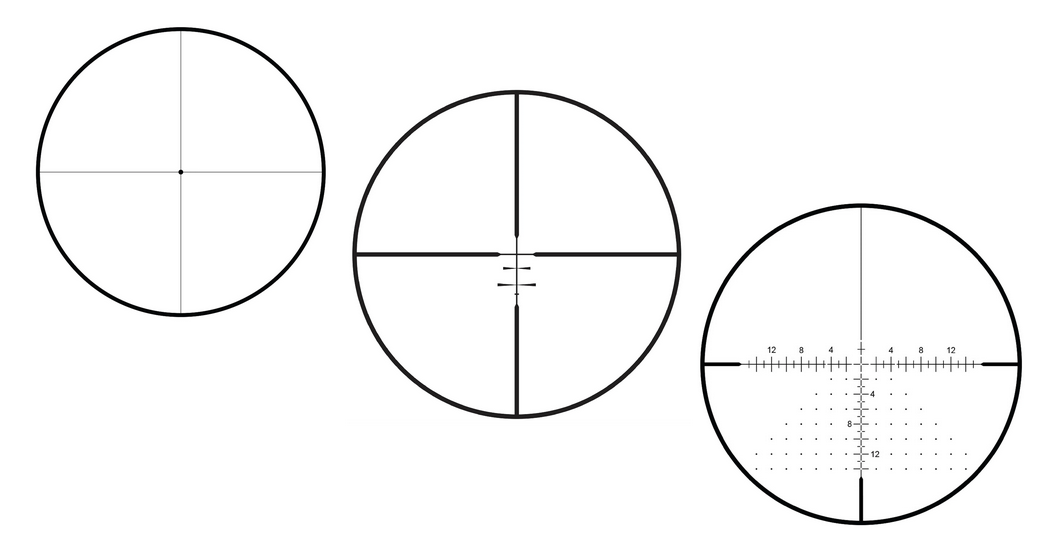
Scope reticle design can help or hinder mirage observation. Fine crosshairs or floating dots work well for mirage reading. Heavy reticles or busy Christmas tree designs can obscure subtle mirage movement. Some shooters prefer using the scope's edge-of-field-of-view for mirage observation, keeping the reticle clear for target engagement.
Lens quality matters more for mirage reading than many other shooting applications. Lower-quality glass introduces distortions that can be mistaken for mirage effects. High-quality optics provide clearer mirage visibility and more accurate wind reading.
Atmospheric conditions that affect mirage
Humidity changes mirage characteristics significantly. High humidity creates denser air that refracts light differently than dry air. Mirage appears softer and less defined in humid conditions. The wind speed indicators still apply, but mirage movement becomes less crisp.
Barometric pressure affects mirage intensity. High pressure systems often bring clear skies and strong temperature gradients, creating excellent mirage conditions. Low pressure systems with overcast skies reduce ground heating and weaken mirage formation.
Time of day dramatically impacts mirage quality. Peak mirage typically occurs 2-4 hours after sunrise when ground heating reaches maximum intensity but air temperatures haven't fully caught up. Late afternoon provides secondary peak mirage as ground temperatures remain high while air begins cooling.
Seasonal variations change mirage patterns. Summer shooting often provides the strongest mirage but also the most challenging heat distortion. Spring and fall offer excellent mirage visibility with less extreme atmospheric distortion. Winter mirage reading requires different techniques due to reduced temperature gradients.
Advanced mirage techniques
Experienced mirage readers learn to identify wind layers at different altitudes. Surface mirage shows ground-level wind. Mirage higher in your field of view indicates wind conditions 20-50 feet above ground. For long-range shooting, these upper-level winds often have more impact on bullet flight than surface conditions.
Wind gradient reading through mirage becomes critical for extreme long-range shooting. A bullet traveling to 1,000 yards spends significant time in upper atmospheric layers where wind conditions may differ from surface readings. Mirage observation at different focus distances can reveal these wind layers.
Some shooters develop the ability to read mirage movement speed, not just angle. Fast-moving mirage indicates gusty, unstable conditions. Slow, steady mirage movement suggests consistent wind. This temporal component adds another dimension to wind reading accuracy.
Mirage reading combined with natural wind indicators provides the most complete wind picture. Vegetation movement, dust patterns, and mirage observations together create a comprehensive understanding of wind conditions across your entire shooting environment.
Product comparison: Optics for mirage reading
Vortex Razor HD Gen II 4.5-27x56 offers excellent mirage visibility across its magnification range. The 15-20x setting provides optimal mirage reading for most precision shooting scenarios. Glass quality is sufficient to distinguish mirage from optical distortion.
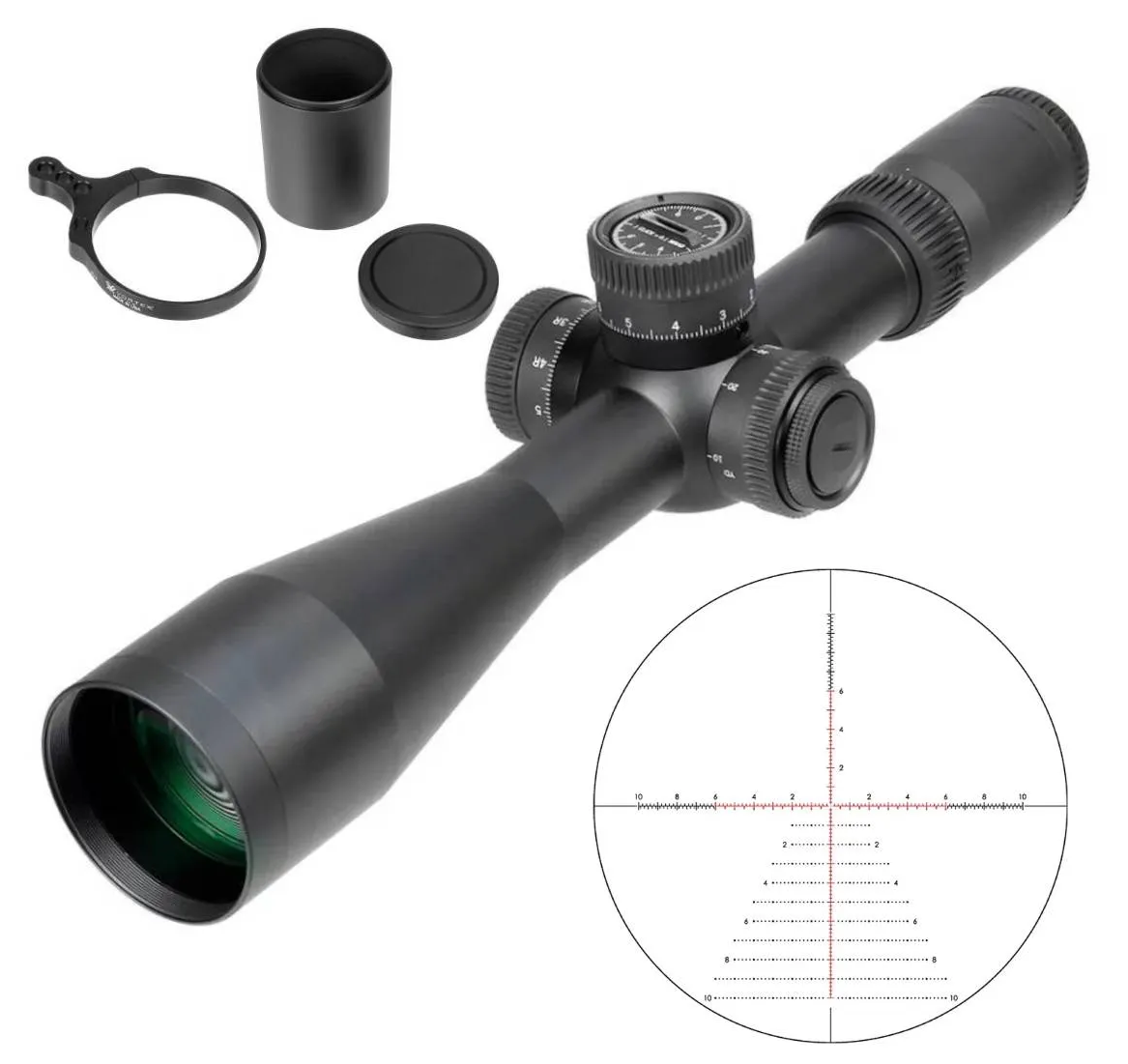
Nightforce ATACR 5-25x56 delivers superior glass clarity that enhances mirage observation. The scope tracks reliably through magnification changes, maintaining consistent mirage visibility. Slightly heavier than some alternatives but worth the weight for serious precision work.
Leupold Mark 5HD 3.6-18x44 provides good mirage reading capability in a lighter package. The 18x maximum magnification limits long-range mirage observation but works well for most precision shooting distances.
Schmidt & Bender PM II 5-25x56 represents the premium option for mirage reading. Exceptional glass quality reveals subtle mirage details that lesser optics miss. The price reflects the quality, but serious precision shooters notice the difference.
Primary Arms GLx 4-16x50 offers budget-friendly mirage reading capability. Glass quality isn't equal to premium options, but it's sufficient for learning mirage reading techniques. Good entry point for shooters developing wind reading skills.
Building your mirage reading skills
Start with known wind conditions to calibrate your mirage reading. Use range sessions with wind flags or weather stations to correlate mirage observations with actual wind measurements. This builds confidence in your mirage interpretation.
Practice mirage reading without shooting. Spend range time just observing mirage patterns and making wind speed estimates. Compare your estimates with other wind indicators. This focused practice accelerates skill development without burning ammunition.
Keep a shooting log that includes mirage observations alongside your ballistic data. Note mirage angle, wind speed estimates, and actual bullet impacts. Over time, you'll identify patterns in your mirage reading accuracy and areas for improvement.
Work with experienced shooters who can share mirage reading insights. Many precision shooting techniques are best learned through mentorship. Find shooters willing to share their wind reading experience and practice together.
When mirage reading fails
Mirage reading has limitations that every precision shooter should understand. Extremely hot days can create so much atmospheric distortion that mirage becomes unreadable. The heat waves overwhelm the wind-induced mirage movement.
Very light wind conditions often produce vertical mirage regardless of actual wind direction. In 1-2 mph winds, thermal effects dominate over wind effects. Traditional wind reading methods work better than mirage observation in these conditions.
Complex terrain creates mirage patterns that don't represent actual wind conditions affecting your bullet. Valley shooting, urban environments, and areas with significant infrastructure can produce misleading mirage readings.
Overcast conditions reduce mirage formation to the point where wind reading becomes difficult. Cold weather shooting often presents similar challenges. Have backup wind reading methods for these scenarios.
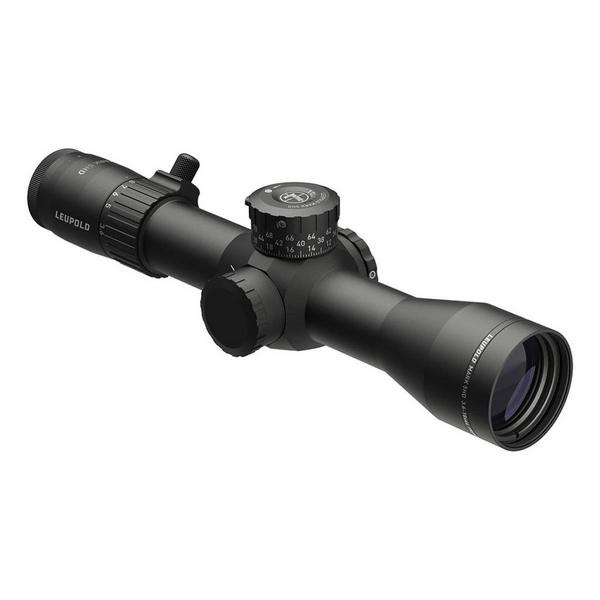
Leupold Mark 5HD 3.6-18x44 Deals
Prices may change. May contain affiliate links.
Look, mirage reading isn't magic. It's a skill that takes practice to develop and conditions that support its use. But when you can read mirage effectively, you gain a real-time wind indicator that's always available through your rifle scope. No wind flags required, no weather station needed. Just the ability to interpret what the atmosphere is showing you.
The next time you're at the range and see that shimmer dancing between you and your target, don't curse it as a distraction. Watch it for a few seconds. Note the angle, observe the movement. Make a wind call based on what you see. Then take your shot and see how close your mirage reading came to predicting the actual wind effect.
That's how you turn atmospheric distortion into useful shooting data. Start practicing mirage reading on your next range session. Your hit percentage at distance will improve once you learn to read what the air is telling you.