Your AR won't lock back on empty. Or it's launching brass into the next county. Maybe you just swapped barrels and now the bolt's cycling like it's angry at the world. Before you start buying random buffer weights, let's figure out what your rifle actually needs.
The buffer system is where most cycling problems live. Too light and you get violent extraction, bent brass, and accelerated wear. Too heavy and you get short-stroking, failure to lock back, and that frustrating click when you need bang. Here's how to tune yours without turning your lower receiver into an expensive paperweight.
What your buffer system actually does
Your buffer absorbs the bolt carrier's rearward energy, then pushes it forward to strip the next round. Simple job, but the timing matters. The bolt needs enough dwell time to extract and eject cleanly, but not so much that it's slamming around inside your extension tube.
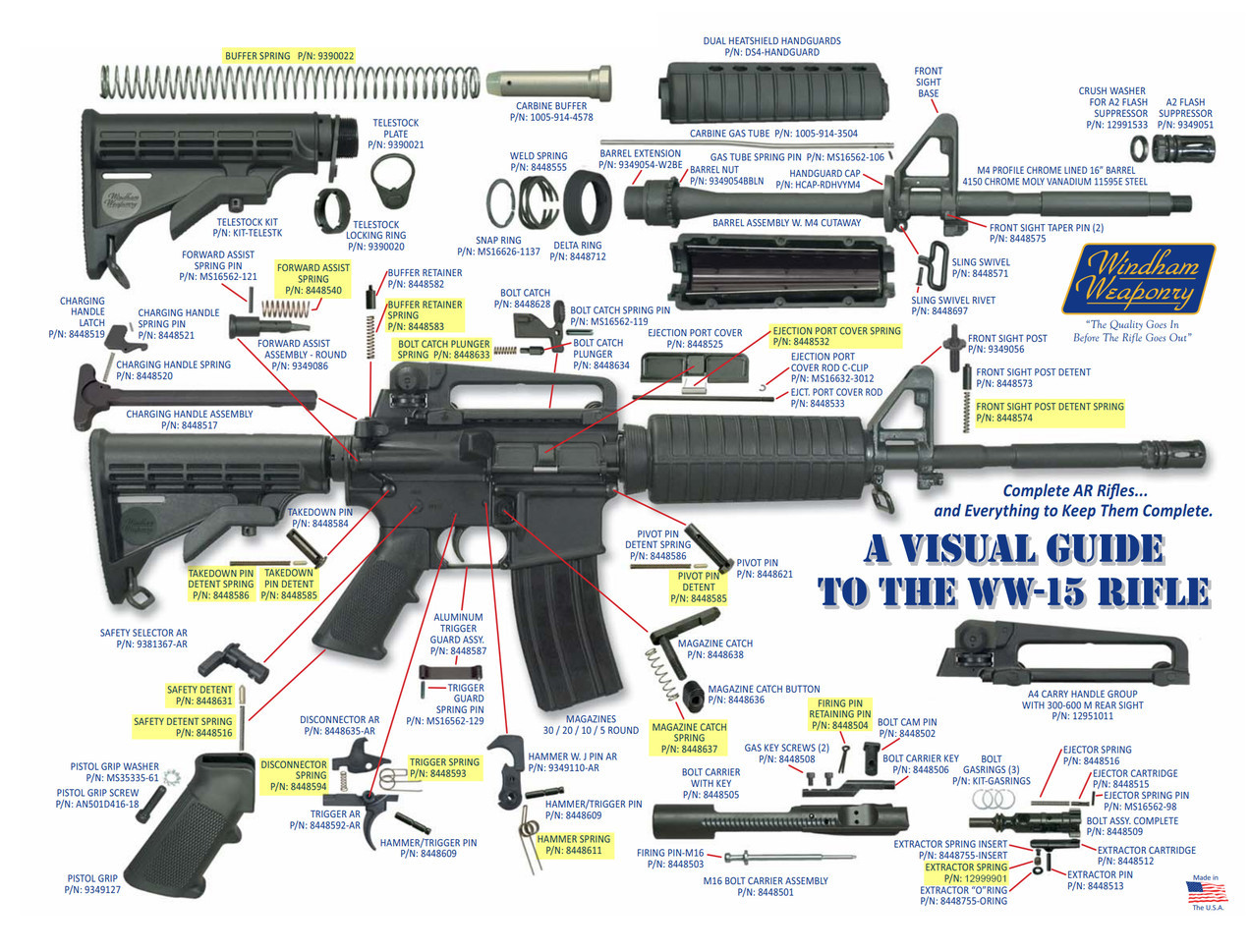
Think of it like a shock absorber. A light buffer lets the bolt move fast; good for reliable cycling with weak gas systems, bad for component life and accuracy. A heavy buffer slows everything down; good for overgassed guns and precision work, bad if your gas system can't push it.
The spring controls how that energy gets released. Standard springs work fine for most builds. Flat wire springs like the Geissele Super 42 or Sprinco offerings give you more consistent pressure curves, but they're solving problems most shooters don't actually have.
Standard buffer weights and what they're for
Carbine buffer (3.0 oz): The lightest standard option. Works with most 16" carbine gas systems, especially if you're running a can or adjustable gas block. Don't use this on short barrels unless you're dealing with serious undergassing.

Geissele Super 42 Deals
Prices may change. May contain affiliate links.
H buffer (3.8 oz): The sweet spot for most builds. Handles 14.5" to 16" barrels with carbine or mid-length gas systems. This is where you start if you're building a general-purpose rifle.
H2 buffer (4.6 oz): For overgassed systems or when you want to slow the cyclic rate. Common on 10.3" to 12.5" pistols, or any time you're getting violent ejection patterns. Also helps with suppressed shooting.
H3 buffer (5.4 oz): The heavyweight. Used on short barrels with aggressive gas ports, competition guns where you want minimal bolt bounce, or when you're chasing that perfect 3-4 o'clock ejection pattern.
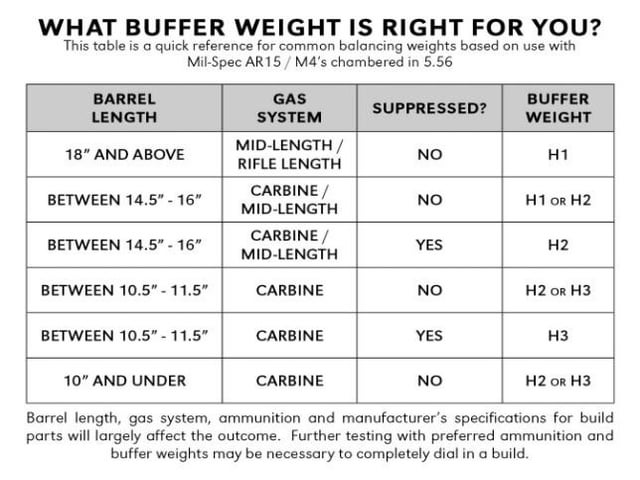
Bottom line: these aren't rigid rules. A quality 16" mid-length might run perfectly with an H2, while a budget 14.5" carbine gas might need to stay at carbine weight. Your gas port size matters more than barrel length.
Sprinco Spring Deals
Prices may change. May contain affiliate links.
How to tell if your buffer weight is wrong
Too light symptoms:
Brass ejecting past 4 o'clock or straight back
Dented case mouths from hitting the deflector hard
Bolt bounce when you drop it on a closed chamber
Excessive felt recoil despite the caliber
Primer cratering (though that's usually pressure)
Too heavy symptoms:
Bolt won't lock back on empty magazines
Short-stroking with rapid fire
Brass dribbling out around 2 o'clock
Failure to extract under rapid fire
Bolt won't close on a full magazine
The ejection test: Load one round, fire it, and watch where the brass lands. 3-4 o'clock is ideal. 2 o'clock means go lighter. 5 o'clock or behind you means go heavier. This isn't perfect science, but it's a good starting point.
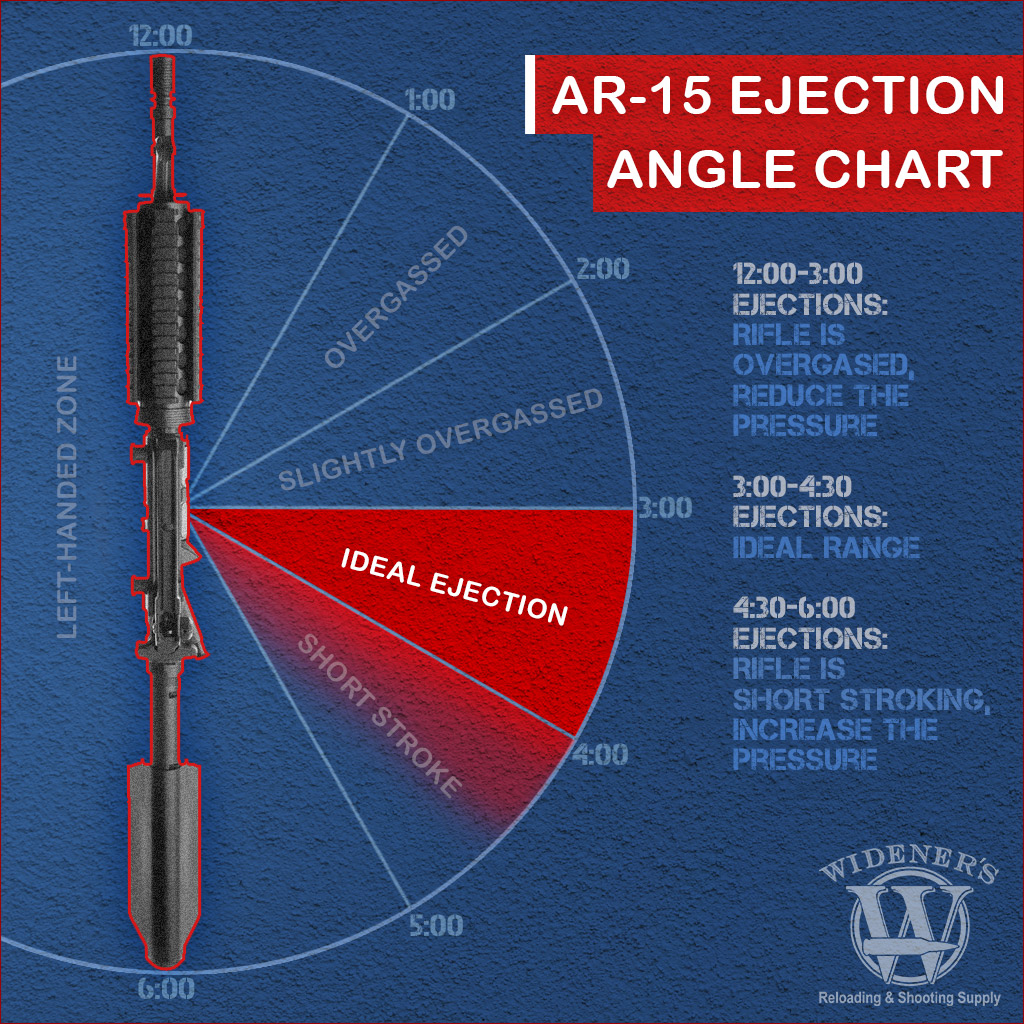
The bolt drop test: With the rifle unloaded and pointed safe, pull the charging handle back and let go. The bolt should close with authority but not bounce off the barrel extension. If it bounces back noticeably, your buffer's too light. If it barely makes it home, it's too heavy.
Buffer weight comparison table
| Buffer Type | Weight | Best Applications | Gas System Match |
|---|---|---|---|
| Carbine | 3.0 oz | Suppressed rifles, weak gas systems, precision builds | 16"+ carbine gas |
| H | 3.8 oz | General purpose, most factory rifles | 14.5"-16" carbine/mid |
| H2 | 4.6 oz | Overgassed systems, most pistol builds | 10.3"-14.5" carbine |
| H3 | 5.4 oz | Very short barrels, competition tuning | Under 12" carbine |
| A5 H0 | 3.3 oz | Rifle-length systems, precision work | Rifle gas, long barrels |
| A5 H2 | 4.56 oz | Balanced cycling, reduced bolt bounce | Mid-length systems |
The A5 system uses a rifle-length buffer tube with carbine-length buffers, giving you more tuning options and smoother cycling. It's not necessary for most builds, but it's worth considering if you're chasing perfection.
Spring selection and when it matters
Most factory springs work fine. The standard carbine spring has been running ARs reliably for decades. But here's where upgrades actually help:
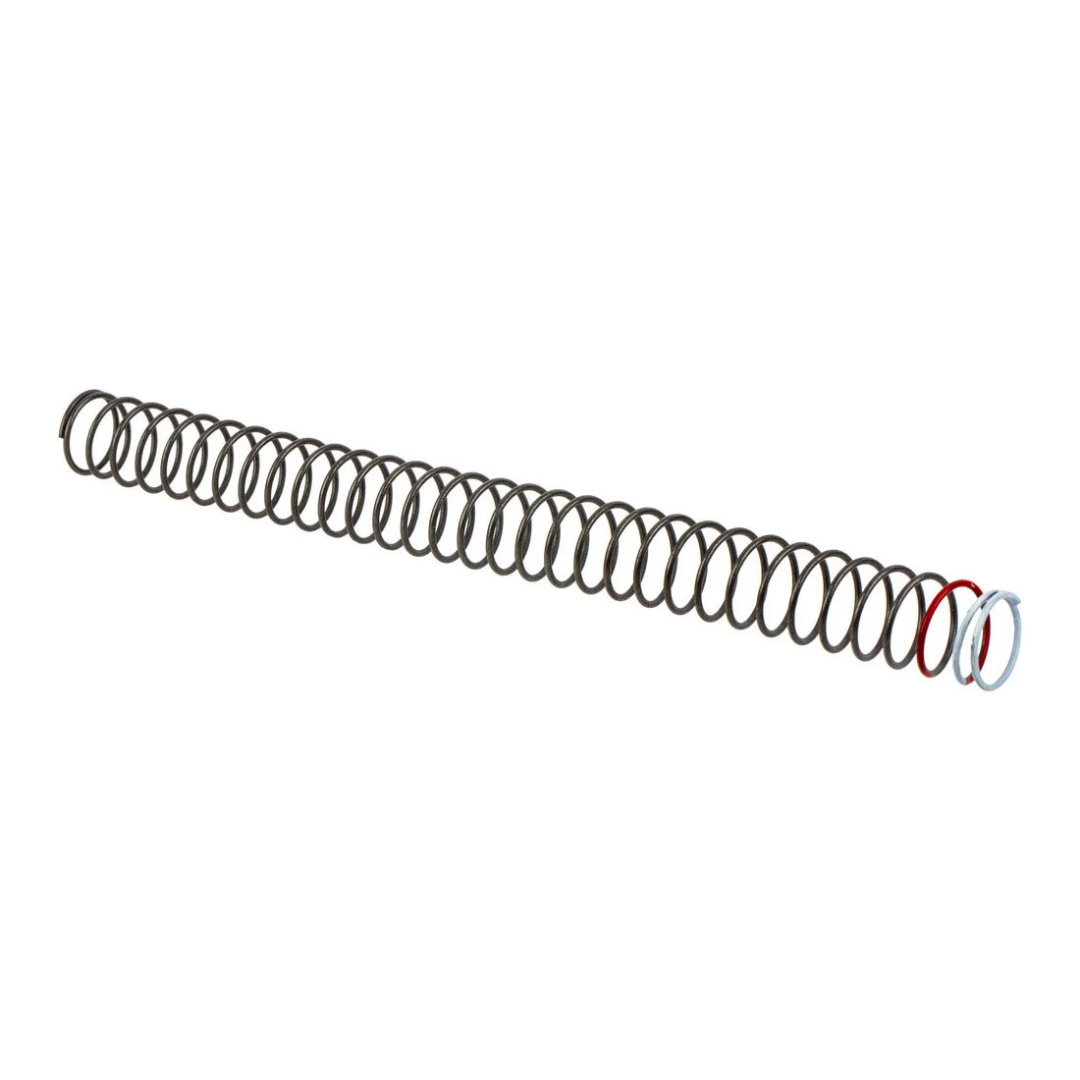
Flat wire springs like the Geissele Super 42 or Sprinco offerings give you more consistent pressure throughout the compression cycle. Round wire springs can bind slightly under compression, especially when they're getting worn. Flat wire doesn't have this problem.
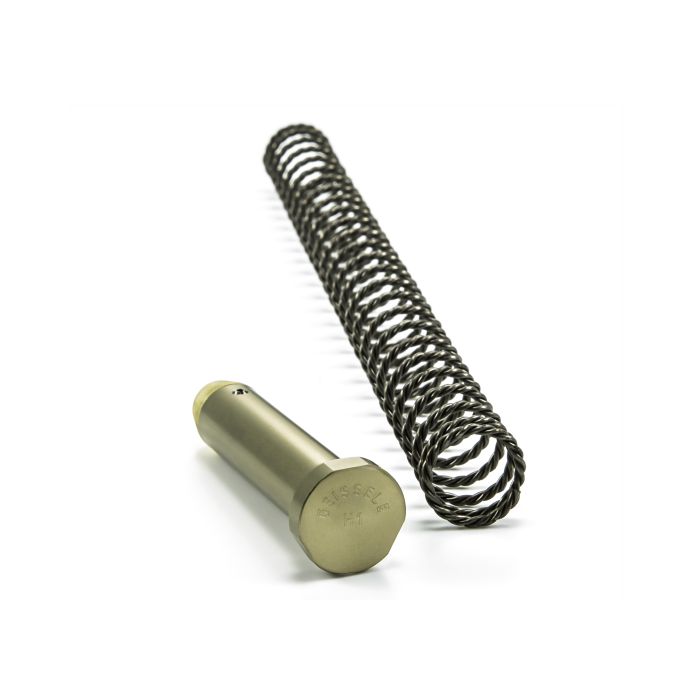
Spring rates matter more than you think. A stiffer spring can compensate for a light buffer, while a softer spring might let a heavy buffer work in an undergassed system. Sprinco makes springs in different rates; their red is lighter than standard, blue is standard, green is stiffer.
When to upgrade springs:
You're getting bolt bounce with the right buffer weight
Your current spring is compressed solid at full stroke
You want to fine-tune without changing buffer weight
You're building a precision rifle and want consistency
Don't get sucked into the spring rabbit hole unless you're solving a specific problem. A quality standard spring will outlast most of your other components.
Tuning for suppressed shooting
Suppressors increase back pressure, which effectively makes your gas system run hotter. Most canned ARs benefit from going one buffer weight heavier than they'd run unsuppressed.
Start with your current buffer weight and watch the ejection pattern. If brass is flying past 4 o'clock or you're getting excessive gas in your face, step up to the next weight. An adjustable gas block is usually a better solution than heavy buffers, but not everyone wants to modify their gas system.
Suppressed tuning sequence:
Test current buffer weight with can attached
If overgassed symptoms appear, try next heavier buffer
If still overgassed, consider adjustable gas block
If undergassed with heavier buffer, back down and live with some blowback
Some shooters run different buffers for suppressed vs unsuppressed shooting. That's fine if you want to optimize both, but most people just find a weight that works adequately for both conditions.
Common mistakes when changing buffer weights
Changing too much at once. Go one step at a time. Carbine to H, not carbine to H3. You need to see how each change affects cycling before making the next adjustment.
Ignoring your gas system. A properly sized gas port with the right barrel length usually runs fine with standard weights. If you need an H3 buffer on a 16" mid-length, your gas port might be oversized.
Chasing perfect ejection patterns. 3-4 o'clock is ideal, but anywhere from 3-5 o'clock works fine for a fighting rifle. Don't sacrifice reliability for perfect brass patterns unless you're building a competition gun.
Mixing buffer systems. Carbine buffers go in carbine tubes, rifle buffers in rifle tubes. The A5 system is different; it uses rifle tubes with shorter buffers. Don't mix and match randomly.
Forgetting about ammunition. Different loads produce different pressures. Your buffer might work perfectly with 55-grain ball and short-stroke with 77-grain match ammo. Test with what you actually shoot.
Bench notes: what you'll feel during tuning
When you drop the bolt on an empty chamber, you should feel a solid thunk with maybe a tiny bounce. Too much bounce means the buffer's light. No bounce but the bolt barely makes it home means it's heavy.
During shooting, pay attention to the recoil impulse. A properly tuned buffer gives you a single sharp recoil pulse. If you feel a double tap; initial recoil followed by the bolt slamming home; your buffer's probably too light.
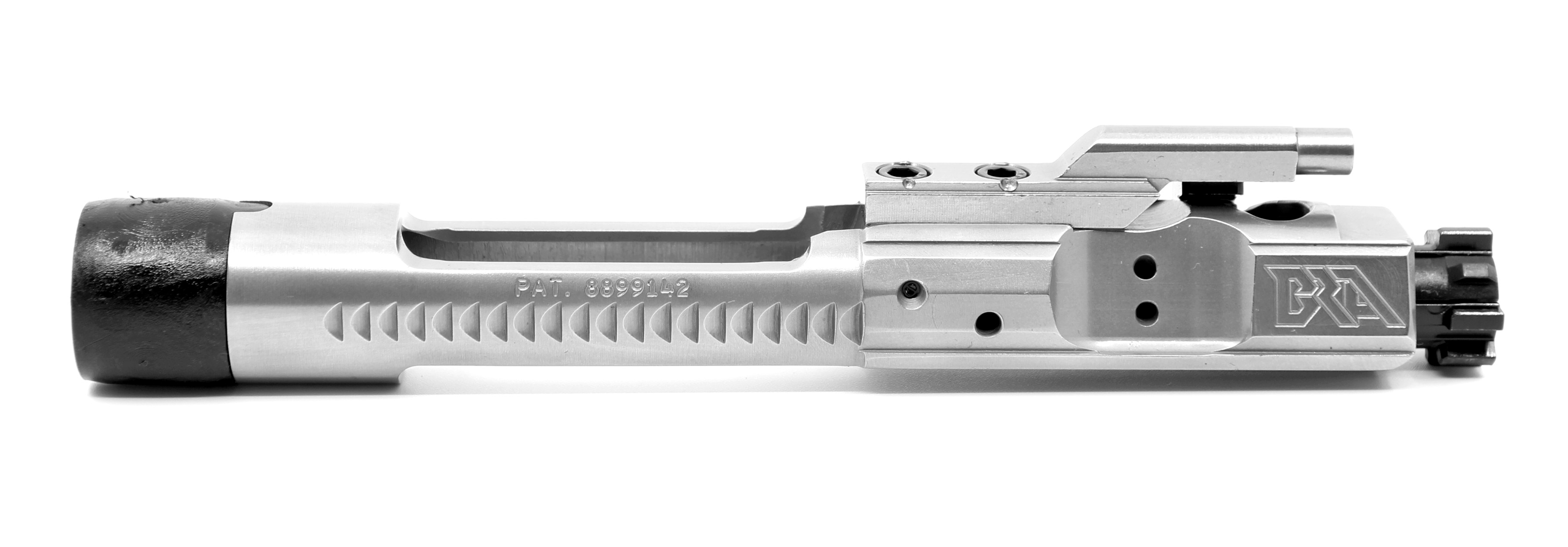
The bolt should lock back reliably on empty magazines, even during rapid fire. If it's intermittent, you're usually too heavy on the buffer or too light on gas pressure.
When to call it good enough
Your AR doesn't need perfect tuning to run reliably. If it cycles all your ammo, locks back on empty, and ejects brass somewhere between 3-5 o'clock, you're done. Don't chase perfection unless you're building a precision rifle or competition gun.
Signs your buffer system is working:
Reliable cycling with your chosen ammunition
Consistent lockback on empty magazines
Brass ejecting in the 3-5 o'clock range
No excessive bolt bounce or violent extraction
Comfortable recoil impulse for the caliber
Most factory rifles come with appropriate buffer weights for their gas systems. If yours is running fine, leave it alone. Buffer tuning is for fixing problems or optimizing performance, not for the sake of modification.
When to get professional help: If you've tried the logical buffer weights for your barrel length and gas system and still can't get reliable cycling, you might have a gas port issue, timing problem, or worn parts. A qualified armorer can diagnose mechanical issues that buffer weights can't fix.
The buffer system is simple, but it's also the foundation of reliable cycling. Get it right and your AR will run everything you feed it. Get it wrong and you'll chase problems that don't exist while creating new ones that do.