You found a Savage Model 99 at the gun show with that distinctive brass cartridge counter still working. The seller's asking what seems like a fair price, but before you hand over cash, let's talk about what makes these rifles special; and what separates the common variants from the ones collectors actually want.

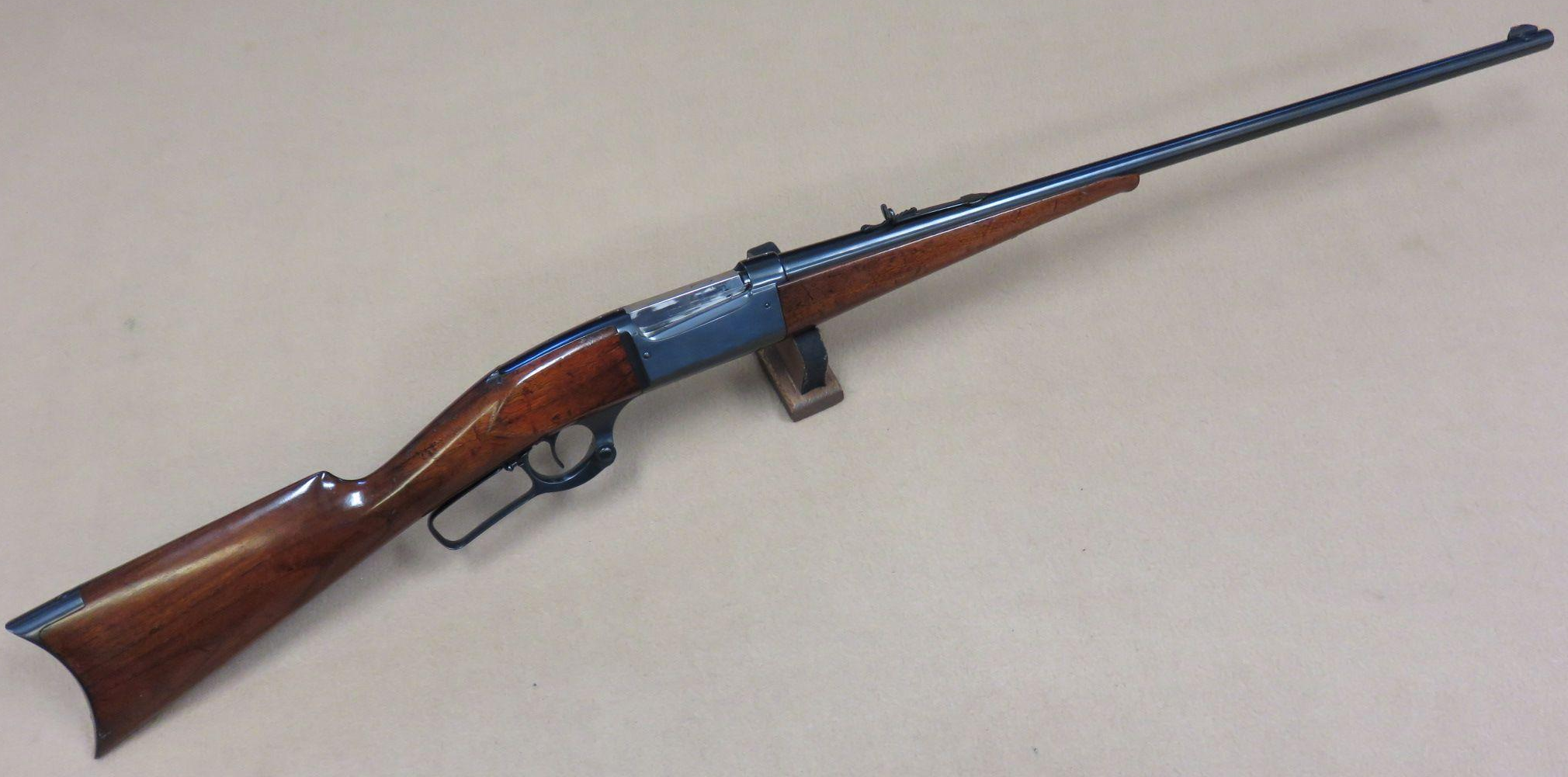
Arthur Savage didn't just build another lever gun when he designed the Model 99 in 1895. He solved problems that Winchester and Marlin couldn't touch: how to feed spitzer bullets reliably, how to build a hammerless action that actually worked, and how to let the shooter know exactly how many rounds remained without opening the action. The result was a rifle so far ahead of its time that Savage kept building variations of it for over a century.
Here's the thing: not all Model 99s are created equal. The basic action stayed brilliant throughout production, but certain variants, calibers, and production periods command serious collector attention while others gather dust in used gun racks. Understanding the differences means the gap between finding a shooter-grade rifle and discovering something genuinely valuable.
The rotary magazine revolution
Look at any tubular magazine lever gun and you'll see the fundamental problem Arthur Savage set out to solve. Those long, pointed bullets that were revolutionizing rifle performance in the 1890s couldn't be safely loaded nose-to-primer in a tube magazine. One hard bump and you'd have an accidental discharge inside your magazine.
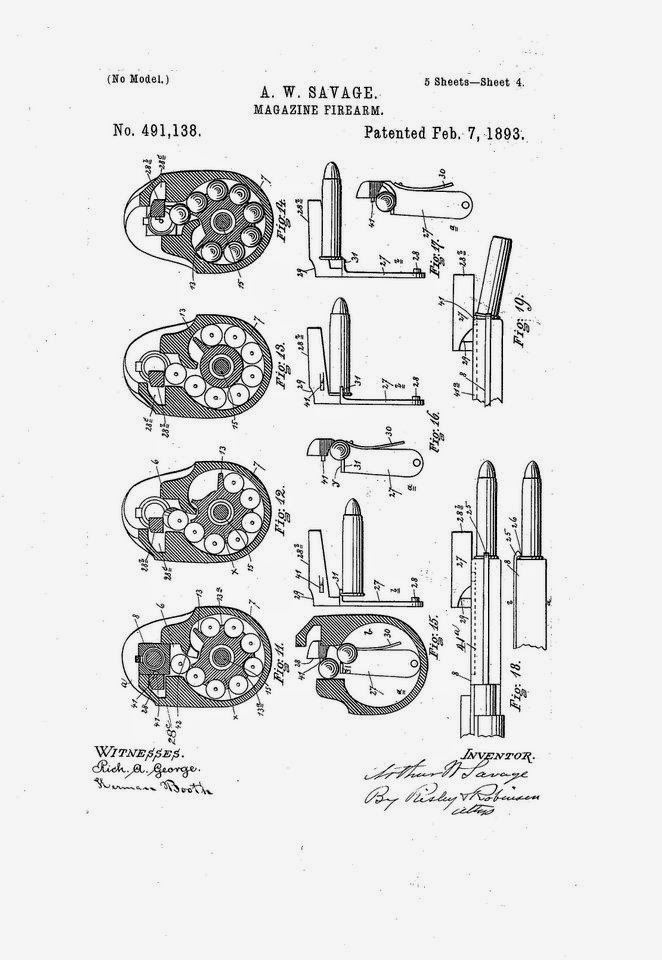
Savage's rotary magazine held five cartridges in a circular arrangement, each bullet pointing safely away from the next cartridge's primer. The system fed as smoothly as any tube magazine but handled spitzer bullets without the safety concerns. What really impressed shooters was the reliability; the rotary magazine rarely jammed, even with different bullet weights and profiles.
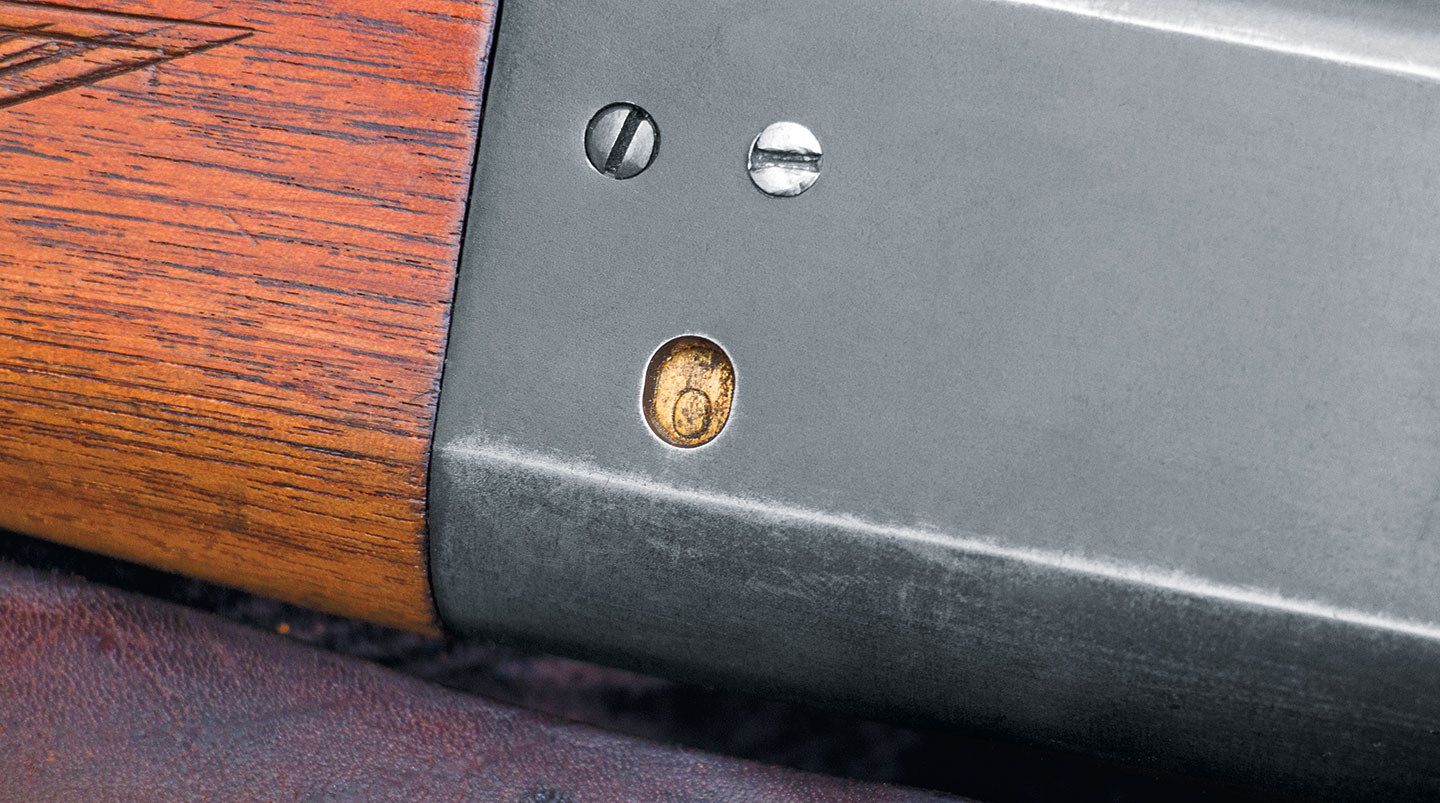
The brass cartridge counter on the right side of the receiver showed exactly how many rounds remained. As you fired, a small brass indicator moved to show 4, 3, 2, 1, or E for empty. No guessing, no counting shots fired. This feature alone put the Model 99 decades ahead of its competition.
Hammerless action that actually worked
Most lever guns of the 1890s used exposed hammers; reliable, but slow to cock and prone to snagging on brush. Savage's hammerless design used a striker system that cocked automatically as the lever opened. The action felt smooth and fast, with no external hammer to catch on clothing or vegetation.
The safety system impressed practical shooters. The rifle couldn't fire unless the lever was fully closed and locked. Unlike some hammerless designs that felt mushy or uncertain, the Model 99's action had a crisp, positive feel that told you exactly when the rifle was ready to fire.
What separated this design from other hammerless attempts was durability. The internal striker mechanism proved as reliable as traditional hammer systems, but with better balance and handling characteristics. Savage had solved the engineering challenges that made other hammerless lever guns commercial failures.
Early production variants worth finding
The Model 1895 and early Model 1899 rifles represent the foundation of the 99 series. These early guns used a distinctive curved trigger guard and had the original octagon barrel profile that collectors prize today. Production numbers were relatively low, making any surviving example worth serious consideration.
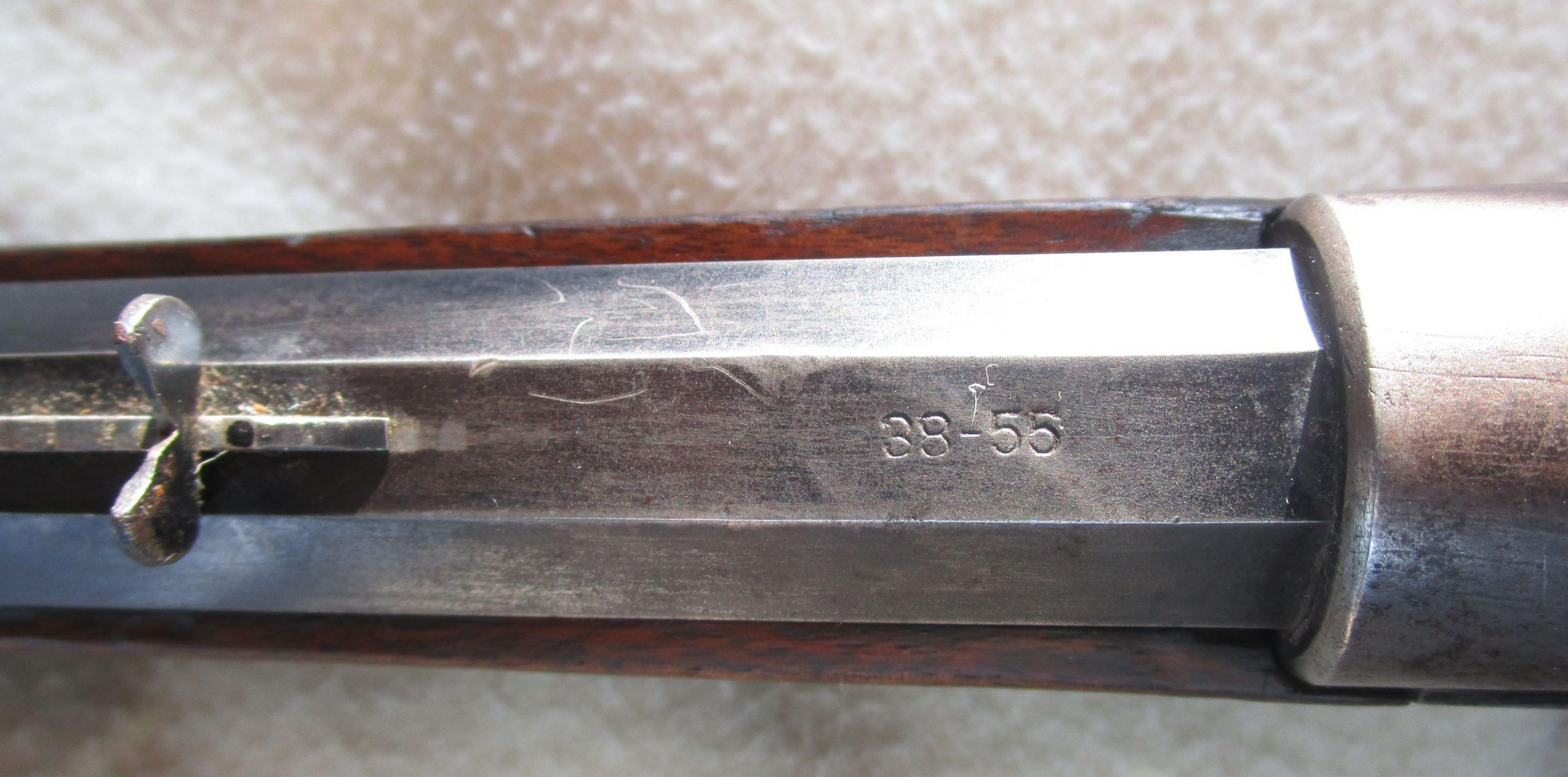
The Model 1899-A featured a 26-inch octagon barrel and was chambered in .303 Savage, .30-30 Winchester, and .25-35 Winchester. The octagon barrel configuration adds considerable collector interest, especially in the original .303 Savage chambering that Savage developed specifically for this rifle.
Early carbine versions with 20-inch barrels are particularly scarce. The Model 1899-B carbine combined the advanced action with a handy length that appealed to hunters and outdoorsmen. Finding one in good condition with original finish and wood is becoming increasingly difficult.
The transition from Model 1899 to Model 99 happened around 1920, but the designation change didn't mark any significant mechanical improvements. Early Model 99s continued the same basic design philosophy while incorporating minor refinements in manufacturing and finish quality.
The takedown models that collectors chase
Savage offered takedown versions of the Model 99 that allowed the barrel and forearm to be removed for compact storage or transportation. These takedown models required precise manufacturing tolerances and represented some of Savage's finest gunmaking.
The Model 99-H was a takedown version with a 20-inch barrel, designed for hunters who needed a compact rifle for pack trips or travel. The takedown mechanism used a threaded collar system that maintained accuracy when properly reassembled. Original takedown rifles in good condition command premium prices because so few survived with all their parts intact.
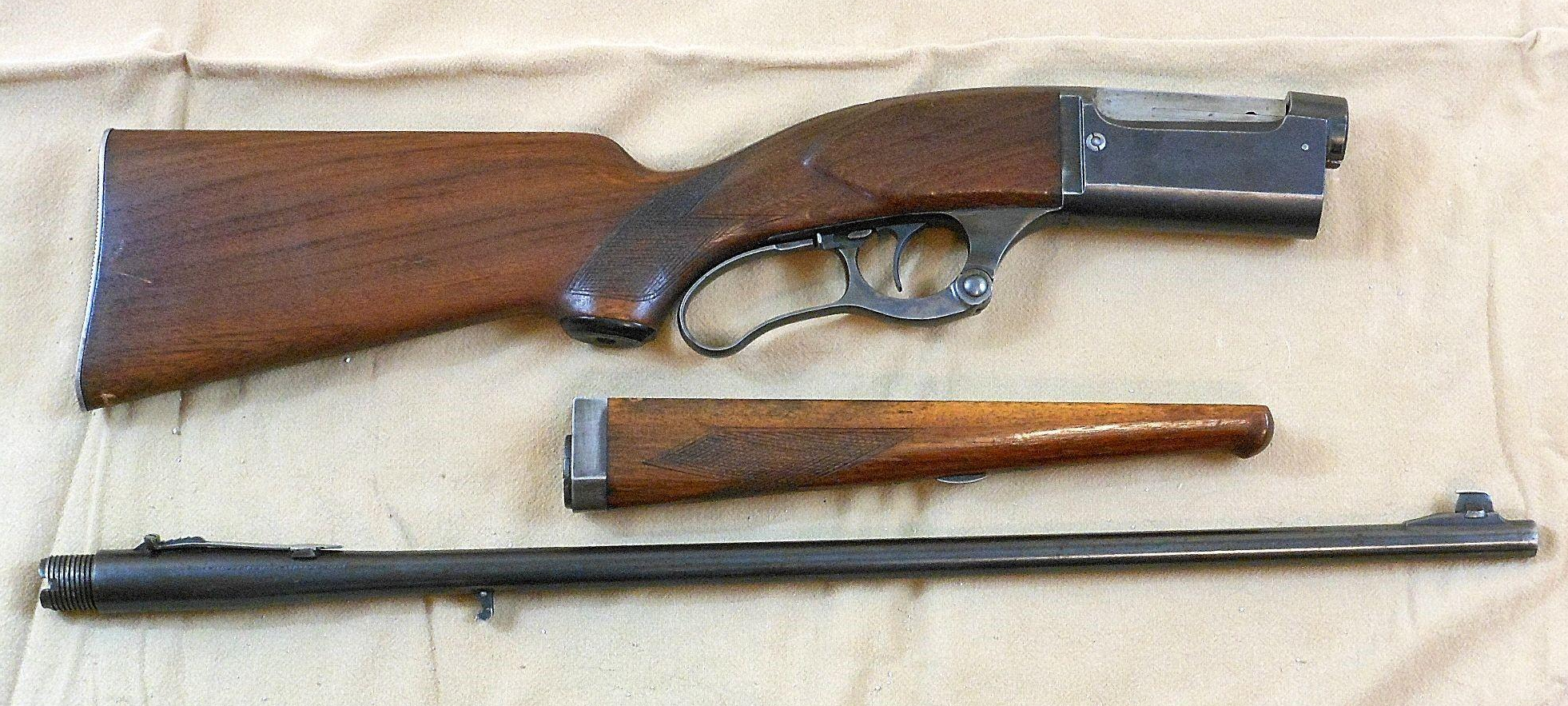
What makes takedown models particularly valuable is their rarity and the complexity of their manufacture. The precision required to make a takedown rifle that maintained accuracy meant higher production costs and lower production numbers. Many takedown rifles were heavily used in the field, making examples with good metal finish and original wood increasingly scarce.
The takedown mechanism itself is worth inspecting carefully. The threaded collar should turn smoothly without binding, and the rifle should lock up tightly when assembled. Worn or damaged takedown threads significantly reduce both function and value.
Caliber considerations for collectors
The .303 Savage cartridge was developed specifically for the Model 99 and represents the original chambering that showcased the rifle's capabilities. Early .303 Savage rifles often show the best craftsmanship and attention to detail, making them particularly desirable to collectors focused on historical significance.
The .250-3000 Savage, introduced in 1915, was the first commercial cartridge to achieve 3,000 feet per second velocity. Model 99s in .250-3000 represent a significant milestone in cartridge development and remain highly sought after by both collectors and shooters. The combination of the advanced rifle design with this revolutionary cartridge creates strong collector interest.
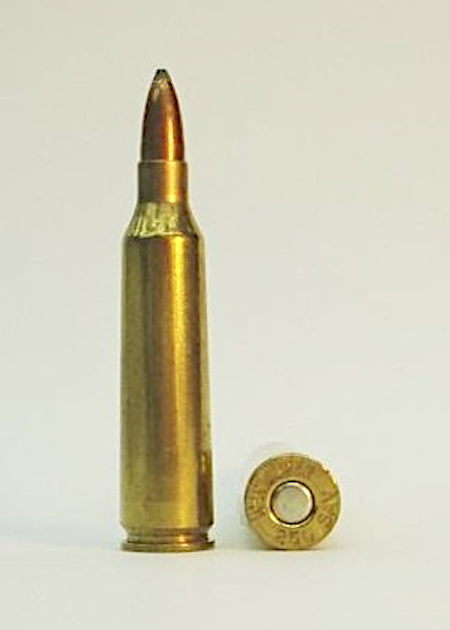
Later calibers like .300 Savage, .308 Winchester, and .243 Winchester are more common and generally less expensive. However, certain late-production calibers in specific model variants can still command collector attention, particularly if they represent limited production runs or special configurations.
The .358 Winchester chambering was offered in limited numbers and represents one of the more powerful cartridges available in the Model 99. These rifles are less common than standard calibers and appeal to collectors interested in the more unusual chambering options.
Post-war production changes
After World War II, Savage made several changes to the Model 99 that affected both function and collector desirability. The most significant change was the elimination of the brass cartridge counter in favor of a simpler hole that showed whether the magazine was loaded.
The Model 99-A post-war version retained the basic action design but used different manufacturing techniques and materials. The fit and finish generally wasn't quite up to pre-war standards, though the rifles remained functionally reliable. Collectors typically prefer pre-war examples for their superior craftsmanship and original cartridge counter.
The Model 99-E introduced a more streamlined receiver design and eliminated some of the decorative touches found on earlier variants. While these rifles function perfectly well, they lack some of the character and collector appeal of earlier production.
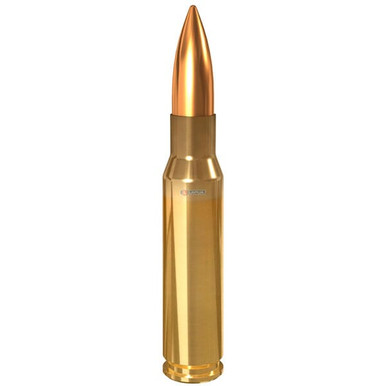
Winchester .308 Winchester Deals
Prices may change. May contain affiliate links.
Late production Model 99s, particularly those made after 1960, used different steel alloys and manufacturing processes that reduced production costs but also reduced the premium feel of earlier rifles. These later guns are excellent shooters but don't command the same collector interest as earlier examples.
What to inspect before buying
The rotary magazine mechanism requires careful inspection because replacement parts are difficult to find. Cycle the action several times and verify that the magazine rotates smoothly and indexes properly. The cartridge counter should move correctly with each cycle, and the magazine should lock securely in both the loaded and empty positions.
Check the lever action for proper timing and smooth operation. The lever should close completely with moderate pressure, and the action should lock up tightly without excessive play. Worn lever actions often develop timing problems that affect both safety and accuracy.
Examine the barrel condition carefully, paying particular attention to the throat area where many Model 99s show wear from jacketed bullets. The distinctive Savage button rifling should be clearly visible, and the bore should be free from significant pitting or erosion.
The stock and forearm deserve close attention because replacement parts are expensive and difficult to find. Look for cracks around the tang area and behind the receiver where stress concentrates during firing. Original finish and checkering patterns add significantly to collector value.
Common problems and red flags
Replacement cartridge counters are one of the most common modifications found on Model 99s. Original brass counters are frequently damaged or lost, leading owners to install aftermarket replacements or simply plug the hole. While functional, these modifications reduce collector value significantly.
Modified or rechambered rifles should be approached with extreme caution. The Model 99's action is strong enough to handle most reasonable cartridges, but amateur gunsmithing often creates safety hazards and destroys collector value. Any rifle showing signs of modification should be professionally inspected before purchase.
Refinished rifles are common in the used market because the Model 99's complex curves and contours make it attractive to amateur refinishers. Unfortunately, most refinishing work removes the original factory markings and reduces collector value substantially. Look for signs of buffing, altered markings, or finish that doesn't match factory specifications.
Worn or damaged magazine springs cause feeding problems that can be expensive to repair. Test the magazine function thoroughly with dummy cartridges if possible, and be suspicious of any rifle that shows signs of feeding difficulties or magazine problems.
Model variants worth seeking
The Model 99-R featured a 24-inch barrel and represented Savage's premium sporting rifle configuration. These rifles typically show excellent fit and finish and were often chambered in the more desirable calibers like .250-3000 and .300 Savage.
The Model 99-T was a special target version with a heavy barrel and target-grade trigger. Production numbers were limited, making any surviving example potentially valuable to collectors interested in the sporting and target shooting applications of the Model 99 design.
Engraved or factory-special Model 99s occasionally surface and can command substantial premiums. Savage offered various levels of engraving and special finishes, though documentation for these special orders is often incomplete. Any rifle showing signs of factory engraving or special features deserves careful research.

savage model 99 octagon barrel
The Model 99-F featured a lightweight barrel and was designed as a featherweight hunting rifle. While not as common as standard models, the 99-F appeals to collectors interested in the various configurations Savage offered throughout the model's production run.
Understanding production periods
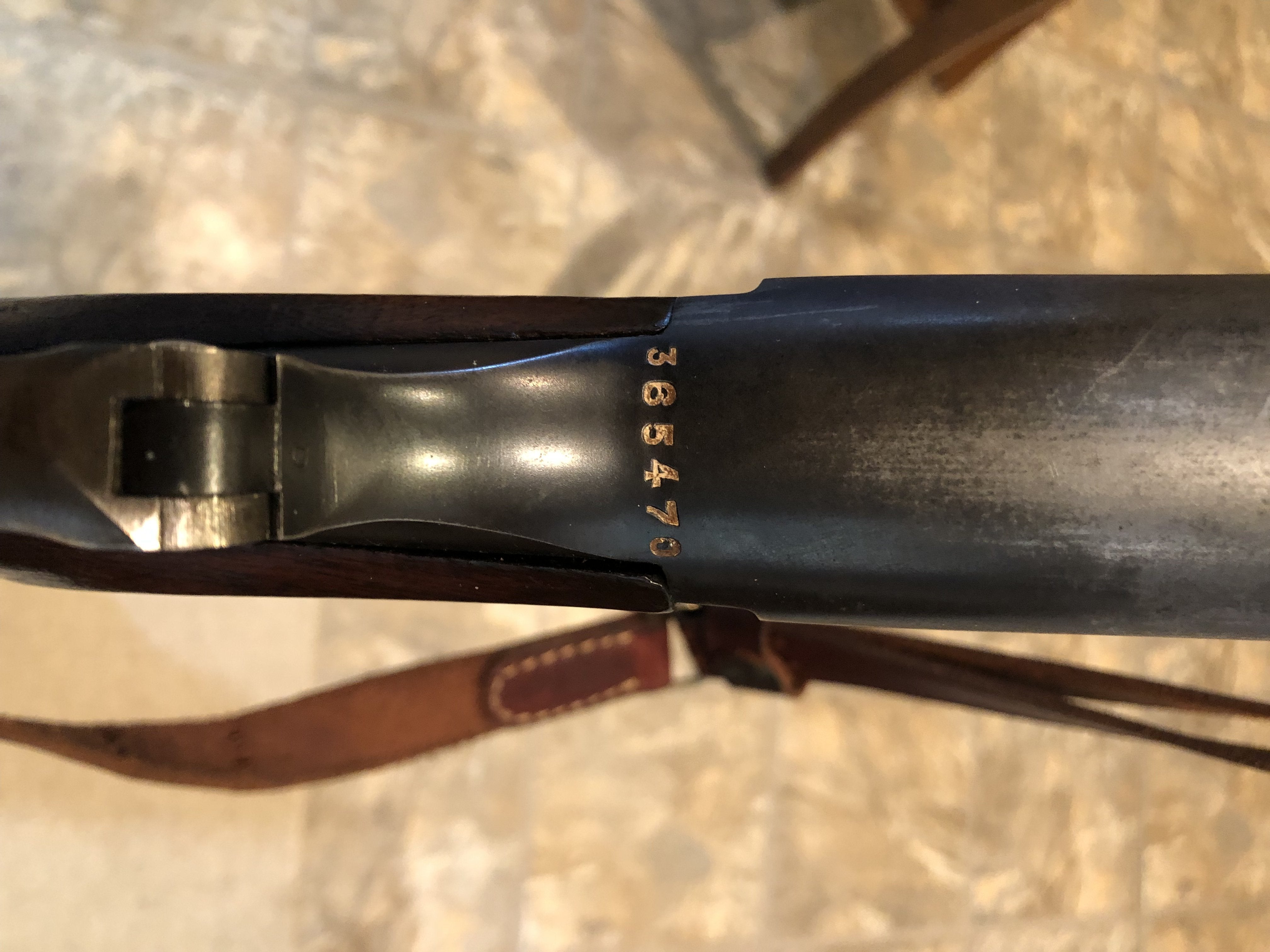
Pre-1920 rifles represent the early development period when Savage was still refining the basic design. These early rifles often show hand-fitting and attention to detail that disappeared in later mass production. Serial numbers below 200,000 generally indicate pre-1920 manufacture.
The 1920s through 1940s represent the classic period of Model 99 production. Rifles from this era typically show excellent fit and finish while incorporating the design refinements that made the Model 99 a commercial success. The brass cartridge counter was standard during this period.
Post-war production through the 1960s maintained good quality while adapting to modern manufacturing techniques. These rifles lack some of the hand-fitted character of earlier examples but remain excellent functional firearms with moderate collector interest.
Late production Model 99s, particularly those made after 1970, focused on cost reduction and simplified manufacturing. While perfectly functional, these rifles don't generate the same collector enthusiasm as earlier examples.

Ammunition and shooting considerations
Original .303 Savage ammunition is expensive and sometimes difficult to find, which affects both the shooting and collecting aspects of early Model 99s. Handloading is often necessary for serious shooting, though factory ammunition is still available from specialty manufacturers.
The .250-3000 Savage remains popular with handloaders and factory ammunition is readily available. This cartridge's historical significance and excellent performance keep it relevant for both collectors and shooters interested in vintage cartridges.
More common chamberings like .300 Savage and .308 Winchester offer practical shooting advantages with readily available ammunition. However, the collector appeal of these later chamberings is generally lower than the original .303 Savage or the historically significant .250-3000.
Consider the ammunition situation when evaluating any Model 99 purchase. Rifles in obsolete or expensive calibers may be excellent collector pieces but impractical for regular shooting.
Before you buy that Model 99
Research the specific model and production period before making an offer. Serial number information can help determine approximate manufacturing date and original configuration. Online resources and collector forums provide valuable information for identifying specific variants and their relative rarity.
Verify that all major components are original and correct for the model. Replacement barrels, modified receivers, and incorrect stocks significantly reduce collector value even if the rifle functions properly. Original configuration is crucial for serious collector interest.
Consider your collecting goals and budget carefully. Entry-level Model 99s in common calibers offer excellent introduction to the design without major investment. Premium early examples or rare variants require significant research and higher budgets but offer greater collector potential.
Factor in the cost of ammunition and potential repairs when evaluating any purchase. While Model 99s are generally reliable, parts availability can be limited for certain components, and gunsmith familiarity with the design varies significantly.
The Savage Model 99 represents one of the most innovative lever action designs ever produced. Understanding the various models, production periods, and key features helps separate the common examples from the rifles that serious collectors actively seek. Whether you're looking for a unique hunting rifle or a significant piece of firearms history, the Model 99 offers both excellent function and genuine innovation that remains impressive more than a century after its introduction.