You're planning a prairie dog trip and staring at two rimfire options that both promise flat trajectories and explosive terminal performance. The .22 WMR has been dropping varmints since 1959, while the .17 HMR showed up in 2002 with a velocity advantage that looks impressive on paper. But when you're burning through 200 rounds in an afternoon session, the differences in wind drift, barrel life, and cost per round start to matter more than the ballistics charts suggest.
I've shot both extensively on prairie dog towns across Wyoming and Nebraska. The .17 HMR gets the attention for its speed, but the .22 WMR has some practical advantages that become obvious after your third reload. Here's what actually matters when you're trying to connect at 150-250 yards in prairie wind.
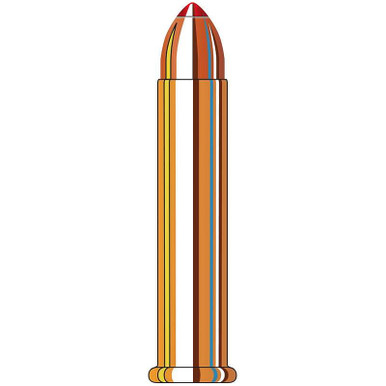
The velocity difference is real, but it's not the whole story. A typical .17 HMR load pushes a 17-grain V-Max at around 2,550 fps, while a .22 WMR sends a 30-grain V-Max downrange at roughly 2,200 fps. That 350 fps advantage gives the .17 HMR a flatter trajectory, but it also creates some problems that don't show up on the spec sheet.

Ballistics comparison: what the numbers mean in the field
The .17 HMR's velocity advantage translates to about 3-4 inches less drop at 200 yards compared to the .22 WMR. With a 100-yard zero, the .17 HMR drops roughly 7 inches at 200 yards, while the .22 WMR drops about 11 inches. That's meaningful when you're trying to thread shots between prairie dog holes, but it's not the game-changer the marketing suggests.
Wind drift tells a different story. The .17 HMR's light bullet gets pushed around more than you'd expect. In a 10 mph crosswind at 200 yards, that 17-grain bullet drifts about 8-9 inches. The heavier .22 WMR bullet only drifts 6-7 inches in the same conditions. Prairie dog country is windy country, and that extra wind resistance adds up to more misses than the trajectory advantage saves.
| Specification | .17 HMR | .22 WMR |
|---|---|---|
| Bullet Weight | 15.5-20 grains | 30-50 grains |
| Muzzle Velocity | 2,400-2,650 fps | 2,000-2,300 fps |
| Muzzle Energy | 245-324 ft-lbs | 300-425 ft-lbs |
| Drop at 200 yards | 6-8 inches | 10-12 inches |
| Wind drift at 200 yards (10 mph) | 8-9 inches | 6-7 inches |
| Effective range | 200+ yards | 175+ yards |
| Barrel life | 5,000-8,000 rounds | 10,000+ rounds |
| Cost per round | $0.35-0.50 | $0.40-0.60 |
The energy numbers favor the .22 WMR at longer ranges. While the .17 HMR starts with less energy and bleeds velocity faster, the .22 WMR maintains more downrange punch. At 200 yards, a .22 WMR still carries about 180-200 ft-lbs of energy, while the .17 HMR drops to around 140-160 ft-lbs. Both are plenty for prairie dogs, but the .22 WMR hits harder on marginal shots.
Range notes: what you'll actually see
I've chronographed both cartridges extensively, and the real-world velocities often run lower than advertised. Most .17 HMR loads I've tested from 20-22 inch barrels average 2,500-2,550 fps, not the 2,650 fps you see on the box. The .22 WMR is more consistent, usually delivering within 50 fps of advertised velocities.

Accuracy potential is similar between both cartridges in quality rifles. I've shot sub-MOA groups with both the Savage 93R17 in .17 HMR and the CZ 457 in .22 WMR. The .17 HMR might have a slight edge in precision rifles, but the difference disappears when you factor in wind conditions. The .22 WMR's heavier bullet tracks more predictably in gusty conditions.
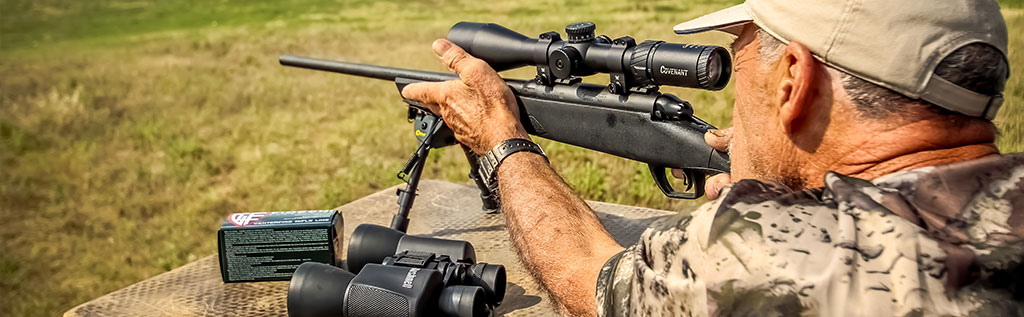
The .17 HMR is noticeably louder and has more muzzle blast. It's not just the velocity; the bore diameter and powder charge create a sharper crack that's more noticeable to both shooter and nearby wildlife. If you're shooting in areas where noise matters, the .22 WMR is more neighbor-friendly.
Barrel heating becomes an issue faster with the .17 HMR. The high-velocity, small-bore combination generates more heat per shot. After 20-30 rounds in quick succession, accuracy starts to open up. The .22 WMR handles sustained fire better, which matters during long prairie dog sessions.
Ammunition selection and availability
Both cartridges offer solid factory options, but the .22 WMR has more variety. Hornady V-Max loads are excellent in both calibers; the 17-grain .17 HMR and 30-grain .22 WMR versions both expand reliably on small game. CCI makes quality ammunition for both, with their .17 HMR loads being particularly consistent.
The .22 WMR gives you more bullet weight options. You can run 30-grain V-Max for long-range work, 40-grain soft points for close-range reliability, or 50-grain solids if you need maximum penetration. The .17 HMR is essentially limited to 15.5-20 grain bullets, mostly in polymer-tip designs.
Availability swings back and forth, but .22 WMR is generally easier to find. More manufacturers load it, and it's been around longer. During ammo shortages, .17 HMR tends to disappear first. Cost per round runs similar between the two, with .17 HMR averaging $0.35-0.50 per round and .22 WMR running $0.40-0.60 per round for quality loads.
Reloading isn't practical for either cartridge. The .22 WMR case is too small for easy powder handling, and .17 HMR cases are even more finicky. You're stuck with factory ammunition, which means consistent supply matters more than with centerfire cartridges.
Rifle selection and platform considerations
The .17 HMR has more rifle options, particularly in budget-friendly platforms. Savage, CZ, Ruger, and others offer quality .17 HMR rifles starting around $300-400. The .22 WMR selection is smaller but includes some excellent choices like the CZ 457 and Tikka T1x.

CCI .17 HMR Deals
Prices may change. May contain affiliate links.
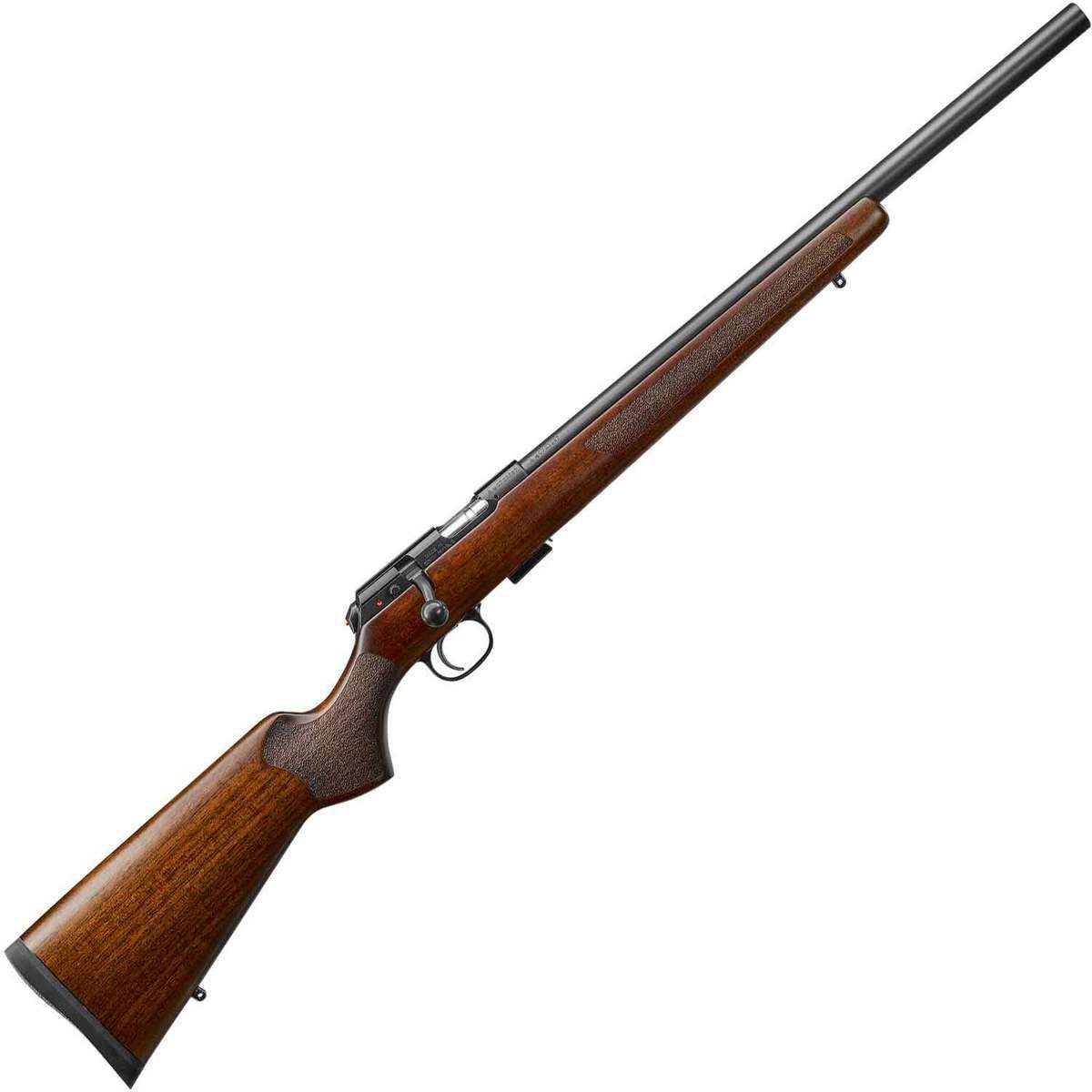
Bolt-action rifles work best for both cartridges. Semi-automatic options exist but tend to be less reliable and accurate. The high-pressure rimfire cartridges can be hard on actions, and extraction issues are more common than with .22 LR.
Scope mounting is straightforward on both, but the .17 HMR benefits more from quality optics. The flatter trajectory makes precise range estimation less critical, but the wind sensitivity means you need clear glass to read conditions. A 3-9x or 4-12x scope handles most prairie dog work well.
Barrel length affects both cartridges, but the .17 HMR is more sensitive to short barrels. A 20-inch barrel is minimum for good .17 HMR performance, while the .22 WMR works adequately from 18-inch tubes. Longer barrels help both cartridges, but the gains diminish after 22-24 inches.
Common mistakes and troubleshooting
The biggest mistake with .17 HMR is overestimating its wind-bucking ability. That high velocity looks impressive, but light bullets get pushed around. Learn to read wind flags and mirage, or stick to calm conditions. The .22 WMR is more forgiving of wind reading errors.
Barrel cleaning becomes critical with the .17 HMR. The small bore and high velocity create more fouling per shot. Accuracy degrades faster if you don't stay on top of cleaning. The .22 WMR is more tolerant of fouling, though both benefit from regular maintenance.
Don't expect either cartridge to handle shots much past 250 yards consistently. The .17 HMR runs out of energy, and the .22 WMR drops too much for reliable hits on small targets. Both are 200-yard cartridges in real-world conditions.
Ammunition storage matters more with these high-pressure rimfires. Temperature swings affect velocity more than with centerfire cartridges. Keep ammunition at consistent temperatures, and expect some velocity variation in extreme conditions.
Trigger control becomes more important with the light bullets and flat trajectories. Small aiming errors get magnified at longer ranges. Practice from field positions, not just the bench. A good shooting rest or bipod makes a bigger difference than with heavier cartridges.
Terminal performance on prairie dogs
Both cartridges are devastating on prairie dogs when bullets connect. The .17 HMR's polymer-tip bullets expand violently, often creating spectacular results on small game. The .22 WMR hits harder but may not expand as dramatically depending on bullet construction.
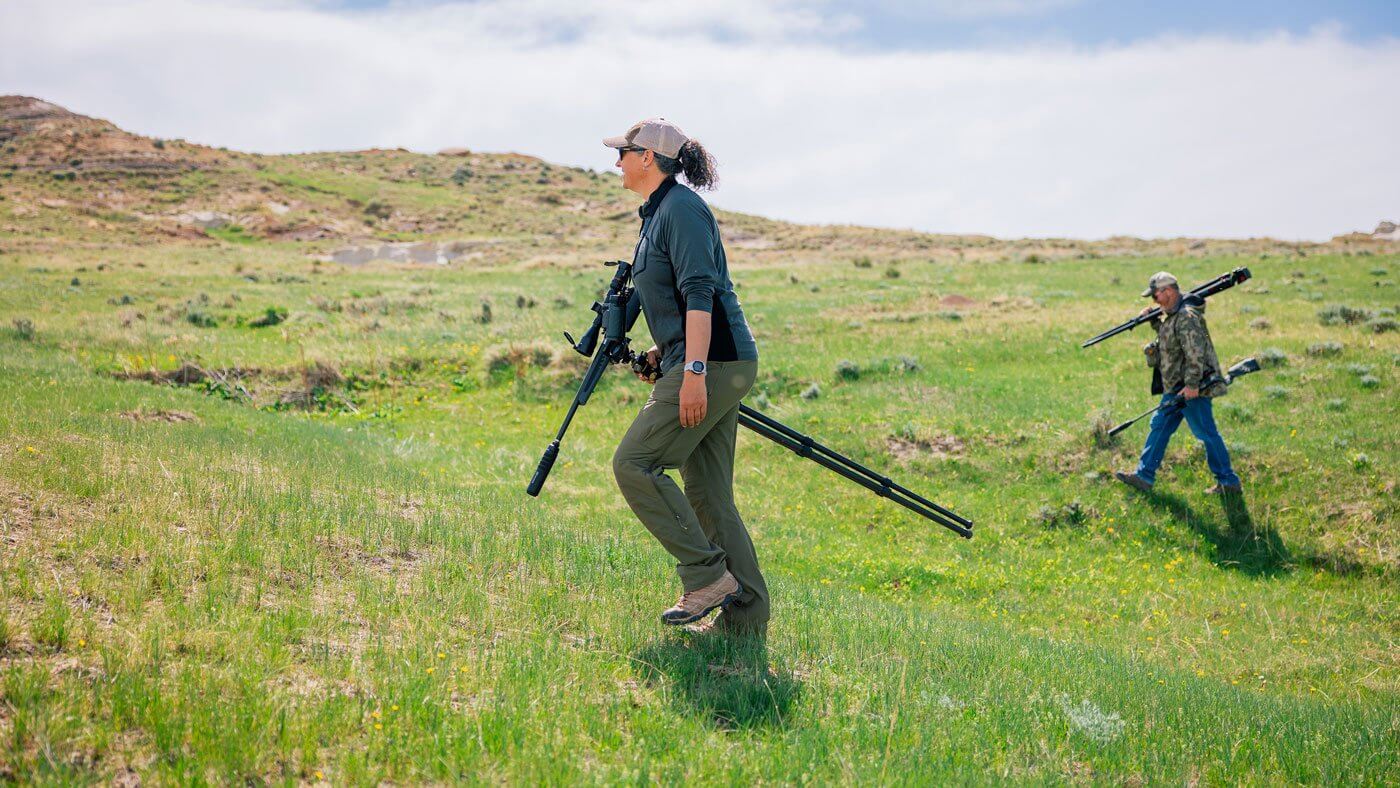
The .17 HMR's explosive expansion means less chance of wounded animals escaping into holes. When the bullet connects, prairie dogs typically don't make it back underground. The .22 WMR's heavier bullet can punch through without expanding if impact velocity drops too low, though this is rare inside 200 yards.
Wind conditions affect terminal performance indirectly through hit probability. The .22 WMR's better wind resistance translates to more hits, which matters more than theoretical expansion differences. A solid hit with either cartridge ends the discussion quickly.
Ricochet potential is lower with both cartridges compared to centerfire options, but the .17 HMR's lighter bullet breaks up more readily on hard surfaces. This can be an advantage in areas where ricochet concerns limit shooting opportunities.
Cost analysis for extended shooting
Ammunition cost adds up quickly during prairie dog sessions. At $0.40-0.50 per round, a 200-round day costs $80-100 in ammunition alone. Both cartridges run similar costs, so this isn't a deciding factor between them.
Barrel life favors the .22 WMR significantly. The .17 HMR's high velocity and small bore create more throat erosion. Expect 5,000-8,000 rounds from a .17 HMR barrel before accuracy degrades noticeably. The .22 WMR typically delivers 10,000+ rounds of accurate life.
Brass life isn't a factor since neither cartridge reloads practically. You're buying factory ammunition regardless, which eliminates the cost advantages of reloading that centerfire shooters enjoy.
Transportation costs can favor the lighter .17 HMR ammunition if you're flying to hunting destinations. The weight difference isn't huge, but it adds up when packing several hundred rounds.
Making the choice for your needs
Choose the .17 HMR if you shoot mostly in calm conditions and want the flattest trajectory possible. It's the better choice for precision shooting at moderate ranges when wind isn't a factor. The wider rifle selection and slightly lower ammunition costs are additional advantages.
Pick the .22 WMR if you deal with windy conditions regularly or want maximum versatility. The heavier bullets buck wind better, and the cartridge handles a wider range of shooting scenarios. Longer barrel life makes it more economical for high-volume shooting.
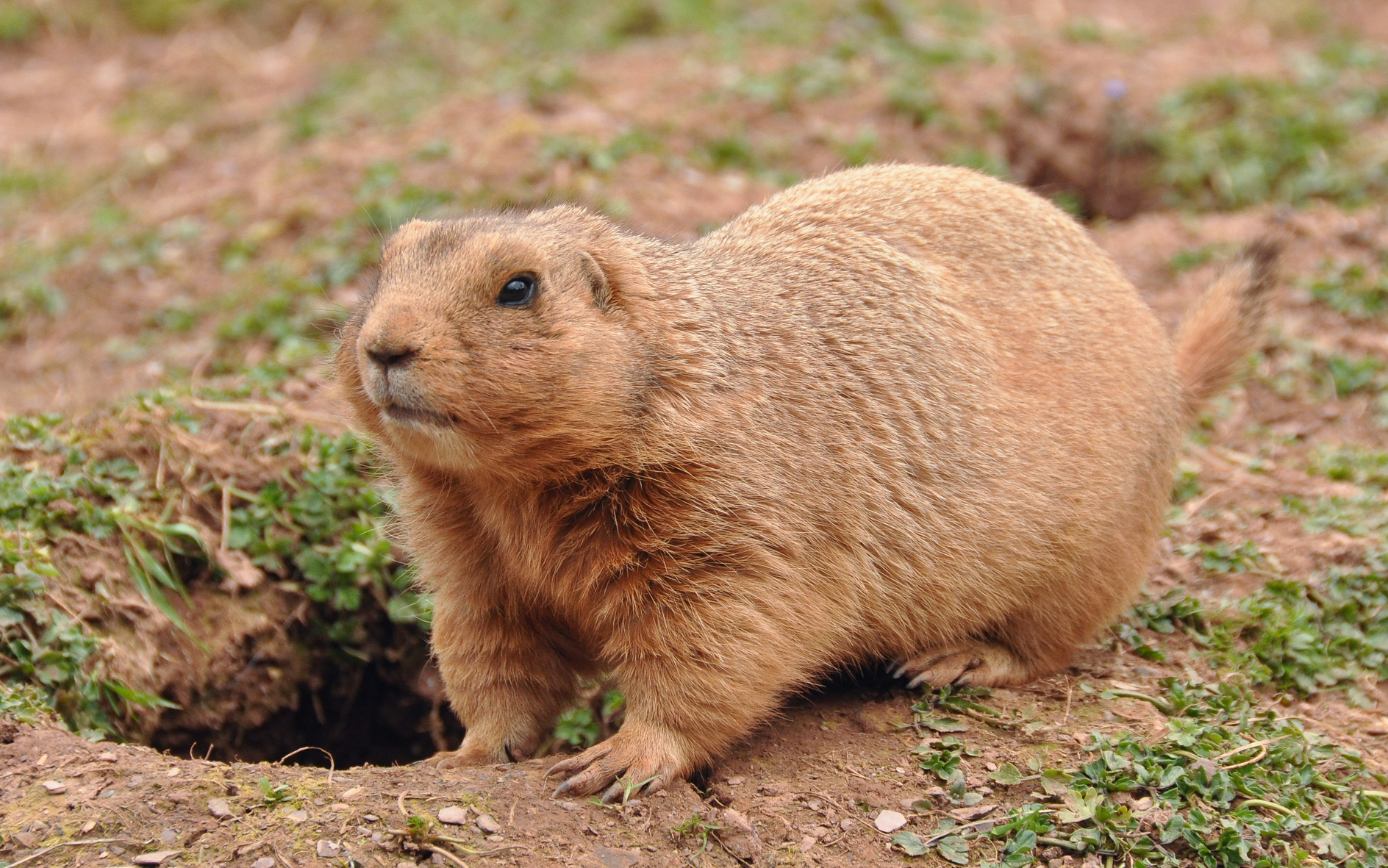
For most prairie dog hunters, the .22 WMR's wind resistance outweighs the .17 HMR's trajectory advantage. Prairie dog country is windy more often than calm, and the ability to connect in breezy conditions matters more than shaving a few inches of drop.
Consider your shooting volume too. If you're planning multiple trips per year with high round counts, the .22 WMR's longer barrel life becomes significant. For occasional use, either cartridge will serve well.
The bottom line is that both cartridges work well for prairie dog control. The .17 HMR gets more attention for its impressive velocity, but the .22 WMR's practical advantages often matter more in field conditions. Test both if possible, but don't overthink the choice; either one will ruin a prairie dog's afternoon effectively when you do your part behind the trigger.