You found a Romanian AK at the gun show with "SAR-1" stamped on the receiver, and the seller's asking twice what the WASR-10 next to it costs. Before you decide which one's the better deal, let's talk about what those markings actually mean and why some Romanian variants command higher prices than others.
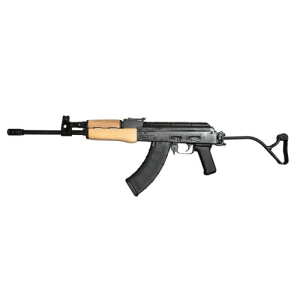
The Romanian AK story isn't just about SAR-1s and WASRs. It's about understanding how Cugir factory rifles made their way to American collectors, what happened during import and conversion, and which markings tell you what you're really buying. I've seen too many collectors pay premium prices for rifles they didn't understand, and miss good deals on variants they'd never heard of.
Here's what you need to know about Romanian AK collecting: the factory history, the import timeline, and how to read the markings that separate the valuable variants from the common ones.

The Cugir connection
All Romanian AKs worth collecting came from the same place: Cugir Arms Factory, officially known as Uzina Mecanică Cugir. This isn't some backyard operation; Cugir has been Romania's primary small arms manufacturer since the 1960s, producing everything from military AKMs to hunting rifles.
Cugir arms factory Pușcă Automată model 1963 (PA md. 63)
May contain affiliate links.
The factory's AK production started with Soviet technical assistance in the early 1960s. Romanian engineers modified the basic AKM design to create the Pușcă Automată model 1963 (PA md. 63), which became the foundation for all subsequent Romanian variants. What makes Cugir rifles interesting to collectors isn't just their solid construction; it's the specific features that distinguish them from other ComBloc AKs.
Romanian AKs have distinctive furniture profiles, different gas block designs, and unique stock configurations that evolved over decades of production. The wood furniture tends to be lighter colored than Russian or Bulgarian examples, often with a distinctive reddish tint. The pistol grips have a different angle and texture pattern. These details matter when you're trying to authenticate a rifle or determine its production era.

Look for the Cugir factory markings on the left side of the receiver. Authentic factory rifles will have clear, professionally applied markings that include the factory designation and often a production year. Import markings and conversion work can sometimes obscure these factory stamps, but they should still be visible under close inspection.
SAR-1 variants and what makes them special
The SAR-1 represents the first major wave of Romanian AK imports to reach American collectors. Century International Arms imported these rifles in the late 1990s and early 2000s, converting them from their original select-fire configuration to semi-automatic operation.
May contain affiliate links.
Cugir arms factory PM md. 65
May contain affiliate links.
What sets SAR-1s apart isn't just their earlier import date; it's the quality of the base rifles Century selected for conversion. These came from Romanian military stocks, meaning they were built to military specifications with proper heat treatment, correct metallurgy, and factory-applied finishes. The receivers are milled from quality steel, the barrels are chrome-lined, and the overall fit and finish reflects military production standards.
SAR-1s typically feature the distinctive Romanian dong grip, a forward pistol grip that's integral to the lower handguard. This isn't just cosmetic; the dong grip indicates these rifles were built to the PM md. 65 specification, which included several improvements over earlier Romanian AK variants. The dong grip itself is properly reinforced and attached, not a aftermarket add-on.

The stock configuration on SAR-1s varies, but authentic examples will have either the Romanian wire folding stock or a fixed wooden stock with the correct profile and hardware. The wire folders are particularly sought after by collectors, as they represent the original military configuration and are becoming increasingly rare.
Century's conversion work on SAR-1s was generally competent, though not perfect. The trigger groups were replaced with semi-automatic components, and compliance parts were added to meet import requirements. However, the core rifle, receiver, barrel, bolt carrier group, remained largely untouched from the original military specification.
WASR evolution and import changes
The WASR-10 represents a different approach to Romanian AK imports. Where SAR-1s were converted from complete military rifles, WASRs started life as single-shot hunting rifles built specifically for export. Cugir manufactured these rifles with single-shot actions, then Century converted them to semi-automatic operation after importation.
This fundamental difference explains many of the quality variations you'll find in WASR rifles. The base rifles weren't built to military specifications; they were built to be inexpensive exports that could be legally imported under sporting rifle provisions. The metallurgy, heat treatment, and quality control standards were different from military production.
Early WASR-10s from the mid-2000s had significant quality control issues. Magazine wells were often out of spec, requiring filing or modification to accept standard AK magazines. Canted front sight bases were common, as were poorly finished surfaces and rough machining marks. The conversion work itself was sometimes sloppy, with uneven trigger pin holes and poorly fitted compliance parts.
However, WASR quality improved significantly over time. Later production rifles, particularly those imported after 2010, show much better quality control and more consistent manufacturing standards. The magazine wells fit properly, the sight alignment is correct, and the overall finish is more professional.
The key to WASR collecting is understanding this quality evolution. Early rifles with obvious defects aren't necessarily bad investments if they're priced accordingly, but premium examples from later production runs represent better value for most collectors.
Factory markings and authentication
Reading Romanian factory markings correctly is essential for authentication and valuation. Authentic Cugir rifles will have specific markings applied at the factory, not added during import or conversion.
The primary factory marking is the Cugir designation, typically found on the left side of the receiver. This should be clearly stamped, with consistent depth and professional appearance. Import markings are usually found on the right side of the receiver or on the barrel, and these are added after the rifle reaches the United States.

Production dates on Romanian AKs can be tricky to decipher. Unlike some other ComBloc rifles, Romanians didn't always use obvious date codes. Some rifles have year markings, others use internal factory codes that require reference materials to interpret. The absence of a clear date stamp doesn't necessarily indicate a problem; it might just mean you need to research the specific marking system used during that production period.
Serial numbers on Romanian AKs follow different patterns depending on the production era and intended market. Military rifles typically have different serial number formats than export rifles, and understanding these patterns can help you determine what type of rifle you're examining.
Proof marks are another important authentication feature. Romanian rifles should have appropriate proof marks indicating they passed factory inspection. These are usually small symbols or letters stamped into the receiver or barrel. Fake or assembled rifles often lack proper proof marks, or have marks that don't match the supposed production origin.
Common fakes and conversion issues
The popularity of Romanian AKs has led to various forms of fakery and misrepresentation. Understanding common scams helps you avoid expensive mistakes.
Parts kit builds are probably the most common source of confusion. Many "Romanian AKs" on the market are actually assembled from parts kits using American-made receivers. These aren't necessarily bad rifles, but they're not authentic Romanian factory rifles either. Look for receiver markings, weld patterns, and overall construction quality that matches known factory standards.
Refinished rifles are another trap for collectors. Original Romanian military finish has a distinctive appearance; usually a dark, slightly textured parkerizing or phosphate coating. Rifles that have been reblued, painted, or otherwise refinished lose much of their collector value, even if the underlying rifle is authentic.

Frankenstein rifles built from mixed parts are increasingly common. These might have a Romanian receiver with Bulgarian furniture, or a SAR-1 receiver with WASR components. While these rifles might function perfectly, they're not authentic examples of any particular variant.
Import marking removal or alteration is illegal and destroys collector value. Some sellers try to remove or modify import markings to make rifles appear more "authentic," but this creates legal problems and actually reduces the rifle's value to knowledgeable collectors.
Century's conversion work itself can be a source of problems. Poor trigger pin hole alignment, incorrect compliance parts installation, or damaged original components during conversion all affect both function and value. Inspect conversion work carefully, looking for professional workmanship and proper parts fitment.
Variant comparison and collector interest
Understanding the hierarchy of Romanian AK variants helps you make informed collecting decisions. Not all Romanian AKs are created equal, and market values reflect these differences.
May contain affiliate links.
May contain affiliate links.
SAR-1 rifles generally command the highest prices among Romanian variants. Their military origins, earlier import date, and increasingly limited supply make them the most sought-after by collectors. Expect to pay premium prices for examples in good condition, particularly those with original furniture and minimal modification.
WASR-10 rifles represent the budget end of Romanian collecting, but later production examples can be excellent values. They're widely available, parts and accessories are common, and quality has improved significantly over the years. For shooters rather than collectors, a good WASR might be the better choice.
SAR-2 and SAR-3 variants in 5.45x39 and .223 respectively are much less common than SAR-1s. These rifles used different magazine systems and had more limited import numbers. They're interesting curiosities but have smaller collector followings than the standard 7.62x39 variants.
VASKA rifles represent another Romanian variant, though they're less commonly encountered. These were imported by different companies and have their own characteristics and quality variations. They're worth understanding if you encounter them, but they don't have the same collector recognition as SAR or WASR rifles.
Pre-ban Romanian rifles; those imported before the 1994 assault weapons ban; have additional collector interest due to their legal status and historical significance. However, authentic pre-ban examples are increasingly rare and command significant premiums when they appear on the market.
What to look for during inspection
When examining a Romanian AK, start with the receiver markings. Authentic factory markings should be clear, professionally applied, and consistent with known Cugir standards. Import markings should be present and properly applied; their absence might indicate legal problems.
Check the barrel for chrome lining by looking down the bore with a flashlight. Romanian military barrels are chrome-lined, and this lining should be visible as a bright, reflective surface. Worn or damaged chrome lining affects both function and value.

Examine the furniture carefully. Original Romanian furniture has distinctive characteristics; wood grain patterns, hardware configurations, and finish appearance that's different from other ComBloc variants. Replacement furniture isn't necessarily a problem, but it should be identified and priced accordingly.
Test the action for smooth operation. The bolt should cycle smoothly, the trigger should have appropriate weight and reset, and the safety should engage positively. Rough or binding action might indicate conversion problems or excessive wear.
Look for signs of modification or repair. Welding marks, filled holes, or replaced components all affect authenticity and value. Some modifications are acceptable or even necessary for legal compliance, but they should be professional and appropriate.
Check magazine fit and function. Romanian rifles should accept standard AK magazines without excessive wobble or binding. WASR rifles in particular had magazine well issues in early production, so test this carefully.
Buying considerations and market reality
Romanian AK prices vary significantly based on variant, condition, and current market conditions. SAR-1 rifles typically cost significantly more than WASR-10s, and this price difference reflects real differences in desirability and collector interest.
However, don't assume higher price always means better rifle. A well-maintained WASR from later production might be a better shooter than a beat-up SAR-1, even if the SAR-1 has more collector cachet. Consider your intended use; collecting, shooting, or both; when evaluating price versus value.
Condition matters enormously with Romanian AKs. These rifles were often imported in large quantities and stored in less-than-ideal conditions. Rust, pitting, or other damage can significantly affect both function and value. Factor restoration costs into your purchase decision.

Documentation and accessories add value but aren't always present. Original boxes, manuals, or accessories are increasingly rare and command premiums when available. However, don't let the absence of documentation prevent you from buying an otherwise good rifle.
Consider the source when buying Romanian AKs. Established dealers who specialize in military surplus often have better knowledge and more honest descriptions than general firearms dealers. Private sellers might have good deals, but they also might not understand what they're selling.
Before you hand over cash for any Romanian AK, verify the seller's description against what you can observe. "All original" might mean "hasn't been modified since import," not "factory original condition." "Excellent condition" might mean "functions properly" rather than "minimal wear." Ask specific questions about condition, modifications, and history.
The Romanian AK market continues to evolve as supply decreases and collector interest increases. SAR-1 rifles are becoming genuinely scarce, while WASR availability remains good but prices continue to rise. Understanding these market dynamics helps you make better timing decisions for both buying and selling.
Look for rifles that represent good examples of their type rather than chasing rare variants you might not understand. A solid SAR-1 or quality WASR will serve you better than an unusual variant with questionable provenance or condition issues.