You're at the gun counter and someone mentions their "2011." You nod along, but honestly, you're not entirely sure what makes it different from a 1911 beyond the obvious number change. Here's the thing: the 2011 isn't just a marketing gimmick or a minor update. It's a fundamental redesign that takes the 1911's trigger and ergonomics and wraps them around a modern, high-capacity platform.
The 2011 started as a competition gun and has evolved into something that's reshaping how we think about carry pistols, duty guns, and range toys. After spending time with several 2011s, from budget builds to $4,000 race guns, I can tell you they're not just expensive 1911s with more rounds.
The real difference between 1911 and 2011
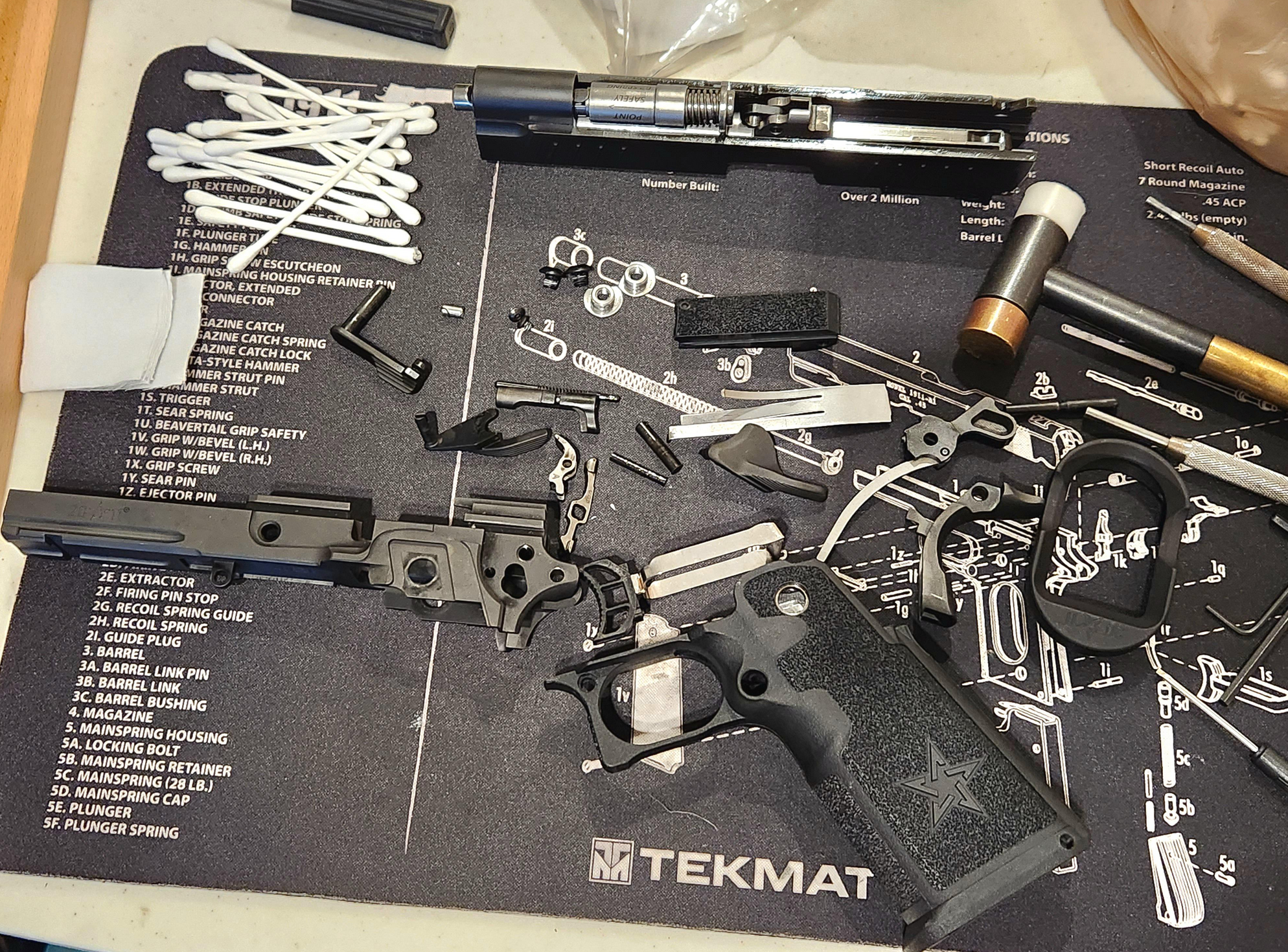
The core difference is the frame. A 1911 uses a single-stack magazine and a steel frame machined from a solid block. The 2011 splits that frame into two parts: a steel fire control unit that houses the trigger, hammer, and all the precision parts, and a polymer grip module that accepts double-stack magazines.
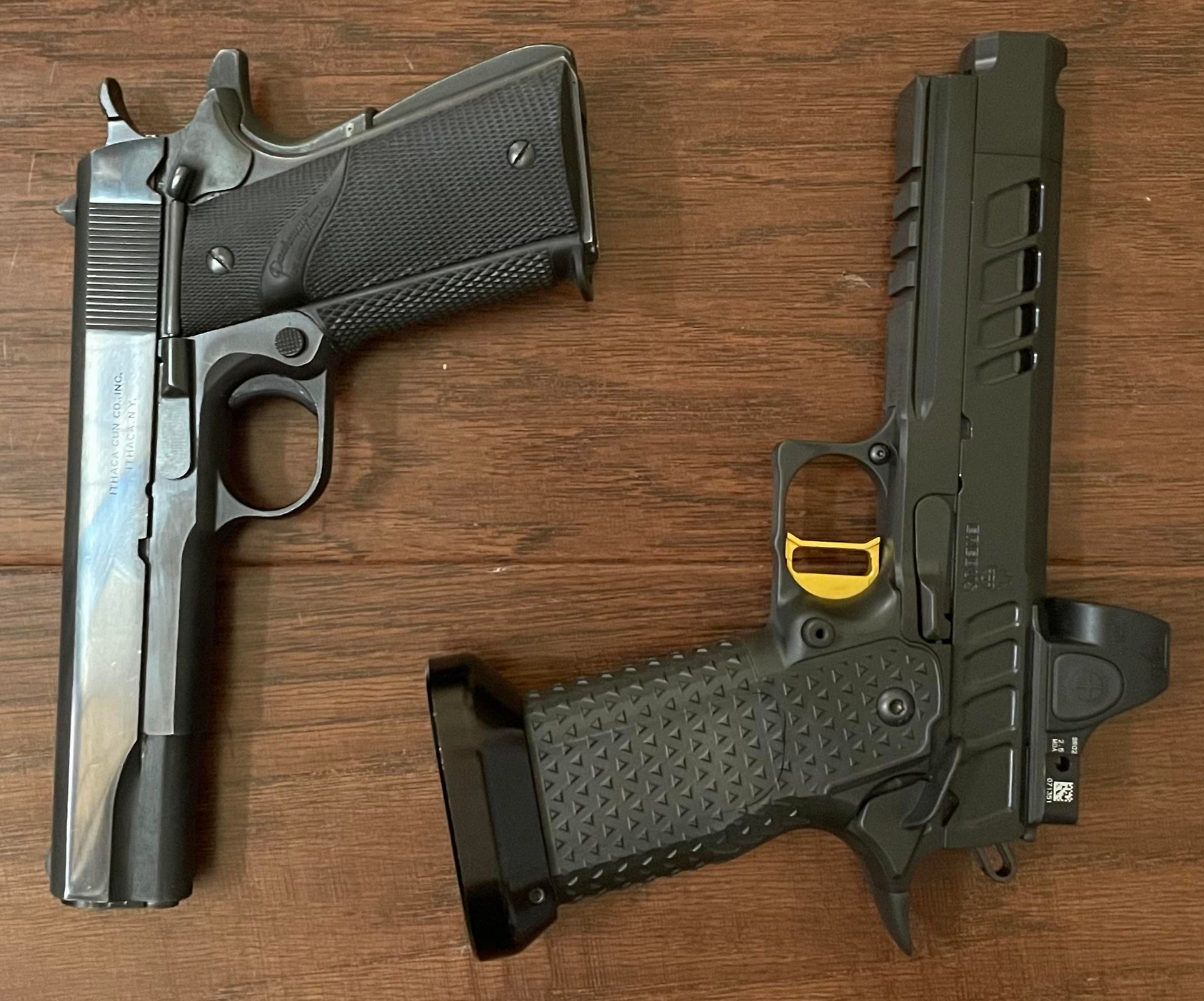
This modular approach solves several problems the 1911 has lived with for over a century. First, capacity. Where a 1911 gives you 8+1 rounds of 9mm, a compact 2011 starts at 15+1 and full-size versions hit 20+1 or more. Second, manufacturing cost and consistency. Instead of machining an entire frame from steel, manufacturers can focus their precision work on the fire control unit and use injection-molded polymer for the grip.
The trigger mechanism stays pure 1911: same geometry, same single-action pull, same crisp break. That's what 2011 shooters love most. You get the 1911's legendary trigger in a package that holds twice as many rounds and costs less to produce.
But here's what most people forget: the 2011 isn't just a high-capacity 1911. The modular design allows for grip size variations that would be impossible with a traditional 1911. Small hands, large hands, different textures, different backstrap angles; all possible with the same fire control unit.
Why 2011s took over competition shooting
Walk through any USPSA match and you'll see more 2011s than any other platform. There's a reason for that beyond just capacity.
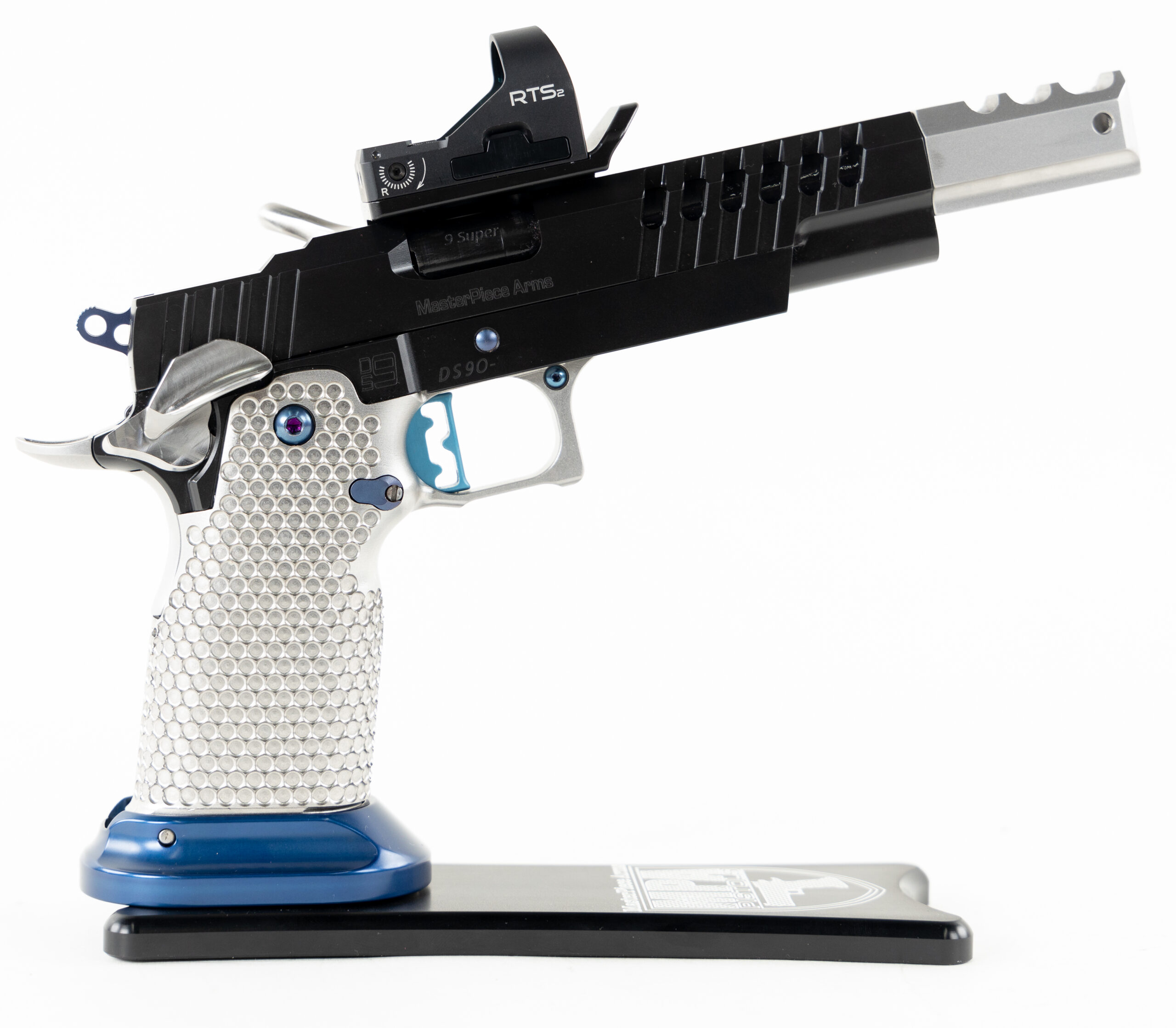
The 2011's grip angle and trigger reach work better for most shooters than a Glock or M&P. The single-action trigger breaks consistently at the same weight and travel every time; no striker-fired mushiness or reset confusion. For precision shooting, especially at distance, that crisp break matters.
Capacity helps too, obviously. In Limited division, you're allowed 140mm magazines that hold 23-26 rounds depending on the manufacturer. That means fewer reloads, which means faster stage times. But capacity alone didn't make 2011s dominant; plenty of high-cap guns exist.
What sealed it was modularity and tunability. You can swap grip modules for different hand sizes, adjust trigger weights precisely, and modify almost every component. A serious competitor can dial in their 2011 to their exact preferences in ways that aren't possible with most other platforms.

Smith & Wesson M&P Deals
Prices may change. May contain affiliate links.
The downside? Complexity. A 2011 has more parts than a Glock, more potential failure points, and requires more maintenance knowledge. I've seen 2011s go down during matches because of magazine issues, extractor problems, or trigger component failures that would never happen with a simpler gun.
Range notes: What you'll actually feel
Here's what you notice immediately:
The grip feels familiar if you've shot 1911s, but the extra width from the double-stack magazine takes adjustment. It's not as wide as you'd expect; closer to a Glock 19 than a Glock 21; but it's different enough that your first few draws might feel awkward.
The trigger is where 2011s shine. Even entry-level models break cleaner than most striker-fired guns. There's no take-up, no wall to find, just a straight pull to a crisp break. Reset is short and positive. After shooting a 2011, going back to a stock Glock trigger feels mushy.
Recoil management is excellent. The steel fire control unit adds weight low in the gun, and the grip angle lets you drive the gun straight back into your hand. Muzzle flip is minimal compared to most polymer guns.
The magazine release is positioned differently than most modern guns; more like a 1911, which means lower and requiring a grip shift for some shooters. This isn't necessarily bad, but it's different from the Glock-style releases most people are used to.
Current 2011 manufacturers and what they offer
The 2011 market has exploded in the past five years. Here's who's making them and what distinguishes each:
Staccato leads the pack with the most complete lineup. Their C2 compact runs around $2,000 and gives you a carry-ready 2011 with excellent reliability. The P full-size is their duty gun, adopted by several law enforcement agencies. The XL is their competition-focused model with a longer slide and barrel.
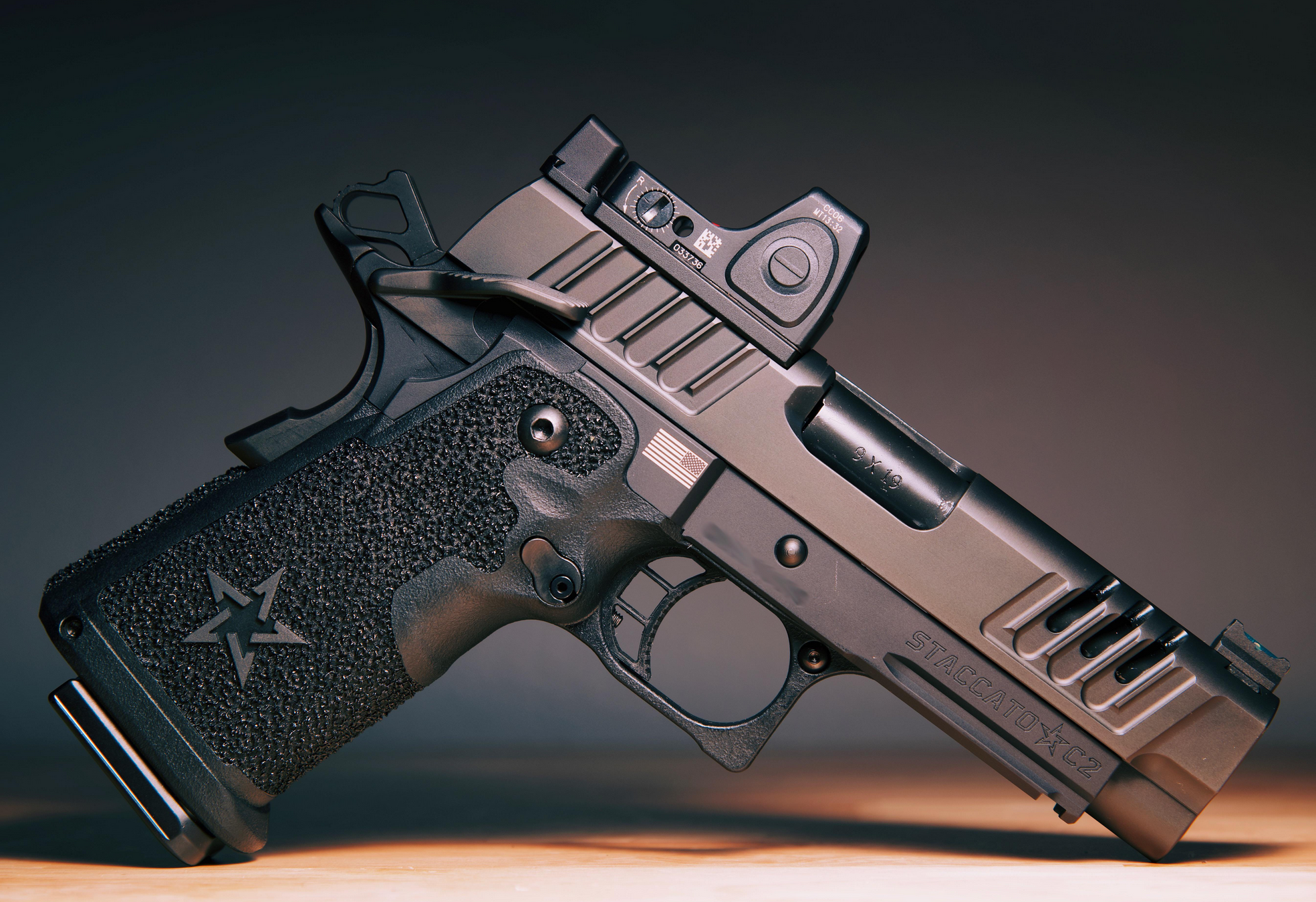
Staccato's strength is consistency and support. Their guns run reliably out of the box, and they have a real warranty and customer service infrastructure. The downside is price; even their entry-level guns cost more than most people want to spend on a carry gun.
Atlas Gunworks builds the high-end race guns. Their Nemesis and Titan models are what you see winning major matches. These are $4,000+ guns with hand-fitted parts and race-ready features like compensators and optics cuts. Atlas focuses on the competition market almost exclusively.
Bul Armory offers more affordable options with their SAS series. These Israeli-made guns bring 2011 features at closer to $1,500. The trade-off is less refinement and fewer features than the premium brands.
Nighthawk Custom and Wilson Combat build boutique 2011s with their typical attention to detail and premium pricing. These are more custom guns than production models.
Phoenix Trinity and Prodigy represent the budget end, though "budget" is relative when we're talking about 2011s. These guns can have reliability issues and quality control problems that the premium manufacturers avoid.
The carry gun question
Here's where 2011s get controversial. Can you carry one? Should you?
I've carried a Staccato C2 for several months, and it works. The gun is reliable, accurate, and the capacity advantage over a 1911 is real. But it's not without compromises.
First, size and weight. Even compact 2011s are bigger and heavier than most modern carry guns. The C2 weighs 25 ounces empty; that's Glock 19 territory but with a thicker grip. For appendix carry, that extra thickness matters.
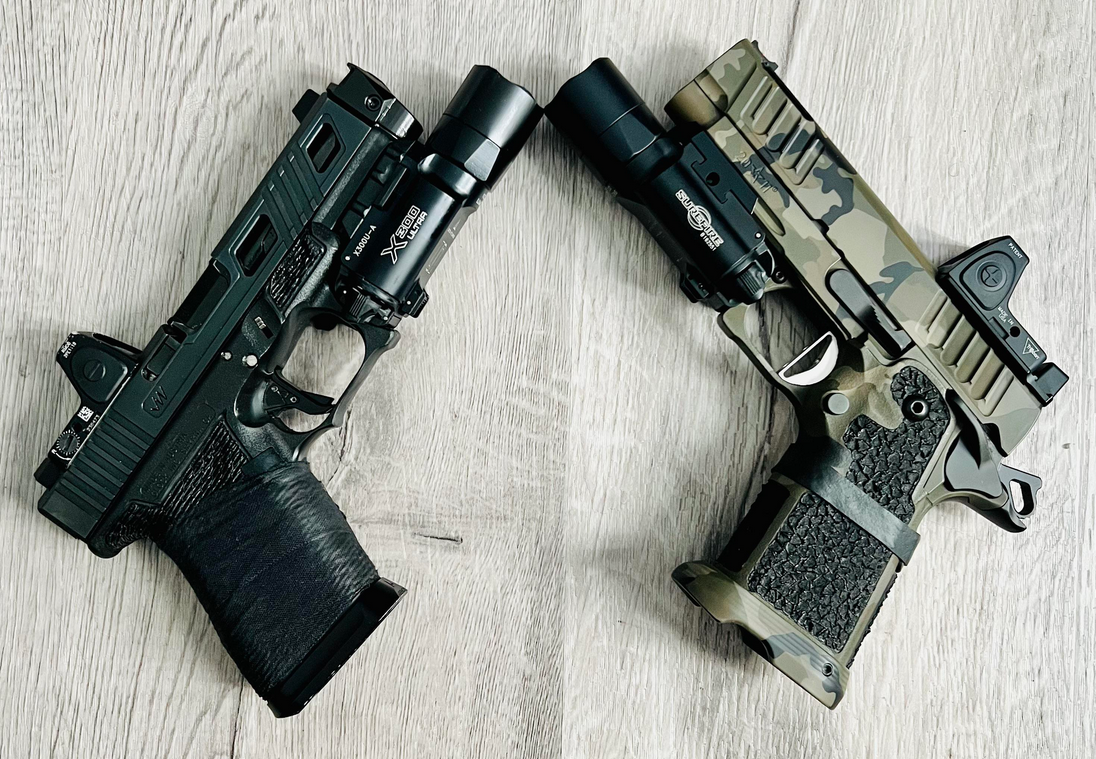

Second, complexity. A 2011 has more parts and tighter tolerances than a striker-fired gun. It needs more maintenance and is more sensitive to ammunition and magazine quality. For a gun that might sit in a holster for months without being fired, that's a consideration.
Third, cost. A decent carry 2011 costs $2,000 minimum. That's four Glock 19s or two Sig P365s. For most people, that money would be better spent on training and ammunition.
But if you shoot regularly, appreciate a good trigger, and want maximum capacity in a single-action platform, a 2011 can work for carry. Just understand what you're signing up for.
Competition evolution and current trends
The 2011 platform continues evolving, driven mostly by competition needs. Current trends include:
Optics integration. Most new 2011s come with optics cuts or mounting systems. The long sight radius and stable platform make them excellent hosts for red dots.
Compensators. Ported barrels and compensators are becoming standard on race guns. The added muzzle control is significant, though it comes with increased blast and complexity.
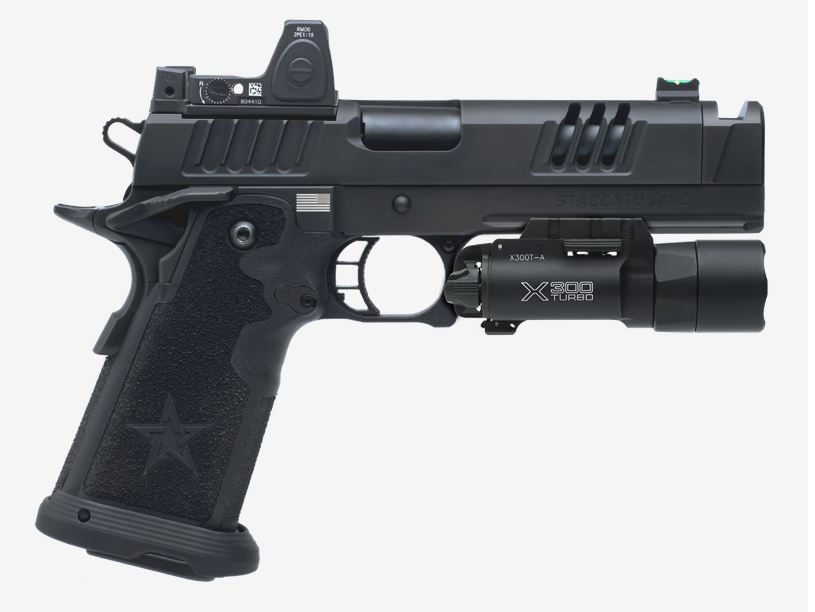

Modular grip systems. Manufacturers are expanding grip options with different textures, sizes, and features. Some companies offer multiple backstrap options or interchangeable grip panels.
Improved magazines. Magazine technology has advanced significantly. Modern 2011 magazines are more reliable and hold more rounds than early versions. Some manufacturers are pushing capacity to 26+ rounds in 140mm magazines.
Material improvements. Better steel alloys, improved coatings, and advanced manufacturing techniques are making 2011s more reliable and durable.
Common problems and what to watch for
After talking to gunsmiths and serious 2011 shooters, here are the issues that come up most often:
Magazine problems. 2011s are more sensitive to magazine quality than most guns. Cheap magazines cause feeding issues, and even good magazines need regular maintenance. The magazine release can also be finicky; too much tension and magazines won't drop free, too little and they fall out during shooting.
Extractor issues. The 1911-style extractor requires proper tension to work reliably. Too tight and cases stick, too loose and you get extraction failures. This isn't a problem with quality guns, but it's something to be aware of.
Trigger component wear. The precise fit of 2011 trigger components means they can wear in ways that affect function. Disconnector problems, sear engagement issues, and hammer follow are all possible with high round counts or poor maintenance.
Ammunition sensitivity. 2011s generally prefer hotter ammunition than striker-fired guns. Weak loads can cause cycling issues, especially with compensated guns. Most manufacturers specify minimum power factors for reliable operation.
Holster compatibility. The 2011's unique dimensions mean fewer holster options than mainstream guns. This is improving as the platform gains popularity, but it's still a consideration for carry or competition use.
The reliability question
Honestly, 2011 reliability depends entirely on the manufacturer and your maintenance habits. A quality 2011 from Staccato or Atlas can be as reliable as any duty gun if you maintain it properly and feed it decent ammunition.
The problem is that 2011s don't tolerate neglect like a Glock or M&P. They need regular cleaning, proper lubrication, and attention to magazine condition. Skip maintenance and you'll have problems.
I've seen 2011s run tens of thousands of rounds without issues, and I've seen them fail in the first hundred rounds due to poor assembly or cheap components. The platform is capable of excellent reliability, but it requires more from the user than simpler designs.
Who should buy a 2011
After shooting 2011s extensively, here's my take on who they make sense for:
Competition shooters who want every advantage. The trigger, capacity, and modularity make 2011s hard to beat in Limited or Open divisions.
Serious enthusiasts who appreciate precision and don't mind the complexity. If you enjoy working on guns and want the best possible trigger in a high-capacity package, a 2011 delivers.
Experienced shooters looking for something different. If you've shot everything else and want to try the 1911 trigger in a modern package, a 2011 is worth experiencing.
Law enforcement in specialized roles. Some agencies are adopting 2011s for SWAT or detective use where the advantages outweigh the complexity.
Who shouldn't buy a 2011? New shooters who need simple and reliable. People who want a gun that works with minimal maintenance. Shooters on a tight budget who could better spend the money on training.
What I'd buy today
If I were buying a 2011 today, I'd go with a Staccato C2 for carry or a Staccato P for duty/home defense. They're expensive, but they work reliably and have good support. For competition, I'd look at Atlas if budget allowed, or a Staccato XL if I wanted something more affordable.
For someone curious about 2011s but not ready to spend Staccato money, I'd suggest finding a range that rents them or borrowing one from a friend. The platform is impressive, but it's not for everyone. Make sure you understand what you're getting into before dropping two grand on a carry gun.
The 2011 represents the evolution of the 1911 concept into something that works in the modern shooting world. It's not perfect, and it's not for everyone, but for shooters who value precision and performance over simplicity, it's hard to beat.