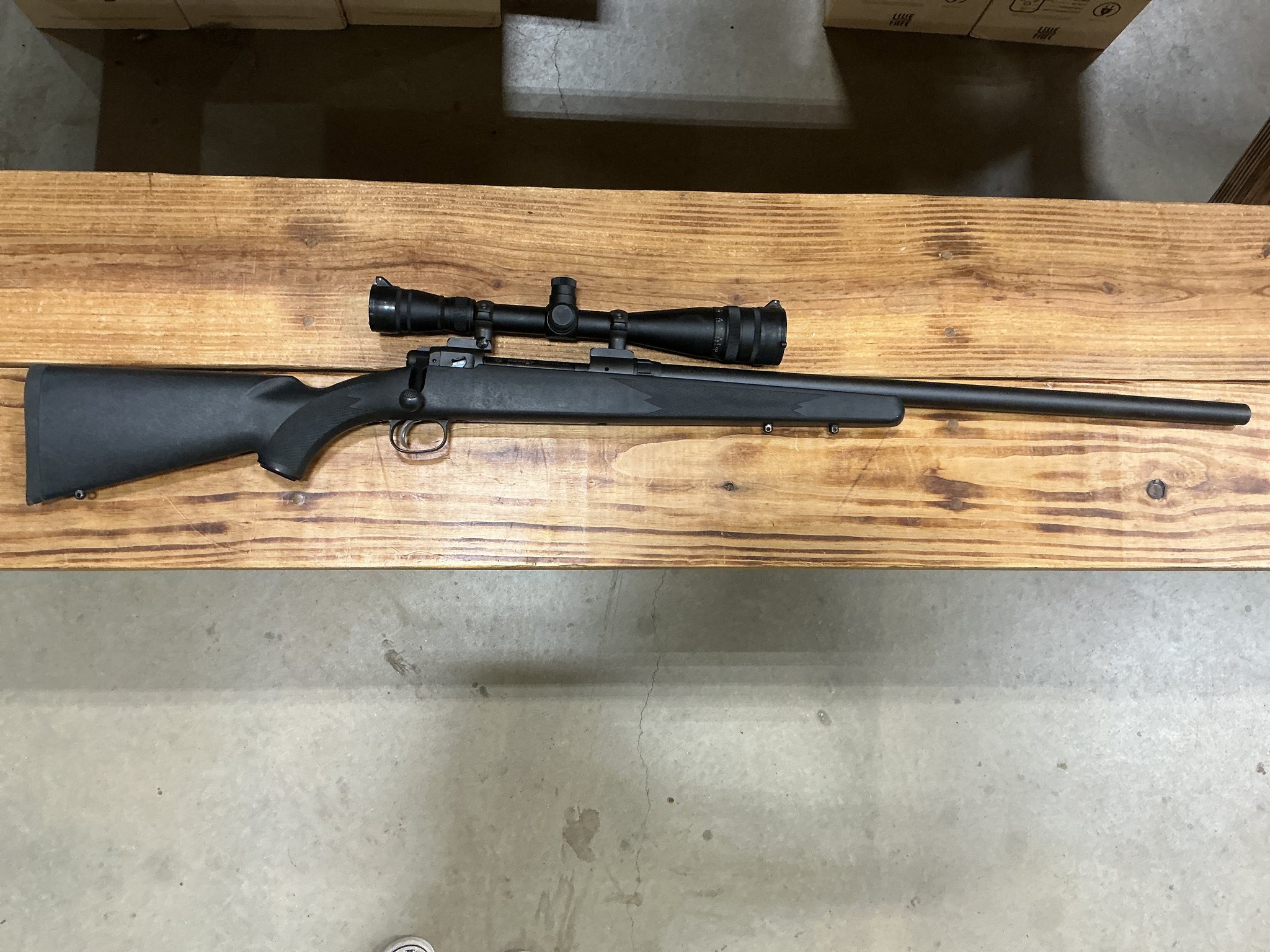
You built that Remington 700 SPS Tactical back in 2012. Dropped it into a Bell & Carlson A5 stock, mounted a Vortex Viper PST 4-16x50, and called it done. It shot 0.7 MOA with Federal Gold Medal Match, and you were convinced you'd built the ultimate precision rifle. Then life happened; kids, mortgage, that promotion that ate your weekends. Your baby's been sitting in the safe for a decade while the precision rifle world exploded around it.
Here's the deal: what passed for cutting-edge in 2012 is now entry-level. The components available today make your old setup look like a musket. Carbon fiber barrels that weigh half as much while shooting tighter groups. Chassis systems that turn your bolt gun into a modular platform. Optics with glass clarity that makes your old scope look like you're shooting through a Coke bottle.
I'm going to walk you through exactly how to transform that time-capsule rifle into something that'll hang with today's PRS competitors. We'll start with what you probably built back then, then show you the path forward with modern components that actually matter.
What You Built in 2012
Let's be honest about what "precision" looked like 15 years ago. You probably started with one of these platforms:
Remington 700 SPS Tactical was the go-to choice. Heavy barrel, 1:12 twist in .308, basic SPS trigger that broke somewhere around 4.5 pounds. The action was decent but needed work; bolt face lapping, trigger job, maybe a trued receiver if you were serious.
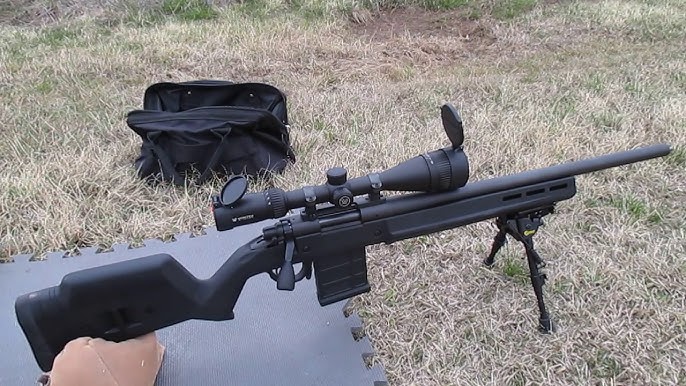
Savage 10FP offered better out-of-the-box accuracy with AccuTrigger technology that seemed revolutionary at the time. The barrel nut system made swapping barrels easier, but the actions felt agricultural compared to custom work.
Tikka T3 Tactical gave you smooth bolt throw and solid accuracy, but customization options were limited. You were mostly stuck with what Tikka offered.
Your optics choices were simpler too. The Vortex Viper PST 4-16x50 was considered high-end glass for the money. Leupold Mark 4 if you had cash. Maybe a Nightforce NXS if you were really splurging. First focal plane scopes existed but weren't mainstream yet.
Stocks were basic: Bell & Carlson medalist series, maybe a McMillan A5 if you saved up. Chassis systems were just starting to appear; the AICS was expensive and hard to find, KRG Whiskey-3 didn't exist yet.
The Modern Landscape
Today's precision rifle world is completely different. We've got carbon fiber everything, modular chassis systems that swap between calibers, and optics with features that didn't exist in 2012. The accuracy standard has shifted too; what used to be "precision rifle accurate" is now just "decent hunting rifle accurate."
Action Upgrades
Your old Remington 700 action can be the foundation for a modern build, but it needs work. The receiver should be trued, bolt face squared, and threads cut properly. Companies like American Rifle Company, Defiance, and Zermatt Arms are building actions that make your old 700 look primitive, but honestly, a properly blueprinted 700 will still shoot.
The bigger upgrade is moving to a modern cartridge. That .308 Winchester you loved in 2012? It's been left behind by 6.5 Creedmoor, 6mm Creedmoor, and now 6mm ARC. These newer cartridges offer better ballistics, less wind drift, and overall better performance.
Barrel Technology Revolution
This is where the biggest changes happened. Your old heavy barrel was steel, probably around 26 inches, and weighed close to four pounds. Modern carbon fiber barrels from Proof Research or Christensen Arms weigh half that while maintaining the same stiffness. They heat up slower and cool down faster.
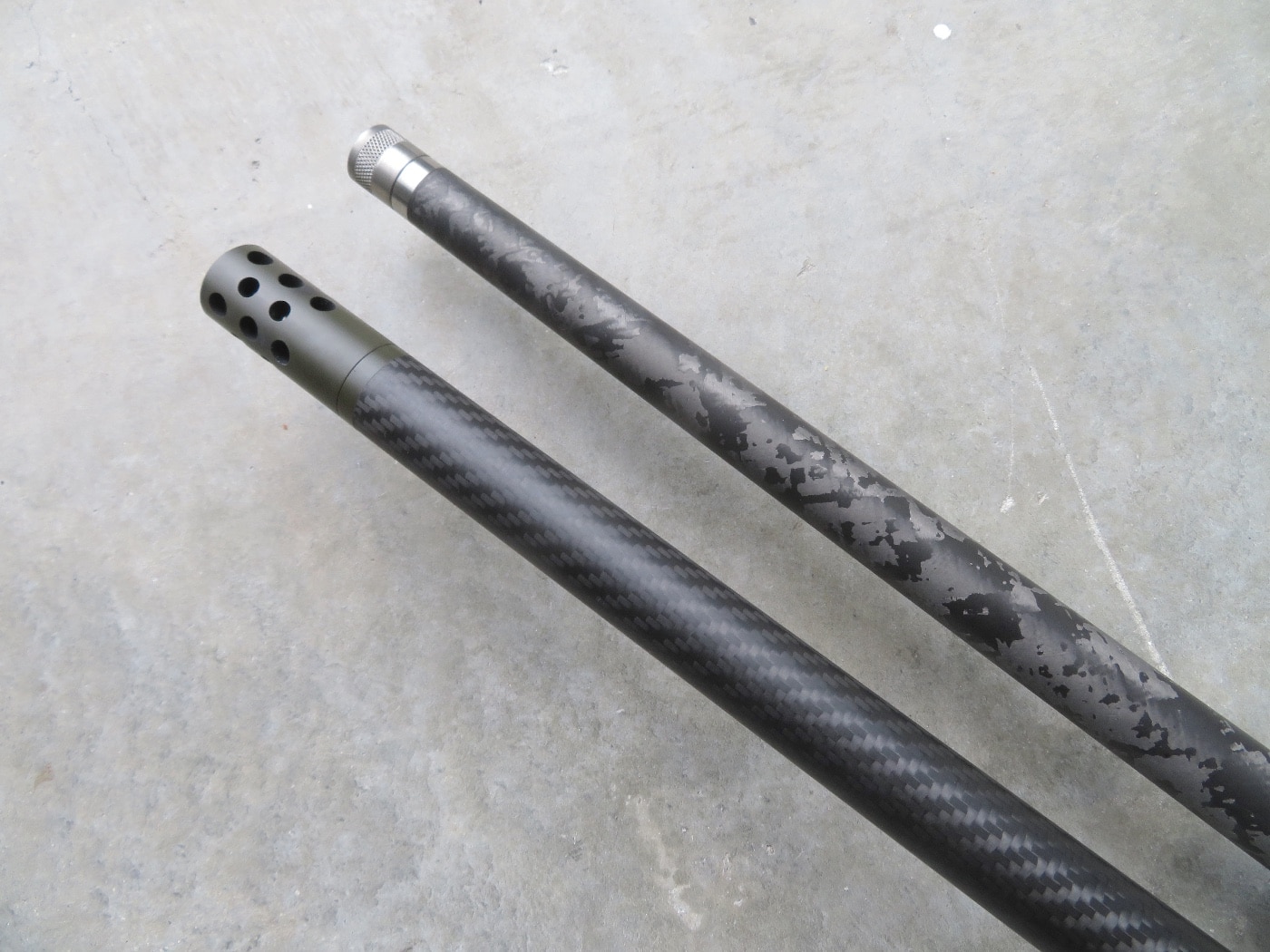
But here's what actually matters: modern barrel manufacturing is just better. Companies like Bartlein, Krieger, and Rock Creek are producing barrels that consistently shoot sub-half-MOA with factory ammo. The button rifling vs. cut rifling debate still exists, but both processes are so refined now that the difference is academic for most shooters.
Modern Barrel Comparison
The twist rates have changed too. That 1:12 twist in .308 was fine for 168-grain bullets, but modern heavy-for-caliber projectiles need faster twists. A 1:10 twist handles everything from 150 to 190 grains effectively.
Chassis Systems: The Game Changer
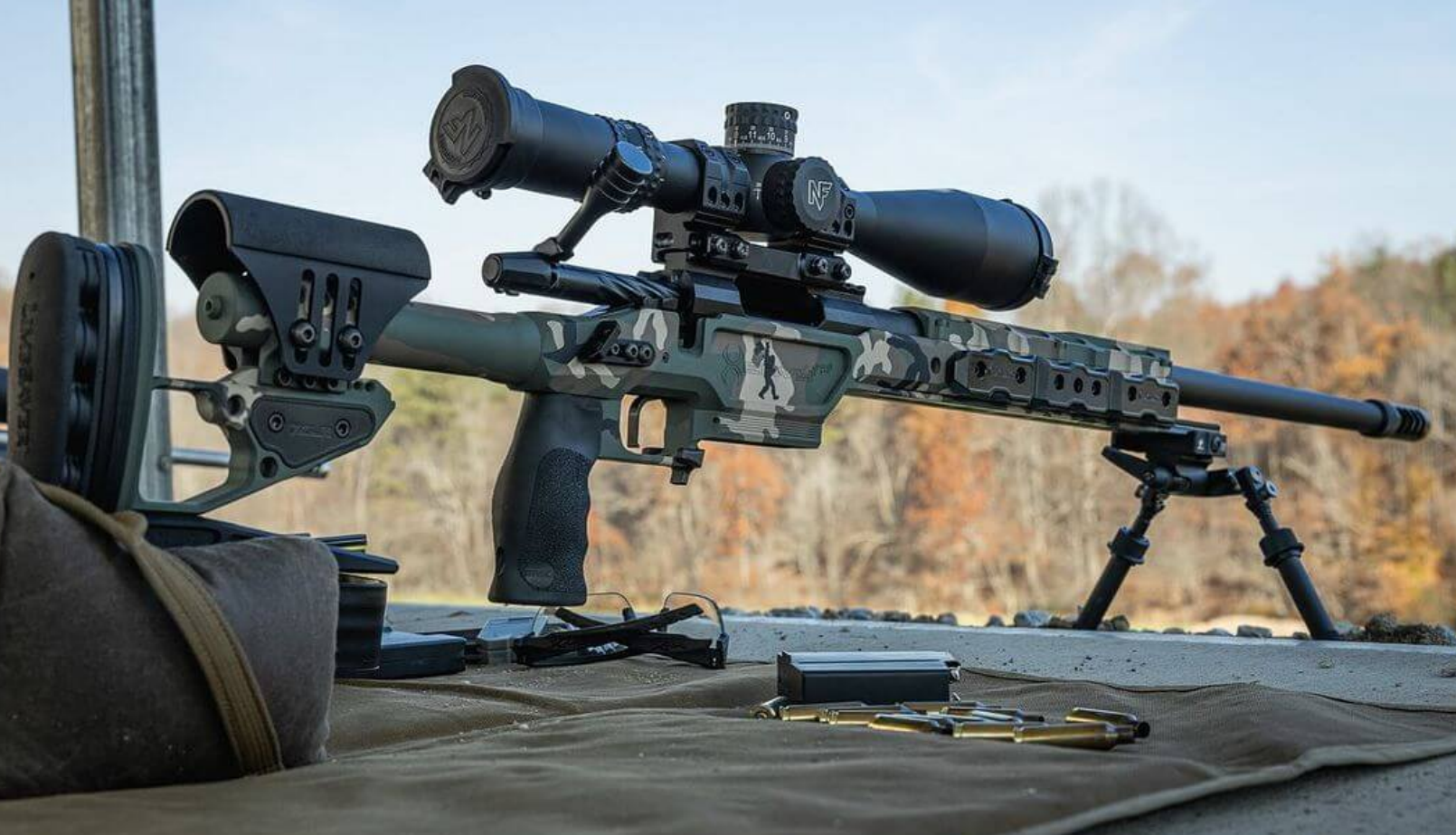
Your old Bell & Carlson stock was fine, but chassis systems changed everything. They offer adjustable length of pull, cheek height, and cant. More importantly, they accept AR-15 triggers and grips, use standard rail systems, and swap between different actions with minimal work.
KRG Whiskey-3 Pro is the gold standard. Aluminum construction, tool-free adjustments, and compatibility with most bolt actions. The enclosed forend design protects the barrel while providing mounting points for accessories.
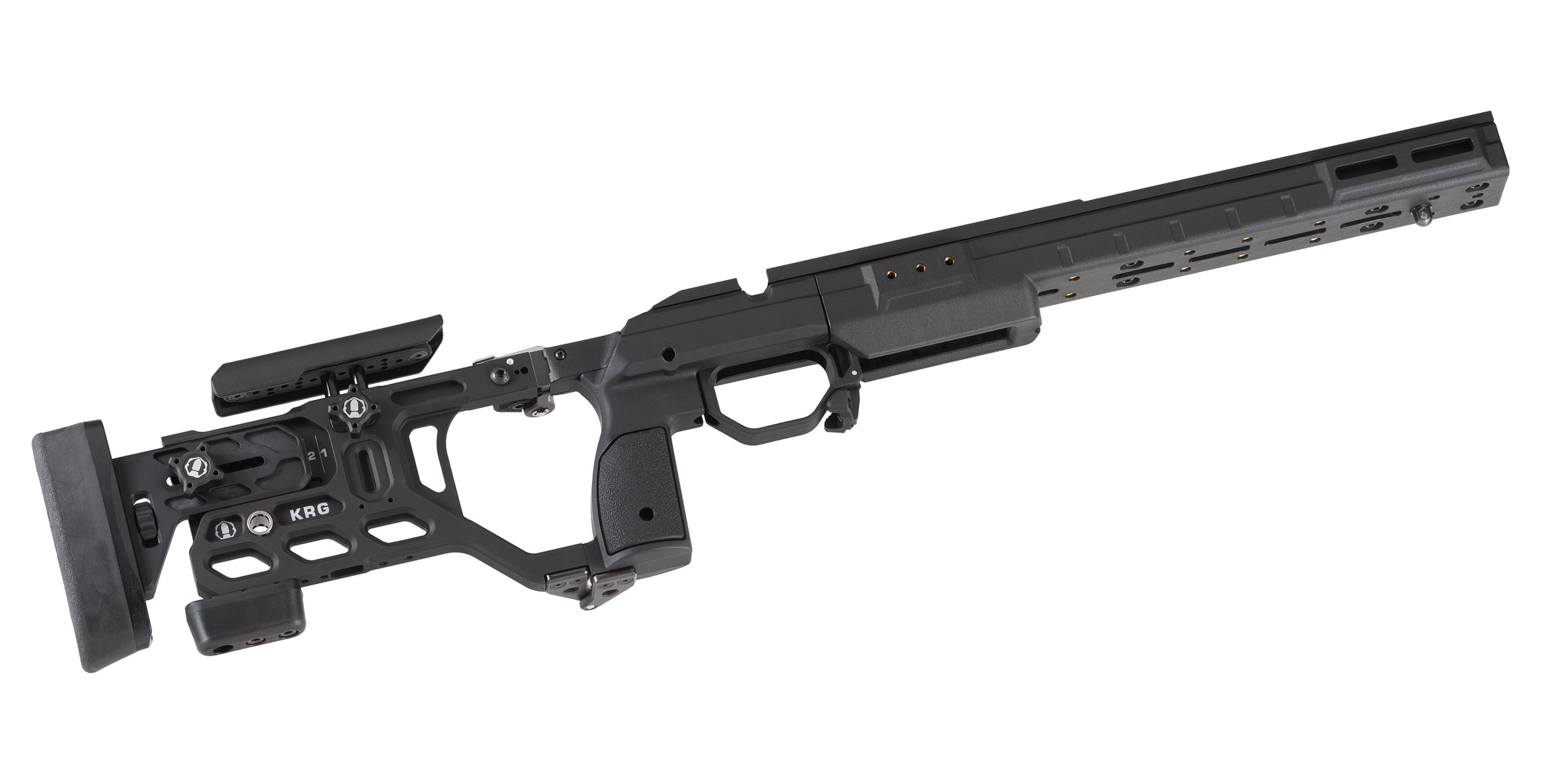
MDT ACC offers similar features with a more aggressive look. The buttstock adjusts for both length and cant, and the grip angle can be modified. It's heavier than the KRG but feels more solid.
XLR Element 4.0 takes a different approach with a carbon fiber buttstock and aluminum chassis. Lighter overall but just as adjustable.
Chassis System Comparison
The real advantage is modularity. Swap the barrel and bolt, and your .308 chassis becomes a 6.5 Creedmoor. Change the action, and you can run different cartridge families. This wasn't possible with traditional stocks.
Optics: The Clarity Revolution
Your old Vortex Viper PST was decent glass for 2012. Today's optics make it look like a toy. The resolution, color fidelity, and low-light performance of modern scopes is dramatically better.
Vortex Razor HD Gen III 6-36x56 represents the current state of the art. The glass quality rivals European optics costing twice as much. The turrets are precise and repeatable, and the reticle options are designed for modern long-range shooting.
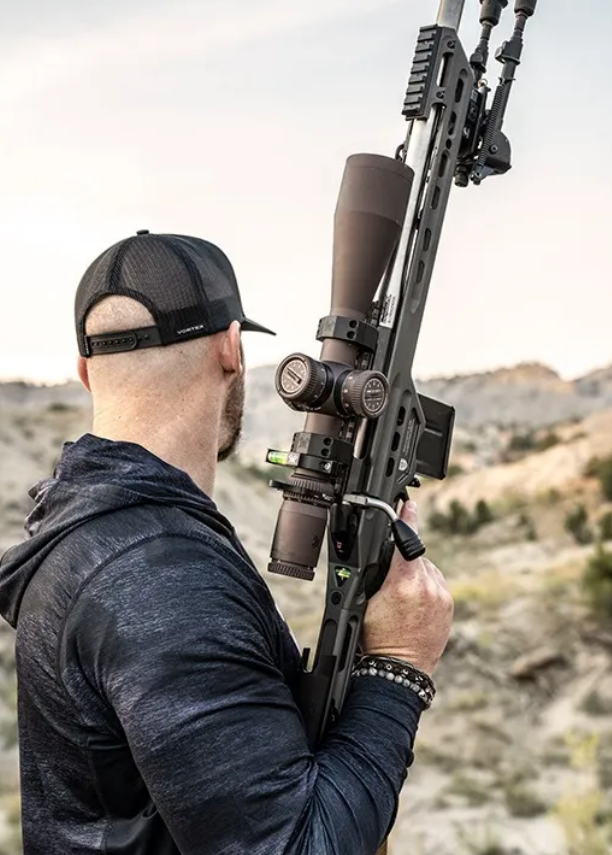
Nightforce ATACR 7-35x56 offers similar performance with slightly different ergonomics. The parallax adjustment is smoother, and the eyebox is more forgiving at high magnification.
ZCO 5-27x56 costs more but delivers glass quality that's noticeably better than anything available in 2012. The color fidelity and edge-to-edge sharpness are exceptional.
The bigger change is in reticle design. Your old duplex or simple mil-dot reticle has been replaced by Christmas tree designs with precise holdover points. First focal plane is now standard, not optional.
Modern Optics Comparison
Suppressor Integration
This might be the biggest change since 2012. Suppressors went from exotic accessories to standard equipment. The hearing protection alone makes them worthwhile, but they also improve accuracy by eliminating muzzle blast disturbance.
Dead Air Nomad-30 handles everything from .223 to .300 Win Mag with excellent sound suppression. The modular design lets you run it short for hunting or long for maximum suppression.
SilencerCo Omega 36M offers similar versatility with a different mounting system. The modular construction allows length adjustment based on your needs.
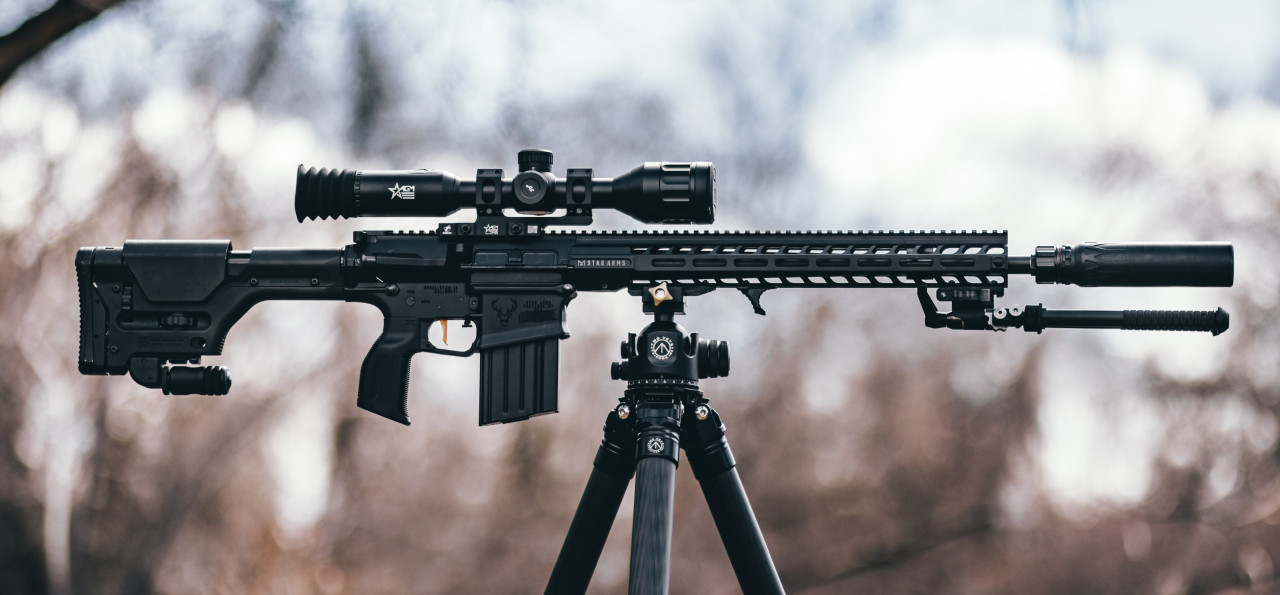
Thunderbeast Ultra 9 specializes in precision rifle applications. It's optimized for accuracy over maximum sound reduction, with minimal point-of-impact shift.
The mounting systems evolved too. Quick-detach mounts from Dead Air, SilencerCo, and Area 419 make suppressor swapping between rifles practical. Your muzzle device becomes part of the accuracy equation; a good mount maintains zero when the suppressor is removed.
Trigger Technology
Your old Remington trigger was functional but not inspiring. Modern triggers offer crisp breaks, minimal overtravel, and adjustable pull weights that stay consistent.
TriggerTech Diamond uses a frictionless release mechanism that eliminates creep entirely. The break is glass-rod crisp, and the reset is short and positive.
Timney HIT (Hunting and Target) offers similar performance at a lower price point. The adjustment range is wide, and installation is straightforward.
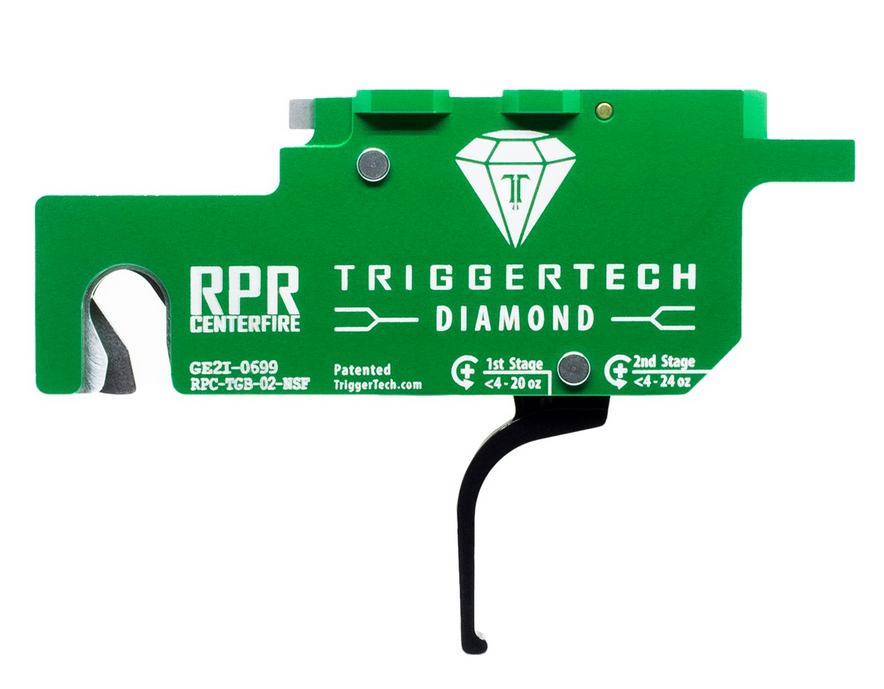
Jewell HVR remains the benchmark for precision triggers. The break quality is exceptional, but the design requires careful installation and occasional maintenance.
Trigger Comparison
Modern Cartridge Options
That .308 Winchester served you well, but modern cartridges offer significant advantages. The 6.5 Creedmoor revolution happened while your rifle sat in the safe, followed by 6mm cartridges that push the performance envelope further.
6.5 Creedmoor offers better ballistics than .308 with less recoil. The 140-grain bullets maintain supersonic velocity past 1200 yards, and wind drift is noticeably less. Factory ammunition is available everywhere, and barrel life is reasonable at 2500-3000 rounds.
6mm Creedmoor takes the concept further with even flatter trajectory and less wind drift. The 105-grain bullets scream downrange, but barrel life drops to 1500-2000 rounds. It's a competition cartridge that requires more attention to detail.
6mm ARC represents the newest development. Based on the 6.5 Grendel case, it offers 6mm Creedmoor performance from a smaller case. Barrel life is better, and it works in AR-15 platforms with minimal modifications.
Cartridge Performance Comparison
Range Notes: What You'll Actually Notice
After building several of these modernization projects, here's what makes the biggest difference on the range:

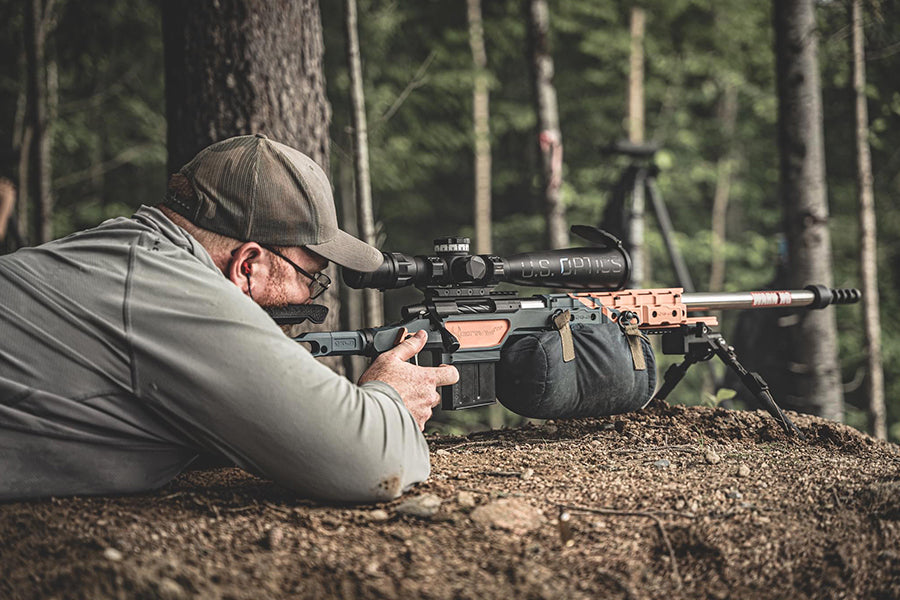
The chassis system transforms how the rifle handles. The adjustability means you can dial in a perfect fit, and the weight distribution is completely different. Your old stock probably had the balance point ahead of the magazine well. Modern chassis systems move it back toward the action, making the rifle feel lighter despite often weighing more.
The trigger upgrade is immediately obvious. That mushy 4.5-pound Remington trigger gets replaced with a crisp 2-pound break that doesn't disturb your sight picture. Your groups will tighten up just from the trigger alone.
The optics upgrade is dramatic but takes time to appreciate. The improved resolution and color fidelity aren't obvious until you go back to your old scope. Then it's like switching from standard definition to 4K television.
The suppressor changes everything about shooting. The reduced noise and blast make practice sessions more pleasant, and you'll notice improved accuracy from eliminating muzzle disturbance. Your groups will often tighten up by 0.1-0.2 MOA just from adding the can.
Common Modernization Mistakes
Overdoing the barrel contour. Heavy barrels were trendy in 2012, but modern thinking favors lighter profiles that heat up faster but cool down quicker. A medium Palma contour shoots just as well as a heavy varmint barrel while weighing a pound less.
Ignoring the scope mount. Your old Leupold rings and bases were fine for a hunting rifle, but precision work demands better. Modern mounts from Spuhr, Badger Ordnance, or Really Right Stuff offer superior repeatability and adjustment range.
Choosing the wrong cartridge. Don't jump to 6mm Creedmoor just because it's fast. If you're not shooting competitions regularly, 6.5 Creedmoor offers 90% of the performance with much better barrel life and easier load development.
Skipping the action work. A chassis system and good barrel won't fix a sloppy action. Budget for blueprinting work or consider upgrading to a modern action designed for precision work.
Mounting everything wrong. Modern accessories require proper torque specs and thread locker. That suppressor mount needs to be timed correctly, and the scope rings need consistent torque across all screws.
The Complete Transformation
Here's what a full modernization looks like, starting with that 2012 Remington 700 SPS Tactical:
Action: Blueprint the receiver, square the bolt face, and install a TriggerTech Diamond trigger. Cost: $600-800 including trigger.
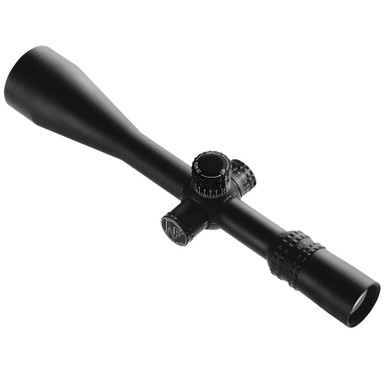
Nightforce NXS Deals
Prices may change. May contain affiliate links.
Barrel: Bartlein 5R in 6.5 Creedmoor, 26-inch medium Palma contour with 1:8 twist. Threaded for suppressor mount. Cost: $750-900 including installation.
Chassis: KRG Whiskey-3 Pro with adjustable buttstock and cheek riser. Cost: $850.
Optics: Vortex Razor HD Gen III 6-36x56 in a Spuhr mount. Cost: $2400 total.
Suppressor: Dead Air Nomad-30 with Keymo mount system. Cost: $1200 including tax stamp and mount.
Accessories: Harris bipod with Really Right Stuff clamp, sling, and muzzle device. Cost: $300.
Christensen Arms Carbon Barrel Deals
Prices may change. May contain affiliate links.
Total transformation cost: $6100-6650, not including the original rifle.
The result is a rifle that'll consistently shoot sub-half-MOA groups, handle any weather conditions, and compete in precision rifle matches. It weighs about the same as your original setup but performs at a completely different level.
What to Upgrade First
You don't have to do everything at once. Here's the order that makes the most sense:
Start with the trigger. It's the cheapest upgrade that makes the biggest immediate difference. A TriggerTech Diamond or Timney HIT transforms how the rifle shoots for under $400.
Add a chassis system next. The improved ergonomics and adjustability will immediately make you a better shooter. The KRG Whiskey-3 or MDT ACC are both excellent choices.
Upgrade the optics third. Modern glass quality is dramatically better, and first focal plane reticles make holdovers much easier. Budget $2000-2500 for scope and mount.
Consider a barrel upgrade fourth. If your original barrel still shoots well, this can wait. But a modern barrel in 6.5 Creedmoor will outperform your old .308 in every measurable way.
Add the suppressor last. It's the most expensive single upgrade when you include the tax stamp, but it transforms the shooting experience completely.
Your 2012 precision rifle was built with the best components available then. Today's technology makes those parts look primitive, but the good news is that your foundation is solid. A systematic upgrade path will transform that time capsule into a rifle that competes with anything built today. The accuracy potential was always there; modern components just make it easier to access consistently.
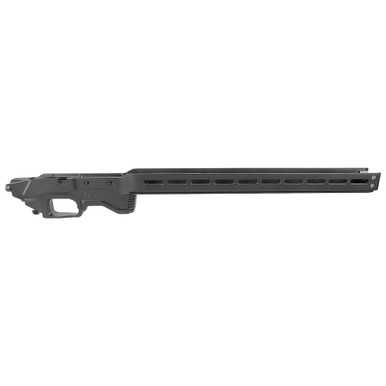
MDT ACC Deals
Prices may change. May contain affiliate links.