Your neighbors are complaining about the rifle shots again, and honestly, they have a point. That .223 cracks like a whip even at 200 yards, and the hogs keep coming back anyway. You need something that drops them cleanly without waking up half the county. Enter the suppressed 300 Blackout; purpose-built for exactly this scenario.
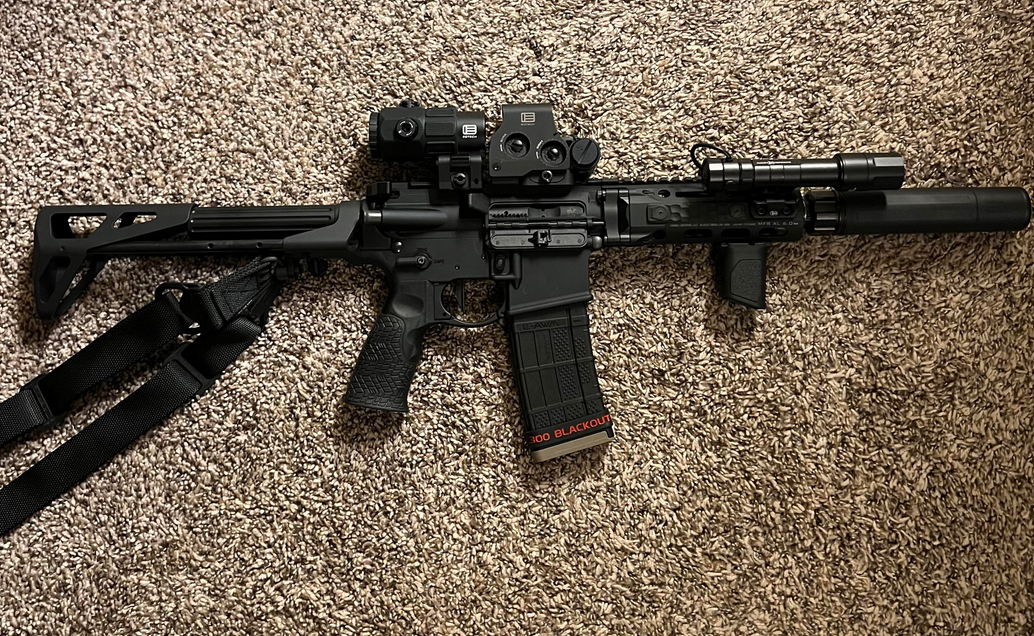
Here's the deal: 300 BLK subsonic loads push a 220-grain bullet at around 1,000 fps, delivering more energy than a .45 ACP while staying whisper-quiet through a decent suppressor. The cartridge was literally designed around suppressed shooting, unlike other calibers that just happen to work okay with a can. When you're dealing with property management, whether that's feral hogs, coyotes, or crop damage from deer, you need something that works in the dark, stays quiet, and puts animals down fast.
The problem is that most 300 BLK builds prioritize cool factor over actual field performance. Short barrels look tactical but rob you of velocity you actually need for clean kills. Lightweight suppressors sound great on paper but won't handle sustained fire when you're working a sounder of hogs. I'll walk you through building a setup that actually works for property management, not just Instagram photos.
Barrel length and gas system fundamentals
Look, everyone wants to build a 7.5-inch pistol because it looks cool, but that's giving up too much performance for property work. A 220-grain subsonic load needs every bit of velocity you can get for reliable expansion, and short barrels cost you more than you think.
From a 16-inch barrel, quality 220-grain loads will run about 1,050 fps. Drop to 10.5 inches and you're looking at 950-980 fps. That 7.5-inch barrel everyone loves? You're down to 900 fps or less, and now your bullets aren't expanding reliably on anything bigger than a coyote. For hogs, especially the big boars, you need that extra velocity for penetration through the shoulder.
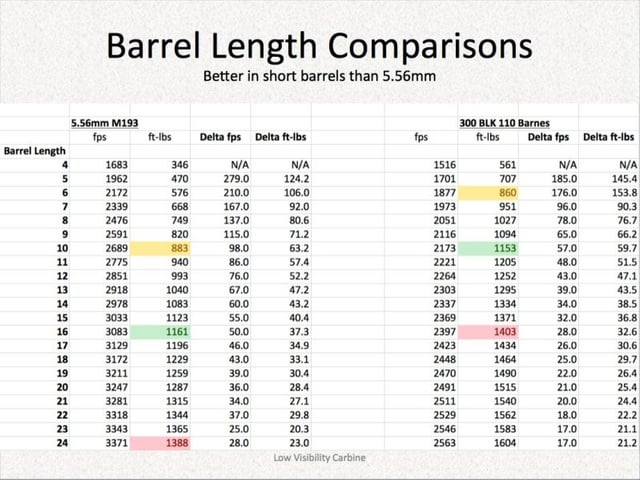
The sweet spot for property management is 10.5 to 12.5 inches. You get adequate velocity for clean kills while keeping the package compact enough for vehicle transport and quick deployment. I've run a 10.5-inch Noveske barrel with their polygonal rifling, and it consistently delivers 970 fps with 220-grain Hornady subs; enough to drop hogs cleanly out to 100 yards.
Gas system length matters more than most people realize. Carbine gas on a 10.5-inch barrel runs hard and fast, which works fine for supersonic loads but can be rough on brass with subsonics. The lower chamber pressure of subsonic loads means you need that aggressive gas timing to cycle reliably. Pistol gas systems are even more aggressive, which is why they work well on really short barrels but can be overgassed with full-power loads.
What you'll notice with a properly tuned 300 BLK is how differently it behaves compared to 5.56. The bolt barely moves during firing with subsonics; it's almost like shooting a bolt gun. This is exactly what you want for follow-up shots on multiple targets, which happens more often than you'd think when working hogs.
Suppressor selection for sustained use
The suppressor is where most people mess up. They buy based on marketing claims about "hearing safe" performance without considering how the can will hold up to actual use. Property management isn't precision shooting where you fire three rounds and pack up. You might dump 20 rounds into a sounder of hogs, and your suppressor needs to handle that without walking off zero or melting down.
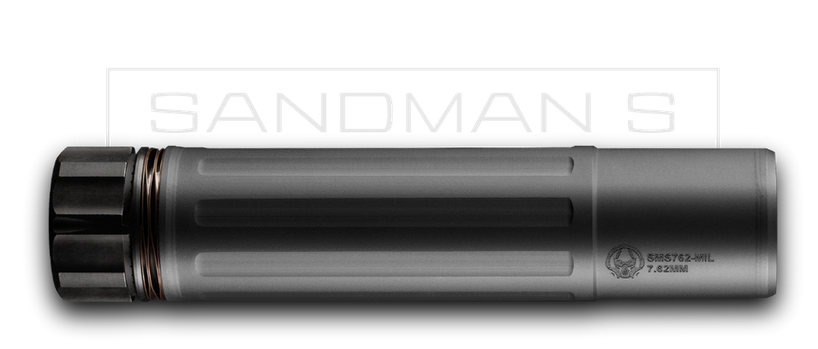
Dead Air's Sandman-S is probably the most popular choice, and for good reason. It's built like a tank with a stellite blast baffle and can handle rapid fire without issues. The downside is weight; 17.3 ounces hanging off your muzzle changes the balance significantly. But when you're shooting from a vehicle or a blind, that extra weight actually helps with stability.
The Nomad-LT offers a better weight-to-performance ratio at 12.7 ounces, but it's not rated for the same abuse level as the Sandman. For property work where you might need to dump a magazine quickly, the Sandman's durability wins out. I've seen Nomads start to shift point of impact after sustained strings, which is exactly what you don't want when you're trying to make clean kills.
Gemtech's GMT-300BLK deserves mention because it's specifically designed for 300 Blackout. At 14 ounces, it splits the difference between the Sandman and Nomad on weight. The dedicated design means optimal performance with both subsonic and supersonic loads, but you're locked into one caliber. For dedicated property management, that's not necessarily a bad thing.
What actually matters for property work is first-round performance and consistency across temperature changes. Your suppressor will be cold when you start shooting and heat up quickly. Cheap cans will walk their zero as they heat up, which means your second and third shots aren't going where you aimed. Quality suppressors maintain their zero shift within 0.5 MOA even when hot.
The mounting system is crucial. Quick-detach mounts are convenient but add another potential failure point. For a dedicated property gun that lives with its suppressor, direct thread is more reliable. Use a thread protector when the can isn't mounted to prevent damage to the threads.
Upper receiver and barrel combinations
Building around a quality barrel is non-negotiable for property work. You're making shots that count, often in low light, and accuracy matters more than rapid follow-ups. The difference between a $150 barrel and a $350 barrel shows up immediately when you're trying to make clean kills at 75 yards.
Noveske's 10.5-inch 300 BLK barrel with polygonal rifling is probably the gold standard. The polygonal rifling grips bullets better, especially heavy subsonics, and the bore finish is consistent enough for real accuracy. Expect 2-3 MOA with quality factory loads, which is plenty for property work. The barrel profile is heavy enough to handle sustained fire without walking zero.
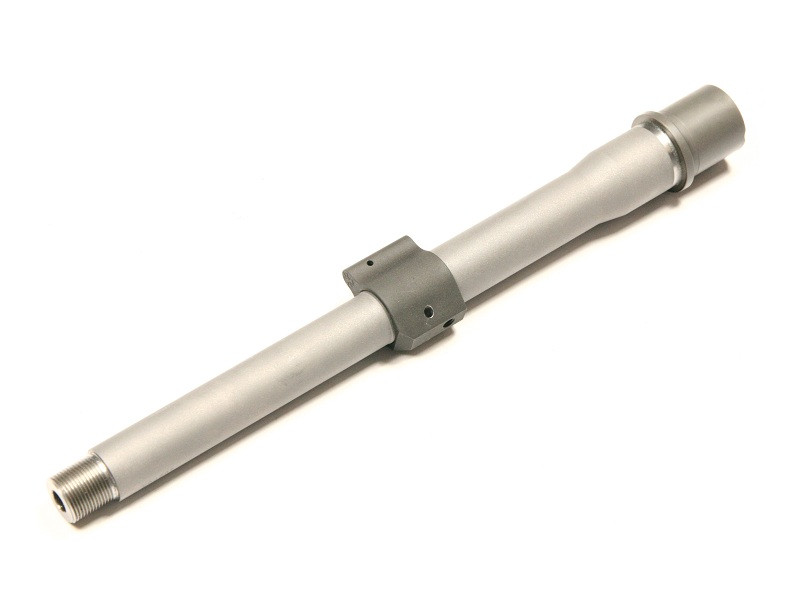
Daniel Defense's 10.3-inch barrel from their DDM4 300S is another solid choice. It's a government profile with a 1:7 twist that stabilizes everything from 110-grain supers to 220-grain subs. The gas port is sized correctly for reliable cycling with subsonics, which isn't always the case with cheaper barrels.
For the upper receiver, you want something with a solid barrel extension interface and consistent machining. Aero Precision M4E1 uppers are hard to beat for the money; the integrated trigger guard eliminates a potential weak point, and the machining is consistent enough for accuracy work. BCM uppers are another reliable choice with slightly tighter tolerances.
The bolt carrier group needs to be reliable with the wide pressure range between supersonic and subsonic loads. A quality chrome or nickel boron BCG will cycle more consistently and clean up easier after shooting dirty subsonic loads. Toolcraft and AO Precision both make reliable BCGs that handle 300 BLK's quirks well.
Buffer system tuning for reliability
Here's where most builds fall apart: the buffer system. 300 BLK subsonics generate about half the gas pressure of 5.56, which means your standard carbine buffer setup might not cycle reliably. You need to tune the system for the loads you'll actually use.
Start with an H1 buffer and carbine spring for subsonic loads. The reduced mass helps the bolt cycle with lower gas pressure. If you're running both subsonic and supersonic loads, you might need to compromise with an H buffer that cycles both reliably, even if it's not optimal for either.
The gas block is critical. An adjustable gas block lets you tune for your specific loads and suppressor combination. Superlative Arms and SLR Rifleworks both make quality adjustable blocks that hold their settings. Set it up with your subsonic loads first, then verify it still cycles supersonic loads reliably.
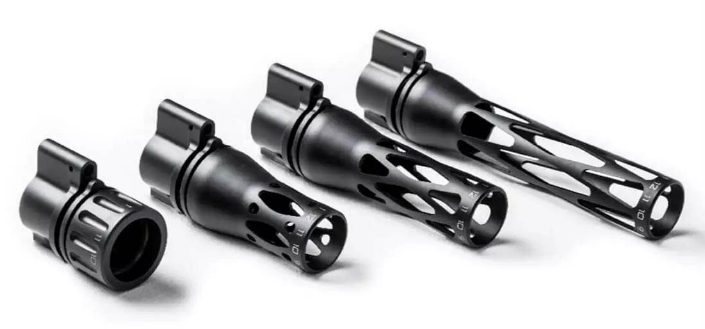
What you'll notice with a properly tuned 300 BLK is how soft the recoil impulse is with subsonics. The bolt barely moves, ejection is gentle, and brass lands in a neat pile. This is what you want for quick follow-up shots when you're working multiple targets.
Optics for low-light property work
Most property management happens in low light; early morning, late evening, or with artificial lighting. Your optic needs to gather light effectively and provide a clear sight picture when it matters. Red dots are popular but they're not always the best choice for this application.
A low-power variable optic (LPVO) in the 1-4x or 1-6x range gives you the versatility to engage targets from 25 to 150 yards effectively. The Vortex Strike Eagle 1-6x is a solid budget choice that gathers light well and tracks reliably. For more money, the Trijicon AccuPower 1-4x offers better glass and more precise tracking.
The reticle matters for quick target acquisition in low light. Simple crosshairs or a basic BDC work better than complex Christmas tree reticles when you're trying to make fast shots. Illuminated reticles help, but make sure the illumination doesn't bloom in your night vision or thermal optic if you're using one.
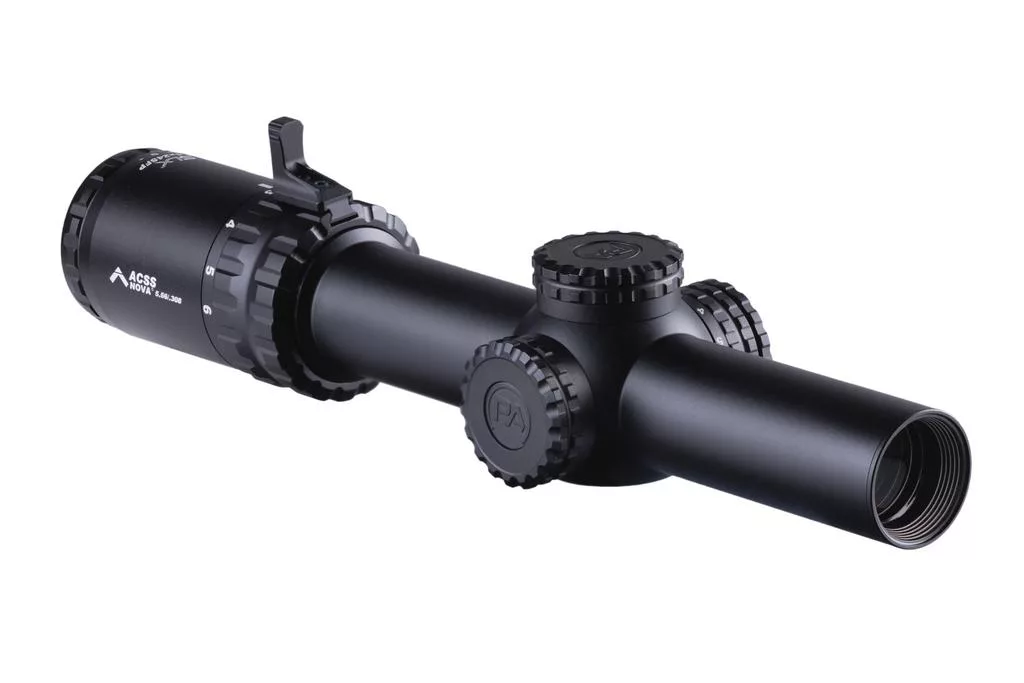
For dedicated subsonic work, a fixed 4x scope like the ACOG TA31 provides excellent light gathering and a precise aiming point. The fiber optic illumination works in any light condition without batteries. The downside is limited field of view for close shots, but most property work happens at 50+ yards anyway.
Red dots work well if you're primarily shooting inside 75 yards. The Aimpoint PRO is bombproof and has excellent battery life. Eotech holographic sights offer a larger sight picture but eat batteries faster. Either way, co-witness with quality backup iron sights.
Range notes: zeroing and load selection
Zeroing a suppressed 300 BLK requires some specific considerations. The suppressor changes your point of impact; usually up and to one side; and you need to zero with the can attached if that's how you'll be shooting. Don't expect to zero without the suppressor and then thread it on for hunting.
Start your zero at 50 yards with subsonic loads. A 50-yard zero gives you a maximum ordinate of about 2 inches, keeping you on target from 25 to 75 yards without holdover. For longer shots, you'll need to dial or hold over, but most property work happens inside this range anyway.
Load selection makes a huge difference in terminal performance. Hornady's 208-grain A-MAX subsonics expand reliably down to 900 fps, making them ideal for shorter barrels. The 220-grain Sierra MatchKing subsonics are more accurate but don't expand as reliably at low velocities. For hunting, stick with expanding bullets designed for subsonic velocities.
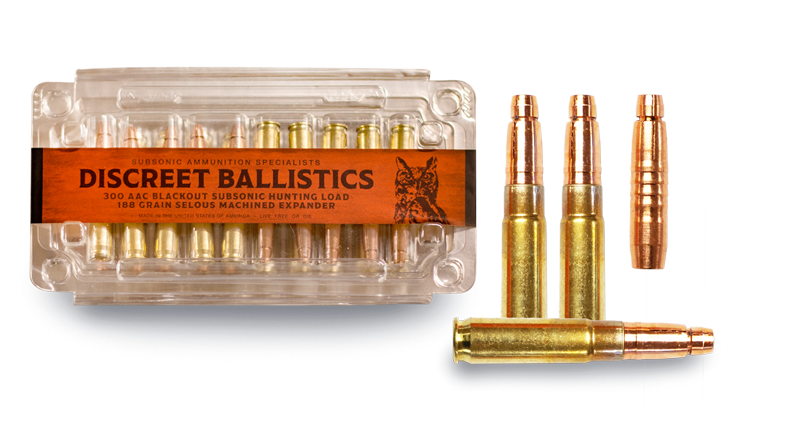
Supersonic loads have their place for longer shots or when you need maximum penetration. The 110-grain Barnes TAC-TX opens up violently and works well on coyotes and smaller game. The 125-grain TNT is devastating on varmints but might be too explosive for larger game.
Function test your setup with both subsonic and supersonic loads if you plan to use both. Some rifles that cycle subsonics perfectly will beat themselves apart with hot supersonic loads, and vice versa. Find loads that work reliably in your specific setup and stick with them.
Common mistakes and troubleshooting
The biggest mistake is building too short. That 7.5-inch barrel looks cool but costs you velocity you need for clean kills. Stick with 10.5 inches minimum for property work, and don't be afraid to go longer if you're primarily shooting from fixed positions.
Overgassing is another common issue. Guys will run a standard carbine buffer with an oversized gas port and wonder why their brass is getting beat up. Start with the gas port size the barrel manufacturer recommends, then tune with your buffer weight and gas block adjustment.
Cheap suppressors that shift zero as they heat up will ruin your day. You make a good shot on the first hog, then miss the second one because your zero walked two inches. Invest in a quality suppressor that maintains zero consistency.
Using the wrong ammunition for your barrel length is surprisingly common. Running 220-grain subsonics through a 7.5-inch barrel and expecting reliable expansion is asking for wounded animals. Match your ammunition to your barrel length and intended use.
Not practicing with your actual setup is a mistake that shows up in the field. Your suppressed 300 BLK handles differently than your unsuppressed 5.56. The different recoil impulse, sight picture, and trajectory all require practice to master.
Product comparison: complete uppers
For those who'd rather buy than build, several manufacturers offer quality complete uppers designed for suppressed use. These come with properly sized gas ports and tested combinations that work together.
Daniel Defense's DDM4 300S upper features a 10.3-inch barrel with a 1:7 twist and carbine-length gas system. The barrel is properly profiled for sustained fire and the gas port is sized for reliable cycling with subsonics. The 9-inch rail gives you plenty of space for accessories while keeping the package compact. Expect 2-3 MOA accuracy with quality loads.
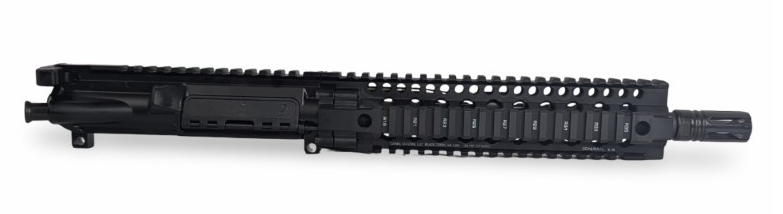
Noveske offers several 300 BLK uppers with their polygonal rifling. The 10.5-inch barrel version balances velocity and compactness well. The unique rifling grips heavy subsonic bullets better than conventional rifling, which can improve accuracy. The build quality is excellent but you'll pay for it.
BCM's 9-inch 300 BLK upper uses a carbine gas system and lightweight barrel profile. It's designed more for mobility than sustained fire, but the quality is solid. The shorter barrel limits velocity with subsonics, so it's better suited for close-range work or supersonic loads.
Q's Sugar Weasel represents the premium end of the market. The 7-inch barrel is really too short for optimal subsonic performance, but the overall package is well-executed. The proprietary muzzle device and suppressor system work well together, but you're locked into Q's ecosystem.
Aero Precision offers budget-friendly complete uppers that deliver solid performance for less money. The barrels are sourced from quality manufacturers and the assembly is consistent. You won't get the accuracy of a Noveske, but for property work where 3-4 MOA is adequate, they're hard to beat on value.
Building for specific scenarios
Property management covers a wide range of scenarios, and your build should match your primary use. Shooting from a vehicle requires different considerations than walking fence lines or sitting in a blind.
For vehicle-based shooting, weight and balance matter less than quick deployment and accuracy. A 16-inch barrel with a heavy suppressor actually works well because the extra weight helps with stability when shooting from awkward positions. The longer barrel gives you better velocity with subsonics for cleaner kills.
Walking patrol requires a lighter, more compact setup. A 10.5-inch barrel with a lightweight suppressor keeps the package manageable while maintaining adequate performance. Consider a side-charging upper for easier manipulation in tight spaces.
Blind hunting calls for maximum accuracy and minimal signature. A longer barrel with a quality suppressor and precision optic lets you make clean shots at extended range. The extra weight isn't a factor when you're shooting from a rest.
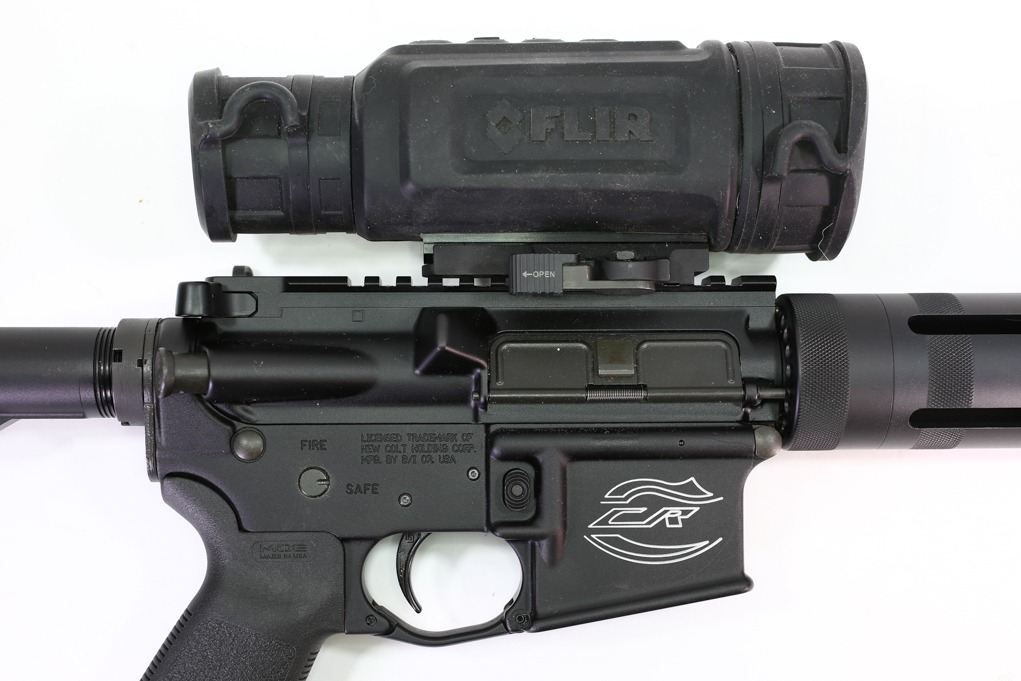
Night hunting with thermal or night vision requires specific considerations. Your suppressor can't block the view of your thermal clip-on, and muzzle flash needs to be completely eliminated to avoid washing out your night vision. A longer suppressor helps with both issues.
Advanced considerations
Once you have a basic suppressed 300 BLK running reliably, there are several upgrades that can improve performance for property work. These aren't necessary for basic functionality but can make a difference in the field.
An adjustable gas block lets you tune for specific loads and conditions. You can run the gun slightly undergassed with subsonics for softer recoil and less brass damage, then open it up for supersonic loads or when the gun gets dirty. Quality adjustable blocks hold their settings reliably.
A precision trigger improves accuracy, especially for longer shots. A good single-stage trigger in the 3.5-4 pound range provides a clean break without being dangerously light for field use. Geissele and LaRue both make excellent triggers for this application.
Upgraded furniture can improve ergonomics and functionality. A quality stock with adjustable length of pull helps accommodate different shooting positions and clothing. A grip with better texture and ergonomics improves control, especially with gloves.
Consider a bipod for longer shots from fixed positions. A quality bipod like the Harris or Atlas models provides a stable shooting platform and can make the difference between a clean kill and a wounded animal at 100+ yards.
What to do next
Start with a function test using your intended ammunition. Load five rounds of your chosen subsonic load and fire them slowly, checking for reliable cycling and ejection. If the bolt doesn't lock back on the last round, you're undergassed and need to adjust your buffer weight or gas block.
Next, establish your zero at 50 yards with your suppressor attached. Fire a three-shot group to confirm zero, then verify your trajectory at 25 and 75 yards. Most property work happens within this range, and you should know your holdovers by heart.
Practice shooting from the positions you'll actually use in the field. If you're shooting from a vehicle, practice from the driver's seat, passenger seat, and tailgate. If you're walking patrol, practice shooting from kneeling and prone positions with your gear on.
Test your setup in low light conditions with your actual optic. Many red dots that work fine in daylight become difficult to see at dawn or dusk. If you're using an illuminated reticle, find the brightness setting that works without washing out your sight picture.
Run at least 200 rounds through your setup before depending on it for property work. This breaks in the barrel, verifies reliability, and gives you confidence in your equipment. Keep track of your group sizes and any malfunctions so you can address issues before they matter.