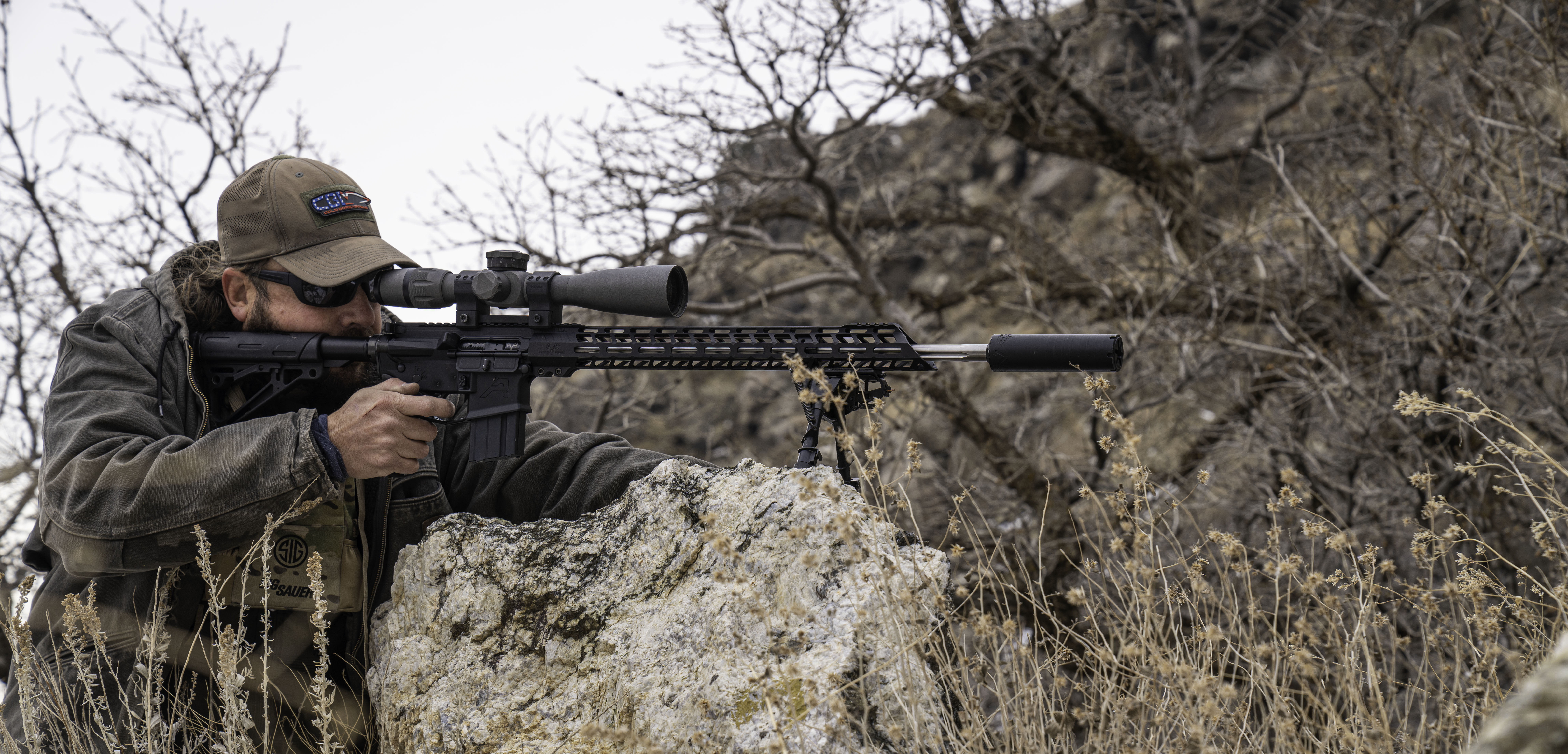
You're building a precision AR-15 and torn between 6.5 Grendel and 6.5 Creedmoor. Both shoot the same bullets, both promise sub-MOA accuracy, and both have their advocates swearing they're the better choice. Here's the thing: one of these cartridges was designed for the AR-15 platform from the ground up, and the other was shoehorned into it.
The decision comes down to what you're actually going to do with the rifle. If you're shooting inside 600 yards and want to use standard AR-15 components, Grendel makes more sense. If you need to reach 800+ yards consistently and don't mind the compromises that come with cramming a longer cartridge into a platform it wasn't designed for, Creedmoor might be worth the headaches.

I've loaded for both cartridges in AR-15s, and the differences go way beyond ballistics charts. The real story is in the brass life, component availability, and how each cartridge behaves when you're chasing precision nodes.
The platform reality check
Let's start with what actually changes when you switch from 5.56 to either 6.5 cartridge. For Grendel, you need a new barrel, bolt, and magazines. That's it. The bolt carrier, buffer system, and everything else stays the same. Your standard AR-15 lower works fine, and the magazines are readily available from multiple manufacturers.
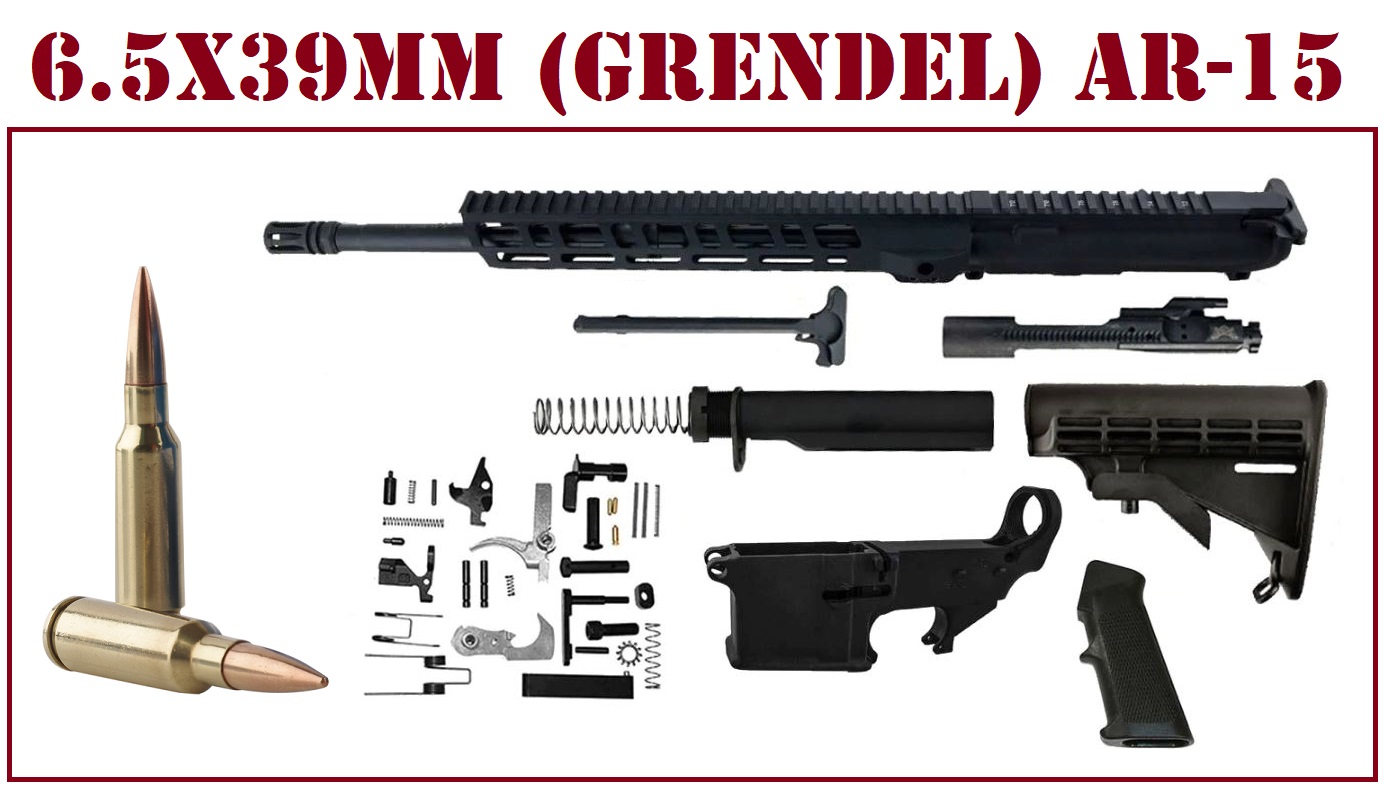
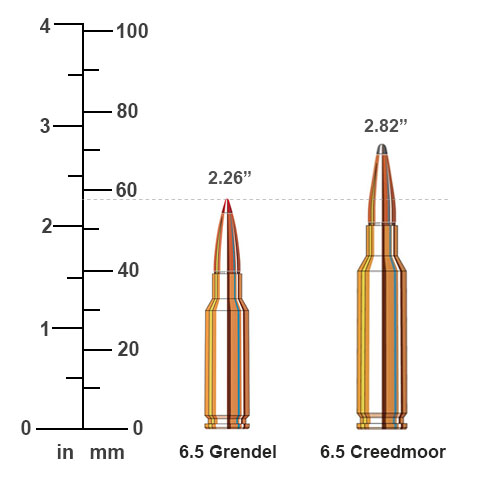
Creedmoor in an AR-15 is a different animal. You're dealing with a cartridge that's 2.825" long trying to fit in a magazine well designed for 2.26" cartridges. This means you need an AR-10 bolt and barrel extension in an AR-15 upper, which creates headspace and timing issues that don't exist with Grendel. Some builders make it work, but you're fighting the platform rather than working with it.
The magazine situation tells the whole story. Grendel uses modified AR-15 magazines that hold 24-26 rounds reliably. Creedmoor requires either single-loading or heavily modified magazines that might hold 10 rounds if you're lucky. I've seen guys spend more time dealing with feeding issues than actually shooting.
Hornady 6.5 Creedmoor Deals
Prices may change. May contain affiliate links.
Ballistic performance where it matters
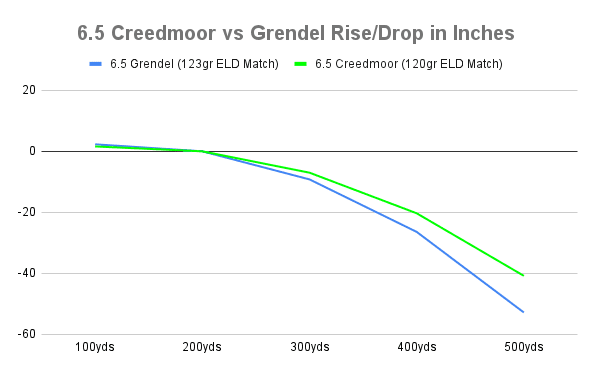
The ballistics comparison isn't as straightforward as the marketing suggests. Yes, Creedmoor has higher velocity and better long-range performance on paper. A 140-grain ELD-M from Creedmoor runs about 2,700 fps from a 20" barrel, while the same bullet from Grendel does 2,580 fps. That 120 fps difference translates to about 100 yards less effective range before you hit transonic.
But here's what the ballistics charts don't show: most precision shooting happens inside 600 yards, where both cartridges perform nearly identically. At 500 yards, the difference in drop is about 2 inches, and wind drift varies by maybe half an inch. Both cartridges will consistently hit a 6" target at that distance with good loads.
The velocity advantage of Creedmoor becomes meaningful past 700 yards, where it stays supersonic longer and maintains better accuracy. If you're regularly shooting 800+ yards, Creedmoor's extra case capacity and higher BC bullets make a real difference. For most precision work, though, you're giving up a lot of practicality for ballistic performance you won't use.
Reloading characteristics and component selection
This is where things get interesting from a handloader's perspective. Grendel uses small rifle primers and burns through powder efficiently in its smaller case. Typical charges run 28-31 grains with powders like CFE 223, 8208 XBR, or Lever. The smaller case capacity means you reach pressure quickly, which actually helps with consistency once you find a node.
Hornady 140-grain ELD-M Deals
Prices may change. May contain affiliate links.
Creedmoor needs large rifle primers and 40-44 grains of powder for similar bullets. The larger case gives you more room to work with charge weights, but it also means you're burning more powder per round. With current component costs, that adds up quickly over a few hundred rounds.
Brass life favors Grendel significantly. The lower pressure and smaller case means Grendel brass typically lasts 8-10 loadings with proper prep. Creedmoor brass in an AR-15 takes a beating from the gas system and higher pressures, usually giving you 5-6 loadings before primer pockets loosen up.
Component availability is where Creedmoor has an advantage. Every major manufacturer loads Creedmoor, and you can find brass, bullets, and loaded ammunition everywhere. Grendel components are available but not as common, especially quality brass. Hornady and Starline make good Grendel brass, but you won't find it on every gun store shelf.
Bullet selection and performance
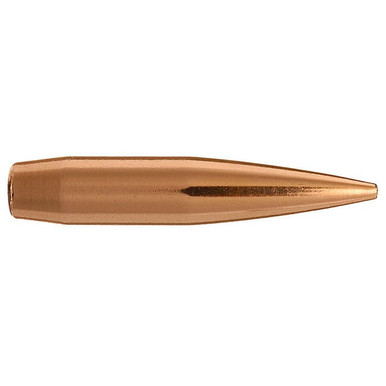
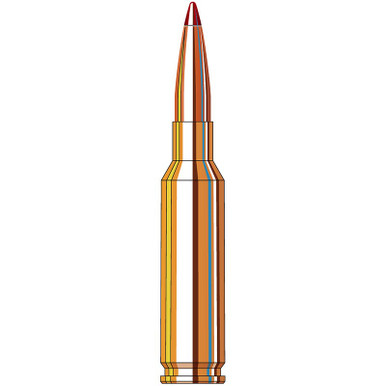
Both cartridges use the same 6.5mm bullets, so your options are identical: 120-grain to 147-grain match bullets from Hornady, Berger, Sierra, and others. The difference is how well each cartridge stabilizes and accelerates these bullets.
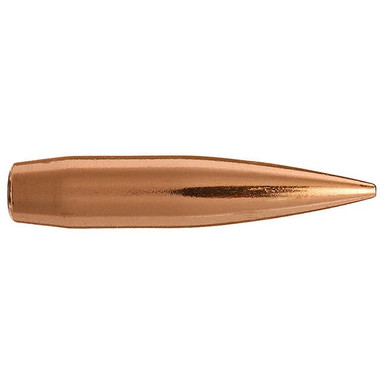
Grendel works best with 120-130 grain bullets. The 123-grain ELD-M and 130-grain Berger AR Hybrid are popular choices that balance velocity with BC. Heavier bullets like the 140-grain ELD-M work but don't gain much velocity advantage over the lighter options.
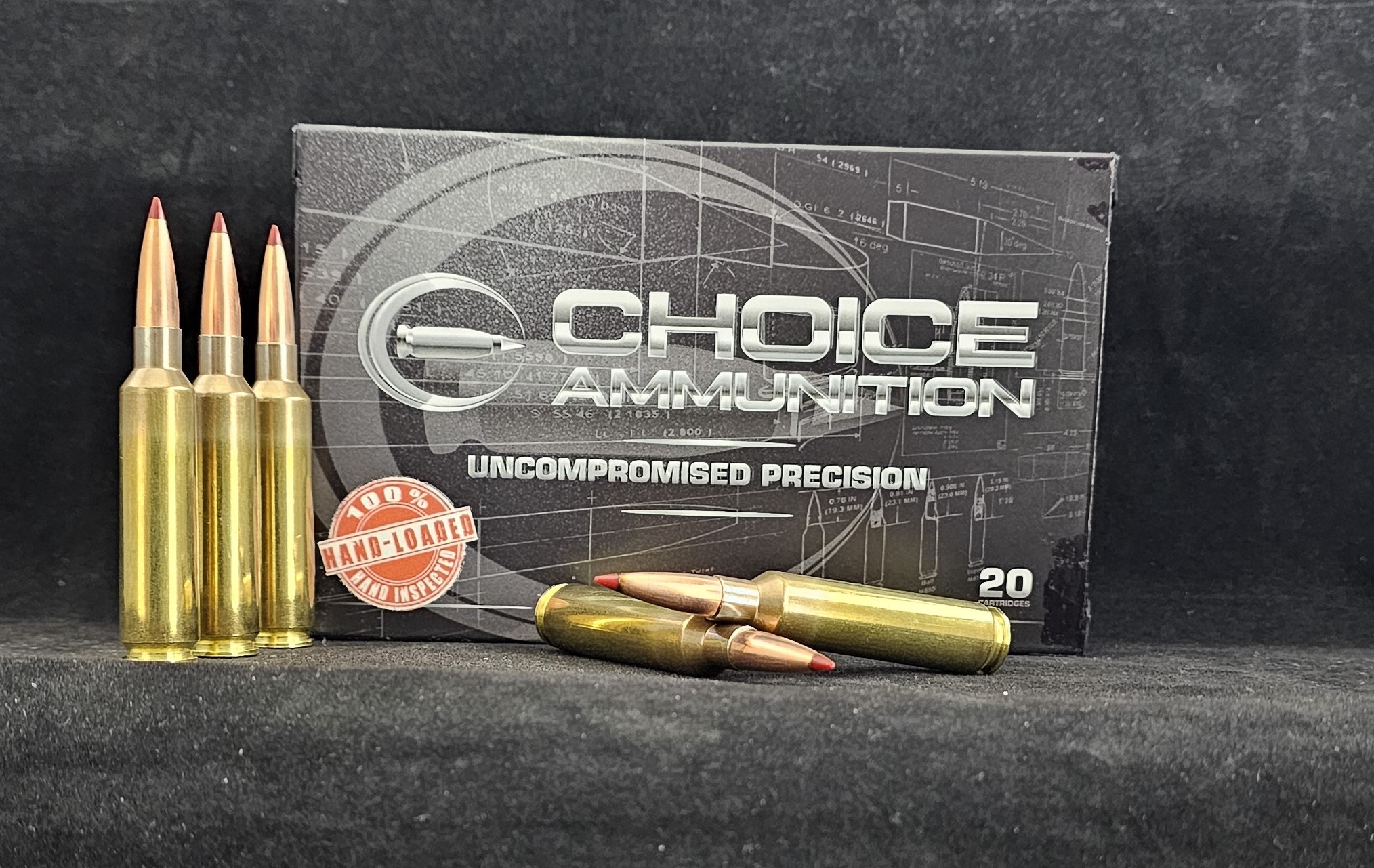
Creedmoor shines with heavier bullets. The 140-grain ELD-M and 147-grain ELD-M perform exceptionally well, taking advantage of the extra case capacity. You can push these bullets fast enough to make their high BC values meaningful at longer ranges.
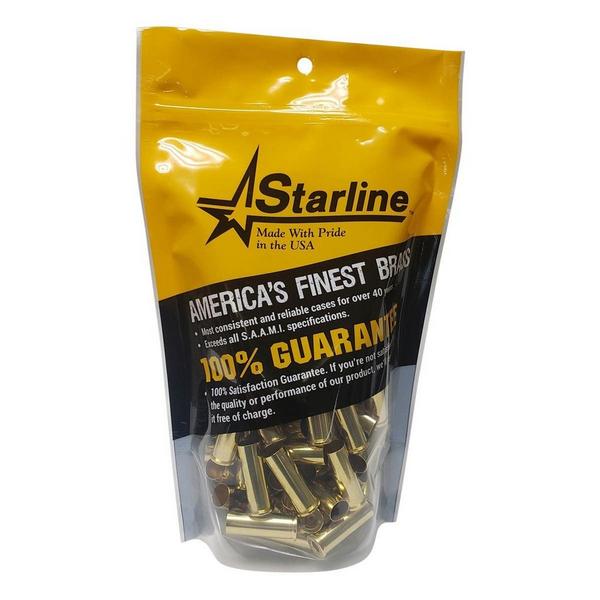
Starline Grendel Brass Deals
Prices may change. May contain affiliate links.
The twist rate requirements are similar for both cartridges. Most barrels come with 1:8 twist, which stabilizes everything from 120 to 147 grains effectively. Some Grendel barrels use 1:7.5 twist for the heaviest bullets, but 1:8 handles the popular weights fine.
Barrel considerations and accuracy potential
Barrel selection affects accuracy more than cartridge choice in most cases. Both cartridges can shoot sub-MOA with quality barrels and good loads. The difference is in barrel availability and cost.
Grendel barrels are widely available from manufacturers like Faxon, Ballistic Advantage, and Criterion. Prices range from $200 for basic options to $400+ for match-grade barrels. The shorter case length means you can use standard AR-15 barrel extensions and bolts designed for the cartridge.
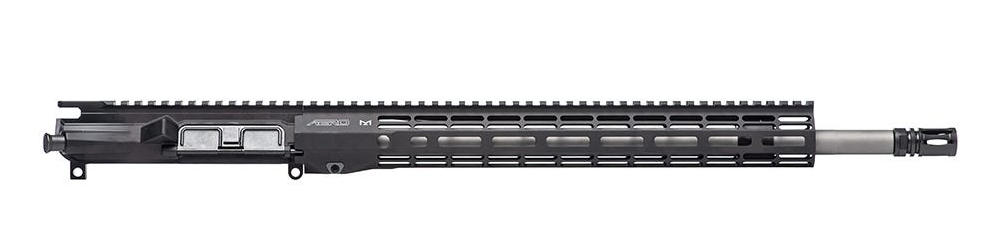
Creedmoor barrels for AR-15s are less common and more expensive because they require custom work to fit the platform. You're looking at $300-600 for a quality barrel, and availability is limited. Some manufacturers don't even offer Creedmoor in AR-15 configurations because of the platform limitations.
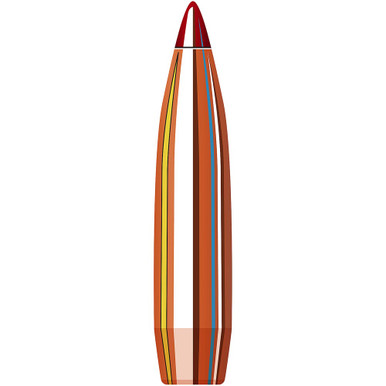
Hornady 6.5mm Bullets Deals
Prices may change. May contain affiliate links.
Barrel length affects both cartridges differently. Grendel reaches optimal velocity around 18-20 inches, with diminishing returns beyond that. Creedmoor benefits from longer barrels, really coming alive at 22-24 inches. In an AR-15, you're usually limited to 20" for practical reasons, which favors Grendel's efficiency.
Common mistakes and what actually matters
The biggest mistake I see is choosing Creedmoor for an AR-15 build when the shooter never plans to shoot past 500 yards. You're adding complexity, cost, and reliability issues for ballistic performance you won't use. If you want to shoot 300-600 yards with an AR-15, Grendel does everything you need with fewer compromises.
Another common error is underestimating the magazine and feeding issues with Creedmoor. I've watched guys spend entire range sessions dealing with feeding problems instead of developing loads. The cartridge works in the platform, but it requires constant attention to magazine selection and loading technique.
On the Grendel side, the mistake is usually trying to push velocities too hard. The cartridge is efficient, but it's not magic. Chasing maximum velocity often leads to pressure signs and poor accuracy. Work within the cartridge's design parameters, and it delivers excellent performance.
Primer selection matters more than most people realize. Grendel responds well to CCI 450 or Federal 205M primers, which provide consistent ignition without excessive pressure. Creedmoor typically needs CCI 200 or Federal 210M primers to ignite the larger powder charges reliably.
Berger 6.5mm Bullets Deals
Prices may change. May contain affiliate links.
Equipment comparison for each cartridge
For Grendel, you'll need specific magazines from manufacturers like ASC, E-Lander, or C Products Defense. These hold 24-26 rounds and feed reliably with proper ammunition. The bolt is available from multiple sources, with Alexander Arms, Brownells, and Toolcraft offering quality options.
Creedmoor requires more specialized components. You need an AR-10 bolt modified for AR-15 use, which limits your options significantly. Magazines are the biggest challenge - most builders end up with single-shot setups or heavily modified magazines that hold 8-10 rounds maximum.
Dies for both cartridges are available from all major manufacturers. Grendel uses standard small base sizing dies, while Creedmoor needs large rifle sizing dies. Both benefit from quality seating dies like Redding Competition or Forster Benchrest for precision work.
Case prep is simpler with Grendel because of the smaller primer pocket and lower pressures. Creedmoor brass requires more attention to primer pocket uniforming and case length trimming due to the higher pressures and longer case.
Bench notes: what you'll actually see
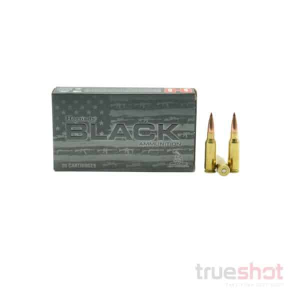
Loading Grendel, you'll find nodes quickly because of the smaller case capacity. Start with 28 grains of CFE 223 under a 123-grain ELD-M and work up in 0.3-grain increments. Most rifles show a node around 29.2-29.5 grains, producing 2,550-2,580 fps with single-digit ES numbers.
Creedmoor takes more powder and time to find nodes. Start with 40 grains of H4350 under a 140-grain ELD-M and work up in 0.5-grain increments. Nodes typically appear around 42-43 grains, giving 2,650-2,700 fps. The larger case means wider charge weight windows but also more powder consumption.
Seating depth affects both cartridges similarly. Start 0.020" off the lands and work back in 0.005" increments. Most bullets show best accuracy between 0.030" and 0.060" off the lands, regardless of cartridge. The key is finding the seating depth that works with your magazine length restrictions.
Brass prep matters more with Creedmoor because of the higher pressures. Uniform primer pockets, consistent case lengths, and proper neck tension become critical for accuracy. Grendel is more forgiving but still benefits from basic case prep like deburring and length trimming.
Cost analysis and long-term considerations
The cost difference extends beyond initial components. Grendel uses about 30% less powder per round, which adds up over time. With current powder prices, that's roughly $0.15 per round savings. Over 1,000 rounds, you're saving $150 just in powder costs.
Berger 130-grain Berger AR Hybrid Deals
Prices may change. May contain affiliate links.
Brass life heavily favors Grendel. Getting 8-10 loadings versus 5-6 means your brass cost per round is nearly half. Quality Grendel brass costs about $1.00 per case, while Creedmoor runs $1.20-1.50. Factor in the longer life, and Grendel brass costs roughly $0.12 per round versus $0.25 for Creedmoor.
Component availability affects long-term costs too. Grendel components are less common but stable in price. Creedmoor components are everywhere but subject to more price volatility because of higher demand. During shortages, Creedmoor components disappear first and return at higher prices.
The platform modifications add hidden costs. A complete Grendel conversion runs $400-600 for barrel, bolt, and magazines. Creedmoor conversions cost $600-1,000 because of the specialized components and potential gunsmith work needed for reliable feeding.
Making the decision: what actually drives the choice
Choose Grendel if you want a precision AR-15 that works like an AR-15. It feeds reliably, uses standard components where possible, and delivers excellent accuracy to 600 yards. The cartridge was designed for this platform, and it shows in every aspect of its performance.
Hornady 147-grain ELD-M Deals
Prices may change. May contain affiliate links.
Choose Creedmoor if you need maximum long-range performance and don't mind the compromises. You'll get better ballistics past 700 yards, wider component selection, and higher resale value. But you'll also deal with feeding issues, higher costs, and platform limitations that don't exist with Grendel.
For most precision shooting applications - hunting, target shooting, and competition inside 600 yards - Grendel delivers 95% of Creedmoor's performance with significantly fewer headaches. The 5% ballistic advantage of Creedmoor only matters if you're regularly engaging targets past 700 yards.
The honest answer is that both cartridges can shoot sub-MOA with proper loads and quality barrels. The difference is in how much effort and money you want to spend getting there. Grendel gets you there faster and cheaper, while Creedmoor gets you there with better long-range capability if you're willing to work for it.
Start with your intended use case and work backwards. If you're shooting prairie dogs at 800 yards, Creedmoor makes sense despite the platform compromises. If you're hunting whitetails inside 400 yards or shooting precision matches to 600, Grendel does everything you need with fewer complications.