
You're at the 600-yard line, wind switching between 8 and 12 mph from your 2 o'clock. Your phone app says 2.1 mils up, 0.8 left. Your buddy's Kestrel calls for 2.3 up, 1.1 left. The steel's waiting, and you need to make the call.
I've been in this exact situation enough times to know the answer matters. Not because one device is always right and the other's always wrong, but because understanding when and why they differ can save you from missing shots that should connect. After running both systems through two seasons of PRS matches and countless range sessions, here's what actually happens when the wind starts honking and the distances stretch out.
The fundamental difference isn't about which ballistics engine is "better"; it's about how each system handles the environmental data that drives those calculations. Your phone app might have the same ballistics solver as a Kestrel, but it's getting its atmospheric data from weather stations miles away. The Kestrel is measuring conditions right where you're shooting.
Environmental measurement: where accuracy starts
The Kestrel's core advantage isn't its ballistics calculator; it's the weather station in your hand. Temperature, humidity, barometric pressure, and wind speed all directly affect bullet flight. Small changes in these conditions create measurable differences in point of impact at distance.
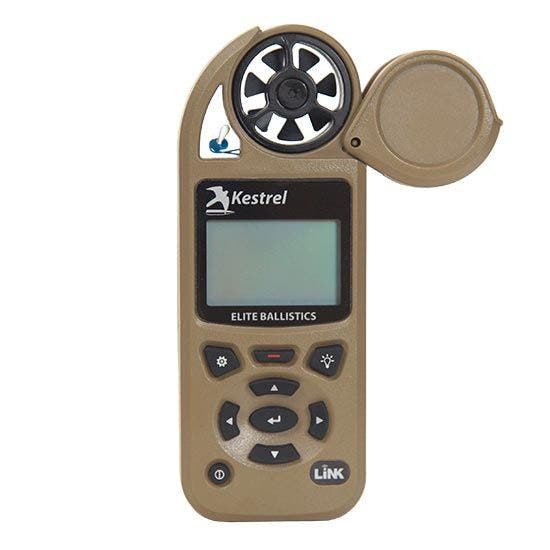
Station pressure versus sea-level pressure illustrates this perfectly. Most weather apps report barometric pressure adjusted to sea level. If you're shooting at 3,000 feet elevation and your app shows 30.12 inHg, the actual station pressure might be 26.85 inHg. That difference translates to roughly 8% change in air density, which affects both bullet drop and wind drift.
Temperature gradients compound the problem. Your phone pulls temperature data from the nearest weather station, which might be at an airport 15 miles away in a valley. Meanwhile, you're on a ridge where it's 12 degrees cooler. At 800 yards with a 6.5 Creedmoor, that temperature difference alone can shift your point of impact by 0.3 MOA.
Humidity affects bullet flight more than most shooters realize. Dry air is denser than humid air at the same temperature and pressure. On a hot, humid day, your bullet encounters less air resistance than the standard atmosphere models predict. The Kestrel measures actual humidity where you're shooting. Your phone app uses regional humidity data that might be hours old.
Wind measurement creates the biggest gap between systems. Phone apps either don't provide wind data at all, or they pull it from distant weather stations. Even if that data were current, wind conditions change dramatically over short distances. I've measured 8 mph winds at the firing line while flags at 400 yards showed 15 mph gusts.
The Kestrel 5700 series measures wind speed and direction continuously. More importantly, it calculates crosswind and headwind/tailwind components automatically. Most phone apps require you to estimate wind speed and input the angle manually. Under match pressure or hunting situations, that manual calculation becomes another failure point.
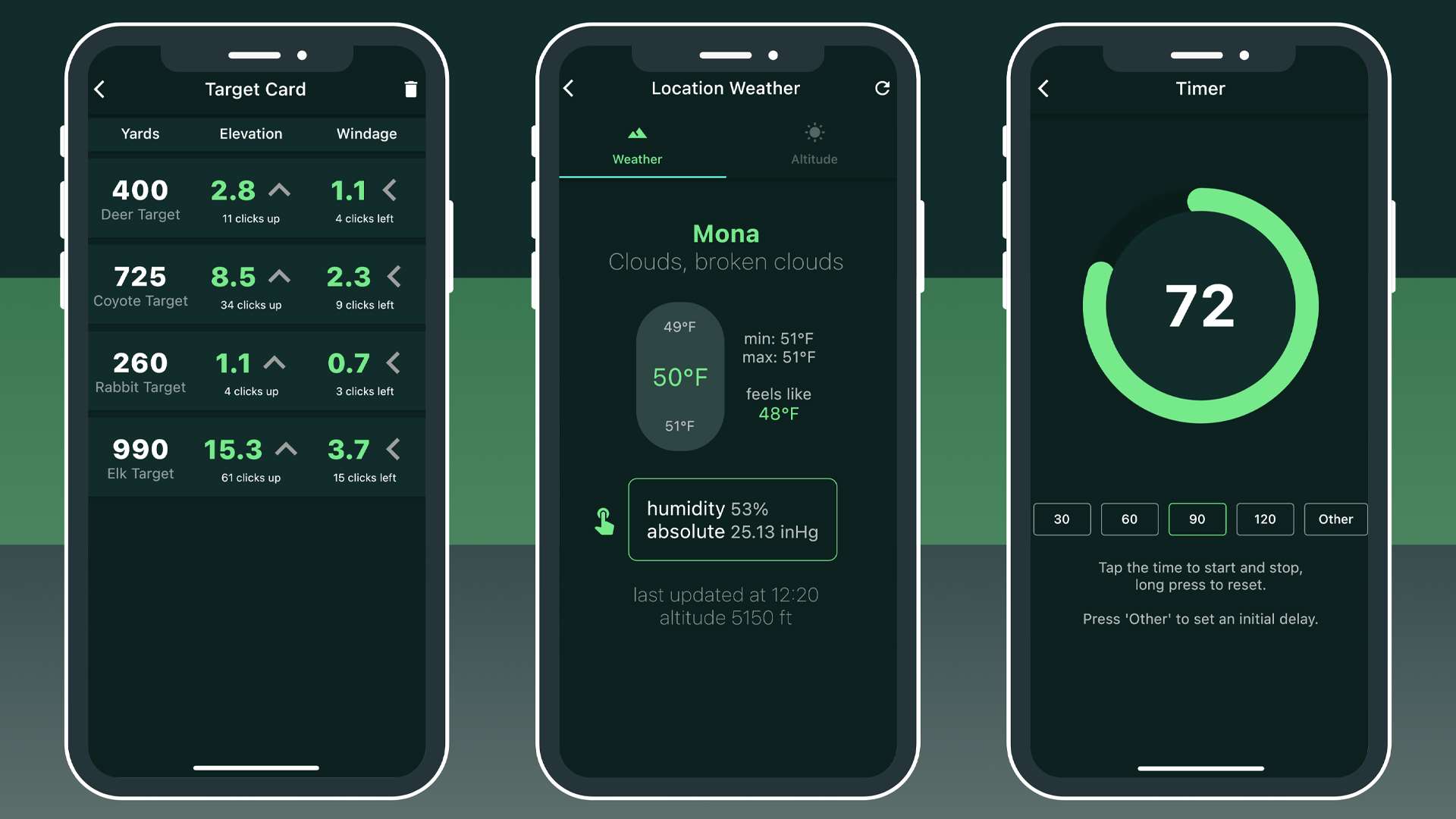
Range notes: environmental data in action
During a PRS match in Wyoming, I tracked the differences between my Kestrel 5700 Elite and the Applied Ballistics app on my phone for an entire day. Morning temperature: Kestrel showed 47°F, phone app showed 52°F. Humidity: Kestrel measured 23%, app estimated 35%. Barometric pressure: Kestrel read 25.89 inHg (station pressure), app showed 30.15 inHg (sea level adjusted).
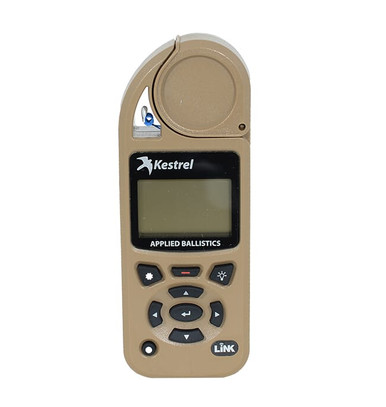
Kestrel 5700 Elite Deals
Prices may change. May contain affiliate links.
At 650 yards, these differences resulted in a 0.4 MOA difference in elevation solution and 0.2 MOA difference in windage. On a 10-inch target, that's the difference between a center hit and a miss.
The wind data gap was even more dramatic. The Kestrel measured gusts ranging from 6 to 14 mph throughout the day, with direction shifts of 30 degrees. The phone app's wind data hadn't updated since morning and showed a steady 8 mph from the southwest.
Ballistics engines: Applied Ballistics versus the field
Both Kestrel and phone apps can run Applied Ballistics solvers, but implementation differs significantly. The Kestrel 5700 Elite includes the full Applied Ballistics library with custom drag curves for over 200 bullets. These aren't just G1 or G7 coefficients; they're measured drag profiles that account for bullet shape variations throughout the flight path.

Phone apps like Applied Ballistics Quantum offer similar drag curve libraries, but they're limited by the environmental data feeding the calculations. The Hornady 4DOF app uses a different approach, modeling bullet flight in four degrees of freedom rather than the traditional point-mass model. It's sophisticated ballistics, but still dependent on estimated environmental conditions.
Custom drag curves matter most at longer ranges where bullets transition through the transonic region. A standard G7 ballistic coefficient assumes the bullet maintains a consistent drag profile throughout its flight. Real bullets don't behave that way. The Applied Ballistics custom curves account for these variations, providing more accurate solutions beyond 800 yards.
The ballistics calibration feature on Kestrel units allows you to "true" the solver to your specific rifle and load combination. After confirming drops at multiple distances, you can adjust the ballistics model to match observed performance. This truing process accounts for variations in muzzle velocity, actual ballistic coefficient, and scope tracking that affect real-world accuracy.
Phone apps offer similar truing features, but the process becomes complicated when environmental conditions change. If you true your ballistics model on a cool, dry morning and then shoot in hot, humid afternoon conditions, the environmental differences can throw off your trued data. The Kestrel continuously measures current conditions and adjusts accordingly.
Connectivity and integration: the modern shooting ecosystem
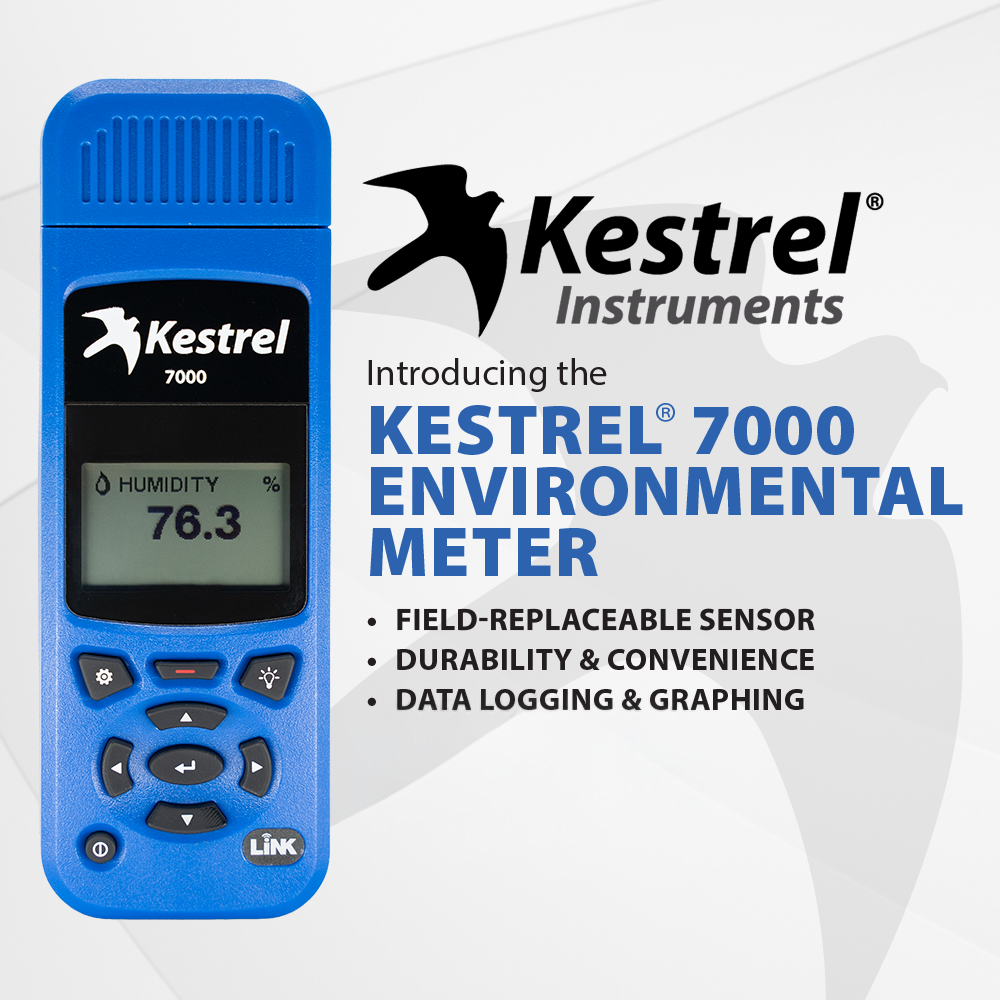
The Kestrel 5700X Elite with LiNK connectivity bridges the gap between dedicated weather measurement and smartphone convenience. Bluetooth connection allows real-time data sharing with ballistics apps, range finders, and other devices. You get measured environmental data feeding sophisticated ballistics calculations.

Kestrel 5700X Elite with LiNK Deals
Prices may change. May contain affiliate links.
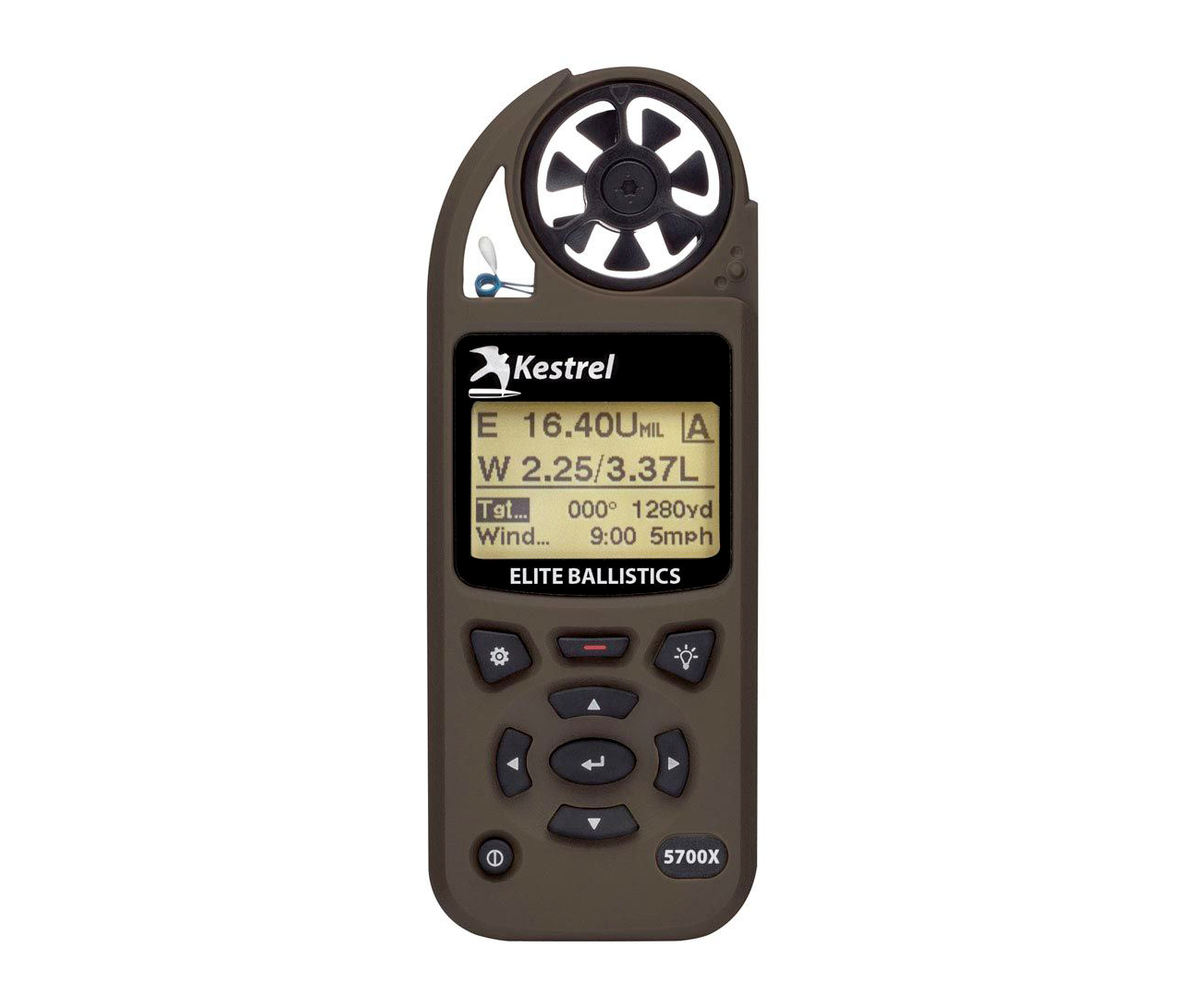
Some rangefinders now integrate directly with Kestrel units. The Bushnell Elite 1 Mile CONX pulls environmental data from a paired Kestrel and displays firing solutions directly in the rangefinder. This eliminates the need to manually input range and environmental data into separate devices.
Phone apps excel at data management and sharing. Building and storing multiple rifle profiles is easier on a smartphone interface. You can backup profiles, share them with teammates, and access online ballistics libraries. The Applied Ballistics Quantum app includes features like weapon employment zone analysis that aren't available on handheld Kestrel units.
The integration works both ways. Kestrel units can export environmental data to phone apps via Bluetooth. You get measured conditions feeding your preferred ballistics calculator. This hybrid approach combines the accuracy of measured environmental data with the interface advantages of smartphone apps.
Battery life favors the Kestrel significantly. The 5700 series runs for hundreds of hours on a single AA battery. Smartphones drain batteries quickly when running GPS, Bluetooth, and ballistics calculations simultaneously. During multi-day matches or hunting trips, the Kestrel's battery advantage becomes critical.
Common mistakes with both systems
Trusting old environmental data. Phone apps often display weather data that's hours old. Atmospheric conditions change throughout the day, especially temperature and wind. Always check the timestamp on weather data before making long-range shots.
Ignoring elevation differences. Weather stations report conditions at their specific elevation. If you're shooting 500 feet higher or lower than the weather station, pressure and temperature will differ significantly. The Kestrel measures conditions at your exact shooting position.
Manual wind input errors. Estimating wind speed and direction under pressure leads to mistakes. Even experienced shooters struggle with accurate wind calls. The Kestrel eliminates this variable by measuring actual wind conditions.
Over-relying on ballistics without verification. Both systems provide calculated solutions based on theoretical models. Real bullets fired from real rifles in real conditions don't always match the calculations. Always verify drops at multiple distances and adjust your ballistics model accordingly.
Forgetting about spin drift and Coriolis. Long-range shots require corrections for gyroscopic effects and earth rotation. The Kestrel calculates these automatically when properly configured. Many phone apps require manual input or don't account for these effects at all.
Device comparison: specific models and capabilities
The Kestrel 5700 Elite represents the current standard for precision shooting weather meters. It includes the full Applied Ballistics solver with custom drag curves, environmental measurement, and ballistics calibration features. The LiNK version adds Bluetooth connectivity for $100 more. Battery life exceeds 400 hours, and the display remains readable in direct sunlight.
The newer Kestrel 5700X Elite offers improved processing power and expanded memory for storing more rifle profiles. The interface is more responsive, and Bluetooth connectivity is standard. The additional cost provides marginal improvements for most precision shooting applications.
Applied Ballistics Quantum app costs significantly less than a Kestrel but requires environmental data from other sources. The ballistics calculations match the Kestrel's capabilities, including custom drag curves and advanced corrections. Interface design is excellent, and data management features exceed what's available on handheld units.
Hornady 4DOF app is free and includes sophisticated ballistics modeling. The four-degree-of-freedom calculations account for bullet precession and other effects that traditional point-mass models ignore. Environmental data must come from weather apps or manual input, limiting field accuracy.
The Kestrel 2700 offers basic ballistics calculations with limited environmental measurement. It measures temperature, humidity, and pressure but lacks wind measurement capabilities. For shooters who can read wind conditions accurately, it provides measured atmospheric data at a lower cost than the 5700 series.
Weather apps like WeatherBug or Weather Underground provide detailed atmospheric data for smartphone ballistics apps. Accuracy depends on the proximity and elevation of reporting weather stations. Urban areas typically have better coverage than rural shooting locations.
Match notes: real-world performance differences
During the 2023 PRS season, I tracked hit percentages using both Kestrel and phone app solutions across 15 matches. Distances ranged from 300 to 1,200 yards, with varying environmental conditions. The data reveals where each system excels and where they fall short.
For shots under 600 yards in mild conditions, both systems provided similar accuracy. Environmental variations have less impact at shorter ranges, and ballistics differences become negligible. Hit percentages were within 2% between systems.
Beyond 700 yards, the gap widened significantly. Kestrel-based solutions resulted in 12% higher hit rates on first-round impacts. The difference was most pronounced in variable wind conditions and when shooting at different elevations from the weather station locations.
Hot, humid conditions created the largest discrepancies. Phone apps consistently under-estimated the effects of low air density, resulting in high impacts. The Kestrel's humidity measurement provided more accurate density altitude calculations and corresponding ballistics solutions.
Cold weather matches favored the Kestrel even more dramatically. Phone batteries died quickly in sub-freezing temperatures, while the Kestrel continued operating normally. Several competitors switched to backup devices mid-match when their phones shut down.
Wind measurement proved critical for consistent hits. Matches with variable wind conditions showed 18% better hit rates when using measured wind data from the Kestrel versus estimated wind inputs in phone apps. The ability to measure crosswind components automatically eliminated a major source of human error.
Cost analysis: value beyond the price tag
A Kestrel 5700 Elite costs roughly $600-700 depending on features and connectivity options. Applied Ballistics Quantum app costs $30. The price difference is substantial, but the comparison isn't straightforward when you factor in capability and reliability differences.
Consider the cost of missed shots during matches or hunting situations. PRS match entry fees range from $100-300. Missing targets due to environmental data errors makes the match fee a sunk cost. For hunters, a missed shot on a trophy animal represents lost time, money, and opportunity that far exceeds equipment costs.
The Kestrel's durability and battery life provide value beyond initial purchase price. I've used the same 5700 Elite for three seasons without any reliability issues. The device has survived drops, rain, and temperature extremes that would destroy most smartphones. Replacement cost for a broken phone often approaches Kestrel pricing.
Phone apps require a compatible smartphone, which most shooters already own. However, using your primary phone for ballistics calculations during matches or hunting creates risks. Dead batteries, broken screens, or software crashes can leave you without communication and ballistics capability simultaneously.
The learning curve differs significantly between systems. Kestrel units require time to master the interface and features. Phone apps benefit from familiar smartphone interfaces but still require understanding of ballistics principles. Neither system eliminates the need for fundamental shooting skills and environmental awareness.
When to choose each system
Kestrel units excel for serious precision shooting where environmental accuracy matters most. PRS competitors, F-class shooters, and long-range hunters benefit from measured conditions and integrated ballistics calculations. The investment makes sense when shot accuracy directly affects competition results or hunting success.
Phone apps work well for recreational shooting and situations where convenience outweighs ultimate accuracy. Range sessions, informal competitions, and shorter-distance shooting don't require the precision that measured environmental data provides. The lower cost and familiar interface make phone apps accessible to more shooters.
Hybrid approaches combine the strengths of both systems. Using a Kestrel for environmental measurement while running ballistics calculations on a smartphone app provides accuracy with interface convenience. Bluetooth connectivity makes this integration seamless for shooters who want the best of both worlds.
Geographic location influences the decision significantly. Shooters in areas with dense weather station coverage get more accurate environmental data for phone apps. Rural locations with sparse weather reporting favor dedicated measurement devices like Kestrels.
The shooting discipline matters as well. Benchrest and F-class shooting from fixed positions allow time for careful environmental measurement and ballistics calculations. Dynamic shooting sports like PRS require quick solutions that integrated Kestrel units provide more efficiently.
Looking ahead: technology and precision shooting
Environmental measurement technology continues improving. Newer Kestrel units offer faster processing, better displays, and expanded connectivity options. The fundamental advantage of measuring conditions at the shooting location remains unchanged, but implementation keeps getting better.
Smartphone ballistics apps are incorporating more sophisticated environmental modeling. Some apps now use GPS location to pull weather data from multiple nearby stations and interpolate conditions for your specific location. While still not as accurate as direct measurement, these improvements narrow the gap for many shooting situations.
Integration between devices will likely expand. More rangefinders, riflescopes, and shooting accessories are adding connectivity features. The goal is seamless data sharing between environmental sensors, ballistics calculators, and optical devices to provide complete firing solutions without manual data entry.
Artificial intelligence and machine learning may eventually improve ballistics predictions by analyzing patterns in environmental conditions and bullet performance. These technologies could help systems learn from shooting data and provide more accurate solutions over time.
The fundamental physics of bullet flight won't change. Environmental conditions will continue affecting bullet trajectories, and accurate measurement will remain important for precision shooting. The tools for gathering and processing this information will keep evolving, but the underlying principles stay constant.
Here's what to do next: if you're serious about precision shooting beyond 600 yards and environmental conditions vary where you shoot, invest in a Kestrel 5700 Elite. Start with basic environmental measurement and ballistics calculations, then add features like custom drag curves and ballistics calibration as your skills develop. If you're shooting shorter distances or have consistent environmental conditions, start with a quality phone app and upgrade when your shooting demands exceed its capabilities.
The choice isn't really about Kestrel versus phone apps; it's about understanding what level of environmental accuracy your shooting requires and choosing tools that match those needs. Both systems can help you hit targets when used properly, but knowing their limitations prevents missed shots when conditions matter most.