You found a chunky, odd-looking pistol at the gun show with "Steyr" stamped on the slide and what looks like a cocked hammer. The seller calls it a "Steyr-Hahn" and mentions something about Austrian military service. Before you hand over cash, let's talk about what you're actually looking at.
The Steyr-Hahn M1912 is one of those pistols that gets overlooked in favor of flashier contemporaries like the Luger or 1911. That's a mistake. This Austrian design served through two world wars, got captured and converted by the Germans, and represents some genuinely clever engineering from the twilight of the Habsburg Empire. Here's what to look for when evaluating one.

What makes the Steyr-Hahn different
The first thing you'll notice is that external hammer; hence "Hahn," which means rooster or cock in German. But look closer and you'll realize this isn't a traditional hammer-fired design. That external hammer is actually a cocking indicator. The real firing mechanism is internal, making this a striker-fired pistol with the visual cues of a hammer gun.
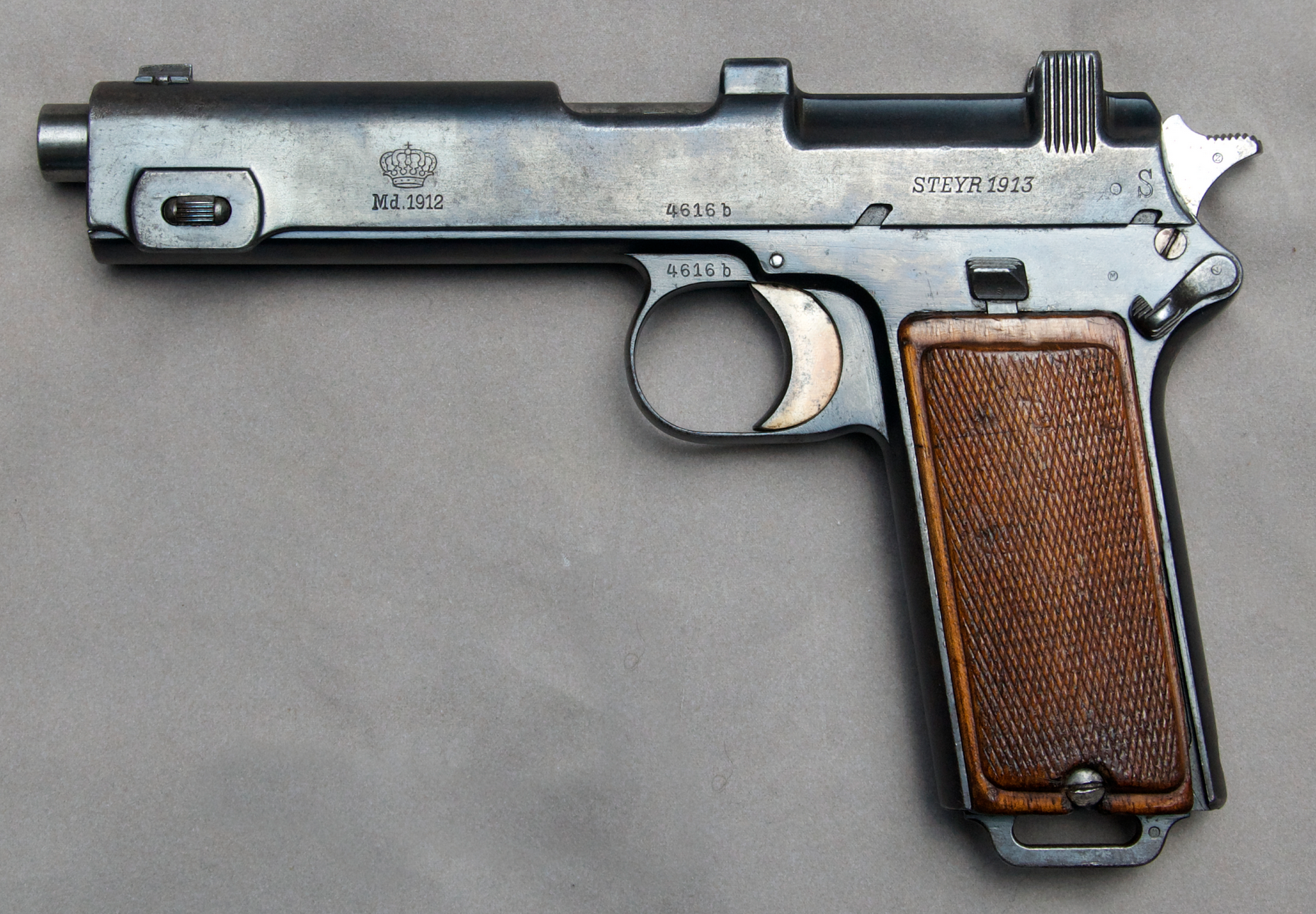
The action uses a rotating barrel system that was ahead of its time. When fired, the barrel rotates slightly to unlock from the slide, allowing the action to cycle. It's smooth, reliable, and mechanically interesting. The magazine holds eight rounds of 9mm Steyr cartridge; not 9mm Parabellum, which matters for both shooting and collecting.
Steyr produced these pistols from 1912 through the 1930s for military contracts across Europe. Austria-Hungary adopted it as their service pistol, but you'll also find examples made for Bavaria, Chile, and Romania. Each contract has specific markings and variations that affect both authenticity and value.
Original Austrian military variants
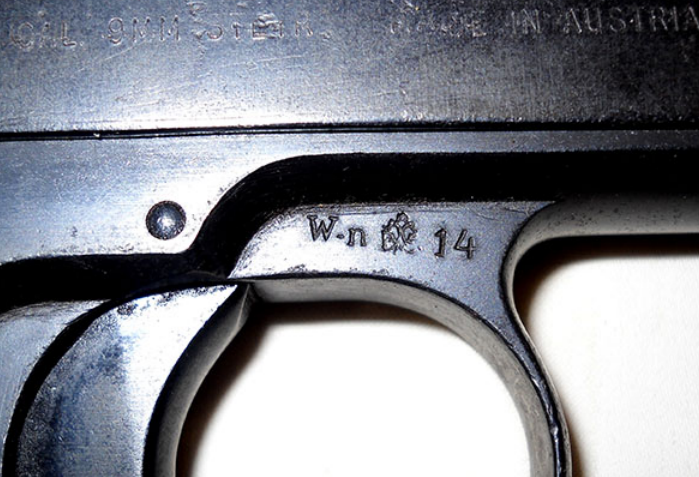
The standard Austrian military M1912 features the dual-headed eagle proof mark and typically shows serial numbers in the 1-200,000 range for wartime production. Early examples have a more refined finish, while later wartime guns show the usual shortcuts; rougher machining, simpler grips, less attention to cosmetic details.
Look for the correct military acceptance marks. Austrian examples should have the dual-headed eagle stamped on the frame and barrel. The grip panels on military guns are typically checkered wood, though you'll see some late-war examples with simpler grooved panels. Original military holsters are brown leather with the Austrian eagle embossed on the flap.
What to check: Military guns often show honest wear from service use. That's fine and expected. What you don't want is a gun that's been arsenal refurbished with mismatched parts or had the finish stripped and reblued. Original finish shows as a dark blue-black that wears to gray metal underneath. Reblued guns often have that too-even, too-dark appearance that screams refinishing work.
The bore condition matters more on these than some other military pistols because good 9mm Steyr ammunition is expensive and hard to find. A shot-out bore means you've got a display piece, not a shooter. Use a bore light and look for sharp rifling. Some pitting is acceptable, but avoid guns with severely eroded throats or bulged barrels.
German conversion variants
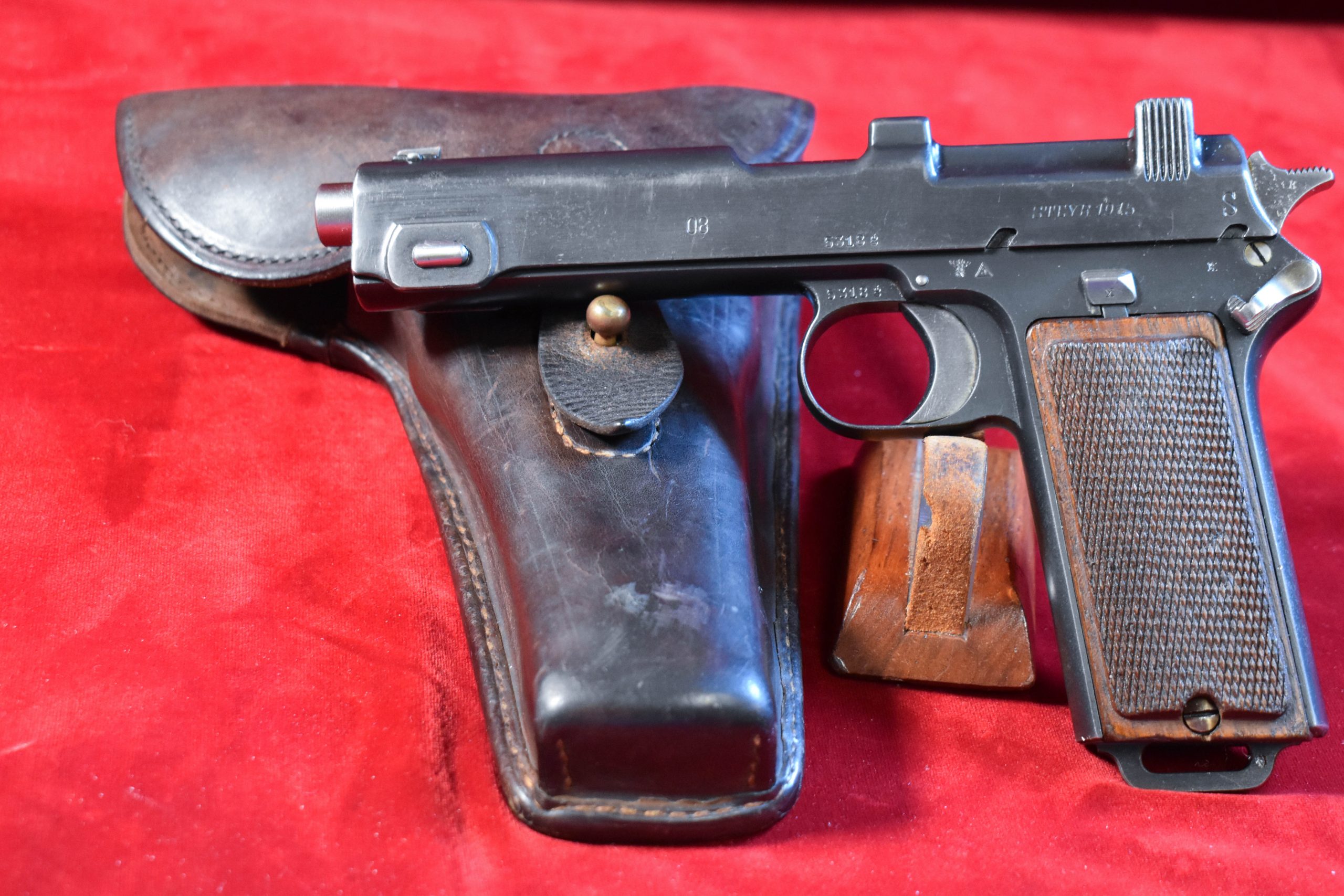
Here's where things get interesting. When Germany occupied Austria in 1938, they inherited stockpiles of Steyr-Hahn pistols. Rather than retool production, they converted existing guns to fire standard 9mm Parabellum ammunition. These conversions are marked with a large "08" stamped on the left side of the slide.
The German conversion process involved rechambering the barrel and modifying the extractor. They also added German military acceptance marks; typically "WaA" stamps with various numbers. Some conversions retained the original Austrian proofs, while others had them ground off and restamped with German markings.
German-converted examples are actually more common in the U.S. market than original Austrian military guns. Many were brought back as war trophies, and the 9mm Parabellum chambering made them more practical for American shooters. Values tend to be similar to original Austrian examples, assuming the conversion work was done properly.
What to watch for: Sloppy conversion work. The Germans did these conversions quickly and with varying levels of quality control. Look for clean, professional-looking "08" stamps. Avoid guns where the conversion marking looks hand-stamped or crude. Also check that the extractor has been properly modified; original 9mm Steyr extractors won't work reliably with 9mm Parabellum cases.
Commercial and contract variants
Steyr also produced commercial versions and fulfilled contracts for other militaries. Bavarian contract guns are particularly interesting; they're marked with the Bavarian coat of arms and were produced before Bavaria was fully integrated into the German military system.
Chilean contract M1912s are marked "EJERCITO DE CHILE" and typically show different serial number ranges. Romanian examples bear Romanian military markings. These contract guns often have slightly different specifications; different sight configurations, grip panel styles, or finish quality.
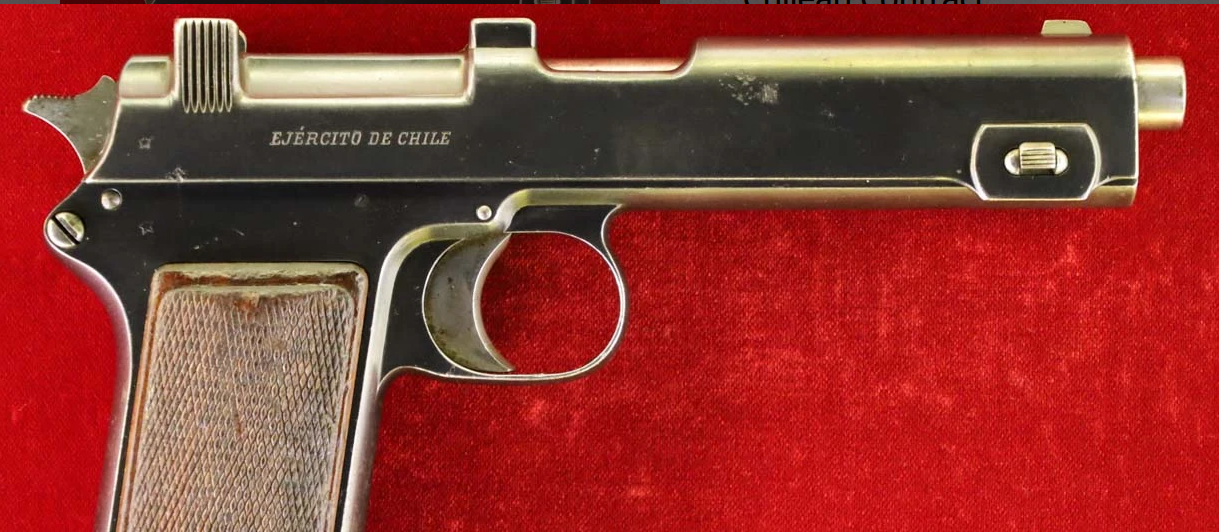
Commercial guns lack military proof marks and often show higher-quality finishing. They were sold to police departments, security services, and civilian buyers. Serial numbers on commercial guns don't follow the military sequence, making dating more difficult.
The rarest variants are the early prototypes and trials guns, but you're unlikely to encounter these outside of serious collections or auction houses. If someone claims to have a prototype or experimental variant, ask for documentation and be very skeptical.
Common problems and inspection points
The Steyr-Hahn is generally reliable, but there are specific issues to check. The rotating barrel system depends on precise timing, and worn parts can cause malfunctions. Look for excessive play in the barrel when the action is closed. The barrel should lock up tight with no vertical or horizontal movement.
The magazine release is a button located behind the trigger guard on the left side. Original magazines are expensive and hard to find, so check that any included magazines are functional. Aftermarket magazines exist but don't always work reliably.
Check the condition of the internal striker spring. A weak spring causes light strikes and misfires. You can test this by dry-firing the gun (after ensuring it's unloaded); the striker should fall with a crisp, sharp snap. A weak or hesitant striker fall indicates spring problems.
The grip safety must be fully depressed for the gun to fire. Make sure this mechanism works smoothly and doesn't bind. Some examples show wear in the grip safety pivot area that can cause reliability issues.
What to look for during inspection
Start with the serial numbers. They should match between the frame, slide, and barrel. Non-matching numbers don't make a gun worthless, but they do affect value and indicate the gun has been apart for repairs or parts replacement.
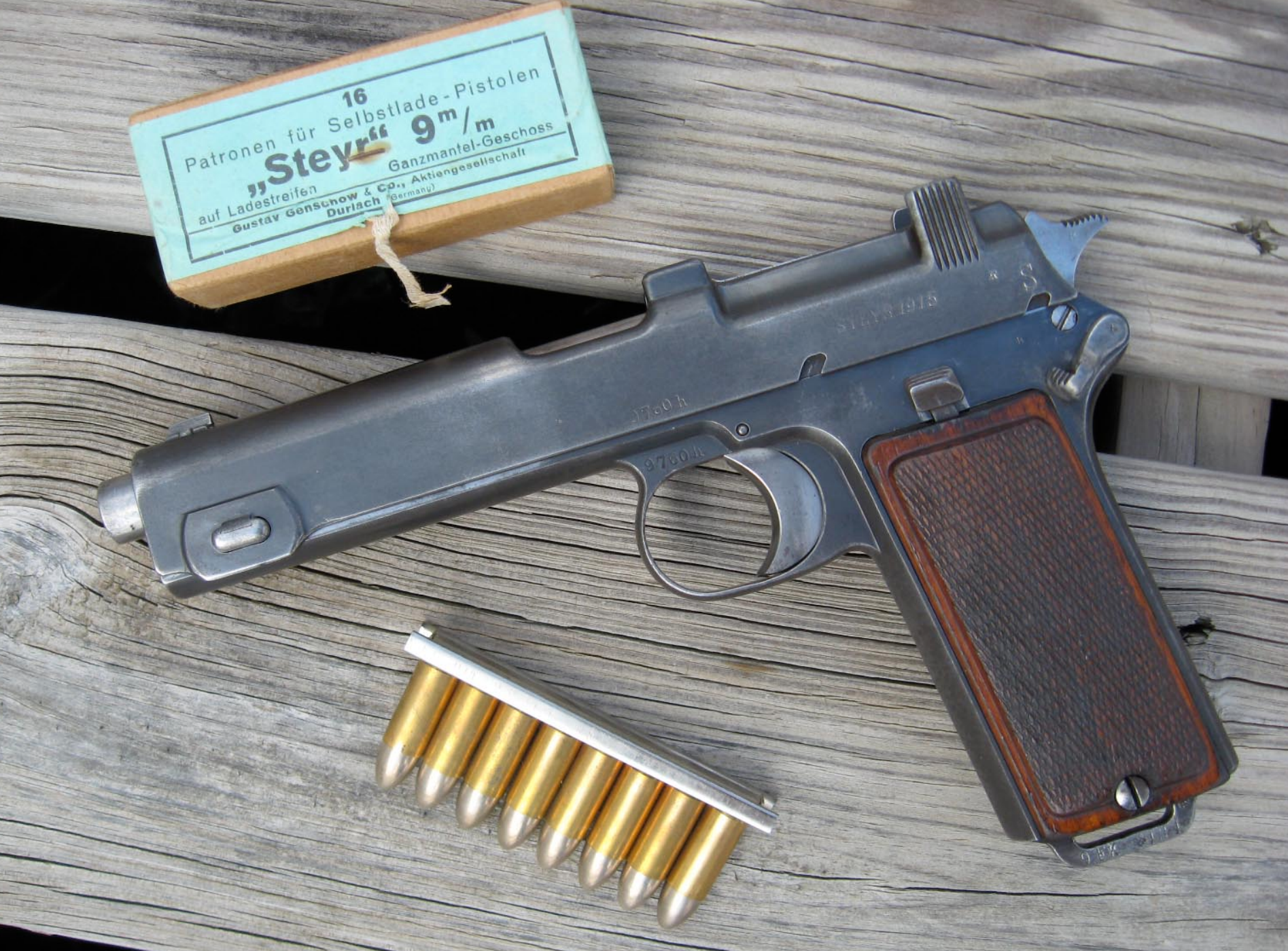
Check the proof marks carefully. Austrian guns should have the dual-headed eagle. German conversions add the "08" marking and German acceptance stamps. Contract guns have their respective national markings. Be suspicious of guns with ground-off or re-stamped markings; this often indicates import conversion work or attempts to hide problematic history.
The finish should be appropriate for the variant. Military guns show honest wear patterns; holster wear on the slide, grip wear on the frame, edge wear on high-contact areas. Avoid guns that have been reblued unless the price reflects refinishing work. Original finish, even when worn, is always preferable to refinishing.
Test the action thoroughly. The slide should cycle smoothly, the barrel should rotate and lock properly, and all controls should work without binding. The external hammer should move freely and return to the cocked position when the slide cycles.
Ammunition considerations
This is the big practical issue with Steyr-Hahn ownership. Original Austrian guns are chambered for 9mm Steyr, which is longer and more powerful than 9mm Parabellum. You cannot safely fire 9mm Parabellum in an original-chambered gun; the cartridge will fall too far into the chamber and can cause dangerous pressure spikes.
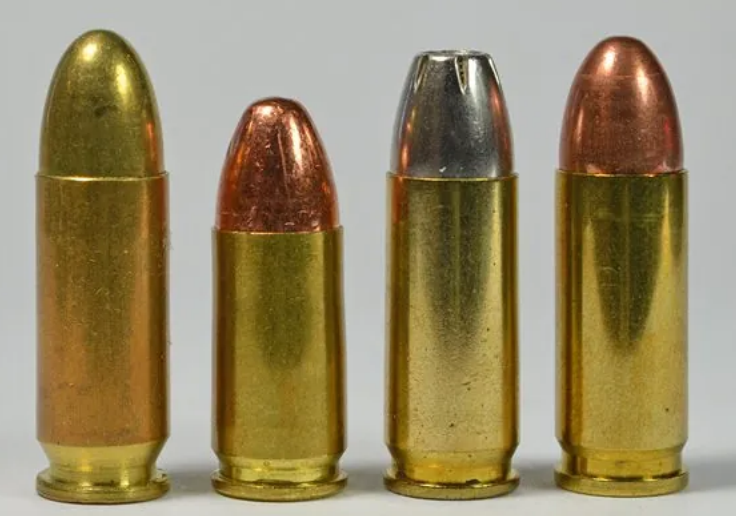
9mm Steyr ammunition is available from specialty manufacturers, but expect to pay $2-3 per round. Some handloaders make their own, but you need the correct brass and load data. For most shooters, this makes original-chambered guns expensive to feed.
German-converted guns marked "08" are rechambered for standard 9mm Parabellum and are much more practical for regular shooting. However, verify the conversion was done properly before firing any ammunition. Some field conversions were done hastily and may not be completely safe.
If you're buying a Steyr-Hahn primarily as a shooter, look for a properly converted German example. If you're collecting for historical interest, an original Austrian military gun in good condition is the better choice.
Fakes and problem areas
Steyr-Hahn fakes aren't common, but there are issues to watch for. The most frequent problem is misrepresented conversions; guns that have been rechambered by gunsmiths and marked to look like official German conversions. Proper German "08" markings are stamped clearly and professionally. Hand-engraved or crudely applied markings indicate post-war conversion work.
Some guns have had their original markings ground off and restamped to hide import marks or previous modifications. Look for signs of grinding or welding around proof mark areas. Original stampings are crisp and deep. Restamped markings often look different in depth or clarity compared to surrounding original marks.
Be wary of "rare" variants unless you can verify their authenticity. The basic Austrian military gun and German conversion represent the vast majority of examples. Claimed prototypes, special contracts, or unusual variations require serious documentation.
Parts guns are common in the surplus market. Someone assembled a Steyr-Hahn from spare parts and is trying to pass it off as original. Check that all major components show similar wear patterns and finish characteristics. A pristine barrel on a well-worn frame suggests parts replacement.
Value factors and market trends
Condition drives value more than specific variants for most Steyr-Hahn pistols. A well-preserved Austrian military example in original finish commands premium prices, while worn or refinished guns sell for much less. German conversions typically bring similar money to Austrian originals, assuming proper conversion work.
Completeness matters. Original holsters, spare magazines, and documentation add value. However, complete rigs are rare, and most guns are sold as pistol-only. Don't expect to find original accessories unless you're dealing with a serious collector or estate sale.
The ammunition situation affects market dynamics. Shooters prefer German conversions, while collectors often want original Austrian examples. This creates two somewhat separate markets with different price structures.
Recent trends show steady appreciation for quality examples, but the Steyr-Hahn remains undervalued compared to contemporary German designs. This makes them attractive for collectors looking for interesting pieces without Luger-level prices.
Making the purchase decision
Before you buy, decide what you want from the gun. If you plan to shoot it regularly, look for a German conversion with good bore condition and proper ammunition compatibility. If you're collecting for historical interest, an original Austrian military gun with matching numbers and original finish is worth the premium.
Ask about ammunition availability if you're buying from a dealer. Some shops stock 9mm Steyr, but many don't. Factor ammunition costs into your decision; at $2-3 per round, shooting sessions get expensive quickly with original-chambered guns.
Get documentation if available. Import papers, previous owner records, or historical research add interest and can help establish provenance. However, most surplus guns come with minimal paperwork, so don't expect detailed histories.
Consider the total cost of ownership. Beyond the purchase price, factor in ammunition costs, potential gunsmith work for safety checks, and accessories like holsters or magazines. A cheap gun that needs extensive work may not be the bargain it appears.
The Steyr-Hahn represents solid engineering from an interesting period in firearms history. Whether you're drawn to the mechanical innovation, the Habsburg military connection, or just want something different from the usual surplus suspects, these pistols offer a lot of character. Just make sure you understand what variant you're buying and whether it matches your intended use. The difference between a 9mm Steyr original and a 9mm Parabellum conversion isn't just academic; it determines whether you'll be shooting the gun or just admiring it.