You spent good money on that scope and rings, mounted everything carefully, and now your groups are walking all over the target. The problem isn't your rifle or your ammo; it's probably your torque specs. Most shooters either crank their ring screws down like they're changing a tire, or they baby them so much the scope slides around under recoil.
Here's the thing: proper ring torque isn't about following one magic number. It's about understanding what those screws actually do, what your specific scope can handle, and how different ring materials change the game. Get it wrong and you'll either crush your scope tube or watch your zero wander shot to shot.
The short version: most ring manufacturers spec their torque values too high for many scopes, most shooters don't own a torque wrench, and almost nobody checks their work after a few range sessions. We'll fix all three problems.
What ring torque actually controls
Ring screws do two jobs that work against each other. They need to clamp your scope tight enough that it won't slide under recoil, but loose enough that they don't deform the tube and bind the internal mechanisms. The sweet spot is narrower than most people think.
When you overtighten rings, you're creating stress points on the scope tube that can shift your point of impact as the scope heats up and cools down. Worse, you can actually bend the tube enough to bind the erector assembly inside. I've seen $2,000 scopes turned into paperweights because someone thought "tighter is better."
Undertighten them and your scope becomes a $1,500 slide hammer. Every shot drives it backward in the rings, changing your zero and eventually damaging both the scope and the rings. The aluminum tube gets gouged, the ring surfaces get scored, and you end up with a sloppy fit that never holds zero properly.
The problem is that ring torque specs vary wildly between manufacturers, and scope makers rarely publish maximum torque ratings for their tubes. You're left guessing, and most people guess wrong.
Why the standard specs don't work
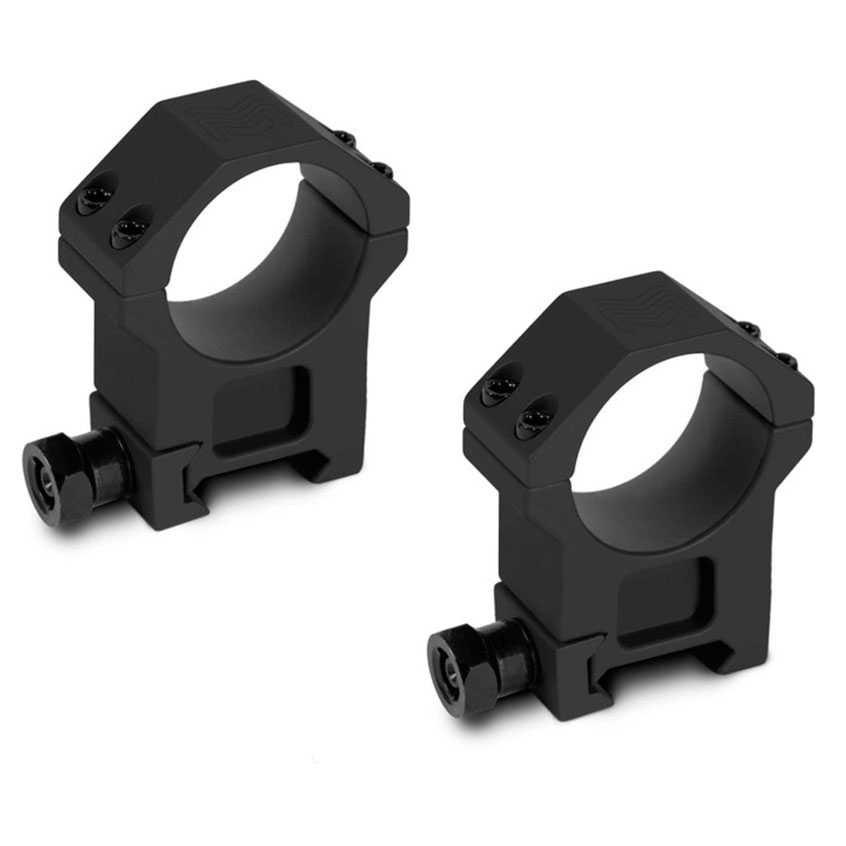
Look at any ring manufacturer's instructions and you'll see torque specs that sound reasonable: 15-18 inch-pounds for ring cap screws, 25-30 inch-pounds for base screws. These numbers come from testing with thick-walled tactical scopes that can handle serious clamping force.
But mount that same ring on a lightweight hunting scope with a thin aluminum tube, and those specs will crush it. The tube wall thickness on a budget 3-9x40 might be half what you get on a heavy tactical scope. Same torque, twice the stress on the tube.
Ring material makes it worse. Steel rings concentrate stress more than aluminum rings. A steel ring torqued to 18 inch-pounds creates higher contact pressure than an aluminum ring at the same spec. The scope doesn't know what the torque wrench said; it only feels the clamping force.
Most ring specs also assume you're using the included screws with the recommended thread locker. Switch to different screws or skip the thread locker, and the effective clamping force changes. Longer screws bottom out in the threads and give false torque readings. Shorter screws don't engage enough threads and strip out.
The real problem is that ring manufacturers want to cover their liability. They'd rather you overtighten and blame the scope than undertighten and have the scope slide. It's not malicious, but it's not helpful either.
Ring & Feel: What proper torque feels like
When rings are torqued correctly, the scope should feel solid in the rings but still allow you to rotate it with firm hand pressure. You shouldn't be able to slide it fore and aft without serious effort, but you shouldn't need tools to adjust eye relief during initial setup.
Here's a simple test: with the scope mounted and torqued, try to rotate it in the rings using just your hands. You should be able to turn it, but it should take deliberate pressure; not finger-light effort, but not requiring you to grunt and strain either. If you can spin it easily, you're undertorqued. If you can't budge it at all, you're probably overtorqued.
The scope tube should show even contact marks from the rings after you remove it. If you see deep gouges or uneven wear patterns, you either overtorqued or your rings aren't properly aligned. Light scuff marks are normal and expected; that's the rings doing their job.
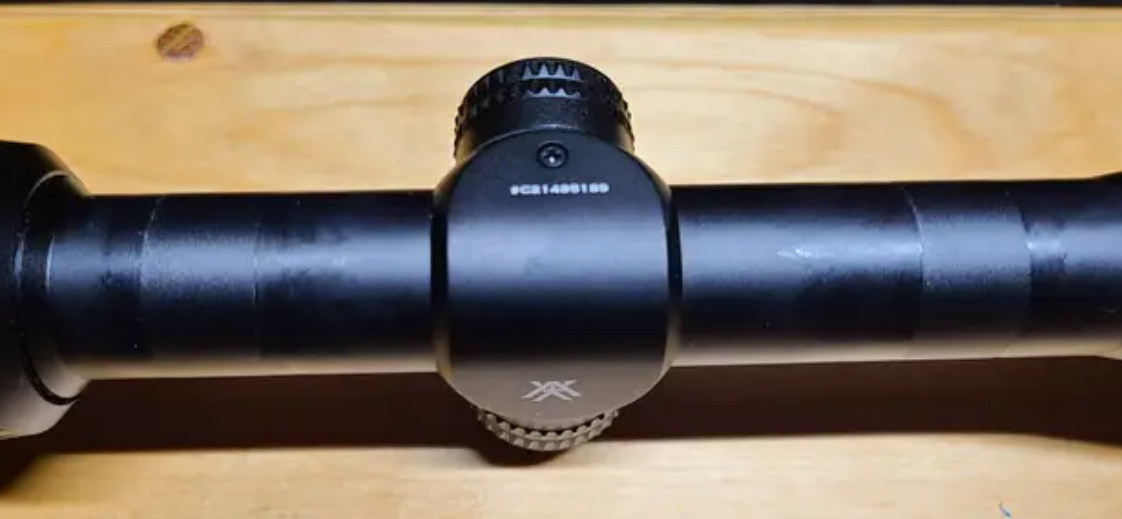
Pay attention to how the focus ring and magnification ring feel after mounting. They should turn smoothly with the same effort they had when unmounted. If they feel sticky or require more force, you've probably deformed the tube slightly. Back off the ring torque and try again.
How to find your actual torque spec
Start with your scope manufacturer's recommendations, not your ring manufacturer's. Vortex, Leupold, and Nightforce all publish maximum torque specs for their scopes. These are usually lower than what ring makers suggest; often 12-15 inch-pounds instead of 18.
If your scope maker doesn't publish specs, start conservative. Begin at 10 inch-pounds and work up in 2-inch-pound increments until the scope won't slide under recoil. Test this with live fire, not just hand pressure. Some scopes will feel secure at 12 inch-pounds but still creep under the impulse of actual recoil.
Document what works for each scope and ring combination. A Leupold VX-3 in Warne rings might need 14 inch-pounds, while the same scope in Leupold rings only needs 12. The ring design, materials, and manufacturing tolerances all affect the final number.
For expensive scopes, consider using a torque wrench that clicks at your target value rather than a beam-type that requires you to watch the needle. It's easier to be consistent, and you're less likely to accidentally overtorque when you're focused on getting the reading right.
Thread locker changes everything. Medium-strength thread locker like blue Loctite reduces the torque needed to achieve the same clamping force. If the manufacturer specs assume thread locker and you don't use it, you'll need slightly higher torque. If they assume dry threads and you add thread locker, back off the spec by 10-15%.
Common torque mistakes that kill accuracy
The biggest mistake is torquing ring caps unevenly. Most shooters tighten one screw to spec, then tighten the opposite screw to the same reading. This creates uneven clamping force that can actually twist the scope tube. Instead, alternate between screws in small increments; 2-3 inch-pounds at a time; until both reach the target value.
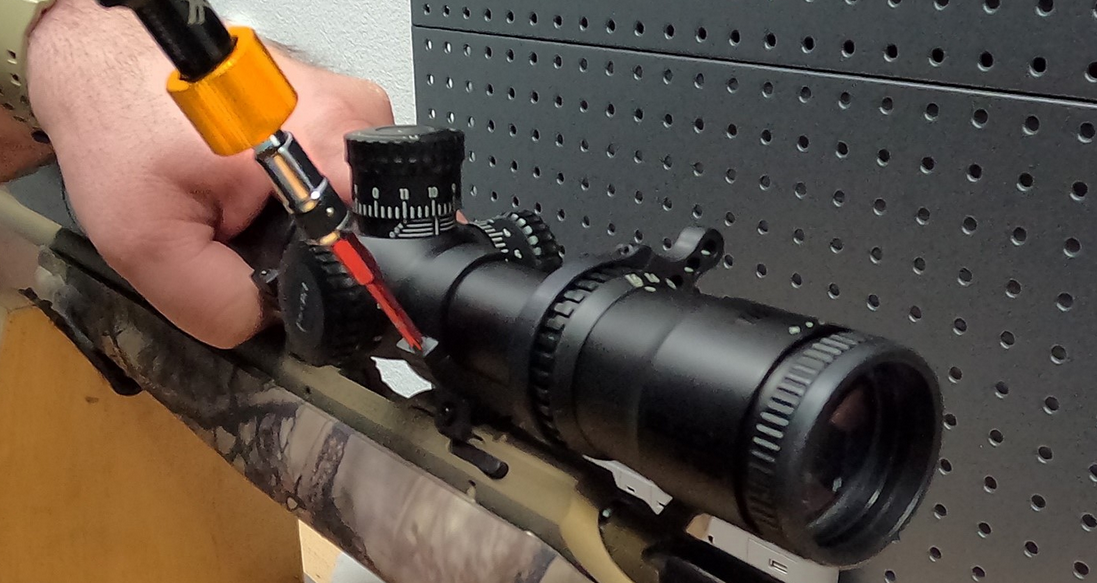
Using the wrong sequence matters too. Always torque the ring base screws first, then the cap screws. If you torque the caps first, the base can shift slightly when you tighten it down, changing the stress distribution on the scope tube. The scope might feel secure but still shift zero as temperatures change.
Not checking torque after the first range session is another killer. Heat cycling and vibration can cause screws to settle or back out slightly. Check your torque after 20-30 rounds, then again after 100. After that, check it at the beginning of each season or whenever accuracy starts to degrade.
Over-torquing base screws is just as bad as over-torquing ring caps. Those screws go into the receiver, and excessive torque can actually distort the action slightly. This is especially true with lightweight hunting rifles where the receiver walls are thinner. Stick to the base manufacturer's specs; usually 20-25 inch-pounds for most systems.
Ignoring ring alignment causes problems that look like torque issues. If your rings aren't perfectly aligned, you'll need excessive torque to keep the scope from shifting, and even then it might not hold zero. Use a ring alignment tool or have a gunsmith check alignment before you start torquing anything.
Tools that actually work
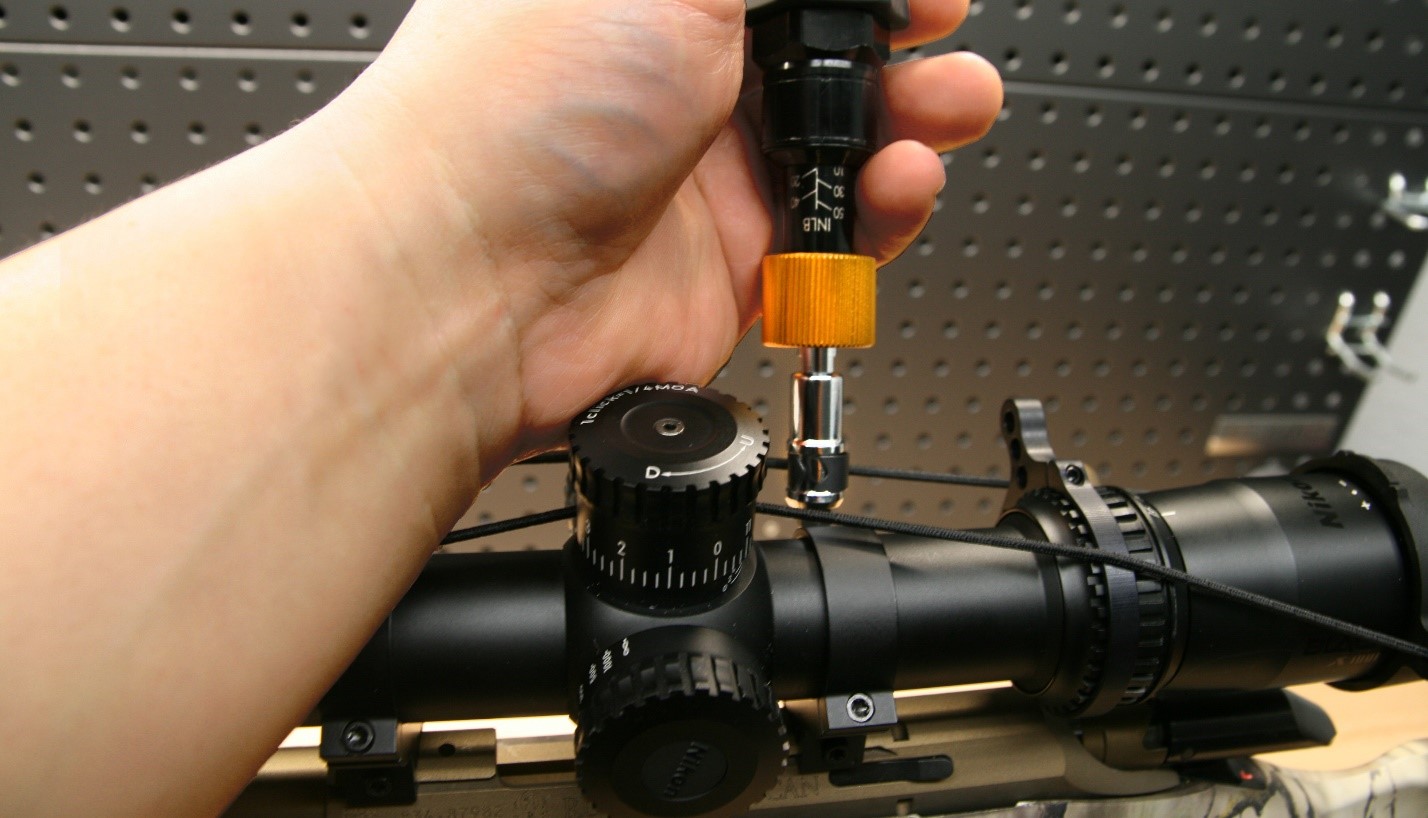
A quality torque wrench is non-negotiable for consistent results. The Wheeler FAT Wrench is popular because it's affordable and covers the range you need for scope mounting; 10-65 inch-pounds. The Real Avid Smart-Torq is another solid option that includes the bits you'll actually use.
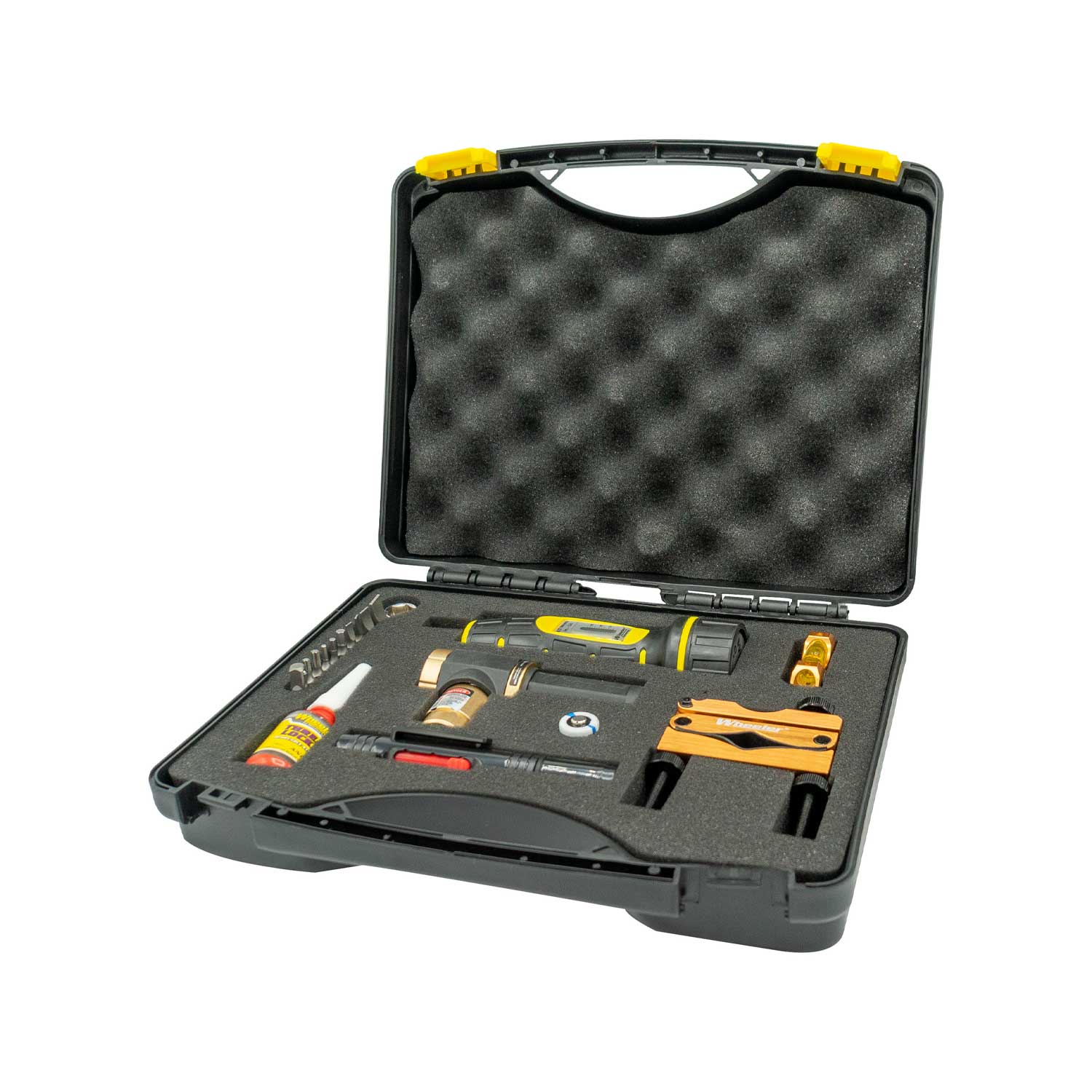
Avoid cheap torque wrenches from the hardware store. They're usually calibrated for higher torques and aren't accurate in the 10-20 inch-pound range you need for scope work. A wrench that's accurate to ±10% at 100 foot-pounds might be off by 50% at 15 inch-pounds.
Beam-type torque wrenches work but require more attention. You have to watch the needle while applying pressure, which makes it easy to overshoot your target. Click-type wrenches are more foolproof; they release when you hit the set torque, so you can focus on keeping the bit properly seated in the screw head.
Get a set of quality bits that fit your ring screws properly. Cheap bits round off screw heads, especially on stainless steel screws. Wiha, Wera, or similar German-made bits are worth the extra cost. They fit better and last longer than the bits that come with most torque wrenches.
A ring alignment tool isn't essential, but it's cheap insurance. Weaver makes a simple one that works with most ring systems. If your rings are out of alignment, no amount of proper torque will give you a stable zero.
Scope and ring combinations that work
Leupold VX-3 and VX-5 scopes work well with most ring systems at 12-15 inch-pounds. The tubes are reasonably thick and the internal mechanisms are robust. Leupold's own rings are conservative; they clamp evenly and don't create stress points.
Vortex Viper and Razor scopes can handle slightly higher torque; 15-18 inch-pounds in most cases. The tubes are built for tactical use and can take more clamping force. Vortex actually publishes torque specs for most of their scopes, which makes life easier.
Budget scopes need lighter torque regardless of the ring system. A Nikon Prostaff or similar scope might only handle 10-12 inch-pounds before the tube starts to deform. The aluminum is thinner and the internal tolerances are tighter.
Warne rings are forgiving because they use a different clamping system. The Maxima series distributes load more evenly than traditional split rings. You can usually follow their torque specs without worrying about crushing the scope.
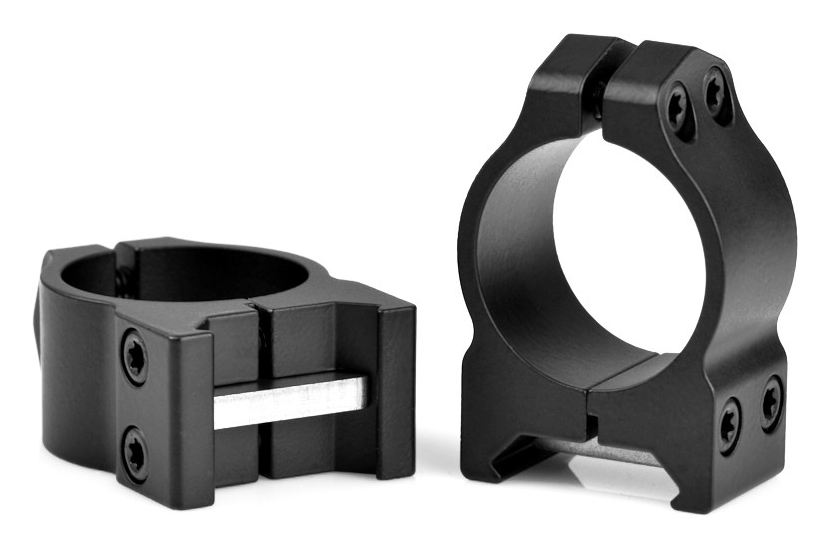
Nightforce rings are built for their own scopes, which have thick tubes and robust internals. Their torque specs; often 18-20 inch-pounds; work fine with Nightforce scopes but might be too much for other brands.
Testing your torque spec
The real test happens at the range, not on the workbench. Mount your scope, torque everything to spec, and fire a 3-5 shot group. Mark the point of impact, then fire another group after the rifle has cooled completely. If the groups print in the same place, your torque is probably correct.
Heat cycling reveals torque problems that don't show up otherwise. Fire 10-15 rounds fairly quickly to heat up the barrel and scope, then let everything cool for 30 minutes. Fire another group and see if the point of impact shifted. If it did, you might be overtorqued and creating thermal stress in the scope tube.
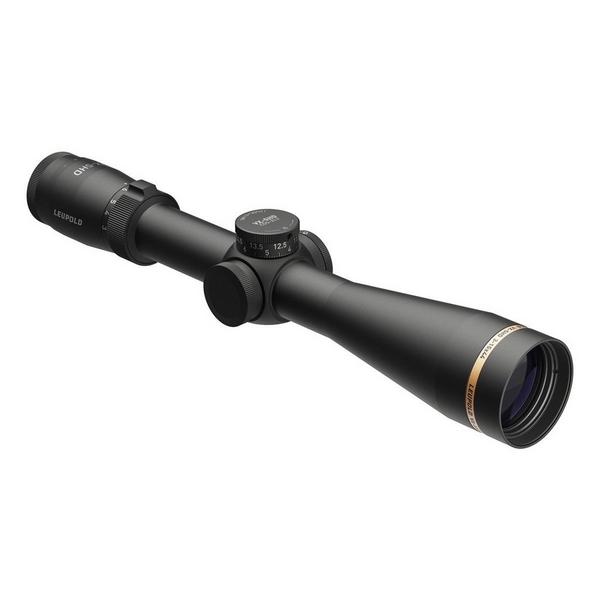
Recoil testing is harder but more definitive. Fire 20-30 rounds of full-power ammunition and check if the scope has moved in the rings. Look for fresh scuff marks or changes in eye relief. If the scope shifted, you need more torque or better ring alignment.
Check the ring screws after your test session. If they've loosened noticeably, you either need thread locker or slightly higher torque. If they're still tight but the scope moved, you probably have an alignment problem.
Document everything. Keep notes on what torque spec worked for each scope and ring combination. Include the ammunition you used for testing, because different recoil levels might require different torque specs.
When to re-check torque
Temperature changes affect torque more than most people realize. Aluminum expands and contracts more than steel, so the effective clamping force changes as temperatures swing. Check your torque at the beginning of hunting season, especially if you're going from summer range sessions to cold weather hunting.
After any hard use, check your screws. A long day of prairie dog shooting or a hunting trip where the rifle took some bumps can loosen things up. It takes 30 seconds to check with a torque wrench, and it's cheaper than missing the shot of a lifetime.
Transportation stress matters too. Flying with rifles, bouncing around in a truck, or even just storing the rifle in a gun safe that gets temperature swings can affect torque. Check it before any important shooting session.
If your groups start opening up for no obvious reason, torque is one of the first things to check. Loose ring screws cause vertical stringing and random flyers that look like ammunition problems but aren't.
Most screws will settle slightly after initial installation. Plan to re-check torque after your first range session, then again after 100 rounds or so. After that, seasonal checks are usually sufficient unless you're using the rifle hard.
What to do next
Start by getting a proper torque wrench if you don't have one. The Wheeler FAT Wrench covers most scope mounting needs and costs less than one box of premium hunting ammunition. It's not a luxury tool; it's basic equipment for anyone who mounts their own scopes.
Find the actual torque specs for your scope, not just your rings. Check the manufacturer's website or call their tech support. Most companies are happy to provide this information, but they don't always put it in the manual.
Test your current setup if you're having accuracy problems. Mark your current point of impact, then back off your ring torque by 2-3 inch-pounds and test again. If accuracy improves, you were probably overtorqued.
Keep a simple log of what works for each rifle. Include the scope model, ring brand, torque specs, and any notes about performance. This saves time when you mount scopes on similar rifles later.
Practice the torque sequence on an unloaded rifle before you do it for real. Alternating between screws in small increments feels awkward at first, but it becomes natural with practice. Getting it right the first time is easier than fixing problems later.