
You're at the range and someone rolls up with a belt-fed rifle. Heads turn. Conversations stop. Everyone wants to know what it is, how it works, and where they can get one. The question isn't whether belt-fed rifles are cool; they obviously are. The real question is whether they're worth the investment for civilian shooters, or if they're just expensive range toys that eat ammo faster than your wallet can handle.
Here's the deal: belt-fed rifles occupy a unique space in the civilian market. They're not practical for hunting, they're overkill for home defense, and they're banned in several states. But they offer something no magazine-fed rifle can match; sustained fire capability and the authentic experience of operating crew-served weapon systems. After spending time with several belt-fed platforms and talking to collectors who've invested serious money in these systems, I can tell you they're more than just novelties. They're functional pieces of military history that happen to be legal for civilian ownership.
The civilian belt-fed market has exploded over the past decade. What started with a handful of semi-auto conversions of military surplus has evolved into purpose-built civilian rifles from major manufacturers. Companies like FN America now produce factory belt-fed rifles specifically for the civilian market, while smaller manufacturers offer everything from faithful reproductions of WWII-era machine guns to modern conversion kits that transform standard rifles into belt-fed platforms.
Factory belt-fed rifles
FN M249S
The FN M249S is the civilian version of the military's M249 Squad Automatic Weapon. FN took their military contract knowledge and built a semi-automatic rifle that captures the essence of the original without the full-auto capability. The M249S features an 18.5-inch barrel, collapsible stock, and feeds from both belts and standard AR-15 magazines.
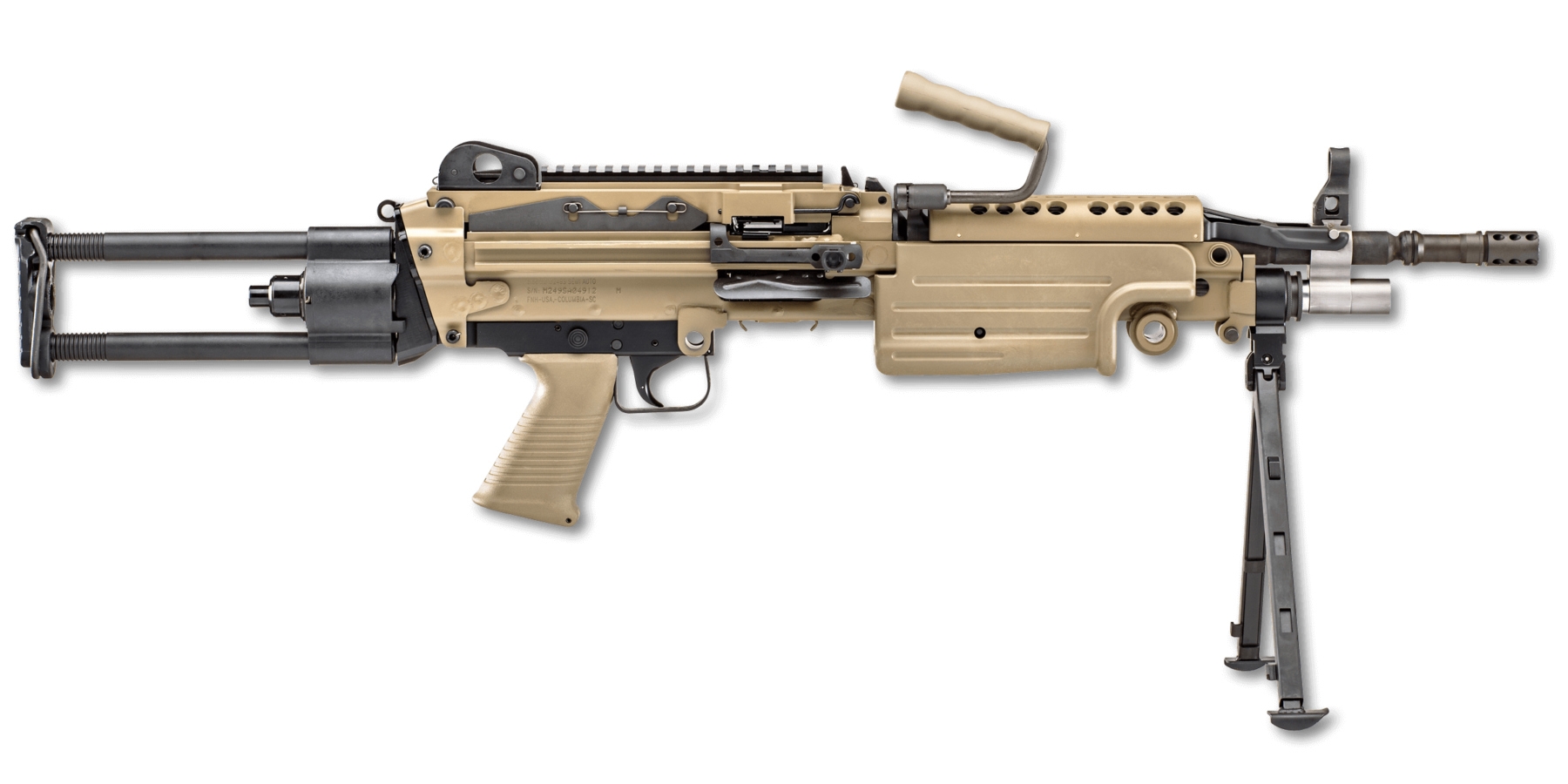
What sets the M249S apart is its authenticity. This isn't a conversion or a look-alike; it's built on the same production line as military M249s, just without the giggle switch. The gas system is identical, the barrel profile matches, and even the heat shields are genuine FN parts. When you're shooting belted 5.56, the rifle cycles exactly like its military counterpart.
The build quality is exceptional. The receiver is machined from a solid billet, the barrel is chrome-lined and properly profiled for sustained fire, and the gas system is designed to handle the wide variety of ammunition weights and pressures you'll encounter in civilian 5.56 loads. I've run everything from 55-grain ball to 77-grain match loads through the M249S without adjustment.
Range performance is impressive. The rifle will hold 2-3 MOA with quality ammunition, which is excellent for a belt-fed platform. The real advantage shows up during sustained fire strings. While your AR-15 starts walking shots after 60 rounds, the M249S maintains consistent point of impact through 200-round belts. The heavy barrel and robust gas system manage heat better than any magazine-fed rifle.
The downsides are significant. Weight is the biggest issue; the M249S tips the scales at 17 pounds empty. Add a 200-round belt and you're looking at 22+ pounds. The rifle is also expensive to feed. Belt-fed shooting encourages rapid fire, and 5.56 gets expensive quickly when you're burning through 100-round belts.
Ohio Ordnance M240-SLR
The M240-SLR takes the civilian belt-fed concept to the next level. Built on the M240B platform, this rifle chambers the more substantial 7.62x51 NATO cartridge and delivers the kind of sustained fire capability that made the M240 the military's go-to general-purpose machine gun.
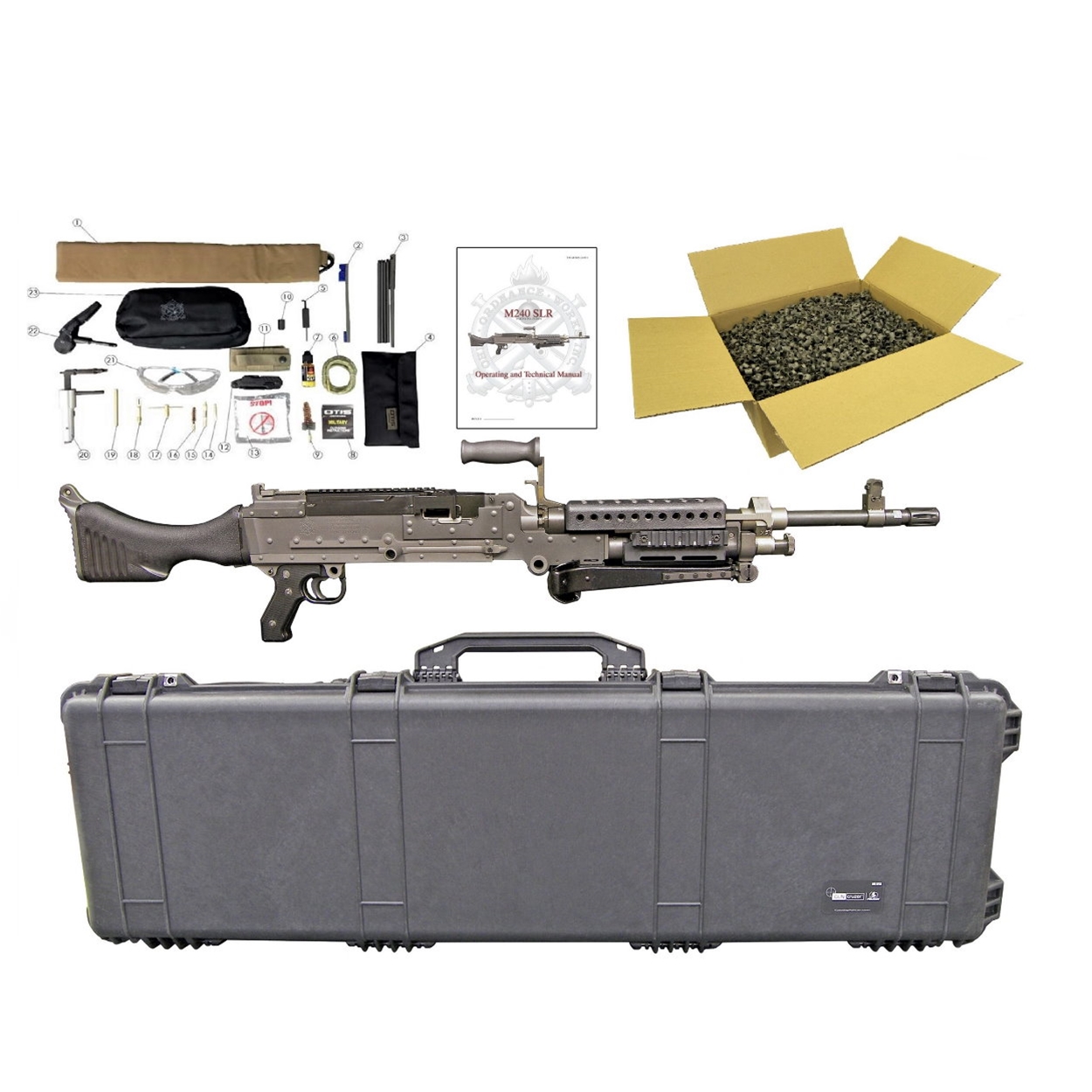
Ohio Ordnance builds these rifles to military specifications with civilian-legal modifications. The receiver is properly heat-treated, the barrel is chrome-lined and rated for sustained fire, and the gas system is tuned for reliable cycling with both military surplus and commercial ammunition. The rifle weighs 27 pounds empty, which sounds excessive until you realize this weight is necessary for managing the recoil and heat of sustained 7.62 NATO fire.
Accuracy is surprisingly good for such a heavy-duty platform. With quality ammunition, the M240-SLR will consistently shoot 1.5-2 MOA groups. The heavy barrel and solid receiver contribute to this precision, and the rifle maintains accuracy even during extended firing sessions. I've watched shooters put 500 rounds downrange without significant point-of-impact shift.

Ohio Ordnance M240-SLR Deals
Prices may change. May contain affiliate links.
The M240-SLR excels at long-range shooting. The 7.62 NATO cartridge maintains energy and accuracy at distances where 5.56 starts to fade. Combined with the stable shooting platform and excellent trigger, this rifle is capable of effective fire out to 800+ yards. The belt-fed system means you're not constantly reloading during precision shooting sessions.
Cost is the major barrier. The rifle itself commands a premium price, and 7.62 NATO ammunition is significantly more expensive than 5.56. A typical range session with 200 rounds will cost more than most shooters spend on ammunition in a month. The rifle also requires substantial storage space and a robust shooting bench.
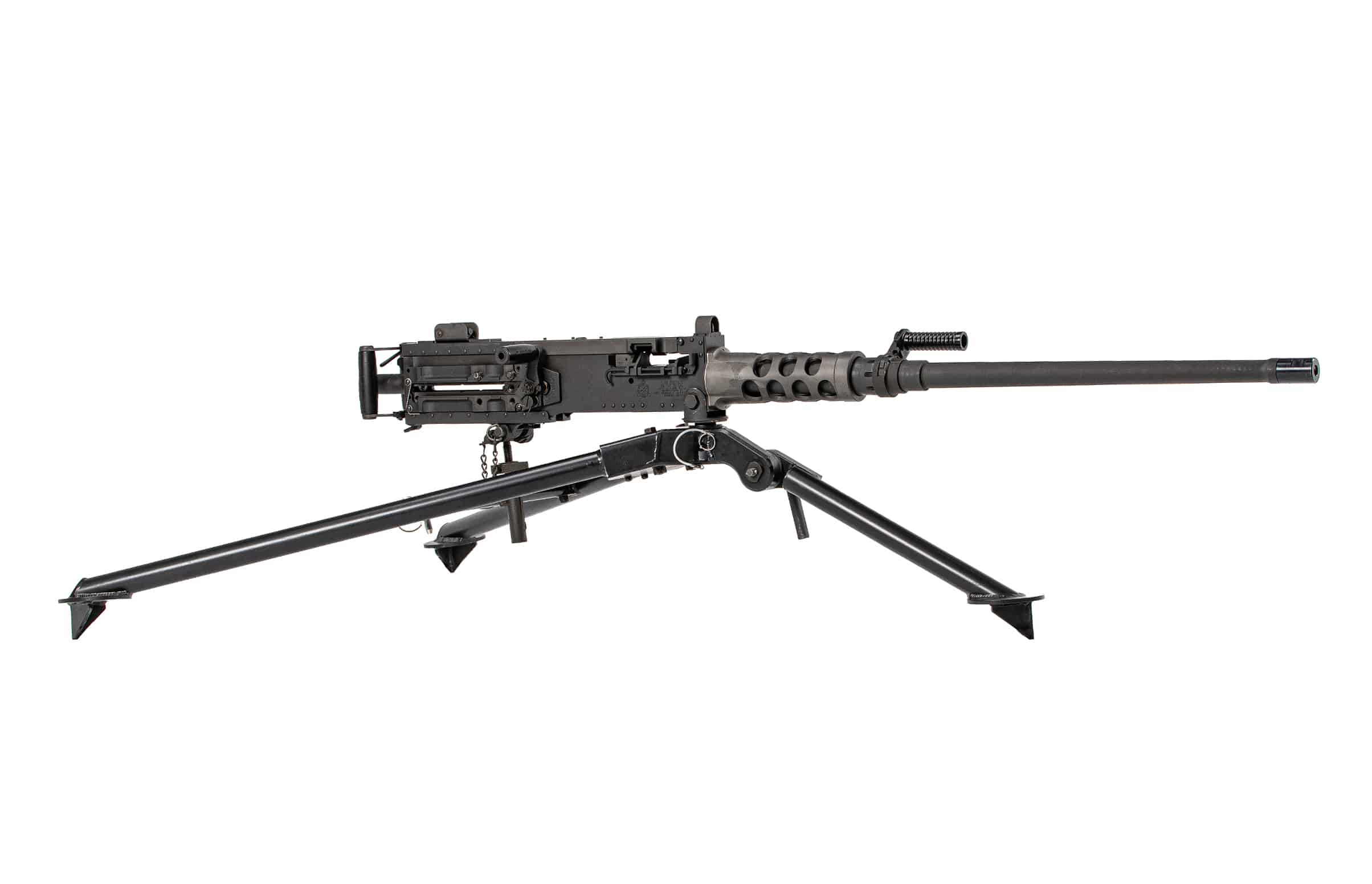
Ohio Ordnance M2-SLR
The M2-SLR represents the ultimate expression of civilian belt-fed rifles. Chambered in .50 BMG, this semi-automatic version of the legendary Ma Deuce delivers unmatched power and range. Ohio Ordnance builds these rifles using original M2 parts where possible, ensuring authenticity and reliability.
The M2-SLR weighs 84 pounds without ammunition, making it a true crew-served weapon even in civilian hands. The rifle requires a substantial mount or tripod for effective use, and most shooters find they need assistance loading and positioning the weapon. But once set up, the M2-SLR delivers performance that no other civilian rifle can match.
Range performance is extraordinary. The .50 BMG cartridge delivers devastating terminal ballistics and maintains accuracy at extreme distances. I've seen M2-SLR rifles consistently hit targets at 1,500+ yards with appropriate ammunition and optics. The heavy barrel and massive receiver provide the stability needed for precision shooting at these distances.
The belt-fed system makes sense at this caliber. Loading individual .50 BMG rounds is time-consuming and awkward, but belted ammunition feeds smoothly and allows for sustained precision fire. The rifle cycles reliably with both military surplus and commercial ammunition, though it shows a preference for heavier bullets in the 660-750 grain range.

Ohio Ordnance M2-SLR Deals
Prices may change. May contain affiliate links.
Cost and logistics make the M2-SLR impractical for most shooters. The rifle requires specialized transportation, storage, and shooting facilities. Ammunition costs are extreme; quality .50 BMG runs $3-5 per round. Most ranges can't accommodate the rifle's capabilities, and many have noise restrictions that make .50 BMG shooting impossible.
TNW M2HB
TNW Firearms offers a more affordable entry into .50 BMG belt-fed shooting with their M2HB reproduction. Built using a combination of original and reproduction parts, the TNW M2HB delivers authentic M2 Browning performance at a lower price point than the Ohio Ordnance version.
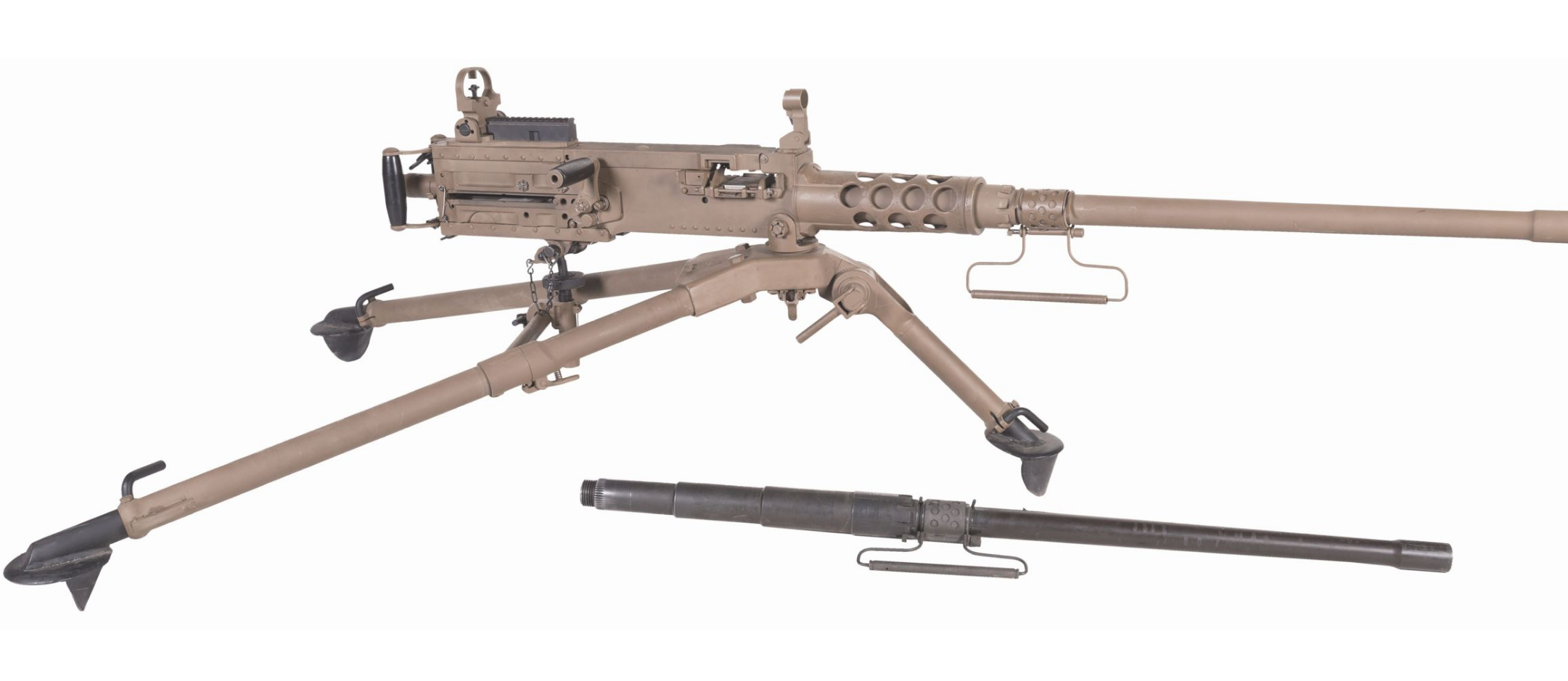
The TNW rifle uses original M2 barrels and many original internal components, ensuring reliable function and authentic feel. The receiver is manufactured to original specifications using modern CNC equipment, providing consistency that wasn't always present in wartime production. The rifle weighs slightly less than the Ohio Ordnance version but still requires substantial support equipment.
Accuracy and reliability match the original military specification. The rifle will shoot 2-3 MOA with quality ammunition, which is excellent performance for a .50 BMG platform. The heavy barrel handles sustained fire well, though like all .50 BMG rifles, barrel life is limited compared to smaller calibers.
The TNW version offers better availability and customer support than surplus-based builds. Parts are readily available, and TNW provides technical support for their rifles. The company also offers various configurations and barrel lengths to meet different shooting requirements.
TNW MG34
The TNW MG34 represents one of the most interesting entries in the civilian belt-fed market. This reproduction of the German MG34 chambers the original 8mm Mauser cartridge and provides an authentic shooting experience of one of WWII's most effective machine guns.
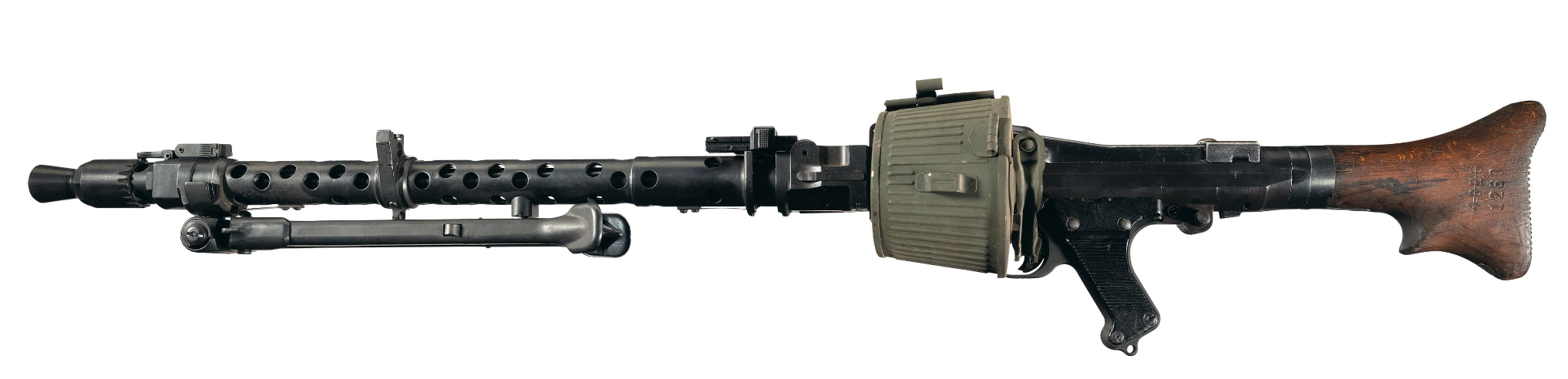
TNW builds these rifles using original specifications and dimensions. The receiver is properly machined, the barrel is correctly profiled, and the complex MG34 action is faithfully reproduced. The rifle maintains the original's quick-change barrel system, allowing shooters to swap barrels for sustained fire or different shooting requirements.
The 8mm Mauser cartridge provides excellent ballistic performance. More powerful than 7.62 NATO but less expensive than .50 BMG, the 8mm offers a good balance of power and practicality. The cartridge maintains energy well at distance and provides excellent terminal ballistics for those interested in the historical aspects of the platform.
Ammunition availability is the main limitation. While 8mm Mauser is still produced, it's not as common as NATO standard cartridges. Reloading becomes almost mandatory for serious MG34 shooting, which adds complexity and cost to ownership. The rifle also requires specialized knowledge for maintenance and adjustment.
DSA RPD
DSA's RPD reproduction brings Soviet belt-fed technology to the civilian market. Chambered in 7.62x39, the RPD offers a different approach to belt-fed shooting with a cartridge that's both affordable and effective.
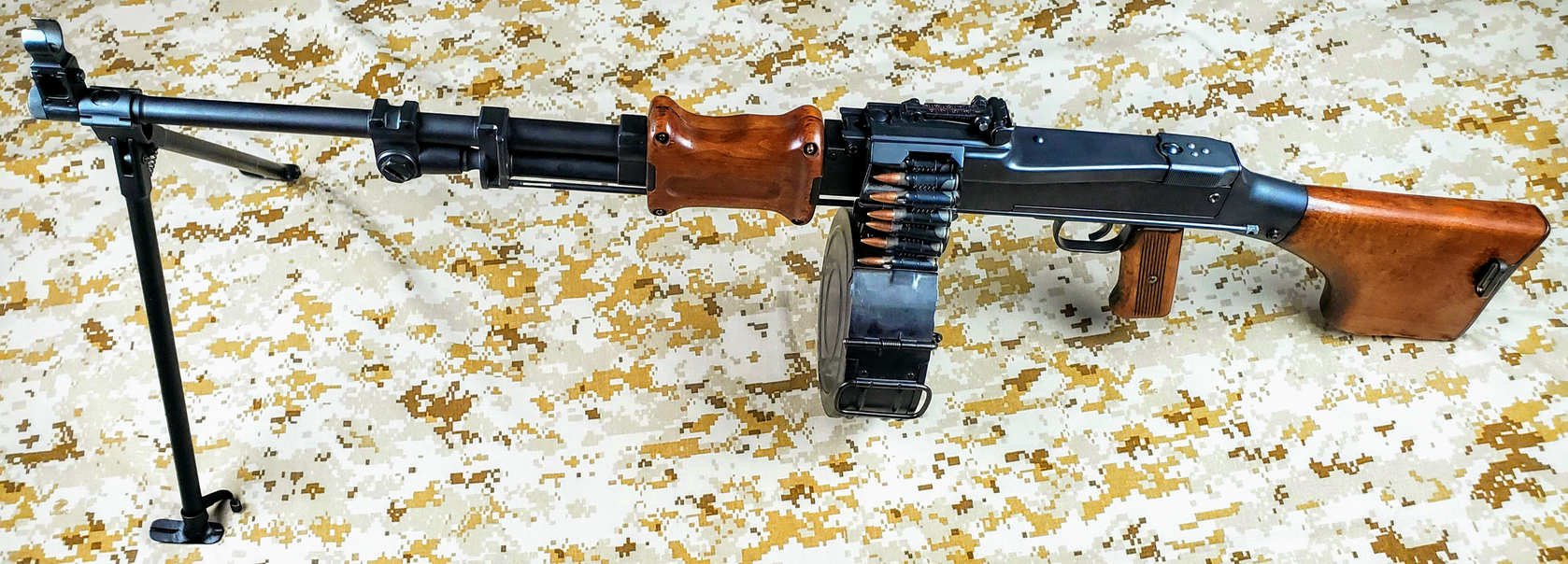
The DSA RPD is built to original specifications using modern manufacturing techniques. The rifle features the distinctive RPD barrel with integral bipod, the characteristic dust cover, and the reliable gas system that made the original RPD effective in harsh conditions. The rifle weighs 16 pounds empty, making it more manageable than larger belt-fed platforms.
The 7.62x39 cartridge provides good ballistic performance at a reasonable cost. Ammunition is widely available and relatively inexpensive compared to NATO cartridges. The cartridge provides effective range out to 400+ yards while remaining manageable in terms of recoil and muzzle blast.
Accuracy is adequate for the platform's intended role. The RPD will shoot 2-4 MOA depending on ammunition quality, which is acceptable for a light machine gun design. The rifle excels at rapid fire within 300 yards, where the 7.62x39 cartridge performs best.
The main limitation is the cartridge's ballistic performance at longer ranges. While adequate for most shooting applications, the 7.62x39 doesn't have the long-range capability of NATO cartridges. The rifle also requires specific RPD belts and links, which are less common than NATO standard belting.
BRP Guns MG42
BRP Guns produces faithful reproductions of the German MG42, widely considered one of the most effective machine gun designs ever created. The civilian version maintains the original's distinctive appearance and many of its mechanical features while operating in semi-automatic mode.
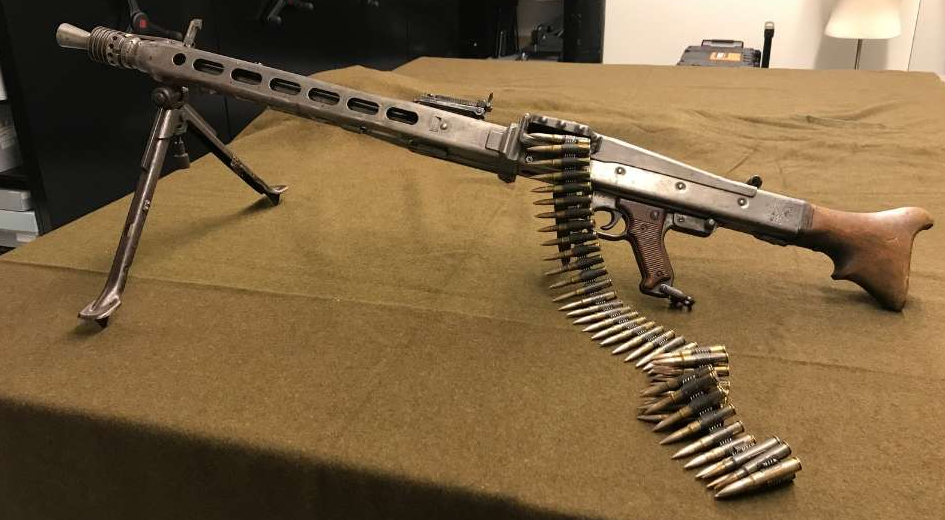
The MG42 reproduction uses original specifications and dimensions throughout. The receiver is properly manufactured, the barrel features the correct profile and quick-change system, and the complex MG42 action is faithfully reproduced. The rifle maintains the original's 1,200-round-per-minute cyclic rate capability, though obviously limited to semi-automatic fire.
Chambered in 8mm Mauser like the original, the BRP MG42 provides authentic ballistic performance. The cartridge delivers excellent long-range capability and terminal ballistics, making the rifle effective for both historical shooting and practical applications. The quick-change barrel system allows for sustained fire without overheating concerns.
The MG42's design provides excellent accuracy potential. The heavy barrel and solid receiver contribute to consistent shot placement, and many shooters report sub-2-MOA performance with quality ammunition. The rifle's weight and design make it stable during rapid fire sequences.
Complexity is the main drawback. The MG42 action requires specific knowledge for proper maintenance and adjustment. Parts availability can be challenging, and the rifle's complexity makes field stripping more involved than simpler designs. The 8mm Mauser cartridge also limits ammunition availability compared to NATO standard cartridges.
MarColMar / Wise Lite PKM
The PKM represents the pinnacle of Soviet machine gun development, and civilian reproductions capture much of the original's effectiveness. Chambered in 7.62x54R, the PKM offers excellent ballistic performance with a proven design that's served effectively for decades.
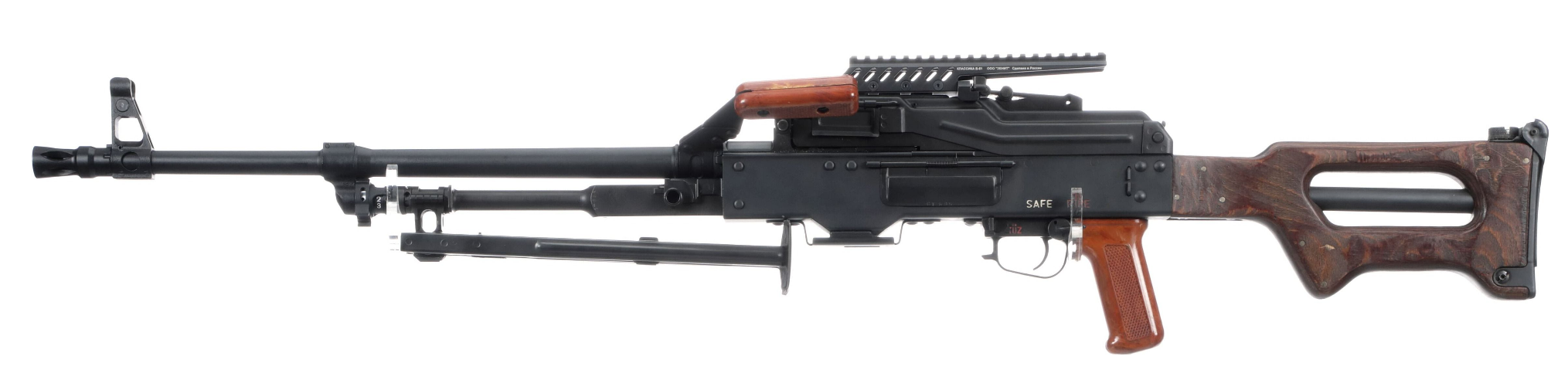
The civilian PKM maintains the original's distinctive features including the quick-change barrel system, the characteristic dust cover, and the robust gas system. The rifle weighs approximately 18 pounds empty, making it manageable while retaining the mass needed for sustained fire capability.
The 7.62x54R cartridge provides excellent long-range performance. More powerful than 7.62 NATO and with better ballistic coefficients than most military cartridges, the 7.62x54R maintains energy and accuracy at extended ranges. The cartridge is also relatively affordable, with surplus ammunition still available at reasonable prices.
Accuracy is excellent for a belt-fed platform. The PKM's design incorporates features that enhance precision, and many shooters report consistent sub-2-MOA performance. The heavy barrel and stable platform make the rifle effective for both rapid fire and precision shooting applications.
The main limitation is ammunition availability. While 7.62x54R is still produced, it's not as common as NATO cartridges. The rimmed case design also requires specific belting systems that aren't interchangeable with other platforms. Parts availability can be challenging for maintenance and repairs.
Michael's Machines semi-automatic HK23 belt-fed rifle
The Michael's Machines MM23E represents one of the most fascinating, and expensive, entries in the semi-automatic belt-fed market. Built by Mike Otte of Michael's Machines, this rifle is a closed-bolt semiautomatic clone of the legendary Heckler & Koch HK23E light machine gun, chambered in 5.56 NATO and feeding from standard M27 SAW links.
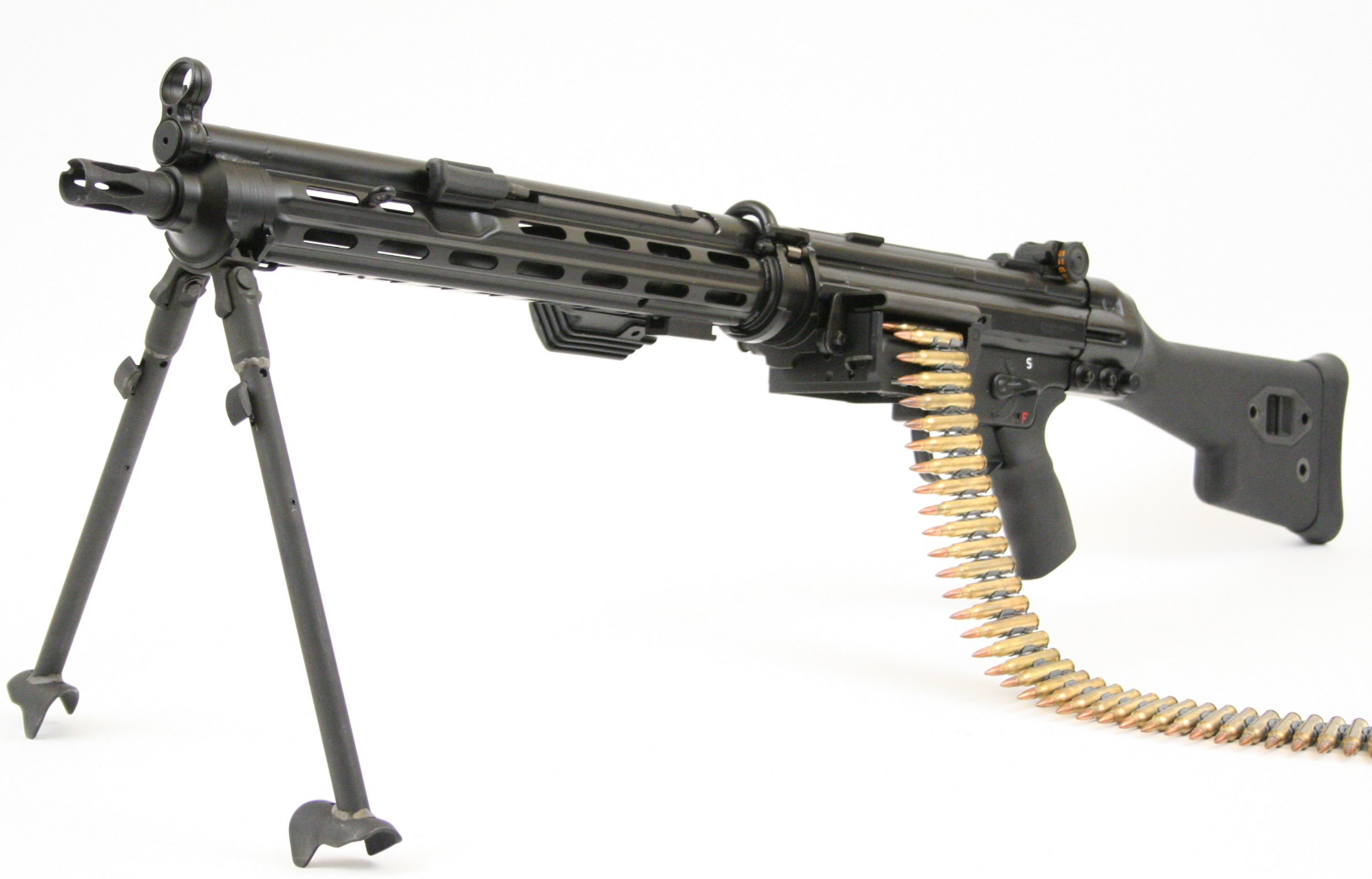
What sets it apart from other belt-feds isn't just the German roller-delayed blowback operating system, but the sheer quality of craftsmanship; owners who've handled them describe builds that rival or exceed factory HK fit and finish. The platform also offers serious versatility: with optional conversion kits, shooters can swap between the 5.56 HK23 configuration and a 7.62 NATO HK21 setup using quick-change barrels and feed mechanisms. For those with registered HK auto sears, the MM23E can legally run full-auto, making it a unicorn for serious HK collectors. Expect to pay around $12,000–$21,000 depending on configuration and included conversion kits; a steep price that reflects both the complexity of the build and Michael's Machines' reputation as arguably the finest HK clone builder in the country. These rifles surface occasionally at auction and on the secondary market, but production is limited and wait times have historically been substantial.
Belt-fed conversion systems
FightLite Industries MCR
FightLite Industries revolutionized civilian belt-fed shooting with their Modular Combat Rifle system. The MCR transforms standard AR-15 lower receivers into belt-fed platforms while maintaining compatibility with standard magazines. This dual-feed capability makes the system practical for both belt-fed shooting and conventional magazine use.
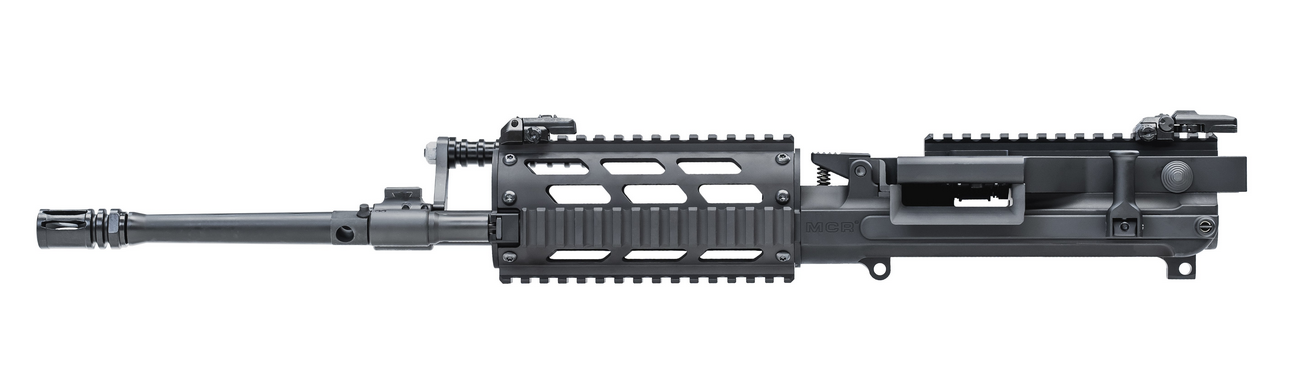
The MCR upper receiver incorporates a sophisticated feed system that automatically switches between belt and magazine feeding. The system uses standard M27 links and can accommodate belts of any practical length. When the belt runs empty, the rifle automatically switches to magazine feeding, providing seamless transition between feed methods.
Installation is straightforward for anyone familiar with AR-15 platforms. The MCR upper drops onto any standard AR-15 lower receiver without modification. The system includes all necessary components including the belt feed mechanism, barrel, and gas system. The rifle maintains standard AR-15 controls and manual of arms.
Performance is excellent. The MCR maintains AR-15 accuracy standards while providing belt-fed capability. The system cycles reliably with standard 5.56 NATO ammunition and maintains consistent point of impact whether feeding from belt or magazine. The 16-inch barrel provides good ballistic performance while keeping the overall system manageable.
The main limitation is cost. The MCR system commands a significant premium over standard AR-15 uppers. The belt-fed capability also adds complexity that some shooters find unnecessary. The system works best for shooters who specifically want belt-fed capability rather than those looking for a general-purpose rifle.
Freedom Ordnance FM9/FM9D
Freedom Ordnance offers belt-fed conversion systems for pistol caliber carbines with their FM9 and FM9D systems. These conversions provide belt-fed capability in 9mm, making them more affordable to shoot than rifle caliber systems while maintaining the belt-fed experience.
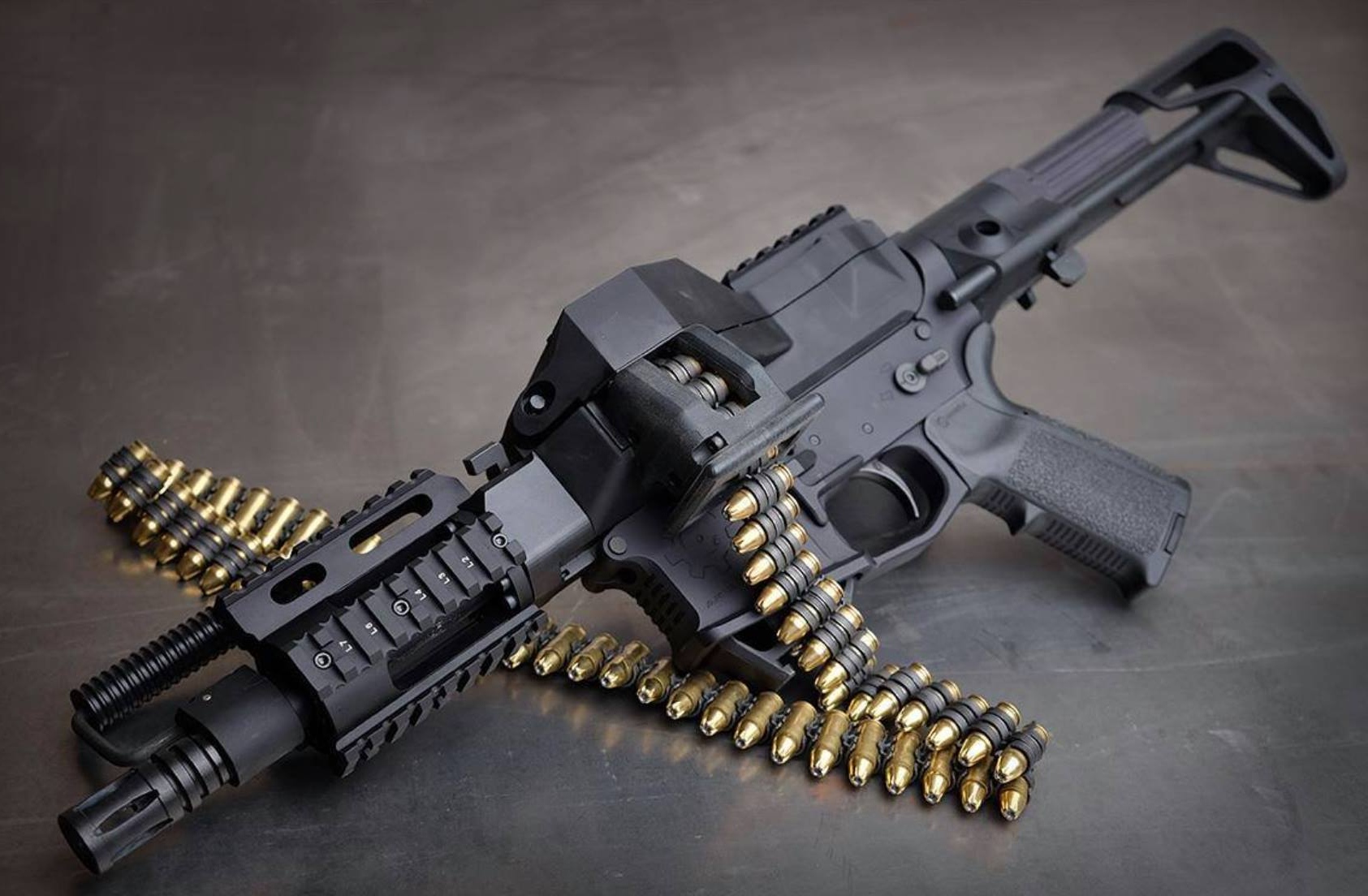
The FM9 system converts standard AR-9 platforms to belt-fed operation. The conversion includes a new upper receiver, barrel, and feed system designed specifically for 9mm ammunition. The system uses standard 9mm links and can accommodate belts of various lengths depending on the shooter's requirements.
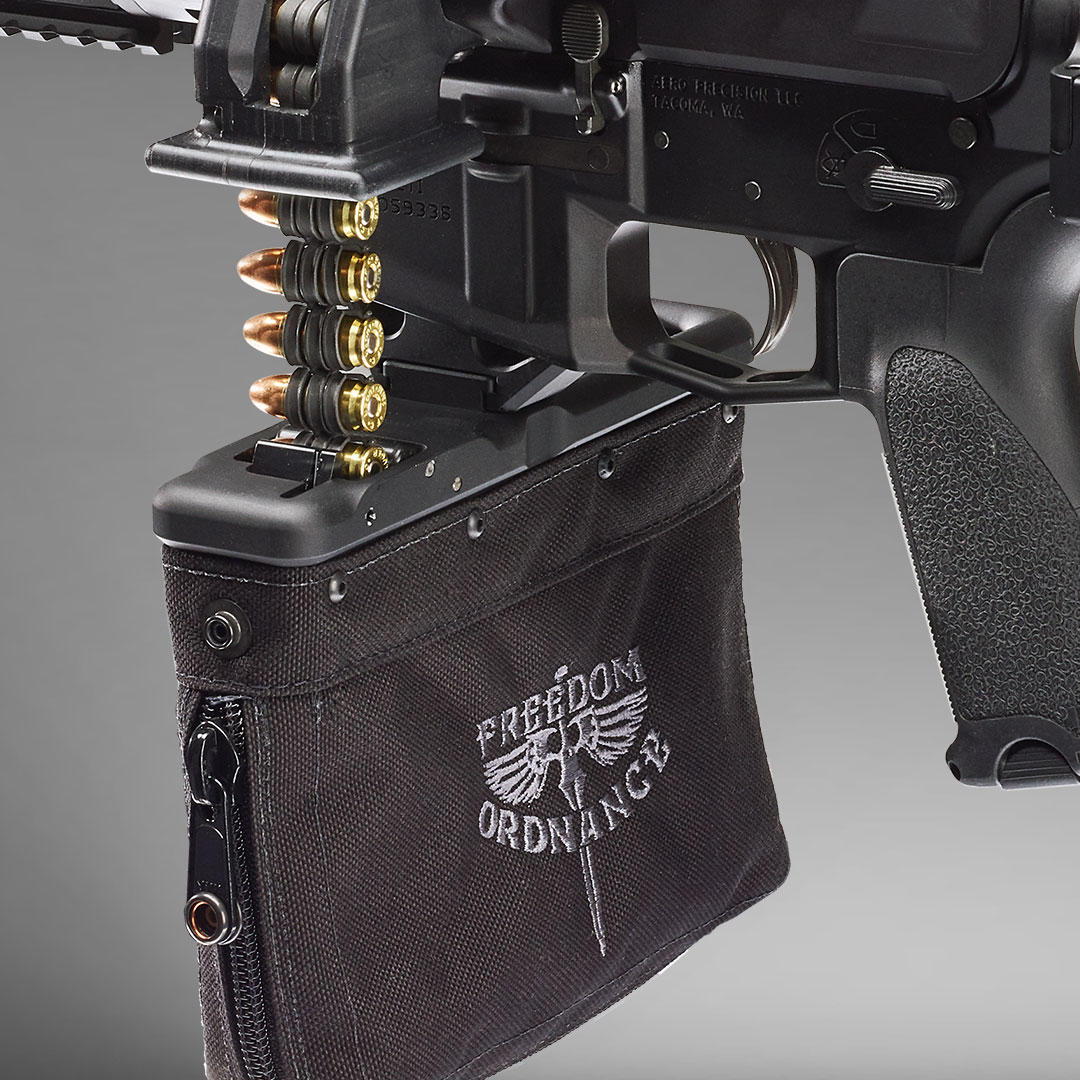
The FM9D variant adds a side-charging handle and other enhancements for improved operation. Both systems maintain compatibility with standard AR-15 lower receivers equipped with 9mm magazine wells. The conversions preserve standard AR-15 controls while adding belt-fed capability.
Performance is good within the limitations of the 9mm cartridge. The systems cycle reliably with standard 9mm ammunition and provide consistent accuracy. The pistol caliber reduces recoil and muzzle blast compared to rifle calibers, making the systems more comfortable for extended shooting sessions.
The main advantage is cost. 9mm ammunition is significantly less expensive than rifle cartridges, making belt-fed shooting more affordable. The reduced power also makes the systems suitable for indoor ranges where rifle calibers might not be permitted. The systems work well for training and recreational shooting where the full power of rifle cartridges isn't necessary.
BRP XMG
BRP's XMG system provides belt-fed conversion capability for multiple calibers and platforms. The system is designed as a modular approach to belt-fed shooting, allowing shooters to configure the system for different cartridges and applications. The best part about this system is that it lets you mount the upper components of a German WWII MG-34 machine gun on top of an AR15 lower receiver!
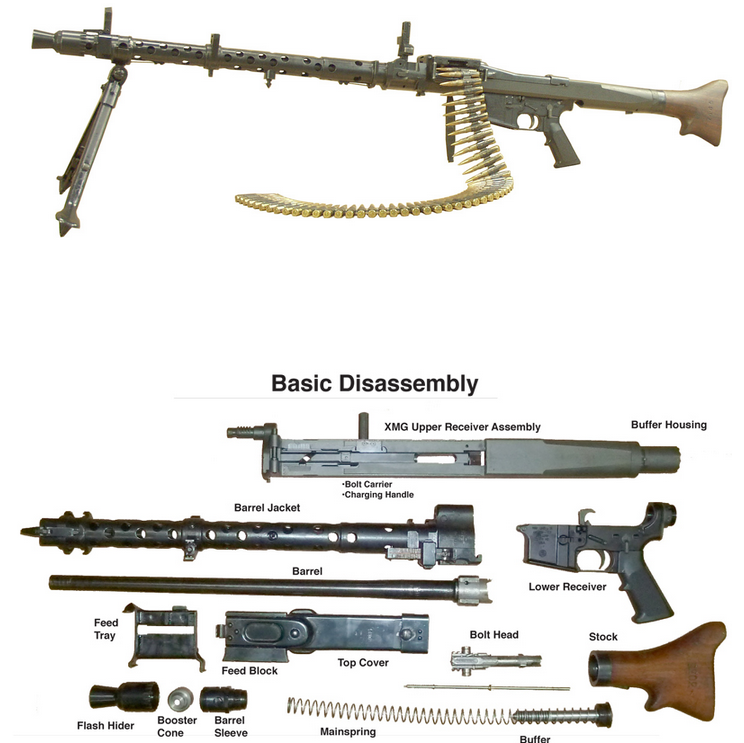
The XMG system uses a proprietary upper receiver that accommodates different barrel and caliber configurations. The system can be configured for 5.56 NATO, 7.62 NATO, and other cartridges depending on the specific setup. The modular design allows for quick reconfiguration between different calibers.
The feed system uses standard military links and belting, ensuring compatibility with existing ammunition supplies. The system includes provisions for both belt and magazine feeding, providing flexibility for different shooting scenarios. The robust construction handles sustained fire well across all supported calibers.
Installation requires more technical knowledge than simpler conversion systems. The XMG system includes multiple components that must be properly assembled and adjusted for reliable operation. The complexity provides flexibility but requires more investment in time and knowledge from the user.
Performance varies by caliber configuration but is generally excellent. The system maintains good accuracy across all supported calibers while providing reliable belt-fed operation. The modular design allows shooters to optimize the system for their specific requirements and shooting applications.
Valkyrie Armament systems
Valkyrie Armament produces specialized belt-fed conversion systems focused on specific military platforms. Their systems emphasize authenticity and historical accuracy while providing reliable semi-automatic operation for civilian shooters.
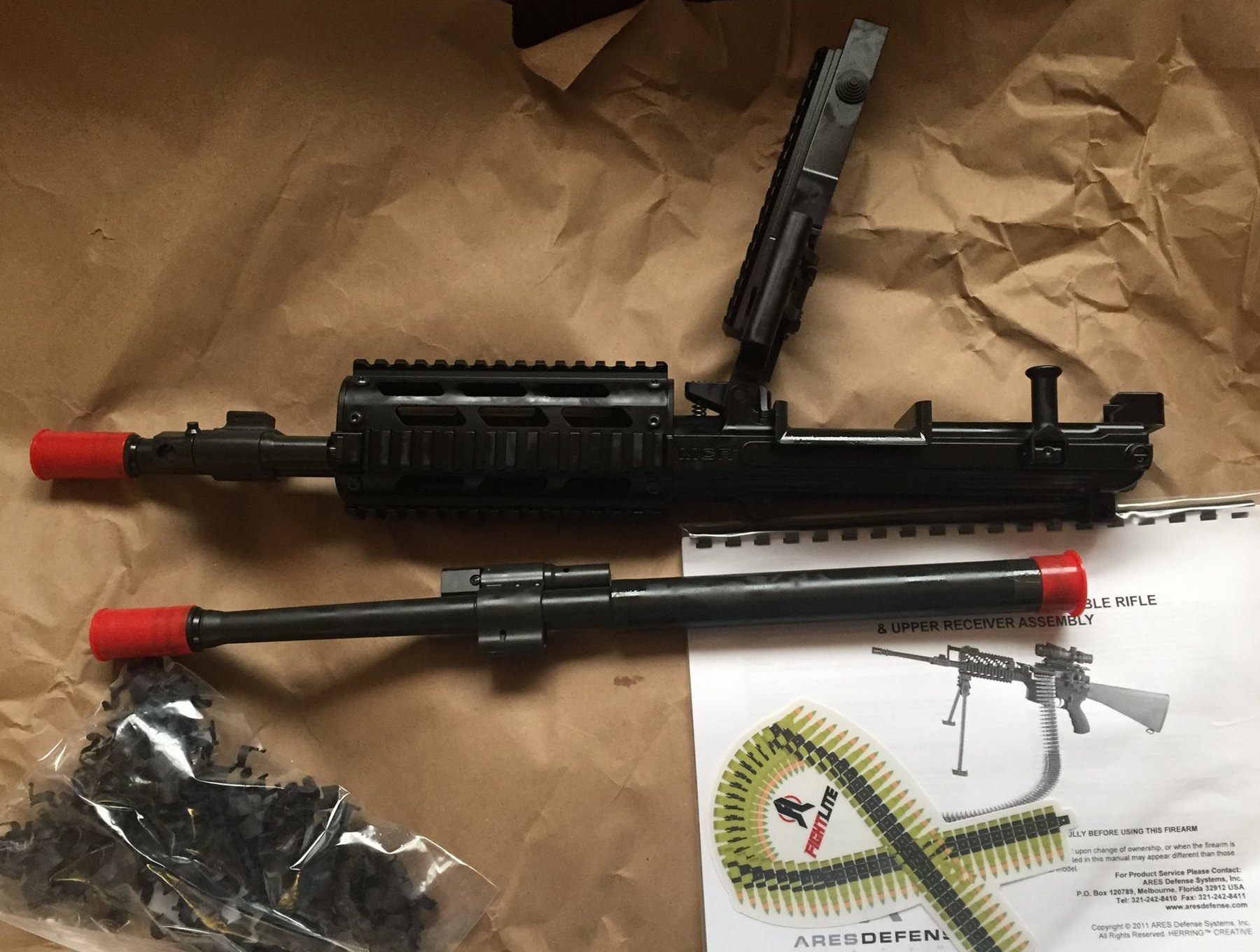
The Valkyrie systems are designed around specific military platforms rather than generic conversions. This approach allows for greater authenticity and often better performance, but limits the systems to specific configurations and calibers. The company focuses on historically significant platforms that have civilian collector interest.
Build quality is excellent with attention to historical detail. The systems use appropriate materials and manufacturing techniques to match original specifications where possible. This attention to detail results in systems that look and function like their military counterparts while meeting civilian legal requirements.
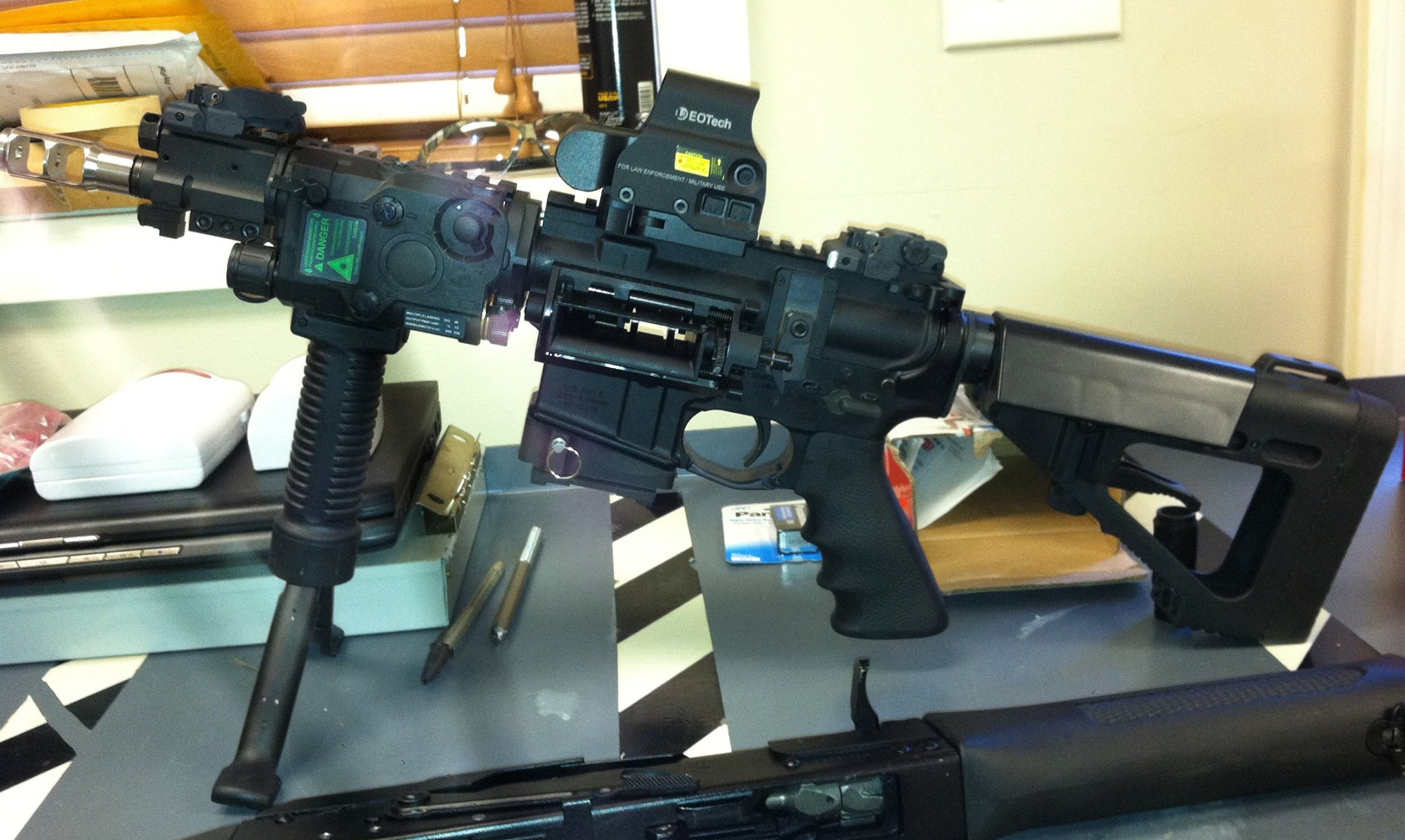
Performance is generally excellent within each system's design parameters. The focus on specific platforms allows for optimization that generic conversion systems can't match. Accuracy and reliability typically exceed generic conversions, though at higher cost and with less flexibility.
The main limitation is specialization. Each Valkyrie system is designed for specific applications and doesn't offer the flexibility of more generic conversion systems. Shooters must commit to a specific platform and caliber, which may not suit those wanting to experiment with different configurations.
Comprehensive comparison tables
Factory belt-fed rifles
Belt-fed conversion systems
Range notes: what you'll actually experience
After extensive time with various belt-fed platforms, certain patterns emerge that potential buyers should understand. The shooting experience differs significantly from magazine-fed rifles in ways that aren't immediately obvious.
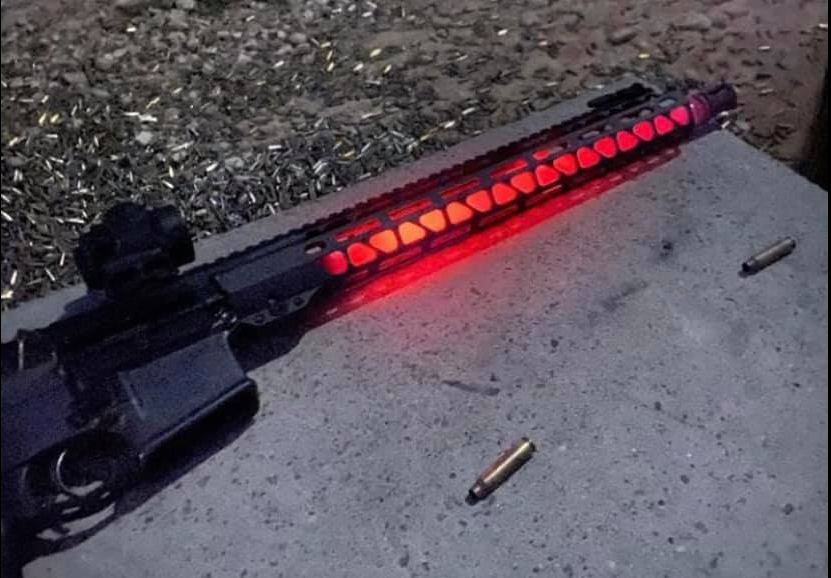
Heat management becomes critical much faster than with magazine-fed rifles. Even the robust M249S will start showing heat effects after 150-200 rounds fired rapidly. The barrel mirage becomes noticeable, and point of impact can shift slightly. With heavier calibers like the M240-SLR, heat buildup happens even faster despite the heavier barrel. Plan for cooling periods during extended shooting sessions.
Belt preparation and management requires more attention than most shooters expect. Loading belts is time-consuming, and proper belt positioning during firing affects reliability significantly. Twisted or kinked belts cause feeding issues that can be frustrating to diagnose. Most shooters find they need to develop specific techniques for belt handling and positioning.
Ammunition consumption accelerates dramatically. The belt-fed format encourages longer firing strings, and it's easy to burn through 200-300 rounds in a single range session. Budget accordingly; belt-fed shooting is expensive regardless of caliber. Even the most economical 7.62x39 RPD will consume $60-80 worth of ammunition in a typical session.
The social aspect changes your range experience. Belt-fed rifles draw attention and questions. Expect interruptions and requests for information about the rifle. Some shooters enjoy this interaction, while others find it distracting. Consider this factor when choosing shooting locations and times.
Transportation and setup require more planning. Even the lightest belt-fed rifles are substantially heavier than conventional rifles. The M240-SLR and .50 BMG rifles require assistance or mechanical aids for positioning. Factor in additional time for setup and breakdown when planning range trips.
Common mistakes and troubleshooting
Feeding issues from improper belt preparation
The most common problem with belt-fed rifles stems from improperly prepared ammunition belts. Links must be properly seated and aligned, with cartridges positioned correctly within each link. Loose or misaligned cartridges cause feeding failures that can be difficult to diagnose during rapid fire.
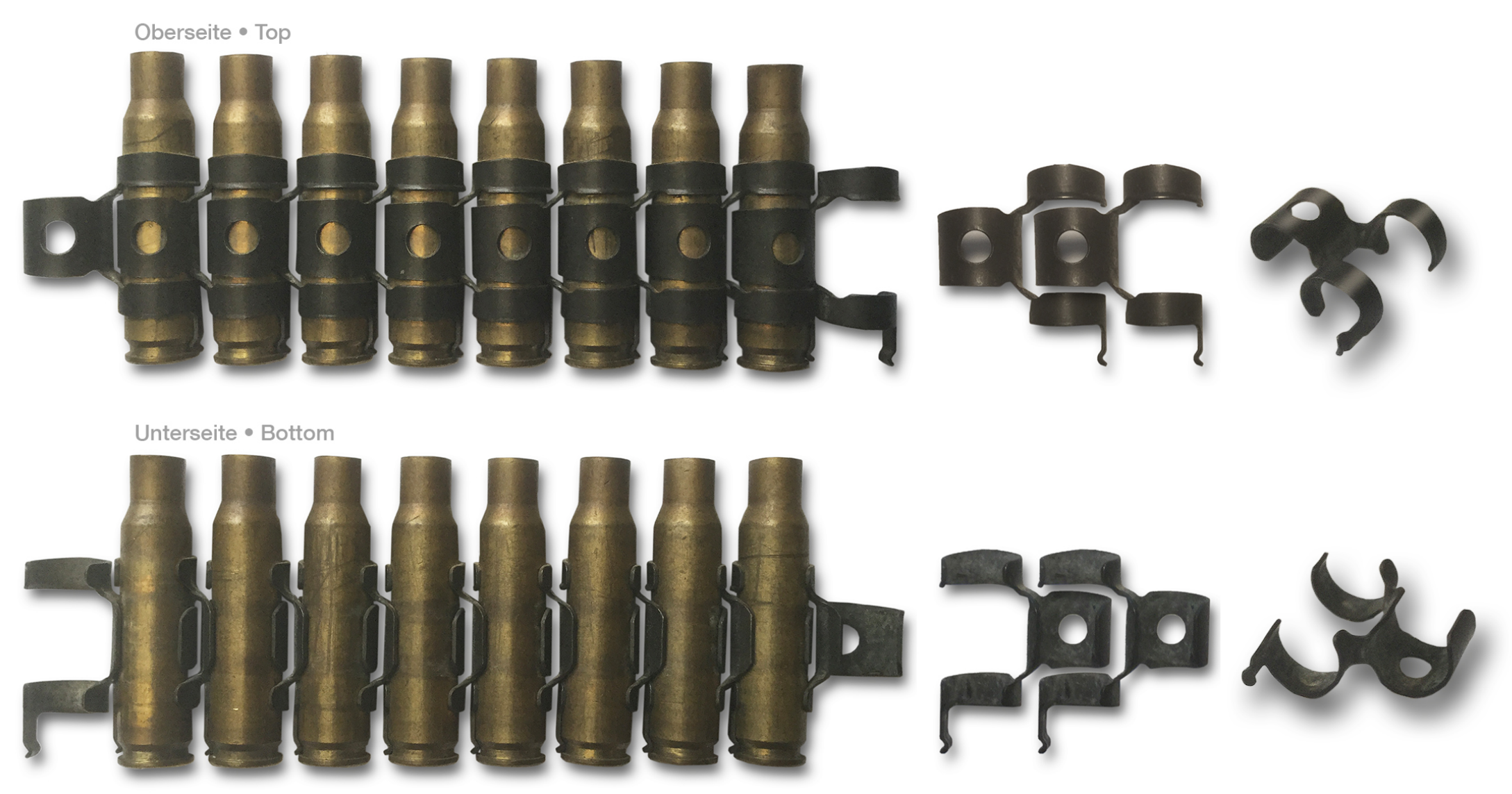
Check each belt section before loading. Ensure cartridges are fully seated in links and that links are properly connected. Avoid mixing different link types or manufacturers within a single belt, as dimensional variations can cause feeding problems. Store loaded belts carefully to prevent damage to links or cartridge positioning.
Headspace adjustment
This is especially true for the 50 BMG semi-auto versions of the M2HB. There is a saying in the very small exclusive club of M2HB owners: "smaller calibers can hurt you, 50 BMG can kill you". Getting the headspace wrong on an M2HB may lead to a catastrophic failure where the firearm may explode, sending metal parts flying in random directions at ballistic speeds, potentially causing death. If you are privileged enough to have such a firearm, learn it well before shooting it.
Gas system adjustment confusion
Many belt-fed rifles include adjustable gas systems that require proper tuning for reliable operation. Shooters often assume these systems work like AR-15 gas blocks, but belt-fed gas systems typically require different settings for different ammunition weights and environmental conditions.
Start with manufacturer recommendations and adjust based on actual performance. Most systems require more gas pressure than shooters expect, especially with lighter ammunition or in cold conditions. Document successful settings for different ammunition types to speed future setup.
Overheating and barrel damage
Belt-fed rifles encourage sustained fire that can quickly overheat barrels and damage accuracy. Many shooters underestimate how quickly heat builds up, especially with rapid fire strings. Overheated barrels lose accuracy permanently and may require replacement.
Monitor barrel temperature during extended shooting sessions. Allow cooling time between long firing strings, and consider investing in spare barrels for rifles with quick-change systems. Learn to recognize the signs of excessive heat buildup before permanent damage occurs.
Inadequate support equipment
Belt-fed rifles require substantial support equipment for effective use. Lightweight bipods and standard shooting benches often prove inadequate for the weight and recoil of these systems. Inadequate support leads to poor accuracy and difficult handling.
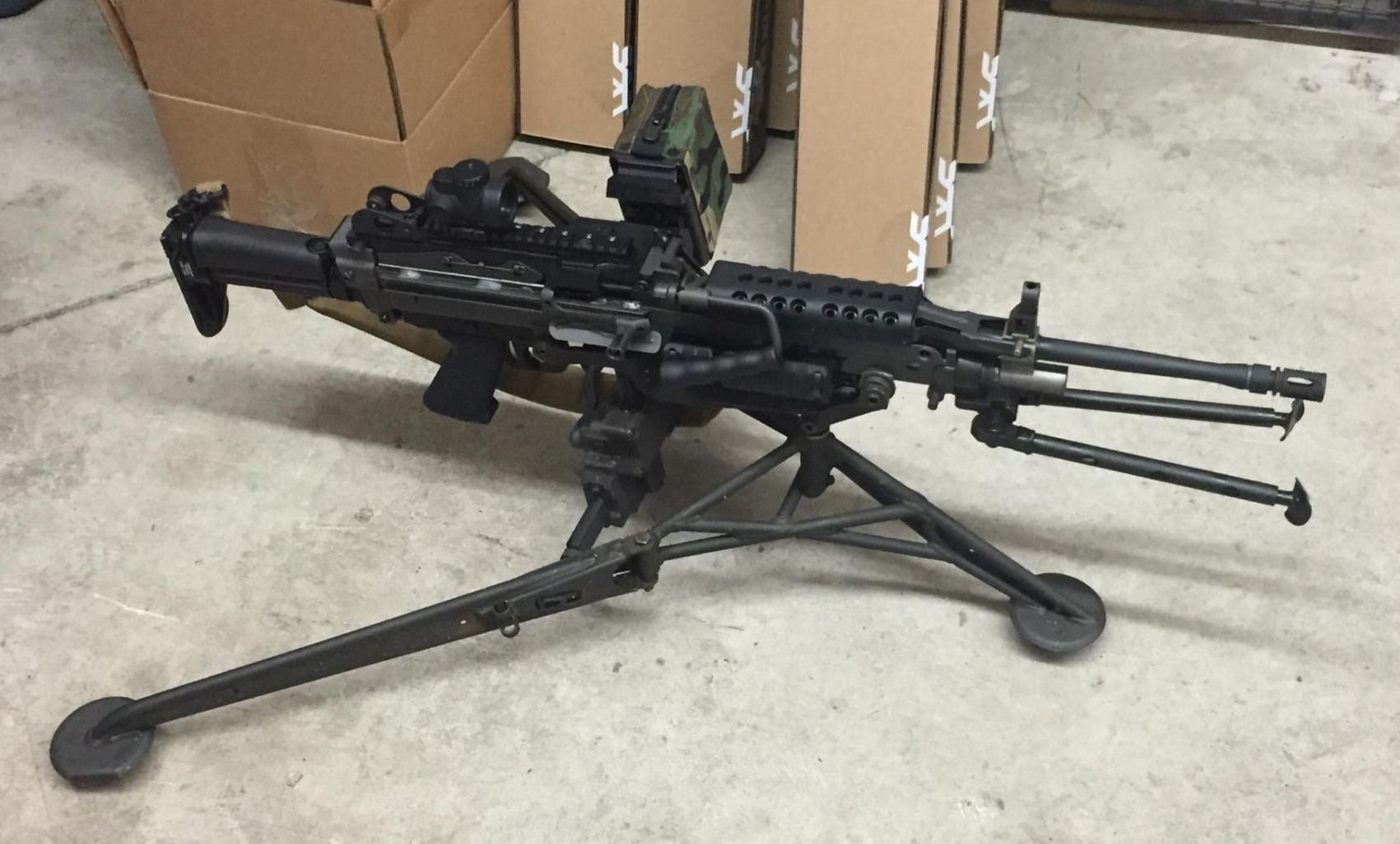
Invest in proper support equipment matched to your rifle's weight and recoil. Heavy-duty tripods, reinforced shooting benches, or dedicated machine gun mounts provide the stability these rifles need for accurate shooting. Don't try to adapt lightweight equipment designed for conventional rifles.
Legal compliance oversights
Belt-fed rifles face additional legal restrictions in many jurisdictions. Some states prohibit belt-fed rifles entirely, while others have specific restrictions on barrel length, overall length, or ammunition capacity. Federal regulations also apply to some conversion components.
Research local and federal laws thoroughly before purchasing. Some belt-fed rifles require specific configurations to remain legal in certain states. Ensure compliance with all applicable regulations, and consider consulting with legal experts familiar with firearms law in your jurisdiction.
Practical implications of belt-fed ownership
Owning a belt-fed rifle changes your relationship with shooting sports in fundamental ways. These aren't rifles you casually throw in the truck for an afternoon at the range. They require planning, preparation, and significant financial commitment that extends far beyond the initial purchase price.
Storage becomes a significant consideration. Belt-fed rifles are large, heavy, and often require specialized storage solutions. The M240-SLR won't fit comfortably in standard gun safes, and the .50 BMG rifles require substantial storage space. Factor in storage for ammunition, belts, links, and support equipment. Many owners find they need dedicated storage rooms or buildings to properly house their belt-fed systems and accessories.
Transportation logistics multiply complexity. These rifles require heavy-duty cases, often custom-built to accommodate their size and weight. Loading a cased M2-SLR into a vehicle requires planning and often assistance. Some owners invest in trailers or specialized vehicles to transport their belt-fed rifles and support equipment to shooting locations.
Range access becomes limited. Many commercial ranges prohibit belt-fed rifles due to noise, rapid fire concerns, or insurance restrictions. Those that allow belt-fed shooting often have specific requirements for setup, supervision, or time restrictions. Private land or specialized ranges become necessary for serious belt-fed shooting, adding travel time and cost to each shooting session.
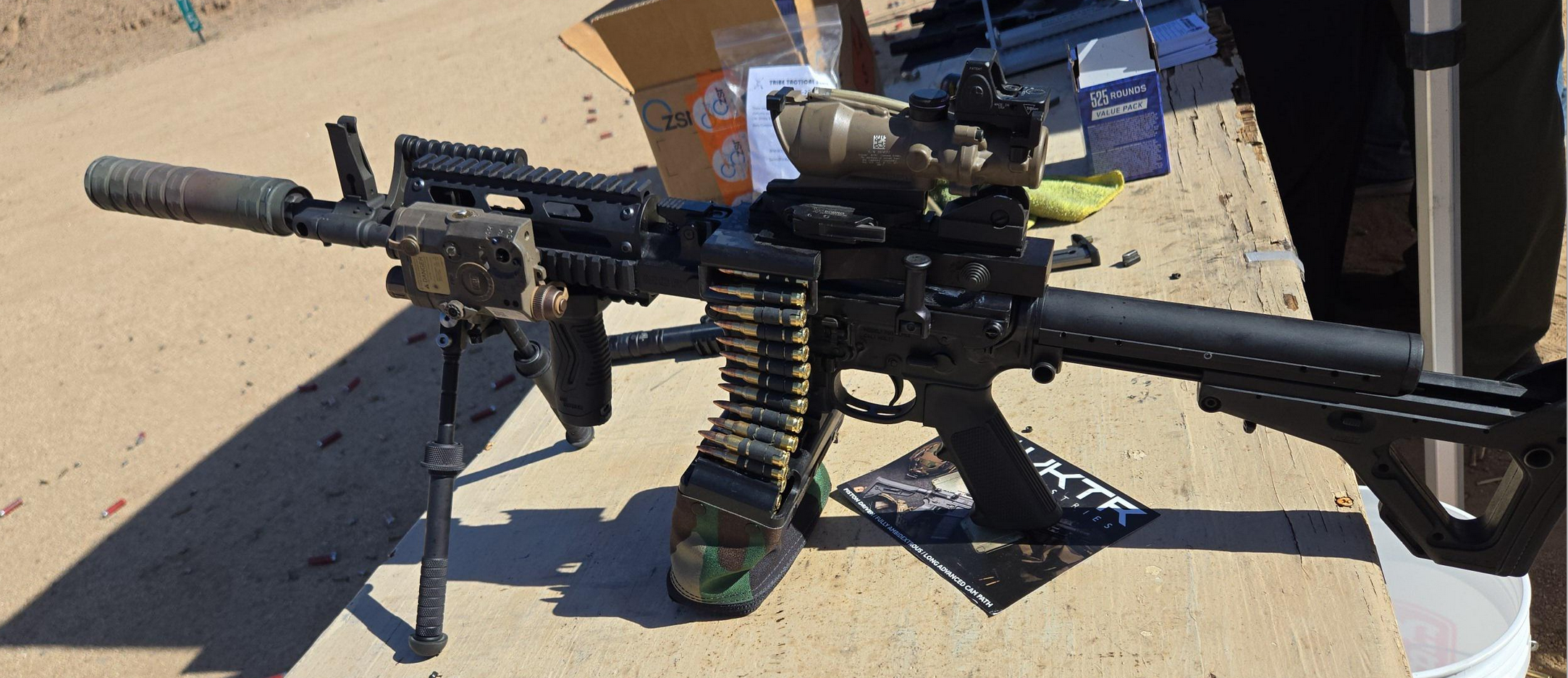
The ammunition logistics are substantial. Belt-fed shooting consumes ammunition at rates that make bulk purchasing necessary. A single range session might consume 300-500 rounds, requiring storage for thousands of rounds to maintain reasonable shooting frequency. Ammunition costs become a significant ongoing expense that many new owners underestimate.
Maintenance requirements increase significantly. Belt-fed rifles have more complex mechanisms than magazine-fed rifles, requiring specialized knowledge and tools for proper maintenance. Parts availability varies widely between manufacturers, and some components are expensive or difficult to obtain. Develop relationships with knowledgeable gunsmiths familiar with your specific platform.
The social aspects of ownership extend beyond the range. Belt-fed rifles generate interest from other collectors, law enforcement, and military personnel. Many owners find themselves drawn into communities of military firearms enthusiasts, historical reenactors, or competitive shooters. These connections often prove valuable for technical knowledge, parts sourcing, and shooting opportunities.
Legal considerations require ongoing attention. Regulations affecting belt-fed rifles change periodically, and owners must stay informed about federal, state, and local requirements. Some jurisdictions require registration or permits for belt-fed rifles, while others prohibit them entirely. Travel with these rifles requires careful attention to laws in each jurisdiction you'll pass through or visit.
The investment aspect deserves consideration. Quality belt-fed rifles tend to hold their value well, and some appreciate significantly over time. However, the total cost of ownership including ammunition, maintenance, and support equipment often exceeds the initial rifle cost within the first few years. Budget for the complete ownership experience, not just the rifle purchase.
Training becomes more important with belt-fed rifles. These systems require specific techniques for safe and effective operation that differ from conventional rifles. Seek training from qualified instructors familiar with belt-fed systems. Military veterans with machine gun experience often provide valuable insights into proper operation and maintenance techniques.
The practical applications for civilian belt-fed rifles are limited but specific. They excel in competitive shooting sports that emphasize sustained fire accuracy. Some tactical training applications benefit from belt-fed capability. Historical reenactment and military simulation activities often require authentic belt-fed rifles for proper representation.
For most shooters, belt-fed rifles represent the ultimate expression of firearms enthusiasm rather than practical tools. They provide experiences unavailable with conventional rifles and connect owners to significant military history. The decision to own a belt-fed rifle should be based on genuine interest in the platform and commitment to the substantial ongoing requirements rather than casual curiosity.
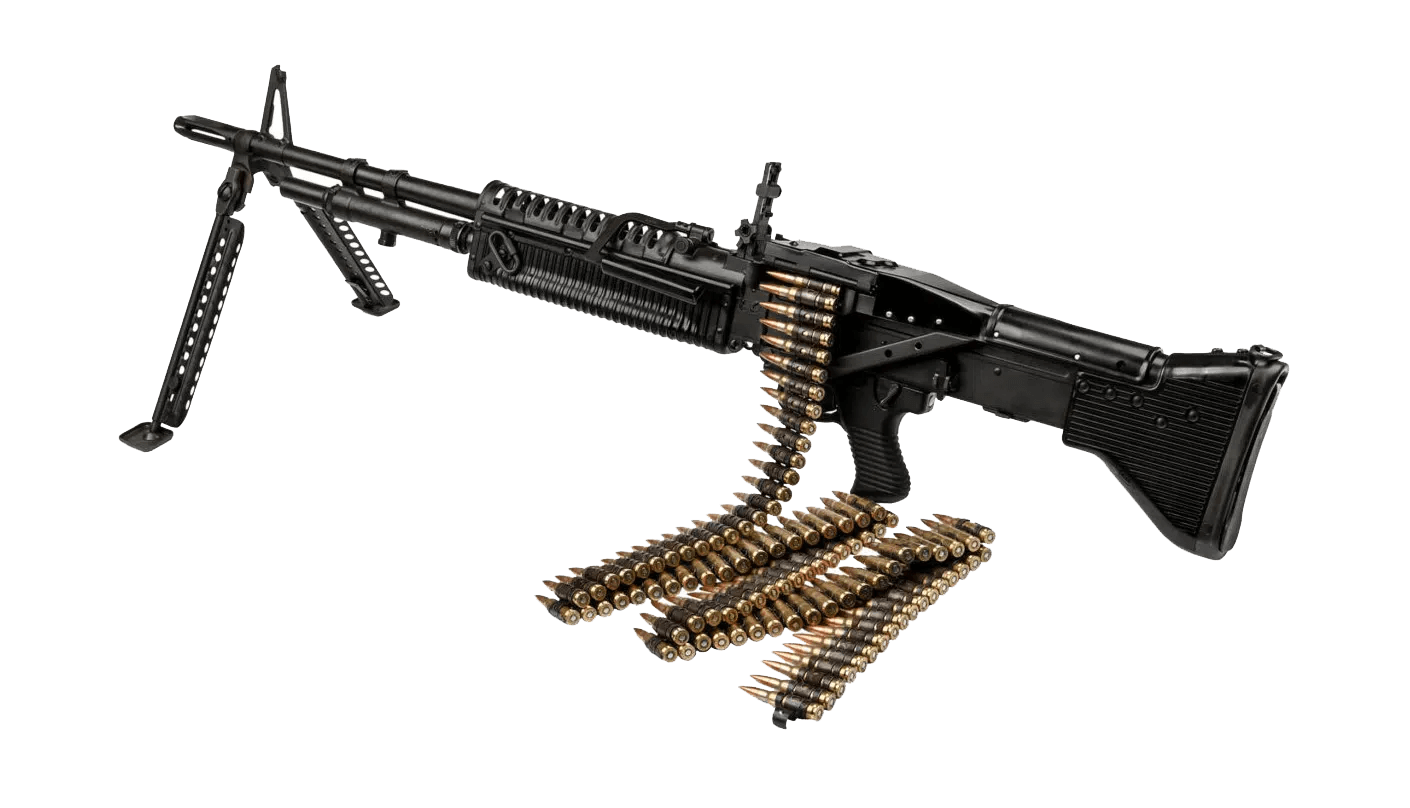
The belt-fed rifle market continues evolving as manufacturers develop new systems and improve existing designs. Conversion systems make belt-fed shooting more accessible, while factory rifles provide turnkey solutions for serious enthusiasts. Whether these rifles represent novelty or tactical advantage depends entirely on the owner's intended use, commitment level, and appreciation for their unique capabilities.
For collectors and enthusiasts who understand the requirements and embrace the challenges, belt-fed rifles provide unmatched shooting experiences and historical connections. They're not practical for everyone, but for those who commit to proper ownership, they offer capabilities and satisfaction that no magazine-fed rifle can match.