Your precision rifle budget is $800-1200 and you want something that'll consistently print sub-MOA groups without requiring a second mortgage. The Savage 110 Tactical Desert keeps coming up in conversations, usually followed by "but is it actually worth it?" After spending several months with this rifle in 6.5 Creedmoor, I can answer that question.
Here's the deal: this isn't a $3,000 custom build, and it doesn't pretend to be. What it is is a factory rifle that delivers legitimate precision performance at a price point where most manufacturers are still shipping hunting rifles with sporter barrels and plastic triggers. The question isn't whether it's perfect; it's whether it gives you enough accuracy and features to justify the cost over stepping up to something like a Tikka T3x or Bergara B-14.
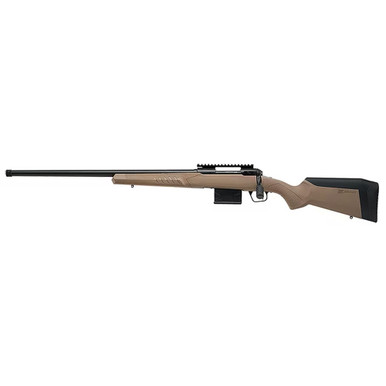
Savage 110 Tactical Desert 6.5 Creedmoor Deals
Prices may change. May contain affiliate links.
The short answer is yes, with some important caveats about what you're actually getting.
What you're buying
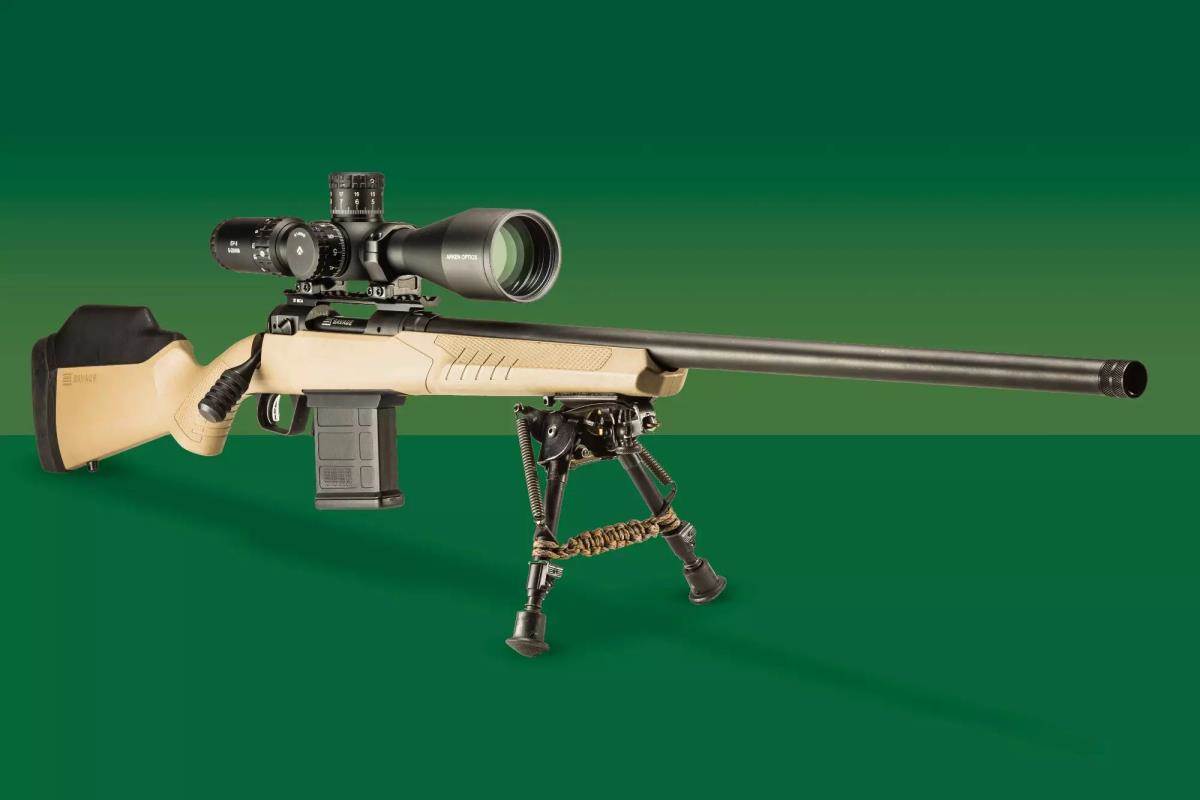
The 110 Tactical Desert sits in Savage's lineup as their entry-level precision platform. You get a 24-inch heavy barrel, AccuStock with AccuFit system, AccuTrigger, and a 20 MOA rail. The action is Savage's 110 pattern; the same basic design they've been refining for decades, not some cost-cut variant.
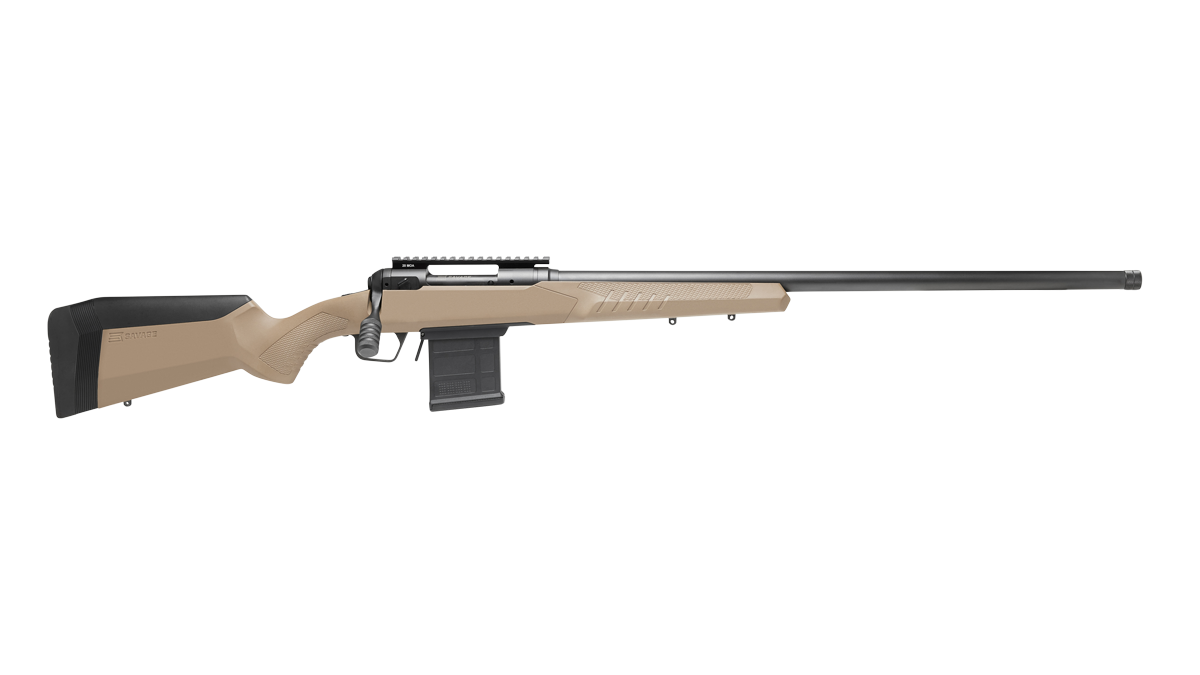
The barrel is button-rifled carbon steel with a 1:8 twist in 6.5 Creedmoor. It's not a match-grade blank, but it's a proper heavy contour that measures about 0.85 inches at the muzzle. The chamber is cut to SAAMI spec, which means you'll have plenty of room for factory ammo but might need to seat handloads deeper than you'd prefer for optimal performance.
Savage threads the muzzle 5/8x24 and includes a basic thread protector. No muzzle brake from the factory, which honestly makes sense at this price point. Most shooters will want to add their own brake anyway.
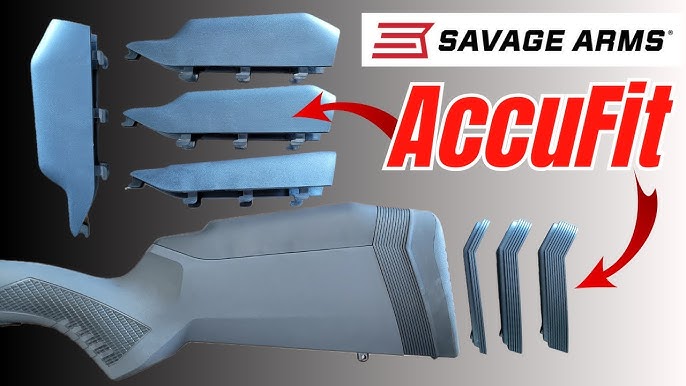
The AccuStock deserves explanation because it's not what most people expect. This isn't a chassis system; it's a composite stock with an aluminum bedding block that runs the length of the action. The AccuFit system lets you adjust length of pull and comb height with included spacers. It's functional but not particularly elegant.
Range performance
I've put about 800 rounds through this rifle over six months, mostly with factory 140-grain loads from Hornady, Federal, and Nosler. The rifle consistently shoots 0.7-0.9 MOA with good factory ammo, occasionally tightening up to 0.5 MOA with loads it particularly likes.
The best groups came with Hornady Precision Hunter 143-grain ELD-X, which averaged 0.65 MOA over ten five-shot groups. Federal Premium 140-grain Berger Hybrid Target loads ran a close second at 0.72 MOA. Cheaper hunting ammo like Remington Core-Lokt opened up to 1.2-1.5 MOA, which is about what you'd expect.
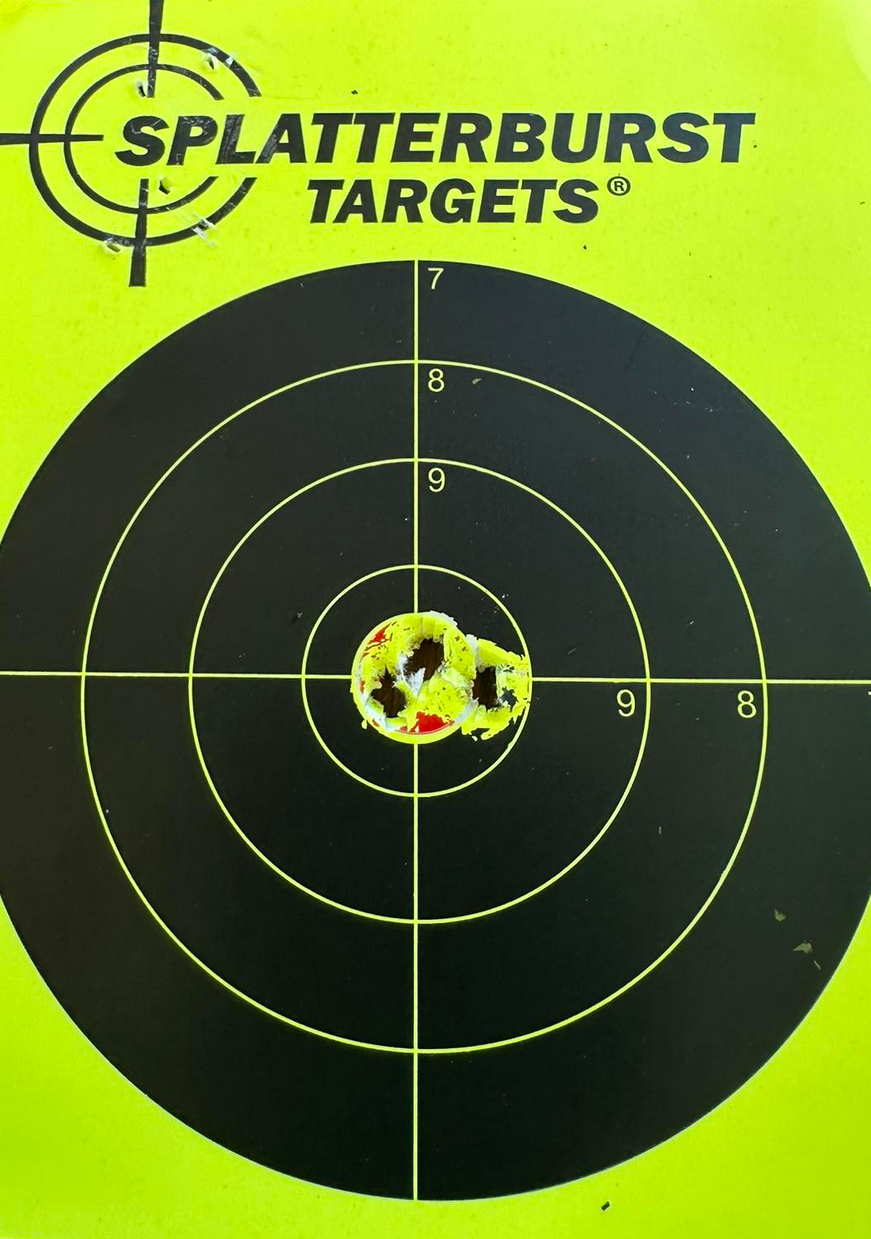
Handloads tightened things up considerably. Working up a load with 140-grain Berger VLD Hunting bullets and H4350, I consistently shot groups in the 0.4-0.6 MOA range. The rifle seems to prefer bullets in the 140-143 grain range, though 120-grain loads shot well enough for practical purposes.
Range notes: The barrel heats up quickly during rapid strings, and groups open up noticeably after about 15 rounds fired in quick succession. Plan on letting it cool between groups if you're chasing maximum accuracy. The heavy barrel helps with consistency, but it's not a match-grade tube that'll maintain precision indefinitely.
Cold bore shots consistently print within 0.5 inches of the group center, which is exactly what you want in a hunting or practical precision rifle. I've never had a cold bore shot throw more than an inch from point of aim at 100 yards.
The AccuTrigger reality
Savage's AccuTrigger gets a lot of attention, and it's genuinely good for a factory trigger. Mine broke consistently at 2.8 pounds with minimal creep and a clean break. The safety blade takes some getting used to, but it's not the hindrance some people make it out to be.
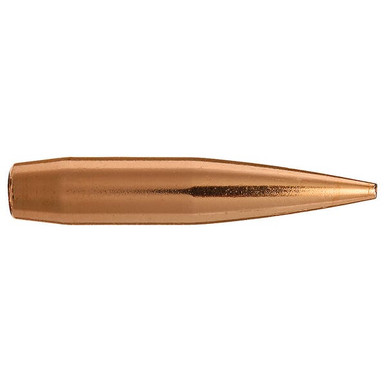
Berger VLD Hunting 140-grain 6.5 Creedmoor Deals
Prices may change. May contain affiliate links.
That said, it's not a match trigger. There's still some take-up, and the reset isn't as crisp as you'd get from a TriggerTech or Timney aftermarket unit. For precision work, it's adequate. For competition, you'll probably want to upgrade eventually.
The trigger is user-adjustable down to about 2.5 pounds, though I wouldn't recommend going lighter without professional installation. At the factory setting, it's perfectly usable for both hunting and target work.
Stock and ergonomics
The AccuStock with AccuFit system is functional but not inspiring. The aluminum bedding block eliminates the need for traditional bedding work, and the action sits solidly in the stock. No flex, no movement, no issues with consistency.
The AccuFit system works as advertised. You can adjust length of pull from 12.5 to 13.5 inches and comb height through four positions. The adjustments are secure and repeatable. If you're building a rifle for multiple shooters or want to optimize fit with different optics, it's genuinely useful.
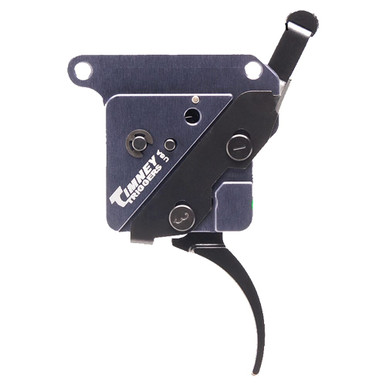
Timney Trigger Deals
Prices may change. May contain affiliate links.
The stock itself feels cheap compared to something like a Tikka T3x or Bergara B-14. The texture is fine, but the overall finish and feel screams "budget precision rifle." It's not uncomfortable to shoot, but it's not going to win any beauty contests either.
The forend is wide enough for most bipods and shooting rests. There's no built-in rail system, so you'll need to add sling swivel studs or a rail section if you want attachment points.
Accuracy expectations and limitations
Here's what actually matters: this rifle will consistently shoot better than most shooters can hold. Sub-MOA performance with good ammo is realistic, and half-MOA groups are achievable with handloads and careful shooting.
The limitation isn't the action or barrel; it's the stock and trigger. The AccuStock is adequate but not optimal for precision work. The trigger is good enough but not great. These are areas where you can improve performance with aftermarket parts, but that starts pushing the total cost up significantly.
For hunting applications, the factory setup is more than adequate. For F-Class or PRS competition, you'll want to budget for upgrades or consider stepping up to the 110 Precision model from the start.
The barrel seems to settle in around the 100-round mark. Initial groups were good but not spectacular. After about 100 rounds of break-in, accuracy improved noticeably and has remained consistent since.
Common issues and troubleshooting
Bolt lift issues: Some rifles ship with rough bolt lift, especially when using certain factory ammo. This usually smooths out with use, but you can speed the process by polishing the bolt lugs and action rails with fine compound.
Magazine feeding problems: The AICS-pattern magazines can be finicky with certain bullet profiles. Long, sleek bullets sometimes hang up on the feed ramp. This is more common with handloads seated to longer overall lengths.
Scope mounting challenges: The 20 MOA rail is great for long-range work but can cause issues with some scope and ring combinations. Make sure your scope has enough adjustment range to zero at 100 yards before mounting.
Stock flex under load: While the aluminum bedding block eliminates action movement, the forend can flex under heavy bipod loading. This doesn't affect accuracy significantly, but it's noticeable compared to a proper chassis system.
Trigger adjustment creep: The AccuTrigger adjustment can drift over time, especially if you've lightened it significantly. Check trigger weight periodically and readjust as needed.
Competition comparison
Against the Tikka T3x TAC A1 (around $1,600), the Savage gives up some refinement but delivers similar accuracy at significantly lower cost. The Tikka has a better trigger, smoother action, and more robust stock, but the Savage shoots just as well.
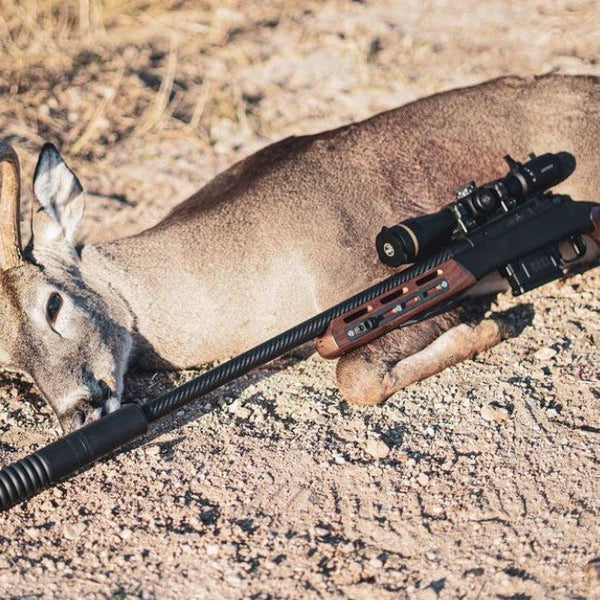
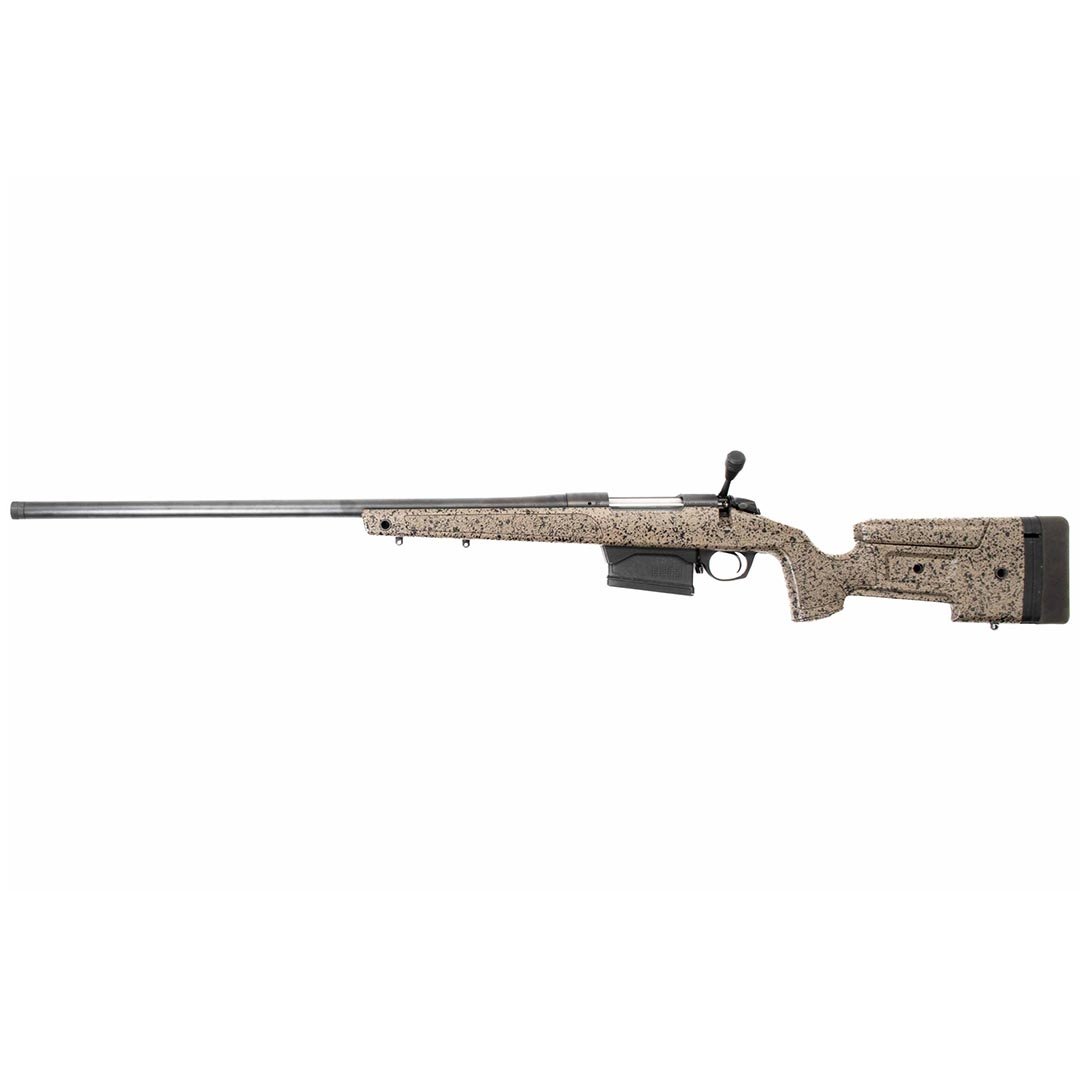
The Bergara B-14 HMR ($900-1000) is probably the closest direct competitor. Both rifles deliver similar accuracy, but the Bergara has a slightly better stock and trigger out of the box. The Savage counters with the AccuFit system and typically lower street prices.
Ruger's American Predator ($450-500) costs less but gives up the heavy barrel and precision features. For pure accuracy per dollar, the Savage is the better choice if you're serious about precision work.
The Howa 1500 HCR ($800-900) offers similar features with a different action design. Both are solid choices, but the Savage's aftermarket support and trigger system give it an edge for most shooters.
At the higher end, the Savage 110 Precision ($1,200-1,400) adds a chassis stock and better trigger but uses the same basic action and barrel. If your budget allows, it's worth the upgrade.
Build notes
The rifle ships ready to mount an optic and shoot. The 20 MOA rail is properly aligned and torqued from the factory. I mounted a Vortex Viper PST Gen II 5-25x50 in Vortex rings without any issues.
The barrel is properly crowned and doesn't need immediate attention, though a quality muzzle brake will help with recoil management and follow-up shots. I added a Area 419 Hellfire brake, which reduced felt recoil significantly and made spotting impacts much easier.

Tikka T3x TAC A1 Deals
Prices may change. May contain affiliate links.
The trigger worked fine at factory settings, but I did adjust it down to about 2.5 pounds for precision work. The adjustment process is straightforward and well-documented in Savage's manual.
Magazine capacity is 10 rounds in 6.5 Creedmoor, which is adequate for most applications. The magazines are standard AICS pattern, so aftermarket options are available if needed.
Long-range reality check
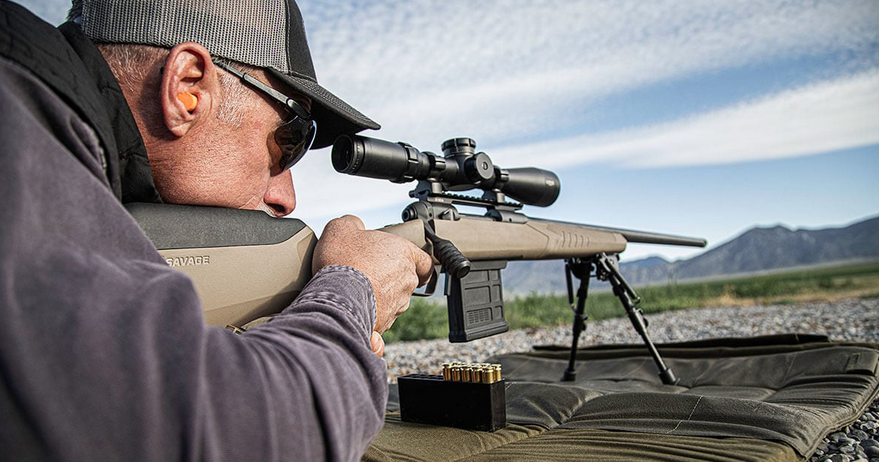
At 600 yards, this rifle consistently hits a 6-inch target with good ammo and proper shooting technique. That's legitimate precision performance, not marketing hype. Wind reading and shooter skill become the limiting factors well before the rifle's mechanical accuracy.
I've stretched it out to 1,000 yards on several occasions. With 143-grain ELD-X loads, it maintains enough velocity and accuracy to hit torso-sized targets consistently. The 20 MOA rail provides enough elevation adjustment with most scopes to reach 1,000 yards without holdover.
Bergara B-14 HMR Deals
Prices may change. May contain affiliate links.
The heavy barrel helps with heat mirage and maintains accuracy better than a sporter-weight tube. For extended shooting sessions, this matters more than you might expect.
Velocity consistency is good but not exceptional. Standard deviation typically runs 12-15 fps with factory ammo, dropping to 8-12 fps with carefully developed handloads. That's adequate for precision work but not match-grade performance.
What you'll actually spend
Street price for the 110 Tactical Desert runs $750-850 depending on caliber and dealer. Add a decent scope ($400-800), rings and bases ($100-150), and a muzzle brake ($100-200), and you're looking at $1,350-2,000 for a complete setup.
That's competitive with other precision rifles in this category, especially considering the included features like the AccuFit system and 20 MOA rail. You're not getting premium components, but you're getting everything you need for serious accuracy work.
Budget another $200-300 if you want to upgrade the trigger to something like a TriggerTech Diamond. The stock is usable as-is, but a chassis upgrade would run $400-600 if you decide the AccuStock isn't meeting your needs.

Ruger American Predator Deals
Prices may change. May contain affiliate links.
The verdict
The Savage 110 Tactical Desert delivers legitimate sub-MOA accuracy at a price point where most manufacturers are still shipping hunting rifles. It's not refined, it's not pretty, and it's not going to win any awards for fit and finish. But it shoots, and it shoots well.
If you want a precision rifle that'll consistently hit targets at extended range without breaking the bank, this is a solid choice. The accuracy is there, the features are practical, and the price is reasonable. You're trading some refinement for value, but that's exactly what this rifle is designed to do.
The question isn't whether you can find a more accurate rifle; you can, if you're willing to spend significantly more money. The question is whether this rifle gives you enough accuracy and features to meet your needs at a price you can justify. For most shooters looking to get into precision rifle work, the answer is yes.
Set it up with a quality scope, work up a good handload, and practice your fundamentals. The rifle will do its part if you do yours.