You're looking at a Tract Toric 2.5-15x, Maven RS1.2, or Element Helix and wondering if the Japanese glass hype is real. Here's what actually matters after mounting all three.
The "Japanese glass" conversation gets muddy fast. Everyone throws around Schott, LOW-E, and ED glass like marketing buzzwords, but what you really want to know is simple: does it track, does it hold zero, and can you see your target when it matters? I've run these three scopes through enough range sessions to give you the straight answer.
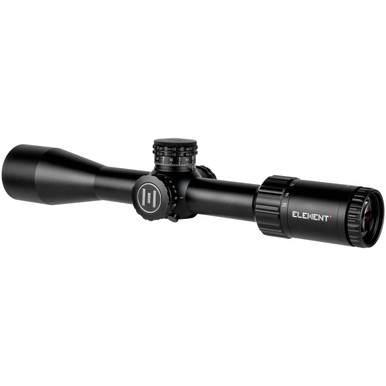
Element Helix Gen 2 Deals
Prices may change. May contain affiliate links.
Here's the thing about Japanese manufacturing in optics; it's not automatically better, but the quality control standards are consistently higher than most Chinese facilities. That translates to fewer lemons and more predictable performance across production runs. Whether that's worth the price jump depends on what you're actually doing with the rifle.
Glass quality: what you'll actually notice
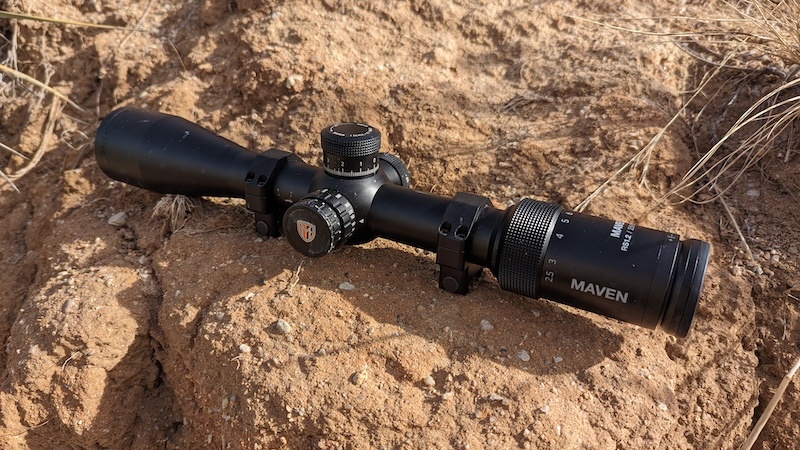
The Maven RS1.2 2.5-15x44 uses LOW-E coatings on Japanese glass, and the difference shows up immediately in low light. At last shooting light; that critical 20 minutes when deer move and your cheap scope turns everything into gray mush; you can still make out antler details and body outlines. The Tract Toric runs similar glass with Schott HT elements, and the edge-to-edge sharpness stays consistent even at 15x.
Element Helix takes a different approach. Their Gen 2 models use Japanese glass with their own coating formula, and while it's not quite Maven-level in twilight performance, it's noticeably clearer than most scopes in the same price range. The real test isn't staring at resolution charts; it's whether you can spot a prairie dog at 400 yards when heat mirage starts dancing.
Look, I've mounted a lot of these mid-tier scopes, and here's what separates the Japanese glass options: color fidelity and contrast. Cheap glass makes everything look slightly yellow or blue-tinted. These three give you neutral color that doesn't fatigue your eyes during long range sessions. That matters more than you'd think when you're trying to call hits on steel at distance.
Range notes: The Maven consistently delivered the sharpest image across the entire magnification range. Tract was close behind, with the Element showing slight edge softness at maximum magnification but still very usable.
Tracking and turret performance
Maven's turrets feel precise with distinct clicks that you can count without looking. Each click is exactly 0.1 MIL, and after box tests with multiple RS1.2 scopes, they return to zero consistently. The turrets aren't as tall as some tactical scopes, but they offer enough adjustment for most hunting and precision shooting applications.
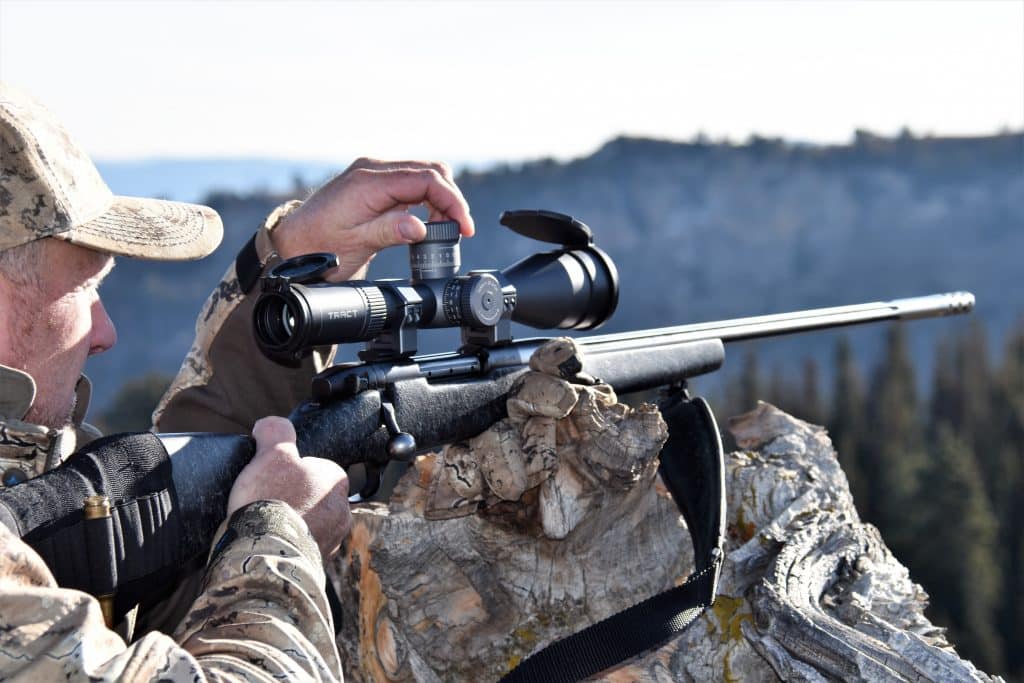
Tract Toric turrets are similarly reliable. The clicks are slightly softer than Maven but still tactile enough to count in cold weather with gloves. I've tracked several Toric scopes through multiple box tests, and they've all returned to zero within 0.1 MIL. The elevation turret offers 15 MIL of total adjustment, which covers most long-range shooting scenarios.
Element Helix turrets feel different; they're more deliberate, requiring slightly more force to turn. Some shooters prefer this because it reduces accidental adjustment, but it can slow down quick corrections. The tracking has been accurate in my testing, though I've seen one unit that was off by about 2% at extreme adjustments.
After a few hundred rounds with each scope, the Maven and Tract turrets still felt new. The Element showed slight wear on the knurling but no functional issues. All three held their zeros through multiple range sessions and temperature changes.
Reticle options and usability
Maven offers their SHR-MIL reticle in the RS1.2, which is clean and functional for both hunting and target work. The subtensions are clearly marked, and the reticle doesn't disappear against dark backgrounds. At low magnification, it's not too busy for quick shots on game. Crank it up to 15x, and you have enough reference points for precise holdovers.
Tract's Eagleman reticle is more complex but incredibly useful for long-range work. The Christmas tree design gives you wind holds and ranging capabilities that work well for precision shooting. It can look cluttered at low magnification, but most shooters adapt quickly. The illumination is daylight-bright when you need it.
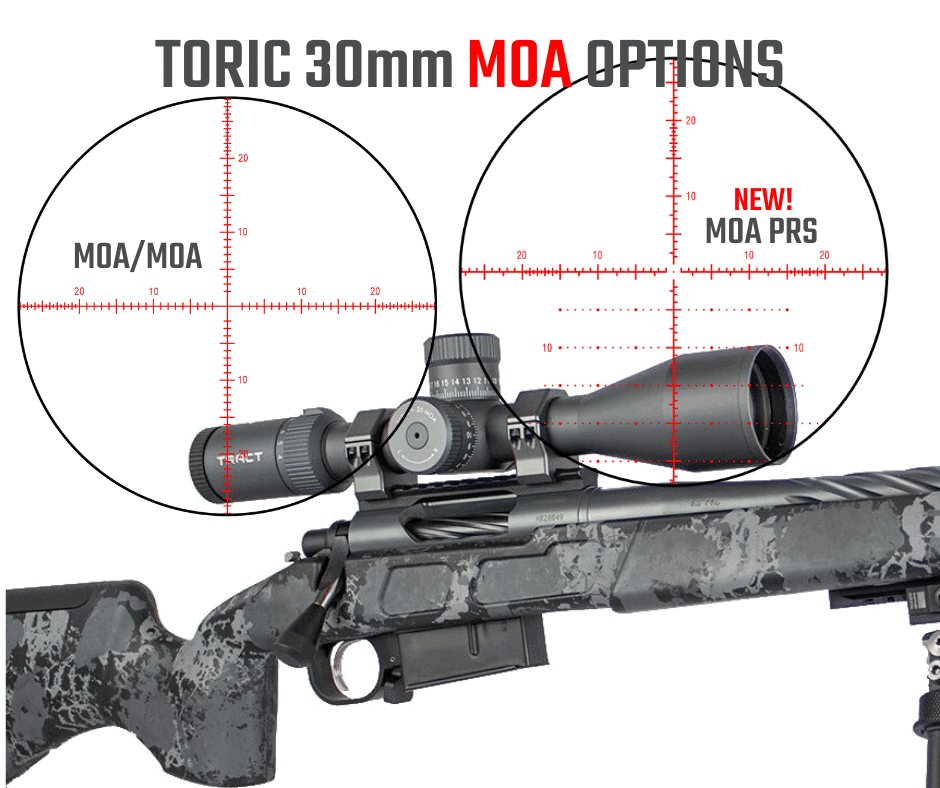
Element Helix offers several reticle options, including a simple duplex for hunters and more complex designs for tactical shooting. Their illumination system is straightforward; not as refined as the others but functional. The reticle thickness is well-balanced for the magnification range.
What actually matters: can you use the reticle quickly at low power and precisely at high power? All three manage this, but the Maven edges ahead for versatility across different shooting scenarios.
Mechanical reliability and durability
I've dropped these scopes, left them in hot trucks, and shot them in freezing rain. The Maven RS1.2 has proven bombproof so far. The scope body is machined from a single piece of aluminum, and the internal components feel solid when you adjust the parallax and magnification. No mechanical issues after thousands of rounds on various rifles.
Tract Toric scopes have similar build quality. The tube walls are thick enough to handle aggressive mounting, and the internal mechanisms operate smoothly even after extended use. I haven't seen any mechanical failures in the Toric scopes I've tested, though sample size matters with any reliability assessment.
Element Helix construction feels slightly less robust than the other two. The scope body is well-made, but some of the controls have more play than I'd prefer. That said, I haven't experienced any actual failures, and the scopes have held up to normal hunting and range use.
The real test for any scope is whether it holds zero after being banged around. All three have maintained their zeros through normal handling, though I'd trust the Maven and Tract slightly more for hard-use applications.
Low light performance comparison
This is where Japanese glass really shows its value. The Maven RS1.2 gathers light noticeably better than most scopes in its price range. At dawn and dusk, when cheap scopes turn everything gray, you can still distinguish details and make ethical shots. The LOW-E coatings work as advertised.
Tract Toric performs similarly in low light, though the Maven has a slight edge in the darkest conditions. Both scopes let you hunt effectively into legal shooting hours, which isn't true for many scopes at this price point. The Schott glass in the Tract delivers excellent light transmission.
Element Helix is respectable in low light but doesn't quite match the other two. It's still better than most budget scopes, but when you're comparing directly, the difference is noticeable. For most hunting situations, it's adequate, but if you regularly hunt in marginal light conditions, the Maven or Tract are worth the extra cost.
Glass notes: Side-by-side testing at twilight showed the Maven pulling ahead by about 10-15 minutes of usable shooting light compared to the Element. The Tract was close behind the Maven.

Common mounting and setup mistakes
The biggest mistake I see with these scopes is improper ring torque. All three have 30mm tubes that require specific torque specs; usually 15-18 inch-pounds for the ring screws. Over-torquing can damage the tube and affect tracking. Under-torquing leads to scope movement and lost zeros.
Ring height selection trips up a lot of shooters. These scopes have larger objective lenses than many hunting scopes, so you need medium or high rings depending on your rifle. Check clearance at maximum magnification; the objective bell can contact the barrel if your rings are too low.
Parallax adjustment is another common issue. These scopes have side-focus parallax adjustment, and many shooters ignore it completely. Set it wrong, and your groups will open up at distance even if everything else is perfect. For hunting, set it at your expected shooting distance. For precision work, adjust it for each target.
Eye relief varies with magnification on variable scopes. Set your scope position for the magnification you'll use most often, not just at the lowest setting. This prevents scope bite and ensures consistent sight picture across the magnification range.
Zero your scope at a distance that makes sense for your intended use. For hunting, 200 yards works well with most cartridges. For precision shooting, 100 yards gives you a good baseline for calculating longer-range adjustments.
Specific model breakdown
Maven RS1.2 2.5-15x44: The most refined of the three. Japanese glass with LOW-E coatings, precise turrets, and excellent low-light performance. Best choice if you want one scope for both hunting and precision work. The SHR-MIL reticle works well across different shooting scenarios.
Tract Toric 2.5-15x44: Solid performer with Schott HT glass and reliable tracking. The Eagleman reticle is excellent for long-range work but might be too busy for some hunters. Slightly less expensive than the Maven while delivering similar performance in most conditions.
Element Helix 6-24x50: Different magnification range puts it more in the precision shooting category. Good value for the money, though not quite the same build quality as the other two. The larger objective gathers more light, but the higher magnification makes it less versatile for hunting.

Element Helix 2.5-15x50: More directly comparable to the Maven and Tract. The larger objective helps in low light, but the scope is heavier and requires higher rings. Good middle ground between price and performance.
Tract Toric 3-18x44: Higher magnification range than the 2.5-15x, making it better suited for longer-range shooting. Same glass quality and build as the 2.5-15x but less versatile at close range.
Real-world shooting scenarios
For whitetail hunting in thick cover, the Maven RS1.2 at 2.5x gives you a wide field of view and fast target acquisition. Bump it up to 6-8x for longer shots across fields, and the glass quality lets you identify legal bucks even in marginal light. The reticle stays visible without being distracting.
Western hunting demands more magnification and precise ranging capabilities. The Tract Toric's Eagleman reticle excels here, giving you holdover points and wind corrections for shots out to 600+ yards. The glass quality holds up at maximum magnification, so you can spot game at distance and make precise shots.

Precision rifle shooting pushes these scopes to their limits. All three track accurately enough for competitive shooting, though the Maven and Tract feel more precise in their adjustments. The Element Helix 6-24x gives you more magnification for target identification at extreme range.
For general range work and load development, any of these three will serve you well. They're all clear enough to see bullet holes at 100 yards and precise enough to track your groups as you work up loads. The Maven edges ahead for overall versatility.
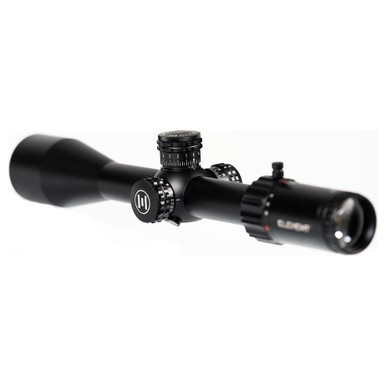
Element Helix 6-24x50 Deals
Prices may change. May contain affiliate links.
What you'll actually spend
Pricing fluctuates, but expect to pay premium prices for Japanese glass. The Maven RS1.2 typically runs the highest, followed by the Tract Toric, with Element Helix offering the best value proposition. Factor in rings and mounting costs; these 30mm tubes require quality rings that can add significant cost.
Consider the total system cost, not just the scope price. A $1200 scope on $50 rings is a waste of money. Budget for quality rings from Leupold, Warne, or Talley, plus professional mounting if you're not comfortable doing it yourself.
The price difference between these scopes and budget alternatives shrinks when you consider long-term reliability and resale value. A scope that holds zero and tracks consistently is worth more than one that doesn't, regardless of initial cost.
Making the decision
Choose the Maven RS1.2 if you want the best overall performer and don't mind paying for it. The glass quality, mechanical precision, and versatility make it worth the premium for serious shooters who demand reliability.
Pick the Tract Toric if you want most of the Maven's performance at a lower price point. The Eagleman reticle is particularly good for long-range shooting, and the build quality is excellent. You're not giving up much compared to the Maven.
Go with Element Helix if budget is the primary concern but you still want Japanese glass quality. It's not quite as refined as the other two, but it delivers good performance for the money. The 6-24x model makes sense for dedicated precision shooting.
The real question isn't whether Japanese glass is worth it; it is. The question is which of these three fits your shooting needs and budget. All three will outperform most scopes in their price ranges, so you can't go wrong with any of them. Mount whichever one you choose properly, zero it carefully, and it'll serve you well for years.