You're running a lesson with three students on lane 7 when the guy in lane 5 starts muzzle-sweeping everyone behind the firing line. Your newest student is struggling with her grip, the range is packed, and you just noticed someone two lanes over has their finger on the trigger while talking to their buddy. This is Tuesday afternoon at the public range.
Teaching on a public range isn't just about running drills and fixing fundamentals. You're managing multiple safety zones simultaneously while other shooters do unpredictable things around you. The standard four rules keep everyone alive, but as an instructor, you need to think three moves ahead of every person on that line.
Here's what they don't teach you in instructor certification: how to stay five steps ahead when you're responsible for your students and aware of everyone else's mistakes before they make them.
Your safety bubble extends beyond your students
Most instructors focus on their immediate students and call it good. That's not enough. Your awareness zone needs to include every shooter within two lanes of your position, everyone walking behind the firing line, and anyone handling firearms in your peripheral vision.
I learned this the hard way during a busy Saturday session. I was focused on correcting a student's stance when I caught movement in my peripheral vision. The shooter three lanes over had just loaded his pistol and was turning to ask his friend a question; muzzle tracking across four lanes of shooters. I called "Muzzle!" loud enough for half the range to hear. The RSO (range safety officer) was dealing with a malfunction two lanes the other direction and missed it completely.
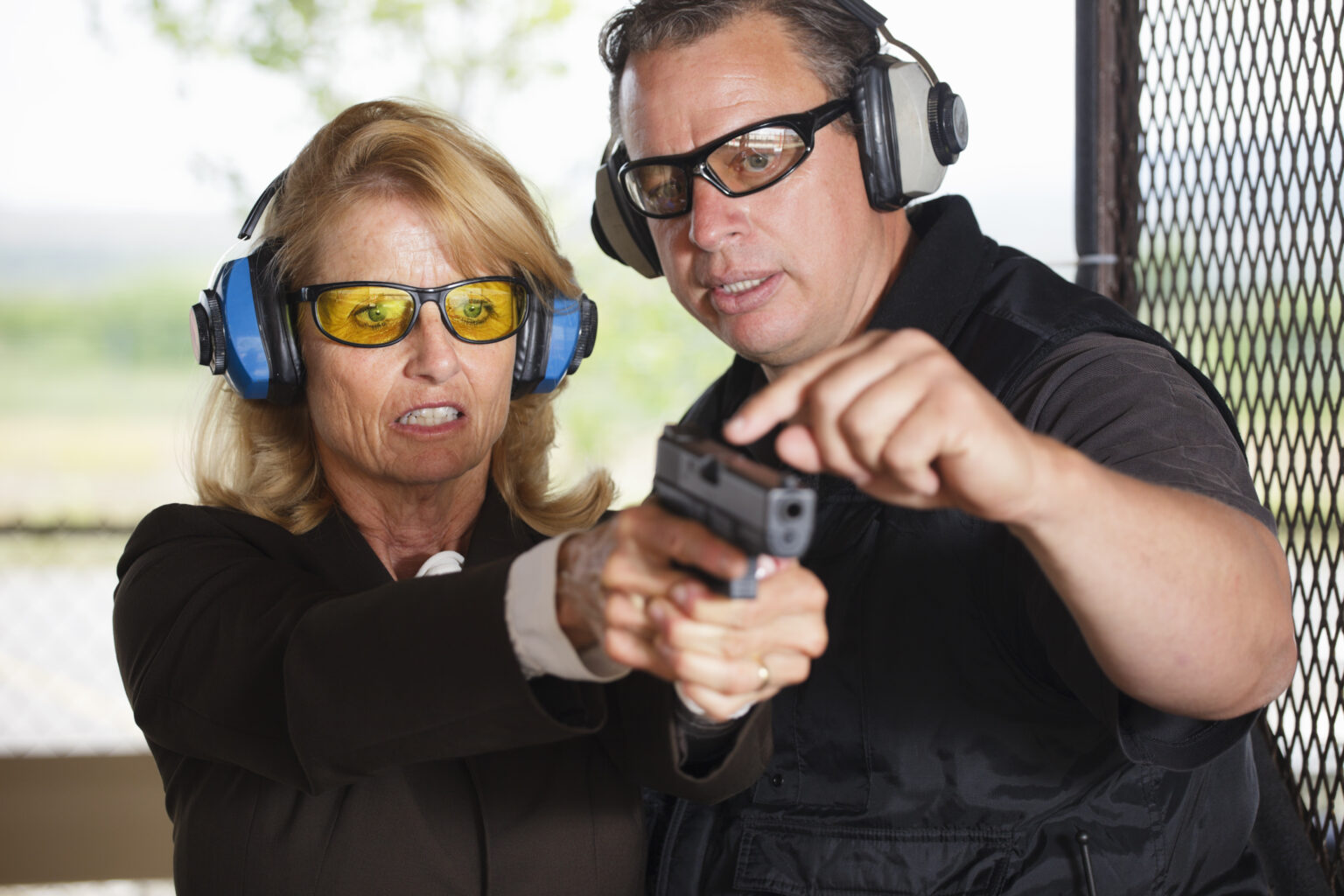
Your students look to you as the authority figure. When something goes wrong nearby, they'll freeze and wait for your direction instead of taking immediate action themselves. That makes you responsible for recognizing problems before they escalate, even when they're not directly your problem.
Watch the shooters adjacent to your lanes during every string of fire. Are they following proper muzzle discipline during loading and unloading? Do they keep their firearms pointed downrange during malfunctions? Are they waiting for range commands or just doing their own thing? These observations happen in your peripheral vision while you're actively coaching, but they can't be afterthoughts.
Student positioning that actually works
Where you place your students determines how quickly you can intervene and how much you can see. Most instructors just line their students up and hope for the best. That's not a system.
Position yourself where you can see every student's muzzle and trigger finger simultaneously. This usually means standing slightly behind and to the strong-side of your rightmost student if you're running multiple lanes. From this position, you can see down the line and catch muzzle discipline issues before they become problems.
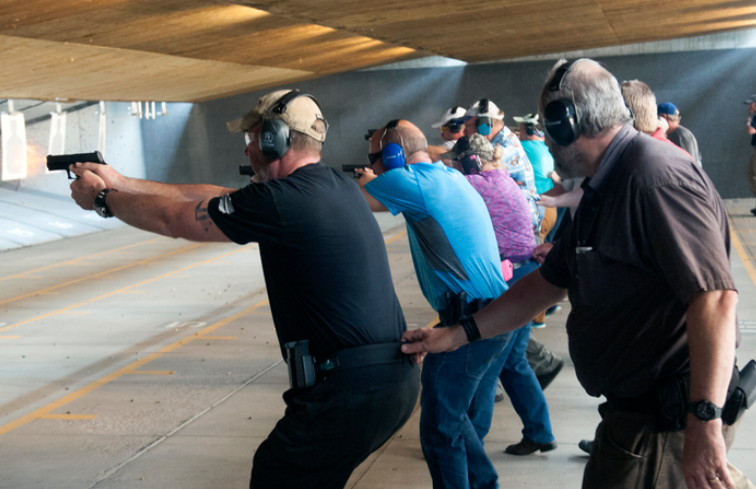
Never position yourself directly behind a student unless you're making a specific correction that requires that angle. I see instructors do this constantly, and it puts you in the worst possible position to see what's happening with their firearm. You can't see their trigger finger, you can't see their muzzle direction during reloads, and you can't quickly move to address issues with other students.
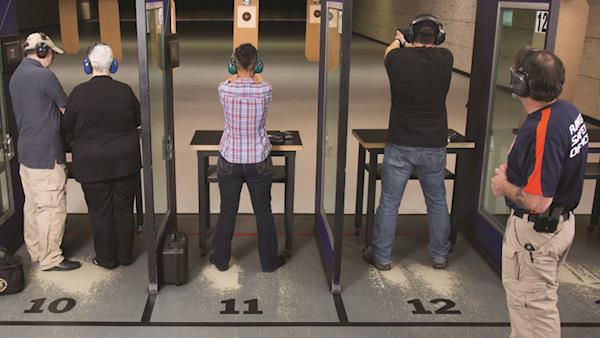
Keep your students spaced so you can move between them quickly. If the range forces you into adjacent lanes, make sure there's enough room for you to step between positions without crossing anyone's muzzle. This might mean having only two students active at a time instead of three, but it's worth the trade-off.
For new students, I use a specific positioning system: student on the firing line, me one step back and to their strong side, positioned so I can reach their hands or firearm if needed. This gives me the best angle to see what they're doing while keeping me out of their way and maintaining my awareness of the broader range environment.
Range notes: The instructor's scan pattern
Every 30 seconds, run this scan while your students are shooting:
Check each student's muzzle direction and trigger discipline
Scan the adjacent lanes for unsafe handling
Check the area behind the firing line for people approaching
Verify the range officer's position and attention
Return focus to your primary student
This becomes automatic after a few sessions, but you have to practice it deliberately at first. Time yourself, if your scan takes more than 3-4 seconds, you're looking too hard at each element instead of taking in the overall picture.
Managing multiple skill levels safely
Here's what happens when you mix experience levels: your advanced student gets impatient waiting for the beginner, starts handling their firearm during instruction time, and creates a safety issue while you're focused on the new shooter. I've seen this exact scenario play out dozens of times.
Separate your students by skill level during live fire. Run your experienced students first, then your beginners. Don't try to coach different skill levels simultaneously during the same string of fire. The advanced shooter will get bored and start doing their own thing, which splits your attention when you need it most focused on the new student.
When you do have mixed groups, give your experienced students specific observer roles. "Watch her grip and tell me what you see." This keeps them engaged and learning while preventing them from handling firearms when your attention is elsewhere.
Set clear expectations about firearm handling during instruction. "Firearms stay pointed downrange and fingers off triggers unless I specifically tell you to prep for the shot." Make this non-negotiable. I don't care if they're experienced, on my range time, everyone follows the same protocol.
For beginners, use a more structured approach: load one round, fire one round, make safe, then discuss. Don't give new students loaded firearms and then launch into a five-minute explanation of sight alignment. They'll fidget, and fidgeting with loaded guns creates problems.
Reading other shooters before problems develop
You can predict most safety violations before they happen if you know what to look for. Shooters telegraph their mistakes through body language and handling patterns.
Watch for these warning signs in adjacent shooters: rapid, jerky movements during loading or unloading, looking around while handling their firearm instead of focusing on the task, holding their pistol at odd angles while talking, and inconsistent muzzle discipline between strings of fire.
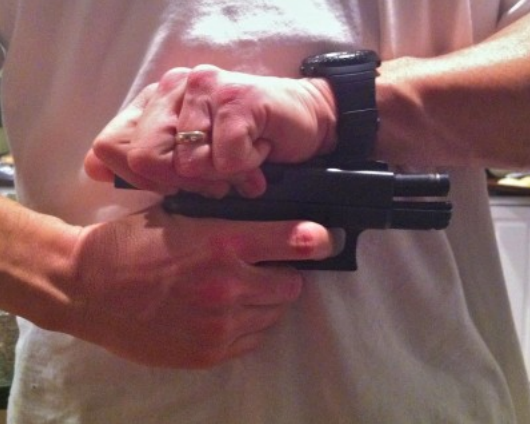
The shooter who's about to muzzle-sweep someone usually shows specific patterns first. They'll start by being careless with muzzle direction during loading, progress to turning slightly while holding their firearm, and eventually make the full turn that sweeps everyone behind them. Catch this progression early and you can prevent the sweep.
Nervous or frustrated shooters create different problems. They rush through their shooting sequence, don't follow range commands consistently, and make sudden movements. These shooters are more likely to have negligent discharges or drop loaded firearms.
New shooters with experienced friends are particularly dangerous. The friend gives them conflicting advice, they get confused about procedures, and they start doing things that don't match what the RSO commanded. Always introduce yourself to these groups and clarify who's providing instruction.
What to do when the RO isn't paying attention
Public ranges vary wildly in RSO quality and attention. Some are excellent, others are barely present. You need to be prepared to handle safety issues regardless of RSO competence, but you also need to understand the politics of intervention.
If you see an immediate safety violation, muzzle sweep, finger on trigger during malfunction, loaded gun pointed uprange, address it immediately and loudly. "Muzzle!" or "Finger!" or "Cease fire!" Don't wait for the RSO to notice. Your authority as an instructor gives you standing to make these calls.
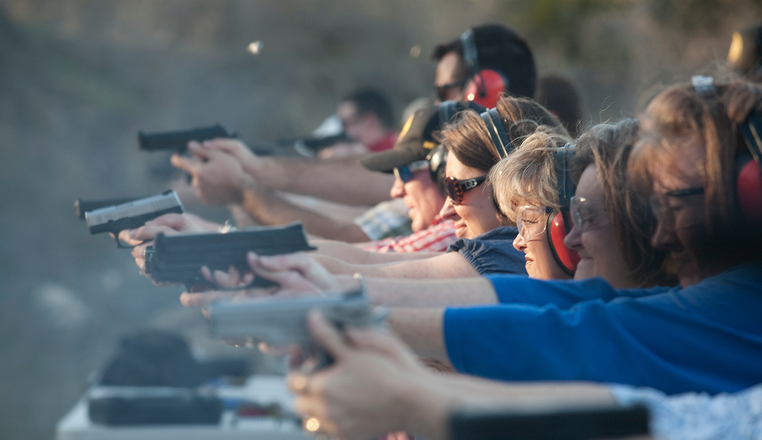
For less immediate issues, poor muzzle discipline during loading, not following range commands, general unsafe handling, try to catch the RSO's attention first. Point out the problem and let them handle it. This maintains their authority and prevents conflicts.
However, if the RSO doesn't respond or doesn't seem to understand the issue, you need to step in. Approach the shooter directly, identify yourself as an instructor, and address the problem. Most shooters will respond positively to polite correction from someone with obvious credentials.
Document serious safety violations, especially if you had to intervene because the RSO missed them. This protects you legally and helps the range management understand training issues with their staff.
Common mistakes that instructors make
Focusing too narrowly on technique while ignoring the environment. I see instructors get so absorbed in correcting a student's grip or stance that they lose awareness of everything else happening around them. Your primary job is safety, not perfect technique.
Assuming other shooters know what they're doing. That guy with the expensive 1911 and custom holster might have terrible muzzle discipline. That woman with the basic Glock might be the safest shooter on the line. Equipment doesn't indicate competence, and experience doesn't guarantee safety habits.
Not establishing clear communication protocols with students. Your students need to know how you'll communicate with them during live fire, what commands they should expect, and how to get your attention if they have a problem. Wing it, and you'll have students trying to ask questions with loaded firearms in their hands.
Trying to teach too much during live fire. Save the detailed explanations for when firearms are unloaded and cased. During live fire, keep communication short and specific: "Press straight back," "Follow through," "Make safe." Long explanations while students hold loaded guns create opportunities for mistakes.
Not having a plan for malfunctions. Your student will have a malfunction, probably during their first range session. Do you have a clear protocol for how they should handle it? Do they know to keep the muzzle downrange and call for help? Have you practiced talking them through clearing procedures? Figure this out before you need it.
Managing your legal exposure
Teaching on public ranges creates liability issues that don't exist in controlled environments. You're responsible for your students' actions, but you're also potentially liable for failing to prevent foreseeable harm to other range users.
Carry instructor liability insurance. The NRA offers coverage for certified instructors, and there are other options available. This isn't optional if you're taking money for instruction, and it's smart even if you're teaching friends for free.
Document your safety briefings and training protocols. If something goes wrong, you'll need to demonstrate that you followed proper procedures and provided appropriate instruction. Keep records of what you covered with each student and any safety issues you addressed.
Understand your authority and limitations. You can intervene in immediate safety situations, but you can't enforce range rules or eject other shooters. Know when to involve range management and when to remove your students from a dangerous situation.
Have a plan for ending instruction if conditions become unsafe. Sometimes the range gets too crowded, other shooters create too many distractions, or equipment failures make continued training inadvisable. Know your exit strategy and don't hesitate to use it.
Building safety habits that stick
Your goal isn't just to keep everyone safe during your lesson, it's to develop safety habits that your students will maintain when you're not there. This requires different teaching approaches than most instructors use.
Make safety corrections immediately and consistently, even for minor violations. If a student's muzzle drifts off the downrange direction by a few degrees, correct it. If they put their finger on the trigger before they're ready to shoot, stop them. Small violations become big problems when they're ignored.
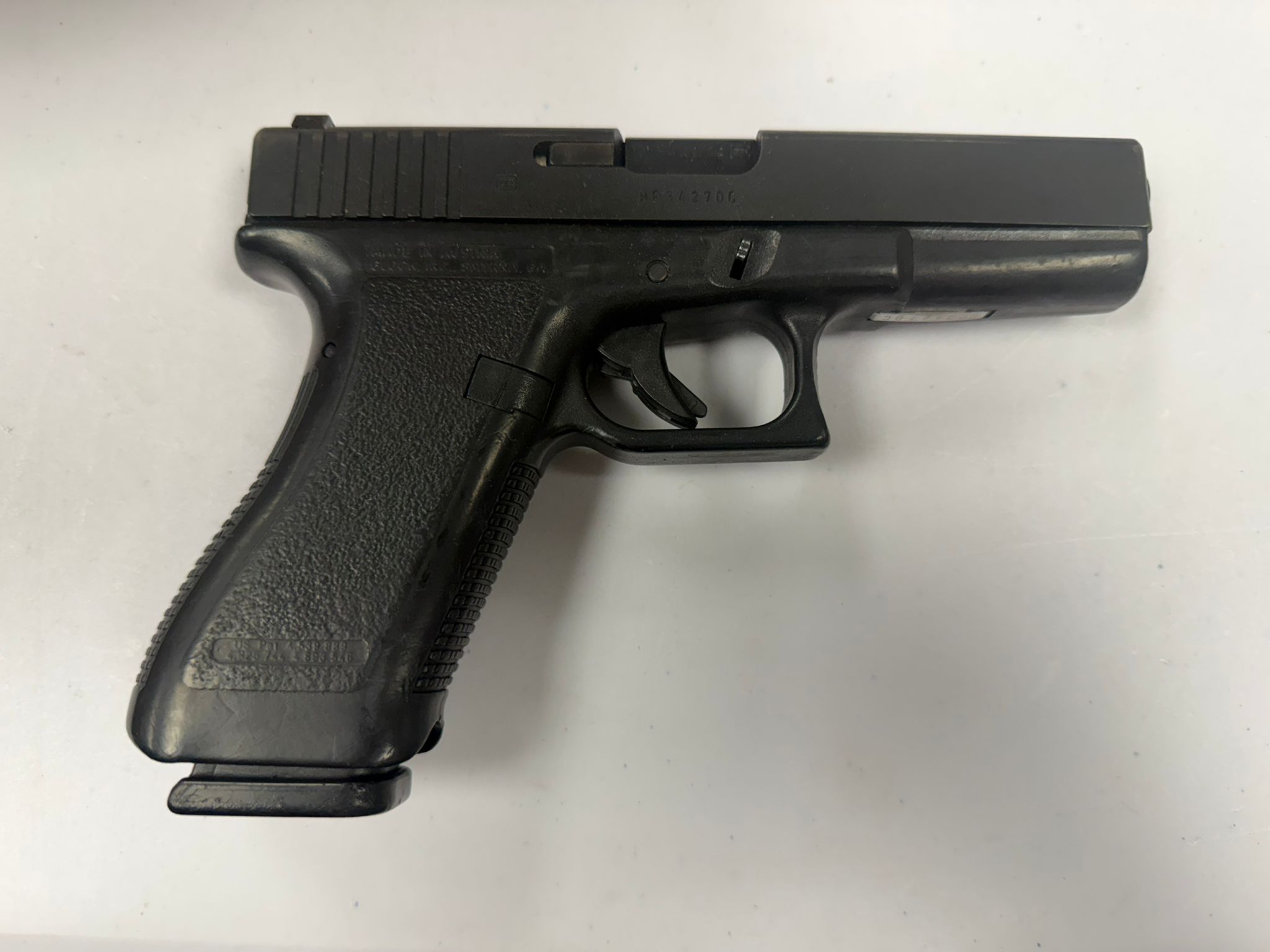
Glock Deals
Prices may change. May contain affiliate links.
Explain the reasoning behind safety rules, not just the rules themselves. "Keep your finger off the trigger until you're ready to shoot" is a rule. "Your finger on the trigger means the gun can fire if you stumble, get startled, or have any involuntary muscle movement" is understanding. Understanding creates better compliance.
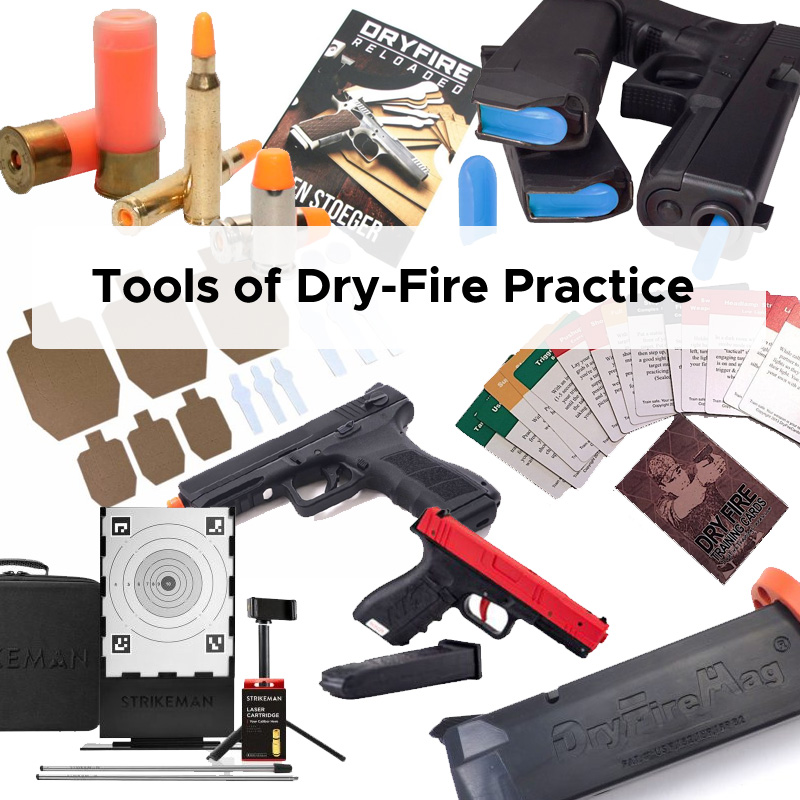
Practice safety procedures during dry fire and handling exercises, not just live fire. Most negligent discharges happen during loading, unloading, and administrative handling, not during actual shooting. Spend time drilling proper procedures for these activities.
Use positive reinforcement for good safety habits, not just corrections for mistakes. "Good muzzle discipline during that reload" or "I noticed you kept your finger indexed during the malfunction drill" helps students recognize what they're doing right.
BasicLee Firearms Training
If you are located in the San Francisco Bay Area, BasicLee Firearms Training provides the best individual firearms instruction at the beginner, intermediate and advanced levels. BasicLee also provides CCW training as well. Check them out at the link below!
What you'll feel when it clicks
After a few months of teaching this way, you'll develop what I call "instructor radar." You'll sense problems developing before they become visible, catch safety violations in your peripheral vision, and instinctively position yourself for maximum awareness and intervention capability.
Your students will notice the difference too. They'll comment on how safe they feel during your lessons, how much they learn about situational awareness, and how the safety habits you teach them carry over to their independent range sessions.
The real test comes when you're shooting recreationally and find yourself automatically scanning adjacent lanes, positioning yourself for good situational awareness, and intervening in other people's safety violations. Once this becomes automatic, you'll understand why instructor-level safety awareness is a different skill entirely from basic range safety.
Most importantly, you'll sleep better knowing that your students are developing the kind of deep safety habits that will keep them and others safe for the rest of their shooting careers. That's worth more than any technical skill you can teach them.
The public range will always have variables you can't control. Other shooters will do unpredictable things, ROs will have varying levels of competence, and equipment will fail at inconvenient times. But with proper awareness, positioning, and protocols, you can maintain safety for your students while contributing to a safer environment for everyone else on the line.
That's what separates instructors who just teach shooting from instructors who develop shooters. The difference is thinking five steps ahead of everyone else and having systems that work when things go wrong.