
From Yom Kippur to Gaza: The IDF's 50-year journey with M16 and M4 rifles
The IDF's relationship with Eugene Stoner's rifle platform started with desperation and evolved into doctrine. After getting caught with outdated FAL rifles during the 1973 Yom Kippur War, Israel needed modern assault rifles fast. What followed was five decades of modifications, conversions, and adaptations that turned American M16s into uniquely Israeli weapons; and now, a complete reversal back to AR-platform rifles after the Tavor experiment.
The story isn't just about rifles changing hands. It's about how a small military adapted foreign weapons to fit their specific combat needs, created some of the most interesting carbine conversions ever fielded, and recently decided their homegrown bullpup wasn't the answer after all.
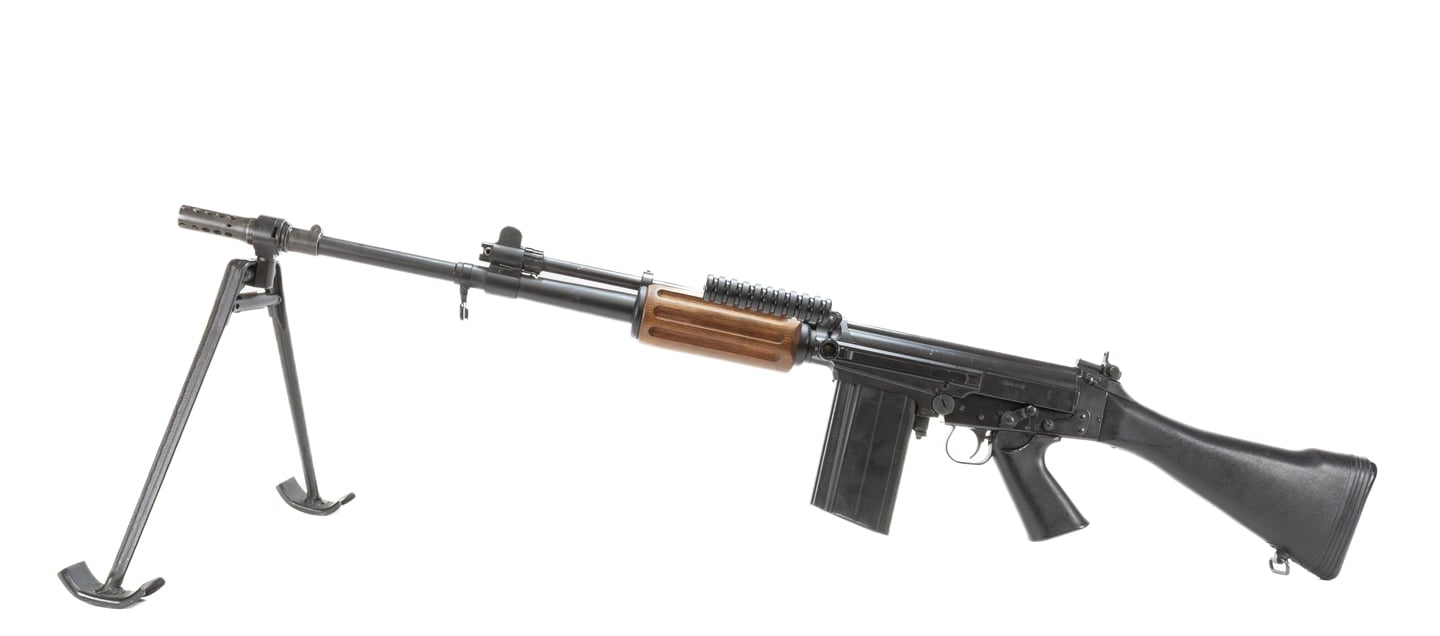
Fn FAL rifle 7.62mm Deals
Prices may change. May contain affiliate links.
Here's how the IDF went from emergency M16A1 purchases to fielding Israeli-made AR variants that are pushing American manufacturers to step up their game.
The 1973 wake-up call
The Yom Kippur War exposed serious gaps in IDF small arms. While their 7.62mm FAL rifles worked, they were heavy, kicked hard in full-auto, and didn't give infantry the sustained fire capability they needed against massed Arab forces. Egyptian and Syrian troops were carrying AK-47s with 30-round magazines while Israeli soldiers were reloading 20-round FAL mags.
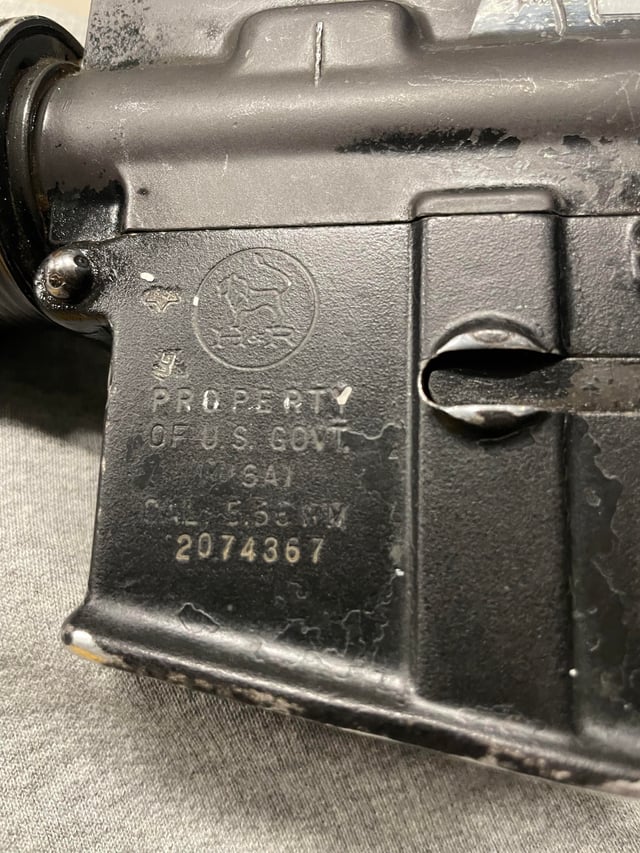
The solution came from an unlikely source: emergency arms shipments from the United States. Along with TOW missiles and F-4 Phantoms, the airlift included thousands of Colt M16A1 rifles. These weren't the problematic early M16s from Vietnam; by 1973, Colt had worked out the chamber issues and ammunition problems that plagued the rifle's introduction.
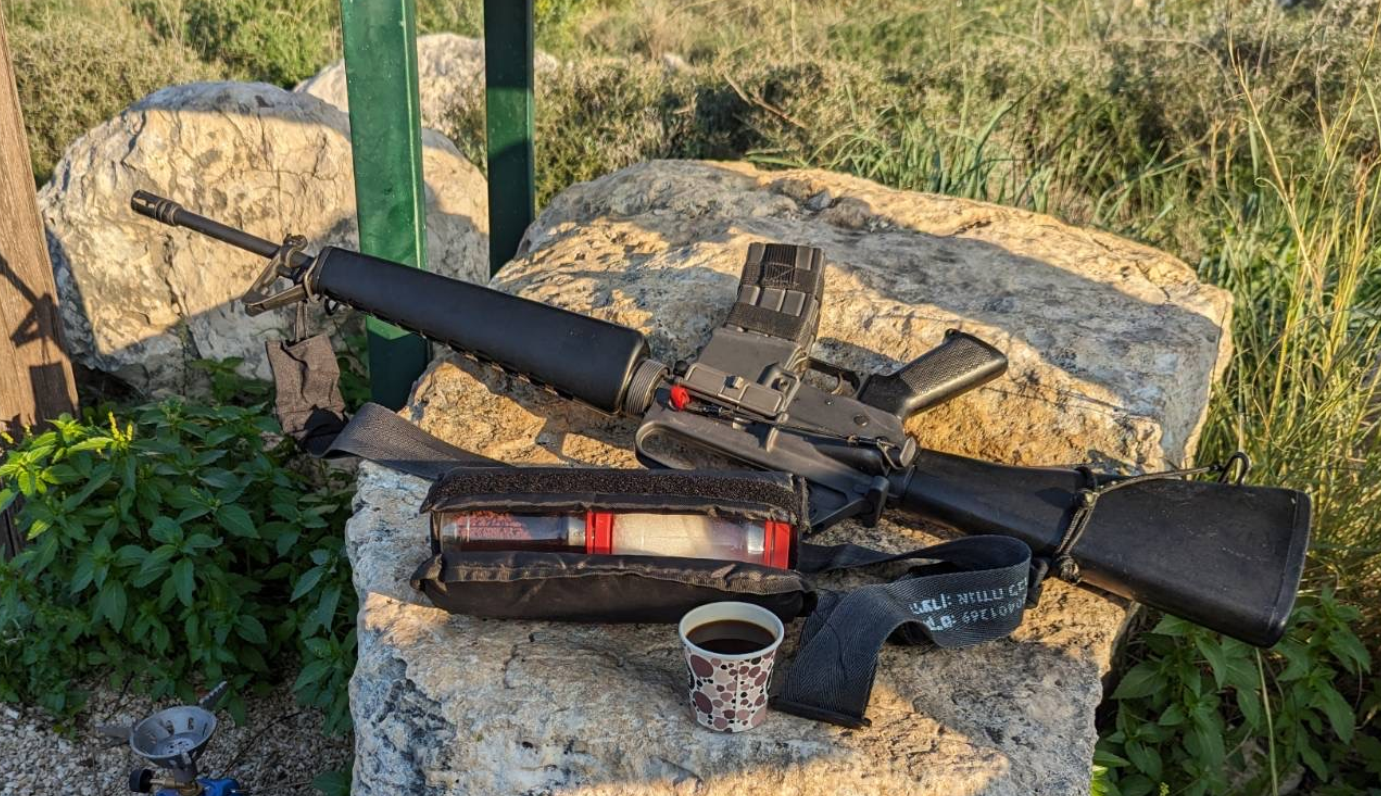
Israeli soldiers got their first taste of the 5.56mm cartridge's capabilities during the war's final phases. The M16A1's light weight, 30-round capacity, and controllable full-auto fire made an immediate impression. More importantly, the rifle's direct impingement system proved reliable in desert conditions once soldiers understood basic maintenance.
The war ended with Israel holding significant quantities of American small arms, including those M16A1s. Rather than return them, the IDF decided to evaluate the platform for long-term adoption.
Building the Mekutzar: Israeli engineering meets American design
By the late 1970s, the IDF had committed to the M16 platform, but they wanted something shorter than the 20-inch barreled M16A1. The problem was that Colt's XM177 carbines weren't available for export, and Israeli forces needed a compact rifle for mechanized infantry and special operations.
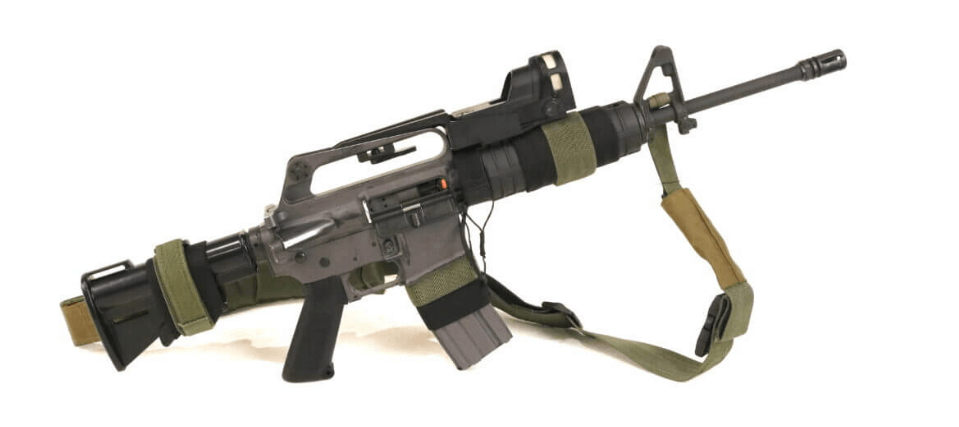
The Israeli solution was typically pragmatic: cut down existing M16A1 rifles and modify them into carbines. The program, called "Mekutzar" (Hebrew for "shortened"), took standard M16A1s and converted them into 14.5-inch barreled carbines.
The conversion wasn't just a barrel chop. Israeli armorers had to solve the gas system problem that would later plague early M4 development. With a shorter barrel, the original rifle-length gas system wouldn't cycle properly. The IDF's solution was to move the gas port closer to the chamber and modify the gas tube length accordingly.
What made the Mekutzar unique was its flash hider. Instead of the standard A1 birdcage, Israeli armorers fitted a distinctive cylindrical flash suppressor that became the rifle's signature feature. This suppressor was longer and more effective than the American version, crucial for a carbine that would produce more muzzle flash than its full-length parent.
The Mekutzar also featured a shortened handguard system and modified front sight base. Israeli forces typically mounted the rifle with a bipod for squad automatic weapon roles, something the original M16A1 design never intended.
What made the Mekutzar work
I've handled several Mekutzar rifles, and the Israeli modifications were more sophisticated than they appeared. The gas port repositioning wasn't just drilled in a new location; the entire gas system was rebalanced for the shorter barrel length.
The flash suppressor design was particularly clever. While it looked like a simple tube, the internal baffle system was optimized for the 14.5-inch barrel's pressure curve. Muzzle flash was significantly reduced compared to a standard A1 flash hider on the same barrel length.
The bipod mounting system integrated with the front sight base in a way that didn't interfere with accuracy. Most field-expedient bipod mounts create stress points that affect precision, but the Israeli system maintained the rifle's inherent accuracy.
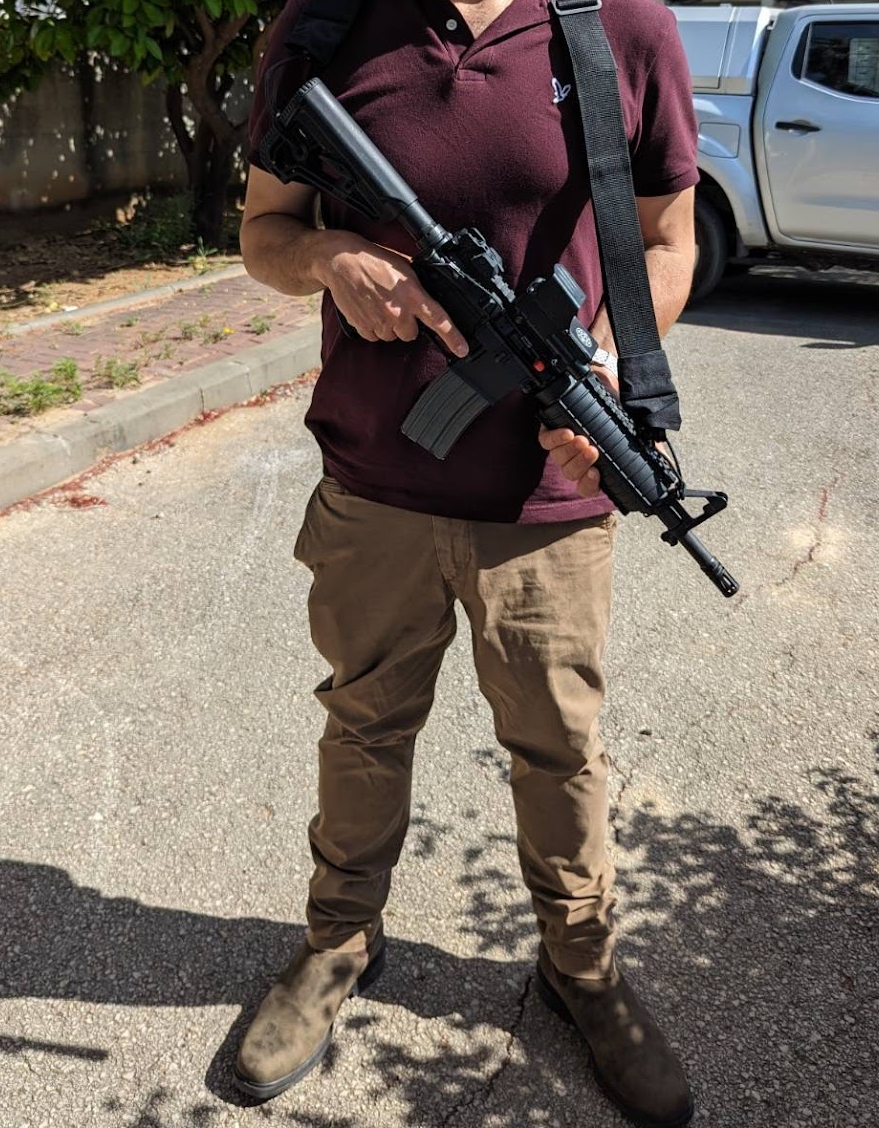
Weight distribution was excellent. The Mekutzar felt more balanced than either a standard M16A1 or later American carbines because the Israeli modifications considered the rifle as a complete system rather than just shortening an existing design.
Elite units and the carbine advantage
The Mekutzar found its primary home with Israeli special forces and elite infantry units. Sayeret units; the IDF's special reconnaissance forces; adopted the carbine for its combination of firepower and maneuverability in close-quarters operations.
Golani Brigade, one of the IDF's premier infantry formations, used Mekutzar rifles extensively during operations in Lebanon during the 1980s. The shorter rifle was easier to maneuver in urban environments and vehicle-mounted operations while maintaining the stopping power of the 5.56mm cartridge.

Givati Brigade, another elite infantry unit, preferred the Mekutzar for mechanized operations. The carbine's compact size made it practical for troops operating from M113 APCs and later Merkava tanks in infantry support roles.
Nahal Brigade, which combines military service with agricultural settlement duties, found the Mekutzar ideal for both combat operations and security duties at kibbutzim and settlements. The rifle's versatility made it suitable for everything from patrol work to defensive operations.
The carbine's success with these units established a template that would influence Israeli small arms thinking for decades: shorter barrels, reliable operation, and adaptability to multiple roles.
The M4 transition: American carbines meet Israeli needs
By the 1990s, the IDF began transitioning from their homemade Mekutzar carbines to American-made M4 carbines. The shift wasn't driven by problems with the Mekutzar; the Israeli conversions had proven reliable and effective. Instead, it reflected changing military requirements and the availability of purpose-built carbines from Colt.
The M4's 14.5-inch barrel length matched the Mekutzar's dimensions, but the American carbine offered several advantages. The M4's carbine-length gas system was properly engineered from the start, rather than being a field modification. The collapsible stock provided better fit for different operators and easier storage in vehicles.
More importantly, the M4 was designed to accept modern accessories. As optical sights, laser designators, and other electronics became standard infantry equipment, the M4's flat-top receiver and accessory mounting systems proved superior to the modified M16A1 platform.
Israeli M4s weren't identical to American military versions. The IDF specified several modifications including different flash suppressors, modified trigger groups, and Israeli-made accessories. Many rifles were fitted with Israeli optical sights and electronic systems not available to American forces.
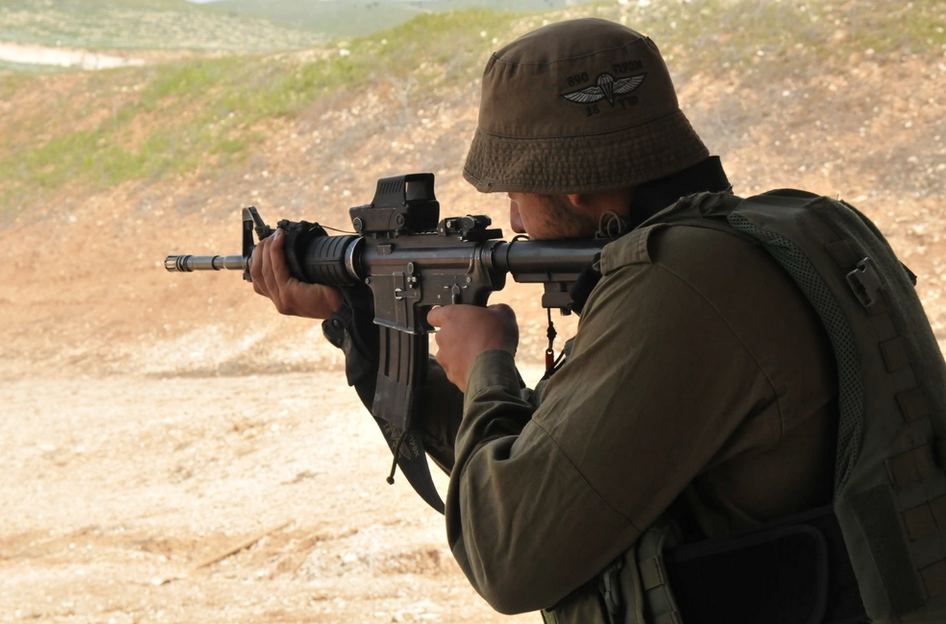
The transition happened gradually, with different units receiving M4s based on their operational requirements. Special forces units received the new carbines first, followed by elite infantry brigades, and finally regular infantry formations.
What the IDF learned about carbine conversions
The Mekutzar program taught Israeli armorers several important lessons about carbine conversions that American manufacturers would later rediscover during M4 development:

Gas port size matters more than location. Early Mekutzar conversions had cycling problems because armorers focused on moving the gas port forward without properly sizing it for the new barrel length. The solution required both repositioning and enlarging the port.
Flash suppression becomes critical with shorter barrels. The standard M16A1 flash hider was completely inadequate on 14.5-inch barrels. Muzzle flash was so severe it compromised night vision and revealed positions. The Israeli cylindrical suppressor solved this but required careful internal design.
Handguard systems need complete redesign. Simply cutting down M16A1 handguards left sharp edges and poor heat dissipation. The Israeli solution involved custom handguard fabrication that maintained structural integrity while reducing weight.
Barrel harmonics change with length modifications. Some early Mekutzar rifles lost accuracy compared to their M16A1 parents. The solution required careful attention to barrel threading, gas port drilling, and front sight base installation to maintain the barrel's natural frequency.
Bipod integration affects accuracy more than expected. Mounting bipods to shortened barrels created harmonic issues that opened groups. The Israeli mounting system had to account for the changed barrel dynamics to maintain precision.
The Tavor detour: Why Israel tried to replace the AR platform
In the early 2000s, the IDF made a controversial decision to replace their M4 carbines with the domestically-produced Tavor TAR-21 bullpup rifle. The move was driven by several factors: desire for domestic production, belief that bullpup design offered advantages in urban combat, and political pressure to support Israeli defense industries.
The Tavor offered some genuine advantages over the M4 platform. Its bullpup configuration provided rifle-length ballistics in a carbine-sized package. The 18-inch barrel delivered better velocity and range than M4 carbines while maintaining overall length comparable to a collapsed M4.
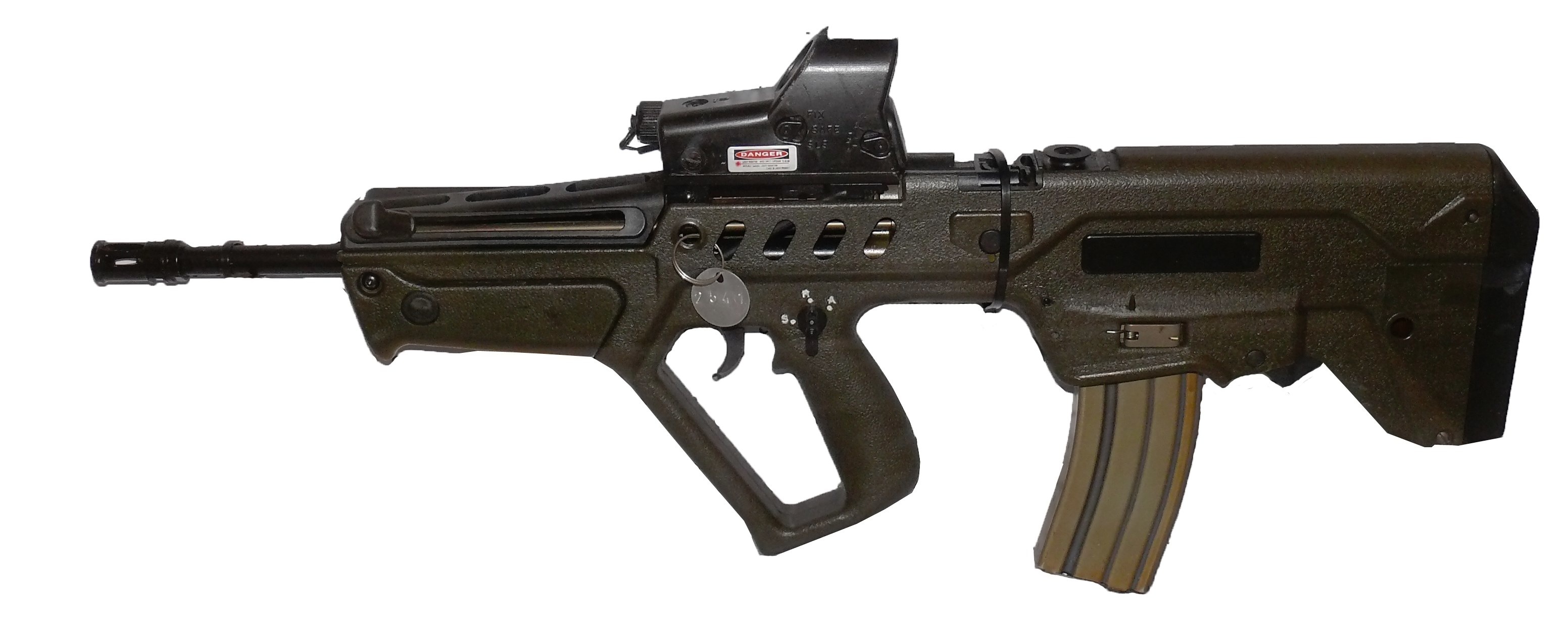
The rifle's ambidextrous controls and ejection system made it suitable for both left and right-handed shooters; important for a military that draws from a diverse population. The integrated optical sight mount eliminated the need for separate rail systems.
However, the Tavor also introduced problems that became apparent during extended field use. The bullpup trigger system, while functional, couldn't match the precision of a direct trigger group. Reloading was slower and more awkward than with conventional rifles, particularly under stress.
More critically, the Tavor's maintenance requirements were higher than M4 carbines. The complex gas system and integrated components made field stripping more difficult. Parts availability became an issue as Israeli forces deployed globally and couldn't rely on local supply chains.
The rifle's weight distribution, while balanced, felt different from the AR platform that Israeli soldiers had used for decades. Training requirements increased as soldiers had to learn completely new manual of arms.
What went wrong with the Tavor transition
After handling both Israeli M4s and Tavor rifles extensively, the problems with the bullpup transition become clear. The Tavor is a competent rifle, but it solved problems the IDF didn't actually have while creating new ones.
The ballistic advantage of the 18-inch barrel was real but not decisive in most combat scenarios. Israeli engagements typically happen at ranges where M4 carbine performance is adequate. The extra velocity didn't translate to meaningful tactical advantages.

Ergonomics were the bigger issue. Soldiers who had trained on AR-platform rifles for decades found the Tavor's controls unintuitive under stress. Reloading procedures that were automatic with M4s required conscious thought with the bullpup.
The integrated optical sight, while convenient, limited upgrade options. As night vision and thermal optics became standard, the Tavor's fixed mounting system became a liability rather than an advantage.
Maintenance in field conditions proved problematic. The Tavor's gas system, while reliable, required more frequent cleaning than M4 carbines. In desert environments, this became a significant burden on unit armorers.
Most importantly, the rifle didn't interface well with modern accessories. While the Tavor could mount lights, lasers, and other electronics, the mounting solutions were often awkward compared to the mature AR-platform ecosystem.
The 2024 reversal: Back to AR platform rifles
The IDF's recent decision to phase out Tavor rifles in favor of new AR-platform weapons represents one of the most significant small arms reversals in modern military history. Rather than continuing with the bullpup design, Israeli forces are transitioning to domestically-produced rifles based on the AR-15/M4 pattern.
The shift reflects hard-learned lessons from recent conflicts, particularly operations in Gaza, Judea and Samaria. Israeli commanders found that AR-platform rifles offered better performance in urban combat environments, faster reloading under stress, and superior compatibility with modern accessories.
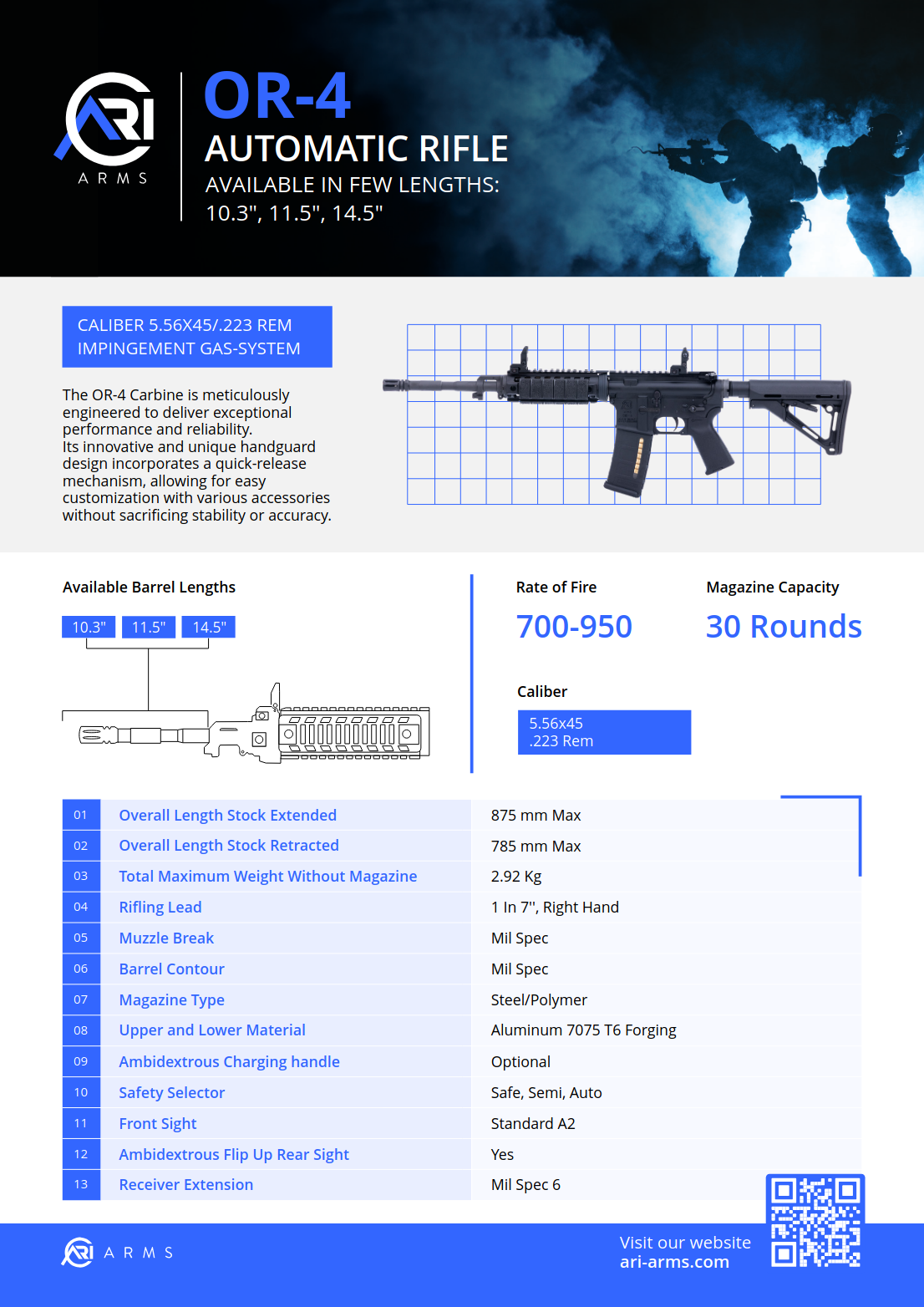
Three Israeli manufacturers are competing for the primary contract: ARI Arms with their OR-4 rifle, IWI with the Arad system, and Emtan with the MZ-4. Each represents a different approach to improving the basic AR platform for Israeli requirements.
The ARI Arms OR-4 has reportedly won the initial contract for special forces units. The rifle features a 14.5-inch barrel, ambidextrous controls, and a proprietary operating system that promises improved reliability over standard direct impingement designs.
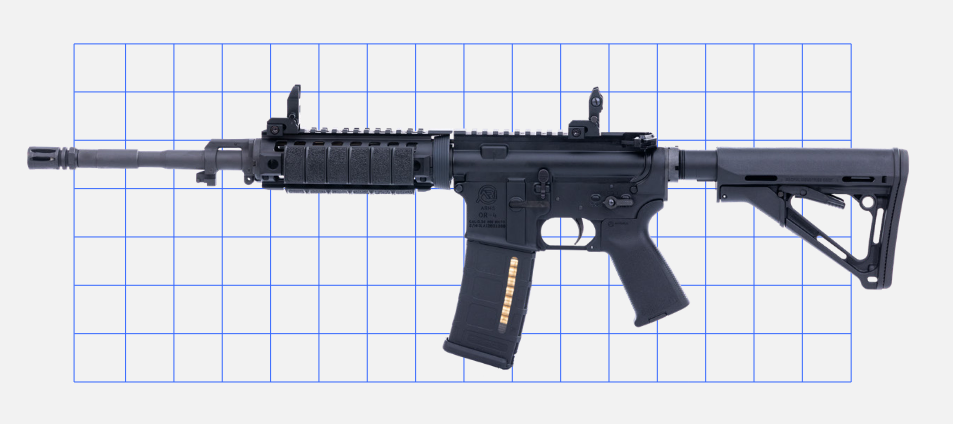
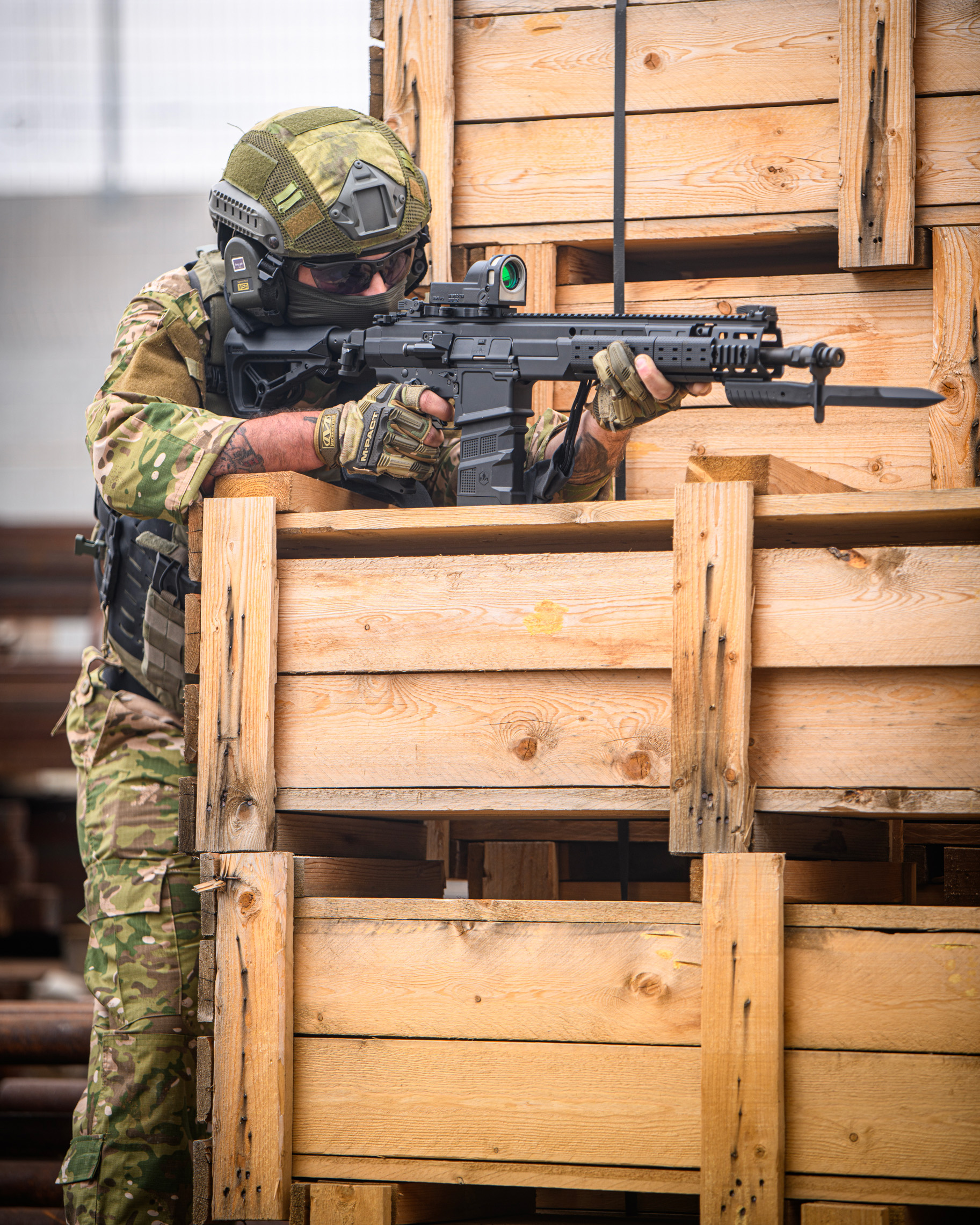
IWI's Arad rifle takes a more conservative approach, maintaining direct impingement operation while upgrading materials and manufacturing processes. The company's experience with the Galil and Tavor programs informed the design, which emphasizes durability and ease of maintenance.
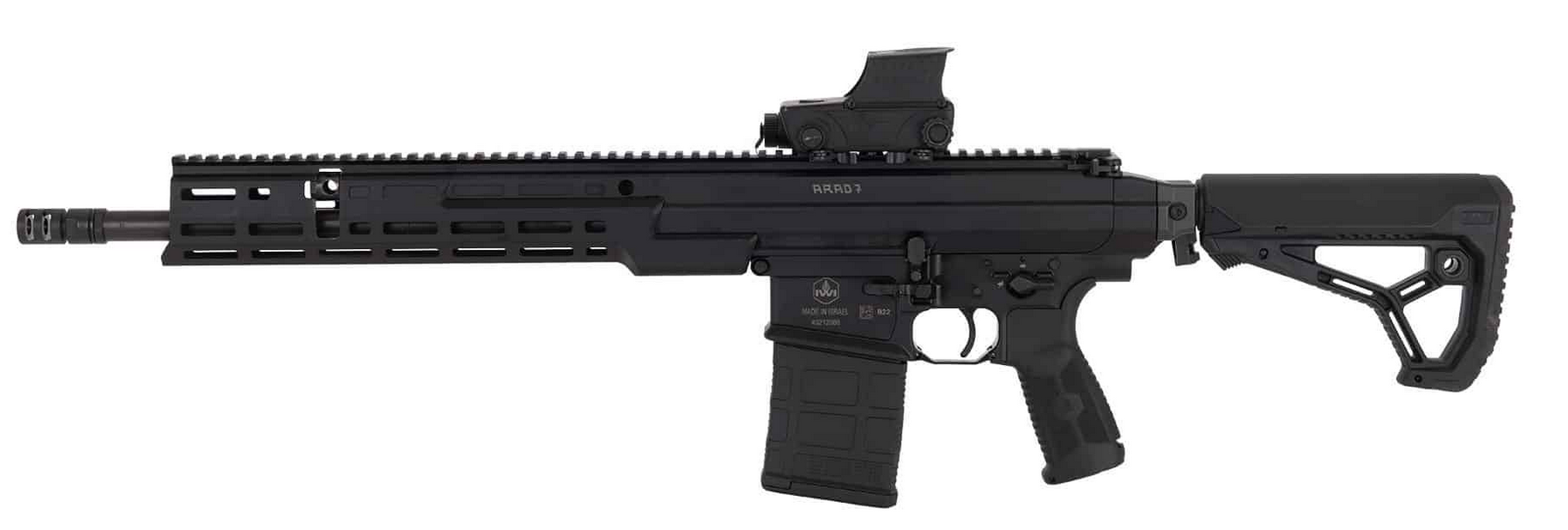
Arad's features: Short-stroke gas piston
Multi caliber by barrel change 6.5C and 7.62×51
3 position gas regulator
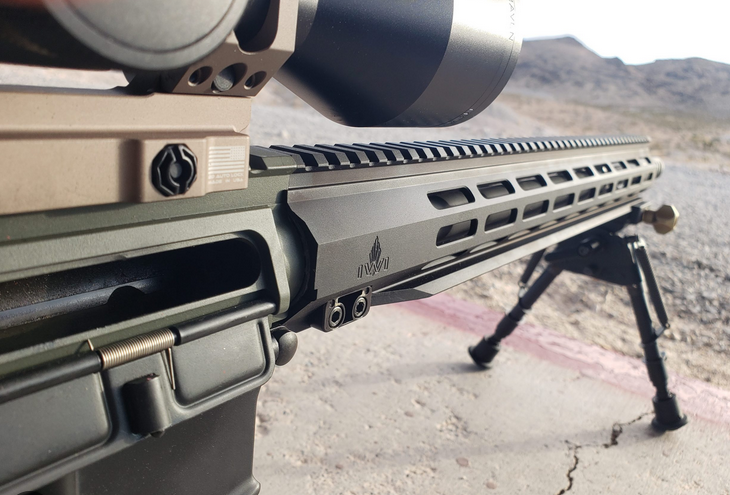
MIL-STD 1913/M LOK accessory rails at the every 45 degrees around the whole handguard
Hard-anodized monolithic aluminum MIL-STD 1913 Rail in the upper receiver
Fully ambidextrous
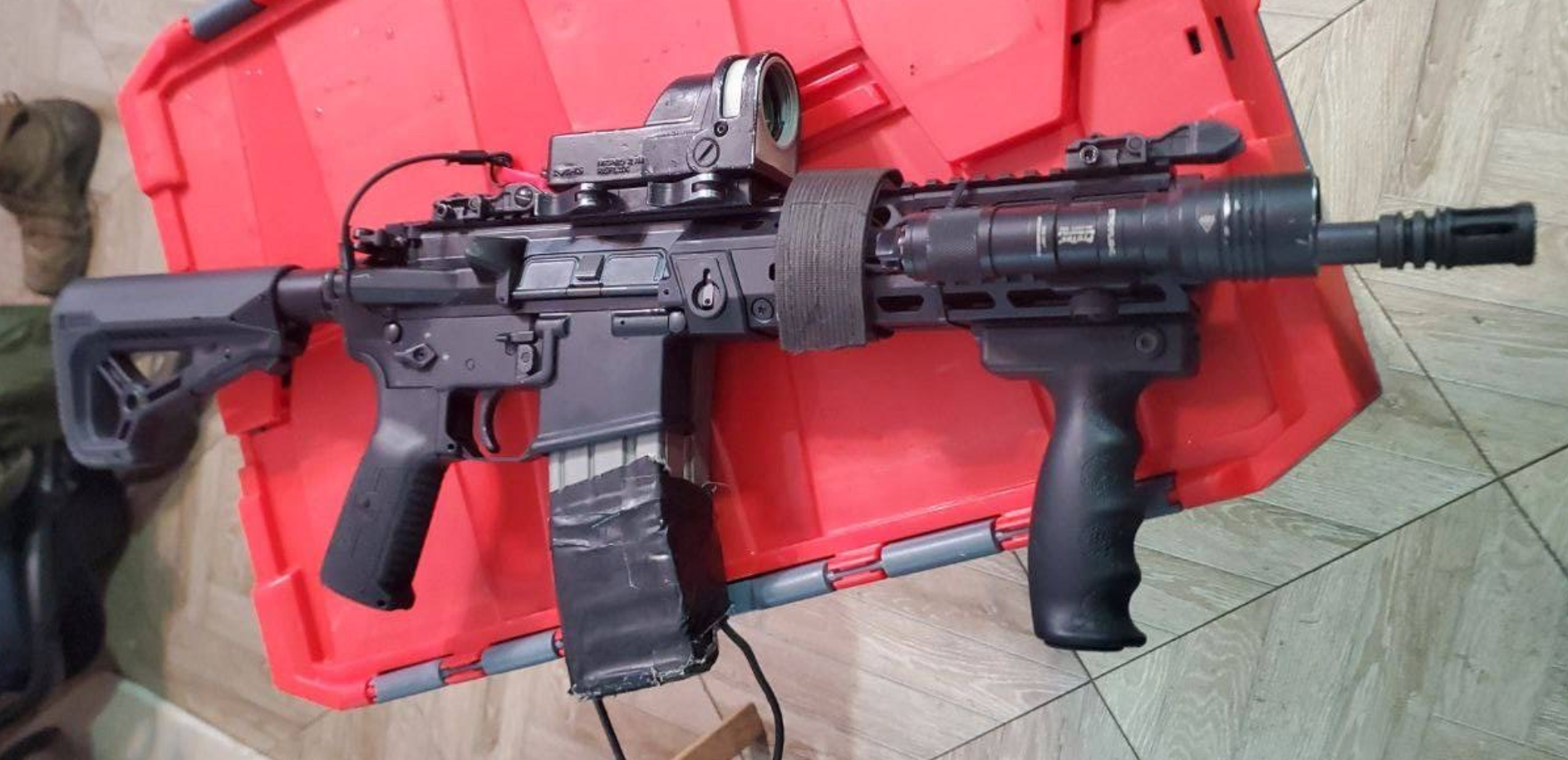
A battle-ready Arad rifle. Emtan's MZ4P (piston variant) represents the most radical departure from standard AR design. The rifle incorporates a short-stroke piston system and modular construction that allows rapid barrel changes and caliber conversions.
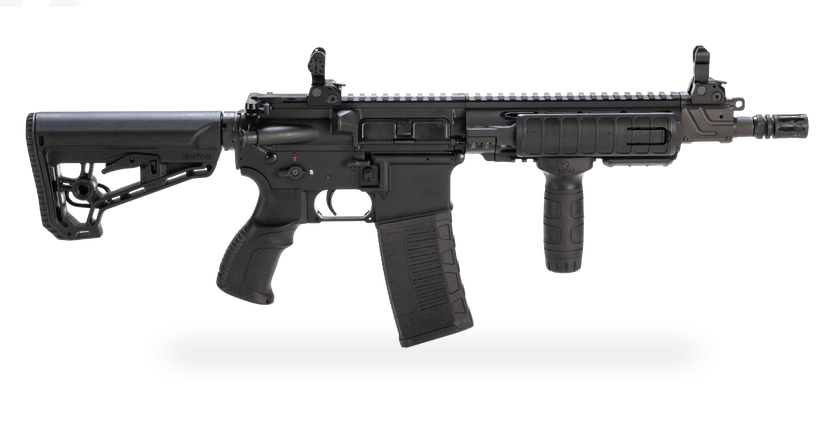
A gas piston operated Emtan MZ-4P with a 10.5" barrel.
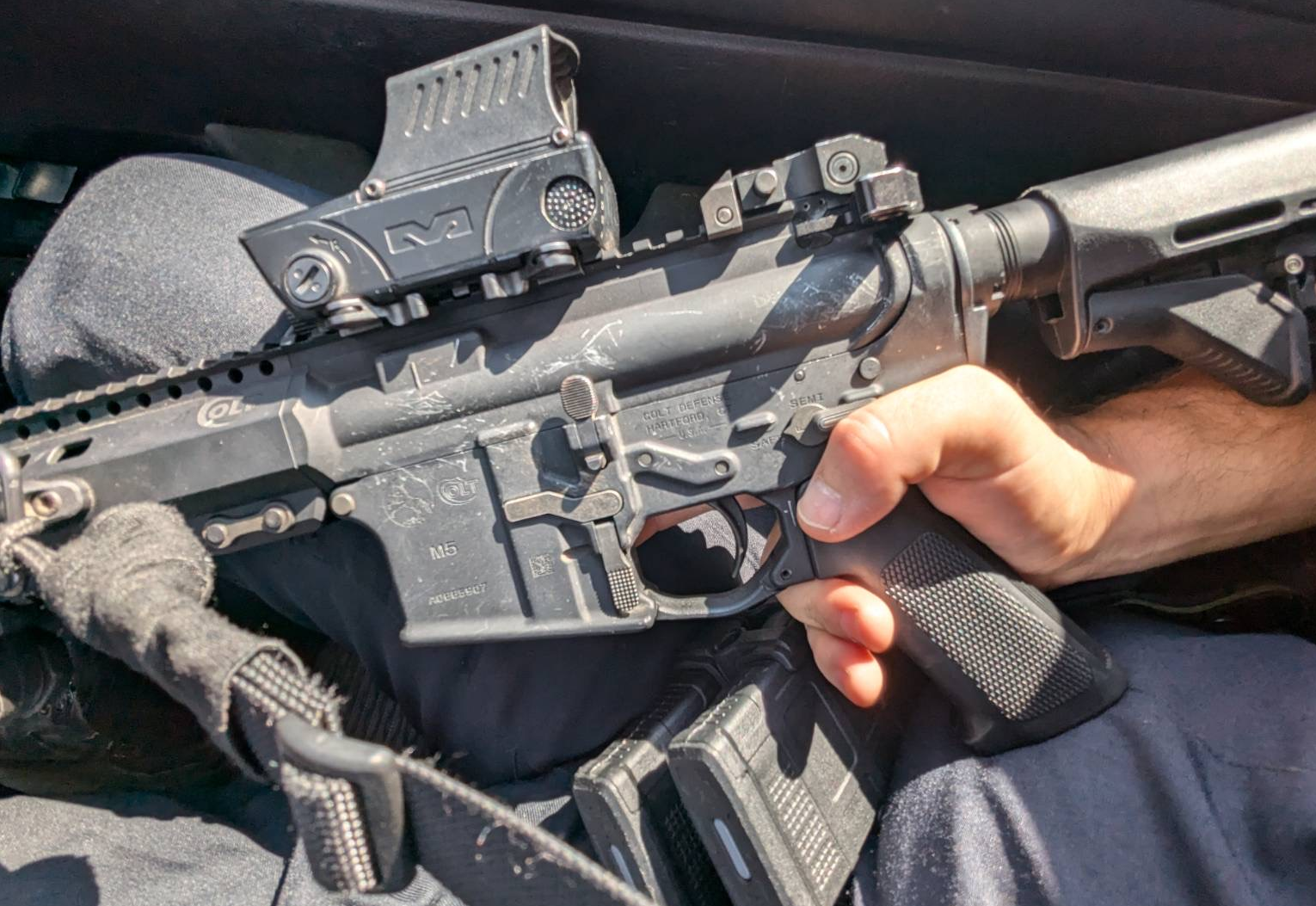
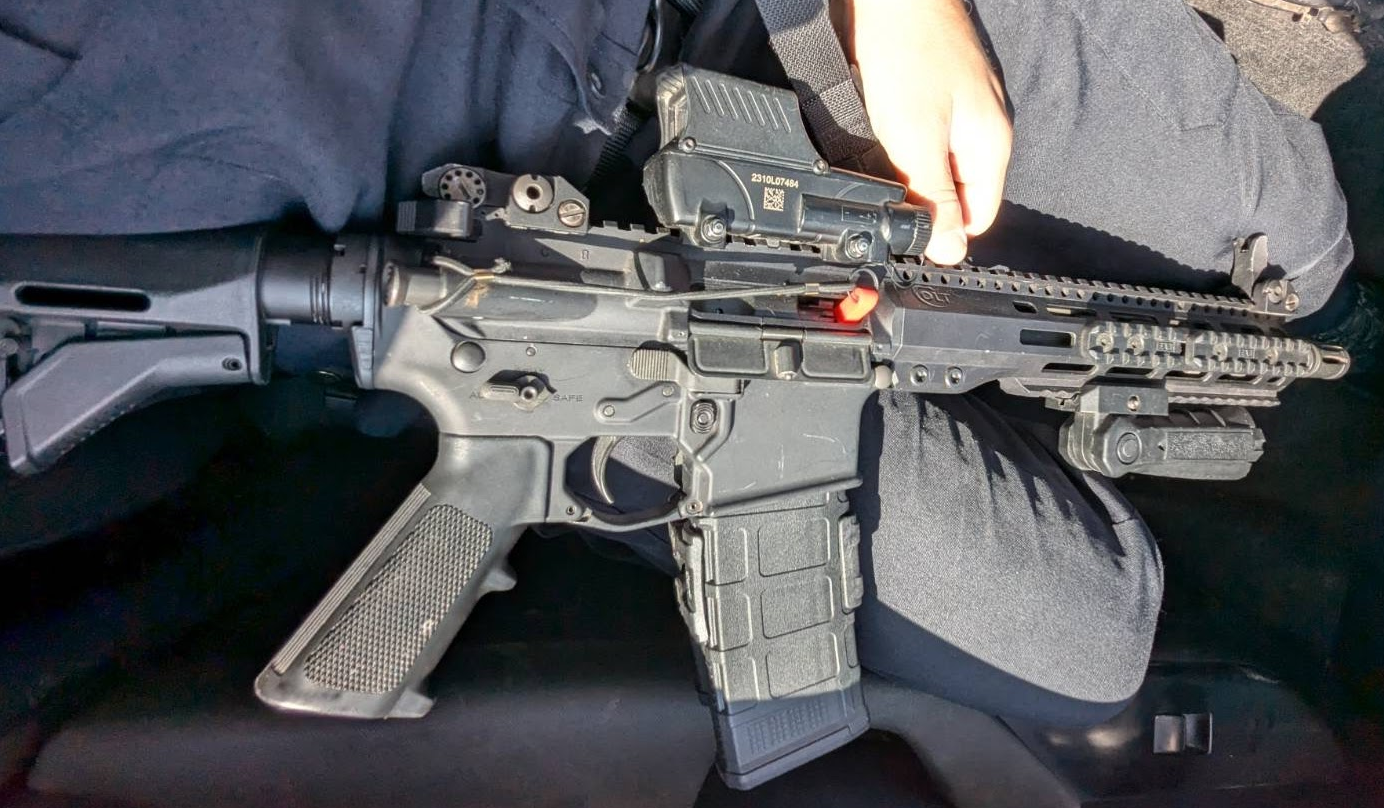
IDF and Israel police forces have also been seen with the Colt M5 carbine.
Unit assignments: Who gets what rifle
The current transition plan assigns different rifle systems based on unit roles and requirements. The distribution reflects lessons learned from decades of combat experience and the specific needs of different military formations.

Sayeret units and special forces are receiving the ARI Arms OR-4 rifles first. These elite formations require the most advanced capabilities and can absorb the training requirements for new weapon systems. The OR-4's enhanced reliability and accuracy make it suitable for precision operations and extended missions.
Golani and Givati Brigades, the IDF's premier infantry formations, are transitioning to IWI Arad rifles. These units need proven reliability and ease of maintenance for sustained combat operations. The Arad's conservative design philosophy matches their operational requirements.
Nahal Brigade and other infantry formations are receiving Emtan MZ-4 rifles. The modular design allows these units to adapt their weapons for different missions, from settlement security to mechanized operations.
Paratroopers and other rapid deployment forces are maintaining M4 carbines for now, with upgrades planned as Israeli-made rifles become available. The familiar platform reduces training requirements for units that deploy frequently.
Regular infantry and reserve formations will transition last, receiving whichever Israeli rifle system proves most successful in combat testing. This approach ensures that lessons learned from elite unit employment inform the broader transition.
Technical comparison: Israeli AR variants vs American M4
The new Israeli rifles represent significant improvements over both the M4 carbines they're replacing and the Tavor rifles being phased out. Each manufacturer has addressed specific shortcomings identified during combat operations.
The ARI Arms OR-4 features a modified direct impingement system with improved gas regulation. The rifle maintains the familiar AR-15 manual of arms while reducing fouling and improving reliability in adverse conditions. Barrel life is reportedly 50% longer than standard M4 carbines.
IWI's Arad incorporates advanced metallurgy and manufacturing processes developed for the Galil program. The rifle's receiver is machined from high-strength aluminum alloy, and the barrel uses advanced steel compositions. Accuracy is guaranteed to 1.5 MOA with match ammunition.
Emtan's MZ-4 piston system eliminates the fouling issues associated with direct impingement operation. The rifle runs cleaner and cooler than conventional AR platforms, with reduced maintenance requirements. The modular barrel system allows caliber changes in under two minutes.
All three rifles feature ambidextrous controls, improved trigger systems, and enhanced accessory mounting capabilities. Weight is comparable to M4 carbines despite the additional features, and all maintain compatibility with standard AR-15 magazines and accessories.

Colt M5 carbine Deals
Prices may change. May contain affiliate links.
The Israeli rifles also incorporate lessons learned from urban combat operations. Enhanced flash suppression, improved muzzle devices, and optimized barrel lengths reflect the realities of modern warfare rather than traditional military specifications.
Shooting the new Israeli rifles
Range time with the ARI Arms OR-4 reveals a rifle that feels familiar but performs better than standard M4 carbines. The modified gas system produces noticeably less felt recoil, and the rifle stays on target better during rapid fire. Brass ejection is more consistent, and the rifle cycles reliably with both brass and steel-cased ammunition.
The IWI Arad feels heavier than a standard M4 but balances better. The enhanced receiver rigidity translates to improved accuracy, particularly during sustained fire when barrel heating affects precision. The trigger system is crisp and consistent, with a clean break that aids precision shooting.
Emtan's MZ-4 operates differently from direct impingement rifles but maintains familiar controls. The piston system produces a different recoil impulse; sharper but with less muzzle rise. The rifle runs noticeably cleaner, with minimal fouling even after extended firing sessions.
All three rifles handle modern accessories better than older M4 carbines. The enhanced rail systems provide more mounting options, and the improved receivers handle the stress of heavy optics and electronics without accuracy degradation.
Common issues with Israeli AR variants
Early production rifles have shown several recurring problems that units are learning to address:
Gas system tuning varies between manufacturers. Some rifles are overgassed for reliability, leading to accelerated bolt carrier wear. Others are undergassed and won't cycle reliably with certain ammunition types. Proper gas system adjustment requires understanding each manufacturer's specifications.
Magazine compatibility isn't universal. While all rifles accept standard AR magazines, some aftermarket magazines cause feeding issues. Israeli-made magazines work best, but sourcing can be problematic for units operating outside Israel.
Optics mounting requires specific torque specifications. The enhanced receivers are stiffer than standard AR uppers, and improper mounting can stress optics or affect zero retention. Each rifle comes with specific mounting instructions that must be followed.
Barrel heating affects accuracy differently. The improved barrel steels used in Israeli rifles have different thermal characteristics than standard M4 barrels. Point of impact shifts occur at different round counts and temperatures.
Cleaning procedures differ from standard M4 maintenance. Each manufacturer has specific cleaning requirements that don't match standard AR-15 procedures. Using incorrect solvents or cleaning techniques can damage specialized coatings.
What this means for global small arms
The IDF's return to AR-platform rifles represents more than just a procurement decision. It validates the fundamental soundness of Eugene Stoner's design while demonstrating that significant improvements are still possible within the basic architecture.
The Israeli experience with bullpup rifles provides valuable data for other militaries considering similar transitions. The Tavor's problems weren't unique to Israeli service; they reflect fundamental limitations of the bullpup concept that affect all such designs.
More importantly, the new Israeli rifles demonstrate that domestic production of advanced small arms is achievable for smaller nations. The technical sophistication of the OR-4, Arad, and MZ-4 rivals anything produced by major manufacturers while incorporating lessons learned from decades of combat experience.
The competition between three Israeli manufacturers is driving innovation at a pace that established companies struggle to match. Features that took American manufacturers years to develop are appearing in Israeli rifles within months of identification as requirements.
This technological advancement is already influencing global markets. American manufacturers are studying Israeli innovations and incorporating similar features into their own designs. The competition is raising standards across the industry.

The next phase of IDF small arms
The current rifle transition is just the beginning of a broader IDF modernization program. Future developments will likely include enhanced ammunition types, integrated electronics, and modular weapon systems that can adapt to changing mission requirements.
The success of the Israeli AR variants may influence other nations to reconsider their own small arms programs. The combination of domestic production capability and advanced performance could make Israeli rifles attractive for export markets.
For American shooters, the Israeli innovations represent a preview of future developments. Features pioneered in combat by IDF forces often appear in civilian rifles within a few years. The enhanced reliability, accuracy, and modularity of Israeli designs will likely influence American manufacturers.
The IDF's 50-year journey with AR-platform rifles demonstrates both the enduring value of good design and the importance of continuous improvement. From emergency M16A1 shipments to cutting-edge Israeli variants, the story shows how military requirements drive innovation and how combat experience shapes weapon development.
What started as a desperate need for modern rifles during the Yom Kippur War has evolved into one of the world's most advanced small arms programs. The Israeli experience proves that the AR platform still has room for improvement and that the best innovations often come from those who use weapons in combat rather than those who simply manufacture them.