You need a compact rifle that fits behind the seat, chambers common cartridges, and won't break the bank if it gets dinged up. The Ruger American Ranch keeps showing up in these conversations, usually with someone claiming it's the perfect truck gun for $400.
Here's what actually happens when you run one hard for six months. I picked up the Ruger American Ranch in .223 Remington specifically to test this theory: compact bolt gun, 16.12-inch barrel, detachable magazine, and that Ruger price point. The question isn't whether it shoots. It's whether it makes sense as your grab-and-go rifle when you need something that works every time.
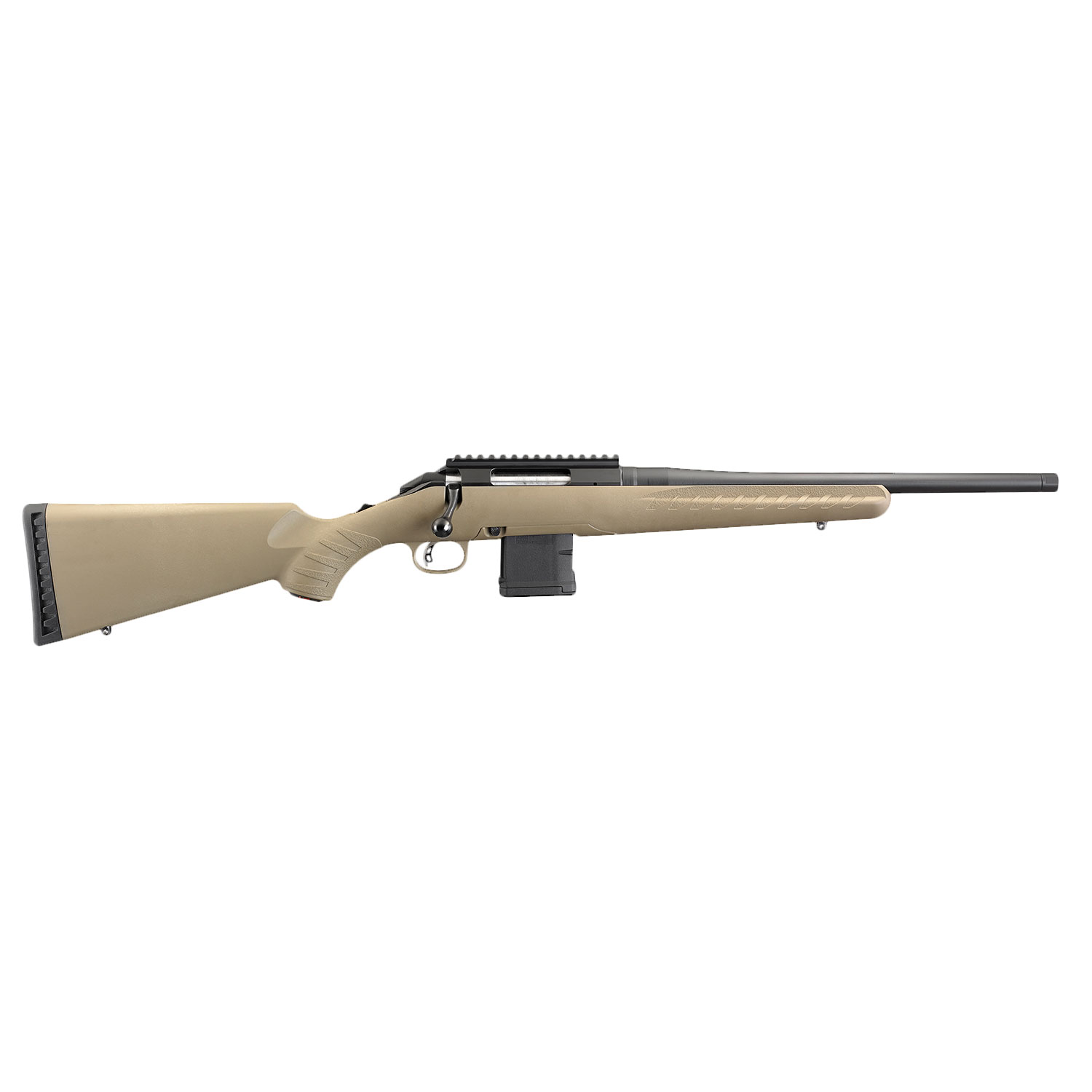
The Ranch sits in an interesting spot. It's not trying to be a precision rifle, but it's more capable than most people expect from a $450 bolt gun. After running mine through ranch work, coyote calls, and enough range sessions to burn through 800 rounds, I can tell you exactly where it succeeds and where it doesn't.
What you're actually getting
The Ruger American Ranch comes in .223 Remington, .300 Blackout, 7.62x39, .450 Bushmaster, and 6.5 Grendel. The .223 version uses AR-15 magazines, which immediately makes more sense than proprietary mags for a utility rifle. The .300 Blackout and 6.5 Grendel versions also take AR mags, while the 7.62x39 uses Mini-30 magazines.
That 16.12-inch barrel keeps the overall length at 36 inches, short enough to maneuver in a truck cab or tight spaces, long enough to get decent velocity from .223. The synthetic stock feels cheaper than it actually is. It's not going to win any beauty contests, but it's functional and surprisingly rigid for the price point.
The trigger breaks at about 4.5 pounds out of the box. It's not crisp, but it's predictable. There's some creep, but nothing that interferes with practical accuracy. The safety is a simple cross-bolt design behind the trigger guard: positive engagement, easy to operate with gloves.
Ruger's rotary magazine design works better than expected. The 5-round AI-style magazine for .223 feeds reliably and drops free when you hit the release. Loading is straightforward, and I haven't had a single feeding issue in 800 rounds.
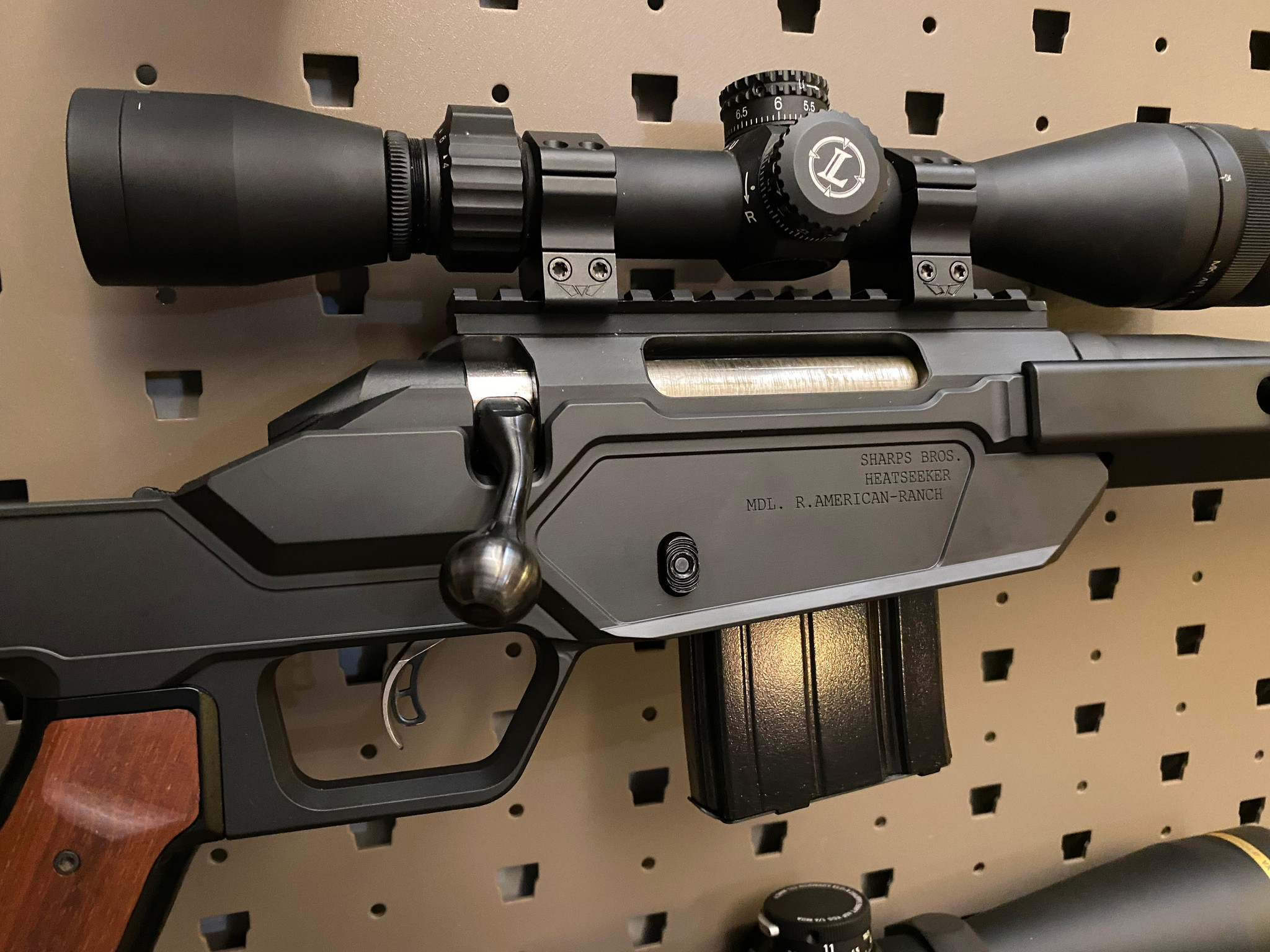
The bolt lift is smooth but not particularly light. It's got that typical budget rifle feel, functional but not refined. The bolt face is recessed properly, and extraction has been reliable with everything from 55-grain FMJ to 77-grain match loads.
Range performance breakdown
First range session, I mounted a Vortex Crossfire II 3-9x40 in Warne medium rings. The rail is properly aligned, and the scope mounted without drama. Zero was straightforward, three shots to get on paper at 50 yards, then move to 100 for final zero.
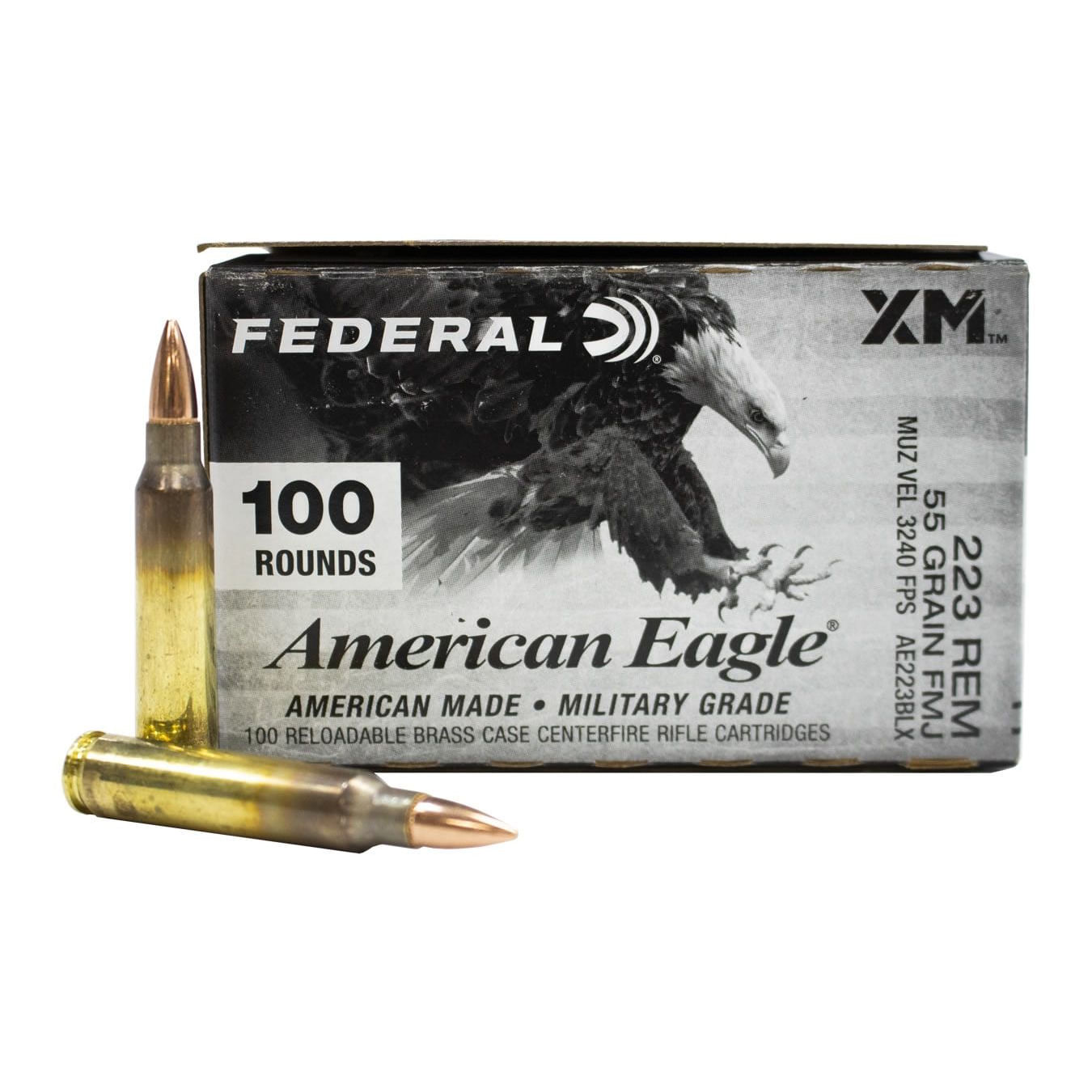
With Federal American Eagle 55-grain FMJ, the Ranch consistently shoots 1.5-inch groups at 100 yards. That's not precision rifle territory, but it's perfectly adequate for a utility gun. The barrel seems to prefer lighter bullets, 55-grain loads consistently outshoot 62-grain and heavier options.
I ran through several different loads to see what the rifle liked:
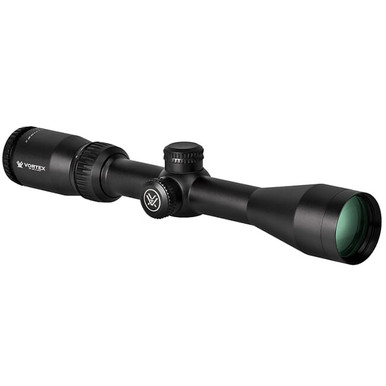
Vortex Crossfire II 3-9x40 Deals
Prices may change. May contain affiliate links.
Federal American Eagle 55gr FMJ: 1.5-inch average
Winchester White Box 55gr FMJ: 1.7-inch average
Hornady Frontier 55gr HP: 1.4-inch average
Federal Gold Medal Match 77gr BTHP: 2.1-inch average
PMC Bronze 55gr FMJ: 1.6-inch average
The pattern is clear, this barrel stabilizes lighter bullets better. The 1:8 twist should handle 77-grain bullets fine, but this particular rifle shoots them poorly. That's not uncommon with budget barrels.
Velocity from the 16.12-inch barrel runs about what you'd expect. Federal 55-grain clocked 3,180 fps average, which is roughly 150 fps slower than you'd get from a 20-inch barrel. Still plenty of steam for coyotes out to 300 yards.
Build notes: What works and what doesn't
The stock is the weak point, but not for the reasons you'd think. It's not the material, the synthetic is tough enough. The problem is the forend flex. With a bipod attached, you can watch the barrel move as you load the bipod. This kills consistency for precision work.
The bedding is adequate but not great. There's some movement between the action and stock under pressure. For a truck gun, it doesn't matter. If you want to wring accuracy out of this rifle, you'll need to address the bedding.
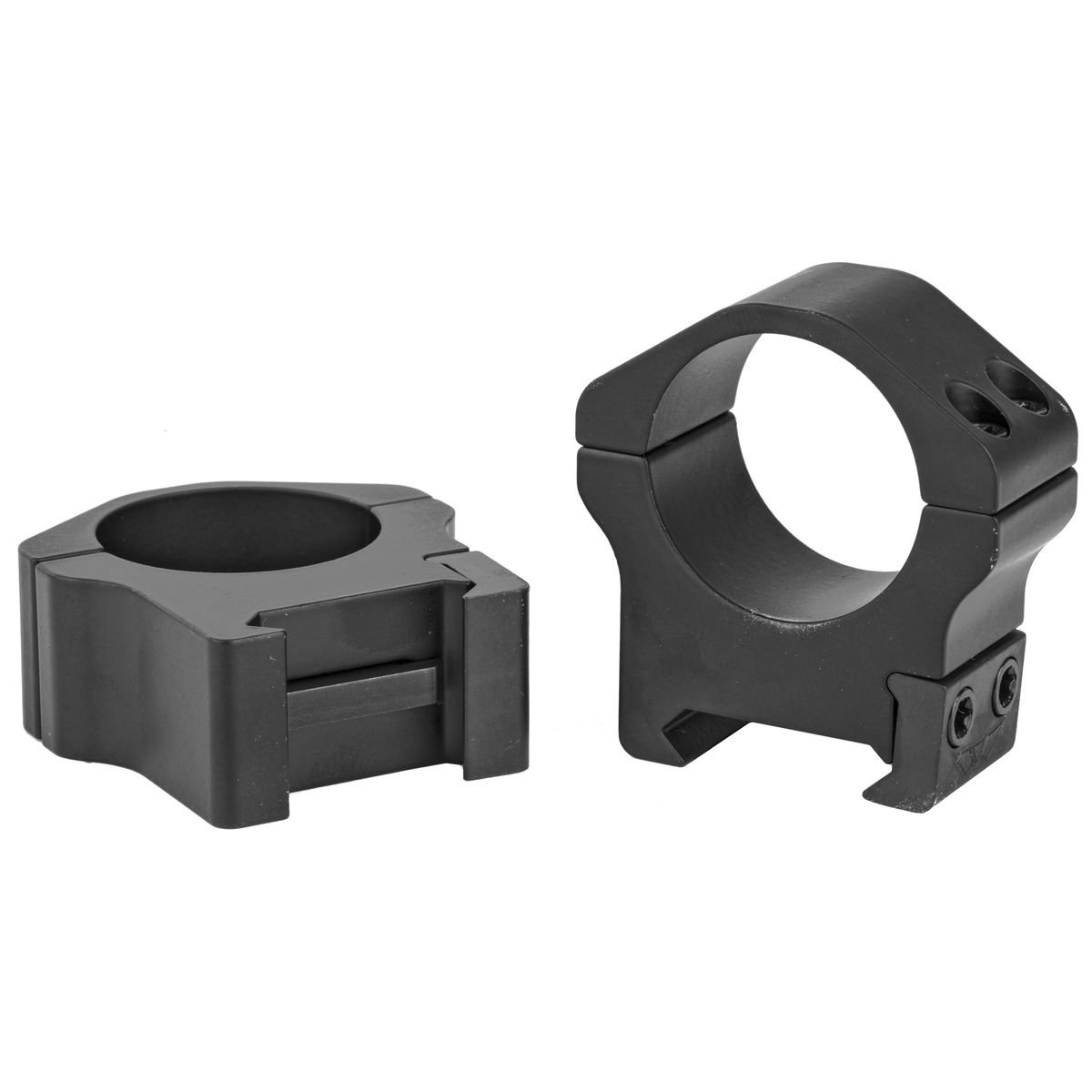
Warne Maxima Medium Rings Deals
Prices may change. May contain affiliate links.
The trigger is serviceable but not adjustable. It's a lawyer trigger, safe but not inspiring. The break is mushy, and there's noticeable overtravel. It's consistent enough for practical work, but it's not helping your precision.
The magazine system actually works well. The AI-style magazines are robust, and the release is positive. I've dropped loaded magazines on concrete without issues. The 5-round capacity is limiting for some applications, but it keeps the profile compact.
One surprise: the bolt runs smoother after about 200 rounds. The initial stiffness works out, and cycling becomes more fluid. It's still not buttery smooth, but it's acceptable for field use.
The rail is properly positioned and seems solid. I've run scopes from 1-4x variables to 4-16x without issues. The eye relief works fine with most optics designed for AR-15s.
Field performance reality
This is where the Ranch either proves itself or falls apart. I've used mine for everything from predator calling to fence line patrol work. The compact size is genuinely useful, it fits in places where a full-size rifle won't.
On coyote stands, the Ranch has been reliable. The .223 performance is adequate for shots out to 250 yards with good bullet placement. The short barrel doesn't hurt velocity enough to matter at these ranges. The bolt action is actually an advantage for follow-up shots, you're forced to work the bolt, which helps with shot placement on running animals.
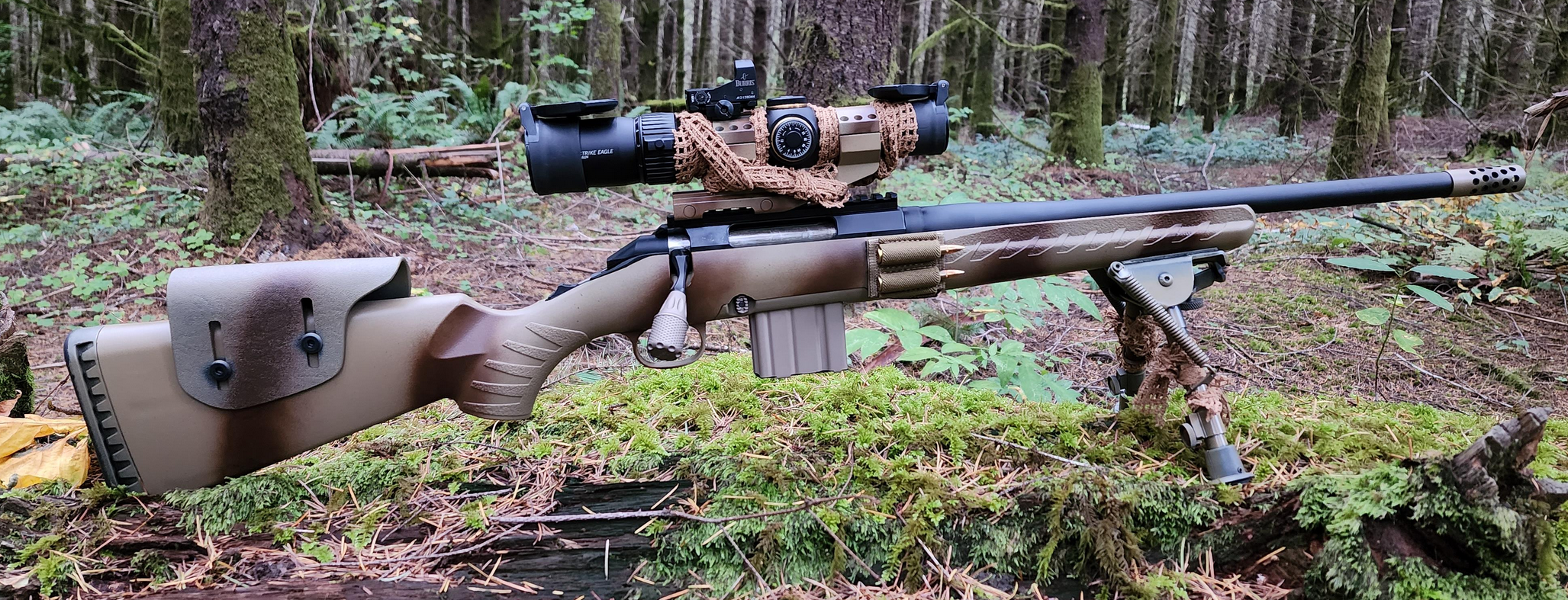
The synthetic stock handles weather without issues. I've had it soaked in rain, covered in mud, and frozen solid. It cleans up easily and doesn't seem affected by temperature swings. The metal finish is basic but functional, some surface rust after wet conditions, but nothing serious.
Magazine changes are slower than an AR, obviously, but the detachable magazine is still faster than a blind magazine. For most truck gun applications, 5 rounds is adequate. If you need more firepower, you probably need a different tool.
The short barrel makes the rifle handy in tight spaces. Getting in and out of vehicles is easier, and maneuvering around farm equipment or in brush is less awkward than with a full-size rifle.
Common problems and fixes
Feeding issues with steel case ammo. The Ranch doesn't like steel case ammunition. I had several failures to extract with Wolf and Tula ammo. Brass case runs fine, but steel case binds up occasionally. This is common with tight chambers on budget rifles.
Scope mounting problems. The factory rail works, but cheap rings will give you trouble. Spend the extra $30 on decent rings, Warne or Leupold. The rail itself is solid, but it needs proper rings to work correctly.
Trigger slap. The factory trigger has enough overtravel to slap your finger on rapid shots. It's not painful, but it's noticeable. There's no easy fix without replacing the trigger group.
Stock flex affecting accuracy. The forend flexes enough to change point of impact with different shooting positions. Free-floating the barrel helps, but it requires some stock work. For most applications, just be consistent with your shooting position.
Magazine fit issues. Some aftermarket AR magazines don't fit properly. Magpul PMAGs work fine, but some steel magazines bind up. Test your magazines before depending on them.
Product comparison: Ranch vs alternatives
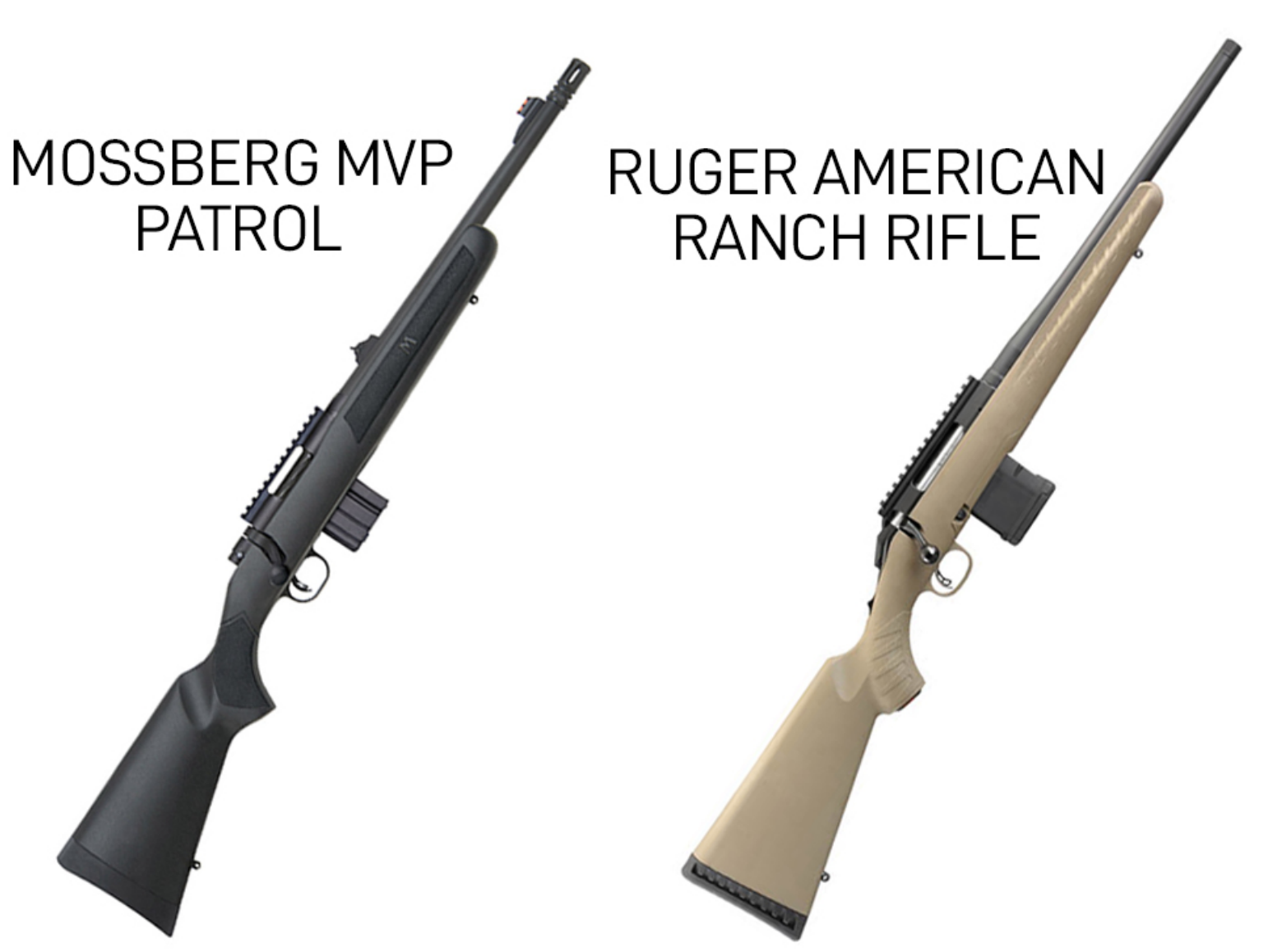
Ruger American Ranch (.223) - 16.12-inch barrel, AR magazine compatible, synthetic stock, 1:8 twist. Designed for utility work, adequate accuracy, reliable feeding with brass case ammo. Best for: truck gun, predator hunting, general ranch work.
Mossberg MVP Patrol - 16.25-inch barrel, AR magazine compatible, synthetic stock, 1:7 twist. Similar concept but heavier build. The action is smoother, but the rifle is noticeably heavier. Accuracy is comparable. Better trigger out of the box.
Savage Axis II Compact - 16-inch barrel, internal magazine, synthetic stock, various twist rates. Cheaper than the Ranch but limited by the blind magazine. Accuracy is similar, but reloading is slower. The AccuTrigger is better than Ruger's factory trigger.
Thompson Center Compass Compact - 16.5-inch barrel, detachable magazine, synthetic stock, 1:8 twist. Discontinued but available used. Similar performance to the Ranch but with a better trigger. Magazine system is less robust.
CZ 527 Carbine - 18.5-inch barrel, detachable magazine, hardwood stock, 1:9 twist. More expensive but significantly better build quality. The controlled-round-feed action is smoother, and accuracy is typically better. Heavier and more traditional styling.
The Ranch sits in the middle of this group for price and performance. It's not the cheapest option, but it offers features that the budget rifles don't. It's not as refined as the CZ, but it's significantly less expensive.
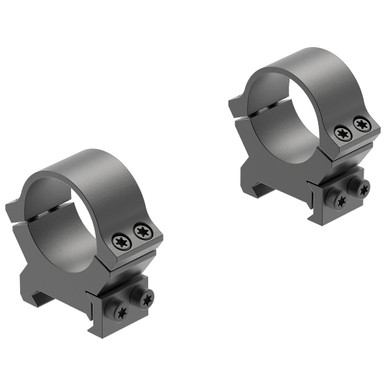
Leupold PRW Medium Rings Deals
Prices may change. May contain affiliate links.
What you'll notice after 500 rounds
The bolt smooths out considerably. Initial stiffness gives way to acceptable operation, though it never becomes truly smooth. The trigger doesn't change much, it remains functional but uninspiring.
Accuracy stays consistent if you stick with loads the rifle likes. I haven't seen any degradation in precision over 800 rounds. The barrel seems to be holding up well to regular use.
The stock shows wear but no structural issues. Dings and scratches are inevitable with field use, but the synthetic material is tough enough for utility work. The checkering provides adequate grip even when wet.
Magazine reliability remains good with quality magazines. I've had zero issues with Magpul PMAGs or quality metal magazines. Cheap magazines still cause problems occasionally.
The scope rail stays tight. I check the screws periodically, but they haven't loosened under normal use. The rail alignment seems consistent, zero hasn't shifted with scope changes.

Magpul PMAG .223 Deals
Prices may change. May contain affiliate links.
Real talk: Who this rifle works for
The Ranch makes sense if you need a compact, reliable rifle for utility work and don't want to spend $800-plus. It's not a precision rifle, but it's accurate enough for most practical applications. The detachable magazine system and compact size are genuine advantages for certain uses.
It doesn't make sense if you want a precision rifle or need something for competitive shooting. The accuracy is adequate but not exceptional, and the trigger limits precision work. It's also not ideal if you shoot a lot of steel case ammo, the tight chamber doesn't play well with cheap ammunition.
For ranch work, predator control, or as a truck gun, the Ranch hits the sweet spot of capability and price. It's reliable enough to depend on, compact enough to be practical, and affordable enough that you won't cry if it gets banged up.
The AR magazine compatibility is a real advantage. If you already run AR-15s, you can share magazines and potentially ammunition. This simplifies logistics and reduces the number of different magazine types you need to stock.
Final setup recommendations
Skip the factory scope mounts and get decent rings. Warne Maxima or Leupold PRW rings are worth the extra cost. The factory rail is fine, but it needs quality rings to work properly.
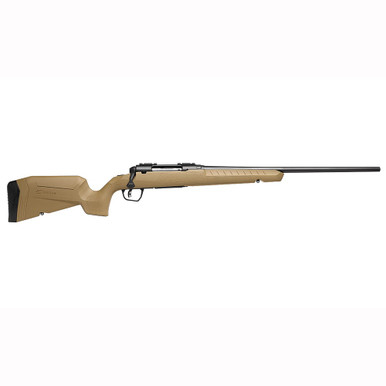
Savage Axis II Compact .223 Deals
Prices may change. May contain affiliate links.
Stick with brass case ammunition for reliability. The rifle will run steel case, but not consistently enough for serious use. Federal American Eagle or Winchester White Box both run reliably and shoot acceptably.
Consider a different stock if accuracy matters. The factory stock works for utility use, but the forend flex hurts precision. A Boyd's or similar aftermarket stock would improve accuracy noticeably.
The trigger is adequate for field use but limiting for precision work. A Timney or similar aftermarket trigger would transform the rifle, but it doubles the investment. For most users, the factory trigger is acceptable.
Buy quality magazines and test them. Magpul PMAGs work well, but test any magazine before depending on it. The magazine release is positive, but some magazines don't fit properly.
Mount a simple, reliable scope. A Vortex Crossfire II 3-9x40 or similar is perfect for this rifle. Don't over-scope it, the rifle's accuracy doesn't justify expensive glass, and the intended use doesn't require maximum magnification.
The Ruger American Ranch delivers exactly what it promises, a compact, reliable, affordable bolt-action rifle that handles utility work without drama. It's not perfect, but it's honest about what it is. For $450, that's enough.