You're at the gun store staring at a wall of ammo boxes. The premium stuff costs twice as much as the bargain brands sitting on the bottom shelf. Your wallet says go cheap, but your rifle deserves better than trash. So where's the line between "good deal" and "false economy"?
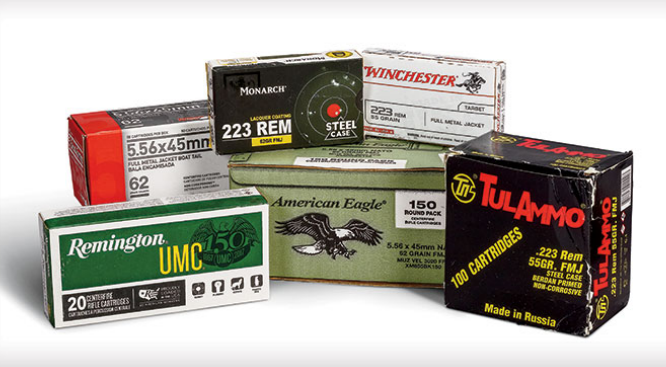
I've burned through thousands of rounds of budget ammo over the years, testing everything from steel-case Russian imports to remanufactured brass that costs less than your morning coffee. Some of it shoots surprisingly well. Some of it belongs in the dumpster behind the factory. The trick is knowing which is which before you waste your money and range time.
Here's what I've learned about finding ammo that won't break your gun, your groups, or your budget.
What makes ammo cheap
Cheap ammo cuts costs in predictable ways. Steel cases instead of brass. Basic lead or FMJ bullets instead of fancy hollow points. Powder charges that prioritize consistency over peak performance. Foreign manufacturing with lower labor costs. Bulk packaging without individual inspection.
The question isn't whether these compromises exist; they do. The question is whether they matter for what you're doing. If you're punching paper at 25 yards with a Glock, steel-case 9mm that costs 15 cents less per round adds up fast over a case. If you're trying to shoot sub-MOA groups at 300 yards, those savings disappear when half your shots land in the next county.
Look, ammunition manufacturing has real fixed costs. Raw materials, quality control, packaging, shipping; none of that's free. When a box costs significantly less than everything else on the shelf, something got cut. Your job is figuring out what got cut and whether you care.
Steel case: The elephant in the room
Steel-cased ammo gets more hate than it deserves. Yes, it's harder on extractors than brass. Yes, some ranges ban it because steel cases don't eject as cleanly and can damage case-processing equipment. Yes, you can't reload it easily. But for high-volume practice shooting, it's hard to beat the price.
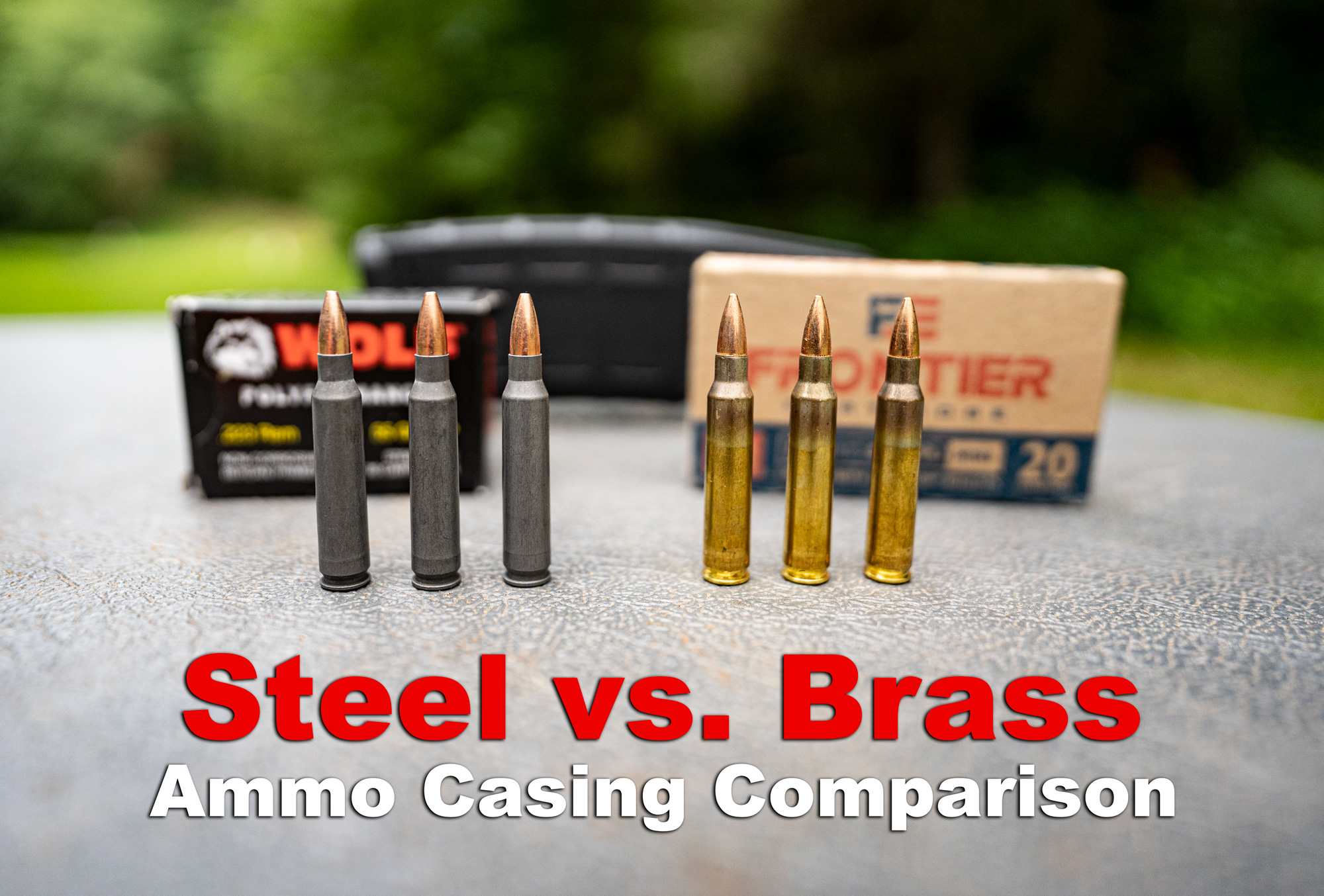
I've put thousands of rounds of Tula, Wolf, and Barnaul through ARs, AKs, and pistols. The guns still work. Accuracy is adequate for most practical purposes; 3-4 MOA from a decent rifle, which is fine for anything inside 200 yards. The biggest issue isn't reliability; it's that steel cases stick in chambers when they get hot. Plan for more frequent cleaning breaks.
The key is matching steel case to the right application. It's perfect for basic marksmanship training, function testing, and getting new shooters comfortable with recoil. It's terrible for precision work, cold-weather shooting (the lacquer coating can gum up), and situations where you need maximum reliability.
Range notes: Steel case works best in guns with generous chamber dimensions. Tight-chambered match rifles sometimes have extraction issues. ARs handle it fine, but expect to clean the chamber more often. AKs were literally designed for this stuff and eat it without complaint.
The reloadable brass bargain
If you reload, cheap brass cases are gold. Even if the factory loads shoot poorly, you're buying primed brass at a fraction of what empty cases cost. Brands like Perfecta, American Eagle, and Winchester White Box use decent brass that reloads well.
The math works like this: A box of 50 rounds of cheap .308 might cost $35. If the brass is good for five reloads, you're paying $7 per loading for cases. Add $15 for powder, primers, and bullets, and you're shooting handloads for $22 per box instead of $35 for factory ammo. The initial factory loads might be mediocre, but your handloads will outshoot anything you can buy.
I've reloaded Winchester White Box brass eight times without case head separation. Federal American Eagle brass is even better; thicker walls, more consistent weight, longer case life. The factory loads aren't match-grade, but the brass is solid.
The catch is that some cheap ammo uses genuinely bad brass. Thin case walls, inconsistent annealing, poor primer pockets. You'll know it when you see it; cases crack on the first firing, primer pockets loosen after two loadings, case mouths split when you seat bullets. Stick with major manufacturers for reloadable brass.
Surplus: Military overruns and old stock
Military surplus ammo represents some of the best bargains in shooting, when you can find it. This stuff was made to military specifications with real quality control. It's designed to function reliably in combat conditions, which means it'll work fine in your rifle.
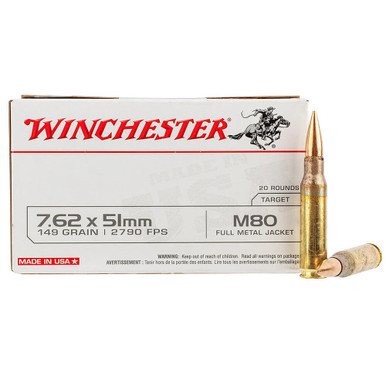
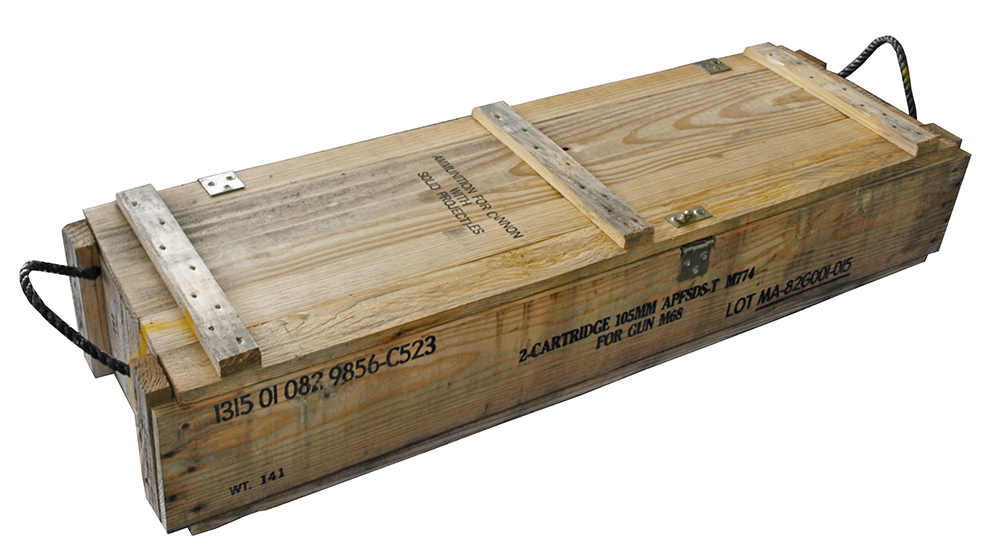
The downside is age and storage conditions. Surplus ammo might be decades old. Powder can deteriorate, primers can become unreliable, and corrosive primers require immediate post-shooting cleaning. But when it's good, it's very good. I've shot 1970s Lake City .308 that grouped better than modern hunting ammo.
Current surplus finds include Yugoslav 8mm Mauser, various .303 British loads, and occasional batches of 5.56 NATO. Prices vary wildly based on availability, but surplus typically costs 30-50% less than equivalent new production. The brass is usually excellent for reloading.
Check the headstamps and do your research. Some surplus uses corrosive primers (anything pre-1960s, plus some Eastern European production into the 1980s). Some uses berdan primers that don't reload easily. Some has pulled bullets or remanufactured components. Know what you're buying.
Remanufactured: Recycled components done right
Remanufactured ammo gets a bad reputation because some companies do it badly. But done right, it's an excellent way to get quality components at budget prices. The good remanufacturers use once-fired brass from ranges, match it by headstamp, and load it with quality powder and bullets.
Federal American Eagle Ammunition Deals
Prices may change. May contain affiliate links.
Freedom Munitions, LAX Ammunition, and several smaller regional companies produce remanufactured ammo that shoots as well as new production at 20-30% lower cost. The key is buying from companies that sort brass properly, use consistent powder charges, and actually test their loads.
The risks are real though. Mixed brass with different case capacities can cause pressure variations. Worn-out brass can fail catastrophically. Poor quality control can result in dangerous overloads or squib loads. Stick with established companies that publish their quality control procedures.
I've shot thousands of rounds of good remanufactured ammo without issues. It's particularly attractive for pistol calibers where case life is long and pressure levels are moderate. For rifle calibers, be more selective; the higher pressures are less forgiving of mistakes.
Common mistakes with cheap ammo
Buying based on price alone. The cheapest box on the shelf might be cheap for good reasons. Check reviews, ask other shooters, and start with small quantities to test before buying in bulk.
Ignoring your gun's preferences. Some rifles are picky about ammunition. That budget load that shoots great in your buddy's AR might keyhole in yours. Buy a few boxes of different brands and see what your gun likes before committing to a case.
Not checking for corrosive primers. Corrosive ammo requires immediate cleaning with hot soapy water or specialized cleaners. Skip this step and you'll find rust in your bore within days. Most modern ammo is non-corrosive, but surplus and some imports still use corrosive primers.
Freedom Munitions Remanufactured Ammunition Deals
Prices may change. May contain affiliate links.
Mixing brass types for reloading. Different manufacturers use different brass alloys and case capacities. Mixing Winchester and Federal brass in the same loading can cause pressure variations. Sort by headstamp if you're reloading.
Storing cheap ammo poorly. Budget ammo often has thinner packaging and less moisture protection. Store it in ammo cans with desiccant, especially if you live in a humid climate. Moisture can cause powder deterioration and primer failures.
Budget brand breakdown
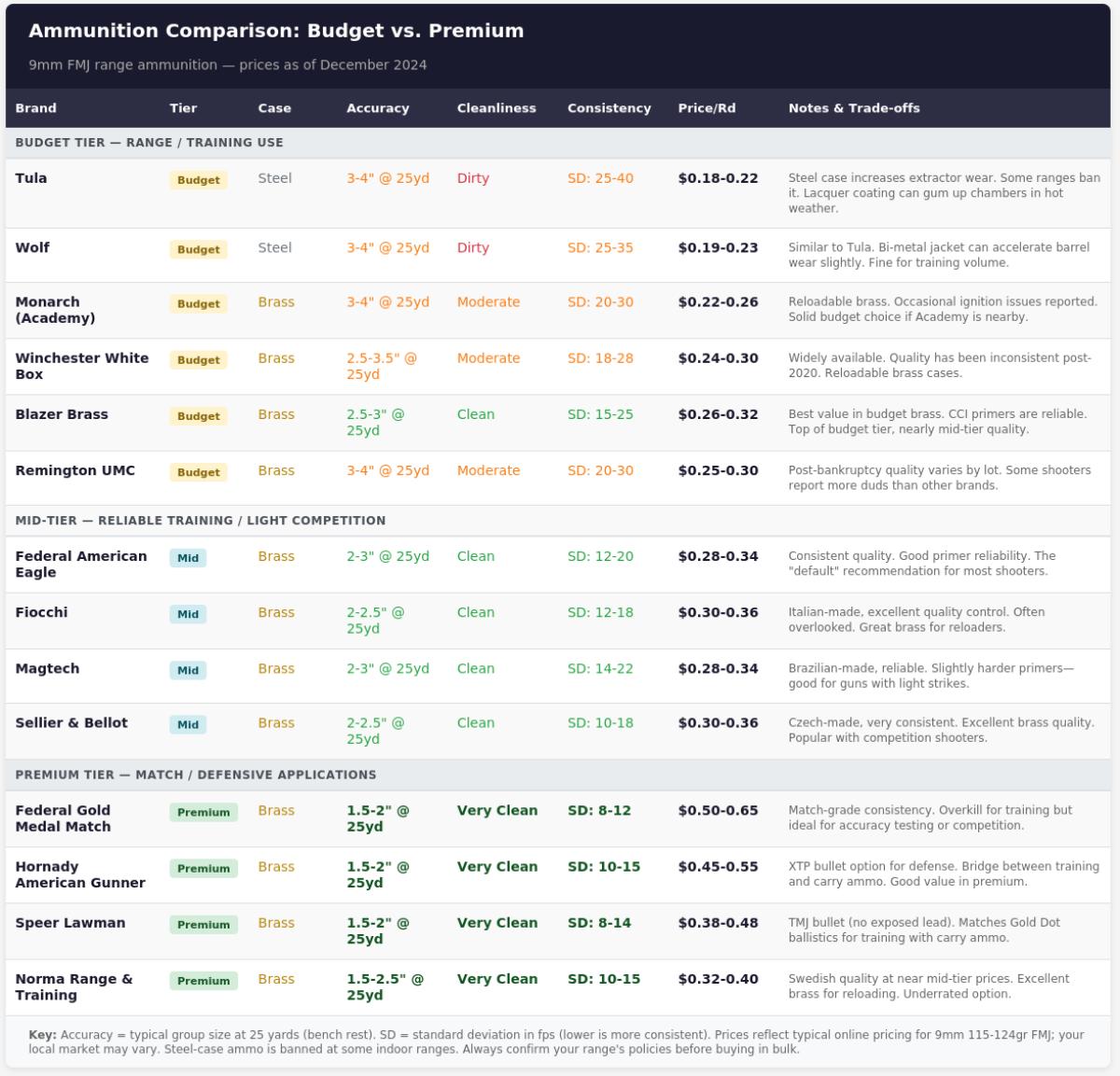
Tula/Wolf (steel case): Russian-made steel case ammo that's become the standard for budget practice shooting. Lacquered cases, basic FMJ bullets, adequate accuracy. Expect 3-4 MOA from a decent rifle. Works in most guns but can be hard on extractors over time. Great for high-volume training.
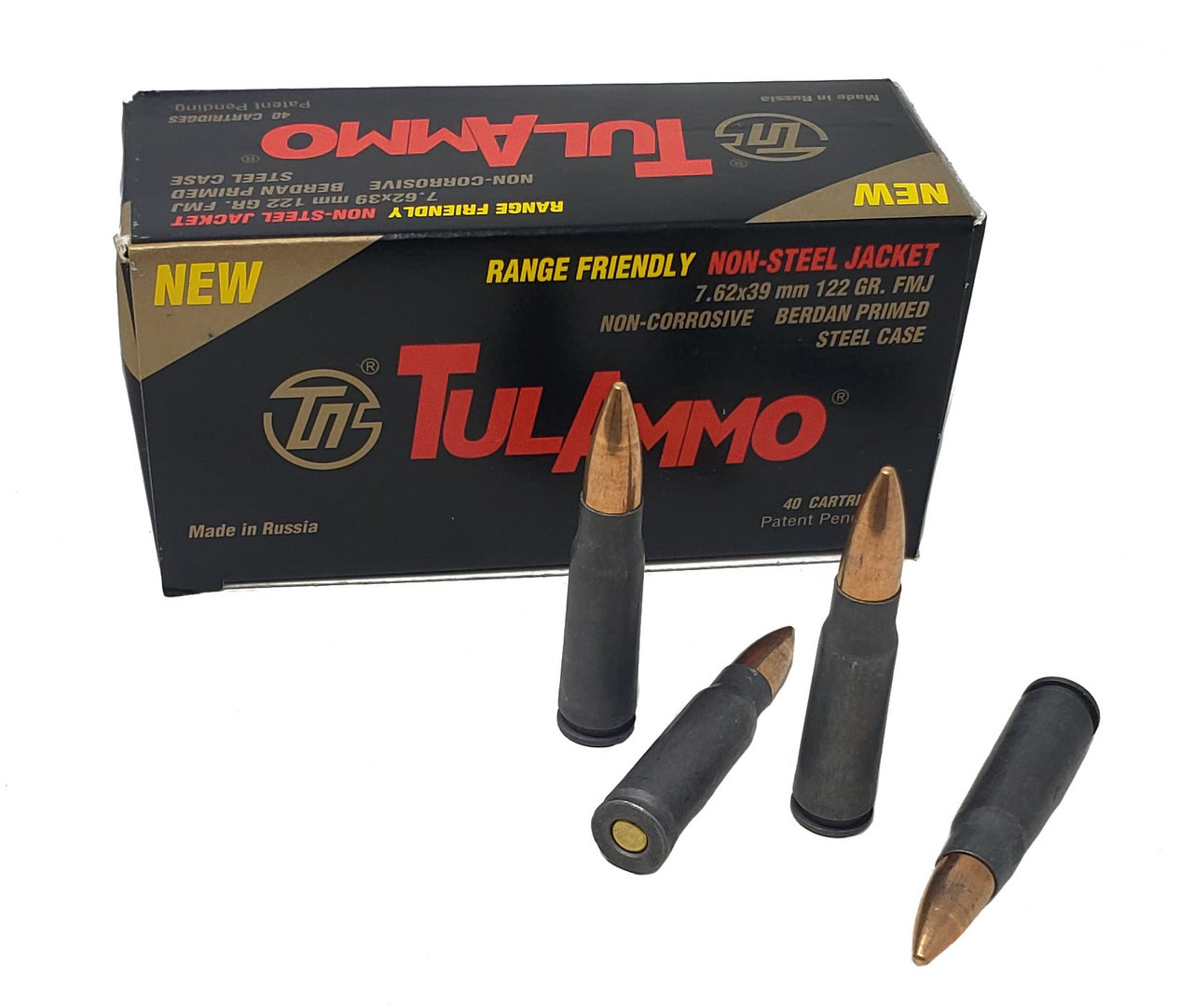
Winchester White Box: American-made brass case ammo that's a step up from steel case imports. Decent brass that reloads well, consistent powder charges, reasonable accuracy. More expensive than steel case but still budget-friendly. Good compromise between cost and quality.
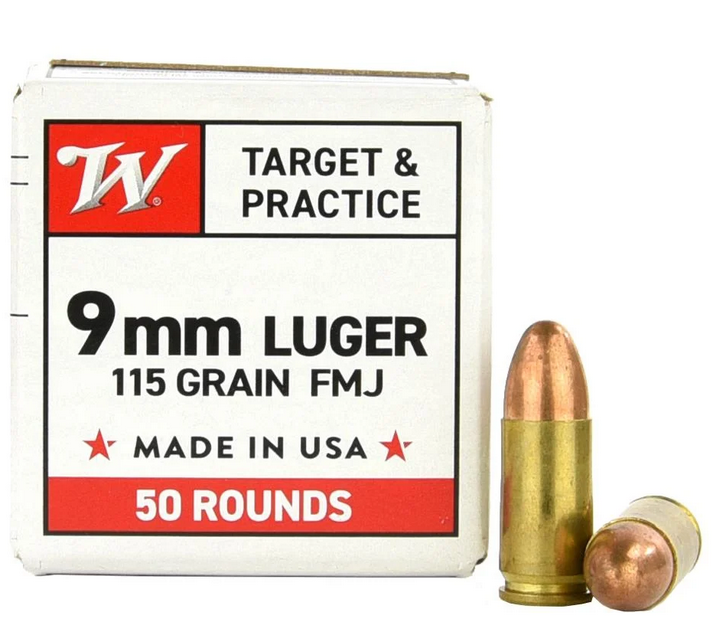
Federal American Eagle: Another domestic brass case option that often shoots better than its price suggests. Excellent brass for reloading, consistent performance, widely available. Costs more than White Box but the quality difference is noticeable.
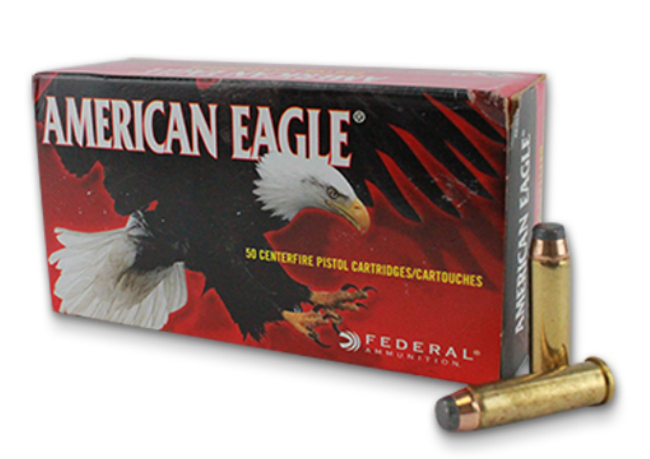
Perfecta: Fiocchi's budget line that uses decent components at attractive prices. Italian-made brass cases, consistent loads, good accuracy. Less common than the major American brands but worth trying if you find it on sale.
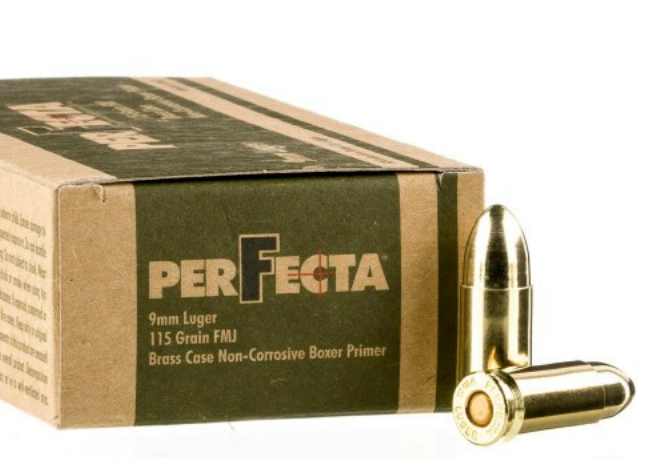
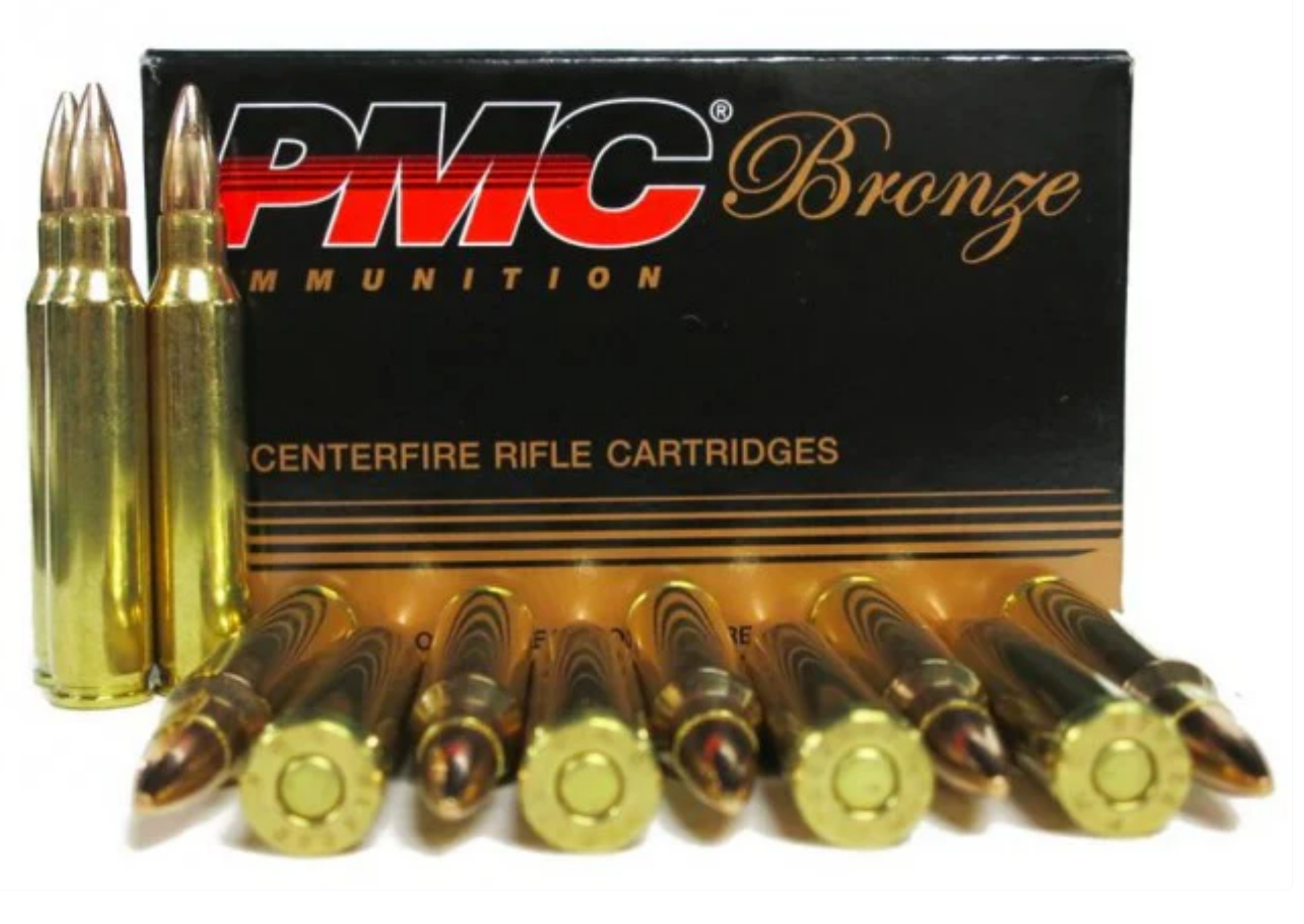
PMC Bronze: Korean-made ammunition that punches above its weight class. Boxer-primed brass cases, consistent performance, surprisingly good accuracy. Often overlooked but represents excellent value when you can find it.
Testing cheap ammo in your guns
Start with function testing. Load five rounds and fire them slowly, checking for proper feeding, firing, extraction, and ejection. Any failures here are deal-breakers regardless of price. Cheap ammo that doesn't go bang when you pull the trigger isn't a bargain.
Next, check accuracy from a solid rest at your typical shooting distance. Don't expect match-grade precision, but the ammo should group reasonably well. For defensive use, look for groups that stay within the vital zone of your target. For hunting, groups should be tight enough for clean kills at your maximum range.
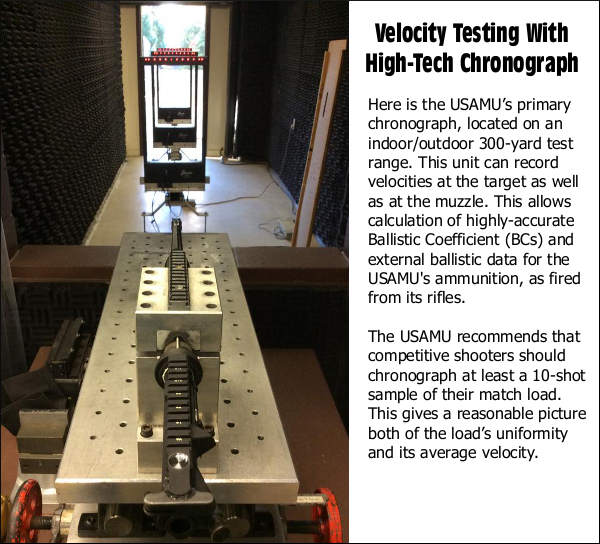
Chronograph velocities if you have access to equipment. Cheap ammo often shows higher velocity spreads than premium loads, but the average velocity should be close to advertised specs. Extreme spreads over 100 fps indicate poor quality control.
PMC Bronze Ammunition Deals
Prices may change. May contain affiliate links.
Test different lots if possible. Ammunition quality can vary between production runs, especially with budget brands. What shoots well today might be terrible in six months if you buy from a different lot.
Range notes: Bring a cleaning kit when testing cheap ammo. Some budget loads are dirtier than premium ammunition and can cause malfunctions if fouling builds up. Steel case ammo in particular tends to leave more residue in the chamber.
When cheap ammo makes sense
High-volume practice shooting is where budget ammo shines. If you're burning through 200 rounds per range session working on basic marksmanship, the cost savings add up quickly. Steel case 9mm at $0.20 per round versus premium brass at $0.35 per round saves $30 per session.
Function testing new guns or modifications benefits from cheap ammo. You're not looking for precision; you're checking that everything cycles properly. No point burning expensive match ammo to verify that your trigger job didn't break anything.
Training new shooters makes sense with budget loads. Beginners aren't shooting tight groups anyway, and the cost savings let them shoot more rounds for the same money. More trigger time beats slightly better ammunition every time.
Plinking and casual shooting where precision doesn't matter. Shooting cans at 25 yards or steel plates at 100 yards doesn't require match-grade accuracy. Save the expensive stuff for when it matters.
When to spend more
Defensive ammunition should never be chosen based on price alone. Your life might depend on it functioning perfectly, and the cost difference between cheap and premium defensive loads is trivial when you're only buying 50-100 rounds per year.
Hunting ammunition needs to perform consistently at the moment of truth. The money you save on cheap hunting ammo disappears quickly if you wound an animal or miss a once-in-a-lifetime shot. Buy the best hunting ammo your rifle shoots accurately.
Competition shooting requires consistent performance and often specific bullet weights or velocities. Match-grade ammunition costs more but the consistency is worth it when scores matter.
Long-range shooting amplifies every inconsistency in ammunition. Velocity variations that don't matter at 100 yards become significant at 600 yards. Premium ammunition with single-digit velocity spreads is essential for precision work.
The bottom line
Cheap ammo has its place, but it's not always the bargain it appears to be. Steel case imports work fine for practice shooting if your gun handles them reliably. Budget brass case ammo from major manufacturers offers a good compromise between cost and quality. Surplus ammunition can be excellent when you find good lots.
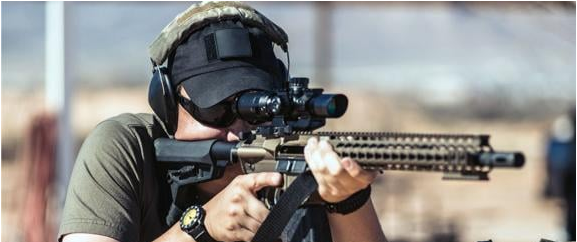
The key is matching ammunition to application. Don't handicap yourself with poor ammunition when performance matters, but don't waste money on premium loads when cheap stuff will do the job. Test everything in your guns before buying in bulk, and remember that the cheapest ammo isn't always the best value.
Start with small quantities of different brands and see what your guns prefer. Some rifles shoot cheap ammo surprisingly well. Others are picky and need premium loads to perform. Once you find budget ammo that works in your guns, stock up when prices are good. Just remember to rotate your stock and check storage conditions regularly.
The ammunition market changes constantly. What's available and affordable today might be gone tomorrow. Stay flexible, test new options when they appear, and don't get too attached to any single brand or load. The best cheap ammo is whatever shoots well in your gun and doesn't break your budget.