Setting up your Barrett M107A1 for real-world shooting
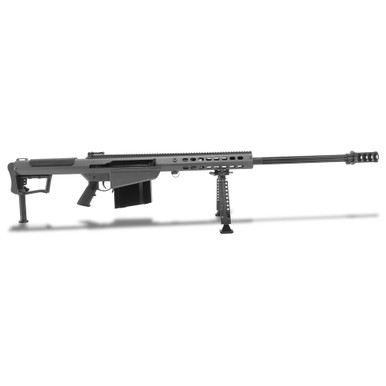
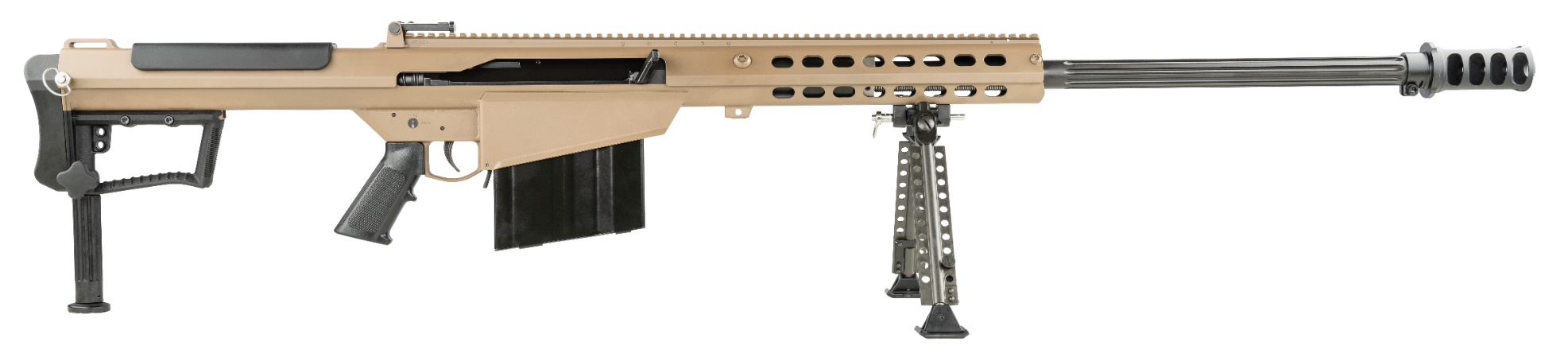
You've got a Barrett M107A1 sitting in the safe and you're wondering how to set it up for actual shooting instead of just looking intimidating. The rifle ships with basic iron sights and a bare rail system, but that's like buying a Ferrari and leaving it in first gear. Here's how to turn your M107A1 into a precision instrument that lives up to its reputation.
The M107A1 isn't a hunting rifle or a competition gun; it's a specialized tool designed for extreme-range precision work. Every accessory choice needs to support that mission. We're talking about consistent hits at 1,500+ yards, not plinking at the local range. Your setup decisions should reflect that reality.
Barrett M107A1 Deals
Prices may change. May contain affiliate links.

Optics: the foundation of long-range performance
Your optic choice makes or breaks everything else on this rifle. The M107A1's .50 BMG cartridge can reach out past 2,000 yards effectively, but only if you can see and track targets at that distance. You need serious glass with serious magnification range.
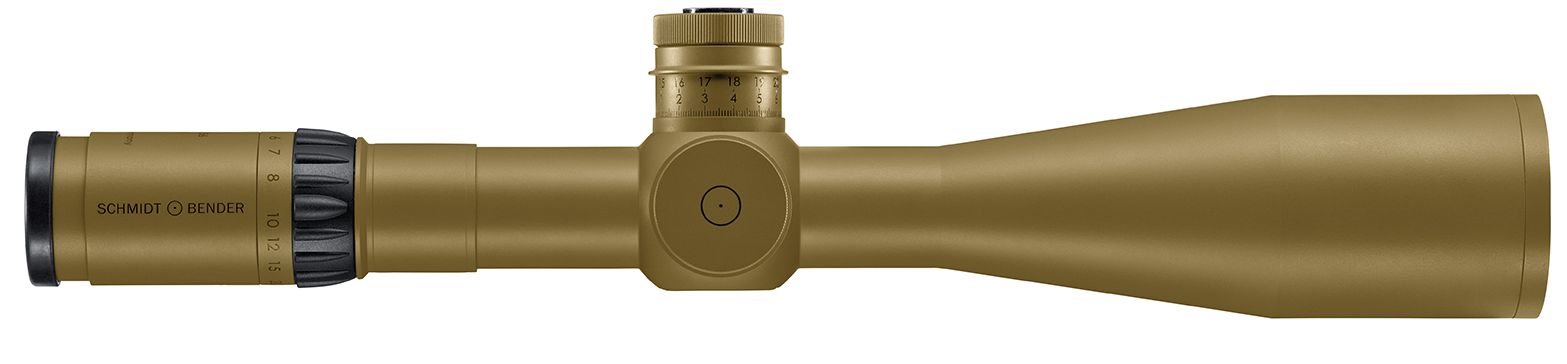
Look for scopes with at least 5-25x magnification, preferably 6-24x or higher. The Nightforce ATACR 7-35x56 F1 is what many serious shooters run; it tracks perfectly, the glass is exceptional, and it handles the recoil impulse without losing zero.
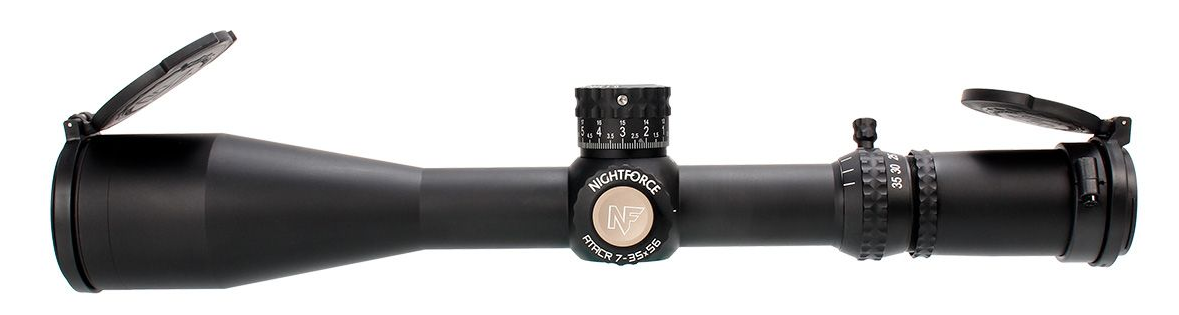
The Schmidt & Bender PM II 5-25x56 is another solid choice if you can find one. Both offer the resolution you need to identify targets at extreme range and the tracking precision to make corrections.
The Leupold Mark 5HD 7-35x56 sits in the middle ground; excellent glass quality and reliable tracking at a more accessible price point. Whatever you choose, make sure it has target turrets with positive clicks and a reticle designed for long-range work. The Tremor3 or H59 reticles give you holdover references and wind correction points without needing to dial constantly.
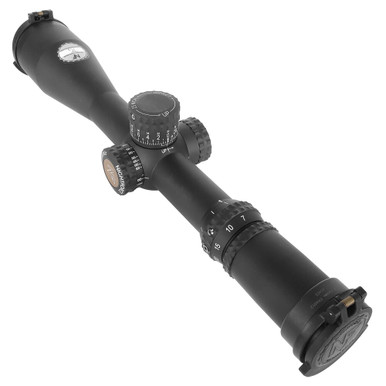
Nightforce ATACR 7-35x56 F1 Deals
Prices may change. May contain affiliate links.
Range notes: At 1,200 yards, the difference between a $1,500 scope and a $3,000 scope becomes obvious. Heat mirage, atmospheric conditions, and target identification all demand the best glass you can afford.
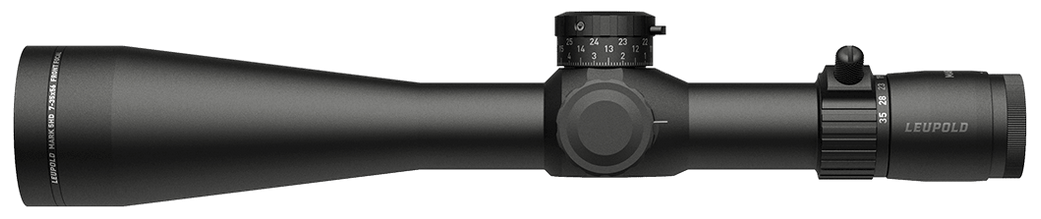
Mount selection matters just as much as the scope itself. The Barrett QDL (Quick Detach Lever) mount system works well for the M107A1's intended role, allowing you to remove and reinstall the optic while maintaining zero. The Spuhr ISMS mounts offer similar quick-detach capability with even more rigidity. Either way, you want a mount that positions the scope at the right height for comfortable shooting while maintaining proper eye relief.
Bipods and shooting support
The M107A1 weighs around 30 pounds loaded, so you're not shooting this thing offhand. A quality bipod becomes essential equipment, not an accessory. The rifle ships with the standard Barrett M107 bipod, but you have other options.
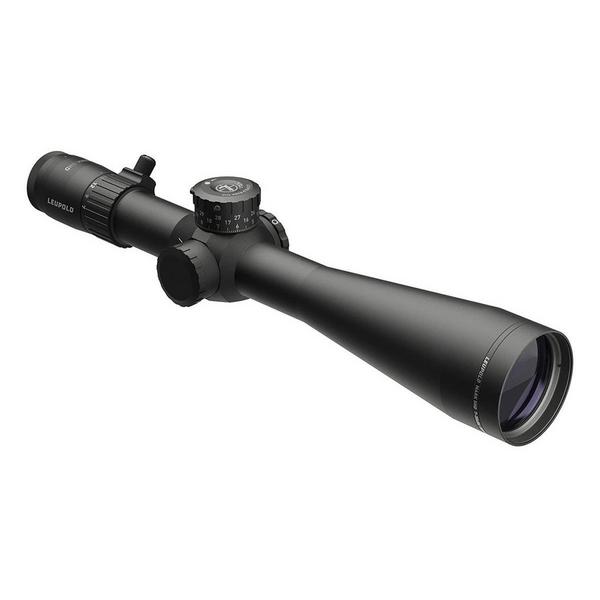
Leupold Mark 5HD 7-35x56 Deals
Prices may change. May contain affiliate links.
Recommended alternative bipods:
ACCU-TAC HD-50
Phoenix Precision
The Anvil from Valdada
ACCU-TAC HD-50
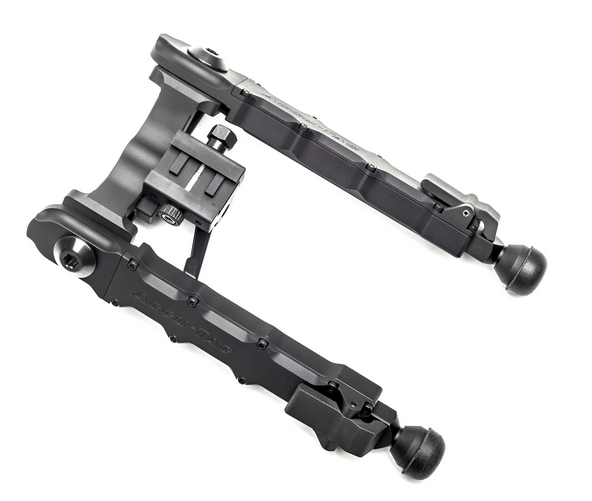
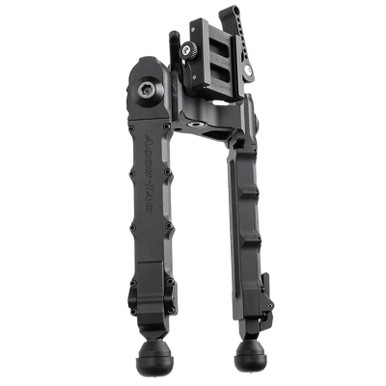
This is purpose-built for .50 BMG platforms. The HD-50 is specifically engineered for .50 BMG platforms and heavy ELR-style rifles, making it Accu-Tac's most robust and heavy-duty model. It features larger arm lock lugs for enhanced durability and reliability to handle the recoil. At roughly 27.5 oz with a 7-10" height range and 35 degrees of cant, it's relatively lightweight for what it handles. Available in both Picatinny and Arca mounting. Price is around $465-470.
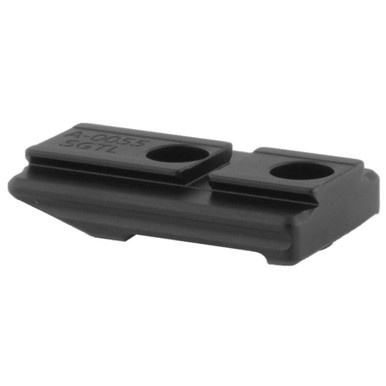
Phoenix Precision
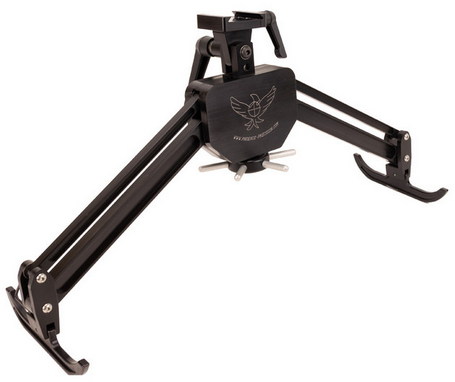
Originally designed for F-Class competition rather than heavy-recoiling semi-autos. It's the only bipod to utilize a unique Worm Gear System which provides the smoothest and most positive height adjustment available. This drive system virtually eliminates "creep-down" and allows shooters to make height adjustments with surgical precision. Weighs under 2 lbs with a 4.7"-11.3" height range and extremely wide ski feet (up to 19.5"). The Phoenix excels at tracking; the US Rifle Team notes that 90%+ of top FTR shooters use it, and the elevation mechanism is "like butter" with almost no backlash. However, it was designed around precision bolt guns, not the sustained recoil impulse of a semi-auto .50 BMG. It may work, but it's not in its intended element.
Valdada Anvil
The heaviest option at 3.6-4 lbs, designed specifically for ELR shooting. The center piece movement is consistent, very smooth and well tensioned, due to high quality ball bearings. Height range is 6.25"-12". However, there are some quality concerns worth noting; one user on Sniper's Hide complained about the Picatinny mounting interface having insufficient contact area and inconsistent machining tolerances, particularly frustrating on a $650 bipod.
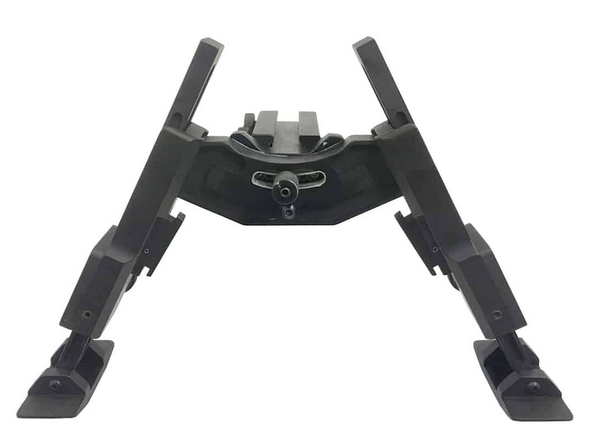
Here's what actually matters for bipod selection: leg stability under recoil, ease of adjustment, and weight. The M107A1 generates significant rearward force, so your bipod needs to stay planted. Look for models with aggressive leg spikes and wide stance capability.
Some shooters prefer shooting bags or a rest system instead of a bipod. The Caldwell Lead Sled or similar weighted rest eliminates bipod hop and provides a more stable platform. The downside is portability; you're not carrying a lead sled to your shooting position. For range work or competition, a rest makes sense. For field use, stick with a quality bipod.
My recommendation for the M107A1:
ACCU-TAC HD-50 Deals
Prices may change. May contain affiliate links.
The ACCU-TAC HD-50 is the clear choice if you want to move away from the Barrett factory. It's specifically engineered for .50 BMG recoil, has the reinforced components to handle it long-term, offers good adjustability, and has strong real-world validation from heavy rifle shooters.
Muzzle devices and recoil management
The muzzle brake that comes with the M107A1 is integral to the operation of the rifle, since it's recoil operated. Changing the brake to some after-market model may damage the rifle and void the warranty. The M107A1 comes with Barrett's QDL suppressor mount, which doubles as an effective muzzle brake. If you're not running a suppressor, this brake does a solid job of reducing felt recoil and muzzle rise. The rifle remains surprisingly manageable for a .50 BMG platform.
Suppressor use changes the rifle's character completely. The Barrett QDL suppressor reduces the sound signature significantly and virtually eliminates muzzle flash. The added weight helps with recoil management but changes the balance point. Expect a slight shift in point of impact when switching between suppressed and unsuppressed shooting.
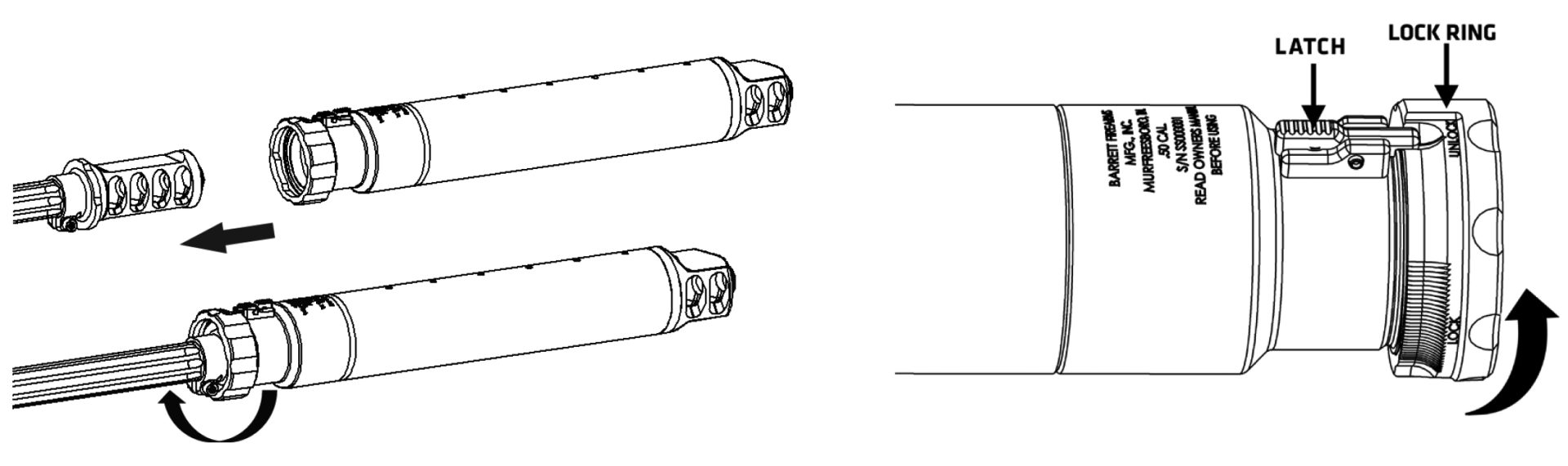
The real benefit of a suppressor on the M107A1 isn't hearing protection; you're wearing plugs and muffs regardless. It's about reducing the signature and blast effect on other shooters. A .50 BMG creates a serious concussion wave that affects everyone nearby. The suppressor contains most of that energy.
Recoil buffer modifications
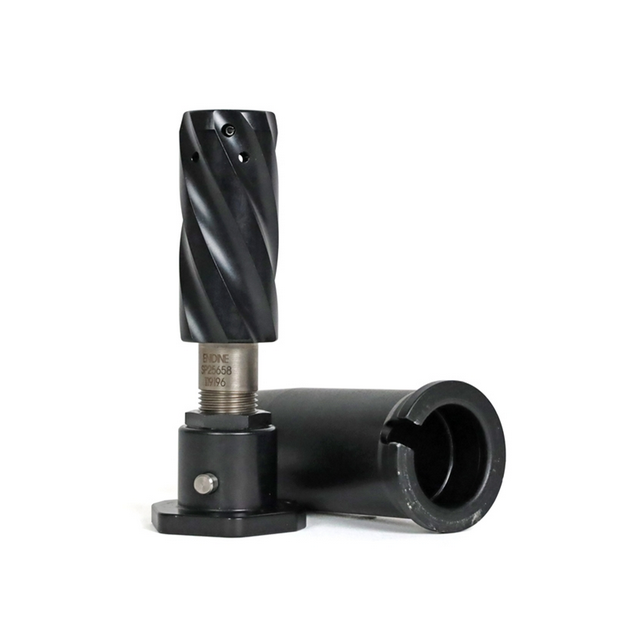
Barrett provides a hydraulic buffer assembly kit and sleeve for the M107A1 (also works with the older M82A1). "This hydraulic buffer was designed in order to assist with dwell time, suppressed fire, and assisting in mitigating recoil slightly."
Some shooters add a recoil pad to the factory buttstock, but it's not necessary with proper shooting technique. The M107A1's recoil impulse is more of a push than a sharp kick. A good shooting position and proper body alignment matter more than padding.
Sling systems and carry options
The M107A1 includes sling attachment points, but the standard military sling isn't ideal for such a heavy rifle. A two-point sling provides better weapon retention and doesn't interfere with shooting positions.
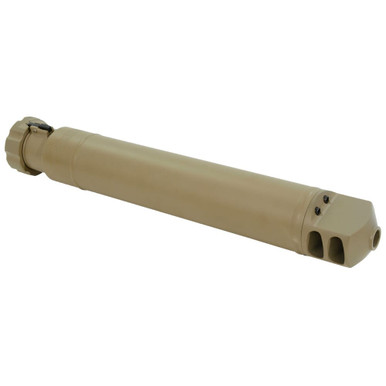
Barrett QDL suppressor Deals
Prices may change. May contain affiliate links.
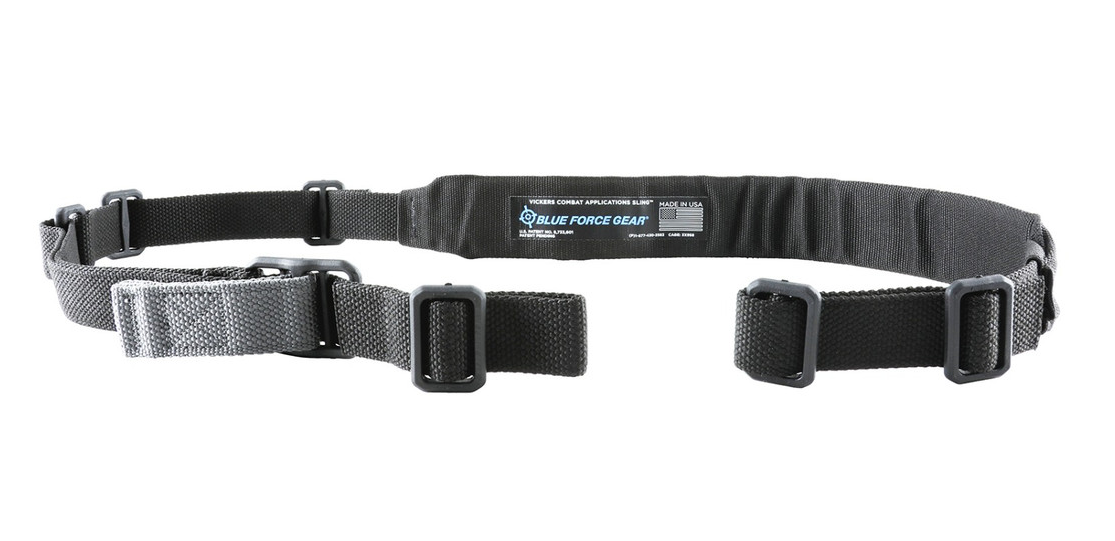
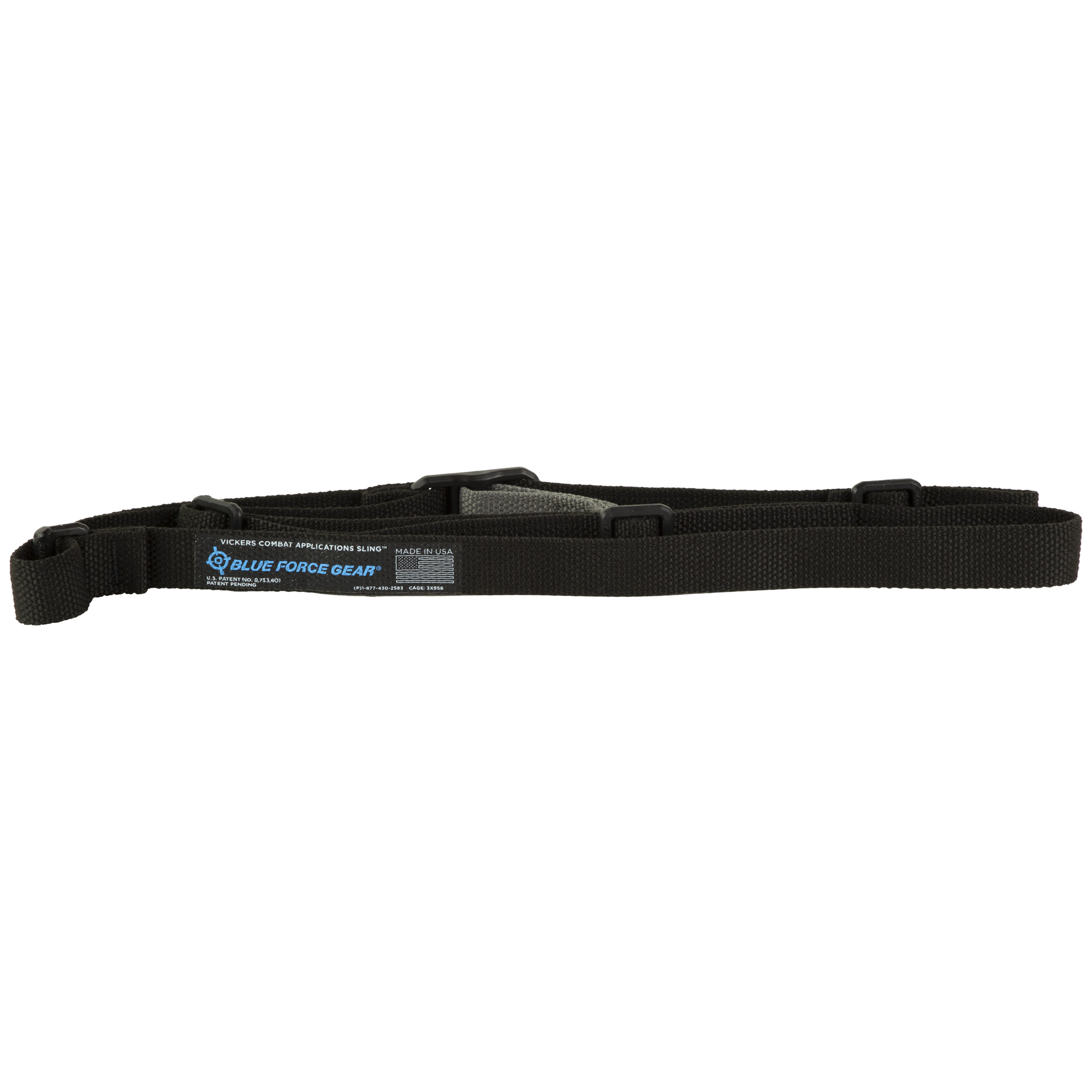
The Blue Force Gear Vickers sling adapts well to the M107A1's size and weight. The quick-adjust feature lets you transition between carry and shooting positions efficiently. The padded section distributes weight across your shoulder during extended carry.
For competition or range use, consider a shooting sling like the Turner leather sling. It provides additional stability in supported positions and helps with natural point of aim. The downside is slower transitions and more complex setup.
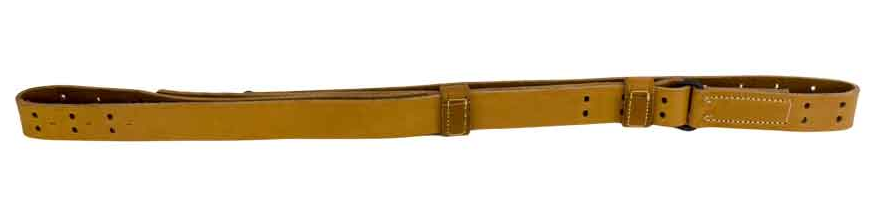
For a very heavy rifle like the M107A1, choose a slink which provides maximum comfort if you have to lug this beast some distance. The rifle's quick-detach sling points make swapping between systems straightforward.
Ammunition considerations and feeding reliability
The M107A1 feeds from 10-round magazines, and magazine selection affects reliability significantly. The factory Barrett magazines are the only option available for the M107A1.
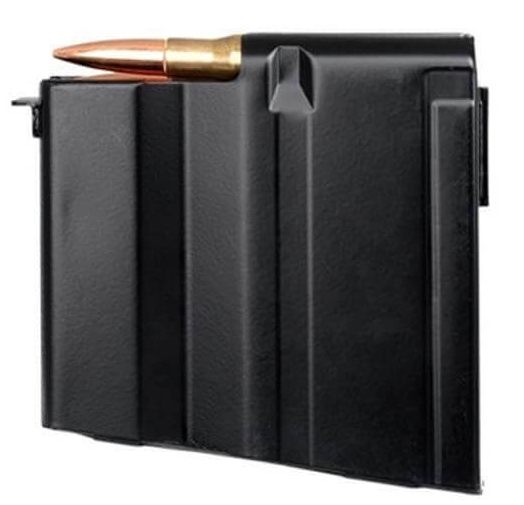
Magazine loading technique matters more with .50 BMG than smaller calibers. The cartridges are heavy and the magazine springs are stiff. Load cartridges straight down into the magazine rather than sliding them in from the front. This prevents rim damage and feeding issues.
Different ammunition weights and bullet profiles can affect feeding reliability. Match ammunition with boat-tail bullets generally feeds more smoothly than hunting ammunition with flat-base bullets. The M107A1 was designed around military ball ammunition, so it handles heavy bullets (647-750 grains) without issues.
Blue Force Gear Vickers sling Deals
Prices may change. May contain affiliate links.
Range notes: Keep spare magazines loaded and ready. The M107A1's rate of fire is limited more by target acquisition and sight picture than mechanical cycling. Having loaded magazines ready lets you maintain shooting rhythm during long-range sessions.
Common setup mistakes and troubleshooting
Scope mounting too high: Many shooters mount their scope higher than necessary, thinking they need clearance for the large ejection port. This creates an uncomfortable shooting position and inconsistent cheek weld. Mount the scope as low as possible while maintaining proper eye relief.
Over-torquing scope rings: The M107A1's recoil impulse leads some shooters to over-tighten scope rings, thinking they need extra security. This can damage the scope tube and actually reduce reliability. Follow the manufacturer's torque specifications exactly.
Ignoring cant: The M107A1's weight makes it easy to develop a consistent cant angle without realizing it. Especially since the stock Barrett bipod doesn't have a locking side-to-side swivel. Use an anti-cant device or scope level to maintain vertical alignment. Small cant angles create large misses at extreme range.
Wrong eye relief: The scope needs to be positioned for proper eye relief in your natural shooting position, not based on the rail system's limitations. If you can't achieve proper eye relief, you need a different scope mount or scope model. Also, be mindful of how close your face is to the scope, to avoid "scope bite".
Maintenance and long-term reliability
Scope tracking can drift over time due to the recoil forces involved. Verify your zero and tracking periodically, especially after transport or storage. The M107A1 generates enough force to gradually shift even quality mounts.
Getting the most from your setup
Start with a basic configuration and add accessories based on actual shooting experience. The M107A1 performs well with minimal modifications; don't assume you need every available upgrade. Shoot the rifle with iron sights first to understand its basic characteristics.
Develop a consistent shooting position that works with your chosen accessories. The rifle's weight and size require different techniques than lighter platforms. Practice your setup routine until you can achieve the same position consistently.
Document your zero and scope settings for different ammunition types. The M107A1 can show significant point-of-impact shifts between different bullet weights and velocities. Keep detailed records of what works with your specific rifle.
Test your complete setup under realistic conditions. Range performance doesn't always translate to field performance. Verify that your accessories work reliably in the conditions where you'll actually use the rifle.
The M107A1 rewards careful setup and consistent technique. Take time to properly configure each component and develop your skills with the complete system. The rifle's capabilities are impressive, but they require the right accessories and proper execution to realize fully.