
You're holding a P320 at the gun counter, and someone behind you mutters something about "drop fires" and lawsuits. Now you're wondering if this striker-fired pistol will randomly discharge in your holster or if the internet drama is overblown.
Here's the straight answer: Modern P320s are mechanically safe when handled properly. The early drop-fire issue was real but fixed in 2017. The current wave of lawsuits involves different claims about unintentional discharges, and the picture is more complicated than either side wants to admit.
I've carried P320s for years and put over 10,000 rounds through various models. Let me break down what actually happened, what got fixed, and what you need to know about carrying one today.
The original drop-fire problem
Back in 2017, the P320 had a legitimate safety issue. If you dropped the gun at the right angle with enough force, the striker could release without the trigger being pulled. This wasn't theoretical; multiple agencies documented it happening during training.
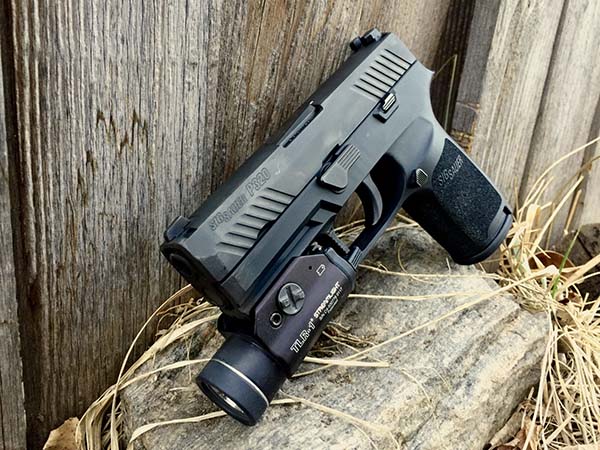
The problem was mechanical. The striker's inertia during impact could overcome the sear engagement, especially if the gun landed muzzle-down from about shoulder height. Sig's original design had a relatively light striker spring and minimal sear engagement compared to other striker-fired pistols.
Here's what actually got changed in the voluntary upgrade program:
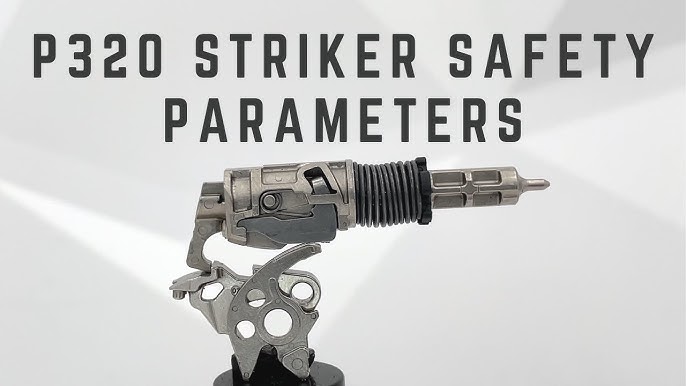
The striker spring got heavier. Sig increased spring tension to better resist inertial forces during drops. The sear geometry changed slightly to increase engagement surface area. They also modified the trigger mechanism to require more deliberate rearward pressure.
Every P320 manufactured after August 2017 includes these changes. If you're buying new, you're getting the updated version. If you have an older P320, Sig still honors the free upgrade program.
Range notes: I've drop-tested upgraded P320s from various heights and angles on concrete. Zero unintentional discharges. The gun passes standard drop tests that exceed what you'd encounter in normal carry situations.
Current lawsuit claims
The recent wave of lawsuits involves different allegations. Plaintiffs claim their P320s discharged without trigger manipulation during holstering, drawing, or while carried. These aren't drop-fire incidents; they're claiming the gun fired while being handled normally.
Sig maintains these discharges resulted from user error, not mechanical defects. They point to millions of P320s in service with military and law enforcement without systemic problems. The legal battles continue, but understanding the technical claims helps separate fact from speculation.
The key allegations include:
Trigger sensitivity claims. Some plaintiffs argue the P320's trigger is too sensitive and can be activated by clothing, holster material, or slight contact during manipulation. The P320's trigger does have a relatively short reset and light pull weight compared to some striker guns.
Holster interaction issues. Several cases involve discharges during holstering with specific holster designs. The question becomes whether the holster design allowed foreign objects to enter the trigger guard or if the gun's trigger system is inherently problematic.
Sear engagement concerns. Some technical experts have questioned whether the P320's sear engagement provides adequate safety margins under all conditions, particularly when the gun experiences shock or vibration.
What the data actually shows
I've dug through available incident reports, agency testing data, and independent evaluations. The picture isn't as clear-cut as either side claims.
Military and law enforcement experience: The P320 serves with multiple agencies and the U.S. Army (as the M17/M18). These organizations track negligent discharges carefully, and the P320's rate isn't statistically different from other striker-fired service pistols.
Independent testing: Several organizations have conducted drop tests, trigger manipulation tests, and durability evaluations on current P320s. The gun consistently passes standard safety protocols.
Incident analysis: Most documented unintentional discharges involve specific circumstances: improper holstering technique, modified triggers, or holster designs that don't adequately protect the trigger guard.
The challenge is separating mechanical failures from user error. When someone claims their gun "just went off," determining the actual cause requires careful investigation that often doesn't happen.
Mechanical safety features
The P320 uses a striker-fired design with three internal safeties. Understanding how these work helps evaluate the gun's inherent safety level.
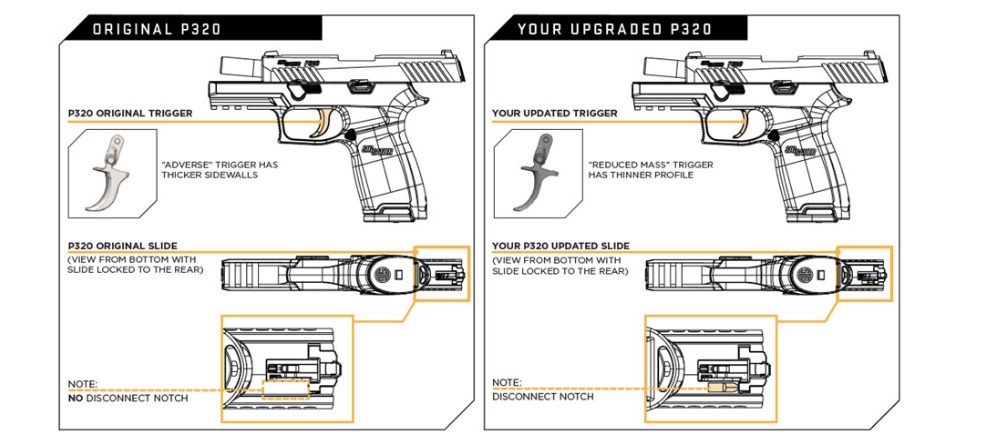
Striker safety: A spring-loaded block prevents the striker from moving forward unless the trigger is pulled fully rearward. This system is similar to what Glock uses and has proven reliable across millions of pistols.
Disconnect safety: When the slide is out of battery, the trigger mechanism disconnects from the striker system. The gun cannot fire unless the slide is fully closed and locked.
Trigger safety: A hinged trigger blade must be depressed along with the main trigger for the gun to fire. This prevents discharge if something contacts only the sides of the trigger.
These safeties work together to prevent discharge unless the trigger receives deliberate rearward pressure. The system has no external manual safety, which some shooters prefer for simplicity and others dislike for the same reason.
Carry notes: After carrying P320s in various holsters and positions for thousands of hours, I've never experienced an unintentional discharge or even a close call. The gun stays secure in properly designed holsters that cover the trigger guard completely.
Glock Deals
Prices may change. May contain affiliate links.
Common mistakes that cause problems
Most P320 "malfunctions" I've investigated trace back to user error or equipment issues. Here are the patterns I see repeatedly:
Holster selection problems. Using holsters designed for different guns, worn-out holsters with stretched retention, or holsters that don't fully cover the trigger guard. The P320's trigger guard geometry differs from Glocks, so some "universal" holsters don't fit properly.
Improper holstering technique. Rushing the holstering process, not looking the gun into the holster, or forcing the gun into a holster that's not properly positioned. Any striker-fired gun requires deliberate holstering.
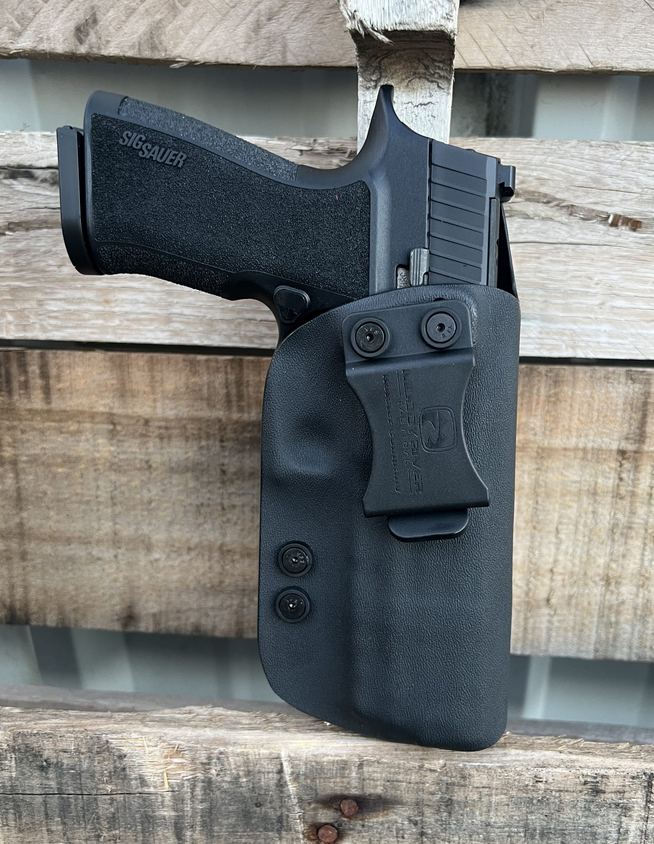
Clothing interference. Drawstrings, loose clothing, or gear that can enter the trigger guard during holstering or drawing. This affects all striker-fired pistols but requires extra attention with any gun you carry regularly.
Trigger modifications. Installing aftermarket triggers without understanding how they affect the safety system. Some modifications reduce trigger pull weight below safe levels for carry guns.
Foreign object intrusion. Small objects (pens, keys, loose screws) getting into holsters and contacting the trigger during insertion or carry. This is why quality holsters matter more than most people realize.
Comparing trigger systems
The P320's trigger gets criticized and praised depending on who's talking. Here's how it actually compares to other striker-fired options:
Trigger pull weight: Stock P320s typically break around 5.5-6.5 pounds, which is lighter than many striker guns but heavier than most 1911s or single-action revolvers. It's not unusually light by modern standards.
Reset characteristics: The P320 has a relatively short, positive reset. You can feel and hear the reset clearly, which helps with rapid follow-up shots but requires proper trigger finger discipline.
Take-up and break: The trigger has noticeable take-up before hitting the wall, then breaks cleanly. This is different from the rolling break of a Glock trigger but not inherently less safe.
Overtravel: Minimal overtravel after the break, which contributes to accuracy but means less "buffer zone" after the gun fires.
The trigger system works well for its intended purpose but requires the same safety practices as any striker-fired pistol. If you're used to DA/SA guns or manual safeties, the transition requires training and mindset adjustment.
Real-world carry considerations
I've carried P320s in various configurations for several years. Here's what matters for daily carry safety:
Holster selection is critical. Use holsters specifically designed for the P320 that completely cover the trigger guard. Kydex holsters generally provide better trigger guard protection than leather or hybrid designs.
Regular equipment inspection. Check your holster monthly for wear, cracks, or deformation. Replace holsters that show significant wear or don't retain the gun properly.
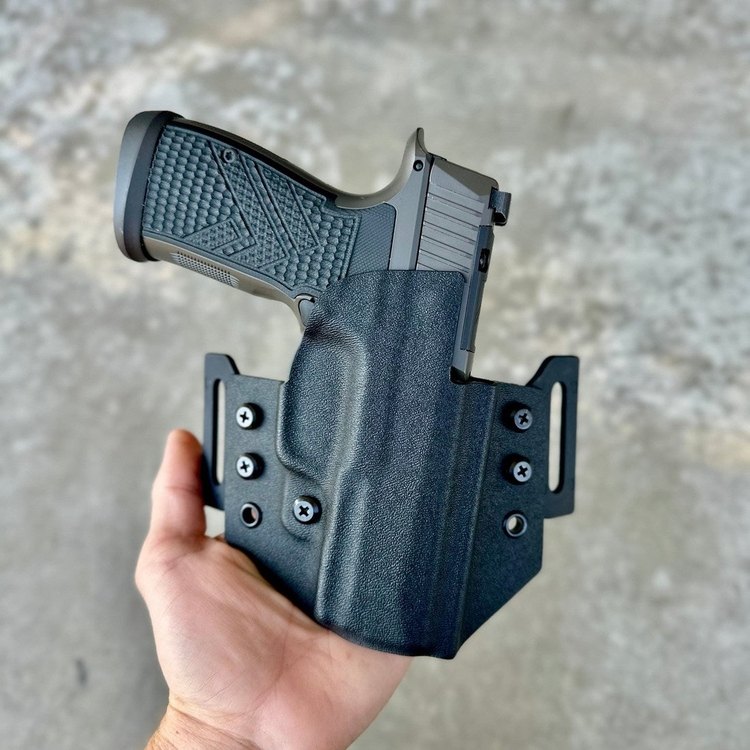
Consistent holstering routine. Always look the gun into the holster. Never rush or force the process. If something feels wrong, stop and investigate.
Clothing considerations. Avoid drawstrings or loose clothing that could enter the trigger guard. Tuck shirts properly and ensure your cover garment doesn't interfere with holstering or drawing.
Training requirements. Practice your draw stroke regularly with an unloaded gun. Build muscle memory for proper trigger finger placement and holstering technique.
Comparing to other striker options
How does P320 safety compare to other popular striker-fired carry guns? The mechanical systems are remarkably similar across manufacturers.
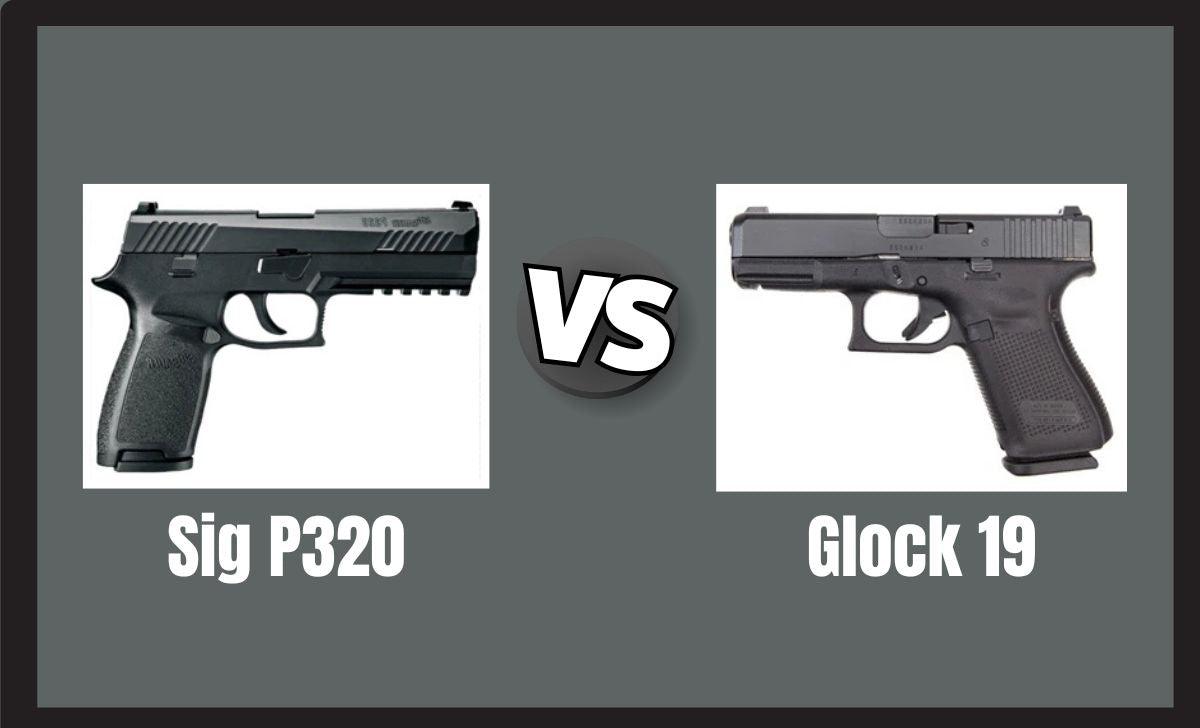
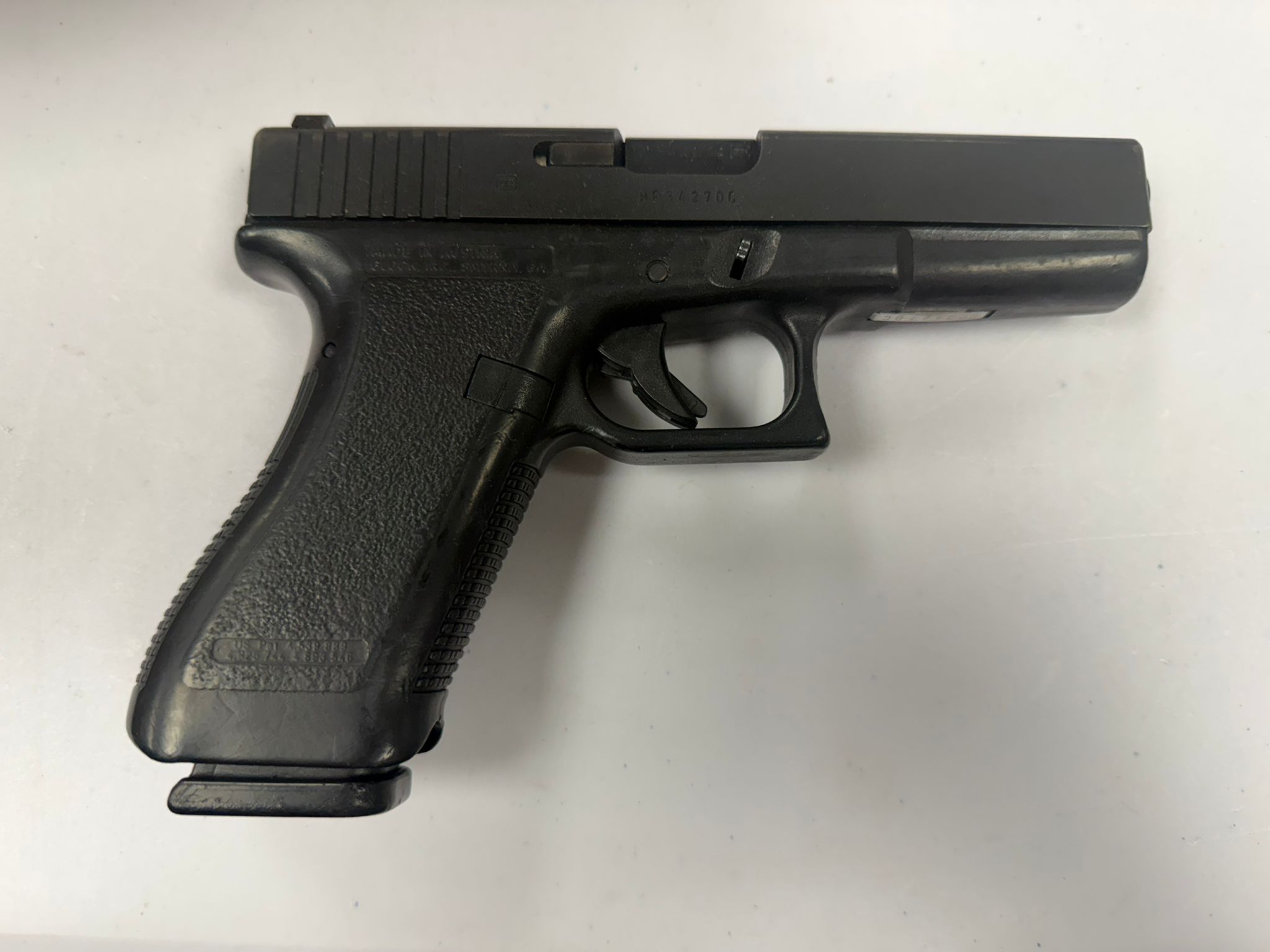
Glock comparison: Both use striker-fired systems with similar internal safeties. Glock triggers typically have more take-up and a different break characteristic, but both require the same safety practices. Neither has experienced widespread safety issues when used properly.
M&P comparison: Smith & Wesson's M&P series uses a similar striker system with comparable trigger characteristics. The M&P's trigger safety is more prominent, but the overall safety level is equivalent.
Canik comparison: Turkish-made Caniks often have lighter, crisper triggers than P320s but use the same basic safety systems. The trigger quality difference doesn't translate to meaningful safety differences.
The bottom line: All modern striker-fired pistols from reputable manufacturers have similar safety levels when used with proper equipment and techniques. The P320 isn't uniquely dangerous or uniquely safe; it's representative of current striker-fired technology.
What changed after the lawsuits
Sig has made additional modifications beyond the original 2017 upgrade, though they don't publicize all changes. Current production P320s include:
Enhanced trigger system. Subtle changes to trigger geometry and spring tensions that weren't part of the original voluntary upgrade. These changes aren't dramatic but reflect ongoing refinement.
Improved quality control. Tighter manufacturing tolerances on critical components, particularly sear engagement surfaces and trigger mechanism parts.
Updated documentation. Clearer warnings about holster selection and handling procedures in owner's manuals and training materials.
Expanded testing protocols. More extensive drop testing and durability evaluation during development of new P320 variants.
These changes represent normal product evolution rather than responses to specific safety defects. Most manufacturers make similar ongoing improvements based on field experience and testing data.

Smith & Wesson M&P Deals
Prices may change. May contain affiliate links.
Making the safety decision
So is the P320 safe enough for carry? That depends on your risk tolerance and commitment to proper handling.
If you're comfortable with striker-fired pistols generally, the P320 presents no unusual safety concerns. It requires the same equipment selection, training, and handling practices as any similar gun.
If you prefer external safeties or DA/SA triggers, the P320 won't change your mind. Striker-fired guns require different safety practices, and some shooters never feel comfortable with that approach.
If you're new to concealed carry, consider whether you're willing to invest in proper training and equipment. Any striker-fired gun requires more attention to holster selection and handling technique than guns with external safeties.
The key factors for safe P320 carry:
Quality holster designed specifically for your P320 model. Professional training in striker-fired gun handling and safety. Regular practice with proper draw and holstering techniques. Commitment to following basic safety rules consistently.
Range notes: I've trained dozens of shooters transitioning to P320s from other platforms. The safety learning curve is identical to other striker guns; it's about building proper habits, not managing unique risks.
Bottom line recommendations
The P320 is mechanically safe when used properly. The original drop-fire issue was real but fixed years ago. Current lawsuit claims involve different allegations that remain unproven in court.
If you're considering a P320, focus on the same factors you'd evaluate for any carry gun: how it fits your hands, how accurately you shoot it, and whether you're willing to invest in proper training and equipment.
The internet drama around P320 safety is largely overblown. Millions of these guns serve in military and law enforcement roles without systemic problems. The civilian market has embraced the platform across all shooting disciplines.
Your decision should be based on practical factors: Do you shoot the P320 well? Does it fit your carry needs? Are you committed to proper striker-fired gun safety practices?
If the answer to those questions is yes, the P320's safety record shouldn't stop you. If you're still concerned, plenty of other excellent striker-fired options exist with similar performance characteristics.
The most important safety feature of any carry gun is the one between your ears. Proper training, quality equipment, and consistent safety practices matter more than the specific mechanical design you choose.