
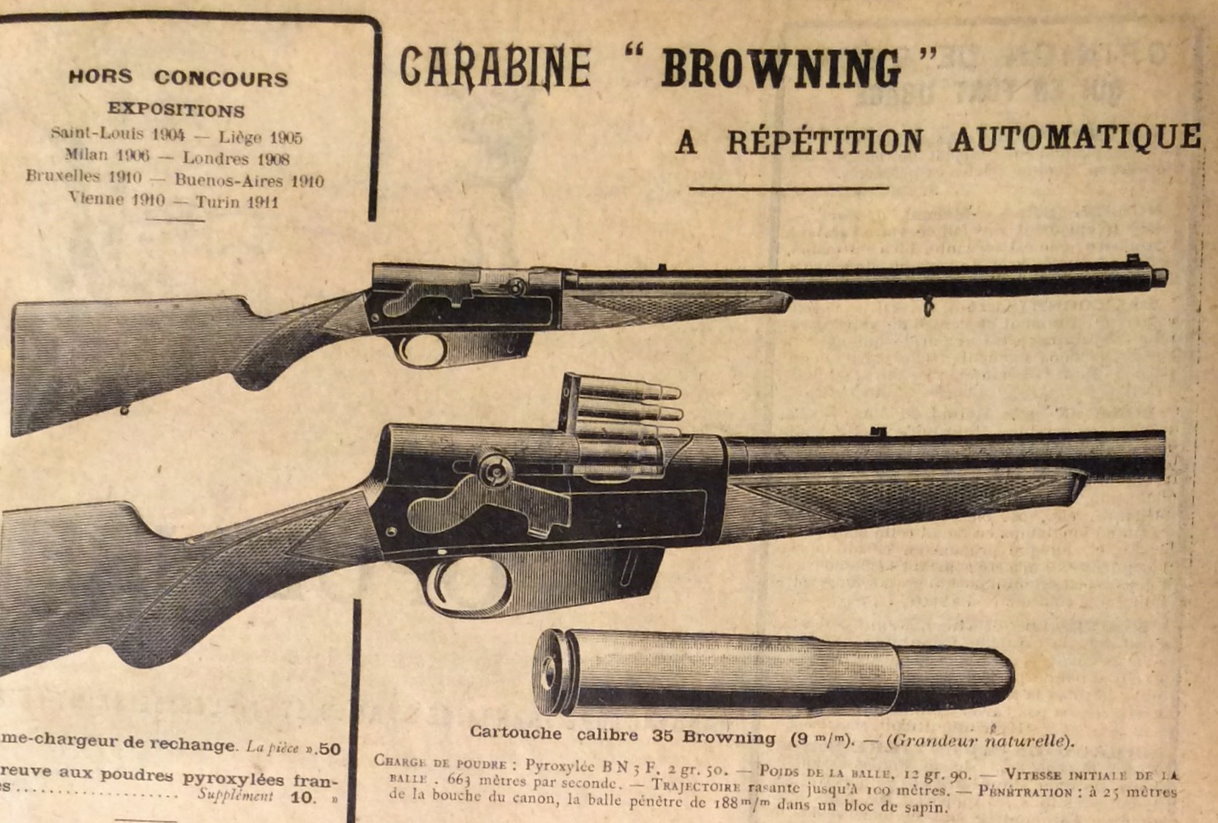
The Remington Model 8 holds a unique place in American firearms history as the first commercially successful semi-automatic hunting rifle produced in the United States. Manufactured from 1906 to 1936, this John Browning design represented a radical departure from the bolt-action and lever-action rifles that dominated the hunting fields of the early 20th century.

For collectors today, the Model 8 presents an intriguing lane that combines historical significance with relative affordability compared to more famous Browning designs. These rifles showcase the evolution of American manufacturing during a period when Remington was establishing itself as a major player in the sporting arms market. The Model 8's long production run and various configurations offer collectors multiple avenues for specialization, from early production examples with distinctive features to later variants that incorporated manufacturing improvements.
What makes Model 8 collecting particularly rewarding is the rifle's documentation trail. Remington maintained detailed production records, and many examples retain clear barrel markings that allow precise dating. The rifle's robust construction means that well-maintained examples often survive in excellent mechanical condition, though finding original examples without modifications requires careful inspection.
This collecting lane rewards patience and attention to detail. The Model 8's popularity with hunters meant that many rifles saw heavy field use, and post-war sporterizing efforts affected numerous examples. Understanding the subtle differences between production periods, recognizing original versus replacement components, and identifying the various chamberings and barrel lengths becomes essential for serious collectors.
Historical context and development
John Moses Browning completed his design for what would become the Model 8 in 1900, but the rifle's path to production involved complex negotiations between Browning and multiple manufacturers. Browning initially approached Winchester with the design, but Winchester's management showed little interest in semi-automatic sporting rifles, viewing them as unnecessary complications for hunters.
Remington recognized the potential in Browning's design and secured the manufacturing rights in 1905. The company invested heavily in new machinery and production techniques to manufacture the rifle's complex action. The Model 8 utilized a long-recoil operating system where the barrel and bolt recoiled together for the full length of the cartridge case, then separated to complete the cycling process.
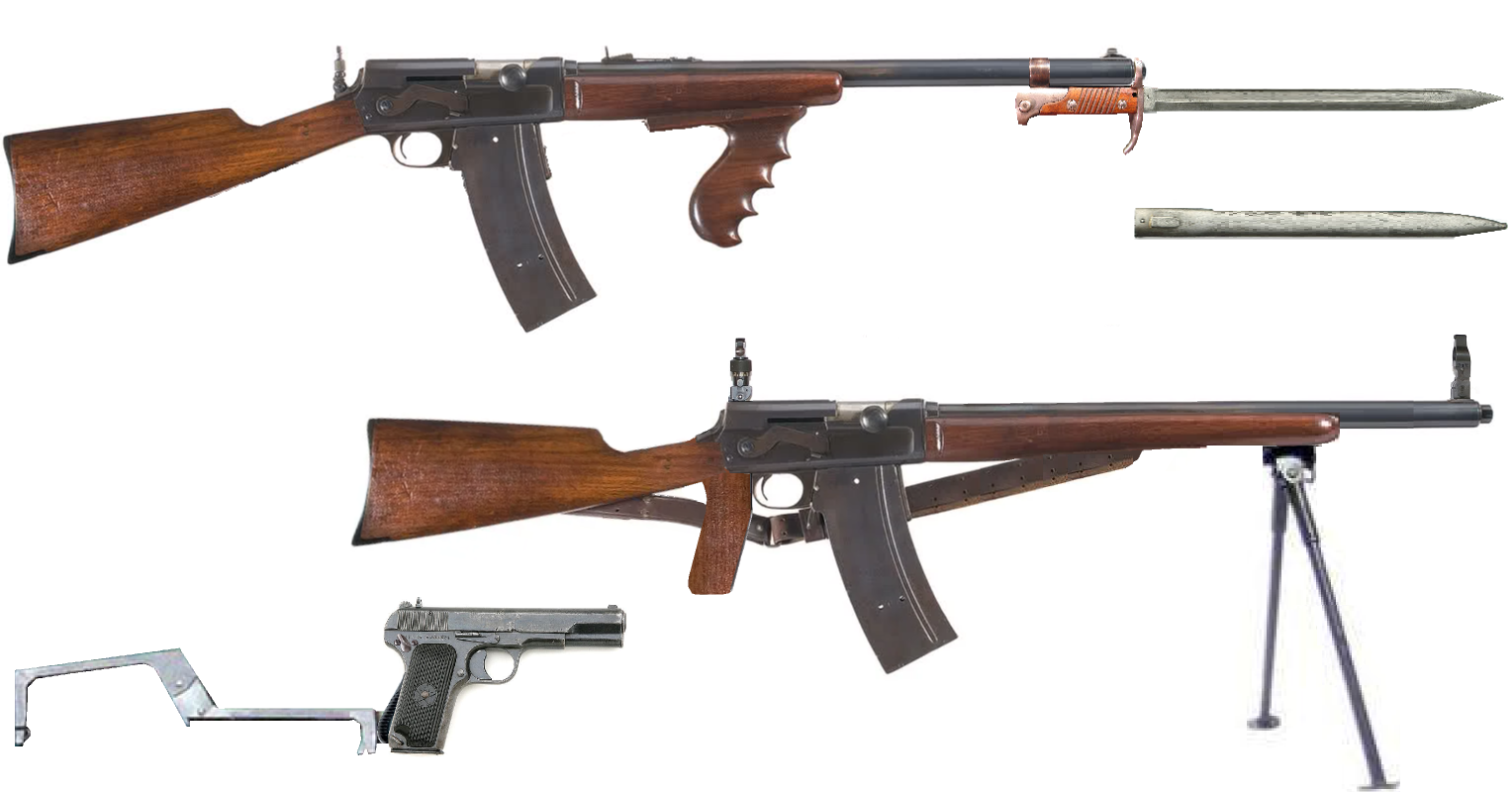
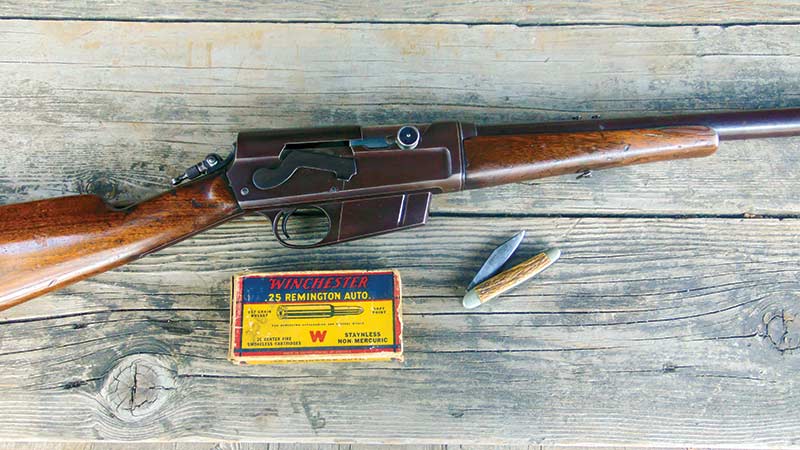
Production began in 1906 with rifles chambered in .25 Remington, .30 Remington, .32 Remington, and .35 Remington. These cartridges were specifically developed for the Model 8, as existing cartridges either lacked sufficient power to cycle the action reliably or generated excessive pressure for the rifle's design parameters. The .25 Remington proved most popular with varmint hunters, while the .35 Remington gained favor among deer hunters in heavy cover.
The rifle's introduction coincided with America's growing interest in semi-automatic firearms. Military trials of semi-automatic rifles were generating publicity, and civilian shooters were curious about the potential advantages of rapid follow-up shots. However, the Model 8's complexity and higher cost compared to traditional hunting rifles limited initial sales.
Remington marketed the Model 8 aggressively, emphasizing its rapid-fire capability and the flat trajectory of the new Remington cartridges. Early advertisements featured testimonials from hunters who credited the rifle's semi-automatic action with successful shots at running game. The company also promoted the rifle's accuracy, claiming that the long-recoil system provided consistent lockup and precision.
Production variations and identification
Early Model 8 rifles, produced from 1906 through approximately 1911, display several distinctive characteristics that set them apart from later production. These early examples feature plain walnut stocks without checkering, simple blade front sights, and basic open rear sights. The receiver markings include "REMINGTON ARMS COMPANY" in a single line, followed by "ILION, N.Y. U.S.A." on the next line.
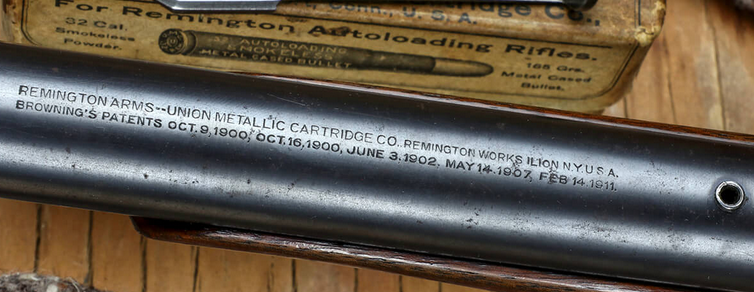
The barrel extension, which houses the operating mechanism, bears the patent dates and Browning's name. Early rifles show "BROWNINGS PATENT" markings, while later production simplified this to "BROWNING'S PATENT." Serial numbers on early rifles appear on the barrel extension and the receiver, though the numbering system changed several times during production.
Mid-production rifles, manufactured from approximately 1912 through 1924, incorporated several improvements based on field experience and customer feedback. Remington added checkering to the pistol grip and forend, upgraded the rear sight to a more robust design, and began offering optional features such as different barrel lengths and stock configurations.
The receiver markings on mid-production rifles changed to include "REMINGTON ARMS - UNION METALLIC CARTRIDGE CO." reflecting the corporate merger that created Remington-UMC. These rifles also show improved fit and finish compared to early examples, with better wood-to-metal fitting and more consistent bluing.
Late production Model 8 rifles, manufactured from 1925 until production ended in 1936, represent the most refined version of Browning's design. These rifles feature improved sights, better checkering patterns, and enhanced overall quality control. The receiver markings simplified to "REMINGTON ARMS COMPANY, INC." during this period.
A significant variant appeared in the final years of production with the introduction of the Model 81, which was essentially a Model 8 with a different stock design and improved sights. However, many collectors consider the Model 81 a separate model rather than a variant of the Model 8, despite the mechanical similarities.
Barrel markings and dating
Model 8 barrels carry extensive markings that provide crucial information for collectors. The left side of the barrel typically shows the caliber designation, such as ".30 REM" or ".35 REM," along with proof marks and manufacturing codes. These markings allow precise dating when cross-referenced with Remington's production records.

Early barrels display the caliber marking in a distinctive font that changed over the production years. The .25 Remington chambering shows as ".25 REM," while the .30 Remington appears as ".30 REM." The .32 Remington marking follows the same pattern, and the .35 Remington typically shows as ".35 REM."
Proof marks on Model 8 barrels evolved throughout production. Early rifles show simple proof marks, while later examples display more elaborate markings that include nitro powder proofs and pressure testing indicators. These marks provide authentication and help identify the approximate production period.
The barrel extension houses the most important markings for collectors. Patent dates appear prominently, with early rifles showing multiple dates reflecting Browning's various patents. The Browning name appears in different formats depending on the production period, and these variations help narrow dating beyond what serial numbers alone can provide.
Some barrels show additional markings related to specific features or options. Rifles with special sights, different barrel lengths, or custom features may carry additional codes or markings that identify these variations. Understanding these markings becomes essential for collectors seeking specific configurations or documenting unusual examples.
Collector's Notes When examining Model 8 markings, photograph both sides of the barrel and the barrel extension before handling the rifle extensively. The markings can be subtle, and proper lighting helps reveal faded stampings. Pay particular attention to the patent date format and the spelling of "Browning" – these details changed multiple times and provide more precise dating than serial numbers alone. Document any additional markings or codes, as these may indicate special orders or factory modifications that affect both historical interest and value.
Chamberings and ballistics
The Model 8's four chamberings represent a carefully planned cartridge family designed specifically for the rifle's operating system. Each cartridge shared the same case head diameter and overall length, allowing Remington to use the same basic action for all four chamberings while optimizing bullet weight and velocity for different hunting applications.
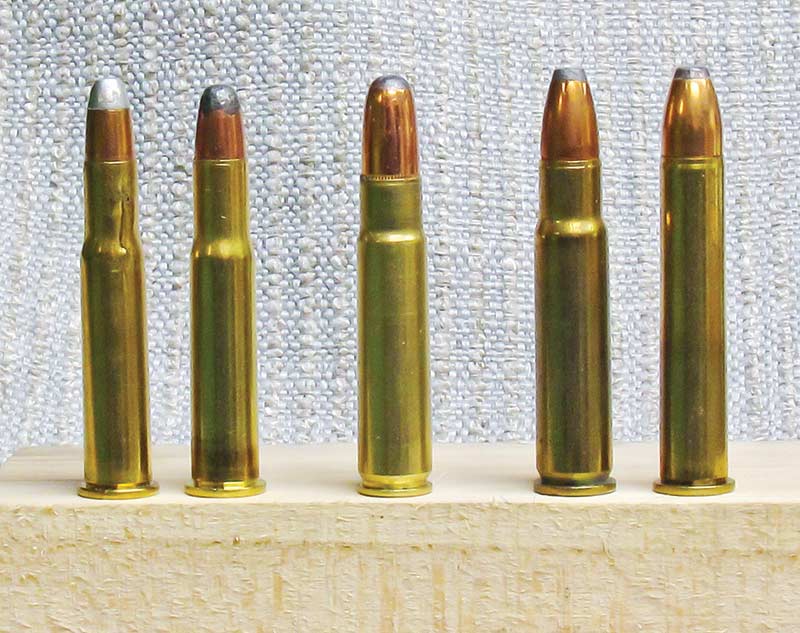
The .25 Remington, introduced with the rifle in 1906, fired a 117-grain bullet at approximately 2,300 feet per second. This chambering proved popular with varmint hunters and those seeking a flat-shooting cartridge for medium-range work. The .25 Remington's moderate recoil made it suitable for shooters who wanted semi-automatic capability without the punishment of larger cartridges.
The .30 Remington delivered a 170-grain bullet at around 2,100 feet per second, providing performance similar to the .30-30 Winchester but in a semi-automatic platform. This chambering attracted hunters who wanted the familiar .30-caliber performance with the advantage of rapid follow-up shots. The .30 Remington proved adequate for deer-sized game at moderate ranges.
The .32 Remington, firing a 170-grain bullet at approximately 2,100 feet per second, offered slightly larger diameter than the .30 Remington with similar velocity. This chambering never gained the popularity of the other three, and .32 Remington rifles are considerably scarcer in today's market. The cartridge provided good performance on medium game but offered no significant advantage over the .30 Remington.
The .35 Remington became the most successful of the Model 8 cartridges and remains popular today. Firing a 200-grain bullet at around 2,100 feet per second, the .35 Remington provided excellent performance on deer and similar-sized game, particularly in heavy cover where quick follow-up shots offered advantages. The cartridge's reputation for reliable performance on game made it a favorite among hunters in the eastern United States.
Collectors should understand that ammunition availability varies significantly among the four chamberings. The .35 Remington remains commercially available from multiple manufacturers, while the .25, .30, and .32 Remington cartridges require handloading or specialty ammunition sources. This practical consideration affects both the shooting value and collector interest in different chamberings.
Action mechanics and reliability
The Model 8's long-recoil operating system represents one of the most sophisticated mechanisms ever employed in a sporting rifle. When fired, the barrel and bolt remain locked together and recoil rearward for a distance equal to the length of the cartridge case. During this recoil stroke, the fired case is extracted from the chamber and the action begins to compress the recoil spring.
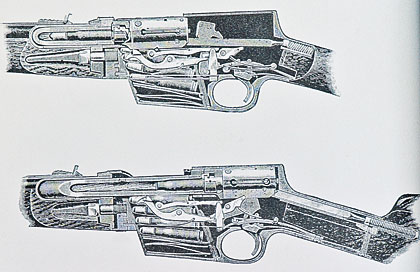
At the end of the recoil stroke, the barrel stops while the bolt continues rearward, separating the two components and allowing the spent case to eject. The bolt then travels forward under spring pressure, stripping a fresh cartridge from the magazine and chambering it. The barrel returns to battery position, and the action locks up ready for the next shot.
This complex mechanism requires precise timing and component tolerances to function reliably. The system works well with the specific cartridges for which it was designed, but attempts to use inappropriate ammunition or handloads with incorrect pressure curves can cause malfunctions or damage. The long-recoil system is sensitive to cartridge pressure and bullet weight variations.
Maintenance of the Model 8 action requires more attention than simpler rifle designs. The multiple moving parts and precise tolerances demand regular cleaning and proper lubrication. The barrel extension housing contains numerous small parts that can be damaged by improper disassembly or cleaning techniques. Original factory manuals provide specific instructions for field stripping and maintenance.
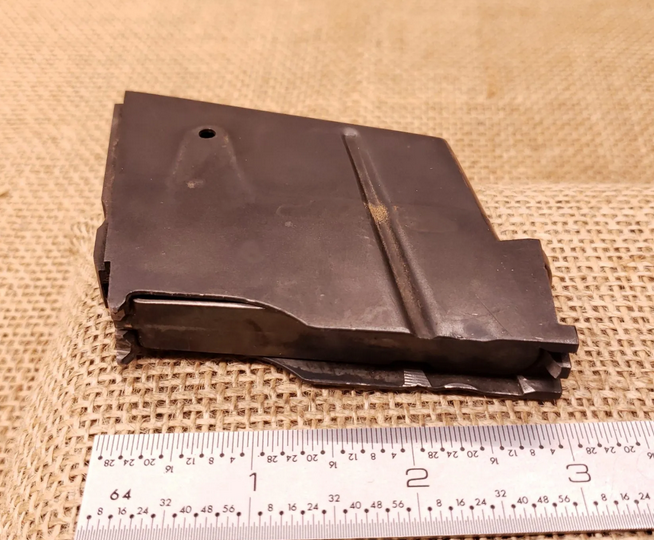
The rifle's five-round detachable magazine represents another sophisticated feature for its era. The magazine design allows easy loading and provides reliable feeding when properly maintained. However, the magazine's complex internal mechanism can malfunction if damaged or if debris interferes with the follower or spring operation.
Collectors should understand that Model 8 rifles require more mechanical knowledge than typical hunting rifles. The action's complexity means that restoration or repair work should be undertaken only by gunsmiths familiar with the design. Improper work can render the rifle unsafe or unreliable, and replacement parts for worn or damaged components are increasingly scarce.
Stock configurations and variations
Model 8 stocks evolved significantly throughout the production run, reflecting both changing manufacturing techniques and customer preferences. Early rifles featured plain walnut stocks without checkering, using relatively simple wood with basic finishing. These early stocks show straight grain patterns and minimal figure, as Remington prioritized function over appearance during the rifle's introduction.
The standard stock configuration featured a semi-pistol grip with a steel buttplate and a relatively short length of pull suited to the shooting styles of the early 1900s. The forend design incorporated a distinctive taper that complemented the rifle's overall proportions while providing adequate hand clearance around the barrel extension mechanism.
Mid-production rifles introduced checkering to both the pistol grip and forend, initially in simple patterns that became more elaborate over time. The checkering quality varied throughout production, with some periods showing excellent workmanship while others display more basic patterns. These variations help collectors identify specific production periods and assess overall rifle quality.
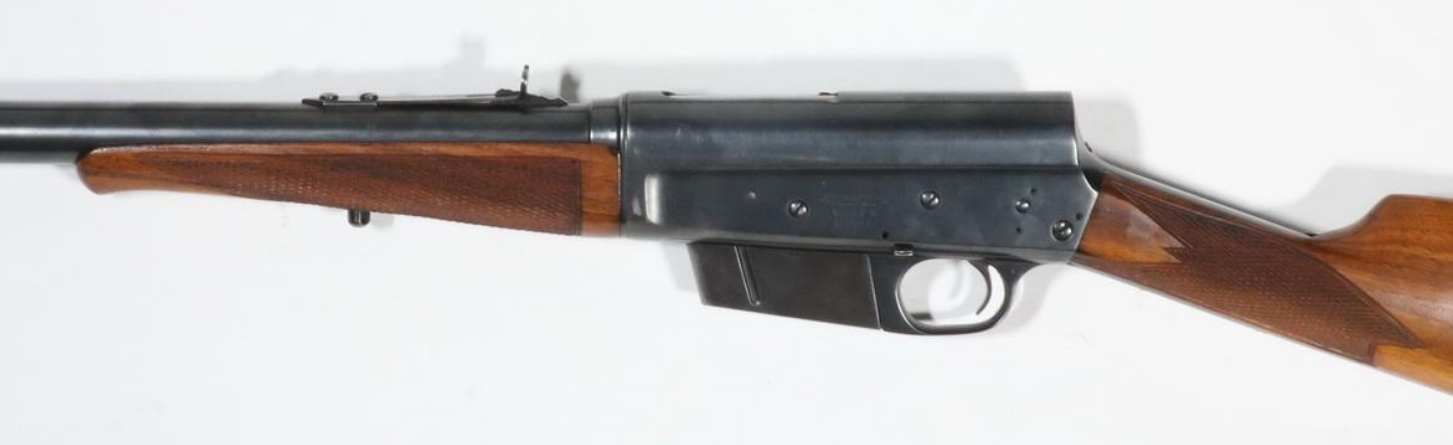
Premium grade stocks appeared as special orders during various production periods, featuring higher-grade walnut with improved figure and more elaborate checkering patterns. These premium stocks command significant collector interest today, particularly when accompanied by other upgraded features such as improved sights or special barrel configurations.
Stock dimensions remained relatively consistent throughout production, though minor variations exist between different periods. The length of pull typically measured around 13.5 inches, with drop at comb and heel following sporting rifle standards of the era. These dimensions suit most adult shooters, though some collectors find the stocks shorter than modern preferences.
Damage to Model 8 stocks presents particular challenges for collectors. The semi-pistol grip design creates stress concentration points that can crack under heavy use or impact. The checkering, when present, often shows wear or damage from decades of hunting use. Restoration of damaged stocks requires specialized knowledge of period-appropriate techniques and materials.
Sight systems and accuracy
Standard Model 8 rifles came equipped with basic but functional sight systems that reflected early 20th-century sporting rifle practices. The front sight consisted of a simple blade mounted on a ramp, providing adequate visibility for hunting applications at typical engagement ranges. The blade design allowed for quick target acquisition, though precision work required careful alignment.
The rear sight on early rifles used a basic open design with a U-notch that could be adjusted for elevation by means of a sliding wedge system. This sight provided adequate accuracy for hunting purposes but lacked the precision adjustments that target shooters preferred. The sight's robust construction proved durable under field conditions.
Mid-production rifles received improved rear sights with better adjustment mechanisms and more precise graduation markings. These sights offered both windage and elevation adjustments, allowing shooters to fine-tune their rifles for specific loads or hunting conditions. The improved sights contributed to better practical accuracy.
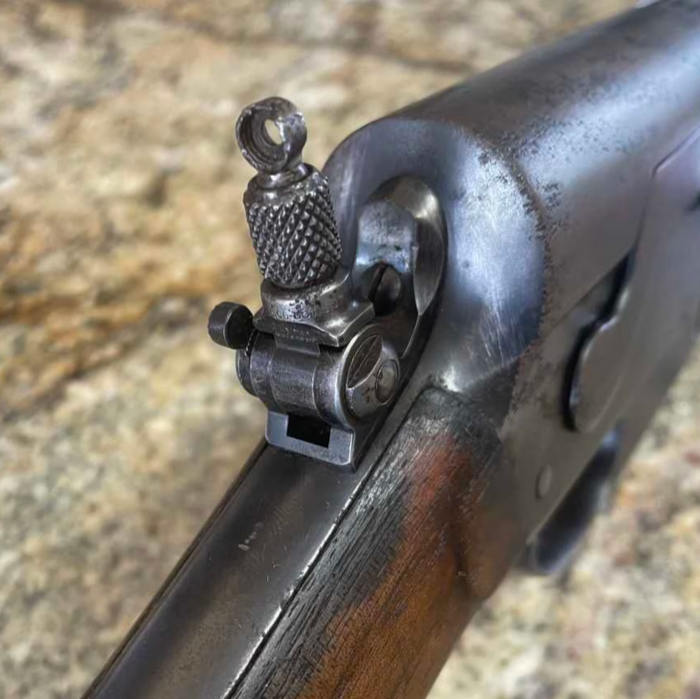
Optional sight systems became available during various production periods, including aperture rear sights for those seeking enhanced precision. These optional sights command collector interest today, particularly when found in original condition with the proper mounting hardware. The aperture sights improved the rifle's accuracy potential significantly.
The Model 8's inherent accuracy depends heavily on proper maintenance and ammunition selection. The long-recoil system can provide excellent precision when functioning correctly, but worn or damaged components can degrade accuracy substantially. The barrel extension's complex mechanism must be properly aligned and timed for optimal performance.
Collectors should understand that Model 8 accuracy varies significantly between individual rifles and depends on numerous factors including barrel condition, action timing, and ammunition selection. Well-maintained examples with good barrels can deliver hunting-grade accuracy, while neglected or damaged rifles may shoot poorly regardless of ammunition quality.
Common condition issues and inspection points
Model 8 rifles present several specific condition issues that collectors must understand before purchasing. The complex action mechanism creates multiple potential failure points, and the rifle's age means that many examples show wear or damage from decades of use and sometimes questionable maintenance practices.
The barrel extension housing represents the most critical inspection area. This component houses the rifle's operating mechanism and can suffer damage from improper disassembly, cleaning with inappropriate solvents, or simple wear from extended use. Cracks in the barrel extension housing can render the rifle unsafe and are difficult or impossible to repair properly.
The recoil spring system requires careful inspection, as weakened or damaged springs affect the rifle's reliability and can cause malfunctions or timing issues. Original springs are no longer available from Remington, and replacement springs must be carefully matched to maintain proper function. Incorrect springs can cause dangerous malfunctions.
Magazine condition presents another critical inspection point. The Model 8's detachable magazine contains a complex follower and spring system that can malfunction if damaged or worn. Magazines with damaged feed lips, weak springs, or bent followers will cause feeding problems that may be difficult to correct.
The barrel's condition affects both accuracy and safety. Model 8 barrels can suffer from corrosion, particularly in the chamber area where moisture and residue from corrosive primers can cause pitting. Severe barrel damage may require replacement, but suitable replacement barrels are increasingly scarce and expensive.
Stock condition varies widely among surviving examples. The semi-pistol grip design creates stress points that commonly crack, and the checkering, when present, often shows wear or damage. Minor stock repairs can be accomplished by skilled woodworkers, but major damage may require complete stock replacement.
Common mistakes
Assuming all Model 8 rifles are mechanically sound without proper inspection of the barrel extension housing and recoil system
Overlooking magazine condition when evaluating rifle functionality – damaged magazines cause most feeding problems
Attempting to disassemble the action without proper knowledge and tools, which can cause expensive damage
Using inappropriate ammunition or handloads that can damage the precisely-timed operating system
Cleaning the barrel extension mechanism with harsh solvents that can damage internal components
Reference models and variants
The Model 8 production run encompasses several distinct variants that collectors should understand for proper identification and evaluation. These variants reflect both manufacturing evolution and specific customer requirements during the rifle's thirty-year production period.
Early Production Standard Grade (1906-1911) These rifles feature plain walnut stocks, basic sights, and "REMINGTON ARMS COMPANY" receiver markings. Serial numbers fall roughly in the 1-15000 range. Chamberings include all four Remington cartridges, with .35 Remington being most common. Barrels typically measure 22 inches, and the overall fit and finish reflects early production techniques.
Mid-Production Standard Grade (1912-1924) Checkered stocks distinguish these rifles from early production, along with improved sights and "REMINGTON ARMS - UNION METALLIC CARTRIDGE CO." markings. Serial numbers approximate 15000-45000. Quality control improved during this period, resulting in better overall fit and finish. The .35 Remington chambering dominated production.
Late Production Standard Grade (1925-1936) These rifles show the highest quality control and feature "REMINGTON ARMS COMPANY, INC." markings. Serial numbers run approximately 45000-60000. Sight systems reached their most refined state, and stock checkering patterns became more elaborate. The .35 Remington chambering comprised the vast majority of production.
Special Grade Variants Throughout production, Remington offered special grades with upgraded wood, enhanced checkering, and premium sights. These variants are scarce today and command significant collector premiums. Documentation of special orders is often lacking, making authentication challenging.
Carbine Variants Some Model 8 rifles left the factory with shorter barrels, typically 20 inches instead of the standard 22 inches. These carbine variants are uncommon and may represent special orders or factory experiments. Proper documentation becomes crucial for authentication, as post-factory barrel shortening occurred frequently.
| Variant | Production Years | Key Features | Relative Scarcity | Typical Condition |
|---|---|---|---|---|
| Early Standard | 1906-1911 | Plain stock, basic sights | Uncommon | Variable, often worn |
| Mid-Production | 1912-1924 | Checkered stock, improved sights | Most common | Generally good |
| Late Production | 1925-1936 | Refined features, best quality | Common | Often excellent |
| Special Grades | Throughout | Premium wood, enhanced features | Rare | Usually very good |
| Carbine Variants | Various | Shortened barrels | Very rare | Requires authentication |
|
Ammunition considerations and availability
Understanding ammunition availability and characteristics becomes crucial for Model 8 collectors, as the rifle's four chamberings present varying degrees of practicality for modern shooters. The cartridge situation directly affects both the rifle's utility and collector interest in different chamberings.
The .35 Remington remains the most practical choice for collectors who intend to shoot their rifles. Major ammunition manufacturers continue to produce .35 Remington loads, and the cartridge enjoys popularity among lever-action rifle shooters. Factory loads typically feature 200-grain bullets at moderate velocities, providing good performance on medium game.
The .25 Remington presents more challenges for modern shooters. Commercial ammunition is no longer produced, requiring collectors to handload or seek specialty ammunition sources. Brass can be formed from other cartridges, but the process requires specific knowledge and equipment. The .25 Remington's ballistic performance remains adequate for varmint hunting and target shooting.
The .30 Remington occupies a middle ground in terms of availability. While not commercially produced, brass and loading data remain available for handloaders. The cartridge's performance closely matches the .30-30 Winchester, making it suitable for deer hunting in appropriate jurisdictions. However, the additional effort required for ammunition limits the chambering's appeal.
The .32 Remington presents the greatest challenges for modern shooters. Brass is scarce and expensive, and loading data is limited. The cartridge offers no significant advantage over the .30 Remington, and its scarcity makes it primarily of interest to completist collectors or those specifically seeking uncommon chamberings.
Handloading for Model 8 rifles requires careful attention to pressure levels and bullet weights. The long-recoil operating system was designed for specific pressure curves and bullet weights, and deviations can cause malfunctions or damage. Original factory specifications should guide handloading efforts, and conservative approaches are recommended.
Preservation and storage recommendations
Model 8 rifles require more careful preservation attention than simpler rifle designs due to their complex mechanisms and multiple materials. The combination of steel, wood, and precise tolerances demands specific storage and maintenance approaches to prevent deterioration and ensure long-term preservation.
Climate control becomes particularly important for Model 8 preservation. The rifle's complex action contains numerous small parts that can suffer from corrosion if exposed to humidity fluctuations. The barrel extension housing, in particular, contains precision-machined surfaces that can be damaged by even minor corrosion. Maintaining consistent temperature and humidity levels prevents condensation and reduces corrosion risk.
The rifle's wood components require attention to prevent cracking and warping. The semi-pistol grip stock design creates stress concentration points that can fail if the wood experiences rapid moisture changes. Gradual acclimatization when moving rifles between different environments helps prevent stress-related damage.
Regular inspection of the action mechanism helps identify potential problems before they cause damage. The recoil spring system should be checked for proper tension and alignment, while the barrel extension housing should be examined for signs of wear or damage. Early detection of problems allows for corrective action before major damage occurs.
Preservation checklist:
Maintain stable temperature between 65-70°F with relative humidity at 45-50%
Store rifles vertically in padded racks to prevent stock warping
Inspect the barrel extension housing annually for signs of corrosion or wear
Check magazine function and spring tension during regular maintenance
Apply appropriate preservation oils to metal surfaces, avoiding over-lubrication
Document any changes in condition with dated photographs
Keep original accessories and documentation with the rifle
Avoid unnecessary disassembly of the complex action mechanism
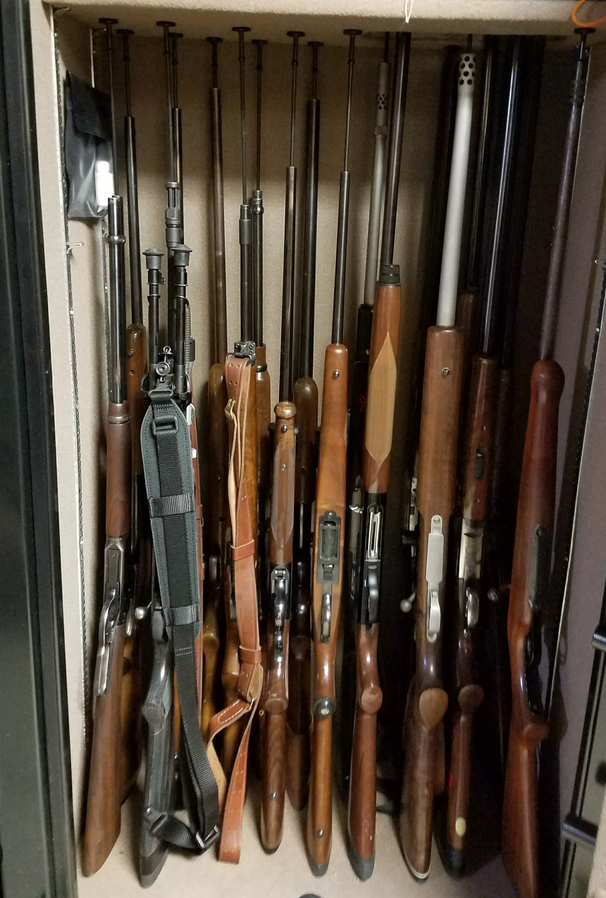
Documentation and provenance
Model 8 rifles benefit from excellent factory documentation, as Remington maintained detailed production records throughout the rifle's manufacturing period. These records allow collectors to determine original specifications, shipping dates, and sometimes even the original purchaser information for specific serial numbers.
Remington's historical services department can provide factory letters for Model 8 rifles when sufficient information is available. These letters typically include the rifle's original configuration, shipping date, and destination. Factory letters add significant value to collectible examples and help authenticate original specifications versus later modifications.
Original sales receipts, hunting licenses, and family documentation can provide valuable provenance information that enhances a rifle's historical significance. Rifles with documented hunting history or family connections often command premium prices and generate greater collector interest than examples lacking such documentation.
Military or law enforcement connections occasionally surface in Model 8 documentation. Some rifles were purchased by police departments or military units for evaluation or limited service. These connections, when properly documented, add considerable historical interest and value to specific examples.
Period photographs showing the rifle in use can provide valuable documentation of original configuration and historical context. Hunting photographs from the early-to-mid 20th century sometimes show Model 8 rifles and can help establish provenance for specific examples.
Collectors should maintain detailed records of their own, including purchase documentation, condition assessments, and any restoration or repair work performed. This documentation becomes part of the rifle's permanent record and aids future collectors in understanding the rifle's history and condition.
Market considerations and collecting trends
The Model 8 collecting market reflects the rifle's position as a historically significant but relatively affordable alternative to more famous Browning designs. Prices remain reasonable compared to other early semi-automatic rifles, making the Model 8 accessible to collectors with moderate budgets while still offering potential for appreciation.
Condition drives value more than rarity in the Model 8 market. Well-preserved examples in original configuration command significant premiums over rifles showing wear, modification, or poor maintenance. The complex action mechanism means that mechanical condition affects value substantially, as repair costs can exceed the rifle's worth.
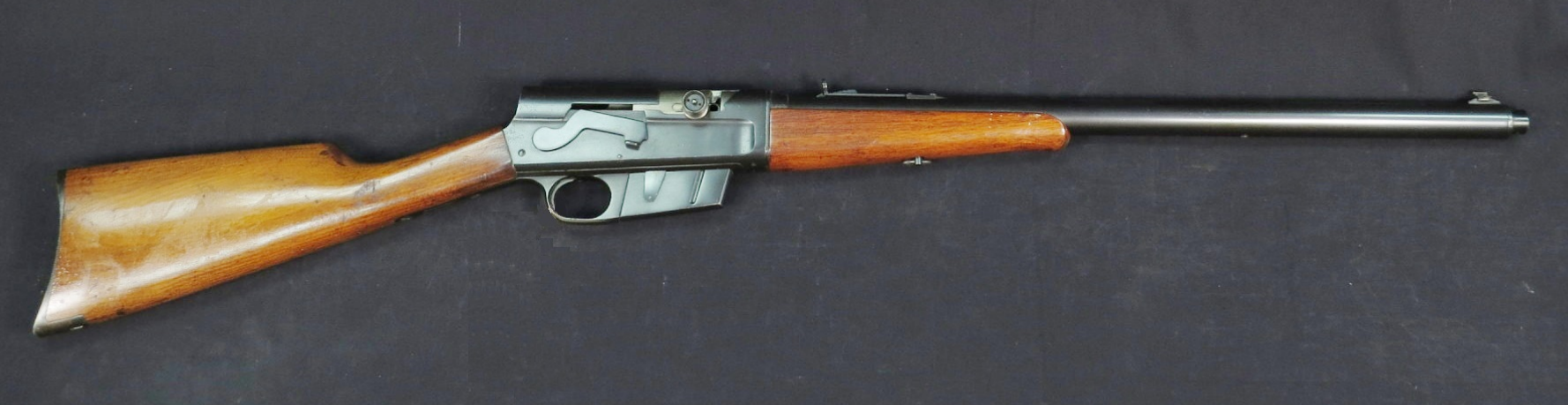
Chambering affects both value and collector interest. The .35 Remington chambering typically brings the highest prices due to ammunition availability and continued utility. The .25 Remington follows in desirability, while the .30 and .32 Remington chamberings often sell for less despite their greater scarcity.
Early production rifles with distinctive features generate strong collector interest, particularly examples with unusual markings or configurations. However, condition remains paramount, and early rifles in poor condition may sell for less than later examples in excellent shape.
Special grades and variants command substantial premiums when properly authenticated. However, the scarcity of documentation for special orders makes authentication challenging, and unsubstantiated claims can actually hurt values if buyers become skeptical.
The Model 8's reputation as a shooter's rifle means that examples in excellent mechanical condition often bring premium prices from buyers who intend to hunt with their rifles. This practical utility supports values and provides a broader market than purely collector interest alone.
Conclusion
The Remington Model 8 represents a unique collecting opportunity that combines historical significance, mechanical sophistication, and relative affordability. As America's first successful semi-automatic hunting rifle, the Model 8 deserves recognition alongside more famous designs from