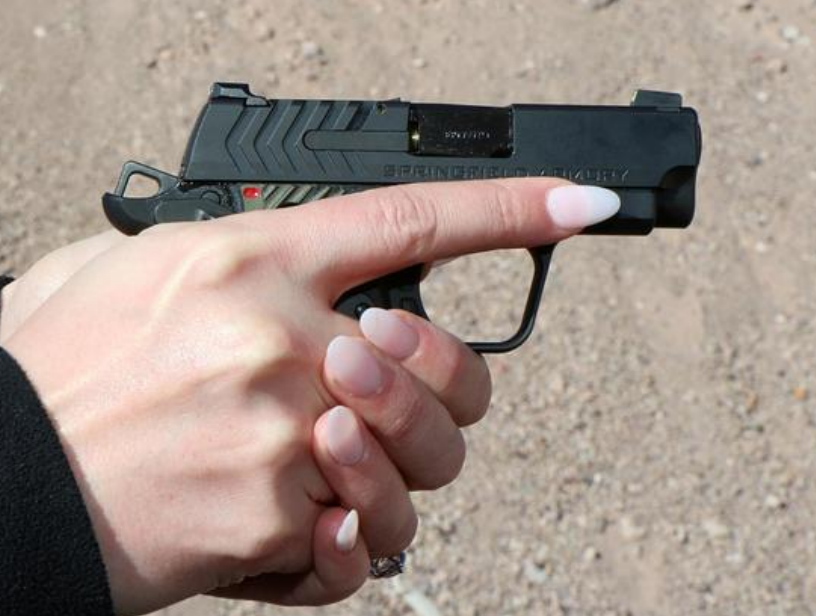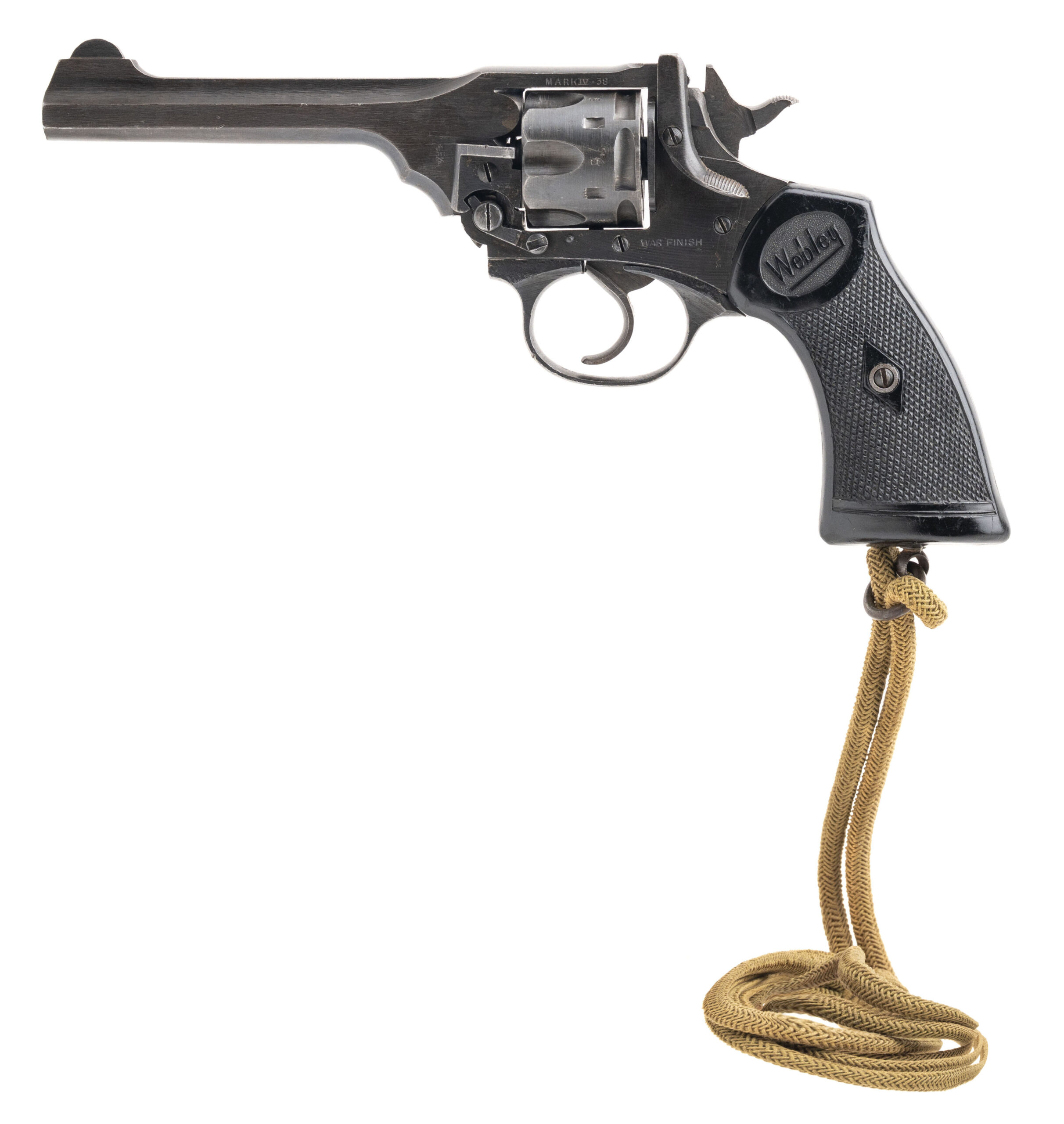
The choice between steel and polymer frame pistols isn't about which material is "better" in some abstract sense. It's about understanding how frame material changes the way a pistol behaves in your hands, on your belt, and through thousands of rounds. For this deep dive, we're focusing on full-size and compact service pistols in 9mm; the sweet spot where frame material differences show up most clearly in recoil management, carry comfort, and long-term durability.
Whether you're selecting a duty pistol that needs to run reliably through 20,000 rounds, a carry gun that disappears under a shirt, or a range pistol for serious training, frame material shapes every aspect of how that gun performs. Steel frames bring mass and traditional craftsmanship. Polymer frames offer light weight and modern engineering. Neither is universally superior, but each excels in specific roles.
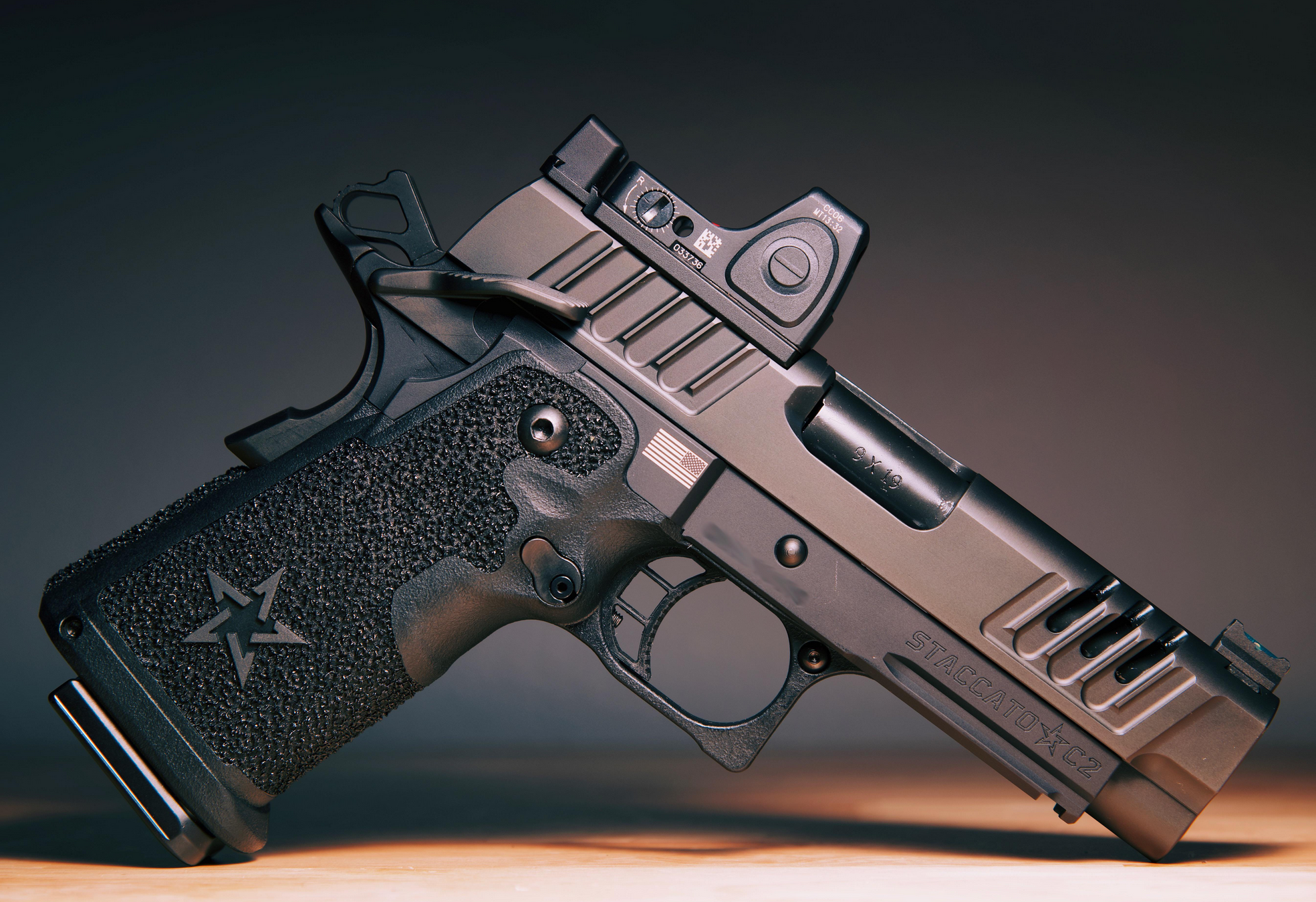
9mm service pistol (steel frame)
May contain affiliate links.
The key is matching frame material to your actual use case. A steel-frame pistol that feels perfectly balanced on the range might become a burden during a 12-hour shift. A polymer frame that carries comfortably all day might feel snappy and harder to control during extended range sessions. Understanding these trade-offs lets you make an informed choice rather than following trends or marketing claims.
Understanding frame material fundamentals
Frame material affects three primary characteristics that matter to shooters: weight distribution, recoil absorption, and long-term durability patterns. These aren't just theoretical differences; they translate directly into how the pistol tracks during rapid fire, how it feels after eight hours on your hip, and how it holds up to serious training schedules.
Steel frames, typically made from forged or machined steel alloys, concentrate mass low in the pistol. This creates a lower center of gravity and more inertia to resist muzzle flip. The additional weight, usually 8 to 12 ounces more than comparable polymer frames, acts as a natural recoil dampener. When you fire, that extra mass absorbs and spreads the recoil impulse over a longer time period, reducing the sharp snap that can throw off your sight picture.

Polymer frames use reinforced plastic composites, often with steel or aluminum inserts at stress points like the slide rails and trigger mechanism. The weight savings is substantial; a typical polymer-frame compact 9mm weighs around 24 ounces loaded, while its steel-frame equivalent might reach 34 ounces. That 10-ounce difference becomes significant when you're carrying the pistol for hours or when fatigue sets in during long training sessions.
9mm service pistol (polymer frame)
May contain affiliate links.
The engineering approaches differ fundamentally. Steel frames rely on material strength and mass to handle stress and recoil. Polymer frames use engineered flexibility and strategic reinforcement. A polymer frame actually flexes slightly under recoil, then returns to shape; this isn't a weakness but a design feature that helps distribute stress throughout the frame structure.

Weight distribution and handling characteristics
The way weight is distributed through the frame changes how the pistol behaves in your hands. Steel frames place more mass below the bore axis, creating a pendulum effect that naturally wants to return the muzzle to its starting position after recoil. This makes steel-frame pistols feel more stable during rapid fire and easier to keep on target through long strings.
When you fire a steel-frame pistol, the additional mass resists the rearward and upward forces of recoil. The result is a slower, more controlled recoil pulse that many shooters find easier to manage. Your sight picture returns more predictably, and follow-up shots feel more consistent. This is particularly noticeable in timed drills where you're pushing your speed; the steel frame gives you a wider margin for error in your grip and stance.
Polymer frames distribute weight differently, with more mass concentrated in the slide and barrel assembly. This higher center of gravity can make the pistol feel more lively in recoil, with a sharper, quicker impulse. Some shooters interpret this as "snappier" recoil, though the actual energy is the same. The difference is in how that energy is transmitted to your hands and how quickly the pistol settles back on target.
The handling differences extend beyond recoil. Steel frames often feel more solid and substantial during manipulation; press checks, slide operation, and magazine changes have a different tactile quality. Polymer frames can feel more responsive to input, almost like they're transmitting more information about the gun's mechanical state through your hands.
Recoil management and shooting performance
Recoil management isn't just about comfort; it directly affects your ability to deliver accurate follow-up shots quickly. The frame material influences both the magnitude and character of the recoil impulse you feel, which changes your technique requirements and performance potential.
Steel-frame pistols excel in recoil absorption through simple physics. The additional mass creates more inertia, so the pistol resists movement under recoil forces. When you fire, the gun pushes back and up, but that heavier frame slows the acceleration and reduces the peak force transmitted to your hands. The result is a recoil impulse that builds more gradually and peaks lower, giving you more time to maintain your grip and sight alignment.

This translates into measurable performance differences. Many shooters find they can maintain tighter groups with steel-frame pistols during rapid fire, particularly at distances beyond 15 yards where small sight alignment errors become magnified. The heavier frame also helps during long training sessions; as your grip strength fatigues, the pistol's natural stability becomes more important for maintaining accuracy.
Polymer frames require more active recoil management from the shooter. Without the mass to naturally dampen recoil, you need a firmer grip and more consistent technique to achieve the same level of control. This isn't necessarily a disadvantage; many competitive shooters prefer the immediate feedback and responsiveness of polymer frames. The lighter weight also reduces fatigue during extended shooting, which can offset the increased technique demands.
The recoil characteristics affect different shooting applications differently. For precision shooting at longer ranges, the stability of a steel frame often provides an advantage. For dynamic shooting with movement and multiple targets, the lighter weight and quicker handling of polymer frames can be beneficial. Understanding your primary shooting applications helps determine which trade-off serves you better.
Safety & Setup
When comparing frame materials at the range, establish consistent test conditions to isolate the differences. Use the same ammunition, shooting position, and target distance for both pistols. Start with slow, deliberate shots to establish baseline accuracy, then gradually increase your pace to see how each frame material affects your ability to maintain precision under time pressure. Always ensure proper eye and ear protection, and maintain consistent grip pressure between pistols to avoid introducing variables that could skew your comparison.
Durability patterns and maintenance considerations
Long-term durability patterns differ significantly between steel and polymer frames, affecting maintenance schedules, replacement part availability, and overall service life. Understanding these patterns helps you plan for the total cost of ownership and training requirements over the pistol's working life.

Steel frames typically show wear in predictable patterns. The slide rails develop wear marks where the steel slide contacts the frame during cycling. These wear patterns are usually cosmetic for tens of thousands of rounds, though they can eventually affect slide-to-frame fit if the pistol sees extremely high round counts. The advantage is that steel frame wear is gradual and visible; you can monitor it and address it before it affects function.
Traditional steel-frame pistols often use replaceable parts at high-wear points. Barrel bushings, recoil spring guides, and trigger components can be serviced or upgraded as needed. The manufacturing tolerances in quality steel frames are often generous enough that normal wear doesn't significantly affect function until very high round counts; often 30,000 rounds or more for duty-grade pistols.
Polymer frames show different wear characteristics. The frame material itself is remarkably durable; the polymer doesn't wear in the same way steel does, and it's largely immune to corrosion. However, the metal inserts and reinforcements can develop play over time. The slide rails, typically made from steel inserts molded into the polymer, may show wear where they contact the slide.
One advantage of polymer construction is that the frame can absorb and distribute stress in ways that steel cannot. The slight flexibility of the polymer can actually extend the life of other components by reducing stress concentrations. However, if a polymer frame does fail, it's typically not repairable in the field; the entire frame assembly needs replacement.
Environmental considerations also differ. Steel frames require more attention to corrosion prevention, particularly in humid or marine environments. Quality finishes help, but steel will eventually show corrosion if neglected. Polymer frames are largely immune to environmental corrosion, though they can be affected by certain chemicals and extreme temperatures.
Carry comfort and concealment factors
Daily carry requirements create a different set of priorities than range performance. The weight difference between steel and polymer frames becomes magnified when you're wearing the pistol for 8-12 hours, and the way that weight is distributed affects both comfort and concealment.

Polymer frames offer clear advantages for extended carry. The weight savings, typically 8-12 ounces, reduces fatigue and makes the pistol less noticeable during daily activities. This is particularly important for appendix carry, where the pistol's weight is supported entirely by your belt and waistband. A lighter pistol is easier to conceal and more comfortable during long periods of sitting, walking, and normal movement.
The weight distribution of polymer frames can also aid concealment. With more weight concentrated in the slide and barrel, polymer-frame pistols tend to balance differently in a holster. This can reduce printing and make the pistol less noticeable under clothing, though the specific effect depends on your body type, carry position, and clothing choices.
Steel frames present different carry characteristics. The additional weight can actually help with concealment in some cases; a heavier pistol tends to stay put in the holster and moves less during normal activity. However, that same weight can become uncomfortable during extended carry, particularly if your belt and holster system isn't properly designed to distribute the load.
The mass of steel frames affects how the pistol feels during the draw stroke. Some shooters find the additional weight makes the draw feel more deliberate and controlled, while others prefer the quicker, lighter feel of polymer frames. These are largely personal preferences, but they can affect your training requirements and technique development.
Holster selection becomes more critical with steel frames. The additional weight requires a more robust holster and belt system to maintain proper retention and positioning. Polymer frames are more forgiving of lighter holster systems, though proper support is still important for consistent presentation and comfort.
Training implications and skill development
Frame material affects how you develop and maintain shooting skills over time. The different recoil characteristics, weight distribution, and handling qualities require slightly different technique emphases and training approaches.

Steel frames can be more forgiving during skill development. The natural stability and recoil absorption help mask minor technique flaws, allowing new shooters to achieve good results while they're still developing proper grip, stance, and trigger control. This can accelerate the learning process and build confidence more quickly.
However, this same forgiving nature can potentially slow technique development in some areas. If you learn to shoot primarily on steel-frame pistols, you might not develop the grip strength and recoil management skills needed to shoot polymer frames effectively. The transition from steel to polymer often requires technique adjustments and additional training.
Polymer frames demand more from the shooter but can accelerate skill development in specific areas. The more immediate recoil impulse and lighter weight require better grip technique and more consistent fundamentals. Shooters who master polymer-frame pistols often find they can shoot steel frames very well, while the reverse isn't always true.
Training volume considerations also differ. Steel frames can be easier to shoot through high round count sessions; the recoil absorption reduces fatigue and allows you to maintain technique longer. Polymer frames might require more frequent breaks or technique adjustments as fatigue sets in, but the lighter weight can reduce overall physical stress during long training days.
The feedback characteristics of each frame type affect how quickly you can diagnose and correct technique problems. Polymer frames often provide more immediate feedback about grip pressure, stance, and trigger control. Steel frames might mask these issues initially but can help you focus on sight alignment and trigger press without fighting excessive recoil.
Cost considerations and value analysis
The total cost of ownership extends beyond the initial purchase price to include maintenance, accessories, and long-term durability. Frame material affects all these factors in ways that can significantly impact the pistol's value over its service life.

Initial purchase prices vary widely, but steel frames typically command a premium over comparable polymer frames. This reflects both material costs and manufacturing complexity; steel frames often require more machining and hand-fitting than polymer frames. However, the price difference has narrowed as polymer manufacturing has become more sophisticated and steel frame production has become more efficient.
Maintenance costs can favor either material depending on use patterns. Steel frames might require more frequent cleaning and corrosion prevention, but replacement parts are often less expensive and more widely available. Polymer frames need less routine maintenance but might require complete frame replacement if damaged, which can be more expensive than repairing steel components.
Accessory compatibility often favors steel frames, particularly for older designs with extensive aftermarket support. Light rails, grips, triggers, and other modifications are typically more available for established steel-frame platforms. However, modern polymer frames often have excellent factory accessory support and growing aftermarket options.
Resale value patterns differ between materials. Established steel-frame designs often hold their value well and can even appreciate if they become collectible. Polymer frames typically depreciate more like modern tools; they lose value steadily but stabilize at functional prices. The specific model and manufacturer reputation matter more than frame material for long-term value retention.
Application-specific recommendations
Different shooting applications favor different frame materials based on their specific requirements and constraints. Understanding these applications helps you match frame material to your actual needs rather than theoretical preferences.
For duty and professional use, both materials have proven track records, but the choice often depends on specific requirements. Steel frames excel in roles requiring maximum durability and recoil control; detective work, specialized units, or situations where the pistol might see extreme use. Polymer frames work well for patrol and general duty where weight savings and corrosion resistance matter more than ultimate durability.

Competition shooting applications vary by discipline. Precision shooting sports often favor steel frames for their stability and recoil absorption. Action shooting sports might prefer polymer frames for their lighter weight and faster handling. The specific rules and course of fire matter more than general preferences; some competitions have weight limits or other restrictions that influence frame material choice.
Home defense applications can use either material effectively, but the considerations differ. Steel frames offer maximum reliability and recoil control for the few shots you might need. Polymer frames provide easier handling for family members with different strength levels and require less maintenance in storage. The specific home defense scenario; urban apartment, rural property, family with multiple users; affects the optimal choice.
Concealed carry applications generally favor polymer frames for their weight savings and corrosion resistance. However, some carriers prefer the stability and traditional feel of steel frames, particularly for larger pistols where the weight difference is less critical. Climate, clothing, and carry duration all affect the practical impact of frame material choice.
Making the decision: matching material to mission
The choice between steel and polymer frames ultimately comes down to prioritizing the characteristics that matter most for your specific applications. Rather than seeking the "best" material in abstract terms, focus on which trade-offs serve your actual shooting needs.
Consider your primary use case first. If you're selecting a pistol primarily for concealed carry, the weight savings of polymer frames usually outweigh the recoil control advantages of steel. If you're choosing a range pistol for serious training, the stability and durability of steel might justify the additional weight. If you need one pistol to serve multiple roles, consider which role is most critical and choose accordingly.
Evaluate your shooting skill level and development goals. Beginning shooters often benefit from the forgiving nature of steel frames, while experienced shooters might prefer the immediate feedback of polymer frames. If you're planning to shoot competitively, consider the specific discipline requirements and equipment restrictions.
Factor in your physical characteristics and limitations. Smaller-statured shooters might find polymer frames easier to handle and carry, while larger shooters might not notice the weight difference and could benefit from the additional stability of steel. Hand strength, arthritis, and other physical factors can influence which frame material works better for you.
Consider your training and maintenance commitment. Steel frames might require more routine care but offer more repair options. Polymer frames need less maintenance but might require complete replacement if damaged. Your willingness and ability to perform maintenance affects the long-term viability of each option.
Environmental factors matter for some users. If you live in a humid climate or work in marine environments, polymer frames offer clear advantages in corrosion resistance. If you primarily shoot in controlled indoor environments, this might not be a significant factor.
Budget considerations extend beyond initial purchase price. Factor in holsters, accessories, ammunition costs, and long-term maintenance when comparing options. Sometimes the more expensive initial choice proves more economical over the pistol's service life.

The decision doesn't have to be permanent or exclusive. Many serious shooters eventually own both steel and polymer frame pistols for different applications. Starting with one type and adding the other as your needs and experience develop is a valid approach that lets you understand both materials through actual use.
Understanding these trade-offs helps you make an informed choice based on your actual needs rather than marketing claims or popular trends. Both steel and polymer frames can serve you well when matched to appropriate applications and supported by proper training and maintenance. The key is honest assessment of your priorities and realistic evaluation of how you'll actually use the pistol over its service life.
Your next range session should include some focused comparison if you have access to both frame types. Run the same drills with similar pistols in each material and pay attention to how the differences affect your performance, comfort, and confidence. The best choice is the one that helps you shoot more accurately, carry more comfortably, and train more effectively for your specific needs.