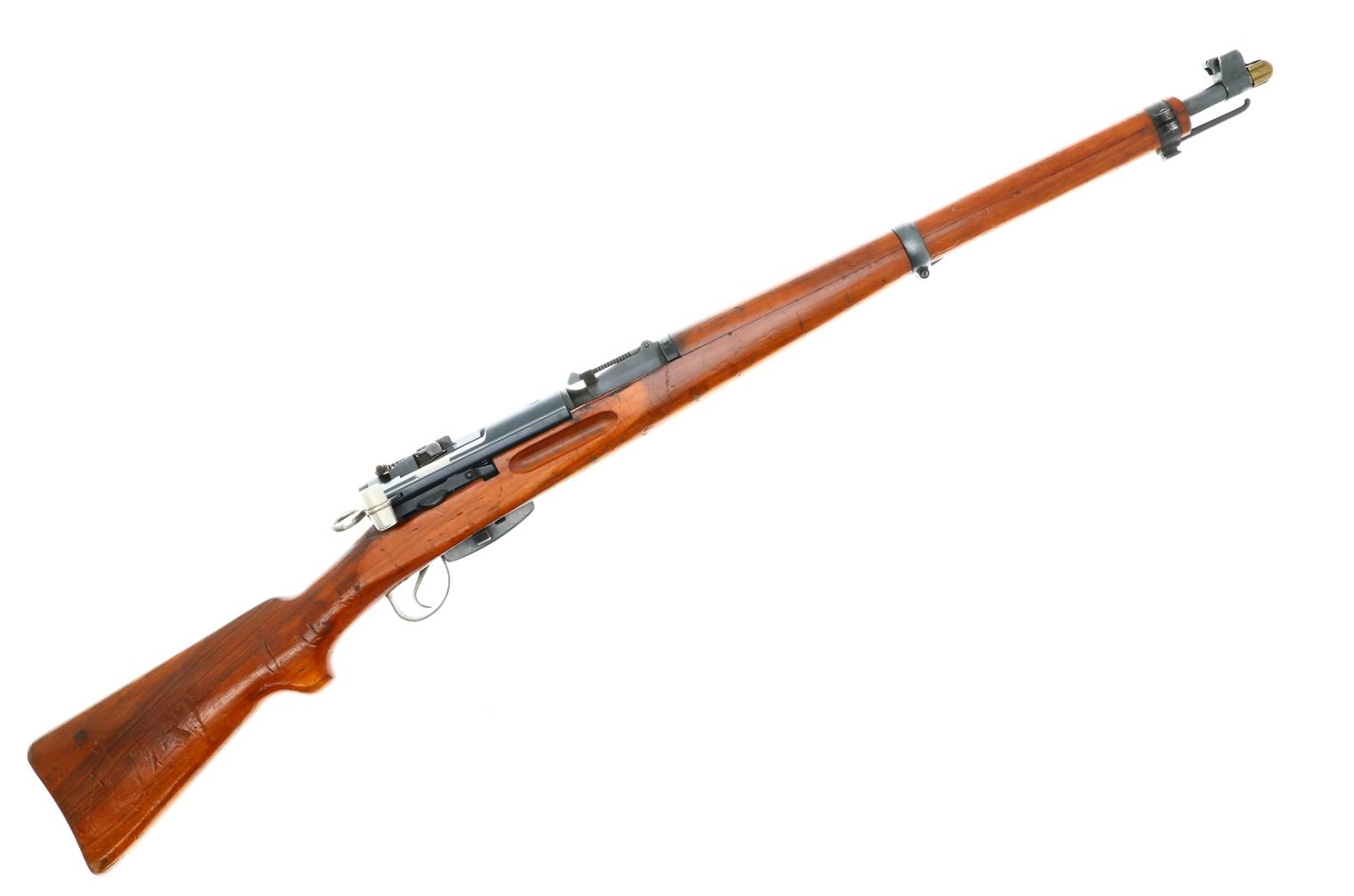
The Swiss K31 straight-pull rifle represents one of the last military bolt-action designs to see widespread service. Adopted in 1931 and manufactured until 1958, these rifles combine Swiss precision engineering with practical military requirements. Unlike many European military rifles that suffered through wartime production shortcuts, K31s maintained consistent quality throughout their production run.
For collectors, K31s offer several advantages. They were never used in major combat, meaning most examples retain their original finish and components. Swiss record-keeping was meticulous, and many rifles can be traced to specific production batches and even individual soldiers. The straight-pull action remains smooth and fast, making these rifles appealing to both collectors and shooters.
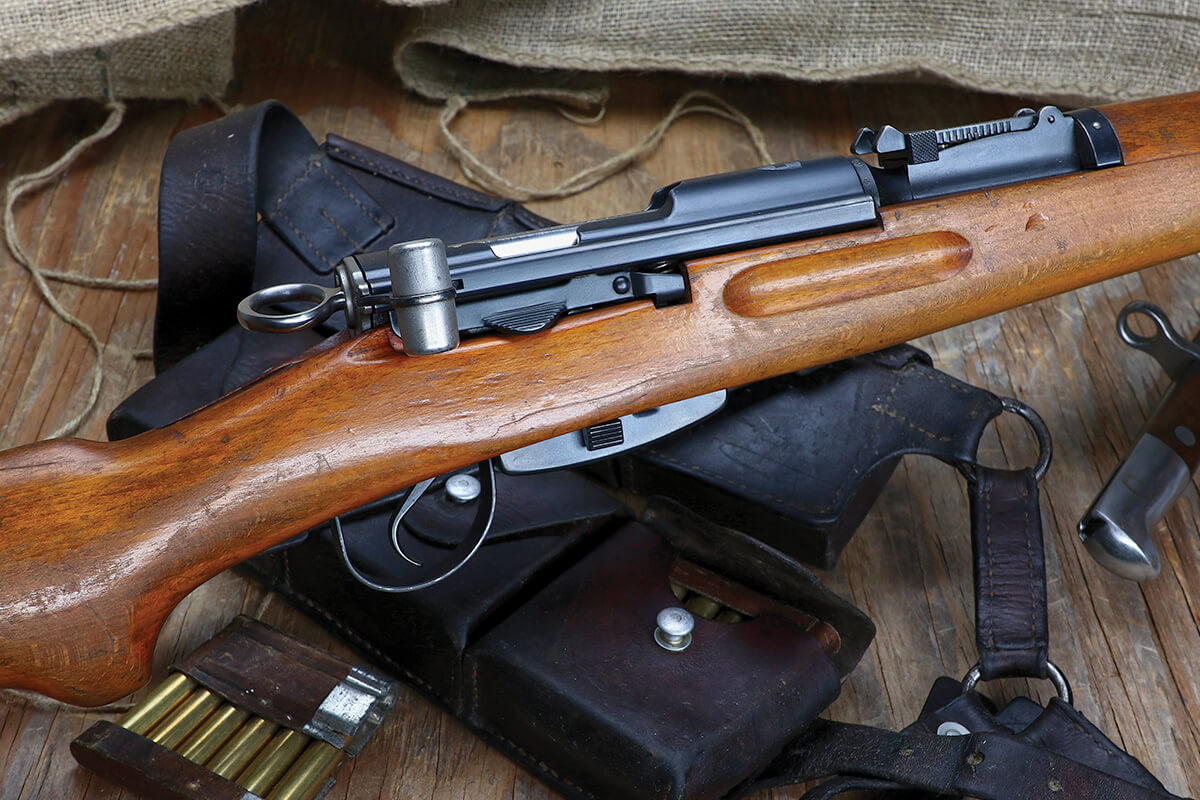
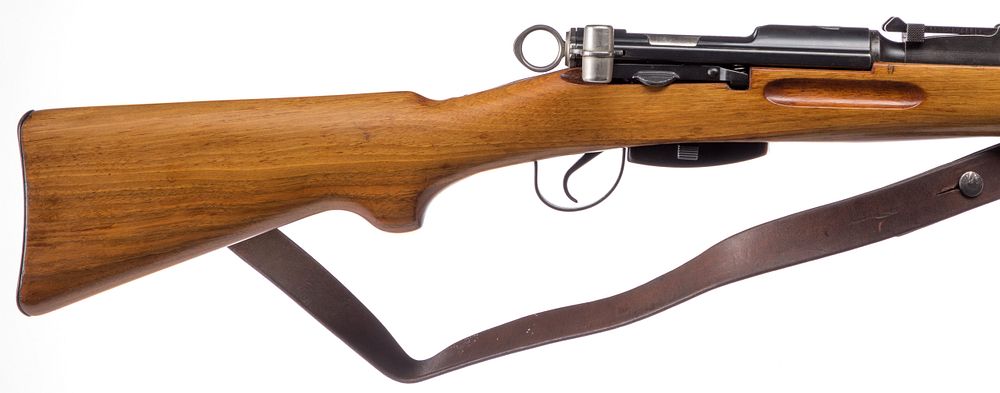
The K31 collecting lane focuses primarily on three areas: understanding the different manufacturers and their marking systems, identifying original versus refurbished components, and assessing the condition of the distinctive walnut stock with its integrated magazine well. Swiss rifles were built to last, but they also underwent systematic refurbishment programs that can affect originality and value.
This examination covers the major variants, manufacturing periods, and condition factors that matter when evaluating K31s. The goal is practical assessment skills for collectors who want to distinguish between untouched examples and rifles that have been through arsenal refurbishment or import modification.
Manufacturing periods and makers
K31 production spanned nearly three decades across multiple Swiss facilities. The primary manufacturers were Waffenfabrik Bern (W+F Bern) and SIG (Schweizerische Industrie Gesellschaft), with smaller quantities from other contractors.
W+F Bern produced the majority of K31s from 1933 through 1958. Early Bern rifles, manufactured from 1933 to 1940, typically show the finest machining and finishing. These rifles have crisp edges on all metal components and deep, clear markings. The walnut stocks on early examples often display exceptional grain and a rich, dark finish that has aged well.
Mid-war production from 1941 to 1945 maintained quality but shows subtle differences. Metal finishing became slightly more utilitarian, though still far superior to wartime German or Italian standards. Stock wood during this period varies more in grain quality, likely due to material availability, but construction remained consistent.
Post-war Bern production from 1946 to 1958 returned to pre-war quality standards. These rifles often have the sharpest markings and most consistent metal finishing. However, post-war stocks sometimes used different wood treatments that can appear lighter or have a different patina compared to pre-war examples.
SIG manufactured K31s primarily from 1957 to 1958, producing approximately 29,000 rifles. SIG rifles are distinguished by their maker marks and serial number ranges. The quality matches late-production Bern rifles, but SIG examples are less common in the American market.
Minor contractors produced small quantities during specific periods. These rifles often carry unique proof marks or manufacturer codes that make them interesting to specialized collectors, though documentation can be sparse.
Receiver markings and identification
Swiss marking systems provide detailed information about each rifle's production and service history. The receiver ring contains the primary identification markings, including manufacturer, year, and serial number.
The Swiss cross in a shield appears on all K31s, typically on the left side of the receiver ring. This marking indicates acceptance by Swiss military inspectors. Early rifles often show this mark more deeply struck than later examples.
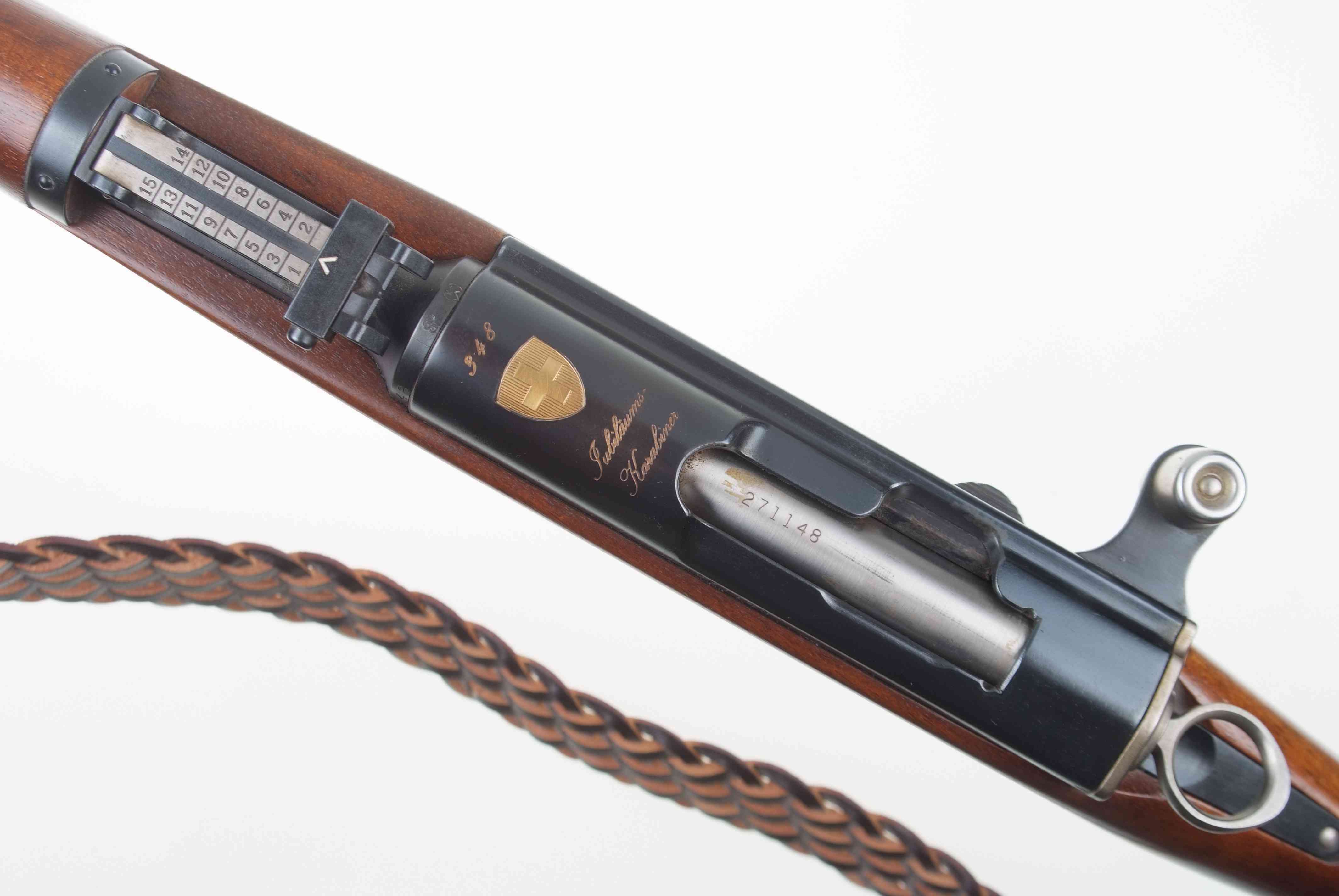
Year markings appear as two or four digits, depending on the production period. Pre-1950 rifles typically show two-digit years (33, 41, 47), while later production used four digits. The year indicates manufacture date, not acceptance or delivery.
Serial numbers on K31s follow a complex system that changed multiple times during production. Early rifles used simple sequential numbering within each year. Later production adopted block systems that can help identify specific manufacturing batches. Some collectors maintain databases correlating serial numbers to production dates and unit assignments.
Proof marks beyond the basic Swiss cross can indicate refurbishment, modification, or special purpose use. Additional stamps may show arsenal rework dates, unit assignments, or export authorization. These secondary markings require careful documentation, as they affect both historical significance and collector value.
Import marks from various countries appear on many K31s in American collections. These marks, required by importing nations, were typically applied to the barrel or receiver in locations that minimize damage to original Swiss markings. The placement and method of import marking can significantly affect collector desirability.
Stock variations and condition assessment
The K31's distinctive walnut stock integrates the magazine well and trigger guard into a single wooden component. This design requires careful evaluation, as stock condition heavily influences both function and collector value.
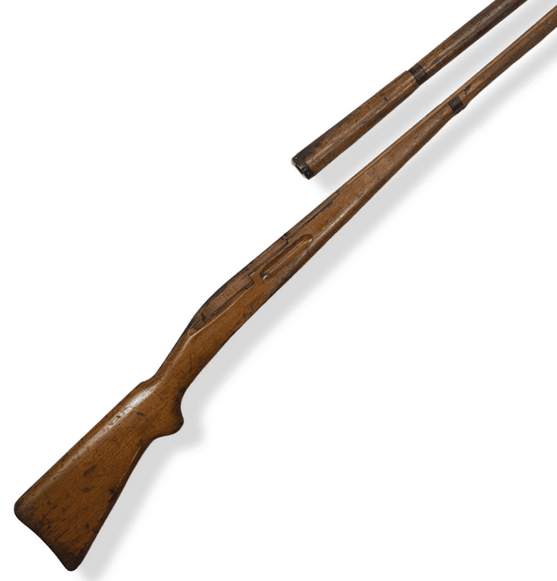
Original Swiss stocks display specific characteristics that distinguish them from replacement or refurbished examples. The wood grain typically runs straight through the wrist area, providing strength for the integrated magazine well. Swiss walnut tends to be dense and fine-grained, with a characteristic reddish-brown color that darkens with age.
Stock markings include unit assignments, soldier numbers, and arsenal stamps. These markings were typically burned or stamped into the wood and should appear crisp and original to the wood's patina. Overstamped or re-marked stocks indicate refurbishment or reassignment.
The buttplate attachment method changed during production. Early rifles used a distinctive Swiss buttplate secured with specific screws and washers. Later production and refurbished rifles sometimes received different buttplate styles. Original buttplates show specific markings and finishing that match the rifle's production period.
Sling swivel placement and style varied between production periods and refurbishment programs. Original swivels were typically blued steel with specific mounting methods. Replacement swivels may use different metals or mounting systems that affect originality.
Stock repairs and modifications are common concerns. Swiss armories performed authorized repairs using specific techniques and materials. Unauthorized repairs, field modifications, or commercial alterations reduce collector value and historical accuracy. Learning to distinguish between authorized and unauthorized modifications requires examining multiple examples and understanding Swiss military practices.
Action and barrel condition factors
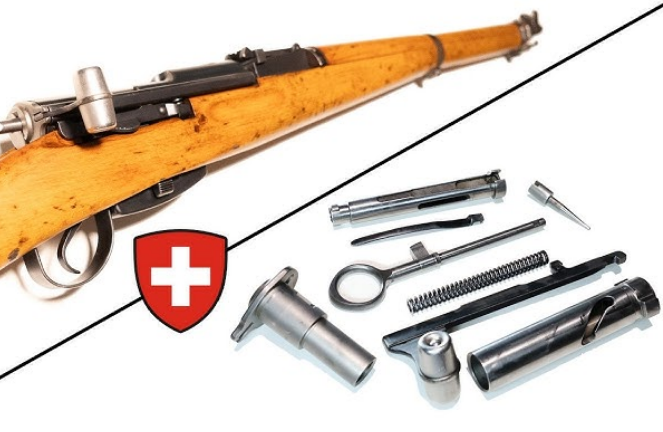
The K31's straight-pull action contains precision components that require specific evaluation techniques. Unlike traditional bolt-actions, the K31's mechanism includes additional moving parts that can show wear or damage in unique ways.
Bolt operation should be smooth and consistent through the full cycle. The straight-pull mechanism relies on precise tolerances between multiple components. Excessive play, binding, or irregular movement indicates wear or damage that may require professional attention.
Headspace on K31s can be checked using standard gauges, but the straight-pull action requires different techniques than conventional bolt-actions. Swiss military specifications were precise, and rifles that fail headspace checks may have been modified or damaged.
Barrel condition on most K31s remains excellent due to limited military use and quality manufacturing. Swiss barrels were made from high-quality steel and finished to exacting standards. Most examples show minimal throat erosion and retain sharp rifling throughout their length.
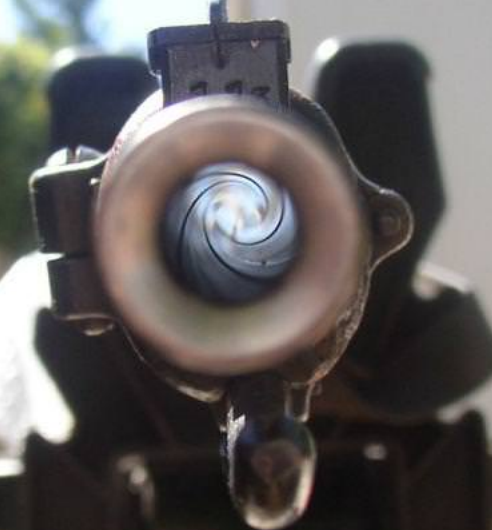
Muzzle condition deserves particular attention, as K31s often show crown damage from improper cleaning or storage. The Swiss crown design is distinctive and should appear symmetrical with sharp, clean edges. Damaged crowns affect accuracy and indicate poor maintenance history.
Chamber condition can be evaluated using standard techniques, but K31 chambers were cut to specific Swiss specifications that may differ slightly from commercial standards. Original chambers should be smooth and show minimal erosion or pitting.
Collector's Notes
When examining a K31, always check the bolt face for proper markings and finish. Original bolt faces show specific machining patterns and markings that indicate authenticity. Replacement bolts or modified bolt faces suggest significant repairs or parts substitution that affects collector value.
Refurbishment programs and arsenal work
Swiss military arsenals conducted systematic refurbishment programs throughout the K31's service life. Understanding these programs helps collectors distinguish between original rifles and those that have undergone official modification.
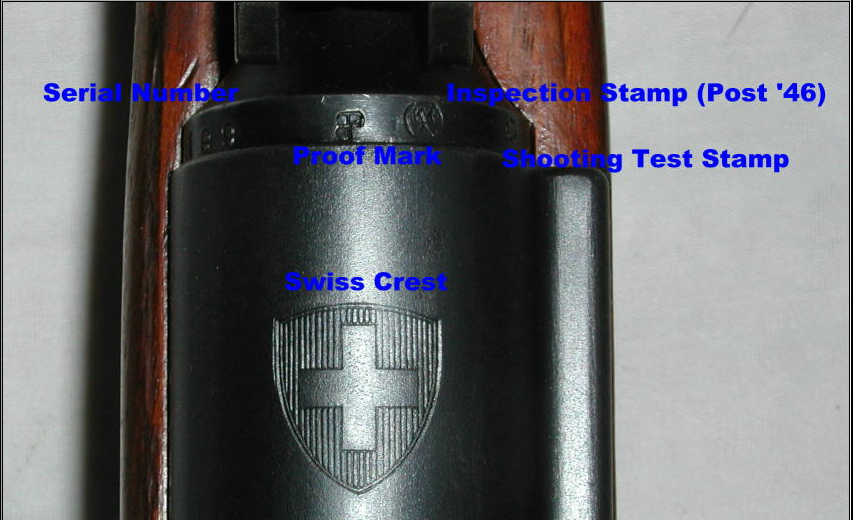
The primary refurbishment program occurred in the 1950s and 1960s, when many K31s received updated components or finishes. Refurbished rifles typically show arsenal stamps indicating the work performed and the date of refurbishment. These stamps appear in specific locations and use standardized formats.
Metal refinishing during refurbishment often involved rebluing or reparkerizing. Arsenal refinishing can be distinguished from commercial work by examining the finish quality, coverage, and marking preservation. Swiss arsenals took care to preserve original markings during refinishing, while commercial refinishing often obscures or damages original stamps.
Stock refurbishment included repairs, refinishing, and component replacement. Arsenal stock work typically maintained the original wood whenever possible, using specific repair techniques and materials. Replacement stocks during refurbishment sometimes came from different production periods, creating mixed-date rifles that require careful documentation.
Component replacement during refurbishment followed Swiss military standards. Replacement parts were manufactured to original specifications and properly marked. However, mixed-date components can affect collector desirability, particularly when early rifles receive later-production parts.
Some refurbishment programs involved modifications for specific military roles. Training rifles, ceremonial weapons, and special-purpose variants may show unique modifications or markings. These variants can be valuable to specialized collectors but require proper documentation to verify authenticity.
Common condition issues and preservation
K31s generally survived better than most military rifles, but specific condition issues appear frequently enough to warrant attention. Understanding these common problems helps collectors make informed purchasing decisions and develop appropriate preservation strategies.
Stock cracks around the magazine well represent the most common structural issue. The integrated magazine design places stress on the wood in this area, and cracks can develop over time. Small cracks may be stable and acceptable, while larger cracks can affect function and safety.
Metal corrosion on K31s typically appears in specific areas due to storage conditions and use patterns. The bolt extension and receiver rails can show wear or corrosion from operation. The barrel and receiver junction may show corrosion if moisture entered during storage.
Finish wear patterns on K31s follow predictable patterns based on military use and handling. Normal wear appears on high-contact areas like the bolt handle, trigger guard, and stock edges. Excessive wear or unusual wear patterns may indicate misuse or modification.
Component modifications for civilian use sometimes appear on imported rifles. Trigger modifications, sight changes, or stock alterations may have been performed to comply with import regulations or civilian preferences. These modifications typically reduce collector value and historical accuracy.
Ammunition-related damage occasionally appears on K31s that were fired with inappropriate cartridges. The 7.5×55mm Swiss cartridge has specific pressure characteristics, and rifles damaged by improper ammunition may show signs of excessive pressure or case extraction problems.
Preservation checklist
Store in climate-controlled environment with stable humidity below 50%
Use gun socks or cases that allow air circulation, avoid sealed plastic
Apply light coat of quality gun oil to metal surfaces annually
Inspect wood for new cracks or finish deterioration every six months
Document all markings with high-resolution photographs before handling
Avoid disassembly unless necessary for cleaning or inspection
Use appropriate cleaning tools sized for 7.5mm bore diameter
Preserve original finish patina; avoid aggressive cleaning or refinishing
Reference models and variants
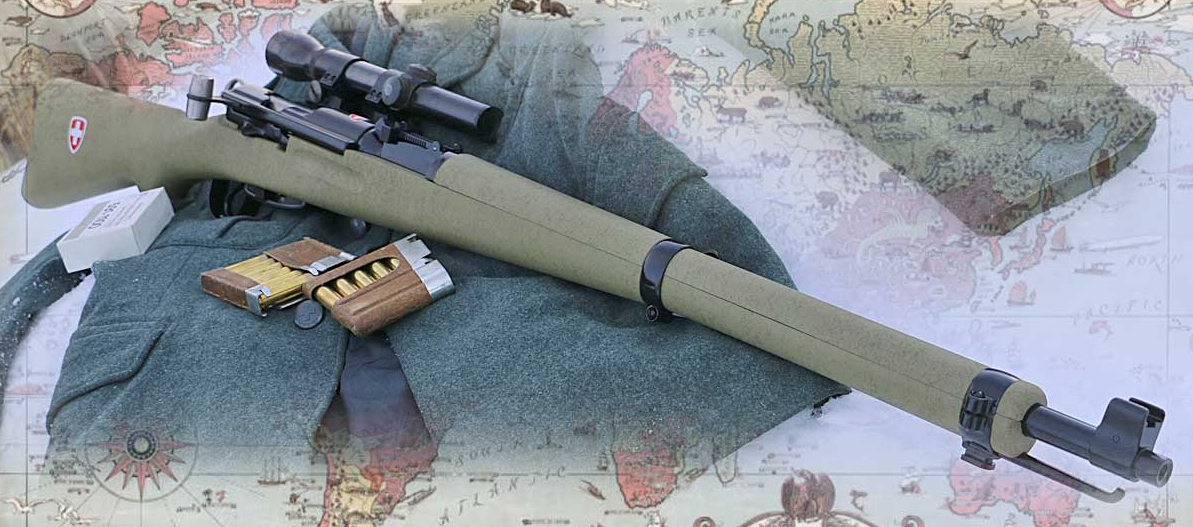
The K31 family includes several distinct variants that collectors should recognize. These variants differ in intended use, production methods, and relative scarcity in the American market.
The standard infantry K31 represents the most common variant. Produced from 1933 to 1958, these rifles feature the classic straight-pull action, integrated magazine, and walnut stock. Serial numbers for standard rifles follow the general production sequences, and most examples show typical military markings and proof stamps.
The K31/42 sniper variant was produced in limited quantities during World War II. These rifles feature selected barrels, modified stocks for scope mounting, and special markings indicating their precision role. Original K31/42 rifles are extremely rare in civilian hands, and many examples offered as snipers are actually standard rifles with added scopes or modifications.
The K31/43 represents a simplified wartime variant with minor production changes. These rifles maintained the same basic specifications as standard K31s but may show different manufacturing techniques or component sources. K31/43 rifles are less common than standard variants but not necessarily more valuable unless in exceptional condition.
Training variants include rifles modified for blank firing or reduced-charge cartridges. These rifles typically show specific markings indicating their training role and may have modified chambers or gas systems. Training rifles are interesting historically but generally less desirable to collectors focused on standard military variants.
Export variants were produced for specific foreign contracts or commercial sales. These rifles may show different markings, finishes, or specifications compared to Swiss military standards. Export variants require careful research to verify authenticity and determine their specific contract or destination.
| Variant | Production Period | Key Features | Relative Scarcity |
|---|---|---|---|
| Standard K31 | 1933-1958 | Military configuration, standard markings | Common |
| K31/42 Sniper | 1942-1944 | Selected barrel, scope provisions | Extremely rare |
| K31/43 | 1943-1945 | Simplified production methods | Uncommon |
| Training variants | Various | Modified for training ammunition | Uncommon |
| Export models | 1950s-1960s | Commercial or foreign military specs | Varies by contract |
Import marks and documentation
Most K31s in American collections arrived through various import programs spanning several decades. Understanding these import programs and their associated markings helps collectors assess authenticity and legal compliance.
Early imports in the 1980s and 1990s often show minimal import markings, typically consisting of the importer's name and location stamped on the barrel or receiver. These early imports frequently retained their original Swiss military configuration and accessories.
Later import programs required more extensive markings to comply with changing federal regulations. These markings may include caliber designations, country of origin, and importer information. The placement and method of these markings can affect collector desirability.
Some importers modified rifles to comply with sporting purposes requirements. These modifications might include trigger changes, stock alterations, or sight modifications. Modified rifles generally have lower collector value than unmodified examples, even when the modifications were professionally performed.
Documentation accompanying imported K31s varies widely. Some rifles retain Swiss military records, unit assignments, or service histories. Others arrive with only basic import documentation. The presence of original documentation significantly enhances collector value and historical interest.
Bring-back documentation from military personnel is rare for K31s, as these rifles saw limited combat use and were not commonly acquired as war souvenirs. Claims of bring-back status should be carefully verified through documentation and historical research.
Value factors and market considerations
K31 values in the collector market depend on several key factors that experienced collectors recognize and evaluate systematically. Understanding these factors helps collectors make informed decisions and avoid common pricing mistakes.
Originality represents the primary value factor for K31s. Rifles retaining all original Swiss components, markings, and finish command premium prices. Any modifications, replacements, or refinishing reduces value proportionally to the extent of the changes.
Condition assessment follows standard collector grading, but K31s have specific condition points that matter more than others. Stock integrity around the magazine well, bolt timing and headspace, and barrel condition affect both value and shootability.
Manufacturer and production period influence value, with early W+F Bern rifles generally commanding higher prices than later production. However, condition often outweighs production date, and a pristine late-production rifle typically sells for more than a worn early example.
Accessories and documentation can significantly affect value. Original slings, cleaning kits, bayonets, and ammunition pouches are increasingly scarce and valuable. Swiss military documentation, unit records, or service histories add considerable premium to individual rifles.
Market trends for K31s have remained relatively stable compared to other military rifles. The combination of Swiss quality, limited import quantities, and shooter appeal maintains steady demand. However, condition standards have become more stringent as collectors become more knowledgeable about originality factors.
Common mistakes
Assuming all K31s are equally original without checking for refurbishment marks
Overlooking stock cracks around the magazine well during initial inspection
Confusing commercial scope mounts with original K31/42 sniper provisions
Paying premium prices for rifles with import modifications or trigger work
Failing to verify headspace before purchasing rifles for shooting use
Advanced collecting considerations
Serious K31 collectors eventually focus on specific aspects that go beyond basic model identification and condition assessment. These advanced collecting areas require deeper research and more specialized knowledge.
Unit marking research involves tracing specific rifles to their original Swiss military assignments. Swiss record-keeping allows some rifles to be connected to specific regiments, training units, or individual soldiers. This research requires access to Swiss military archives and specialized reference materials.
Production variation studies examine the subtle changes in manufacturing techniques, component sources, and specifications throughout the production run. These variations can affect both historical significance and collector value, particularly for rifles from specific production periods or manufacturers.
Accessory collecting focuses on the complete Swiss military system surrounding the K31. Original slings, bayonets, cleaning equipment, ammunition pouches, and field gear are increasingly scarce and valuable. Complete systems with matching unit markings represent the pinnacle of K31 collecting.
Regional variation research examines differences between rifles intended for different Swiss military units or roles. Some units received rifles with specific modifications or markings that distinguish them from standard issue. These variations require extensive documentation to verify authenticity.
International variant collecting focuses on K31s produced for export or modified for specific foreign contracts. These rifles may show unique specifications, markings, or accessories that reflect their intended destination or use.
Conclusion
The K31 represents one of the most rewarding areas of military rifle collecting. Swiss manufacturing quality ensures that most examples retain excellent mechanical condition, while meticulous Swiss record-keeping provides opportunities for historical research that are impossible with most other military rifles.
Successful K31 collecting requires attention to originality above all other factors. The Swiss refurbishment programs, while historically significant, created rifles that may not appeal to collectors focused on original military configuration. Learning to distinguish between original rifles and those that have undergone arsenal work or import modification is essential for making informed purchasing decisions.
The key to K31 collecting lies in understanding the details that matter: manufacturer markings, production periods, stock condition, and the subtle signs of modification or refurbishment. These rifles reward careful examination and documentation, as their quality construction and historical significance make them likely to appreciate in both collector interest and market value.
For collectors entering this field, focus on acquiring the best original examples available rather than settling for modified or refinished rifles. The difference in long-term satisfaction and value retention justifies the patience required to find untouched examples. Document everything thoroughly, preserve the original condition, and remember that these rifles represent the final evolution of military bolt-action design executed to Swiss standards of precision and durability.