Drill of the month: Dynamic reloading techniques for action shooting
Dynamic reloading is a critical skill for any action shooter. Whether you're competing in a match or preparing for self-defense scenarios, knowing how to reload quickly and efficiently can make a significant difference. This training article focuses on dynamic reloading techniques, including various drills that will help you build speed and confidence with your firearm.
Understanding dynamic reloading
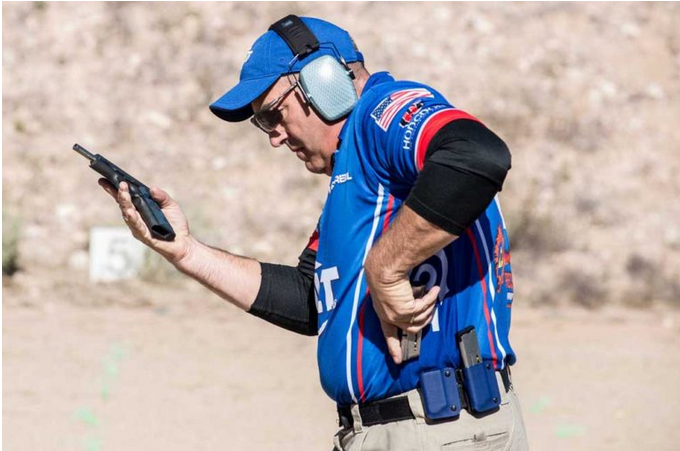
Dynamic reloading differs from tactical reloading, where you replace a partially filled magazine while keeping the firearm operational. In dynamic reloading, you're typically transitioning to a new magazine to address a situation where you have fired most or all rounds from your current magazine. This skill is crucial in action shooting sports like USPSA or IDPA, where quick reloads can impact your overall score.
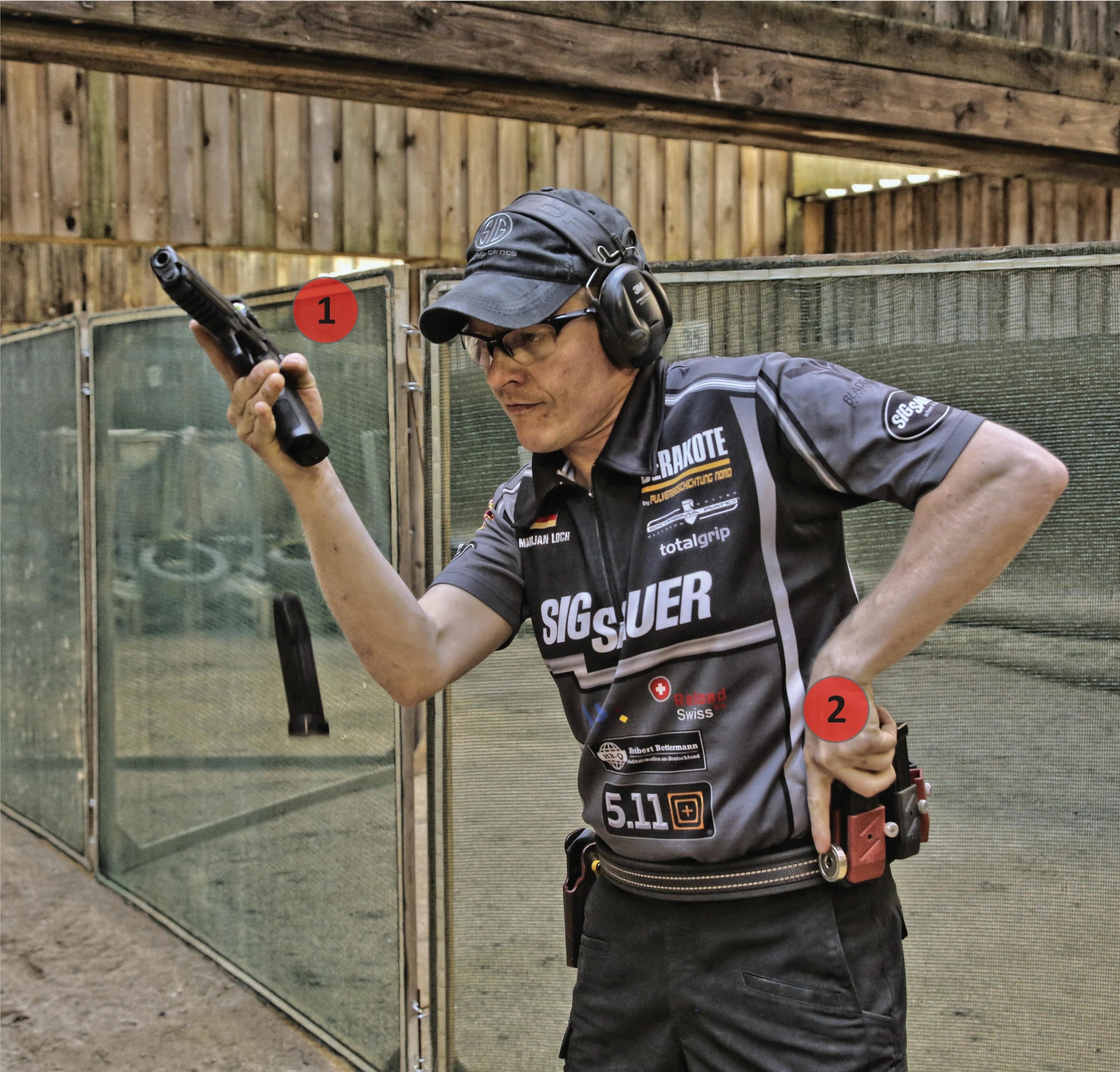
When practicing dynamic reloading, focus on your grip, body mechanics, and timing. You want to ensure that your actions are smooth and efficient, minimizing any wasted movement.
Why train dynamic reloading?
Dynamic reloading allows you to stay engaged with your target while efficiently managing your ammunition supply. In a competitive setting, each second counts. Therefore, training this skill ensures you can perform under pressure, maintaining accuracy and speed.
In practical scenarios, being able to reload without taking your eyes off your target can be the difference between success and failure.
Setting up for training
Before you head to the range, set clear goals for your dynamic reloading practice. You should define what success looks like; this may include time standards, hit zones, or both. Here's how to get started:
Equipment check: Ensure your firearm is in good working condition. Use magazines that are reliable and have enough capacity for the drills.
Safety first: Review safety rules, including muzzle direction and trigger discipline. Always treat every firearm as if it is loaded.
Environment: Choose a suitable location for your training; an indoor range or outdoor bay with enough space to move freely is ideal.
Drills for dynamic reloading
Drill 1: Basic reload drill

Objective: Build familiarity with the mechanics of reloading.
Distance: Start from the 5-yard line.
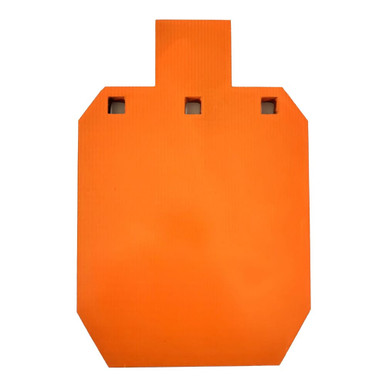
Target size: Standard IPSC silhouette or equivalent.
Rounds: 10 rounds total (5 rounds per magazine).
Par time: None; focus on technique over speed.
Steps:
Start with your firearm loaded with 5 rounds.
Fire the first magazine until empty.
Keep your eyes on the target while dropping the empty magazine.
Retrieve a fresh magazine from your pouch or belt.
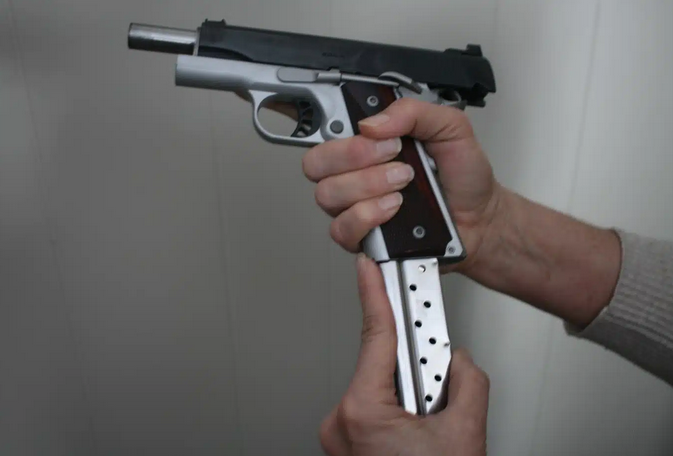
Insert the new magazine and rack the slide.
Call your shot and assess your hits.
Notes:
Focus on maintaining a proper grip throughout the reload process.
Pay attention to how the firearm feels in your hand during transitions.
Drill 2: Reload with movement
Objective: Incorporate movement into your reloads.
Distance: 7 yards.
Target size: A 6-inch circle.
Rounds: 10 rounds (5 in each magazine).
Par time: 10 seconds.
Steps:
Begin at the 7-yard line facing downrange.
Fire 5 rounds into the target.
Move laterally (left or right) while firing to simulate a dynamic environment.
As you move, execute a reload after your last round.
Call your shots on the move and assess your hits.
IPSC silhouette target Deals
Prices may change. May contain affiliate links.
Notes:
Focus on maintaining balance while moving and transitioning between magazines.
Work on efficient footwork to maintain speed during movement.
Drill 3: Reload under stress
Objective: Simulate real-life stress during reloads.
Distance: Varies; start at 10 yards.
Target size: 8-inch circle.
Rounds: 12 total (6 per magazine).
Par time: 15 seconds.
Steps:
Load one magazine with 6 rounds and one with 0 rounds.
Start with the firearm holstered.
On the signal, draw and fire 6 rounds into the target.
After firing, simulate a jam by racking the slide without ammo, then drop the empty magazine.
Complete a reload and fire another 6 rounds into the target.
Assess your hits after each stage.
Notes:
Monitor your breathing and heart rate as you work through the drill.
Track how stress affects your reload efficiency and accuracy.
Building a training schedule
To develop proficiency in dynamic reloading, incorporate these drills into a structured training schedule over several weeks. Here's an example:
Week 1
Focus on Drill 1 (Basic reload drill) for two sessions.
Aim for at least 10 reps per session while logging times and hit assessments.
Week 2
Shift focus to Drill 2 (Reload with movement) for two sessions.
Maintain a consistent pace; aim for improvement in movement speed while hitting targets.
Week 3
Introduce Drill 3 (Reload under stress) once per week.
Continue practicing Drills 1 and 2 to reinforce previous skills.
Week 4
Combine elements of all three drills into a single session.
Work on refining techniques based on what you've learned from earlier drills.
From the Bench
Logging your training sessions is essential. Keep track of times, hit locations, and any difficulties encountered during each drill. This will help identify areas needing improvement and provide benchmarks for future sessions.
Common mistakes
Fumbling with magazines
- Fix: Practice magazine changes at home using dry-fire techniques to build muscle memory.
Taking eyes off the target
- Fix: Keep your focus on the target throughout the reload process; practice visualizing this in dry fire.
Slow insertion of new magazines
- Fix: Work on achieving a fluid motion; practice pulling from the pouch and inserting quickly without looking.
Neglecting grip consistency
- Fix: Ensure that you maintain a solid grip on the firearm throughout all phases of the reload.
Overly complicated movements
- Fix: Simplify motions where possible; practice slow and deliberate movements before increasing speed.
Conclusion
Dynamic reloading is not just about speed; it's about developing a smooth and efficient process that enhances your overall shooting performance. By practicing these drills consistently, you'll become more confident in your abilities under pressure.
Focus on logging your progress and adjusting your training based on what you observe in your performance. Remember that improvement comes with honest reps and dedicated practice.
Run these drills regularly, aim for at least once a week, and track both your times and accuracy to gauge improvement over time.