Common pistol accuracy issues: diagnosing and fixing your shots
Pistol accuracy is the foundation of effective shooting. Whether you're training for self-defense, competition, or recreational shooting, understanding and correcting accuracy issues is essential. This article will cover common problems that shooters encounter and provide actionable solutions to improve your shot placement.
Understanding the fundamentals of accuracy
Before we dive into specific issues, it's critical to establish what constitutes accuracy. Accuracy refers to how close your shots land to your intended point of aim. To achieve this, three fundamental factors must align: the shooter's mechanics, the firearm's function, and the ammunition's performance.
Shooter mechanics
Your stance, grip, sight alignment, and trigger control all play crucial roles in accuracy. A stable platform allows for better recoil management and follow-up shots. A proper grip secures the firearm and minimizes movement during the trigger press. Sight alignment ensures that you are aiming at the right target. Finally, smooth trigger control prevents unnecessary movements that can throw off your shots.
Firearm function
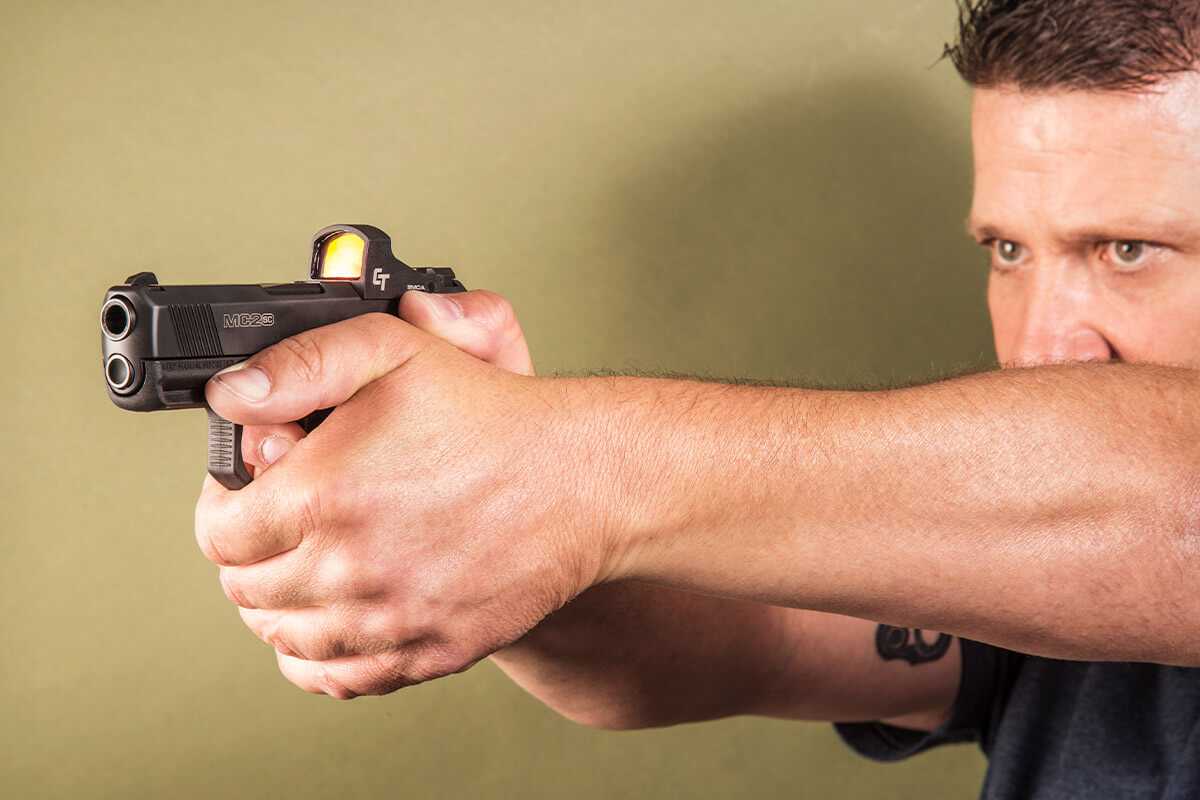
The pistol itself must be reliable and accurate. Factors like barrel condition, sight calibration, and mechanical issues can affect shot placement. Regular maintenance and understanding your firearm's characteristics are essential for optimal performance.
Ammunition performance
Lastly, the ammunition must suit your needs and function well in your firearm. Variability in bullet weight, type, or powder charge can influence accuracy. Consistent ammunition contributes to repeatable results.
Common accuracy issues and their fixes
Now that we have a foundation, let's examine specific accuracy issues you may encounter while shooting.
1. Low-left or low-right groupings
One of the most common issues shooters face is consistently grouping low-left or low-right on the target. This problem often stems from improper trigger control or grip.
Diagnosis
If your shots consistently land low-left (for right-handed shooters), it could indicate that you're applying too much pressure with your trigger finger or jerking the trigger. Conversely, low-right groupings might suggest a similar issue with a different grip angle or trigger pull.
Fix
Dry-fire practice: Use dry-fire drills to focus on trigger control without the distraction of recoil. Ensure you maintain sight alignment as you press the trigger.
Grip adjustment: Check your grip pressure. The grip should be firm but not overly tight. Your dominant hand should control the trigger while your support hand stabilizes the gun.
Trigger reset: Focus on feeling the reset of the trigger after each shot. This awareness helps prevent jerking during follow-up shots.
2. High shots
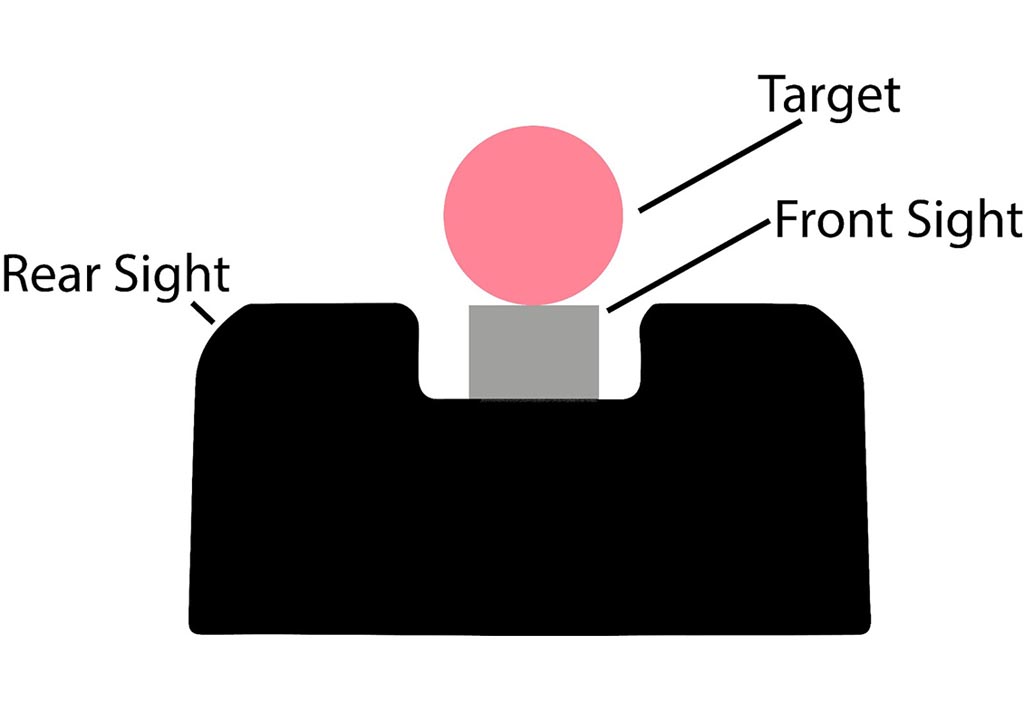
If your shots consistently land high on the target, you may be experiencing issues related to sight alignment or stance.
Diagnosis
High shots can occur when you're not properly aligning your sights with your target or if you're anticipating recoil.
Fix
Focus on sight alignment: Ensure that you have equal height and equal light between your front and rear sights.
Relax during firing: Pay attention to your body posture. A tense upper body can lead to lifting the muzzle as you fire. Practice taking deep breaths to relax before each shot.
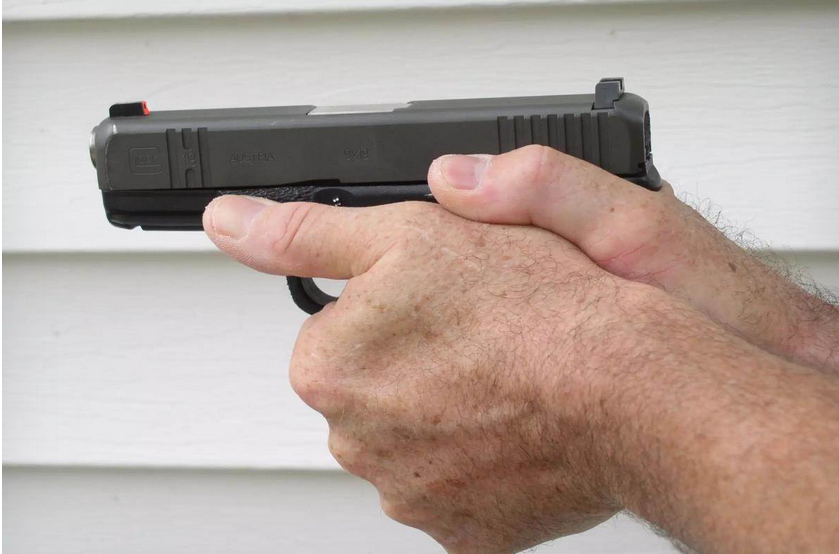
- Adjust point of aim: If you find yourself consistently shooting high, consider adjusting your point of aim slightly lower until you can correct the issue through technique.
3. Inconsistent group sizes
If you're experiencing varying group sizes, it may indicate problems with follow-through or consistency in your shooting mechanics.
Diagnosis
Inconsistent groups suggest that either your technique varies from shot to shot or external factors like wind or movement influence your shots.
Fix
Focus on follow-through: After firing a shot, maintain your sight picture for a moment to assess where the shot lands. This practice helps reinforce good habits.
Track your mechanics: Use a shot timer during practice to measure consistency in draw speed, trigger pull, and follow-up shots. Note any deviations in your performance to identify areas for improvement.
Practice with a purpose: Set specific goals for each range session. For example, aim for five consecutive shots within a 3-inch circle at 10 yards before moving on to different drills.
4. Flinching or anticipating recoil
Flinching is a common issue that negatively impacts accuracy. It occurs when shooters anticipate recoil, resulting in premature movements before or during the shot.
Diagnosis
If you notice that your shots are inconsistently grouped or landing in unexpected areas, flinching may be the culprit. Look for signs of jerking or tension in your body when firing.
Fix
Dry-fire practice: Like before, using dry-fire drills allows you to work on maintaining proper sight alignment without recoil interference.
Use reduced power loads: If possible, practice with lighter ammunition that produces less recoil. This change helps you become accustomed to firing without flinching.
Mindset adjustment: Focus on breathing techniques and visualize successful shots before you fire. A calm mind can help reduce anticipation and improve accuracy.
5. Trigger pull issues
An improper trigger pull can lead to various accuracy problems. Whether you're jerking the trigger or failing to press straight back can cause shots to stray off target.
Diagnosis
Look for patterns in where your shots land relative to your aim point. Consistent left or right misses may indicate a lateral movement in your trigger pull.
Fix
Trigger control drills: Practice pressing the trigger straight back while keeping focus on your sights. Use snap caps to help reinforce smooth trigger pulls without live rounds.
Grip adjustments: Ensure that your grip allows for minimal movement during the trigger press. Your dominant hand should maintain control while allowing your support hand to stabilize the firearm.
Visual feedback: Use a shot timer with an audible cue when shots are fired to reinforce proper timing between sight picture acquisition and trigger press.
From the Bench
Take notes on each practice session, including group sizes, shot placement, and any adjustments made to technique or equipment. Documenting this information helps identify trends over time and guides future training efforts.
Drill checklist for improving accuracy
Here's a simple checklist to help structure your next range session focused on diagnosing and fixing accuracy issues:
Distance: Start at 7 yards (21 feet) for initial drills; adjust as needed.
Target Size: Use an 8-inch paper plate or silhouette target for group size measurement.
Round Count: Fire 10 rounds per drill.
Par Time: Aim for each shot within 2 seconds.
Goals:
Five clean hits within an 8-inch circle.
Identify and correct one common issue per session (e.g., flinching, grip).
Log times and hit locations for each drill.
Common mistakes and fixes
Over-gripping the firearm
- Fix: Maintain a firm but relaxed grip; avoid excessive tension that could affect recoil management.
Neglecting follow-through
- Fix: Focus on maintaining sight alignment after the shot breaks; observe where each round impacts before resetting.
Failing to adjust sights
- Fix: Regularly check sight alignment and make necessary adjustments based on group patterns; seek help from an experienced shooter if unsure about adjustments.
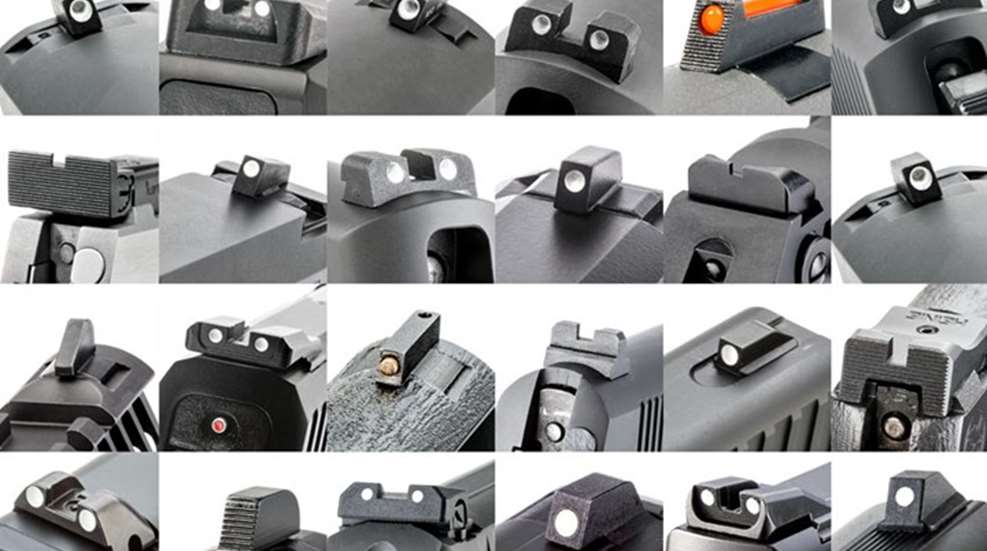
Ignoring body positioning
- Fix: Ensure a stable stance with proper weight distribution; adjust foot position based on comfort and stability during shooting.
Rushing shots
- Fix: Focus on deliberate movements; take a moment to ensure everything is aligned before firing instead of squeezing off rapid shots without consideration.
Tracking progress over time
Consistency is key in improving accuracy. Track not only the results from each range session but also reflect on what worked and what didn't. Set measurable goals for each practice block; whether it's increasing hit consistency or refining a specific skill like trigger control.
Use of technology
Consider leveraging technology such as mobile apps or laser training systems that provide instant feedback on shot placement and timing. These tools can help reinforce good habits without the cost of ammunition and range time.
Conclusion
Improving pistol accuracy is a continual process that requires dedication and self-assessment. By diagnosing common issues like flinching, inconsistent groups, or improper grip techniques, you can systematically address these challenges through targeted practice sessions.
Implementing structured drills focused on core mechanics will lead to measurable improvements over time. Remember to document your progress; this will help refine future training plans and keep you motivated as you see results.