Evaluating the .308 Winchester vs 6.5 Creedmoor for long-range hunting
Long-range hunting has gained significant popularity among enthusiasts, with many considering their choices of cartridges carefully to achieve optimal performance. The .308 Winchester and the 6.5 Creedmoor are two of the most discussed options in this realm. Each has its strengths and weaknesses, making the decision between them more complicated than just personal preference.
This article evaluates the two cartridges on various criteria relevant to long-range hunting, including range envelope, target type, recoil tolerance, barrel life, and budget. By providing a clear side-by-side comparison, we will help you determine which cartridge might best suit your needs for long-range hunting.
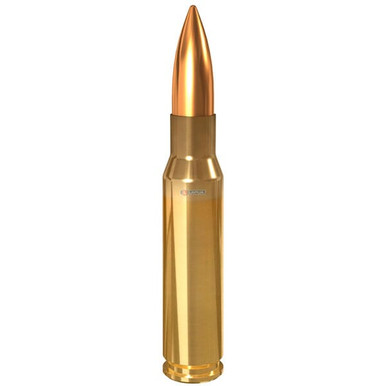
Winchester .308 Winchester Deals
Prices may change. May contain affiliate links.
Cartridge overview
Before diving into the detailed comparisons, let's establish a basic understanding of both cartridges.
.308 Winchester
The .308 Winchester was introduced in 1952 and has been a staple in the world of hunting and military applications. Known for its versatility and power, the .308 is often considered a great all-around cartridge.
Bullet weight: Common bullet weights range from 150 grains to 180 grains.
Velocity: Typical muzzle velocities range from 2,600 to 2,900 fps depending on bullet weight and powder charge.
Energy: At the muzzle, energy levels can range from 2,500 to over 3,000 foot-pounds.
Effective range: The .308 is effective up to about 800 yards for hunting large game.
6.5 Creedmoor
Introduced in 2007, the 6.5 Creedmoor was designed for precision shooting and long-range performance. Its design allows for higher ballistic coefficients (BC) and flatter trajectories compared to traditional cartridges.
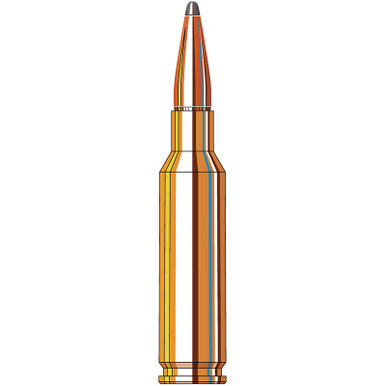
Hornady 6.5 Creedmoor Deals
Prices may change. May contain affiliate links.
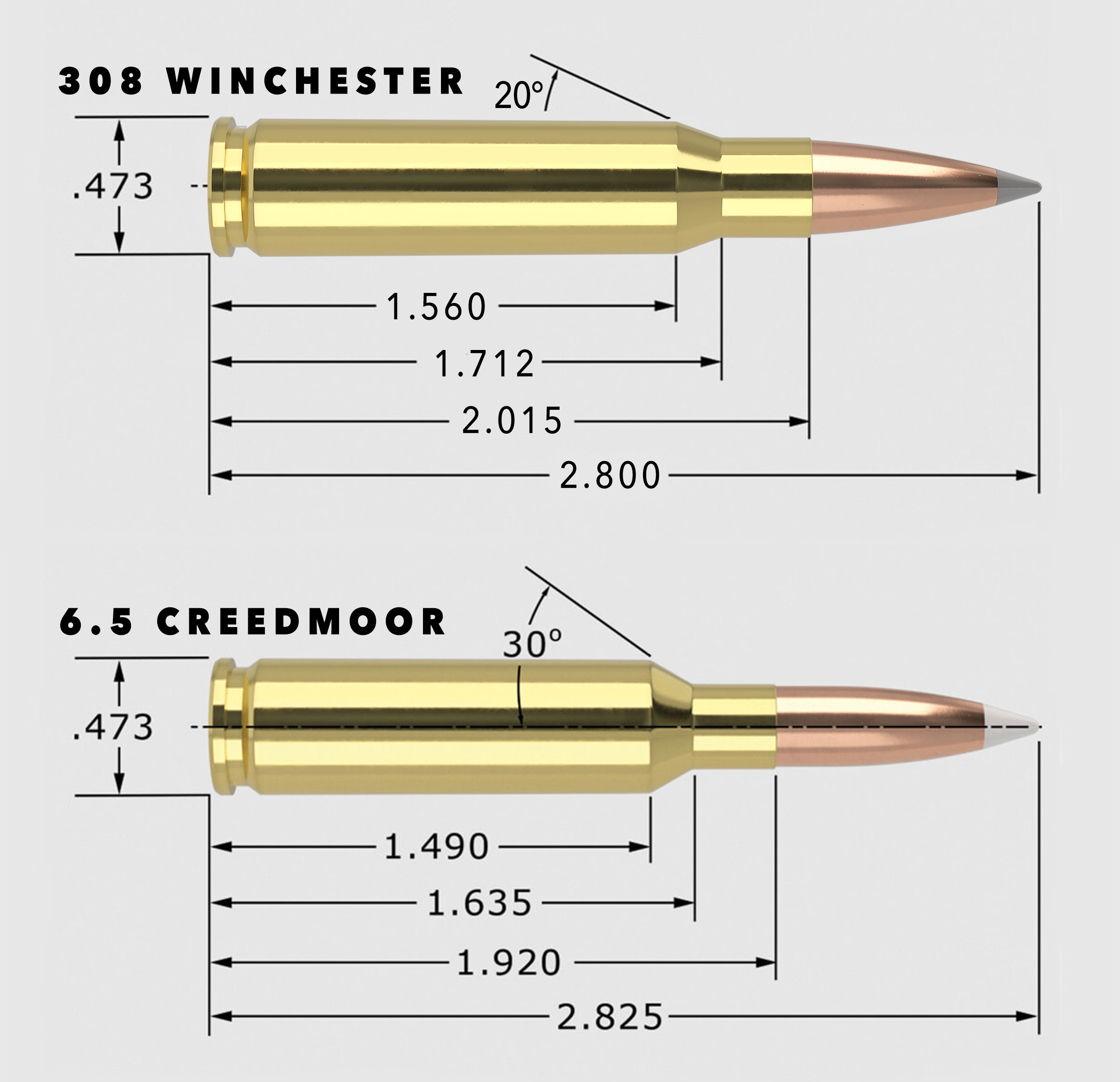
Bullet weight: Common bullet weights typically range from 120 grains to 147 grains.
Velocity: Muzzle velocities can range from 2,700 to 2,900 fps depending on bullet weight and powder charge.
Energy: Energy levels at the muzzle typically range from 1,800 to 2,700 foot-pounds.
Effective range: The 6.5 Creedmoor excels at distances up to 1,000 yards or more for precision shooting.
Spec Check
| Cartridge | Bullet Weight Range | Muzzle Velocity Range | Energy Range (ft-lbs) | Effective Range |
|---|---|---|---|---|
| .308 Winchester | 150-180 grains | 2,600-2,900 fps | 2,500-3,000 | Up to 800 yards |
| 6.5 Creedmoor | 120-147 grains | 2,700-2,900 fps | 1,800-2,700 | Up to 1,000+ yards |
Range envelope
When considering long-range hunting capabilities, one of the primary factors is the effective range of each cartridge. Both the .308 Winchester and the 6.5 Creedmoor have proven themselves capable of taking game at long distances; however, their performance characteristics differ.
Trajectory
The trajectory is crucial for long-range accuracy. A flatter trajectory allows for less adjustment in elevation and windage when aiming at distant targets.
- .308 Winchester: Generally has a more pronounced drop over distance due to its heavier bullets and lower ballistic coefficients. At 600 yards, a typical .308 load can drop around 24 inches.
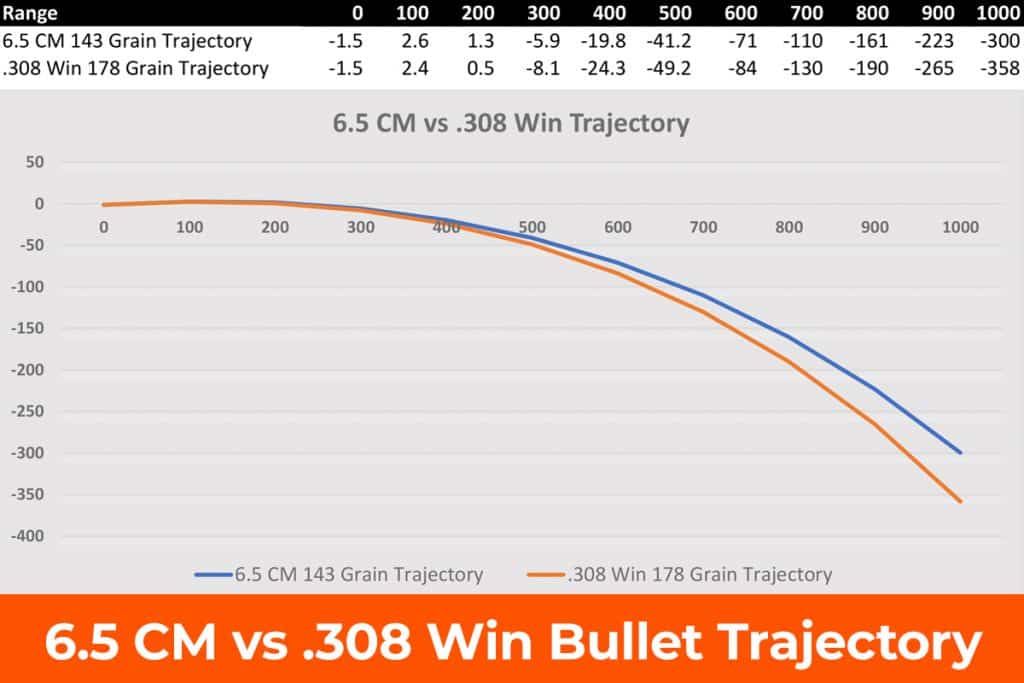
- 6.5 Creedmoor: Its design allows for a flatter trajectory due to its higher ballistic coefficient. At the same distance (600 yards), a standard load may drop around 18 inches or less.
Wind drift
Wind drift is another critical factor affecting long-range accuracy. Bullets with higher BC are less susceptible to wind drift.
.308 Winchester: A typical .308 bullet may experience around 12 inches of drift at 600 yards in a 10 mph crosswind.
6.5 Creedmoor: Its superior BC results in approximately 8 inches of drift at the same distance under similar wind conditions.
Conclusion on range envelope
For hunters focused on maximizing effective range and minimizing adjustments for bullet drop and wind drift, the 6.5 Creedmoor generally offers better performance than the .308 Winchester.
Target type
Different game species require different approaches when selecting a cartridge. Understanding your intended target is essential for making an informed decision.
Large game (e.g., elk, moose)
The .308 Winchester is a classic choice for large game hunting due to its power and versatility. With heavier bullet weights (e.g., 180 grains), it delivers significant energy upon impact, making it effective for larger species.
On the other hand, while the 6.5 Creedmoor can also take down large game effectively (particularly with premium bullets), some hunters feel it lacks the stopping power of heavier .308 loads at closer ranges.
Medium game (e.g., deer)
Both cartridges perform well for medium game like deer. The .308's heavier bullets provide excellent terminal ballistics and penetration, ensuring a quick and humane kill.
Conversely, the 6.5 Creedmoor's flatter trajectory and reduced recoil can be advantageous for hunters who prefer shooting at longer distances where accuracy is paramount. It tends to create less meat damage due to its high sectional density but still provides enough energy for a clean kill.
Conclusion on target type
For large game hunting, the .308 Winchester may be preferred due to its proven track record and energy delivery. The 6.5 Creedmoor shines in medium game scenarios, particularly when long-range accuracy is essential.
Recoil tolerance
Recoil is an important consideration when selecting a cartridge for long-range hunting. Lower recoil can lead to faster follow-up shots and improved accuracy due to less shooter fatigue.
.308 Winchester
The recoil of the .308 Winchester is moderate; it produces about 18-20 ft-lbs of recoil energy depending on bullet weight and load. While manageable for most shooters, it can be punishing after extended shooting sessions or for those who are sensitive to recoil.
6.5 Creedmoor
The 6.5 Creedmoor has significantly less recoil; approximately 12-15 ft-lbs; making it easier to shoot accurately over extended periods. This lower recoil can result in improved accuracy and faster follow-up shots in hunting situations.
Conclusion on recoil tolerance
If recoil sensitivity is a concern for you or if you plan on spending extended periods at the range or in the field, the 6.5 Creedmoor may be the better option due to its lower recoil profile.
Barrel life
Barrel life is an important consideration for any rifle shooter, especially in long-range applications where consistent accuracy is paramount.
.308 Winchester
The .308 Winchester generally offers a longer barrel life compared to many other cartridges due to its moderate powder charge and lower velocities. Typical barrel life can range from 3,000 to over 5,000 rounds depending on factors such as load development and maintenance practices.
6.5 Creedmoor
While the 6.5 Creedmoor benefits from its design and high ballistic performance, it typically experiences shorter barrel life due to higher velocities and pressures associated with certain loads. Many shooters report barrel life ranging from 2,500 to about 4,000 rounds before significant accuracy degradation occurs.
Conclusion on barrel life
For those prioritizing barrel longevity, especially in situations where extensive shooting is expected or desired, the .308 Winchester generally has an edge over the 6.5 Creedmoor.
Budget considerations
Budget considerations are crucial when selecting a cartridge and corresponding rifle setup. The overall cost of ammunition and components can significantly influence long-term satisfaction with your choice.
Ammunition costs
Generally speaking, .308 Winchester ammunition tends to be more widely available than that of the 6.5 Creedmoor due to its established history in both military and civilian applications. Prices can vary based on brand and bullet type but generally fall within these ranges:
.308 Winchester: $0.50 - $2.00 per round.
6.5 Creedmoor: $0.70 - $3.00 per round.
While both cartridges can be found at reasonable prices in bulk or for practice ammo, premium loads (especially those designed for precision shooting) can drive costs up significantly.
Rifle costs
Rifle prices will vary based on manufacturer and features but generally speaking:
Rifles chambered in .308 Winchester are widely available across various brands and configurations ranging from budget options around $500 to high-end models exceeding $3,000.
Rifles chambered in 6.5 Creedmoor have gained traction since its introduction; however, they tend to start at slightly higher price points with good options beginning around $800 and extending into custom builds that can exceed $4,000.
Conclusion on budget considerations
When considering ammunition availability and costs, the .308 Winchester generally provides better options due to its widespread use. However, if you are willing to invest more upfront for a rifle that excels in precision shooting capabilities at long ranges, the 6.5 Creedmoor may be worth considering despite potentially higher ongoing ammunition costs.
Common mistakes
When choosing between the .308 Winchester and the 6.5 Creedmoor for long-range hunting, there are several common mistakes that hunters often make:
Not considering intended use: Failing to match cartridge choice with specific hunting scenarios can lead to suboptimal performance.
Overlooking recoil tolerance: Ignoring how recoil affects comfort during prolonged shooting sessions can lead to fatigue and poor shot placement.
Neglecting local availability: Not factoring in local ammunition availability can result in frustration when trying to acquire necessary supplies.
Focusing solely on hype: Getting caught up in trends without evaluating practical performance metrics can lead to disappointment.
Ignoring rifle fit: Choosing a rifle without considering how it fits you personally may impact your ability to shoot accurately under pressure.
Field note
Imagine you're preparing for a deer hunt that will take you deep into the mountains where shots could easily exceed 600 yards. You've decided between two rifles: one chambered in .308 Winchester with heavier bullets for stopping power at close ranges versus a lightweight rifle chambered in 6.5 Creedmoor designed for flat shooting at distance.
As you review your options before heading out into challenging terrain, you recognize that while both cartridges have their merits, your plan involves making precise shots across longer distances where wind drift matters significantly. You decide on the rifle chambered in 6.5 Creedmoor due to its flatter trajectory and reduced recoil which will aid you throughout the day's hunt.
Conclusion
The choice between .308 Winchester and 6.5 Creedmoor ultimately depends on your specific needs as a long-range hunter. If you prioritize stopping power against large game or seek extended barrel life with widely available ammunition options, then the .308 Winchester is likely your best bet.
Conversely, if your focus lies on precision shooting at longer distances with reduced recoil for better follow-up shots, then the modern design of the 6.5 Creedmoor could serve you well.
Both cartridges have earned their place in the field; understanding their differences ensures you make an informed decision tailored specifically to your hunting style and goals.
Choose on use-case, not hype.