
Essential tools for reloading .45 ACP: What you really need
Reloading .45 ACP can be a rewarding and cost-effective way to enjoy shooting. However, achieving consistent results requires the right tools and techniques. This article will focus on the essential tools needed for reloading .45 ACP cartridges, ensuring you have everything necessary to produce reliable, accurate ammunition.
Understanding the .45 ACP cartridge
The .45 ACP (Automatic Colt Pistol) is a popular cartridge known for its stopping power and manageable recoil. Originally designed for use in semi-automatic pistols, it has become a favorite among competitive shooters, law enforcement, and enthusiasts alike. To successfully reload this cartridge, it is crucial to understand its components and specifications.
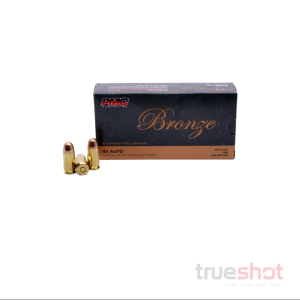
The .45 ACP typically uses a bullet with a diameter of 0.452 inches and a case length of 0.898 inches. The overall length (OAL) of loaded rounds generally ranges from 1.190 to 1.200 inches, depending on the bullet type and seating depth. When reloading, always refer to reputable manuals for specific load data and safety guidelines.
Safety first: establishing best practices
Before diving into the tools needed for reloading, let's emphasize safety. Always follow these best practices:
Read your manuals: Ensure you have the latest load data and safety information from reputable sources.
Wear protective gear: Always wear safety glasses and hearing protection when reloading and shooting.
Keep a tidy workspace: A clean bench reduces the risk of accidents and helps maintain focus.
No open flames: Ensure that your reloading area is free of any ignition sources.
Label your work: Clearly label each batch of reloaded ammunition with relevant details such as charge weight, bullet type, and date.
Essential tools for reloading .45 ACP
1. Reloading press
A good reloading press is the cornerstone of any reloading setup. There are several types available:
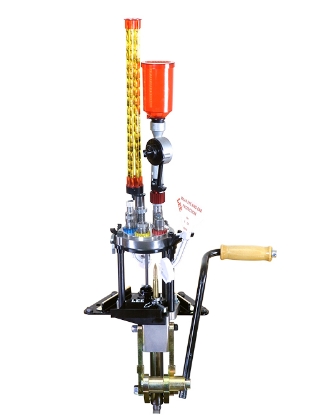
Single-stage press: Best for precision work and small batches. Each step in the reloading process must be done sequentially, making it ideal for developing loads.
Turret press: Offers more efficiency than a single-stage press by allowing you to switch between dies without complete disassembly.
Progressive press: Perfect for high-volume loading, progressive presses can produce multiple rounds per pull of the handle but require careful setup to avoid errors.
For .45 ACP, many reloaders prefer a turret or progressive press due to the increased efficiency in producing larger quantities of ammunition.
2. Dies
Reloading dies are essential for resizing cases, expanding necks, seating bullets, and crimping. For .45 ACP, you will typically need a set that includes:
Full-length sizing die: Resizes the brass to ensure proper chamber fit.
Expanding die: Opens the case mouth to accept bullets without damaging them.
Bullet seating die: Seats bullets to the desired depth while maintaining consistent overall length.
Crimping die: Applies a crimp to secure the bullet in place.
Choose high-quality dies made from durable materials to ensure longevity and consistent performance.
3. Scale and powder measure
Accurate measurements are critical in reloading. A good scale ensures that you are using the correct amount of powder for each charge.
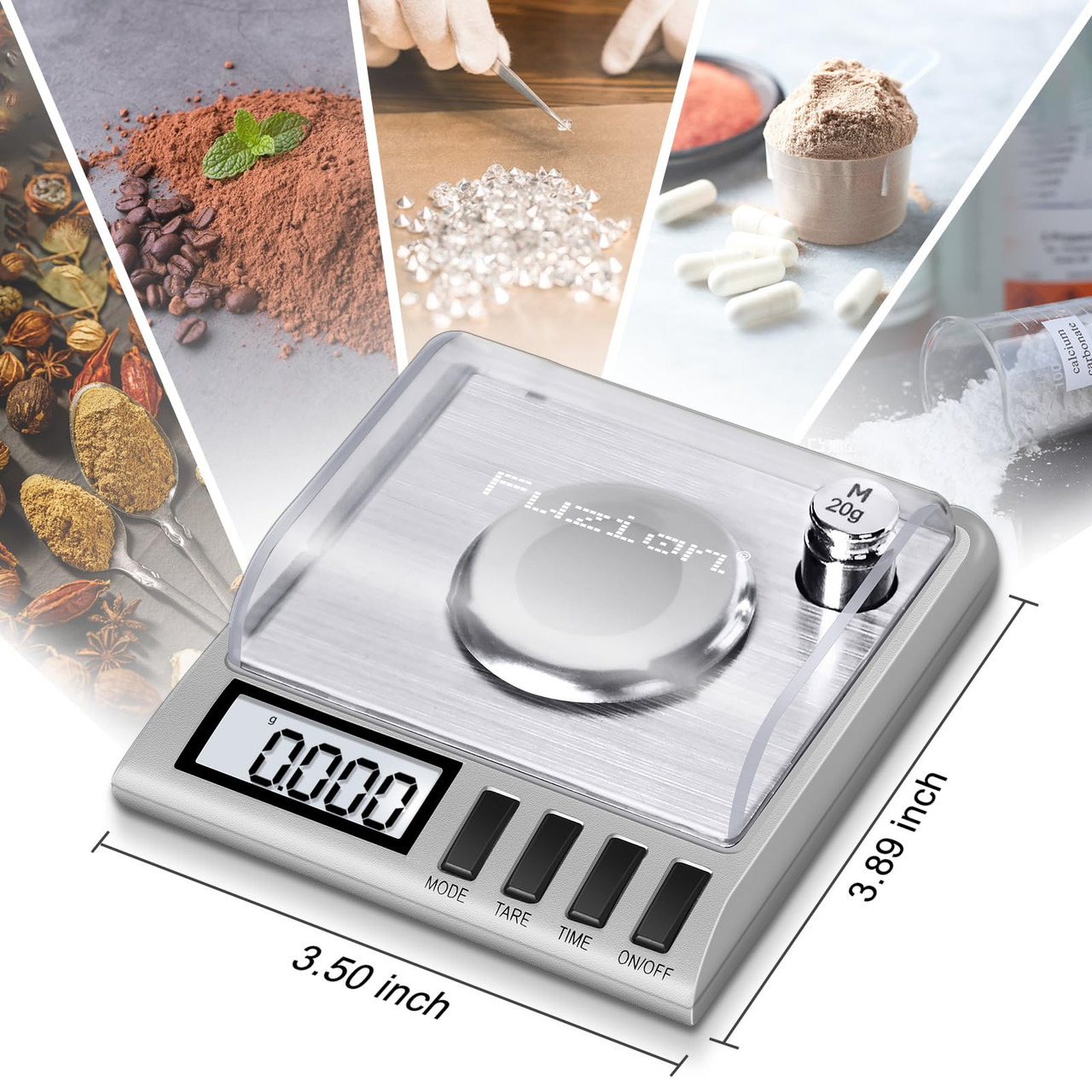
Digital scale: Provides quick and accurate readings; look for one with a resolution of at least 0.01 grains.
Beam scale: Offers traditional reliability and doesn't require batteries but may take longer to read accurately.
Alongside your scale, a quality powder measure allows you to dispense powder quickly and consistently. Look for a measure that can handle various powder types and has a locking mechanism to prevent spillage.
4. Case preparation tools
Proper case preparation is vital for achieving consistent results with your .45 ACP ammunition. Essential tools include:
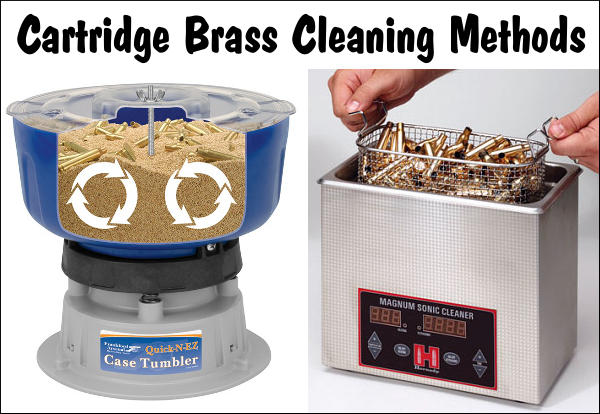
Case tumbler or ultrasonic cleaner: Cleans brass cases effectively, removing dirt and carbon buildup.
Case trimmer: Ensures all cases are uniform in length, which is especially important for consistent performance.
Deburring tool: Removes sharp edges from case mouths after trimming to prevent damage to bullets during seating.
Primer pocket cleaner: Cleans out residue from spent primers to ensure proper seating of new primers.
Taking the time to properly prepare your brass will help improve accuracy and reduce malfunctions.
5. Primer tools
For reloading .45 ACP, you'll need reliable primer tools:
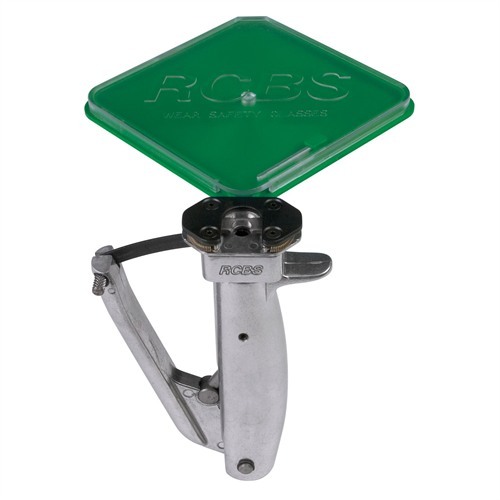
Hand primer: Allows you to seat primers independently of the press, giving you better control over seating depth.
Press-mounted primer system: Conveniently seats primers as part of the loading process but may require more attention to avoid issues.
Regardless of the tool you choose, ensure that it allows you to properly seat primers flush with or slightly below the case head.
6. Powder options
Selecting the right powder is crucial for achieving desired performance characteristics in your .45 ACP loads. There are numerous powders available; some popular choices include:
Bullseye
Unique
Titegroup
WSF (Winchester Super Field)
Always refer to published load data when selecting powders, as burn rates can vary significantly between brands and types.
7. Bullet selection
Choosing the right bullet for your application, whether it's target shooting or self-defense, is essential in .45 ACP reloading. Common bullet types include:
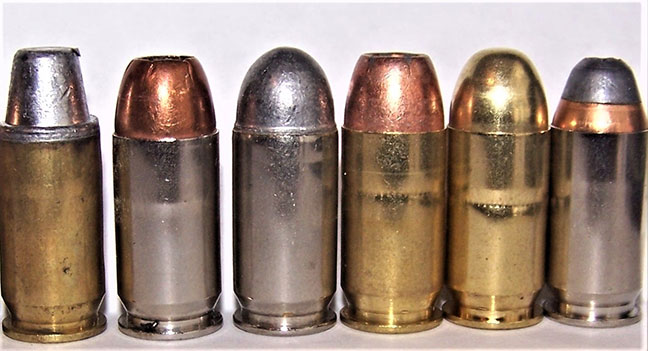
Full metal jacket (FMJ): Ideal for target shooting due to their reliable feeding and low cost.
Hollow point (HP): Preferred for self-defense applications due to their expansion characteristics.
Lead semi-wadcutter (SWC): Often used in competition shooting for their accuracy.
When selecting bullets, consider factors such as weight (typically between 185 to 230 grains), shape, and intended purpose.
8. Chronograph
A chronograph measures the velocity of your loaded rounds. This tool is invaluable for understanding how your reloads perform in terms of speed, which directly affects accuracy and energy at impact. Regular use will help you identify any inconsistencies or issues with your loads.
9. Measuring tools
Precision measuring tools will enhance your reloading process:
Calipers: Essential for measuring overall length (OAL) and case dimensions.
Case gauge: Confirms that resized cases meet specifications for chamber fit.
Accurate measurements will help prevent issues such as feed failures or excessive pressure in your loaded rounds.
Setting up your workspace
Now that we've covered essential tools, let's discuss setting up an efficient reloading workspace. Your workspace should be organized, well-lit, and equipped with everything needed for reloading.
Dedicated area: Choose a space where you can leave equipment set up without interruption.
Good lighting: Ensure your workbench is well-lit to reduce eye strain and increase accuracy when measuring components.
Storage solutions: Use containers or drawers for organizing tools, components, and loaded ammunition; this keeps everything accessible.
Safety considerations: Keep first aid supplies nearby and make sure fire extinguishers are easily accessible in case of emergencies.
Reloading process overview
Once you have all the necessary tools and an organized workspace, it's time to discuss the steps involved in reloading .45 ACP ammunition:
Inspect cases: Check for damage, including cracks or deformities that could affect performance.
Clean cases: Use a tumbler or cleaner to remove dirt and debris from brass.
Resize cases: Use a full-length sizing die on your press to resize cases; this ensures proper chamber fit.
Trim if necessary: If cases are too long after resizing, trim them to maintain consistency.
Deburr case mouths: Remove sharp edges from trimmed cases to facilitate bullet seating.
Prime cases: Seat new primers using your chosen primer tool.
Measure powder charges: Use your scale to dispense accurate charges of powder into each case.
Seat bullets: Position bullets on top of charged cases using your bullet seating die; adjust seating depth as needed based on OAL specifications.
Crimp cases (if applicable): Apply a crimp using the crimping die if necessary; this ensures bullets stay seated during cycling through firearms.
Label batches: Record charge weights, bullet types, dates, and any other relevant information on boxes or in logs.
Testing your reloads
After completing your reloads, testing them at the range is crucial for evaluating performance and safety. When testing:
Start with small batches: Load only a few rounds at first to evaluate their performance before committing to larger quantities.
Observe pressure signs: Watch for signs such as flattened primers or sticky extraction; these indicate potential pressure issues that warrant further investigation.
Chronograph performance: Measure velocity using your chronograph; this helps verify that loads match expected performance levels.
Evaluate accuracy: Fire groups at various distances to assess consistency and precision; note any anomalies or adjustments needed.
Range Notes
When testing your reloads:
Keep detailed logs of results including velocity readings, group sizes, and any pressure signs observed.
Adjust loads based on results while staying within published data limits; safety should always be prioritized over seeking maximum performance.
Common mistakes
Reloading can be meticulous work, and mistakes can happen even with experience:
Overlooking case inspection: Inspect every case thoroughly before resizing; damaged brass can lead to dangerous situations.
- Fix: Implement a routine inspection process before beginning work on each batch.
Inconsistent powder charges: Variations in powder charges can lead to inconsistent performance or pressure problems.
- Fix: Always double-check measurements before dispensing powder; consider using a trickler for precise weighing.
Improper bullet seating depth: Incorrectly seated bullets can cause feeding issues or pressure spikes.
- Fix: Measure OAL carefully before finalizing any loads; adjust seating depth based on reliable data.
Final thoughts
Investing in quality tools and following established procedures will significantly enhance your reloading experience with .45 ACP ammunition. By understanding the importance of each component and taking a methodical approach, you'll produce reliable ammo tailored to your shooting needs.
Start by gathering the essential tools discussed here, set up an efficient workspace, and practice safe reloading habits consistently. As you gain experience, you'll find ways to streamline your process while maintaining safety and accuracy.
Remember, successful reloading comes down to attention to detail rather than chasing elusive "magic loads." Focus on producing consistent ammunition that performs well on the range or in practical applications.