Comparing reticle types for tactical use in close-quarter scenarios
When considering optics for tactical applications, especially in close-quarter scenarios, the choice of reticle can make a significant difference. The right reticle can enhance target acquisition speed and improve shot accuracy under pressure. In this discussion, we will explore various reticle types commonly used in tactical environments, focusing on their practical applications, advantages, and limitations.
Understanding reticle types
Reticles are the crosshairs or aiming points seen through a scope or red dot sight. They come in various designs, each with specific strengths and weaknesses. Understanding these differences is crucial when selecting an optic that suits your tactical needs.
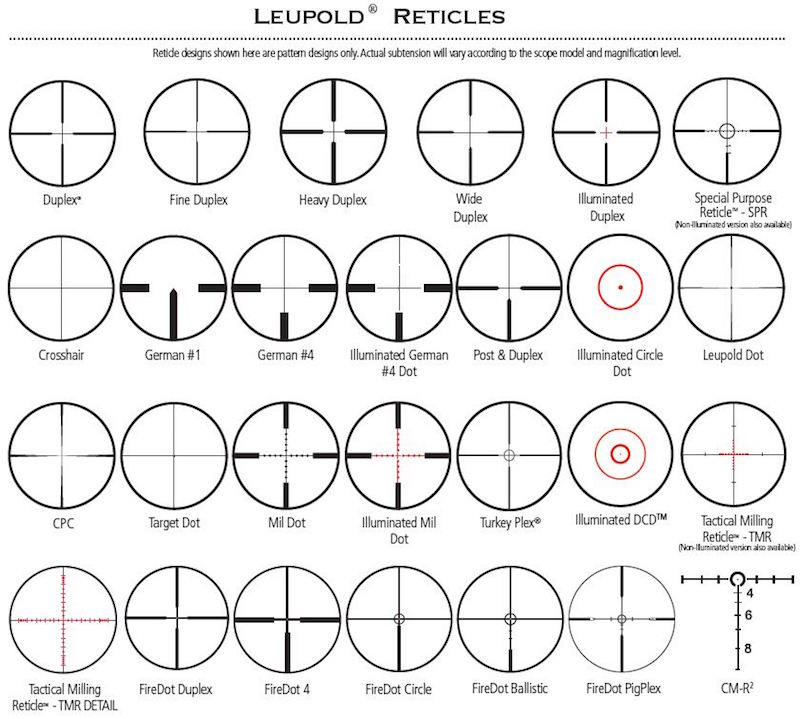
Crosshair reticles: The most traditional type, crosshair reticles consist of two intersecting lines. They offer simplicity and ease of use but lack additional reference points for range estimation or bullet drop compensation.
Mil-dot reticles: Mil-dot reticles incorporate dots along the crosshairs, allowing for range estimation and bullet drop compensation. Each dot represents a specific angular measurement (mil), making it easier to gauge distances to targets.
BDC (bullet drop compensating) reticles: BDC reticles feature graduated markings below the main crosshair that correspond to bullet drop at specific ranges. This design aids in rapid adjustments without needing to dial elevation.
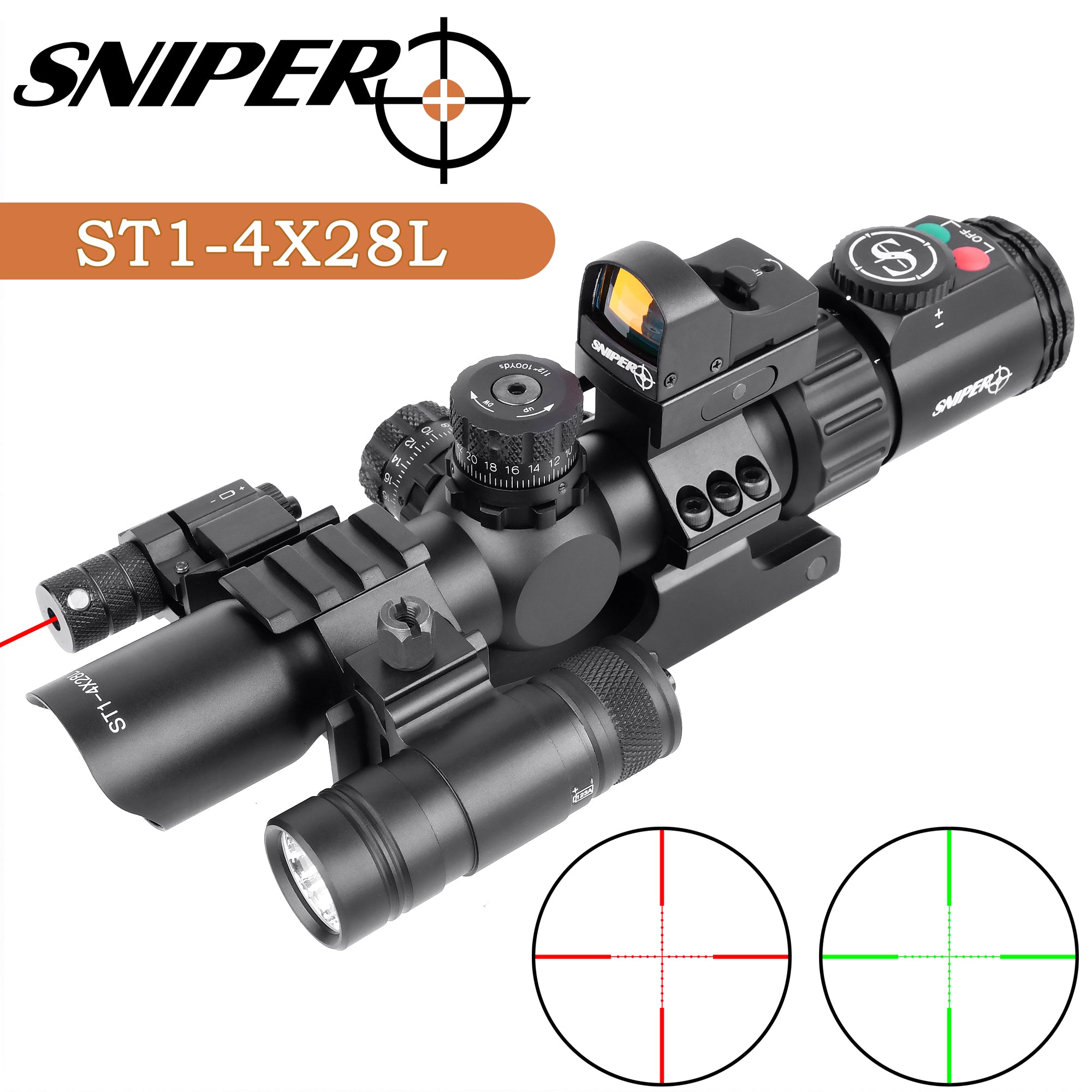
Illuminated reticles: These reticles include an illuminated feature that enhances visibility in low-light conditions. They are often found in tactical optics, providing an advantage during nighttime operations or in shaded environments.
Holographic reticles: Holographic sights project a reticle onto a lens using laser technology. This design allows for quick target acquisition and is particularly beneficial for moving targets at close range.
First focal plane (FFP) vs. second focal plane (SFP): FFP reticles maintain their size relative to the target as magnification changes, while SFP reticles remain constant regardless of magnification. This distinction impacts how effective the reticle is at various ranges.
Evaluating reticle performance in close-quarter scenarios
The performance of different reticle types can vary significantly based on the specific requirements of close-quarter engagements. Here’s how to evaluate each type based on practical use:
Crosshair reticles
Crosshair reticles provide a clean and uncluttered view, allowing for quick target focus. Their simplicity can be advantageous in high-stress situations where distractions may lead to errors. However, they lack additional features that could assist in range estimation or bullet drop corrections, which can be critical at longer distances.
Use-case: Best suited for situations where speed is prioritized over precision, such as home defense or urban engagements.
Limitations: May require additional adjustments or holds when engaging targets at varying distances.
Mil-dot reticles
Mil-dot reticles offer significant advantages for those who need to engage targets at different ranges quickly. The dots allow shooters to estimate distance and adjust their aim accordingly. However, using mil-dot reticles effectively requires familiarity with mil-based measurements.
Use-case: Ideal for designated marksmen or law enforcement snipers who may encounter varying distances in tactical scenarios.
Limitations: Requires training to use effectively, particularly in estimating distance accurately.
BDC reticles
BDC reticles are designed for quick elevation adjustments based on known distances. They are especially useful in dynamic situations where targets may appear at various ranges. The graduated markings help shooters compensate for bullet drop without needing to adjust their scope settings.
Use-case: Suitable for mid-range engagements where rapid adjustments are necessary, such as during tactical drills or competitive shooting scenarios.
Limitations: Accuracy can be affected by environmental factors like wind and altitude, which may not be accounted for in the reticle design.
Illuminated reticles
Illuminated reticles enhance visibility in low-light conditions, making them invaluable for tactical applications during dawn or dusk. The illumination can come in various colors, with red and green being the most common.
Use-case: Essential for law enforcement or military operations conducted in low-light environments.
Limitations: Battery dependency can be a concern; ensure you have backup options available if the illumination fails.
Holographic reticles
Holographic sights excel in fast target acquisition due to their unique design, which allows shooters to keep both eyes open while aiming. This feature can be particularly beneficial during close-quarters engagements where speed is crucial.
Use-case: Perfect for tactical situations requiring rapid engagement of multiple targets at short distances.
Limitations: May not provide the same level of precision as magnified optics for longer-range shots.
Choosing the right reticle for your platform
Selecting the appropriate reticle type also depends on the platform you are using, whether it’s a rifle, carbine, or shotgun. Here’s how each reticle type aligns with common platforms:
AR-15 and similar carbines
For AR-15-style platforms used primarily in close-quarter combat, illuminated or holographic reticles tend to be favored. These options enhance speed and target acquisition without sacrificing situational awareness.
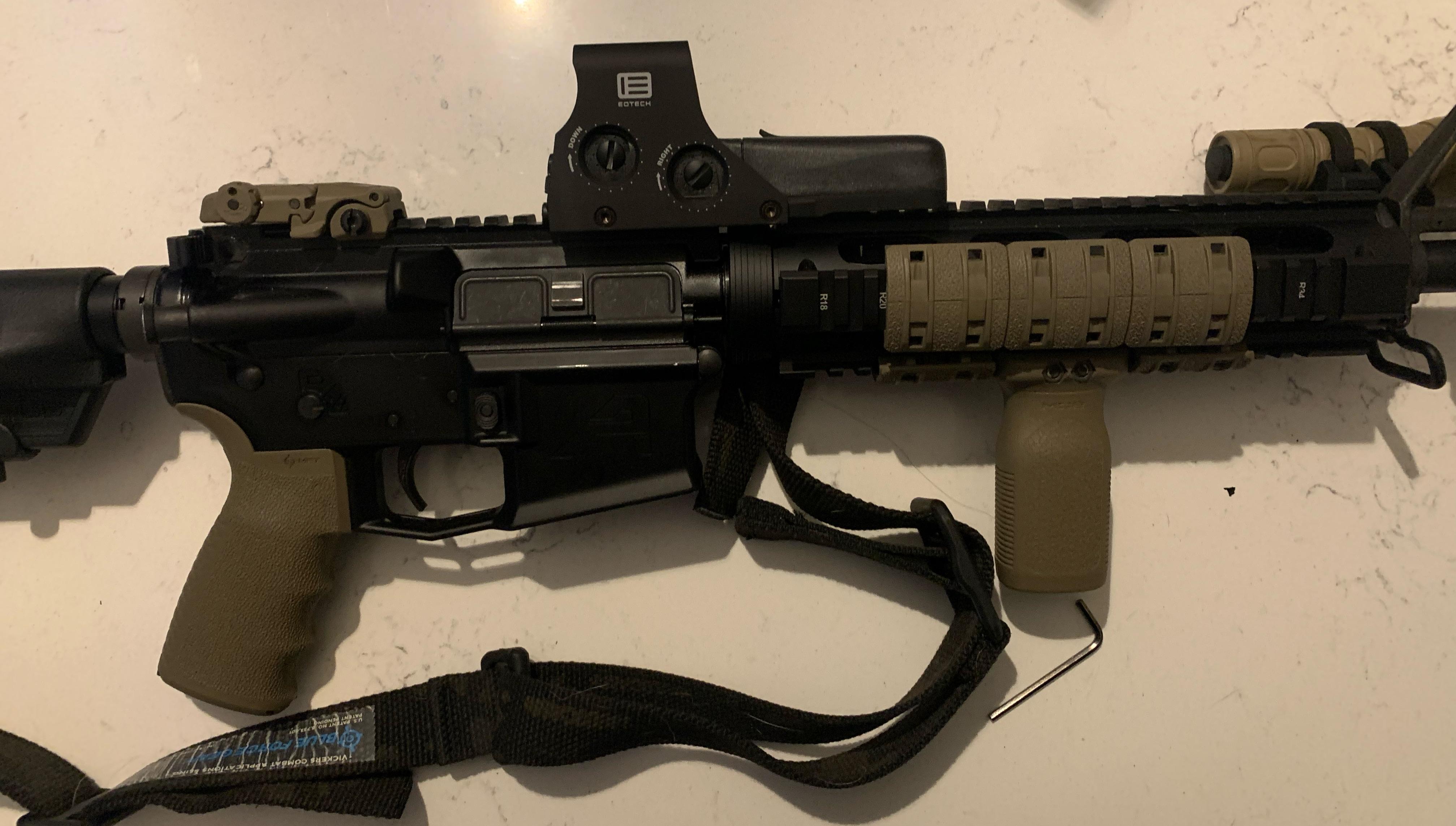
- Recommendation: Consider an illuminated red dot sight with a simple 2 MOA dot or a holographic sight with a larger reticle for quicker target transitions.
Precision rifles
For precision rifles intended for both medium-range and tactical use, mil-dot or BDC reticles offer valuable tools for making rapid adjustments based on distance and environmental factors.
- Recommendation: Opt for a FFP scope with a mil-dot reticle for versatility across varying distances while maintaining accuracy at long ranges.
Shotguns
Shotguns used in tactical scenarios often benefit from simple crosshair or reflex sights that allow for quick aiming without excessive complexity.
- Recommendation: A reflex sight with an illuminated dot provides fast target acquisition and works well within the effective range of shotguns.
Practical setup considerations
Setting up your optic correctly is just as important as choosing the right reticle type. Here are key considerations for mounting and zeroing your optic:
Mount height: The height of your optic above the bore affects how you align your eye with the sight picture. Ensure proper cheek weld by matching your mount height to your stock's design.
Torque specifications: Follow manufacturer torque recommendations when mounting your optic to avoid over-torquing screws that can lead to misalignment or damage.
Initial zero: Perform an initial zero at a known distance using the chosen ammunition type to establish a baseline before engaging targets at varying distances.
Verification tests: Conduct box tests and tall target tests after initial zeroing to ensure your adjustments track properly and return-to-zero capabilities function as intended.
Environmental considerations: Be mindful of how lighting conditions affect your reticle visibility. Test your setup in various environments to ensure optimal performance when it matters most.
Common mistakes to avoid
Even experienced shooters can fall into traps that compromise their optic performance. Here are some common mistakes to watch out for:
Ignoring eye relief: Failing to account for proper eye relief can result in difficult viewing angles and potential scope bite during recoil.
Over-torquing mounts: Applying too much torque on mounting screws can strip threads or deform rail surfaces, leading to misalignment issues.
Neglecting parallax settings: If your optic has parallax adjustment, ensure it is correctly set for your shooting distance; failure to do so can result in point-of-impact shifts.
Relying solely on illumination: While illuminated reticles are helpful, relying solely on them without considering ambient light conditions may hinder visibility during certain scenarios.
Not practicing under stress: Familiarity with your chosen reticle type under pressure is essential; practice regularly to improve confidence and efficiency during real-world engagements.
Conclusion
Selecting the right reticle for tactical use in close-quarter scenarios involves careful consideration of various factors, including your platform, engagement distance, and environmental conditions. Each type of reticle offers unique advantages tailored to specific situations, from simple crosshairs to complex mil-dot designs.
By understanding how these different designs perform under pressure and accounting for practical setup considerations, you can make an informed decision that enhances your shooting experience. Remember to practice regularly with your chosen optic to build familiarity and confidence that will translate into effective performance when it counts most.
Shop Tips
Always degrease screw threads before installation to ensure a secure fit.
Use a torque wrench to apply consistent torque values per manufacturer recommendations.
Check eye relief from your shooting position rather than just from a bench.
Run verification tests like box tests after mounting to ensure proper tracking.
Log results from your tests; they help track changes over time and improve consistency.
Setup checklist
Choose the appropriate mount height based on your stock design.
Securely mount your optic using recommended torque specifications.
Zero your optic at a known distance using your selected ammunition.
Conduct box tests and tall target tests to verify tracking capabilities.
Adjust parallax settings according to shooting distance if applicable.
Familiarize yourself with environmental conditions that may affect visibility.
Common mistakes
Ignoring eye relief adjustments leading to discomfort or misalignment.
Over-torquing mounts resulting in damage or misalignment.
Neglecting parallax adjustments affecting point-of-impact accuracy.
Relying too heavily on illumination without considering ambient light.
Failing to practice under stress diminishes effectiveness during actual engagements.