Understanding the ballistics of the 7mm Rem Mag vs .30-06 for hunting
When considering a choice between the 7mm Remington Magnum and the .30-06 Springfield for hunting, it's essential to analyze the ballistic performance of each cartridge. Both have earned their place among hunters due to their effectiveness, versatility, and historical significance. This article will focus on comparing these two cartridges in terms of their ballistic characteristics, including drop, drift, recoil, and hit probability across various distances. We'll also explore how these factors influence decision-making in the field.
Ballistic fundamentals
To understand how the 7mm Rem Mag and .30-06 perform, we first need to define some key ballistic terms:
Muzzle velocity (MV): The speed of a bullet as it leaves the barrel, typically measured in feet per second (fps).
Ballistic coefficient (BC): A measure of a bullet's ability to overcome air resistance during flight; higher BC values indicate better aerodynamic efficiency.
Drop: The vertical distance a bullet falls due to gravity from its line of sight to the target, usually measured in inches at specific distances.
Drift: The horizontal displacement of a bullet caused by wind, expressed in inches or MOA (minutes of angle) at given distances.
Both cartridges are commonly used for medium to large game, and understanding their unique ballistic properties helps determine which is better suited for specific hunting scenarios.
7mm Rem Mag overview
The 7mm Rem Mag is known for its flat trajectory and high energy delivery. It typically fires bullets weighing between 140 and 180 grains. Popular bullet choices include the Nosler Partition, AccuBond, and various bonded designs that provide excellent penetration and expansion on game.
Ballistics at a glance
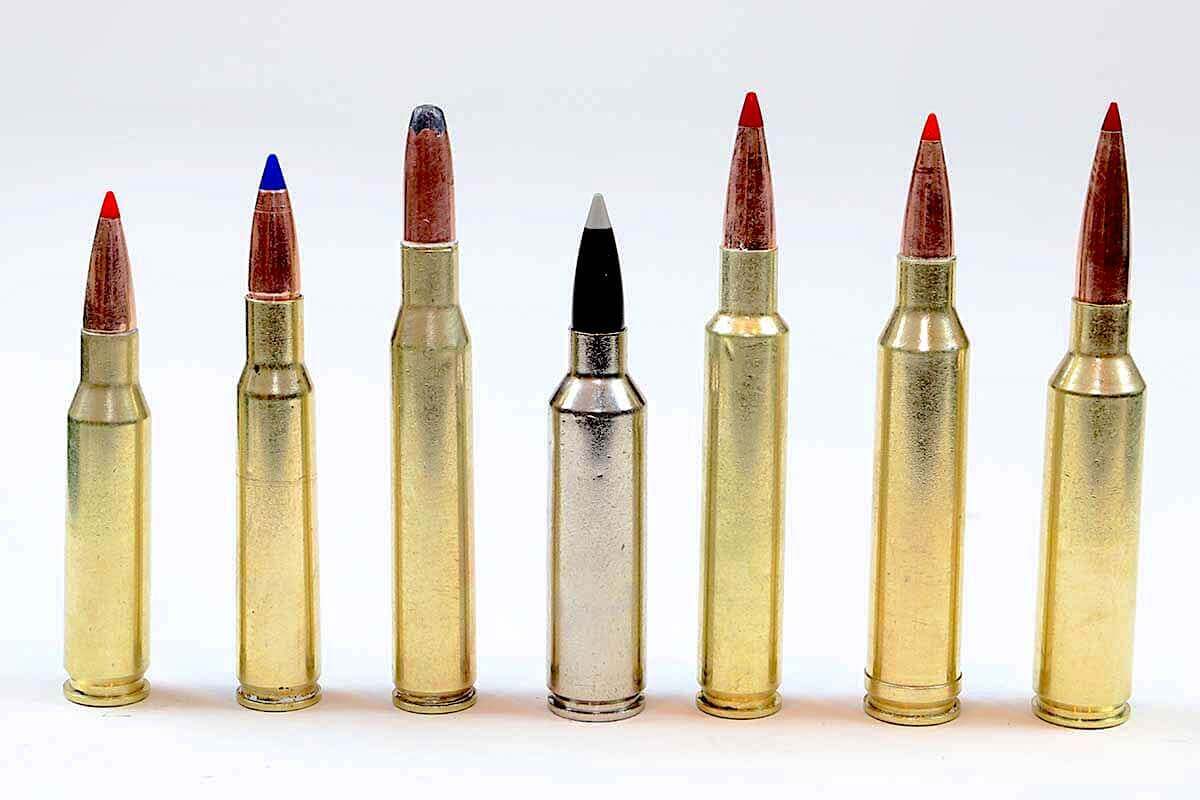
Assuming a typical load with a muzzle velocity of about 3,100 fps and a ballistic coefficient of 0.625 for a 168-grain bullet:
At 100 yards, the drop is approximately 1.5 inches.
At 300 yards, expect a drop of about 10.5 inches.
At 500 yards, the drop increases to around 35 inches.
Wind drift can vary based on conditions; however, with a full-value wind of 10 mph, you can expect about 5 inches of drift at 300 yards and approximately 15 inches at 500 yards.
.30-06 overview
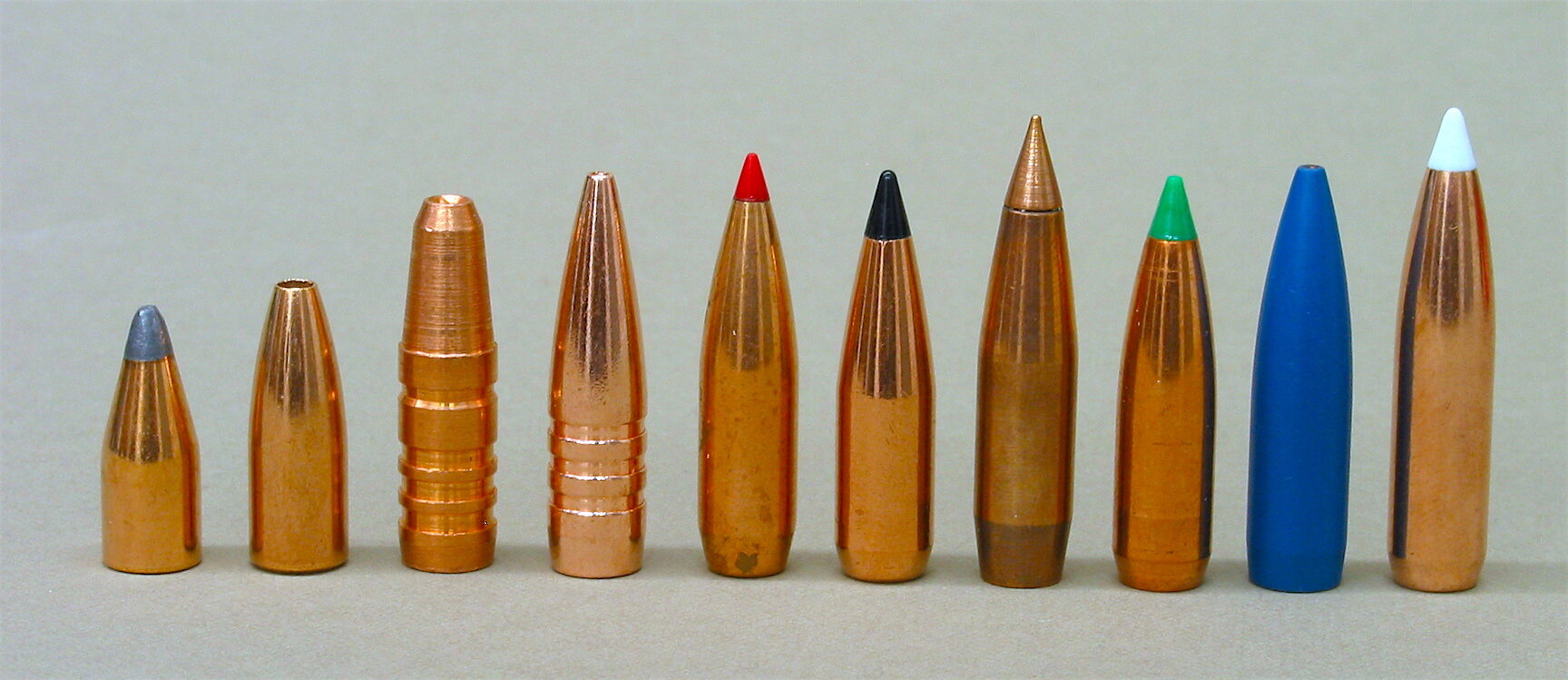
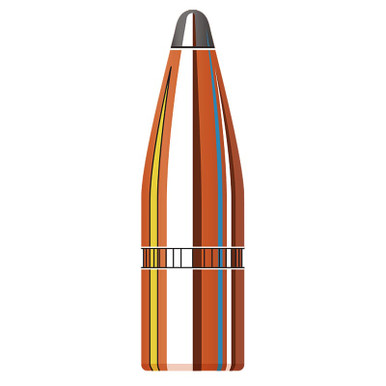
The .30-06 Springfield has been a favorite among hunters for over a century. It fires bullets in a similar weight range, typically from 150 to 180 grains. Common choices include the Hornady InterLock and Speer Grand Slam, known for their reliability in delivering terminal performance.
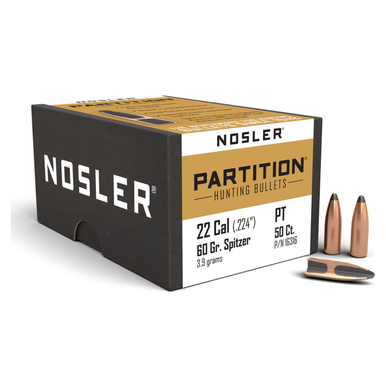
Nosler Partition Deals
Prices may change. May contain affiliate links.
Ballistics at a glance
For a standard load with a muzzle velocity of around 2,900 fps and a ballistic coefficient of 0.500 for a 165-grain bullet:
At 100 yards, the drop is about 2 inches.
At 300 yards, anticipate a drop of roughly 11 inches.
At 500 yards, expect a drop around 40 inches.
In similar wind conditions (10 mph full-value), drift will be slightly less than that of the 7mm Rem Mag, with approximately 4.5 inches at 300 yards and around 13 inches at 500 yards.
Comparative analysis
Now that we have baseline data for both cartridges, let's delve deeper into their performance across various distances and scenarios.
Trajectory comparison
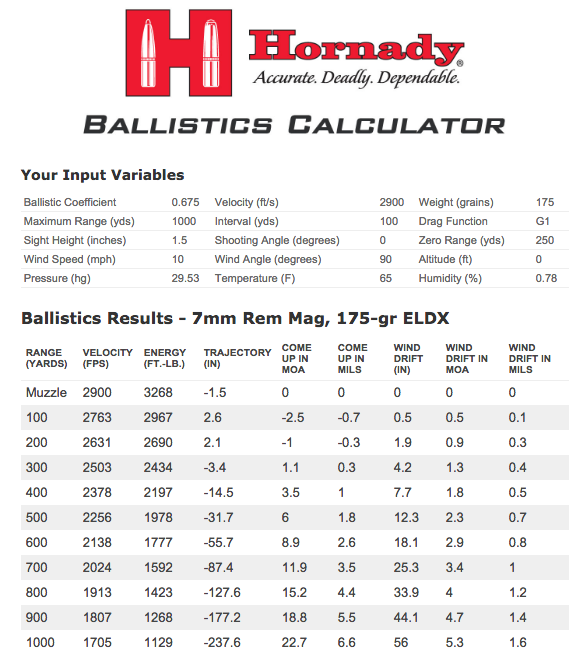
The flat trajectory of the 7mm Rem Mag makes it an appealing choice for long-range shots. Its higher MV allows for less drop over distance when compared to the .30-06. For example, at 400 yards, while the .30-06 may have dropped about 27 inches, the 7mm Rem Mag could have only dropped around 22 inches. This difference means less adjustment is needed when aiming at distant targets, which can be critical in hunting situations where time is limited.
Wind drift
Wind drift is another crucial factor to consider when evaluating these cartridges. The higher BC of the 7mm Rem Mag contributes to its superior resistance to wind deflection. A significant wind gust can drastically alter your shot if you're not accounting for drift.
At 600 yards, under similar wind conditions:
The .30-06 might experience about 20 inches of drift.
The 7mm Rem Mag could be affected by only around 17 inches.
This difference can mean the difference between hitting or missing your target, especially if you’re working with smaller game or trying to make precise shots on larger animals.
Recoil management
Recoil is an often overlooked but essential consideration when choosing a cartridge for hunting. The recoil generated by each cartridge can affect shot placement due to flinching or inconsistent shooting positions.
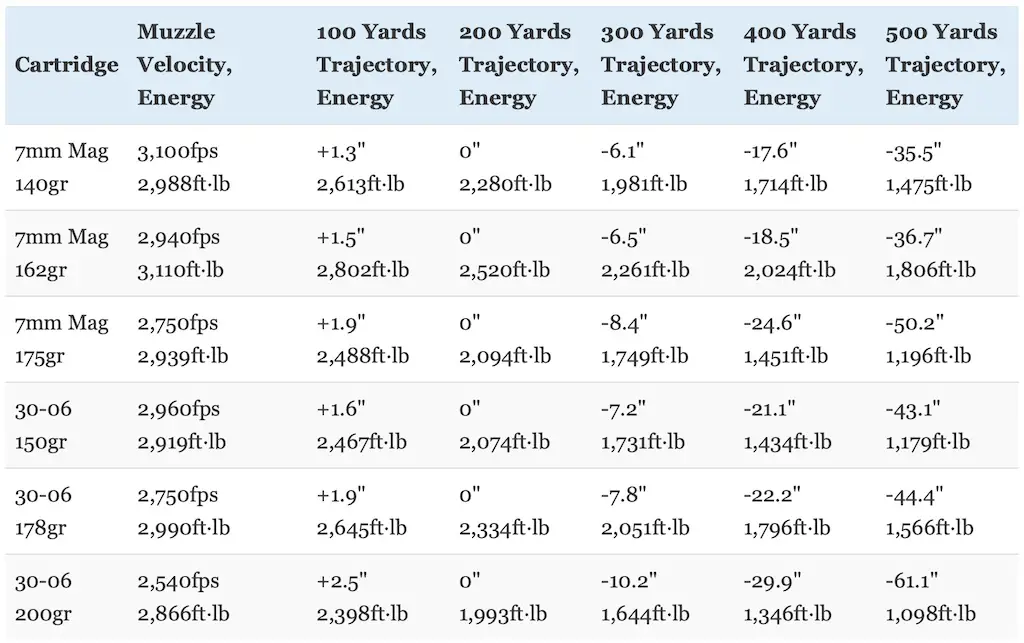
The .30-06 generally produces less recoil compared to the 7mm Rem Mag. The typical recoil energy for the .30-06 with a 165-grain bullet is about 20 ft-lbs, whereas the 7mm Rem Mag can generate upwards of 25 ft-lbs depending on the load. For hunters who may take multiple shots in quick succession or need to follow up on an animal after an initial hit, managing recoil becomes vital for maintaining accuracy.
Hit probability
When discussing hit probability, it’s essential to consider both elevation and wind corrections in relation to shot placement. Due to its flatter trajectory and lower wind drift, shooters may find that they have higher hit probabilities with the 7mm Rem Mag at longer ranges compared to the .30-06.
For example:
- At 400 yards, if we consider an average-sized target (about 18 inches wide), the hit probability may be around 70% with the 7mm Rem Mag versus roughly 60% with the .30-06 due to factors like increased drift and greater drop adjustment required.
Practical applications in hunting scenarios
Understanding these ballistic characteristics helps inform your decision when selecting between the two cartridges based on your hunting style, preferences, and environment.
Long-range hunts
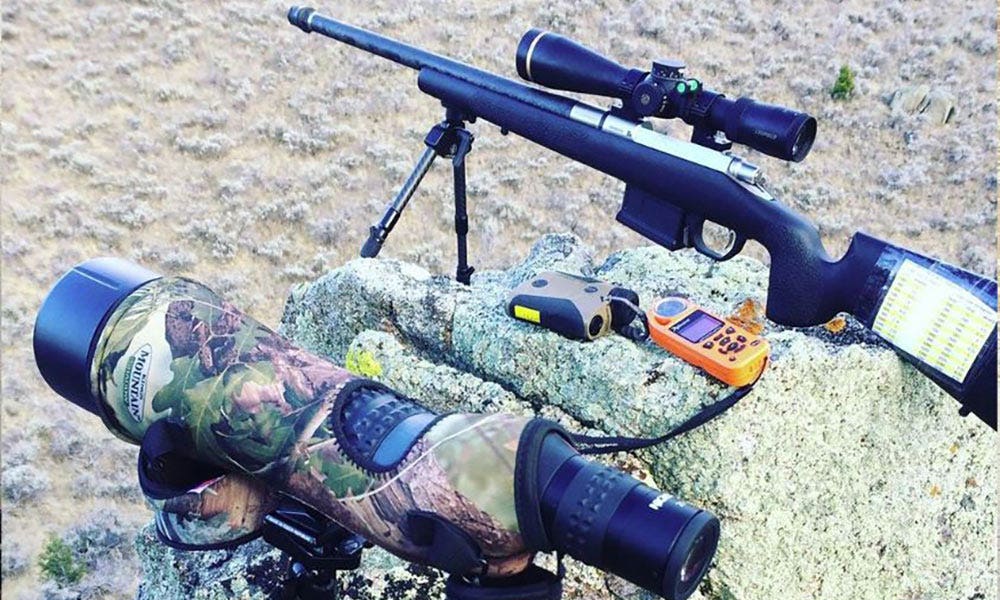
If you’re planning on hunting in open terrain where shots may extend beyond 400 yards, the flat trajectory and minimal drift of the 7mm Rem Mag makes it more suitable for this scenario. Its inherent advantages allow for quicker adjustments and better accuracy at extended distances.
Wooded or brushy environments
Conversely, if your hunting takes you into dense woods where shots are more likely to be taken under 200 yards, the .30-06 provides ample power without excessive recoil. Its manageable recoil allows for quicker follow-up shots if necessary while still providing sufficient terminal performance on medium to large game.
Game size considerations
When targeting larger game such as elk or moose, many hunters lean toward the higher energy delivered by the 7mm Rem Mag due to its ability to maintain velocity over longer distances while ensuring adequate expansion and penetration through heavier bones. However, the .30-06 remains highly effective for most North American game species, especially deer-sized animals.
Stage strategy
Understanding how to apply this knowledge during your hunting experience is crucial for maximizing your effectiveness in the field.
Stage Strategy:
Know your effective range: Determine your comfort level with each cartridge and practice accordingly. If you feel confident shooting out to 600 yards with the 7mm Rem Mag but prefer staying within 300 yards with the .30-06, stick to those limits during your hunt.
Wind reading skills: Develop your ability to read wind conditions effectively. Use flags or other natural indicators to help gauge wind speed and direction before taking a shot.
Practice adjustments: Familiarize yourself with how much you need to adjust your aim based on distance and wind conditions. Create dope cards that include key data points (elevation drops and wind corrections) for quick reference during your hunt.
Positioning matters: Take time to build stable shooting positions that minimize recoil impact on your shot placement. Consider using bipods or packs for added support when making long-range shots.
Follow-up shots: Be prepared for follow-up shots if necessary. Train yourself to regain composure quickly after recoil so you can maintain accuracy on subsequent attempts if your first shot does not result in a clean kill.
Dope-card mini checklist
Creating an effective dope card is essential when preparing for your hunt. Here's a mini checklist to consider:
Include ranges: Mark distances you plan to shoot (e.g., 100, 200, 300, 400 yards).
Add drop data: List drop values corresponding to each distance for both cartridges.
Wind corrections: Include estimates for wind corrections at different speeds (e.g., 5 mph, 10 mph) based on your ballistics model.
Units: Clearly indicate whether you’re using MOA or mils for adjustments.
Temperature and DA notes: Record expected temperature and density altitude conditions that could affect performance.
Confirmation shots: Plan confirmation shots before heading out; ensure you validate your dope at varying distances under actual conditions if possible.
Common mistakes
Even experienced hunters can overlook critical details when choosing between cartridges or making shooting adjustments. Here are some common mistakes to avoid:
Ignoring dope updates: Failing to update dope cards based on changing conditions can lead to missed opportunities.
Underestimating recoil effects: Not accounting for recoil can cause shooters to flinch or misalign their aim during follow-up shots.
Neglecting wind reading practice: Inconsistent wind readings often lead to misjudged holds or incorrect adjustments on target.
Shooting beyond skill level: Attempting shots well beyond your effective range due to confidence in equipment rather than personal ability can result in missed opportunities or wounded animals.
Overlooking terminal performance needs: Selecting a cartridge without considering intended game size or type can affect ethical hunting practices and success rates.
Conclusion
Choosing between the 7mm Remington Magnum and .30-06 Springfield ultimately comes down to personal preference and specific hunting scenarios. Both cartridges have their strengths and weaknesses; understanding their ballistics helps you make informed decisions about which one best suits your needs.
By analyzing factors such as trajectory, wind drift, recoil management, and hit probability, you can better prepare yourself for successful hunting experiences. As you gain experience with each cartridge, consider building comprehensive dope cards and refining your skills in reading wind conditions and managing recoil effectively.
Let the conditions set the pace.