Evaluating the performance of adjustable vs fixed stocks in long-range shooting
Long-range shooting is a discipline that demands precision, consistency, and adaptability. Every component of the rifle plays a critical role, including the stock. When it comes to stocks, shooters often face a choice between adjustable and fixed options. This article focuses on evaluating their performance specifically for long-range shooting, emphasizing the practical implications of each type in real-world scenarios.
The role of the stock in long-range shooting
The stock is more than just a support structure for the rifle; it serves as the interface between the shooter and the firearm. A well-designed stock can enhance stability, comfort, and overall control during firing. In long-range scenarios, where minute adjustments can make or break a shot, the importance of choosing the right stock becomes even more pronounced.
Fixed stocks
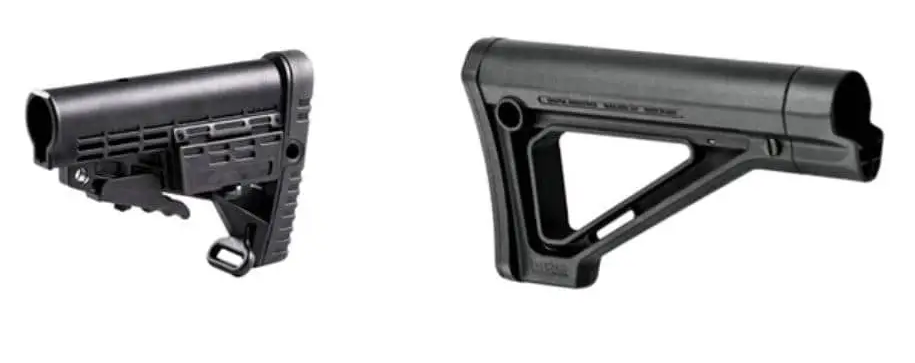
Fixed stocks are rigid and do not offer any adjustments. They are designed to provide a stable shooting platform with minimal weight and bulk. Commonly found on precision rifles, fixed stocks can improve repeatability by maintaining a consistent length of pull (LOP) and cheek height.
Pros of fixed stocks
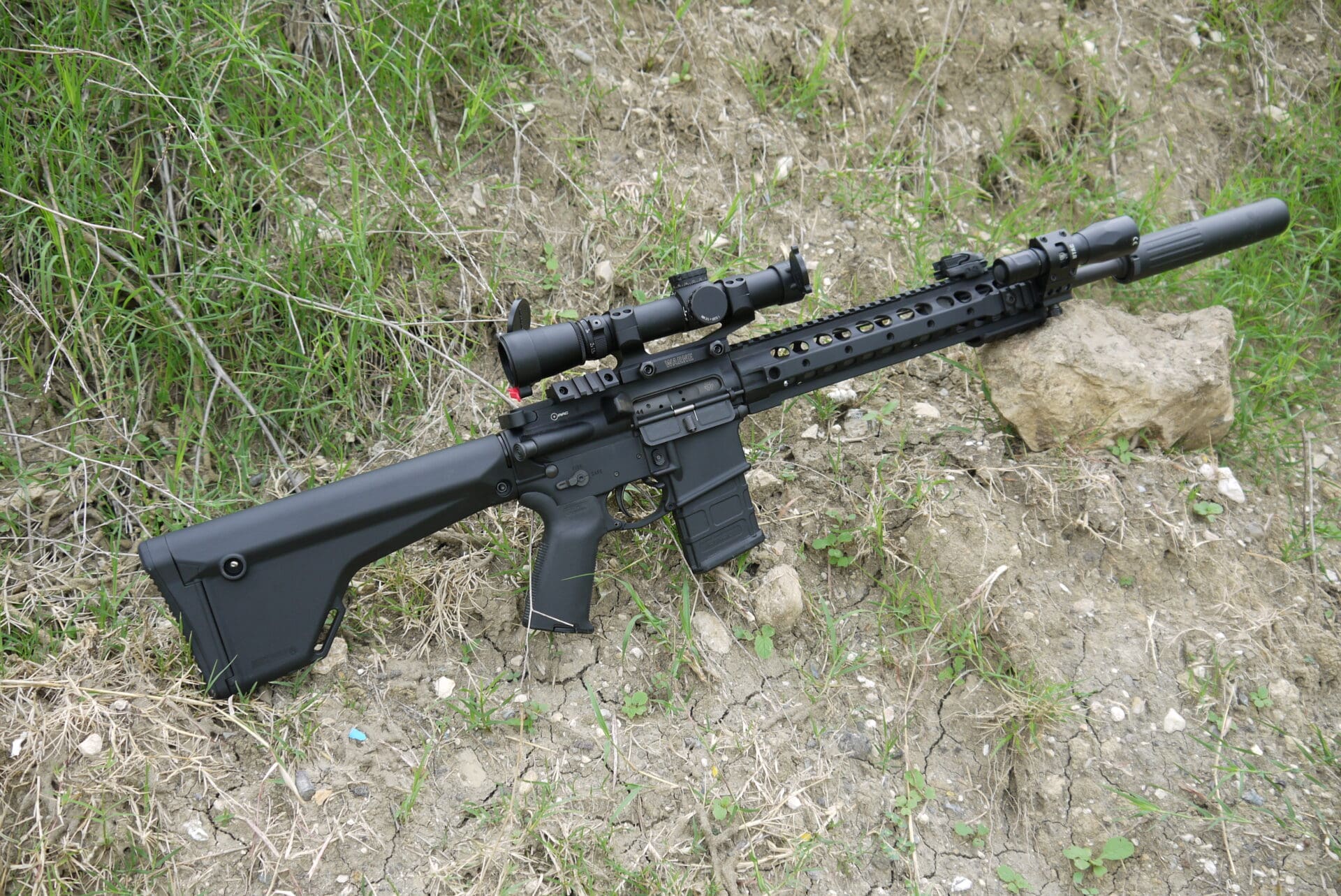
Simplicity: With fewer moving parts, fixed stocks are generally simpler to use and maintain. This reliability can be a significant advantage in high-pressure competition settings.
Weight: Fixed stocks tend to be lighter than their adjustable counterparts, which can contribute to overall rifle handling and reduce fatigue during extended shooting sessions.
Stability: The rigidity of fixed stocks can enhance stability, reducing flex during recoil and ensuring that your point of aim remains consistent.
Cons of fixed stocks
Limited adjustability: Fixed stocks cannot accommodate individual preferences for LOP or cheek height, which may be a disadvantage for shooters who require specific ergonomics.
Less versatility: If you're transitioning between different shooting positions or using different types of optics, a fixed stock may limit your ability to adapt quickly.
Adjustable stocks
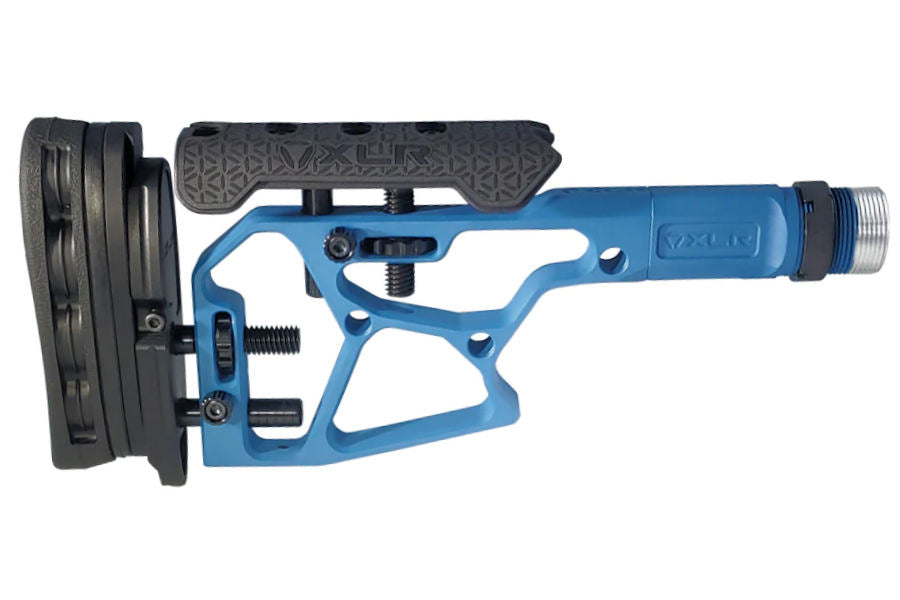
Adjustable stocks offer customizable features, allowing shooters to modify LOP, cheek height, and sometimes even butt pad positioning. This flexibility can provide an advantage in achieving a comfortable shooting position that enhances accuracy.
Pros of adjustable stocks
Customization: The ability to adjust LOP and cheek height allows for a personalized fit. This is particularly beneficial for shooters who may wear different gear or have varying body sizes and shapes.
Versatility: Adjustable stocks can accommodate different shooting styles or positions, making them suitable for various match formats or training scenarios.
Enhanced comfort: By tailoring the stock to your specific needs, you can improve comfort, which may lead to better performance over extended periods.
Cons of adjustable stocks
Weight: Adjustable stocks often come with additional components and mechanisms, leading to an increase in overall weight compared to fixed stocks.
Complexity: More moving parts mean more potential points of failure. In high-stakes environments like competitions, this complexity could result in reliability issues if not properly maintained.
Potential for movement: Depending on the design, some adjustable stocks may introduce slight flex or movement during recoil, which could impact shot placement.
Performance evaluation based on shooting style
To fully understand how adjustable and fixed stocks perform in long-range shooting, we must consider various shooting styles and conditions commonly encountered in matches or practice sessions.
Prone shooting
When shooting prone, stability is paramount. The shooter's body acts as a natural support system, and the stock plays a vital role in ensuring that the rifle remains aligned with the target.

Fixed stock performance: In prone positions, a fixed stock excels due to its inherent stability. The lack of adjustability means that once set up correctly for the shooter’s build, it will remain consistent throughout the stage.
Adjustable stock performance: An adjustable stock can provide benefits if you need to fine-tune your position quickly between stages or if you're sharing the rifle with another shooter of a different size. However, ensure that any adjustments made do not introduce unwanted movement or instability.
Standing positions
Shooting from standing positions introduces additional challenges due to the need for balance and support. The stock's design can significantly influence how well you manage these factors.
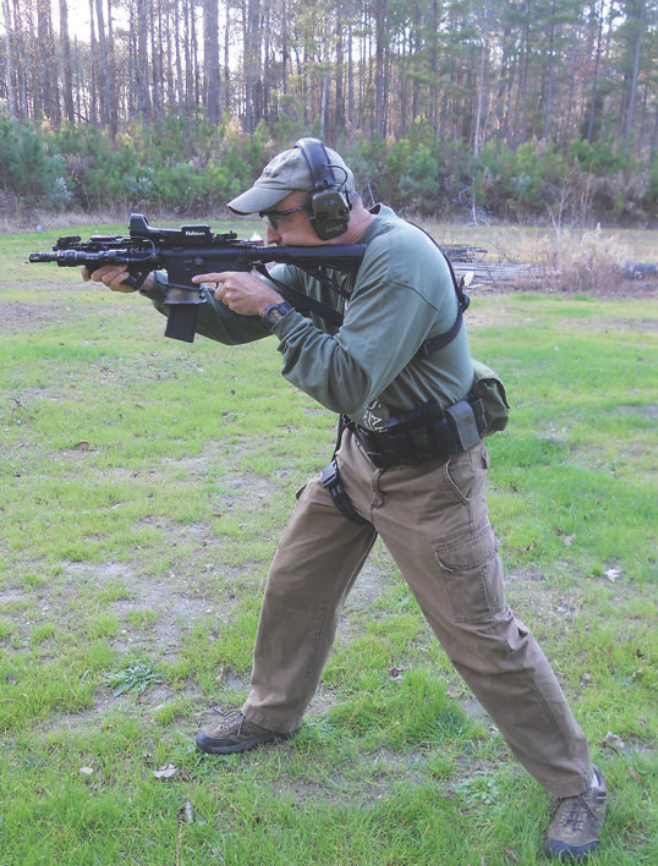
Fixed stock performance: In standing shots, fixed stocks may provide more stable support since they don't shift during recoil. This can help maintain alignment and follow-through on target.
Adjustable stock performance: An adjustable stock can allow for fine-tuning during standing shots, especially if you're switching between different setups or utilizing gear that alters your stance. Ensure any adjustments do not compromise the overall rigidity needed for accurate shots.
Time-sensitive stages
In competitive environments where time is limited, efficiency becomes crucial. The choice between an adjustable and fixed stock can affect how quickly you can engage targets.
Fixed stock performance: The simplicity of a fixed stock means less time spent adjusting settings during rapid-fire stages. Once set up correctly for your body size and stance, it offers reliable performance without additional fiddling.
Adjustable stock performance: While an adjustable stock may offer customization, it requires time to adjust correctly under pressure. If you’ve practiced with it extensively and know your preferred settings by heart, it can be beneficial; otherwise, it might hinder quick engagements.
Evaluating recoil management
Recoil management is essential for long-range precision shooting. It affects follow-up shots and overall accuracy. Both types of stocks influence how well you can manage recoil.
Fixed stocks and recoil
Fixed stocks typically offer better recoil management due to their rigid construction. They absorb energy effectively while maintaining alignment with the target. This stability allows for faster follow-up shots as the rifle returns to its original position without shifting.
Adjustable stocks and recoil
The effectiveness of recoil management in adjustable stocks largely depends on their design quality. Some models are built to minimize flex and maintain rigidity during firing; however, others might allow slight movements that could affect shot placement.
Practical considerations for stock selection
When deciding between adjustable and fixed stocks, consider several practical factors that can influence your performance:
Weight considerations
Weight matters in long-range shooting as you may carry your rifle for extended periods during competitions or training sessions.
Fixed stocks tend to be lighter overall due to their simplified design.
Adjustable stocks may add extra weight with their mechanisms but could also allow for better weight distribution depending on how they’re designed.
Ergonomics and comfort
A comfortable fit is crucial for accuracy:
Fixed stocks provide consistent ergonomics once properly sized but may not accommodate changes in clothing or gear.
Adjustable stocks can be tailored to individual preferences, enhancing comfort across diverse situations.
Durability and reliability
In high-stakes environments, reliability is non-negotiable:
Fixed stocks generally offer superior durability due to their straightforward construction.
Adjustable stocks require diligent maintenance to ensure all components function smoothly without introducing failure points.
Dope cards and data management
Regardless of the stock type chosen, maintaining accurate dope cards is essential for effective long-range shooting. Keep these considerations in mind:
Include relevant ranges: Capture distances applicable to your shooting scenarios.
Account for wind brackets: Record expected wind holds based on past experiences at similar distances.
Use appropriate units: Ensure all data is recorded in consistent units (mils or MOA).
Factor in DA/temperature notes: Environmental conditions can significantly affect ballistics; make sure to log those as well.
Confirmations checks: Include space for zero checks after making adjustments or changes in setup.
Common mistakes in choosing stocks
When selecting between adjustable and fixed stocks, avoid these common pitfalls:
Overlooking fit: Failing to assess how the stock fits your shooting style can lead to discomfort or inefficiency.
Ignoring weight balance: Choosing a stock purely based on aesthetics without considering weight balance can affect handling during stages.
Neglecting testing: Not testing both types before committing can result in poor decision-making; always try before you buy.
Forgetting maintenance needs: Underestimating the need for regular checks on adjustable components can lead to reliability issues when it matters most.
Disregarding stage requirements: Focusing too much on personal preference without considering match-specific needs may hinder performance under pressure.
Stage strategy
When preparing for a match or training session involving long-range engagements, develop a clear strategy regarding your choice of stock:
Assess your typical shooting positions and determine whether comfort or stability is prioritized based on previous experiences.
Test both types of stocks under simulated match conditions to evaluate how each performs under pressure.
Create a detailed dope card tailored to your chosen setup; include specific adjustments needed based on environmental conditions.
Plan for potential transitions between stages; consider how quickly you can adjust your stock settings if using an adjustable model.
Reflect on past performances with both types; identify strengths and weaknesses that could inform future choices regarding equipment selection.
Conclusion
Choosing between adjustable and fixed stocks ultimately boils down to personal preference and specific requirements tied to long-range shooting styles. Each type has its merits and drawbacks that can significantly influence performance during matches or practice sessions.
By understanding how each stock performs across various conditions and scenarios, shooters can make informed decisions that will enhance their long-range capabilities. Whether you opt for the reliability of a fixed stock or the adaptability of an adjustable model, always prioritize comfort, consistency, and practice to ensure success on the range.