Building a precision rifle for NRL Hunter matches: key components and setup
In the world of long-range shooting, few disciplines challenge a shooter's skill and equipment quite like NRL Hunter matches. These events often combine field-style shooting with precision rifle techniques, demanding not only accuracy but also the ability to adapt to various positions and terrains. This article will focus on building a precision rifle specifically tailored for NRL Hunter matches, emphasizing the key components and setup necessary for success.
Understanding NRL Hunter matches
Before diving into the specifics of rifle components, it's important to understand the nature of NRL Hunter matches. Typically held at distances ranging from 200 to 1,000 yards, these competitions require shooters to engage targets from various positions: prone, standing, and even unconventional stances. The stages often incorporate obstacles, such as barricades or natural terrain features, which test a shooter's ability to stabilize their rifle and make quick adjustments based on environmental conditions.
Competitors face time constraints that add pressure to each shot. Therefore, having a reliable and well-tuned rifle is crucial. In this context, we will explore the essential components of a precision rifle, how they affect performance, and what considerations should guide your selections.
Action and barrel
Choosing the action
The action serves as the heart of any precision rifle. For NRL Hunter matches, a strong and smooth action is paramount. Common choices include:
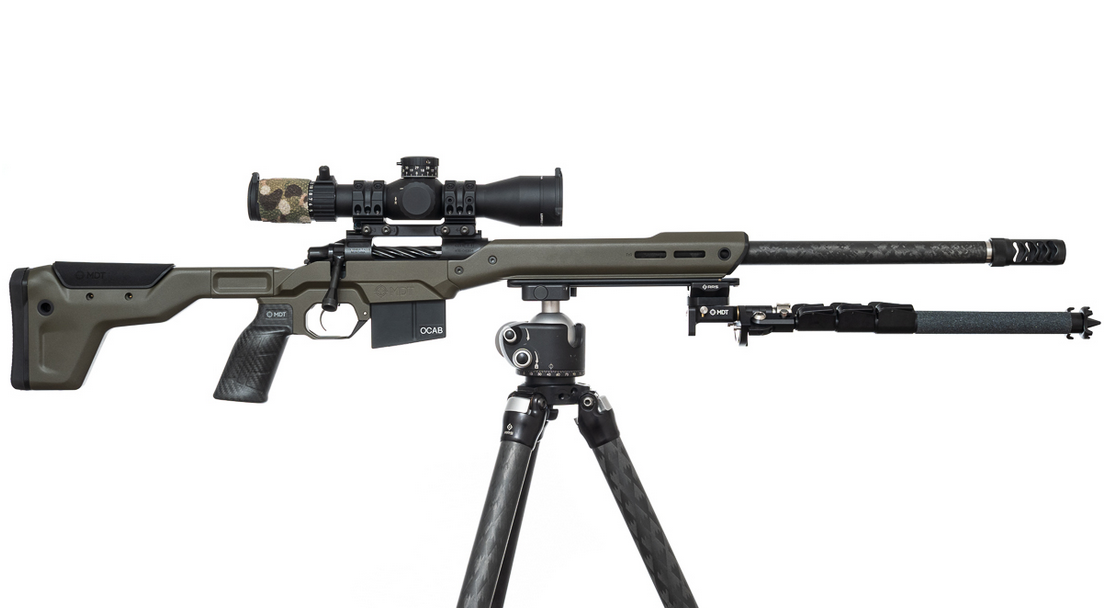
Bolt-action: This is the most popular choice for precision rifles due to its reliability and ease of use. Look for actions with tight tolerances for consistent performance.
Single-shot actions: While they can be more accurate due to fewer moving parts, they may not be practical for fast-paced stages where multiple shots are needed.
Semi-automatic actions: Though less common in precision shooting, they can provide quick follow-up shots but may introduce variables in accuracy.
For NRL Hunter matches, a bolt-action is typically the best option due to its consistency and reliability. Brands like Remington, Tikka, and Howa offer excellent bolt-action rifles that can be customized to fit your needs.
Selecting the barrel
The barrel is where the magic happens. It influences accuracy, muzzle velocity (MV), and overall performance. Key factors to consider include:
Barrel length: Longer barrels generally yield higher MV but can add weight. A barrel length of 20 to 24 inches is common for NRL Hunter rifles, balancing portability and performance.
Twist rate: This affects bullet stabilization. A faster twist rate (1:8 or 1:7) is ideal for heavier bullets typically used in long-range shooting.
Profile: Heavier barrels tend to dissipate heat better and improve accuracy over extended sessions. However, they also increase weight, which can be a disadvantage when moving between stages.
When selecting a barrel, consider your cartridge choice and the types of bullets you'll be using. Ensure your barrel has a suitable chambering to maximize accuracy.
Chassis/stock and weight
Chassis vs. traditional stocks
The choice between a chassis system and a traditional stock depends on personal preference and shooting style.
Chassis systems: These provide modularity and often include adjustable components for length of pull and comb height. They also tend to be more rigid than traditional stocks, improving accuracy.
Traditional stocks: While they may lack some adjustability, quality wooden or synthetic stocks can still offer excellent performance if properly fitted.
For NRL Hunter matches, many shooters prefer chassis systems due to their versatility and customization options. Brands like MDT and KRG offer excellent options that cater specifically to precision shooters.

Tikka bolt-action rifle Deals
Prices may change. May contain affiliate links.
Weight considerations
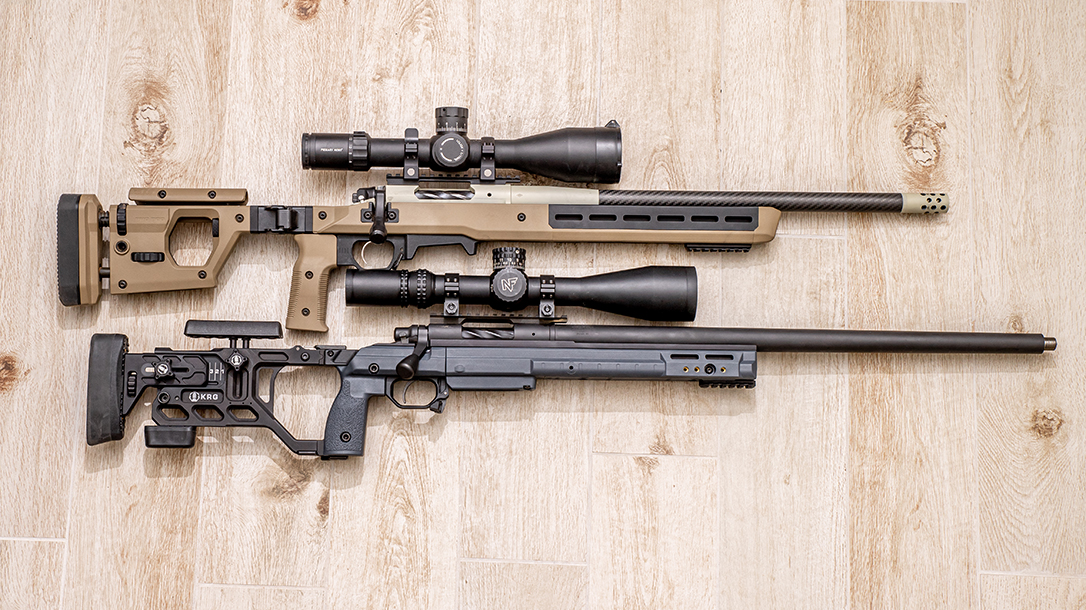
In NRL Hunter matches, weight plays a significant role in overall rifle handling. A heavier rifle can provide stability but may slow you down during transitions between positions. Aim for a setup that balances weight with maneuverability.
A target weight range for an NRL Hunter rig is typically around 12–16 pounds. This allows enough stability while remaining manageable during movement.
Trigger selection
The trigger is another critical component that directly influences shot accuracy. A good trigger allows for a clean break without excessive weight or creep.
Key factors in trigger selection
Weight: A lighter trigger pull (typically 1.5–3 pounds) allows for precise shots without adding unnecessary effort.
Adjustability: Some triggers allow users to adjust both weight and travel, providing flexibility to suit personal preferences.
Design: Two-stage triggers provide a tactile feel that can enhance shot control.
Brands like Timney and Jewell are well-respected in the precision shooting community, offering high-quality triggers that deliver consistent performance.
Optics and reticle
Selecting the right optic is crucial for long-range precision shooting. A quality scope helps you see your targets clearly while allowing for precise adjustments based on distance and wind conditions.
Choosing your optic
When selecting an optic for NRL Hunter matches, consider the following factors:
Magnification range: A variable magnification scope (such as 4-16x or 5-25x) provides flexibility across different distances.
Objective lens size: A larger objective lens gathers more light, improving visibility in low-light conditions.
Turret adjustments: Ensure your optic has clear, repeatable turrets for elevation and windage adjustments.
Reticle selection
A well-designed reticle aids in quick target acquisition and wind reading. Consider reticles with ranging features or subtensions that help with windage holds at various distances. Mil-dot or Christmas tree reticles are popular choices among precision shooters due to their versatility in estimating range and wind adjustments.
Support gear
Having appropriate support gear can greatly enhance your shooting experience in NRL Hunter matches. Here are essential items to consider:
Bipods
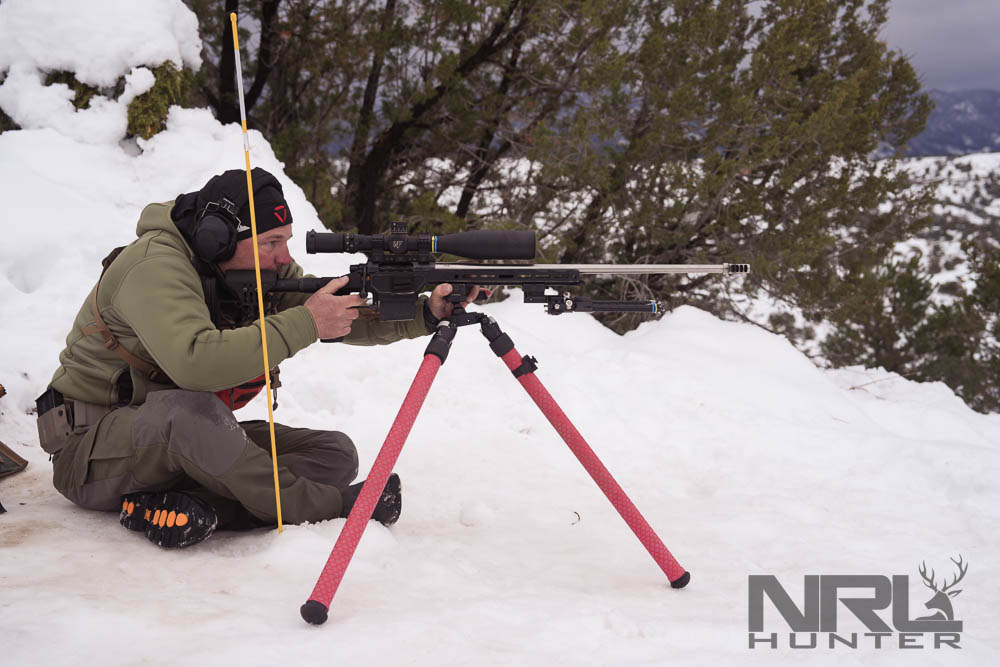
A sturdy bipod provides stability when shooting from prone or sitting positions. Look for adjustable bipods with features such as:
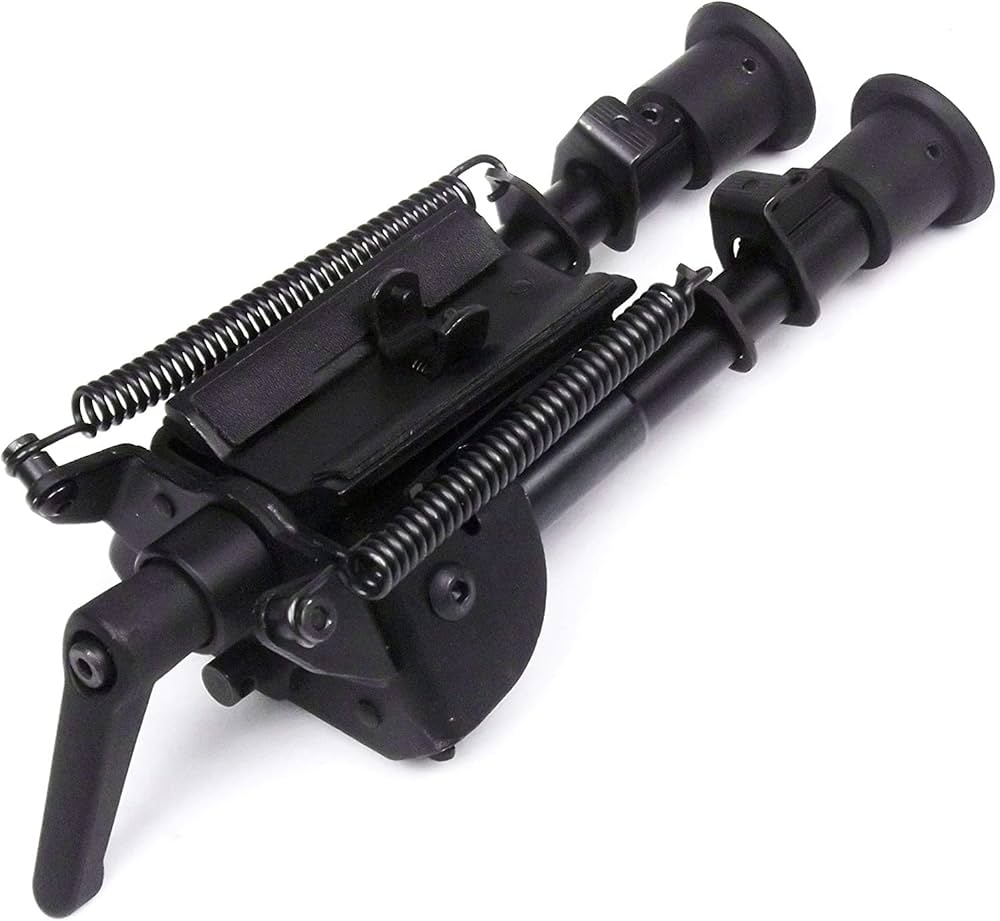
Height adjustability: This allows you to set the bipod at an optimal height for your shooting position.
Swivel capability: A bipod that swivels helps you track moving targets without needing to reposition your rifle.
Brands like Harris and Atlas offer reliable options favored by many precision shooters.
Bags
Shooting bags can provide additional support when shooting from various positions. They come in different shapes and sizes but typically serve to fill gaps between the rifle and rest surfaces.
Tripods
When engaging targets from uneven terrain or elevated positions, tripods can offer crucial support. Look for lightweight models that are easy to carry but sturdy enough to withstand recoil.
Stage strategy
Planning for success
When preparing for an NRL Hunter match, it's essential to have a stage strategy that incorporates your rifle setup alongside your shooting technique. Here are key steps:
Know your stage layout: Familiarize yourself with the stages beforehand if possible. Understand target distances and positions.
Wind reading: Spend time assessing wind flags or mirage before the match begins. Take notes on how each condition affects your dope.
Dope card preparation: Build a dope card that includes data on target distances, wind conditions, and bullet drop information.
Position management: Decide on optimal shooting positions based on target placement and terrain features.
Time management: Practice running through stages within time constraints so you can adjust quickly under pressure.
Having a solid plan will boost your confidence when it's time to shoot.
Dope-card mini checklist
When building your dope card for NRL Hunter matches, consider including the following:
Ranges to include (200–1,000 yards)
Wind brackets (0–10 mph increments)
Units (mils/MOA)
Data on DA/temperature effects
Confirmation shots or zero checks
Bullet drop at various distances
Elevation adjustments for varying wind speeds
This checklist will help ensure you have all necessary information at your fingertips when it's time to take your shots.
Common mistakes
Even experienced shooters can fall into common traps during NRL Hunter matches. Here are some mistakes to watch out for:
Neglecting dope validation: Always check your dope against live fire before matches; don't rely solely on previous data.
Ignoring wind changes: Wind conditions can shift rapidly; always reassess before taking each shot.
Poor position transitions: Practice moving efficiently between positions; don't waste time adjusting unnecessarily once you're set up.
Overlooking gear checks: Ensure all gear is functioning correctly prior to competition; don't assume everything will work perfectly on match day.
Conclusion
Building a precision rifle for NRL Hunter matches involves careful consideration of each component: from action to optics and support gear. By focusing on quality parts tailored to your specific needs and practicing effective stage strategies, you can significantly enhance your performance in these demanding competitions.
As you prepare for your next match, remember that consistency in training, coupled with clean data and disciplined note-taking, will be your greatest assets in mastering the art of long-range shooting.