Innovative non-lead ammunition options for small game hunting
Small game hunting offers a unique experience that combines skill, strategy, and a deep appreciation for nature. As hunters, we continuously seek to improve our practices, whether it's refining our shooting techniques or choosing the best gear. One area that has gained significant attention in recent years is ammunition choice, particularly the move toward non-lead options. This article will explore innovative non-lead ammunition for small game hunting, examining various materials, their performance characteristics, and ethical considerations.
Understanding the shift to non-lead ammunition
The transition to non-lead ammunition stems from growing environmental concerns and the impact of lead on wildlife and ecosystems. Traditional lead bullets can fragment upon impact, leaving small particles in the environment that can be ingested by animals, leading to poisoning. This has prompted many states to implement regulations banning lead ammunition in certain areas, particularly where wildlife may be vulnerable.

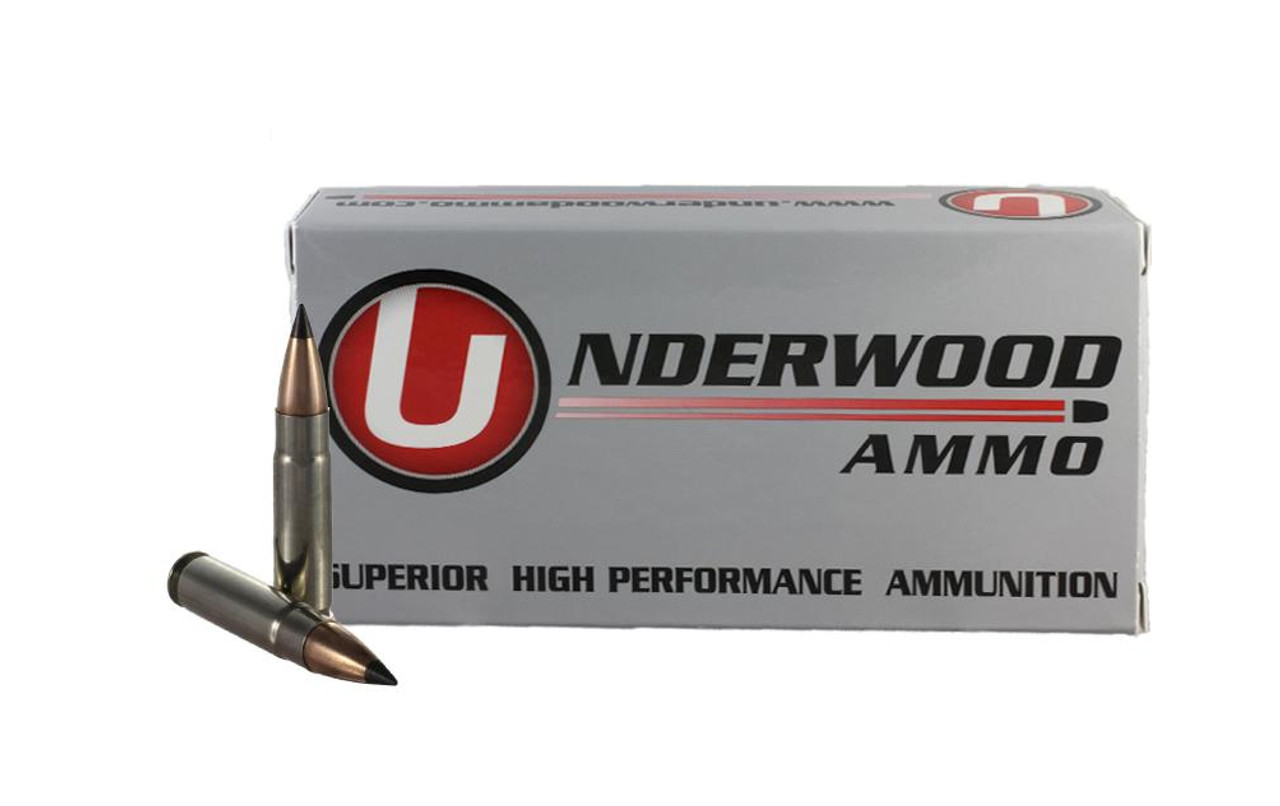
Generic/multiple Non-lead ammunition (general) Deals
Prices may change. May contain affiliate links.
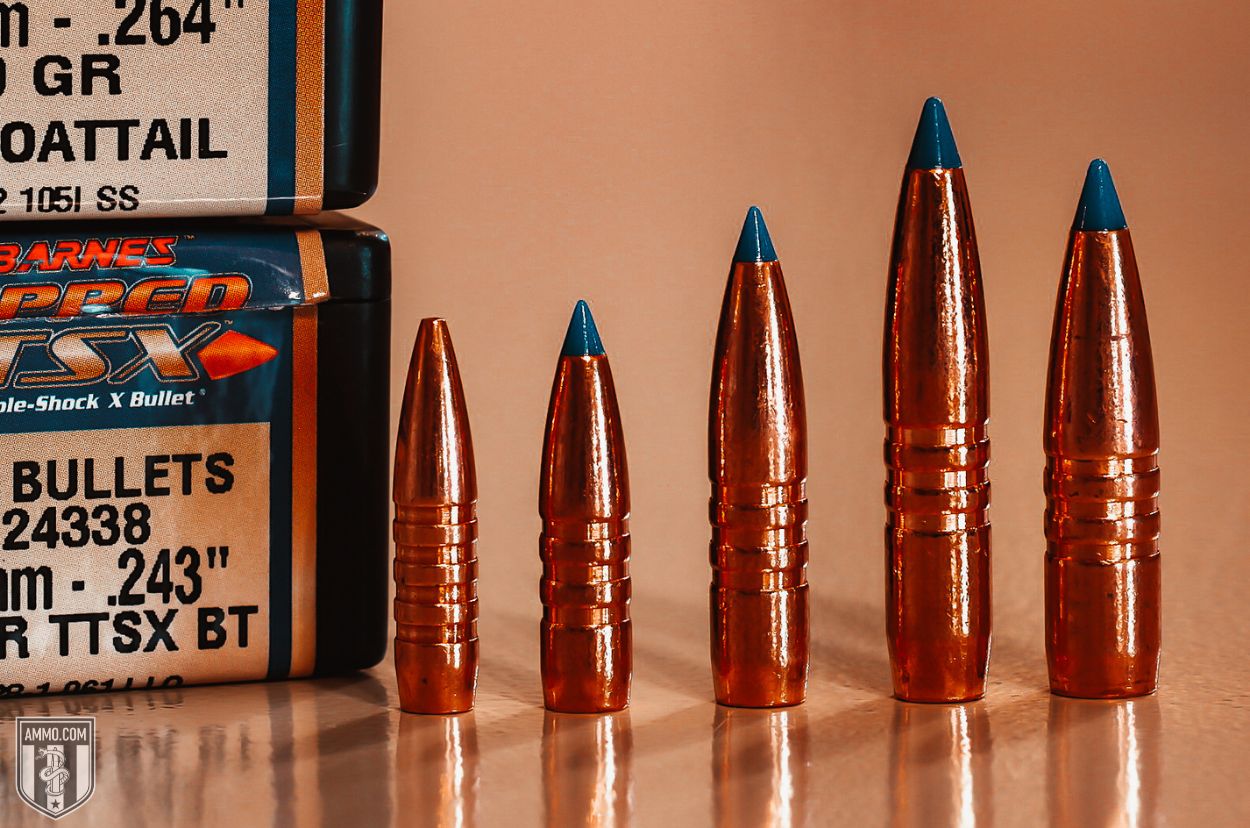
Non-lead options have emerged as viable alternatives, designed to maintain performance while reducing environmental risks. Understanding the different materials available is crucial in choosing the right ammunition for your hunting needs.
Types of non-lead ammunition
Copper
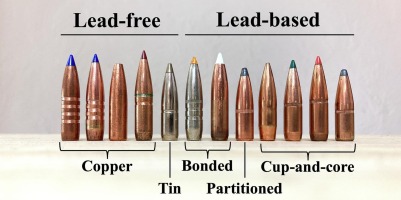
Copper is one of the most common materials used in non-lead ammunition. It is known for its density and ability to create expansion upon impact, similar to lead. Copper bullets often feature a hollow-point design that facilitates controlled expansion, making them effective for small game hunting.
- Performance characteristics: Copper bullets typically exhibit excellent penetration and weight retention. They tend to perform well across various distances and are effective in delivering a clean, humane kill when shot placement is accurate.
- Considerations: While copper bullets are less likely to fragment than lead, they can be more expensive. Additionally, some hunters report changes in trajectory compared to lead rounds, necessitating adjustments to sighting-in.
Brass
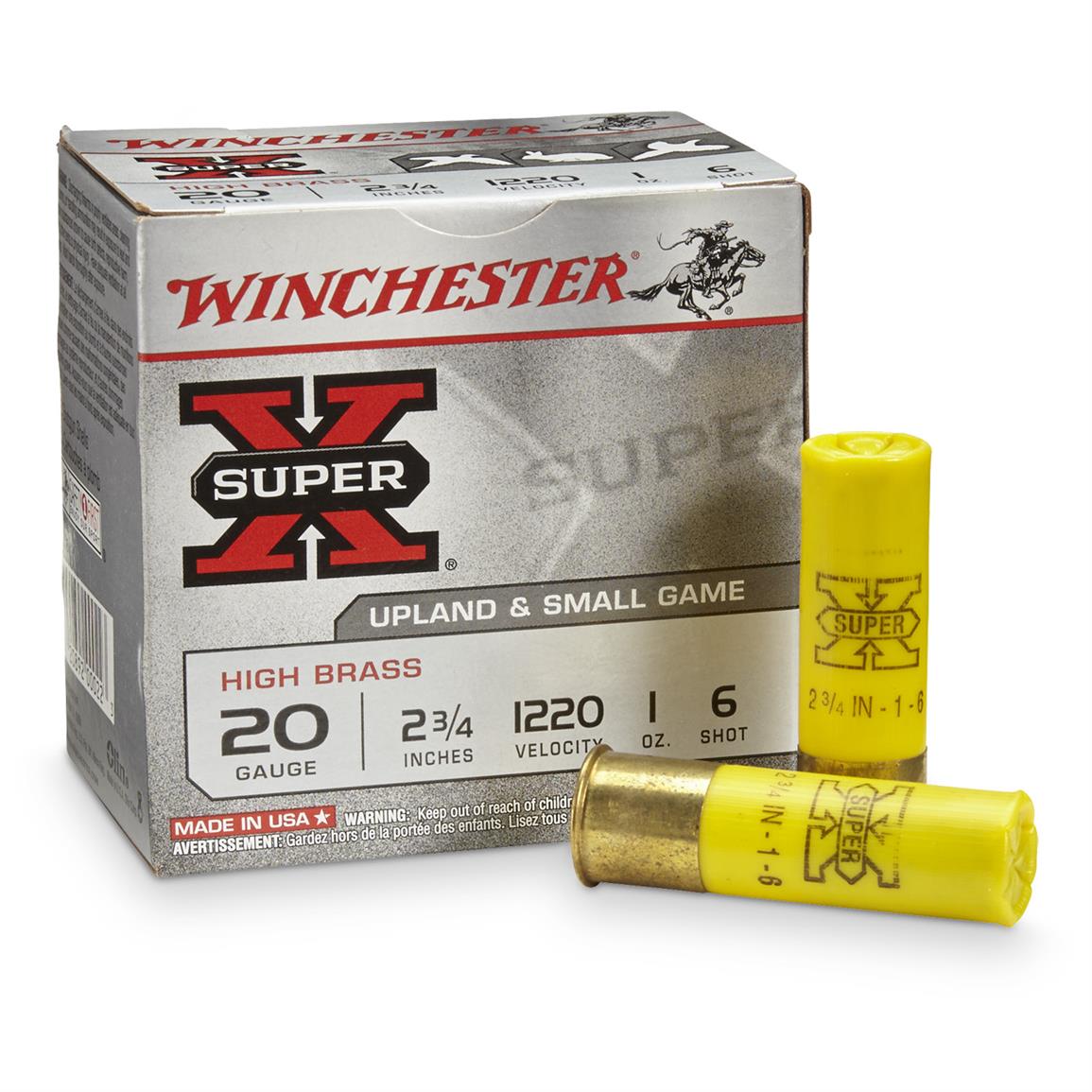
Brass is another material used in non-lead ammunition, often blended with other metals to enhance performance. Brass bullets can provide a good balance of weight and expansion properties, making them suitable for small game hunting.
- Performance characteristics: Brass bullets generally offer reliable accuracy and decent terminal performance. They can expand effectively on impact without creating excessive fragmentation, which is essential for ensuring a clean kill.
- Considerations: Similar to copper, brass ammunition may come at a higher cost than traditional lead rounds. It's essential to test these rounds in your firearm to confirm compatibility and performance.
Polymer-based projectiles
Some manufacturers have started producing polymer-based projectiles designed for specific applications, including small game hunting. These rounds often incorporate a metal core for stability and ballistic performance while minimizing lead exposure.
- Performance characteristics: Polymer-based projectiles can achieve high velocities and flat trajectories, allowing for accurate shots at varying distances. Their lightweight nature can result in reduced recoil, making them easier to shoot accurately.
- Considerations: As a relatively new option in the market, polymer-based projectiles may require further testing to understand their long-term performance and reliability.
Tin
Tin has also emerged as an alternative material for non-lead ammunition. While it doesn't possess the same density as lead or copper, tin offers a promising option for small game hunting due to its malleability and ability to expand.
- Performance characteristics: Tin bullets can achieve adequate penetration and expansion when designed correctly. They tend to create larger wound channels than traditional lead bullets, which can be advantageous for quick kills.
- Considerations: The availability of tin ammunition may be limited compared to copper or brass options. Hunters should be aware of the specific brands and loads available in their region.
Ballistics and performance comparisons
When evaluating non-lead ammunition for small game hunting, understanding how different materials perform in terms of ballistics is crucial. Factors such as velocity, drop, and drift play significant roles in shot placement and overall effectiveness.
Velocity and energy
Velocity impacts both the trajectory and terminal performance of a bullet. Non-lead options often achieve comparable velocities to lead rounds, but the choice of material can affect energy retention downrange.
- For instance, a copper bullet may retain energy better at extended ranges than a polymer projectile due to its denser construction.
- When selecting ammunition, consider both muzzle velocity and energy at typical engagement distances; this information will guide your choice based on your intended hunting scenarios.
Drop and drift
Environmental factors such as wind can significantly affect bullet trajectory. Non-lead rounds may have different ballistic coefficients than lead counterparts, impacting drop and drift.
- A bullet with a higher ballistic coefficient will experience less drop over distance, making it more suitable for longer shots. If you plan to hunt in open terrain where shots may exceed 200 yards, prioritize ammunition with favorable ballistic properties.
- Practice shooting at various distances with your chosen ammunition to understand its behavior under different conditions.
Choosing the right ammunition for small game hunting
Selecting the appropriate non-lead ammunition requires careful consideration of several factors:
Species targeted
Different species have varying size and anatomy considerations that affect bullet choice. For example:
- When hunting rabbits or squirrels, lighter bullets with rapid expansion may be suitable due to their smaller size.
- In contrast, hunting larger small game like raccoons or foxes might require heavier bullets that ensure deeper penetration while maintaining expansion.
Typical shooting distances
Knowing your typical shooting distances will guide you in selecting appropriate ammunition:
- For shots under 100 yards, most non-lead options will perform adequately if they are well-designed.
- For longer-range shots (beyond 200 yards), consider the ballistic performance of your chosen round, focusing on consistency and accuracy.
Firearm compatibility
Not all firearms handle non-lead ammunition equally well. Before committing to a specific brand or type of non-lead round, ensure your firearm is compatible:
- Test various loads at the range to determine which performs best in terms of accuracy and reliability.
- Pay attention to any feeding issues that may arise with certain types of bullets in semi-automatic or lever-action rifles.
Ethical considerations in using non-lead ammunition
Using non-lead ammunition aligns with ethical hunting practices aimed at reducing environmental impacts and promoting sustainability. Some points to consider include:
Reducing lead exposure
As hunters, we have a responsibility to minimize lead exposure to wildlife and ecosystems. Non-lead options mitigate this risk while still providing effective performance for ethical kills.
Contributing to conservation efforts
Many states are actively promoting non-lead options through initiatives that encourage hunters to adopt these practices. By choosing non-lead ammunition, you're supporting conservation efforts aimed at protecting wildlife populations from lead poisoning.
Engaging with fellow hunters
Discussing your experiences with non-lead ammunition among fellow hunters can encourage others to consider this shift as well. Share insights about performance differences, effective loads, and any challenges faced during your transition.
Training Corner
To ensure you're fully prepared for small game hunting with non-lead ammunition, consider this training drill:
- Familiarization session:
- Gather various types of non-lead ammunition you plan to use.
- Set up targets at varying distances (25 yards, 50 yards, 100 yards).
Sighting-in practice:
- Fire groups of three shots at each distance to establish accuracy.
- Make necessary adjustments based on your results.
Wind reading exercise:
- Simulate wind conditions by practicing shooting from different positions (prone, sitting, standing).
- Use a wind meter or visual cues (e.g., grass movement) to gauge wind speed and direction.
Follow-up shots:
- Practice taking follow-up shots quickly after the first hit.
- Focus on maintaining composure while acquiring targets rapidly.
Review performance:
- Analyze your shooting data after each session.
- Adjust your practice strategy based on insights gained during training.
Common mistakes when transitioning to non-lead ammunition
While making the switch to non-lead ammunition can enhance your hunting practices, it's essential to be aware of common pitfalls:
Neglecting sight adjustments: Failing to re-zero your firearm after switching ammo can lead to poor shot placement.
Overlooking ballistic differences: Assuming non-lead rounds behave identically to lead can result in unexpected performance issues during hunts.
Choosing based solely on price: While cost is a factor, prioritize quality and performance over price alone; investing in reliable ammunition pays off in the field.
Ignoring compatibility issues: Not all firearms handle non-lead rounds equally; always test before heading into the field.
Not practicing enough: Familiarize yourself with how different loads perform through regular practice sessions; this will help build confidence when it counts.
Conclusion
Embracing innovative non-lead ammunition options for small game hunting presents an opportunity for hunters to align their practices with ethical standards while maintaining effective performance in the field. By understanding various materials available, such as copper, brass, polymer-based projectiles, and tin, you can make informed decisions that suit your specific needs.
As you prepare for your next small game hunt, take time to familiarize yourself with the nuances of your chosen ammunition, engage in consistent practice sessions, and share your experiences with fellow hunters. Together, we can contribute positively toward wildlife conservation while enjoying the thrill of small game hunting responsibly.