Best shotgun loads for late season waterfowl hunting in cold weather
Late season waterfowl hunting presents unique challenges and opportunities. As temperatures drop, migrating birds move into their wintering grounds, often seeking food sources in cold weather conditions. Understanding the best shotgun loads for these late-season hunts can significantly improve your effectiveness in the field. This article will focus on selecting the right ammunition for waterfowl hunting during frigid temperatures, ensuring that you make informed decisions about your gear and shot placement.
Understanding the challenges of late season hunting
Hunting waterfowl in colder conditions requires a different mindset and approach. Birds are often more wary, having survived through hunting seasons and adapted to avoid danger. Additionally, cold weather can affect both the hunter's performance and the ammunition itself.
Factors affecting bird behavior
Late season waterfowl tend to be more cautious. They've been pressured by hunters for weeks, making them less likely to respond to calls or decoys as they did earlier in the season. You may notice that birds fly higher and are less willing to commit to landing in your spread. This requires you to adapt your tactics accordingly.
Cold weather impacts on hunting
Cold weather affects both the hunter and the equipment. Frigid temperatures can lead to stiffness in joints, reduced dexterity, and impaired decision-making. Moreover, when temperatures drop, shotgun shells can experience changes in performance. For example, colder temperatures can affect the speed of the shot and the consistency of the payload.
Selecting the right shotgun load
When it comes to choosing shotgun loads for late-season waterfowl hunting, several factors come into play. You need to consider shot size, type of shell, and the specific requirements of your hunting environment.
Shot size considerations
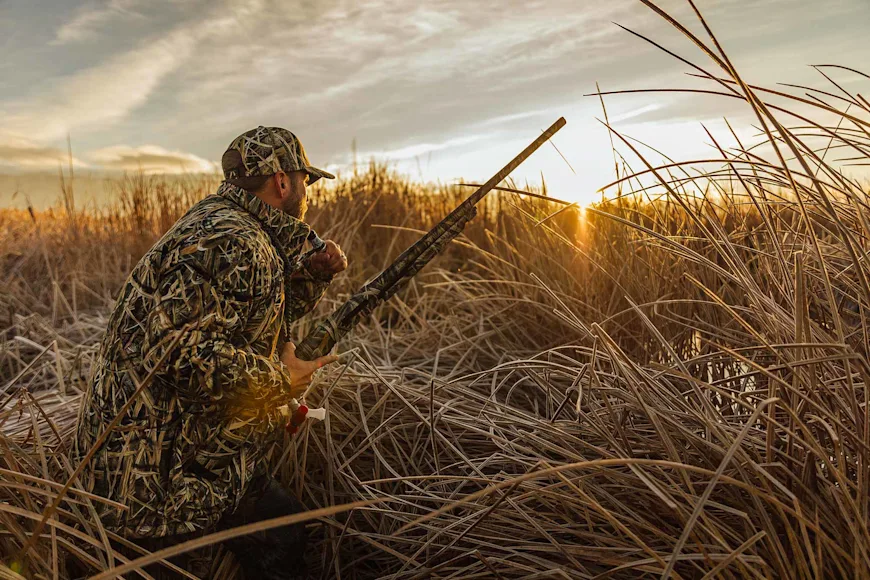
Choosing the appropriate shot size is critical when targeting different species of waterfowl. Larger birds like Canada geese may require a heavier load than smaller ducks like teal or wood ducks.
- Bismuth or steel shot: These materials have different density characteristics. Bismuth is denser than steel, allowing for smaller shot sizes while maintaining lethality. For example, using bismuth #2 or #3 can be effective for ducks, while #1 or BB may be necessary for geese.
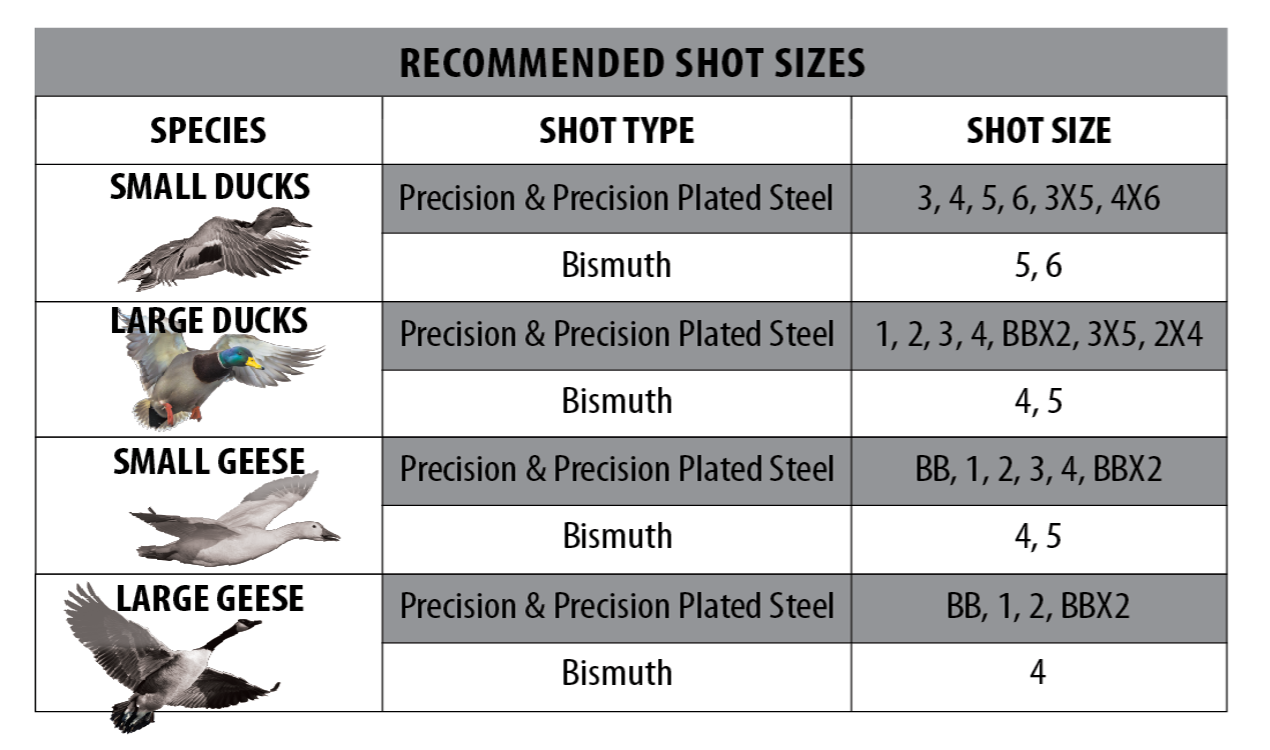
Shot size recommendations:
Ducks: Consider using sizes #2, #3, or #4 for ducks within 40 yards. If you are anticipating longer shots, #1 may be a better choice.
Geese: Use sizes #1, BB, or even BBB for larger geese at extended ranges.
Shell types for cold weather
The type of shell you choose can also impact your success in late-season hunts. Here are some recommended options:
Non-toxic options
Federal regulations require non-toxic shot for waterfowl hunting in many regions. Common non-toxic options include steel, bismuth, and tungsten-based loads.
Steel shot: Widely available and affordable, steel shot is suitable for most late-season waterfowl hunting situations. However, it can be less effective at longer distances due to its lighter weight compared to bismuth or tungsten.
Bismuth shot: As previously mentioned, bismuth is denser than steel, allowing for smaller shot sizes with similar energy at impact. This can be advantageous when shooting ducks at moderate distances.
Tungsten-based shot: Tungsten offers excellent penetration and energy transfer but often comes with a higher price tag. It's ideal for those who want to maximize their lethality without increasing shot size.
Load configurations
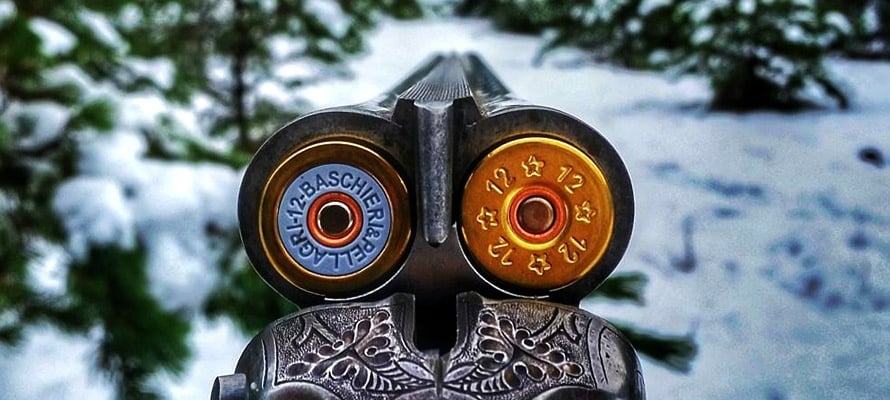
The configuration of your shotgun load can also influence performance in cold weather conditions. Generally, you'll want to consider:
Shell length: Most waterfowl loads come in 2¾-inch or 3-inch options. If you're shooting larger birds or need extra range, consider 3-inch loads.
Payload weight: The payload weight (the amount of shot inside the shell) also plays a role in performance. Typical payloads range from 1 ounce to 1⅜ ounces for waterfowl loads. Heavier payloads deliver more pellets but can result in increased recoil.
Weather impacts on performance
Cold weather can affect both the ammunition and your shooting performance. Here are some specific considerations:
Temperature effects on ammo
Extreme cold can cause shotgun shells to behave differently than they would at moderate temperatures. The powder inside the shell may burn slower, which could result in reduced velocity and inconsistent patterns.
Recommended practices
To mitigate potential issues caused by cold weather, follow these guidelines:
- Store shells properly: Keep your ammunition in a warm location until you're ready to use it. Avoid leaving shells exposed to extreme temperatures for prolonged periods.
- Test different loads: Before heading out on a hunt, spend time testing various loads in cold weather conditions. This will help you understand how they perform at low temperatures.
Gear considerations for cold weather hunting
Your choice of gear can significantly influence your comfort and effectiveness while hunting in cold weather. Here are some critical elements to keep in mind:
Shotgun selection
Choose a shotgun that balances weight and recoil management effectively. Heavier shotguns may help absorb recoil from heavier loads but can tire you out faster during long days in the field.
Clothing layers
Layering is essential for staying warm without sacrificing mobility. Wear moisture-wicking base layers to keep sweat away from your skin, insulating mid-layers for warmth, and waterproof outer layers to protect against wind and precipitation.
Footwear
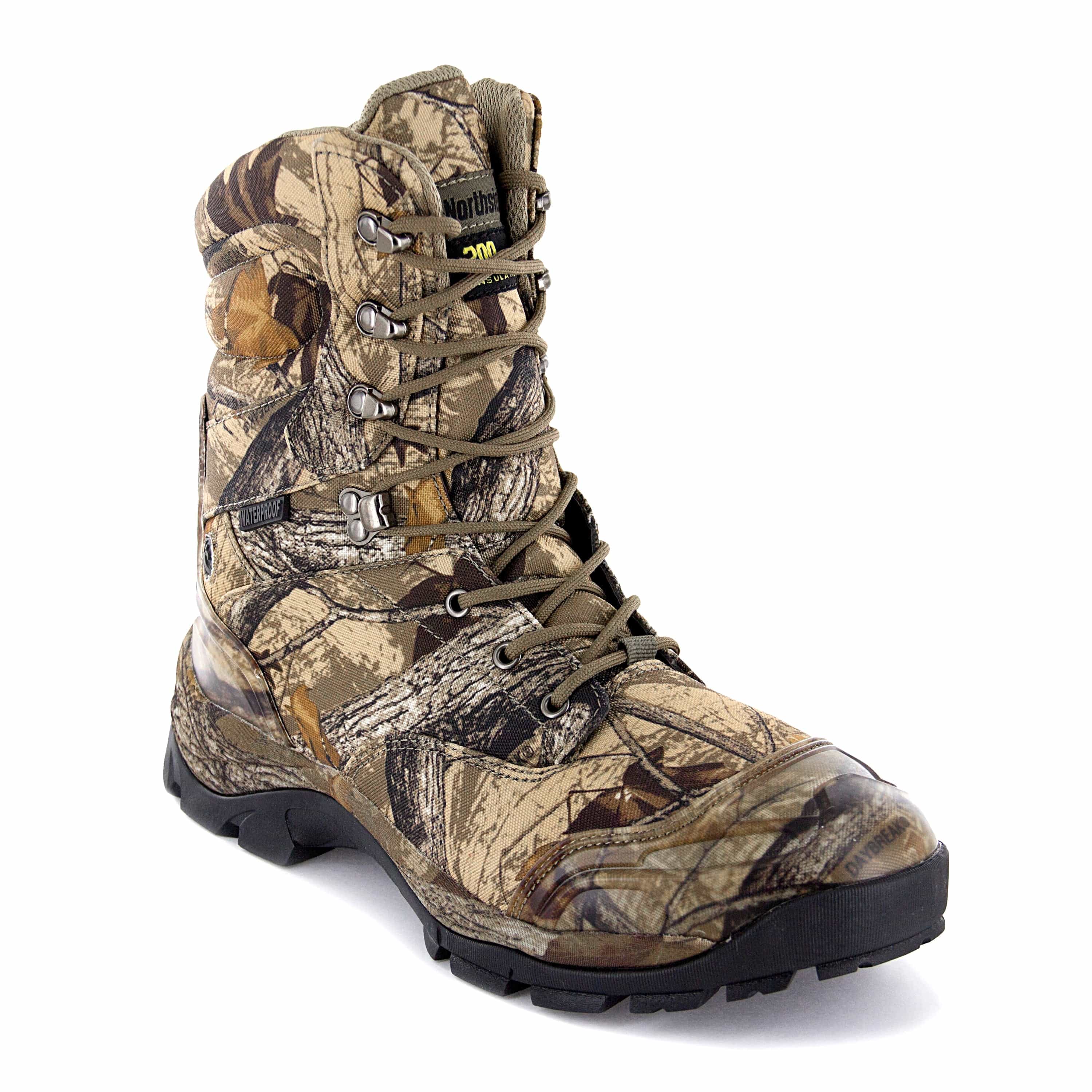
Cold feet can ruin a hunting trip. Insulated waterproof boots are essential for keeping your feet warm and dry while trudging through icy waters or snow.
Training corner
Before heading out for late-season waterfowl hunting, take time to practice with your chosen shotgun loads. This will help ensure that you're familiar with how your firearm handles under various conditions.
Drill: Cold-weather shooting practice
Set up a target: Place a target at 30-40 yards away.
Simulate conditions: Wear your cold-weather gear to mimic what you will wear while hunting.
Load your shotgun: Use your preferred load configuration.
Fire three rounds: Take three shots at the target while focusing on proper stance and follow-through.
Evaluate performance: Assess your shot placement and adjust your technique as needed.
Common mistakes
As you prepare for late-season waterfowl hunting, be aware of these common mistakes that can hinder your success:
Overlooking load compatibility: Ensure that your shotgun is compatible with the chosen load type (e.g., non-toxic).
Ignoring weather conditions: Failing to adapt tactics based on cold weather can lead to missed opportunities.
Neglecting practice: Not practicing with cold-weather gear can lead to poor performance during actual hunts.
Poor load selection: Choosing inadequate shot sizes or payloads may result in lost birds due to insufficient lethality.
Inadequate clothing preparation: Failing to dress appropriately for the cold can lead to discomfort and decreased focus during the hunt.
Conclusion
Choosing the best shotgun loads for late-season waterfowl hunting in cold weather involves understanding various factors that affect bird behavior, ammunition performance, and your own capabilities as a hunter. By selecting the right shot sizes, shell types, and gear, you can enhance your chances of success while ensuring a safe and ethical hunt. Remember that preparation is key; practice regularly with your chosen loads and gear so that you're ready when it counts most.
Whether you're targeting ducks or geese, keeping these considerations at the forefront of your planning will help ensure that every hunt is productive and enjoyable; even when the temperatures drop below freezing.
Now that you have a clearer understanding of what it takes to succeed in late-season waterfowl hunting under cold conditions, get out there and make every opportunity count!