Analyzing the impact of non-lead ammunition in big game hunting
The shift toward non-lead ammunition in big game hunting is a growing trend that affects not just our hunting practices but also our environment and wildlife populations. This article will focus on understanding the benefits and challenges of using non-lead ammunition, particularly in relation to larger game species such as deer, elk, and bears. We will explore the implications of this transition, including its effects on terminal ballistics, animal behavior, and the ethical considerations that every hunter should take into account.
Understanding non-lead ammunition
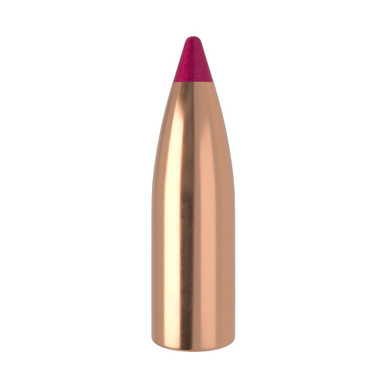
Non-lead ammunition primarily includes copper-based bullets, but it can also consist of other materials like tungsten or steel. These alternatives are becoming more popular due to increasing concerns about lead contamination in the environment. Lead is known to be toxic not only to wildlife but also to humans who consume game meat. By transitioning to non-lead options, hunters can minimize these risks while maintaining effective performance in the field.
Generic/multiple Non-lead copper bullets Deals
Prices may change. May contain affiliate links.
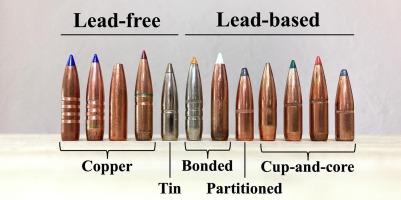
When discussing non-lead ammunition, it's crucial to understand how it compares to traditional lead bullets in terms of performance. Copper bullets tend to expand differently than lead bullets, which can influence their effectiveness at various distances and shot placements. In general, non-lead options are designed to achieve similar or better terminal performance, meaning they can still deliver clean, ethical kills when used correctly.
Terminal ballistics of non-lead ammunition
Terminal ballistics refers to the behavior of a bullet when it strikes a target, which is vital in determining how effectively it delivers energy and creates damage. When using non-lead ammunition, several factors come into play:
Weight retention: Copper bullets typically retain more weight after impact compared to lead bullets. This weight retention can result in deeper penetration and greater tissue damage, leading to quicker kills if the shot is well-placed.
Expansion: Non-lead bullets often expand differently than traditional lead projectiles. While lead tends to expand dramatically upon impact, copper bullets might expand less aggressively but retain more mass. This can mean deeper penetration at longer ranges, which is crucial for ensuring that the bullet reaches vital organs.
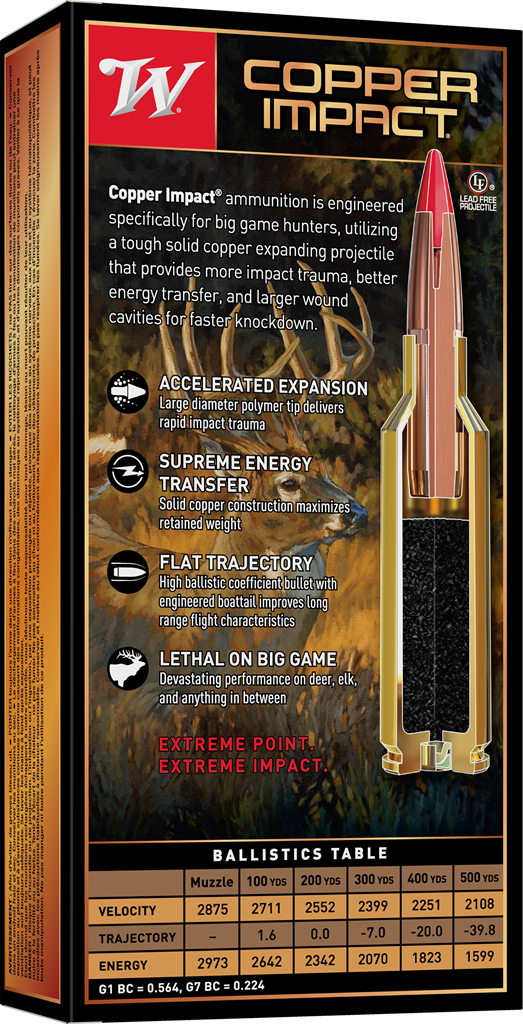
Velocity and energy: Non-lead options can be designed to achieve high velocities, which translates into increased energy transfer upon impact. This can enhance their effectiveness across various distances, allowing hunters to maintain accuracy and lethality in a range of situations.

Generic/multiple Lead bullets Deals
Prices may change. May contain affiliate links.
- Impact on tracking: Given that non-lead bullets can create clean wound channels and promote rapid blood loss, tracking wounded animals may become easier. This is especially true if hunters choose appropriate bullet designs that maximize expansion and penetration for the specific game they are pursuing.
Practical considerations for hunters
Transitioning to non-lead ammunition involves several practical considerations that hunters should keep in mind:
1. Rifle and caliber compatibility
Before making the switch to non-lead ammunition, ensure that your rifle and caliber are compatible with the new rounds. Some rifles may require slight adjustments to chamber dimensions or twist rates for optimal performance with copper bullets. It's advisable to test various brands and bullet weights at the range to determine what works best for your specific setup.
2. Cost and availability
Non-lead ammunition may come at a premium compared to traditional lead options. However, many hunters find that the benefits outweigh the costs; particularly regarding safety and environmental stewardship. Investigate local retailers or online sources for competitive pricing and availability before committing to a brand.
3. Shooting technique adjustments
As you transition to non-lead ammunition, be prepared for slight differences in shooting dynamics. Copper bullets may have different recoil characteristics or trajectory profiles compared to lead bullets of the same weight. Practice with your new ammunition will help you fine-tune your shooting technique and ensure consistent performance in the field.
4. Cleaning considerations
Copper fouling can occur with non-lead ammunition, particularly if you're using solid copper bullets. Regular cleaning of your rifle barrel will be essential to maintain accuracy and prevent buildup over time. Be sure to invest in quality cleaning supplies specifically designed for copper removal.
Ethical considerations in big game hunting
The ethics surrounding hunting practices are constantly evolving, with many hunters adopting a stewardship mindset toward wildlife conservation and habitat protection. Utilizing non-lead ammunition aligns with this philosophy by reducing environmental contamination and protecting non-target species from lead poisoning.
1. Reducing lead exposure
One of the most significant ethical arguments for using non-lead ammunition is its potential to reduce lead exposure in wildlife populations. Animals that consume spent lead bullets or fragments can suffer from severe health issues or death due to lead poisoning. By opting for non-lead alternatives, hunters can contribute to healthier ecosystems and minimize unintended harm to other species.
2. Promoting responsible hunting practices
Using non-lead ammunition not only reflects a commitment to conservation but also promotes responsible hunting practices within your community. By setting an example through your choices, you encourage others to consider their impact on wildlife and habitats.
Common mistakes when transitioning to non-lead ammunition
As you navigate the switch from lead to non-lead ammunition, it's essential to be aware of potential pitfalls that may arise during this process:
Neglecting practice: Many hunters underestimate the importance of practicing with new ammunition before heading into the field. Each bullet type behaves differently; familiarize yourself with your chosen non-lead rounds well ahead of hunting season.
Overlooking rifle compatibility: Not all rifles perform equally well with copper or other non-lead options. Ensure your firearm is compatible before purchasing large quantities of new ammunition.
Ignoring terminal performance: Not all non-lead bullets are created equal; some may perform better than others depending on the game you're pursuing and shot placement. Conduct thorough research on different brands and types before making a choice.
Underestimating cost differences: Non-lead ammunition often comes at a higher price point than traditional options. Be prepared for this change in budget and plan accordingly.
Failing to clean your rifle properly: Copper fouling can affect accuracy over time if not addressed properly. Regular maintenance is essential when using non-lead options.
Training Corner
To ensure your transition to non-lead ammunition is successful, consider incorporating these training drills into your practice routine:
Zero your rifle: Start by zeroing your rifle with your new non-lead ammunition at your chosen distance (typically 100 yards for big game). Make adjustments as necessary based on your groupings.
Conduct drop tests: Use a ballistic calculator or drop chart specific to your new ammunition load to understand how it performs at various distances (e.g., 200 yards, 300 yards). Practice shooting at these distances while recording any adjustments needed.
Simulate field conditions: Set up field scenarios that mimic actual hunting situations, practice shooting from various positions (standing, kneeling, prone) while considering factors such as wind and elevation changes.
Evaluate terminal performance: If possible, conduct controlled tests using ballistic gel or similar mediums to evaluate how your chosen non-lead ammunition performs upon impact compared to lead alternatives.
Monitor tracking skills: After shooting practice sessions, simulate tracking by marking where your shots land and following a predetermined path through the terrain to assess tracking skills in a realistic context.
Conclusion
Adopting non-lead ammunition for big game hunting is a decision grounded in both ethical considerations and practical performance benefits. By understanding the dynamics of terminal ballistics associated with these alternatives, hunters can make informed choices that promote cleaner kills while minimizing environmental impacts.
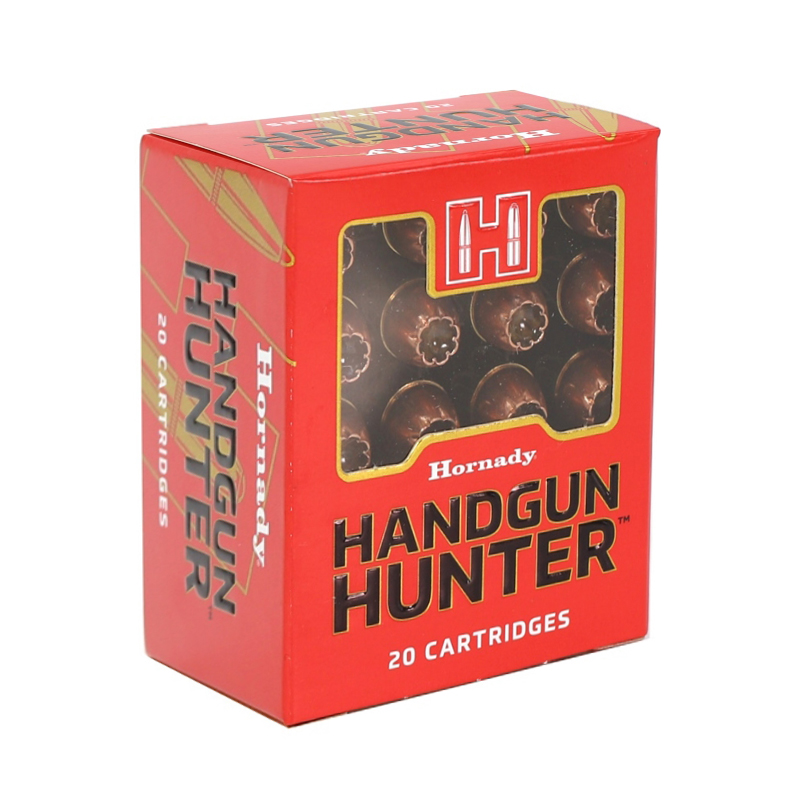
As you transition from lead to non-lead options, keep in mind the practical steps necessary for effective implementation; consider rifle compatibility, practice diligently with your new rounds, and remain mindful of ethical hunting practices that contribute positively to wildlife conservation efforts. Through thoughtful decision-making and commitment to responsible hunting practices, we can all play a part in preserving our natural resources for future generations.
Practical checklist for transitioning to non-lead ammunition
Research available non-lead options compatible with your rifle.
Zero your rifle with new ammunition before hunting season.
Practice regularly at various distances and conditions.
Understand how bullet design affects performance on game.
Monitor cleaning procedures for optimal barrel maintenance.
Educate fellow hunters about the benefits of non-lead ammunition.
Common mistakes
Skipping practice sessions with new ammunition.
Failing to check rifle compatibility with non-lead options.
Overlooking terminal performance differences between bullet types.
Not budgeting for potentially higher costs of non-lead rounds.
Neglecting proper cleaning techniques for copper fouling.
By embracing non-lead alternatives thoughtfully and responsibly, we can enhance our hunting experiences while contributing positively to wildlife conservation efforts and environmental health; ensuring our outdoor heritage thrives for generations ahead.