
Choosing the right handgun for arthritic shooters: key features to consider
Selecting a handgun when dealing with arthritis can feel daunting, but understanding how certain features affect your shooting experience can empower you to make an informed choice. Handguns are not one-size-fits-all, and for those with arthritic conditions, specific characteristics can significantly impact comfort, accuracy, and overall usability. This guide will help you identify key features that can enhance your shooting experience while minimizing discomfort.

Understanding the impact of arthritis on shooting
Arthritis affects the joints, leading to pain, stiffness, and reduced mobility. This can influence how you grip a handgun, operate its controls, and manage recoil. Common types of arthritis that may affect shooters include osteoarthritis and rheumatoid arthritis. Each type can present different challenges when handling firearms.
Grip considerations
Grip is crucial for maintaining control and accuracy. When choosing a handgun, consider the following factors:
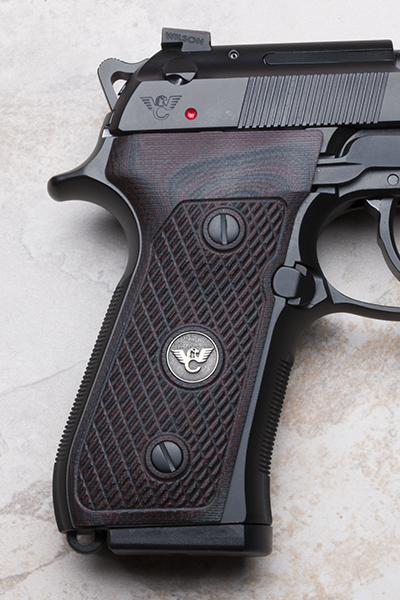
Grip circumference: A thicker grip can be challenging for those with reduced hand strength. Look for handguns with adjustable backstraps or models designed for smaller hands.
Texture and finish: A textured grip can improve control, even when hands are sweaty or shaky. Look for rubberized or stippled finishes that provide a secure hold.
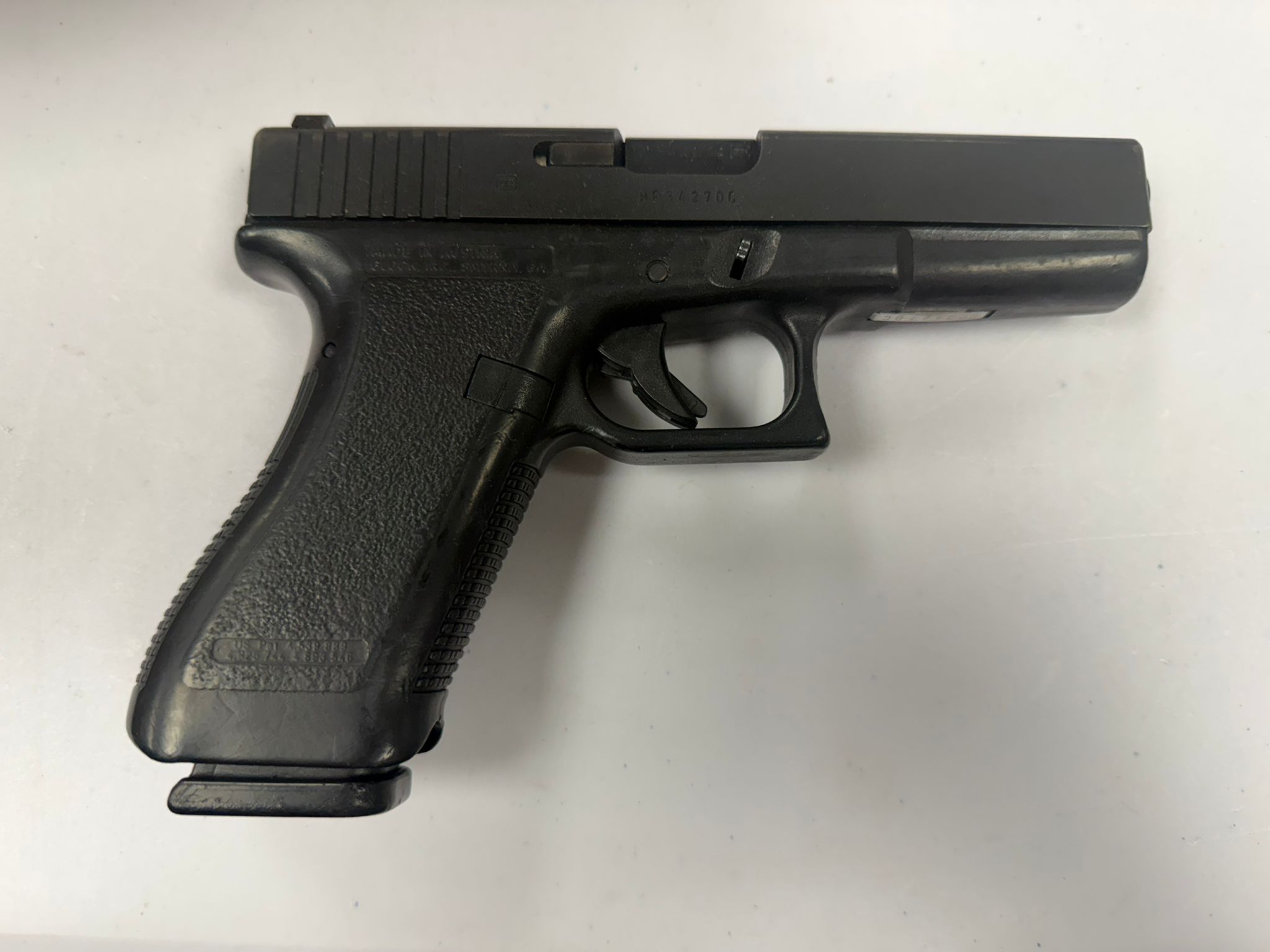
Grip angle: Some shooters may find a more vertical grip angle easier to manage. Models like Glock or Springfield Armory often have a more upright grip compared to others.
Weight and balance
The weight of a handgun plays a significant role in how it feels during shooting sessions.
Lightweight options: While lighter guns can be easier to handle, they may also produce more felt recoil. Consider materials like polymer or aluminum for reduced weight without sacrificing strength.
Weight distribution: A well-balanced handgun will feel more stable in your hands. Look for models that have a lower bore axis, which helps keep the muzzle flip down and makes follow-up shots easier.
Action type: revolvers vs. semi-autos
Choosing between a revolver and a semi-automatic pistol depends on personal preference and physical capability. Each has its advantages and drawbacks.
Revolvers
Glock Deals
Prices may change. May contain affiliate links.
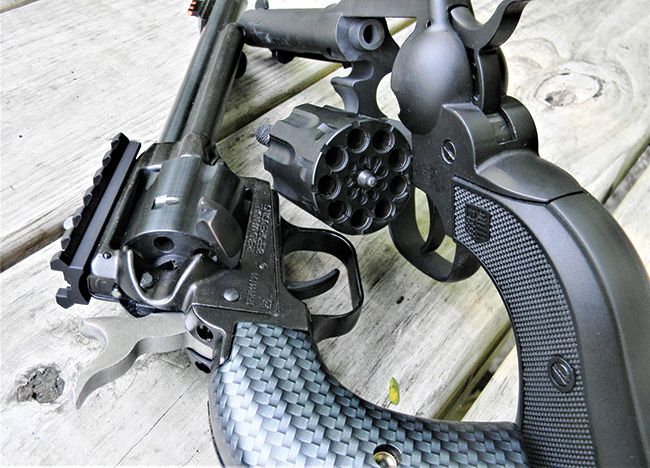
Revolvers are generally simpler to operate, which can be beneficial for arthritic shooters. Here are some points to consider:
Ease of operation: Revolvers have fewer moving parts, making them more straightforward to use. The trigger pull can vary between models, so test different options to find one that feels comfortable.
Double-action vs. single-action: Double-action revolvers allow you to pull the trigger to both cock and fire the gun in one motion. This can be advantageous if you struggle with fine motor skills.
Semi-automatics
Semi-automatics offer benefits like higher capacity and faster reloads but may present challenges for those with arthritis.
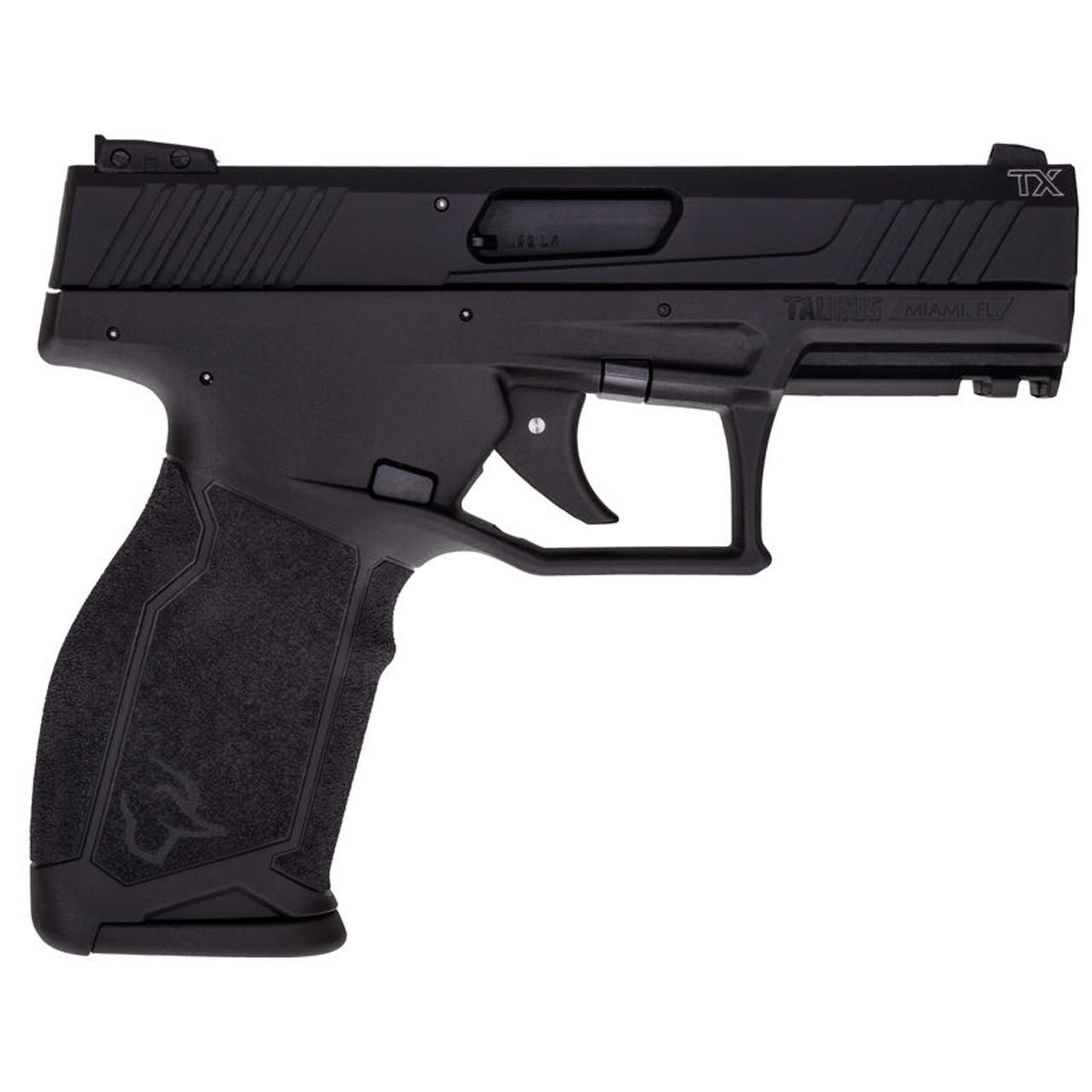
Trigger pull weight: The weight of the trigger pull is crucial. Many semi-autos come with lighter trigger pulls that can make it easier to shoot accurately without excessive strain.
Slide operation: Consider the ease of racking the slide. Some models have features like external hammers or slide serrations that make it easier to manipulate.
Key features to look for
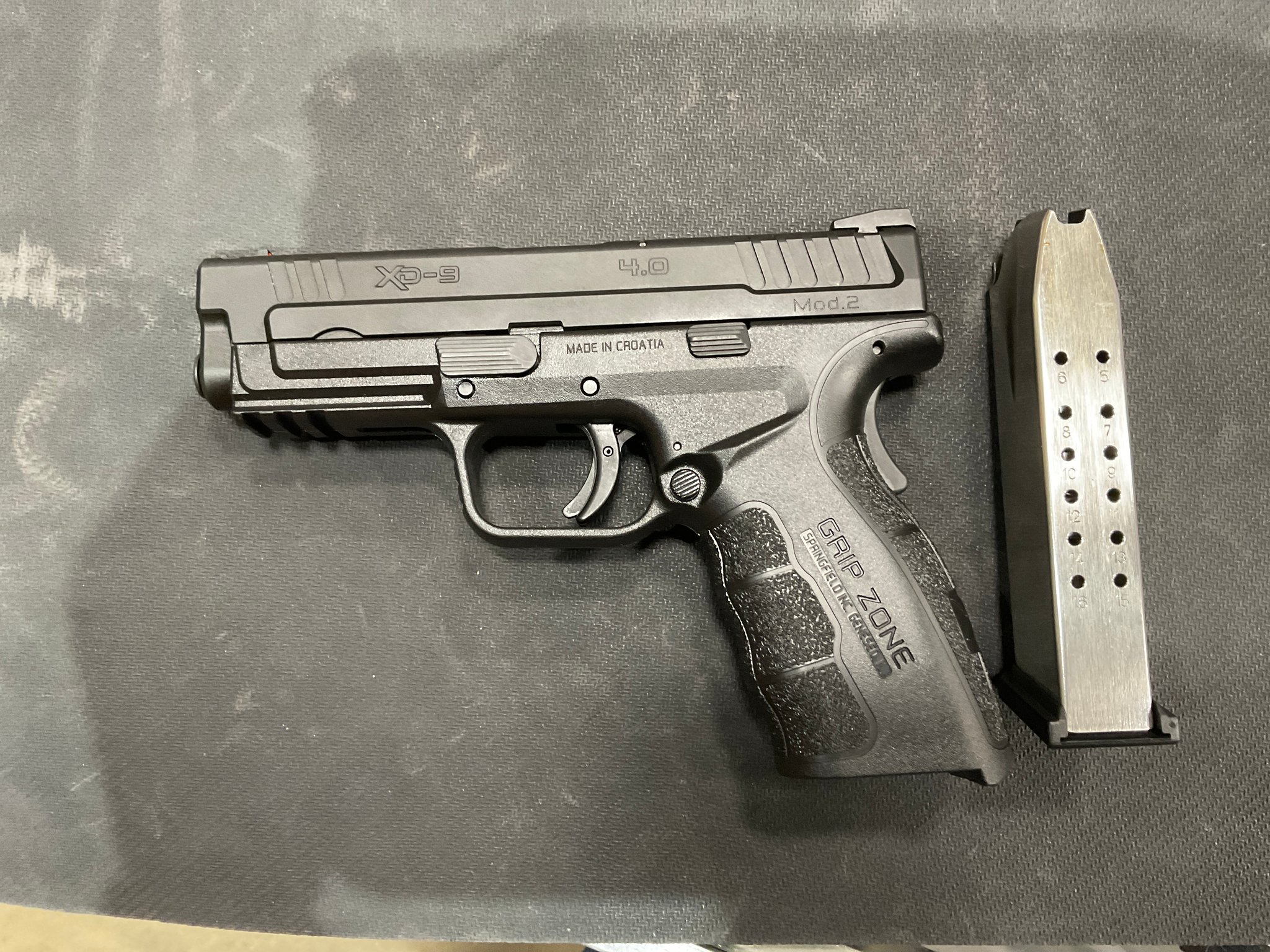
Springfield Armory Deals
Prices may change. May contain affiliate links.
When searching for a handgun suitable for arthritic shooters, keep these specific features in mind.
Trigger system
A smooth, light trigger pull is essential for comfort and accuracy.
Adjustable triggers: Some semi-automatic pistols come with adjustable triggers that allow you to customize the pull weight according to your comfort level.
Trigger reach: Ensure that you can comfortably reach the trigger without overstretching or straining your fingers.
Sights
Good sighting systems can make a significant difference in performance.
Sights type: Consider models with larger dots or fiber optic sights that are easier to see. These can help improve target acquisition, especially under less-than-ideal lighting conditions.
Sight radius: A longer sight radius (the distance between the front and rear sights) can aid in accuracy. Opt for handguns that offer this feature without compromising size or weight.
Slide serrations
Racking the slide should be manageable.
Serration design: Look for deep, aggressive serrations on the slide. This feature allows for a better grip when pulling back the slide, reducing strain on your hands.
Ambidextrous options: If you’re left-handed or experience pain in one hand, consider pistols with ambidextrous controls to make operation smoother.
Magazine release
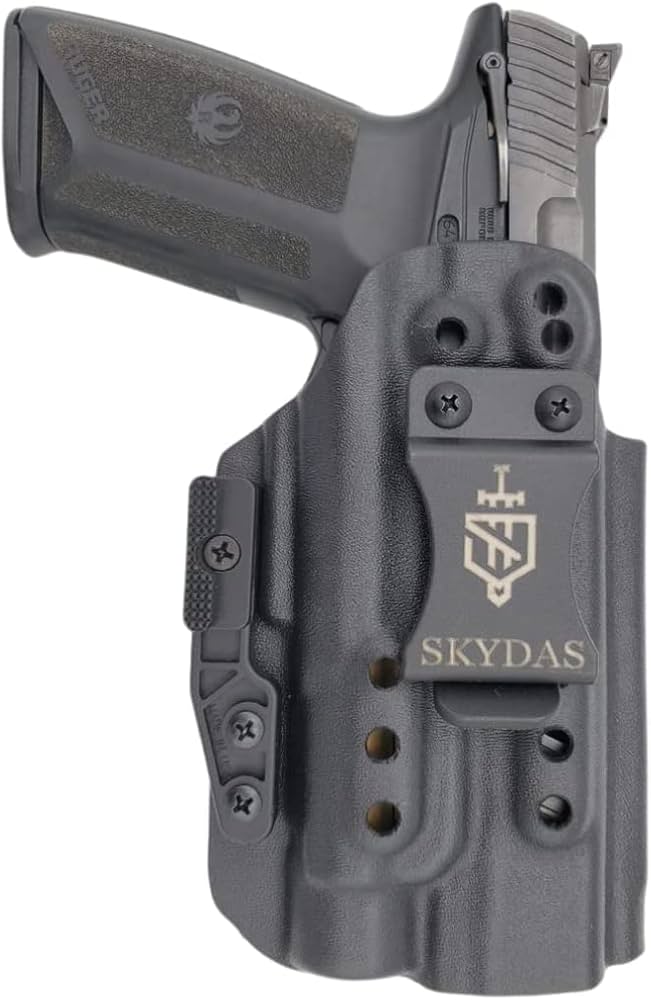
An easy-to-operate magazine release is vital for quick reloads.
Location and type: Look for models with extended magazine releases that are easy to press without excessive finger movement.
Capacity: Higher-capacity magazines mean fewer reloads, which is beneficial if manipulating magazines is difficult.
Concealment considerations
If you're planning to carry your handgun concealed, comfort and accessibility matter significantly.
Holster selection
Choosing the right holster can enhance your experience:
Material: A lightweight holster made from materials like Kydex or soft nylon can reduce weight while providing adequate retention.
Placement: Consider where you want to carry your firearm. Appendix carry might be uncomfortable for some; instead, explore options like hip carry or cross-draw setups.
Clothing choices
Your choice of clothing also affects how comfortably you can carry:
Fit: Loose-fitting garments can conceal your firearm without restricting movement.
Accessibility: Ensure that you can access your handgun quickly without straining or awkward movements.
Practical drills for improving comfort and control
Once you've selected a handgun, practice is essential for building confidence and improving your skills while accommodating any limitations posed by arthritis.
Dry fire practice
Before live fire, familiarize yourself with your new handgun through dry fire exercises:
Set up a safe space: Ensure your firearm is unloaded and pointed in a safe direction.
Practice trigger control: Focus on pressing the trigger smoothly while keeping your sights aligned.
Work on grip strength: Use a rubber band around the grip to enhance strength during practice sessions.
Live fire drills
Start with simple drills at close range before progressing:
Controlled pairs drill: From seven yards, practice firing two rounds in quick succession at a large target. Focus on maintaining grip and control throughout.
Target transitions: Set up two targets side by side at varying distances. Practice transitioning between targets smoothly while monitoring your stance and grip.
Safety & Setup
When handling firearms, safety must always come first. Here’s a quick checklist tailored for arthritic shooters:
Verify firearm condition: Always check that your handgun is unloaded before handling.
Safe direction: Maintain muzzle discipline by ensuring the firearm is pointed in a safe direction at all times.
Comfortable setup: Adjust your shooting position and grip to ensure maximum comfort before beginning any dry fire or live fire session.
Conclusion: Moving forward with confidence
Choosing the right handgun as an arthritic shooter involves careful consideration of several factors including grip size, weight distribution, action type, and user-friendly features like adjustable triggers and serrated slides. By focusing on these attributes, you'll find a firearm that not only suits your needs but enhances your shooting experience.
As you practice with your chosen handgun, remember to adapt your training regimen to accommodate any physical limitations while still striving for improvement in accuracy and control. Regular practice will build confidence over time, allowing you to enjoy shooting without discomfort holding you back.
Stay patient with yourself; progress takes time, but each session brings you closer to mastering your skills with ease and comfort.