
Creating a customized AR-15 build: selecting components for optimal performance
Building an AR-15 from the ground up can be a rewarding endeavor. This platform is versatile, customizable, and can be tailored to meet specific needs; whether for home defense, competition shooting, or just plain fun at the range. In this guide, I'll take you through the essential components to consider while building your AR-15, ensuring optimal performance and reliability.
Before we dive into parts selection, let's set some ground rules. This article will focus on user-serviceable tasks, meaning you can tackle them at home with basic tools and mechanical knowledge. However, when we get into the nitty-gritty of fitting and tuning, I'll clearly mark where you should call in a qualified gunsmith.
Bench safety checklist
Before starting any build, it's critical to make sure you're working in a safe environment. Here's a quick checklist to keep things running smoothly:
Clear the workspace: Ensure your bench is tidy. Lay out all parts and tools so you can see what you're working with.
Unloaded checks: Double-check that your receiver is clear of any ammunition and that your workspace is free of any loaded firearms.
PPE: Wear safety glasses to protect against flying debris, especially when cutting or grinding parts.
Proper manuals: Have the factory manual and any armorer's guides handy for reference as you go through the build.
Tools ready: Assemble your tools: roll-pin punches, torque wrench, bench block, and any specific tools needed for your chosen components.
Know your limits: If you're unsure about a step or if something doesn't feel right, stop and consult a professional.
With those safety precautions in mind, let's get into the meat of the matter: selecting the right components for your AR-15 build.
Understanding the AR-15 platform
Before we select parts, it's helpful to understand the modularity of the AR-15 platform. The AR-15 consists mainly of two major assemblies: the upper receiver and the lower receiver. Each part has its own set of components that can significantly affect performance.
Lower receiver assembly
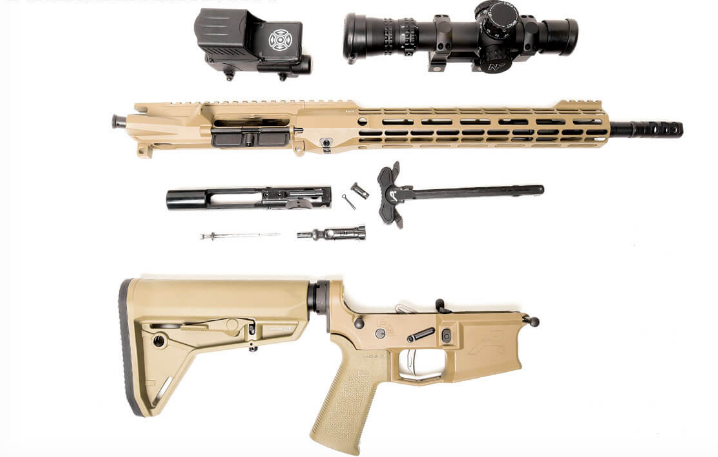
The lower receiver houses the trigger mechanism, magazine well, and buffer system. It's essential to choose components that work harmoniously to ensure reliable function.
Lower receiver
Start with a quality lower receiver. Look for reputable manufacturers that comply with strict tolerances. An aluminum lower with a Type III hard coat anodized finish provides durability and resistance to wear.
Trigger
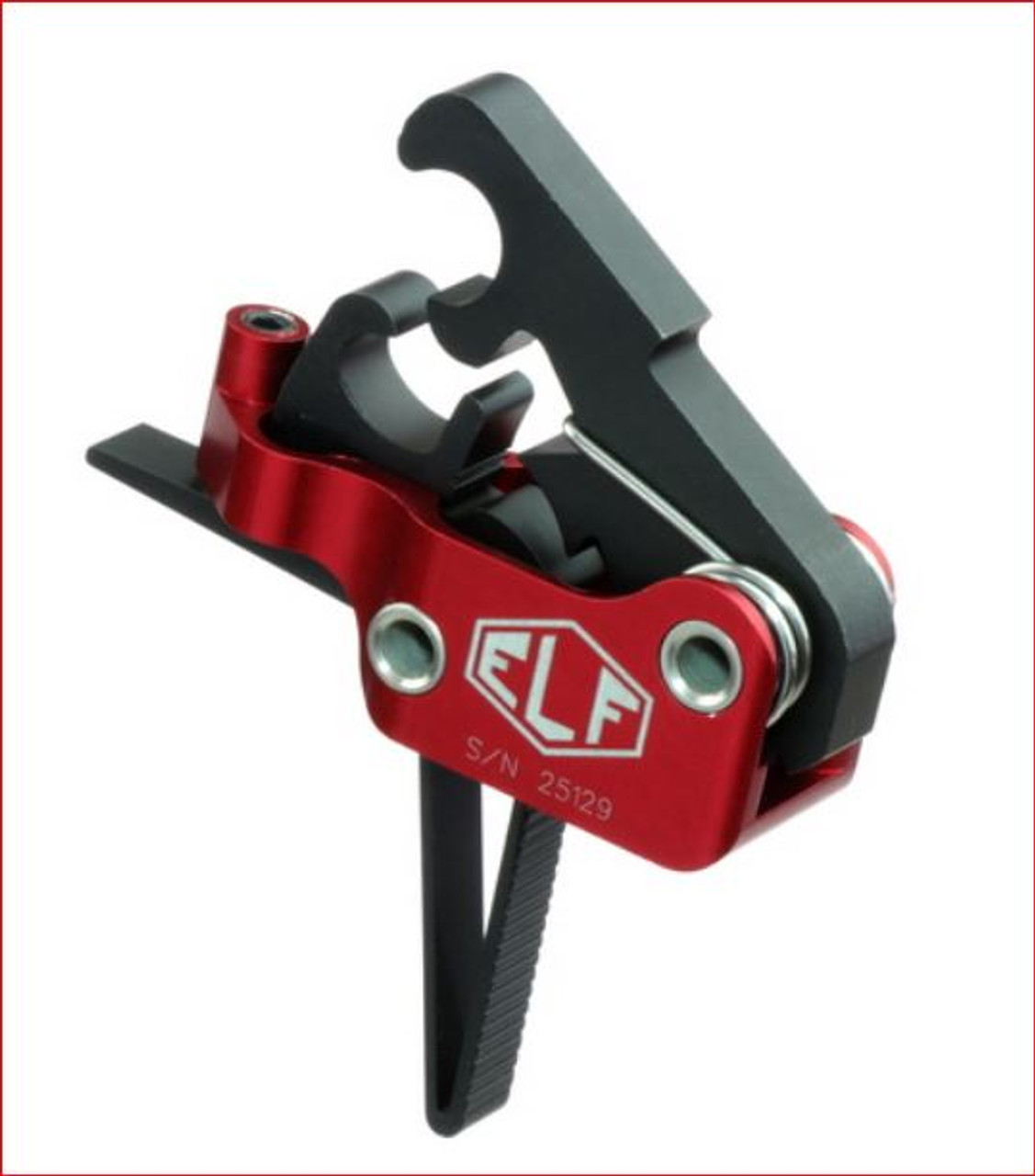
The trigger is one of the most crucial components for performance. You can opt for a standard mil-spec trigger or upgrade to a drop-in trigger system for a smoother pull. A lighter pull weight (around 4.5–5 pounds) can enhance accuracy without compromising safety.
Buffer tube and stock
The buffer tube affects recoil management and overall ergonomics. For general use, a carbine-length buffer tube paired with an adjustable stock offers versatility. Consider stocks that allow for quick adjustments to fit different shooting positions or body types.

Generic/multiple Lower receiver Deals
Prices may change. May contain affiliate links.
Upper receiver assembly
The upper receiver contains the bolt carrier group (BCG), barrel, handguard, and gas system. This section plays a significant role in accuracy and reliability.
Upper receiver
Choose a matched upper receiver for your lower to ensure proper fitment. A flat-top upper allows for mounting optics easily.
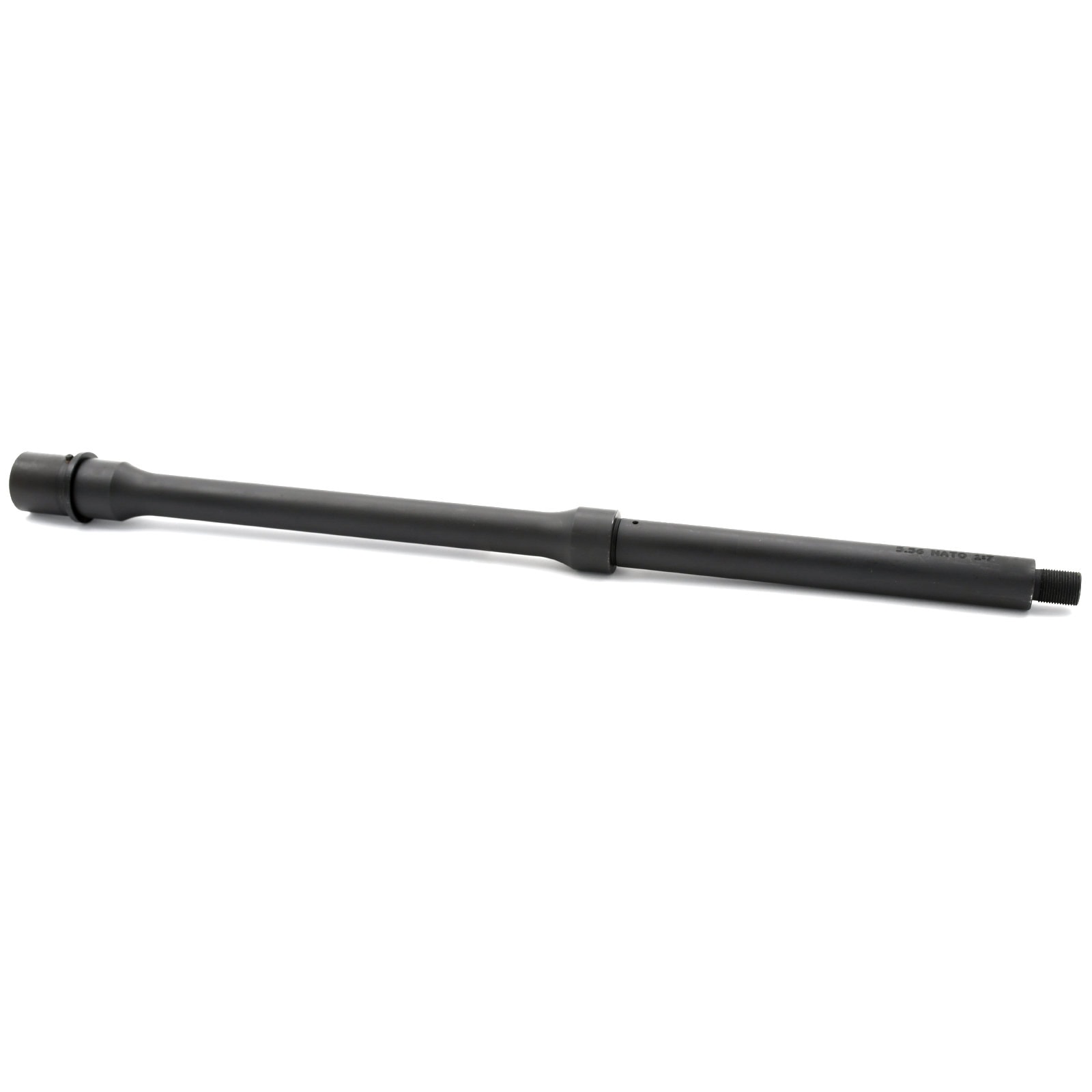
Barrel
Selecting the right barrel is critical for achieving your desired performance characteristics. Consider barrel length based on your intended use:
A 16-inch barrel offers a good balance between maneuverability and ballistic performance for general use.
A 20-inch barrel can provide improved accuracy and velocity for long-range shooting.
Don't forget to choose the right twist rate (1:7 or 1:8 are common) depending on the type of ammunition you plan to use.
Bolt carrier group
A quality BCG ensures reliable cycling and function. Look for a full-auto BCG made from properly heat-treated steel with chrome lining for durability and easier cleaning. Pay attention to staking on the gas key; it should be staked properly to prevent loosening during use.
Handguard
Handguards come in various lengths and styles: free-floating or drop-in. Free-floating handguards improve accuracy by preventing barrel contact while allowing for better cooling. Choose one that fits your shooting style and accommodates any accessories you plan to attach.
Gas system
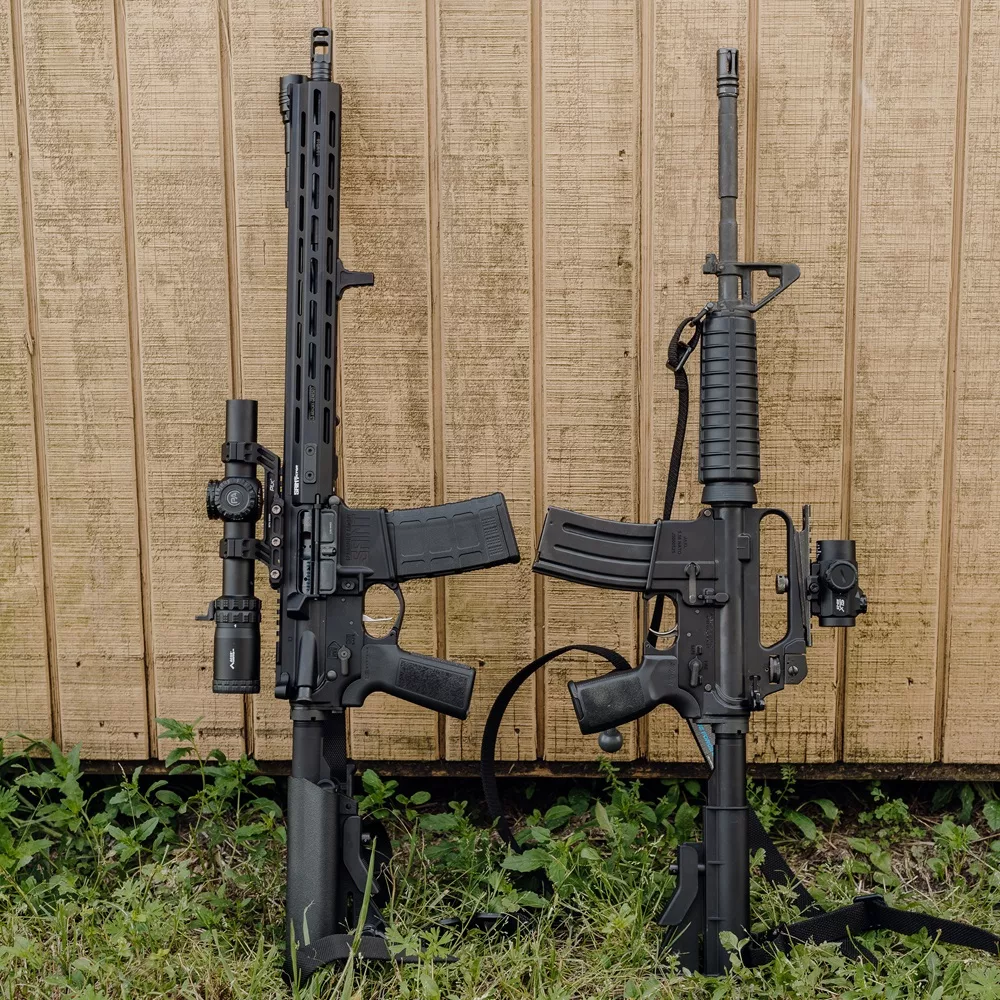
The gas system affects cycling and reliability. There are two primary options: direct impingement (DI) or piston-driven systems. DI is more common in AR-15s but requires regular cleaning due to carbon fouling. Piston systems tend to run cleaner but may add weight and complexity.
Optics and sights
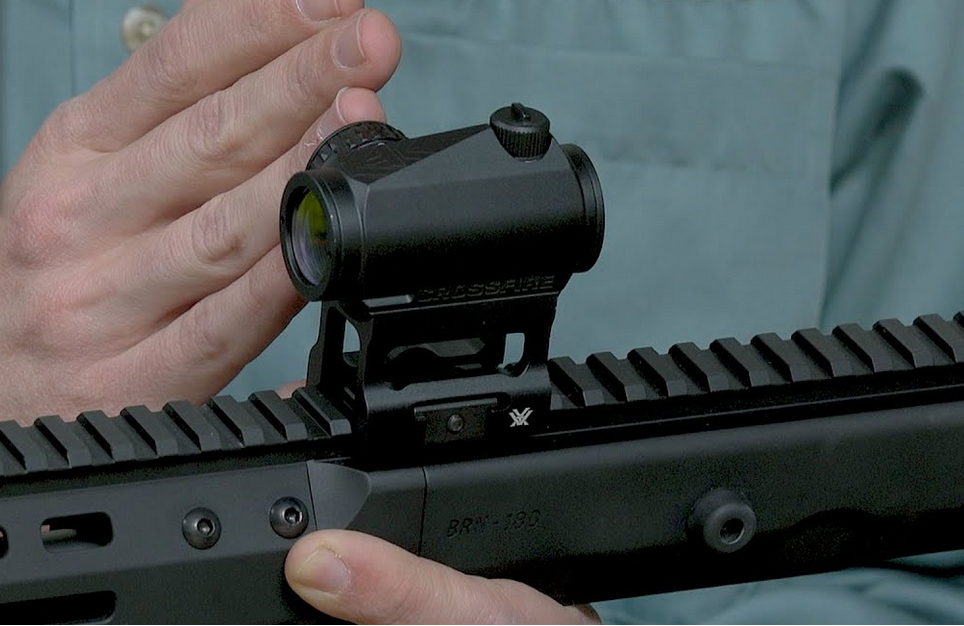
Choosing the right optics or sights can significantly enhance your shooting experience. If you're planning on using iron sights, consider flip-up sights for versatility. If you prefer optics, red dot sights are popular for close-range engagements, while variable magnification scopes are ideal for precision shooting at distance.
Accessories
Generic/multiple Barrel Deals
Prices may change. May contain affiliate links.
Don't overlook accessories like grips, sling attachments, and muzzle devices. These elements can enhance comfort and usability during operation. Choose components that fit your intended application and personal preferences.
Bench note
One critical insight: always check the fit of your upper and lower receivers before final assembly. A snug fit ensures better accuracy and function; if there's too much play, it can lead to issues down the line.
Controlled disassembly and inspection
Once you've selected all your components, it's time to put them together. Follow these steps carefully:
Assemble the lower receiver: Start by installing the trigger assembly into the lower receiver. Ensure all pins are properly seated.
Install buffer tube: Thread the buffer tube onto the lower receiver; ensure it's secured but avoid over-tightening.
Attach the upper receiver: Slide the upper onto the lower receiver until it locks into place; check for any wobble.
Install barrel: Securely fasten the barrel to the upper receiver using appropriate torque specifications from your manufacturer's manual.
Attach handguard: Install your chosen handguard following manufacturer guidelines.
Insert BCG: Place the BCG into the upper receiver; make sure it moves freely.
Check gas system alignment: Confirm that the gas tube aligns correctly with the gas key on your BCG.
Function checks
After assembly, perform function checks before heading to the range:
Check trigger function: Pull the trigger several times to ensure it resets properly.
Cycle action: Manually cycle rounds through the chamber to verify smooth operation.
Inspect mag catch: Insert magazines to check proper seating and release.
Dry fire: With an empty chamber, dry fire to ensure no malfunctions occur with trigger reset.
Live-fire verification
Once function checks are complete, it's time to hit the range. During your first outing:
Start with a few magazines of ball ammunition to break in your rifle.
Monitor ejection patterns; they should be consistent and directed at around 4 o'clock.
Check accuracy; adjust optics as necessary.
Long-term maintenance habits
Regular maintenance ensures longevity and reliability of your AR-15:
Clean after every shooting session, especially if using corrosive ammo.
Inspect parts regularly for wear; especially springs and pins.
Keep track of round counts; replace components as needed based on usage (typically around 5,000 rounds for barrels).
Common mistakes
When building an AR-15, there are some common pitfalls to avoid:
Neglecting proper torque specs: Over-tightening or under-tightening can lead to issues down the line.
Ignoring fitment: Always check component compatibility; mismatched parts can cause operational failures.
Skipping function checks: Never assume everything is good after assembly; thorough checks save headaches later.
Forgetting about lubrication: Proper lubrication reduces friction and wear; don't skip this step.
Building an AR-15 isn't just about slapping parts together; it's about understanding how each component works together to create a reliable firearm tailored to your needs. Take your time with each step; document what you do; and remember that if something feels off or out of your skill level, it's perfectly fine to consult with a professional gunsmith.
With a solid understanding of each component's role in your build, you're now equipped to create a customized AR-15 that delivers optimal performance tailored specifically for you. Happy building!

Generic/multiple Grip Deals
Prices may change. May contain affiliate links.