
The role of the M1911 in American history: a deep dive into collecting variants
The M1911 pistol is not merely a firearm; it represents a significant chapter in American military and cultural history. Developed by John Browning and adopted by the U.S. Army in 1911, this semi-automatic pistol has seen service across multiple conflicts, from World War I through the modern era. Its variants, each with unique features and historical contexts, provide a rich field for collectors. Understanding these differences is crucial for anyone looking to build a collection that not only showcases the M1911's evolution but also preserves its storied past.
Collectors often focus on aspects such as production dates, markings, and features that distinguish one variant from another. This article will examine key M1911 variants, their historical significance, and what collectors should look for when assessing authenticity and originality.

Colt M1911 pistol Deals
Prices may change. May contain affiliate links.
Historical significance of the M1911
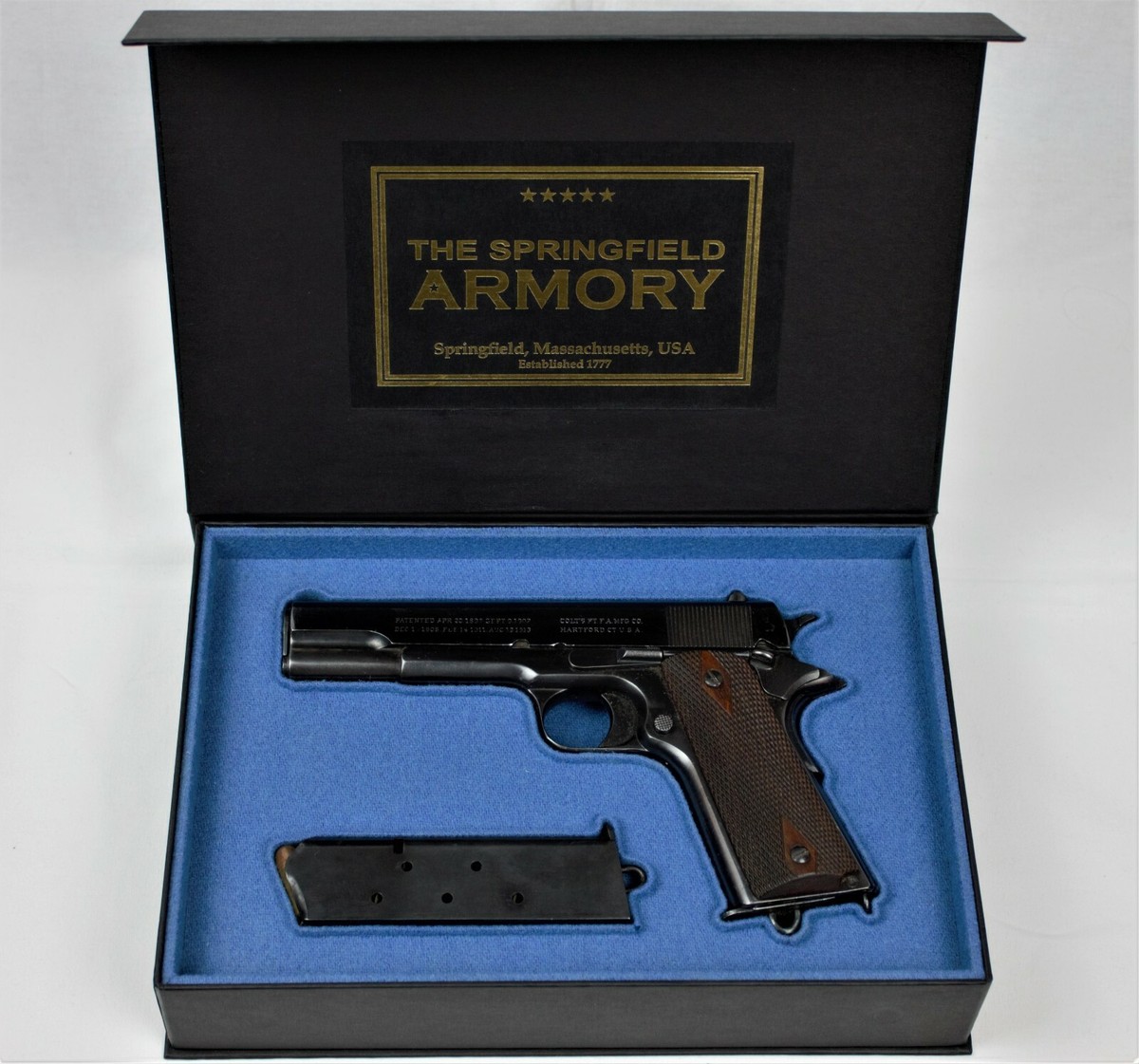
The M1911 was designed during a time when the U.S. military was transitioning to more modern firearms. It filled a need for a reliable sidearm that could deliver powerful .45 ACP rounds. Its adoption came after extensive testing, including the infamous "Pistol Trials" of 1906, where numerous candidates were evaluated for reliability and effectiveness.
The M1911 served in both World Wars, Korea, Vietnam, and various conflicts since then. Its rugged design and stopping power made it a favorite among soldiers. Post-war, it transitioned into civilian use, becoming a staple in law enforcement and civilian self-defense.
Collectors appreciate the M1911 not only for its performance but for its deep roots in American history. Each variant tells a story of the era in which it was produced, reflecting changes in technology, military needs, and even societal attitudes towards firearms.
Key variants of the M1911
1. Early models (M1911)
The original M1911 model was produced from 1911 until 1924. These early models are characterized by their simple design and solid construction. Key features include:
Slide markings: Early models typically feature "MODEL OF 1911 U.S. ARMY" on the left side of the slide.
Serial numbers: The early production run had serial numbers ranging from 1 to around 600,000.
No thumb safety: The original design did not include a thumb safety, which was later added in subsequent models.
Collectors seek these early M1911s due to their historical importance and rarity. Original examples with matching numbers and good condition command premium prices.
2. M1911A1
The M1911A1 was introduced in 1924 as an upgrade to the original model. Changes included:
Sights: The new design incorporated improved sights for better aiming.
Shortened grip: The grip was slightly altered for better ergonomics.
Thumb safety: A thumb safety was added to enhance user safety.
Colt M1911 Early Model Deals
Prices may change. May contain affiliate links.
Production continued through World War II, with over 1 million units produced during this period alone. Examples from this era often feature the "United States Property" marking on the frame.
3. WWII variants
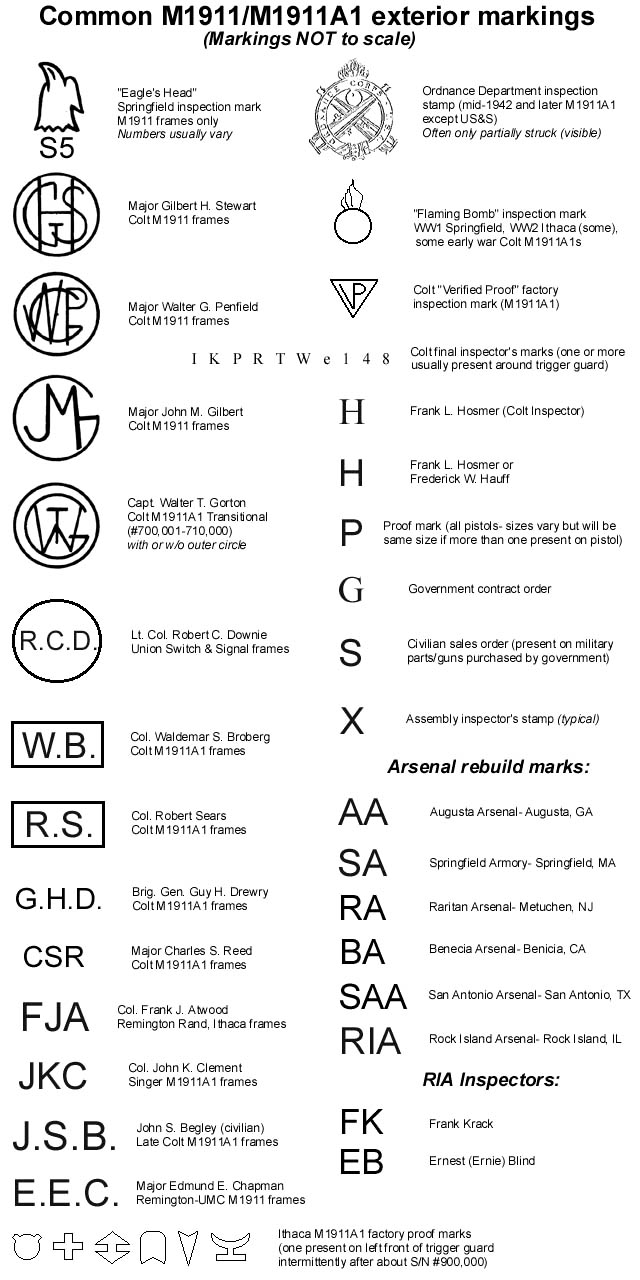
During World War II, several manufacturers produced M1911A1 pistols under government contracts. Notable manufacturers included Colt, Remington Rand, Ithaca, and Union Switch & Signal. Key features include:
Different finishes: Depending on the manufacturer, you may find variations in bluing or Parkerizing.
Inspection marks: Look for inspector initials on various parts, which can indicate authenticity and help trace the gun's history.
Serial number ranges: For instance, Colt's production numbers during this time typically range from 700,000 to over 2 million.
Collectors value WWII variants not just for their manufacturing differences but also for the stories they carry; many were used in combat by troops across various theaters.

Colt M1911A1 Deals
Prices may change. May contain affiliate links.
4. Post-war commercial models
After WWII, the demand for military surplus M1911s led to many being reworked or sold as surplus. However, some companies also began producing commercial versions aimed at civilians. Features to note include:
Changes in markings: Commercial models often have different slide markings compared to their military counterparts.
Finish differences: Many post-war models utilize different bluing techniques or finishes that were not available during wartime.
Increased customization: Collectors may find models with adjustable sights or other enhancements that were less common in military versions.
These variants are often overlooked but can provide insight into how the M1911 evolved into a popular civilian firearm.
5. Modern variants
In recent years, the M1911 has undergone further refinements and modifications by various manufacturers. Modern variants often incorporate enhanced features such as:
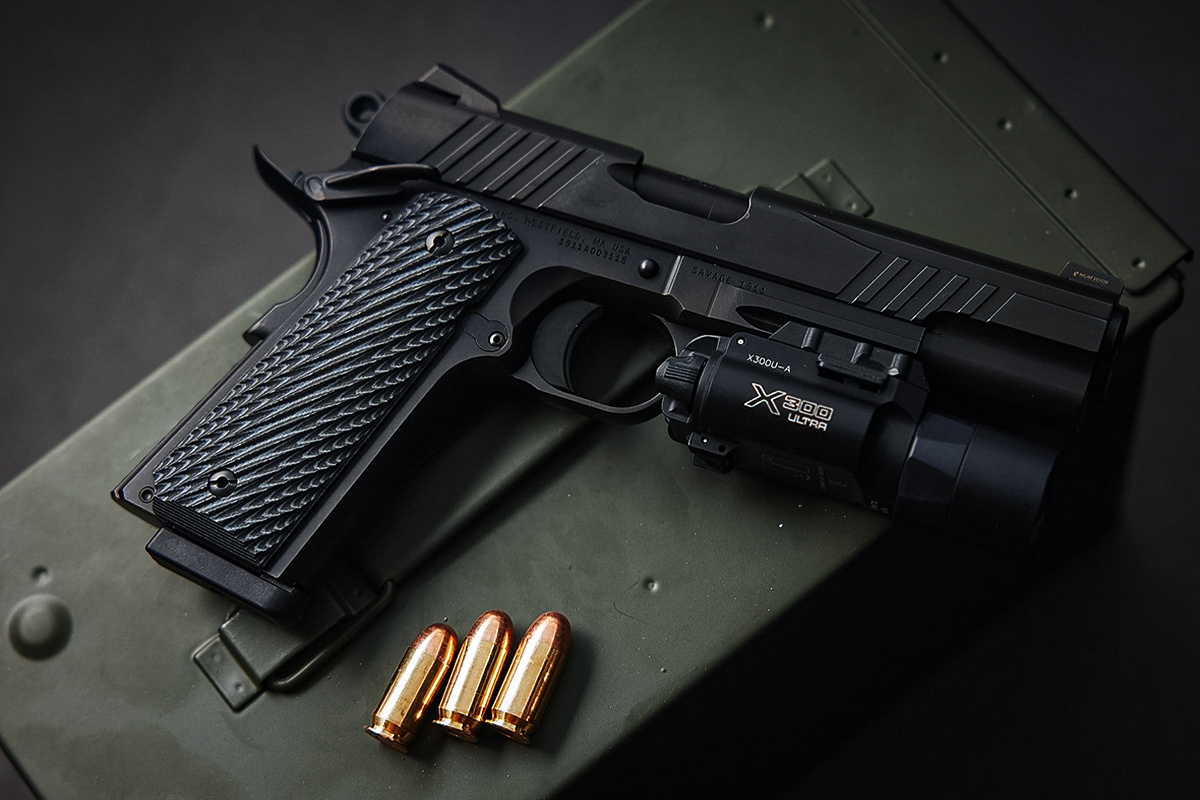
Improved materials: Many current models utilize stainless steel or advanced alloys for durability.
Accessory rail: Some newer models have integrated accessory rails for lights or lasers.
Enhanced ergonomics: Features like textured grips or extended controls improve usability.
While modern variants stray from historical accuracy, they attract collectors interested in how the platform continues to evolve while retaining its classic appeal.
Collector's Notes
When collecting M1911s, consider these key inspection points:
Colt M1911A1 WWII Variant Deals
Prices may change. May contain affiliate links.
Markings: Always verify markings against known reference points for each variant.
Serial numbers: Document serial numbers to confirm production dates and manufacturer details.
Condition: Be wary of over-cleaned or heavily polished firearms, which can detract from originality and value.
Preservation checklist
To maintain your M1911 collection:
Store firearms in a climate-controlled environment to prevent rust and degradation.
Use desiccants or humidity control systems to reduce moisture levels.
Handle firearms minimally to avoid wear on finishes and components.
Use appropriate cleaning methods that do not strip original finishes.
Common mistakes
When collecting M1911 variants, avoid these common pitfalls:
Purchasing without verifying provenance through documentation or markings.
Over-cleaning firearms that can lead to loss of value.
Failing to recognize aftermarket modifications that detract from originality.
Ignoring condition issues that may indicate improper storage or handling.

Remington Rand M1911A1 Deals
Prices may change. May contain affiliate links.
Comparison of key M1911 variants
Here's a concise comparison of notable M1911 variants:
| Variant | Key Features | Typical Serial Numbers | Rarity Level | Typical Condition |
|---|---|---|---|---|
| Early M1911 | No thumb safety; simple markings | 1 - 600,000 | Rare | Very Good to Excellent |
| M1911A1 | Improved sights; thumb safety | 600,000 - 2 million | Common | Good to Very Good |
| WWII Variant | Manufacturer-specific features | 700,000 - over 2 million | Varies by maker | Fair to Excellent |
| Post-War | Commercial features; varied markings | Post-1945 | Less common | Fair to Very Good |
| Modern Variant | Enhanced materials; accessory rail | Varies by manufacturer | Common | New |
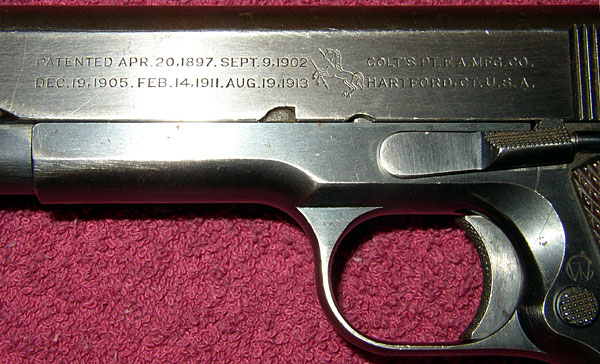
Each variant provides unique insights into both technological advancements and military history. Collectors should focus on what makes each variant significant while maintaining rigorous standards of documentation and preservation.
Conclusion
As you delve deeper into collecting M1911 variants, keep in mind the rich tapestry of history behind each pistol. Pay careful attention to details such as markings, serial numbers, and condition. The stories these firearms carry are as vital as their physical attributes.
Documentation is paramount; ensure you retain any papers that accompany your acquisitions. This not only helps in establishing authenticity but also enhances your connection to the broader narrative of American military history.

Ithaca M1911A1 Deals
Prices may change. May contain affiliate links.