The cultural impact of the German MP40: collecting history and significance
The MP40 submachine gun is one of the most recognizable firearms of World War II, often synonymous with the German military during the conflict. Collectors value it not only for its design and historical significance but also for its cultural impact in both wartime and post-war contexts. This article focuses on the MP40's history, its variants, and its relevance to collectors today.
Historical context
The MP40 was developed in the late 1930s as a response to the need for a lightweight, automatic weapon that could be easily handled by soldiers in close-quarters combat. Designed by Heinrich Vollmer, the MP40 was officially adopted by the German Wehrmacht in 1940. Its compact size, folding stock, and simple blowback operation made it suitable for a variety of roles, including vehicle crews and paratroopers.
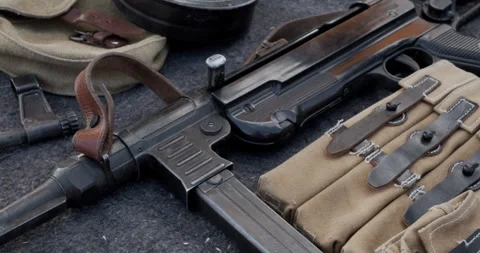
During World War II, the MP40 saw extensive use across various fronts, from North Africa to the Eastern Front. It was favored for its reliability and ease of use, making it a preferred weapon among German troops. Its iconic design, featuring a distinctive curved magazine and stamped metal construction, set it apart from earlier submachine guns like the MP38.
Production details
The MP40 was produced by several manufacturers, including Erma Werke, Steyr-Daimler-Puch, and Mauser. Approximately 1.1 million units were manufactured throughout the war, making it one of the most widely produced submachine guns of its time.
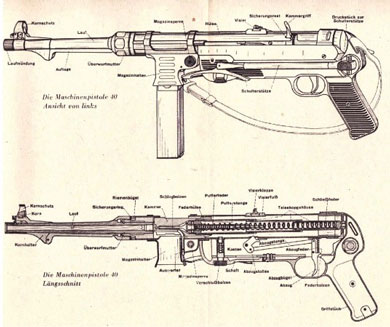
Production methods evolved during the war due to resource constraints and the need for rapid output. Early models exhibited higher craftsmanship with machined parts, while later versions featured more stamped components to speed up manufacturing.
The serial numbers on the MP40 typically range from 1 to over 1 million, with variations in markings depending on the manufacturer. Collectors should pay close attention to these markings, as they can provide essential information about the gun's production and history.
Collecting the MP40
Identifying original versus reproduction examples
When examining an MP40 for potential purchase or collection, authenticity is paramount. Unfortunately, reproductions and fakes have proliferated in recent years, making careful inspection crucial. Look for proper markings, serial numbers, and overall quality of construction.
Original MP40s will have distinct manufacturer codes and proof marks, which can often be found on the receiver or barrel. Additionally, many original parts will have matching serial numbers. For example, a complete original MP40 should ideally have matching numbers on the receiver, bolt, and barrel.
Grading condition
Collectors typically classify firearms into several grading categories:
Excellent: Little to no wear, with original finish intact and all parts matching.
Very Good: Minor wear visible; bluing may have started to fade but is largely intact.
Good: Noticeable wear; some pitting or surface rust may be present.
Fair: Significant wear; functional but may require repairs or restoration.
Poor: Non-functional; parts missing or heavily damaged.
Understanding these classifications helps assess value and guides preservation efforts. When purchasing an MP40, you should always evaluate its condition in relation to its market value.
Documentation importance
A comprehensive record of an MP40's provenance can significantly enhance its value. Documentation may include:
Original papers showing military issue or transfers
Bring-back papers if it was captured during wartime
Photos showing historical context or usage
Documentation can provide essential context that may elevate a piece from merely interesting to historically significant. As a collector, you should insist on clear provenance whenever possible.
Common mistakes in collecting MP40s
Neglecting proper documentation: Always seek provenance and verify claims with paperwork.
Overlooking markings: Markings provide critical information about authenticity and production details.
Assuming all parts are original: Be wary of force-matched components; any replaced parts can affect value.
Ignoring condition: A poorly maintained firearm can lead to corrosion or damage; assess long-term preservation needs.
Disregarding import regulations: Ensure compliance with local laws regarding ownership and transfer of military firearms.
Variants of the MP40
While the MP40 is often viewed as a single model, several variants exist that collectors may encounter. Understanding these differences is critical for accurate identification and valuation.
MP38
Developed prior to the MP40, the MP38 shares many features but is generally considered less desirable due to lower production numbers and slightly inferior materials. It has a different trigger mechanism and some minor design elements that distinguish it from the later MP40.
MP41
The MP41 was a variant intended to be produced by Steyr-Daimler-Puch using both original and new production methods. It features a wooden stock rather than the folding metal stock of the MP40. While not as common as other variants, it is highly sought after due to its unique design.
Post-war variants
After WWII, several countries produced their versions of the MP40 or based their designs on it. For example:
The Polish PM63: Utilizes similar principles but with modernized features.
The Israeli Uzi: Influenced by submachine guns like the MP40 but redesigned for contemporary warfare.
These post-war derivatives are often collected separately from original WWII models but still hold significant interest due to their heritage.
Comparison table
| Model | Year Range | Key Features | Rarity | Value Impact |
|---|---|---|---|---|
| MP38 | 1938-1940 | Early design; less durable | Less common | Lower than MP40 |
| MP40 | 1940-1945 | Folding stock; stamped parts | Common | High demand with provenance |
| MP41 | 1941-1945 | Wooden stock; unique design | Rare | High due to rarity |
| Post-war | 1945 onwards | Modern adaptations | Varies | Depends on specific model |
Cultural impact
The influence of the MP40 extends beyond its functionality as a weapon. It has appeared in countless films, video games, and literature, often portrayed as an iconic symbol of WWII Germany. This representation has contributed to its status as a collectible item among military history enthusiasts.
Representation in media
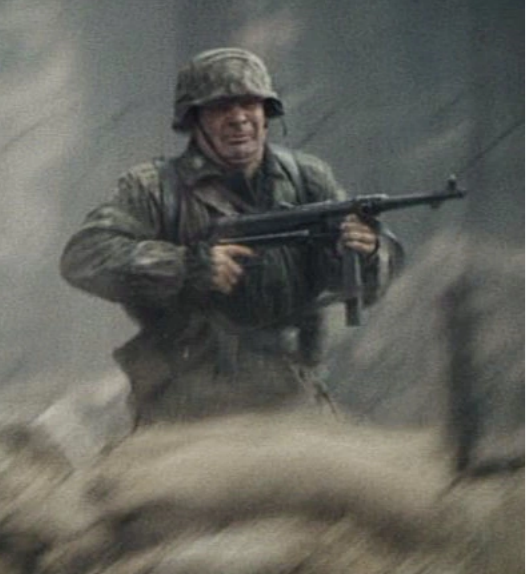
Films such as Saving Private Ryan and Band of Brothers have helped cement the visual identity of the MP40 in popular culture. It is often portrayed not just as a weapon but as an emblem of the soldiers who wielded it. This kind of representation enhances its appeal among collectors who seek pieces that resonate with broader historical narratives.
Military reenactments
The MP40 is frequently used in military reenactments due to its iconic status and historical importance. Reenactors often seek authentic weapons to enhance their portrayal of historical events. An original or correctly marked replica can be highly valued within this community.
Symbolism in collecting
For many collectors, owning an MP40 represents more than just possessing a piece of history; it signifies an engagement with wartime narratives and memories that continue to shape our understanding of global conflicts. The stories behind each weapon, how they were used and by whom, add layers of significance that transcend their mechanical function.
Preservation considerations
Proper preservation is essential for maintaining both the functionality and historical integrity of your MP40. Factors like humidity, temperature fluctuations, and handling practices can significantly affect your firearm's condition over time.
Storage recommendations
Humidity control: Maintain humidity levels between 30% and 50%. Use dehumidifiers or silica gel packs if necessary.
Temperature management: Store firearms in a stable environment away from extreme heat or cold fluctuations.
Handling practices: Always handle firearms with care; consider using gloves to avoid oils from your skin transferring onto metal surfaces.
Regular inspections: Periodically check your collection for signs of corrosion or damage and take appropriate action if issues arise.
Cleaning practices
Over-cleaning can lead to significant wear on valuable firearms. Use a gentle approach with non-abrasive materials when cleaning your MP40:
Avoid harsh solvents: Stick with mild cleaners designed for firearms.
Minimal disassembly: Limit disassembly to necessary maintenance; keep original parts intact whenever possible.
Storage oiling: A light coat of oil can protect metal surfaces without compromising historical finishes.
Collector's notes
When considering an MP40 for your collection:
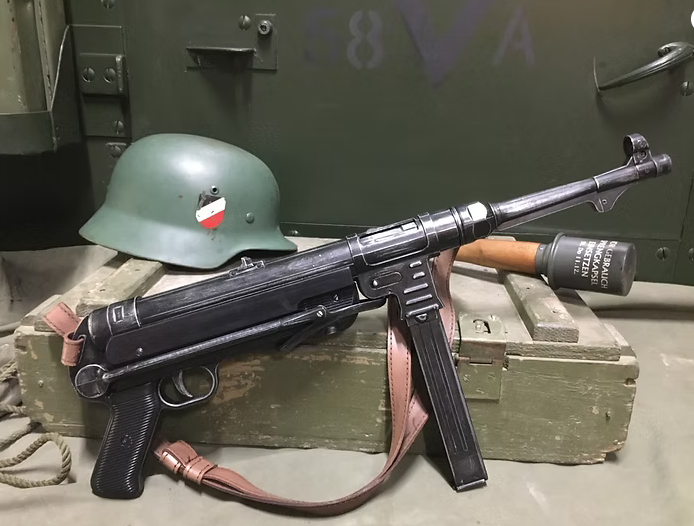
Pay attention to markings, identify manufacturer codes and proof marks.
Seek out documentation that provides provenance.
Assess condition critically, understand how each grade impacts value.
Be wary of reproductions, demand clear evidence of authenticity.
Consider how you'll maintain preservation standards over time.
By following these guidelines, you can make informed decisions that respect both the object itself and the history it represents.
Conclusion
The German MP40 remains a pivotal piece in military firearm history due to its widespread use during World War II and its lasting cultural impact. Understanding its variants, production details, and significance allows collectors to appreciate not just the craftsmanship involved but also the stories behind each weapon. Thoughtful acquisition paired with diligent preservation ensures that future generations can continue to learn from these artifacts of history.